Importing prefabricated houses from China has become a game-changer for developers and homeowners worldwide. Whether you are looking for a modular home, a container house, or a steel structure villa, China's supply chain offers unmatched cost efficiency and design variety.
However, the logistics of moving a house across the ocean is far more complex than shipping standard cartons. Shipping prefabricated houses involves handling oversized cargo, navigating complex customs regulations, and ensuring structural integrity during transit.
In this guide, we will break down everything you need to know about shipping prefab houses from China, from shipping methods and costs to packing standards and customs clearance.
Key Takeaways for Shipping Prefabricated Houses
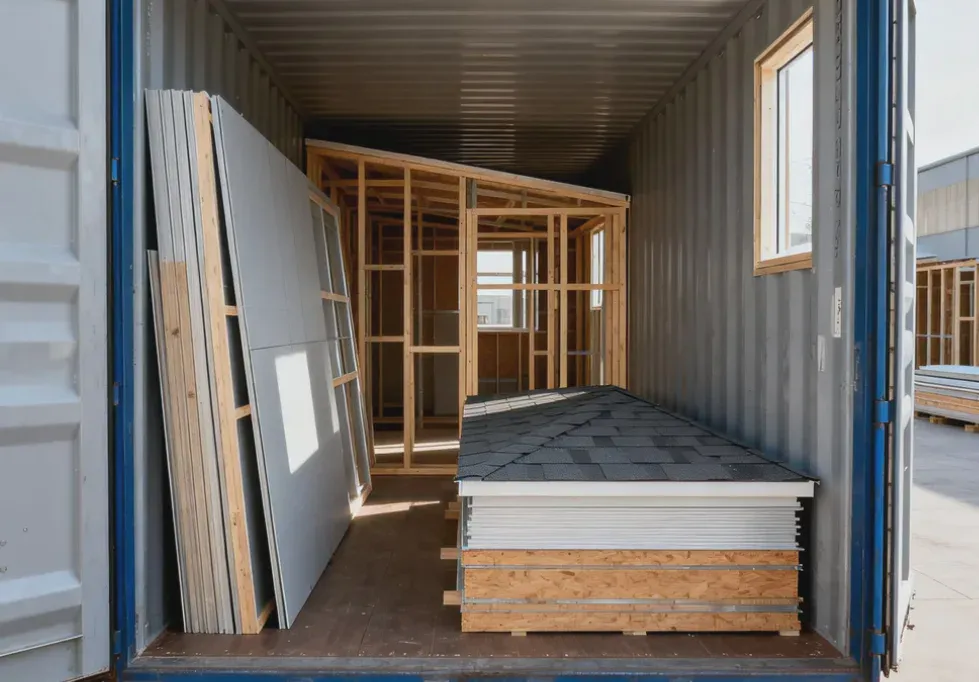
- Optimal Shipping Methods: Flat-pack and knock-down designs fit perfectly into standard 40HQ containers, keeping freight costs low. Fully assembled modules require specialized Flat Rack or Break Bulk shipping.
- Cost Drivers: Your total landed cost is dictated by Volume (CBM), Out-of-Gauge (OOG) surcharges, and destination handling fees. Space optimization is critical.
- Customs & Compliance: Importing a building requires strict adherence to local building codes and accurate HS Code (9406.90) declaration to avoid costly border delays.
- The DTFU Solution: We offer seamless door-to-door logistics, leveraging preferential contract rates and expert project cargo handling to ensure your modular home arrives safely and on budget.
What Are Prefabricated Houses and Why Are They Imported from China?
Prefabricated houses (or prefab homes) are dwelling types where major structural components are manufactured off-site in a factory and then transported to the building site for assembly.
China has emerged as the world's leading supplier of these structures due to:
- Advanced Manufacturing: High precision in steel and modular production.
- Cost Efficiency: significantly lower material and labor costs compared to Western manufacturers.
- Variety: Options range from simple flat-pack container homes to luxury light steel villas.
Common Types Imported
- Modular Houses: Sections are built in a factory and transported to the site.
- Container Houses: Repurposed or new shipping container structures, often foldable.
- Steel Structure Houses: Steel frames sent as components for on-site assembly.
Can Prefabricated Houses Be Shipped Internationally?
Yes, prefabricated houses can be shipped internationally.
In fact, the industry is built around the concept of mobility. However, the state in which the house is shipped determines the complexity.
- Knock-Down (KD) Units: These are disassembled and packed flat. They are the easiest and cheapest to ship.
- Fully Assembled Units: These often require special equipment because they may not fit in standard containers.
Regulatory Note: Before shipping, you must ensure the prefab house meets the building codes and zoning laws of your destination country (e.g., local wind load ratings or insulation standards).
Shipping Methods for Prefabricated Houses from China
Choosing the right shipping method is the single biggest factor in controlling your landed cost.
1. Full Container Load (FCL) Shipping
This is the most common method for knock-down or flat-pack prefab houses.
- 40ft High Cube (40HQ): This is the industry standard. Most modular home components (walls, floors, roof panels) are designed specifically to fit inside a 40HQ container.
- Capacity: A standard 40HQ can typically hold 3-4 standard flat-pack container units (depending on dimensions).
- Cost: This is the most economical option.
- Learn more: High cube shipping container cost from China
2. Flat Rack Container Shipping
Used for oversized modules that cannot be disassembled or are too wide/tall for a standard container.
- Pros: Allows shipping of fully assembled bathroom pods or kitchen units.
- Cons: Significantly more expensive than standard FCL due to "Out of Gauge" (OOG) surcharges.
3. Open Top Container Shipping
Ideal for structural components that are too tall for a standard door but fit within the width of a container. The cargo is loaded from the top by a crane.
4. Break Bulk Shipping
For massive, fully built modular homes that cannot fit on container ships, Break Bulk vessels are used. The house is secured directly onto the ship's deck. This is rare for residential housing due to the extremely high cost and risk of damage.
How Prefabricated Houses Are Packed and Loaded for Shipping
Proper packaging is non-negotiable. Poor packing leads to bent frames, broken windows, and water damage.
Knock-Down Packaging (Flat-Pack)
- Stacking: Roof and floor sections are stacked with wall panels sandwiched in between.
- Protection: Wrapped in industrial plastic film to prevent moisture damage (sea air is corrosive).
- Corner Protection: Steel corner posts are reinforced to bear the weight of stacking.
Container Loading Methods
- Weight Distribution: Heavy steel frames must be placed at the bottom to lower the center of gravity.
- Securing: Cargo must be lashed and secured with dunnage bags to prevent shifting during rough sea conditions.
- Space Optimization: "Shipping air" is expensive. Experienced suppliers optimize every inch of the container.
Shipping Cost for Prefabricated Houses from China
The shipping cost is often the second largest expense after the purchase price. Costs vary wildly based on the shipping method and destination.
Key Cost Components
- Ocean Freight: The cost from the Chinese port (e.g., Shanghai, Shenzhen) to your destination port.
- Terminal Handling Charges (THC): Fees charged by the ports at both ends.
- Customs Clearance & Duties: Import tariffs vary by country.
- Inland Transportation: Delivery from the port to your construction site. Note: You may need a crane at the delivery site for unloading.
Estimated Cost Factors
-
Volume (CBM): Prefab houses are bulky. Even if light, you pay for the space.
-
Seasonality: Shipping rates peak before Chinese New Year and during Q4 (Holiday season).
-
Route:
- To USA: Shipping Cost from China to USA
- To Europe: Shipping Cost from China to Germany
- To Middle East: Shipping Cost from China to Saudi Arabia
- To Africa: Shipping container from china to Kenya
Pro Tip: Always ask for a CIF (Cost, Insurance, Freight) or DDP (Delivered Duty Paid) quote comparison to understand your total liability.
- Check our guide on Door to Door Shipping for hassle-free delivery.
Shipping Time from China to Major Countries
Transit times depend on the route and whether you choose direct or transshipment vessels.
| Destination | Estimated Port-to-Port Time |
|---|---|
| USA (West Coast) | 15 - 25 Days |
| USA (East Coast) | 30 - 45 Days |
| Canada | 20 - 40 Days |
| Australia | 12 - 20 Days |
| UK / Germany / France | 30 - 40 Days |
| UAE (Dubai) | 20 - 25 Days |
| South Africa | 25 - 35 Days |
Note: These are estimates. Congestion and weather can affect schedules.
- See more: Shipping time from China to USA
Documents Required for Shipping Prefabricated Houses
Missing documents can lead to your house being stuck at customs, accruing daily storage fees.
Standard Documents:
- Commercial Invoice: Lists the value of the goods for tax purposes.
- Packing List: Details the contents of each container (crucial for customs inspections).
- Bill of Lading (B/L): The official transport contract.
- Certificate of Origin: May be required to claim preferential duty rates (e.g., for free trade agreements).
Special Documents for Prefab Houses:
- Fumigation Certificate: If the house contains wood materials.
- Material Safety Data Sheets (MSDS): For any glues or paints included.
- Structural Certifications: Some countries require proof that the steel/materials meet local standards before import is allowed.
Import Regulations for Prefabricated Houses
Importing a house is not like importing a t-shirt. You are importing a building.
-
Building Codes: The most common pitfall. A house built to Chinese standards may not pass inspection in the US or UK. Ensure your supplier manufactures to your local code (e.g., AS/NZS for Australia, CE for Europe).
-
Tariffs: Prefab buildings often fall under specific HS Codes (e.g., 9406.90). Check the duty rate.
Step-by-Step Process for Shipping Prefabricated Houses from China
- Supplier Production: Once manufacturing finishes, the factory performs a "trial assembly" to ensure fit.
- Booking & Packaging: We book the containers and the factory packs the components flat.
- Loading & Trucking: Containers are loaded at the factory and trucked to the port (e.g., Shanghai, Ningbo).
- Export Customs Clearance: We declare the cargo to Chinese customs.
- Sea Freight: The ship departs.
- Arrival & Import Clearance: Your broker clears the goods at the destination port.
- Final Delivery: The container is trucked to your land. Important: You must have a crane or forklift ready to unload the heavy modules immediately to avoid detention charges.
Tips to Reduce Shipping Costs for Prefabricated Houses
- Maximize Container Space: Ensure your design fits efficiently into a 40HQ. A house that takes up 1.1 containers will force you to pay for 2 containers.
- Choose "Knock-Down" Designs: Foldable or flat-pack designs are 3-4x cheaper to ship than assembled units.
- Ship Non-Urgent: Ocean freight rates fluctuate. Shipping during the "slack season" (March-July) can save thousands.
- Consolidate: If you have extra space in the container, fill it with furniture, sanitary ware, or flooring to maximize value per cubic meter.
Choosing the Right Freight Forwarder for Prefabricated Houses
Shipping prefab houses requires project cargo expertise. A standard forwarder might not know how to handle:
- Overweight container permits.
- Route planning for delivering large containers to remote construction sites.
- Coordinating crane offloading windows.
Why DTFU? At DTFU International Logistics, we have extensive experience shipping modular homes to the USA, Europe, and Australia. We offer:
- One-Stop Solution: From factory floor to your foundation.
- DDP Services: We handle all duties and taxes, so you just wait for delivery.
- Oversized Expertise: We know how to handle Flat Racks and Open Tops efficiently.
Frequently Asked Questions About Shipping Prefabricated Houses
1. Can prefab houses fit in containers? Yes, most modern prefab houses are designed as "flat-packs" specifically to fit into standard 40ft High Cube containers.
2. How many containers does a prefab house need? A typical 40HQ container can hold about 30-50 square meters of a flat-pack modular house. A 100sqm house might require 2-3 containers.
3. What is the cheapest way to ship prefab houses? The cheapest way is via Sea Freight FCL using standard containers. Avoid Break Bulk or Flat Racks unless absolutely necessary.
4. Do prefab houses require special customs clearance? Generally, no, but they require precise HS Code classification. Misclassification can lead to higher taxes or fines.
5. How much does it cost to ship a container of prefab houses to the USA? Rates vary weekly. For current rates, check our guide on How much to ship a Container from China to USA.
Ready to ship your dream project? Contact DTFU International Logistics today for a free, no-obligation quote. We'll help you navigate the complex waters of international project logistics.