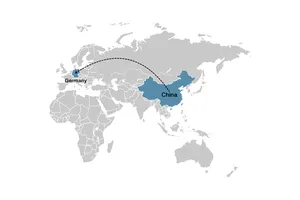
Are you wondering how much shipping cost from China to Germany can impact your business or personal imports? Navigating the complexities of sea shipping, air freight, and door to door shipping requires up-to-date knowledge of costs, transit times, and import duties. In this comprehensive guide, we’ll break down everything you need to know about calculating, comparing, and optimizing your shipping expenses from China to Germany. Get ready to make informed decisions and streamline your shipping process!
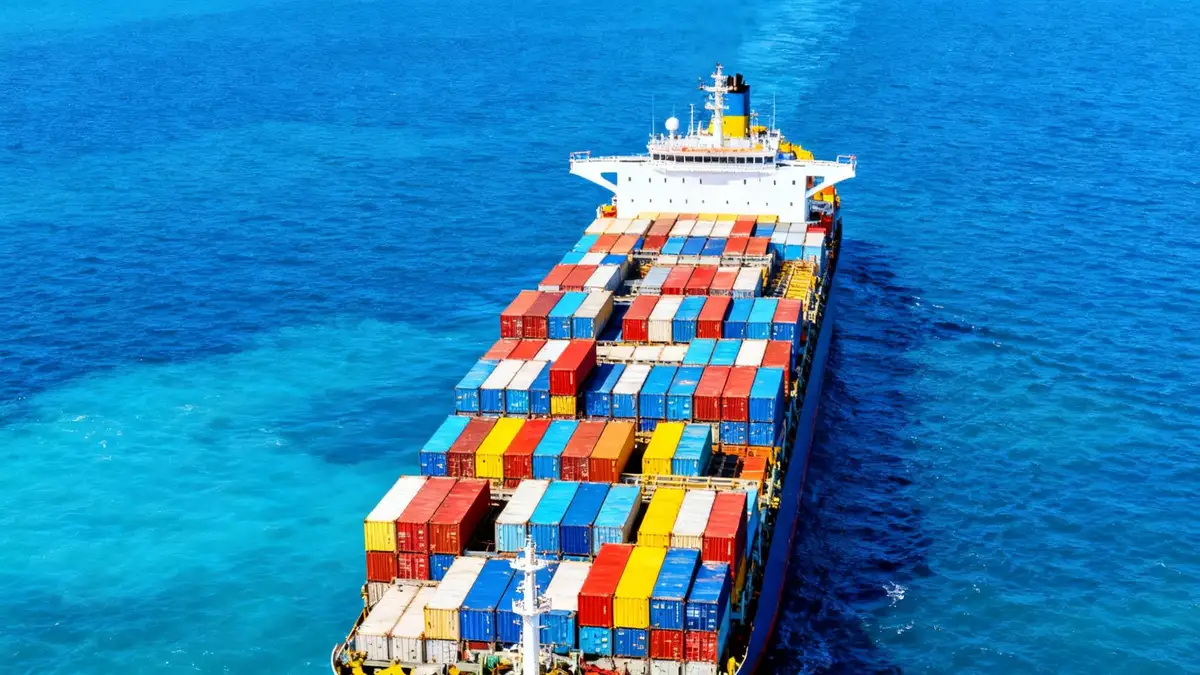
Sea shipping from China to Germany
Sea freight is the most popular and cost-effective mode for shipping large volumes of goods from China to Germany. It’s ideal for businesses looking for affordable solutions and can accommodate a wide range of cargo types, including full container loads (FCL) and less than container loads (LCL).
Major Ports
- China’s main export ports: Shanghai, Shenzhen, Ningbo, Qingdao, Tianjin, and Guangzhou. These ports handle a significant portion of China’s exports to Europe.
- Germany’s primary import port: Hamburg, which serves as the main gateway for goods entering Germany and Central Europe.
Shipping Routes & Transit Times
The traditional route is through the Suez Canal, connecting the Chinese ports to Hamburg. Schedules may vary due to seasonal demand, port congestion, and global events, which has caused temporary rerouting and schedule changes.
| Origin Port (China) | Destination Port (Germany) | Typical Transit Time (Days) |
|---|---|---|
| Shanghai | Hamburg | 28–35 |
| Shenzhen | Hamburg | 29–36 |
| Ningbo | Hamburg | 28–35 |
| Qingdao | Hamburg | 30–38 |
Please note: Actual transit times are subject to change based on carrier schedules, weather, and geopolitical factors.
Related reading: If you are interested in sea shipping to other European countries, see Sea shipping from China to Netherlands for more options and rates.
Container Options & Capacity
- 20FT Container: 28CBM (Cubic Meters)
- 40FT Container: 56CBM
- 40HQ (High Cube) Container: 68CBM
- 45HQ Container: 78CBM
These options allow flexibility depending on shipment size and cargo nature.
Cost Overview
Sea freight rates are influenced by fuel prices, route congestion, and global demand. As of Q4 2025, typical FCL rates for China to Germany are as follows (excluding surcharges and local charges):
| Container Type | Estimated Cost (USD) |
|---|---|
| 20FT | $2,200 – $3,000 |
| 40FT / 40HQ | $3,800 – $5,000 |
LCL shipping rates are usually calculated per CBM, with costs ranging from $70–$120/CBM, depending on the route and service level.
Advantages
- Cost-effective for large volumes
- Suitable for a wide range of goods, including machinery, electronics, and textiles
- Reliable for regular, bulk shipments
Considerations
- Longer transit compared to air freight
- Subject to port congestion and global events
- Customs clearance, documentation, and insurance are essential for smooth operations
As a highly professional and reliable freight forwarder, DTFU International Logistics Co.,Ltd offers end-to-end sea freight services, covering FCL, LCL, customs clearance, cargo insurance, and real-time tracking. We ensure timely and secure delivery from every major Chinese port to Germany.
For nearby destinations, you may also want to explore Sea shipping from China to France to compare routes and solutions within Europe.
Air shipping from China to Germany
Air freight is the fastest solution for shipping goods from China to Germany. It’s ideal for time-sensitive, high-value, or perishable cargo. Common industries utilizing air freight include electronics, fashion, medical supplies, and e-commerce businesses.
Main Airports
- China’s major export airports: Shanghai Pudong (PVG), Beijing Capital (PEK), Guangzhou Baiyun (CAN), Shenzhen Bao’an (SZX), Hong Kong (HKG)
- Germany’s key import airports: Frankfurt am Main (FRA), Munich (MUC), Leipzig/Halle (LEJ)
Transit Times
Air freight is remarkably quick. Typical transit time (airport to airport) is:
| Origin Airport (China) | Destination Airport (Germany) | Transit Time (Days) |
|---|---|---|
| PVG, PEK, CAN, SZX, HKG | FRA, MUC, LEJ | 2–5 |
Note: Door-to-door delivery may take an additional 1–3 days, depending on customs clearance and last-mile arrangements.
Interested in air shipping to countries in Europe? Learn more about Air shipping from China to France for alternative options and transit times.
Air Freight Cost Structure
Air shipping cost from China to Germany is usually calculated per kilogram (kg), based on chargeable weight (the greater of actual or volumetric weight). Prices fluctuate with fuel surcharges, cargo market demand, and route capacity.
As of 2025, ballpark air freight rates are:
| Weight Bracket | Estimated Cost (USD/kg) |
|---|---|
| 45–100 kg | $5.00 – $6.50 |
| 100–300 kg | $4.50 – $6.00 |
| 300+ kg | $4.00 – $5.50 |
For urgent or sensitive cargo, express services (such as DHL, FedEx, UPS) are available, at a premium.
When to Choose Air Freight?
- When delivery speed outweighs cost concerns
- For valuable, fragile, or perishable goods
- For replenishing low inventory quickly
- When supply chain disruptions affect sea freight reliability
Advantages
- Fastest transit time between China and Germany
- High level of cargo security
- Predictable schedules
Considerations
- Higher cost compared to sea and rail freight
- Limited capacity for bulky or overweight items
- Subject to airline schedules and customs clearance processes
DTFU International Logistics Co.,Ltd offers customized air freight solutions, including standard and express air services, door-to-door delivery, cargo insurance, and full support with customs procedures. Our strong partnerships with leading airlines ensure competitive rates and priority space allocation, even during peak seasons.
Door to Door shipping from China to Germany
Door to Door shipping is one of the most convenient and comprehensive freight solutions for businesses and individuals importing from China to Germany. This service means that your goods will be picked up from your designated address in China, handled by a professional freight forwarder like DTFU International Logistics Co.,Ltd, and delivered straight to your specified address in Germany. This process covers the entire shipping chain, including domestic transport, international freight, customs clearance, and final delivery.
For detailed process steps, case studies, and more, visit our dedicated Door to door shipping from China to Germany service page.
Key Features of Door to Door Shipping
- One-stop logistics management: All steps from pickup to delivery are coordinated by a single provider.
- Customs clearance included: Both export and import customs procedures are managed on your behalf, which minimizes the risk of delays or compliance issues.
- Multiple transport modes: Options include sea freight, air freight, and sometimes rail or road freight for the European leg.
- Ideal for all business sizes: Whether you’re a large manufacturer, SME, or e-commerce seller, this service offers peace of mind and predictable costs.
- Cargo insurance and value-added services: Leading providers, such as DTFU International Logistics Co.,Ltd, can offer cargo insurance, storage, and even Amazon FBA prep.
This flexible solution is highly valued by clients who wish to focus on their core activities and leave the complex logistics processes to experts.
How much does shipping from China to Germany cost?
Shipping costs depend on multiple factors, including the selected mode of transportation, cargo volume or weight, the specific origin and destination, and market variables such as fuel prices. Let’s break down the typical cost structures for the major shipping modes.
Cost of shipping 20ft & 40ft Container from China to Germany
The most common sea freight option involves 20ft and 40ft containers. As of 2025, typical base rates (port to port) are as follows:
| Container Type | Capacity (CBM) | Major Routes (e.g., Shanghai to Hamburg) | Estimated Cost (USD) | Transit Time (Days) |
|---|---|---|---|---|
| 20ft Container | 28 CBM | Shanghai – Hamburg/Bremerhaven | $2,000 – $2,800 | 28 – 38 |
| 40ft Container | 56 CBM | Shenzhen – Hamburg/Bremerhaven | $3,200 – $4,500 | 28 – 38 |
| 40ft HQ Container | 68 CBM | Ningbo – Hamburg/Bremerhaven | $3,600 – $5,200 | 28 – 38 |
| 45ft HQ Container | 78 CBM | Qingdao – Hamburg/Bremerhaven | $4,200 – $6,000 | 28 – 38 |
Note: These are base ocean freight rates. Door to Door service will include additional costs for local pickup, delivery, customs clearance, and possible warehousing. Surcharges may apply depending on the nature of your cargo, seasonality, and specific requirements.
Air Shipping from China to Germany Cost per kg
Air freight is chosen for high-value or time-sensitive shipments. The cost is highly sensitive to weight, size, and the selected service level (standard, express, or economy).
| Service Type | Major Airports (e.g., PVG Shanghai to FRA Frankfurt) | Typical Rate (USD/kg) | Transit Time (Days) |
|---|---|---|---|
| Standard Air | PVG – FRA / MUC | $4.50 – $7.00 | 3 – 6 |
| Express Air | PVG – FRA / MUC | $7.00 – $12.00 | 1 – 3 |
| Economy Air | PVG – FRA / MUC | $3.00 – $5.00 | 5 – 9 |
- Minimum charges often apply (typically 45kg or 100kg).
- Fuel surcharges and security fees may be extra.
- For urgent cargo, courier services (like DHL, FedEx, UPS) are available but rates are higher.
Door to Door shipping cost from China to Germany
The total Door to Door shipping cost combines international freight, customs clearance, local charges, and final delivery. Here’s an indicative range for standard commercial goods (2025 data):
| Shipping Mode | Example Volume | Estimated Door-to-Door Cost (USD) | Transit Time (Days) |
|---|---|---|---|
| LCL Sea Freight | 1 CBM (approx. 200kg) | $500 – $900 | 32 – 40 |
| 20ft FCL Sea Freight | 28 CBM | $3,800 – $5,200 | 32 – 40 |
| 40ft FCL Sea Freight | 56 CBM | $6,200 – $8,500 | 32 – 40 |
| Air Freight (Standard) | 100kg | $900 – $1,450 | 3 – 6 |
| Express Courier | 21kg | $350 – $500 | 3 – 5 |
Note: Prices above are reference ranges for general cargo (non-hazardous, not oversized, standard documentation). Costs may fluctuate due to:
- Seasonal demand (e.g., pre-Christmas or CNY peak)
- Port congestion or global disruptions
- Special handling (e.g., temperature-sensitive, oversized, or regulated goods)
Why Choose Door to Door Service with DTFU International Logistics Co.,Ltd?
- Expertise: Over 10 years’ experience in the China–Europe trade lane.
- One-stop solution: Sea, air, road, Amazon FBA, warehousing, cargo insurance, customs clearance – all from one provider.
- Transparent pricing: No hidden fees. You get clear quotes for every step.
- Real-time tracking: Digital tracking and proactive customer service.
- Customized solutions: Tailored for importers, e-commerce sellers, SMEs, or large manufacturers.
- Compliance assurance: Stay ahead of any policy or regulation changes between China and Germany.
If you need up-to-date rates or have specific cargo requirements, please contact our team at DTFU International Logistics Co.,Ltd for a tailored solution.
Further explore Door to Door Shipping for other regions and value-added logistics details.
What is the import duty from China to Germany?
When importing goods from China to Germany, importers must comply with the customs regulations and tax policies set by Germany as a member of the European Union (EU). Understanding the import duty structure is crucial for accurately calculating the total shipping cost from China to Germany and avoiding delays or unexpected expenses during customs clearance.
1. How Import Duties Are Calculated
Import duty, or customs duty, is a tax imposed on goods entering Germany from non-EU countries like China. The key components determining the amount payable are:
- HS Code (Harmonized System Code): Every product is classified under a specific HS code, which directly affects the duty rate.
- CIF Value: Import duty is calculated based on the CIF (Cost, Insurance & Freight) value—this means the total cost includes the value of goods, shipping cost from China to Germany, and insurance.
- Customs Tariff Rate: The applicable customs duty rate depends on the product type and its HS code. Rates typically range from 0% to 17%, but some categories (such as textiles or electronics) may have specific rates.
2. Value Added Tax (VAT)
In addition to import duty, imported goods are subject to German VAT (Mehrwertsteuer, MwSt):
- Standard VAT Rate: 19%
- Reduced VAT Rate: 7% (for certain goods, e.g., books, food)
VAT is also calculated on the CIF value plus the import duty.
3. Excise Duties
Certain goods, such as alcohol, tobacco, and mineral oils, are subject to additional excise duties on top of regular customs duty and VAT.
4. Example Calculation
Suppose you are importing electronic products (e.g., laptops) from Shenzhen, China to Hamburg, Germany:
| Item | Amount (EUR) |
|---|---|
| Invoice value of goods | 10,000 |
| Sea freight & insurance | 1,000 |
| CIF total | 11,000 |
| Customs duty (e.g., 0%) | 0 |
| VAT (19% of CIF + duty) | 2,090 |
| Total import taxes/fees | 2,090 |
Note: Customs duty rates may vary. For accurate duty rates, consult the EU TARIC database.
5. Key Points for Importers
- Correctly classify your goods with the right HS code to determine the exact duty rate.
- Keep all shipping and commercial documents ready for customs clearance.
- Consider working with a reliable freight forwarder, such as DTFU International Logistics Co.,Ltd, for seamless customs clearance and compliance.
Additional Cost of shipping from China to Germany
While the shipping cost from China to Germany primarily consists of freight charges (sea, air, or door-to-door), a variety of additional costs can impact your overall logistics budget. Understanding these extra charges is essential for accurate cost estimation and supply chain planning.
1. Common Additional Shipping Costs
| Cost Item | Description | Estimated Range (EUR) |
|---|---|---|
| Customs clearance fee | Charged by customs brokers for processing import formalities in Germany | 50–150 |
| Port handling charges | Charged at major German ports (e.g., Hamburg, Bremerhaven) for container handling | 100–350 per container |
| Document fee | Shipping line or agent charges for issuing release documents | 30–80 per set |
| Import service fee | Fees for unloading, inspection, and cargo transfer at the destination port | 50–200 |
| Delivery (Trucking) | Inland transportation from port to destination warehouse | 80–500+ depending on distance |
| Warehousing | Temporary storage charges if your cargo stays at the destination warehouse or port | 10–30 per pallet/day |
| Demurrage/Detention | Penalties for exceeding free time for container use at port or with carrier | 50–150 per day |
| Cargo insurance | Insurance to protect against loss or damage during transit | 0.15–0.5% of CIF value |
| Inspection/Quarantine | Charges for physical inspection or sanitary checks at customs | 20–200+ |
For guidance on additional shipping costs for other European destinations, see Shipping Cost from China to France.
2. Factors That Can Increase Additional Costs
- Delays at Customs: Missing documents, misdeclarations, or suspicious cargo may lead to additional inspection costs and demurrage.
- Peak Season Surcharges: Shipping costs and port charges may rise during peak months (e.g., before Christmas or Chinese New Year).
- Special Handling: Oversized, hazardous, or temperature-sensitive cargo requires extra handling and may incur higher fees.
3. How to Minimize Additional Costs
- Accurate documentation and correct cargo declaration reduce the chances of delays and fines.
- Plan your shipments to avoid peak seasons when possible.
- Partner with a professional freight forwarder like DTFU International Logistics Co.,Ltd, who provides end-to-end services (including customs clearance, warehousing, trucking, and insurance) to optimize your shipping process and minimize unforeseen costs.
4. Typical Example: Sea Freight Container Shipping to Hamburg
| Cost Component | 20FT Container (EUR) | 40FT Container (EUR) |
|---|---|---|
| Sea Freight | 800–1,200 | 1,500–2,000 |
| Port Handling | 150 | 220 |
| Customs Clearance | 80 | 80 |
| Delivery (to Berlin, e.g.) | 350 | 450 |
| Documentation | 50 | 50 |
| Insurance (0.2% of value) | 22 | 40 |
| Total Estimate | 1,452+ | 2,840+ |
Estimates as of Q4 2025. Please contact DTFU for a customized quote and the most current rates.
Factors Influencing the Shipping Cost
When considering the shipping cost from China to Germany, it is important to understand that multiple variables can impact the final rate. Whether you are an importer, e-commerce seller, manufacturer, or logistics manager, a thorough grasp of these factors will help you optimize your freight expenses and select the most suitable shipping strategy.
1. Shipping Method
The choice between Sea Freight, Air Freight, or Door-to-Door services significantly affects your shipping cost:
- Sea Freight is generally more cost-effective for large volumes or heavy goods.
- Air Freight offers speed but comes at a premium price, ideal for urgent or high-value cargo.
- Door-to-Door shipping provides comprehensive convenience, including customs clearance and last-mile delivery, usually at a higher cost but with less hassle for the shipper.
For comparison of costs in international shipping, discover Shipping Cost from China to Canada.
2. Cargo Volume and Weight
Shipping rates are based on either the actual weight or the volumetric weight of your cargo, depending on which is greater. For container shipping, standard sizes such as 20ft (28 CBM), 40ft (56 CBM), 40HQ (68 CBM), and 45HQ (78 CBM) play a key role in pricing. Small LCL (Less than Container Load) shipments are usually charged by the cubic meter (CBM).
3. Origin and Destination Ports
The selection of origin and destination ports such as Shanghai, Shenzhen, or Ningbo in China and Hamburg or Bremerhaven in Germany influences the cost. Ports with more frequent direct sailings or flights generally offer more competitive rates and shorter transit times.
4. Type of Goods and Handling Requirements
Special cargo types (e.g., Dangerous Goods, Oversized Cargo, Refrigerated/Perishable Goods) often require special containers, permits, or handling, which increase the overall shipping cost.
5. Seasonality and Market Demand
The global shipping industry is subject to seasonal fluctuations, with costs rising during peak periods such as the pre-Christmas rush or around Chinese New Year. Additionally, market disruptions (e.g., port congestion, strikes, geopolitical events) can cause price volatility.
6. Fuel Prices and Surcharges
Bunker Adjustment Factor (BAF) and Fuel Surcharges reflect changes in oil prices, which can have a direct impact on freight costs. Other common surcharges include Currency Adjustment Factor (CAF) and Peak Season Surcharge (PSS).
7. Customs Duties and Taxes
While the freight charge itself is separate from customs duties, import taxes, and Value Added Tax (VAT) in Germany, these should be considered as part of your overall logistics budget.
8. Additional Services
Services such as Cargo Insurance, Warehousing, Customs Brokerage, and Last-Mile Delivery (especially for Door-to-Door shipping) contribute to the final total cost.
9. Choice of Freight Forwarder
Partnering with an experienced and reputable Freight Forwarder like DTFU International Logistics Co.,Ltd can help you access the most competitive rates, reliable schedules, transparent cost structures, and comprehensive service options.
Summary Table: Key Factors Affecting Shipping Cost
| Factor | Description/Impact |
|---|---|
| Shipping Method | Sea, Air, or Door-to-Door |
| Cargo Volume/Weight | Size and mass of your shipment |
| Origin/Destination Ports | Port fees, distance, and connectivity |
| Cargo Type | Special handling, permits, containers |
| Seasonality | Peak/off-peak pricing, market disruptions |
| Fuel Surcharges | Linked to global oil prices |
| Customs Duties/Taxes | Vary by product and HS code |
| Additional Services | Insurance, warehousing, customs brokerage |
| Freight Forwarder Selection | Rate negotiation, service scope, reliability |
By analyzing these elements, you can better forecast your shipping cost from China to Germany and make informed logistics decisions.
How Long is Sea Freight from China to Germany?
The transit time for sea freight from China to Germany depends on several factors, including the selected ports, shipping line, route, and any potential delays. Understanding this timeline is essential for effective supply chain planning and inventory management.
1. Main Shipping Routes
Most sea freight shipments from China to Germany travel via the Suez Canal, connecting major Chinese ports with key German entry points.
- Major Origin Ports in China: Shanghai, Shenzhen, Ningbo, Qingdao, Guangzhou, Xiamen.
- Key Destination Ports in Germany: Hamburg, Bremerhaven.
2. Typical Transit Times
Below is a table summarizing average FCL (Full Container Load) transit times in 2025:
| Origin Port (China) | Destination Port (Germany) | Route | Estimated Transit Time (Days) |
|---|---|---|---|
| Shanghai | Hamburg | Suez Canal | 28 – 34 |
| Shenzhen | Hamburg | Suez Canal | 31 – 36 |
| Ningbo | Hamburg | Suez Canal | 29 – 35 |
| Qingdao | Hamburg | Suez Canal | 30 – 36 |
| Guangzhou | Hamburg | Suez Canal | 31 – 37 |
Note:
- The above times are for direct FCL sailings. LCL (Less than Container Load) shipments may require extra 3–7 days for cargo consolidation and deconsolidation.
- Additional time may be needed for customs clearance, inland transport, or during periods of port congestion.
3. Influencing Factors
- Transshipment: Routes with transshipment (i.e., cargo being transferred at an intermediate port) will be slightly longer.
- Weather and Port Congestion: Extreme weather conditions, labor strikes, or container shortages can impact schedules.
- Seasonal Peaks: Shipping times may extend during high season or global logistics disruptions.
4. Value of a Reliable Freight Forwarder
Choosing a seasoned provider like DTFU International Logistics Co.,Ltd ensures you receive the latest sailing schedules, proactive communication, and contingency planning to mitigate unexpected delays. Our team monitors real-time developments and offers tailored solutions for your supply chain needs.
Air freight transit time from China to Germany?
Air freight is the fastest shipping method from China to Germany, widely chosen for urgent shipments, high-value goods, or supply chain-sensitive industries. Transit time varies based on the departure airport in China, arrival airport in Germany, airline schedules, customs clearance processes, and whether direct or indirect flights are used.
Typical Air Freight Transit Time
For standard airport-to-airport shipments, the average air freight transit time from major Chinese airports (such as Shanghai PVG, Beijing PEK, Guangzhou CAN, Shenzhen SZX) to main German airports (Frankfurt FRA, Munich MUC, Dusseldorf DUS, Leipzig LEJ) is usually:
| Departure Airport (China) | Arrival Airport (Germany) | Direct Flight Transit Time | Indirect/Transshipment (Including Handling & Customs) | Typical Total Transit Time (Door to Door) |
|---|---|---|---|---|
| Shanghai (PVG) | Frankfurt (FRA) | 12 – 14 hours | 1–2 days | 3 – 5 days |
| Guangzhou (CAN) | Munich (MUC) | 12 – 15 hours | 1–2 days | 4 – 6 days |
| Shenzhen (SZX) | Leipzig (LEJ) | 13 – 15 hours | 1–2 days | 4 – 6 days |
| Beijing (PEK) | Dusseldorf (DUS) | 12 – 14 hours | 1–2 days | 3 – 5 days |
Note:
- The quoted times include only the flight segment. Actual door-to-door delivery includes local pickup in China, customs clearance at both ends, local delivery in Germany, and possible waiting for next flight or space availability.
- Express air freight and courier services (like DHL, FedEx, UPS) can sometimes achieve door-to-door times of 2–4 days, while standard cargo may take longer.
- Peak seasons, public holidays, and unforeseen events (such as pandemic-related disruptions or geopolitical shifts) can impact total transit time.
For comparison, see Air Shipping from China to Belgium for another example of air freight services to neighboring European countries.
How to Optimize Air Freight Transit Time
- Choose direct flights whenever possible to avoid transshipment delays.
- Ensure all shipping documents and customs paperwork are complete and accurate to avoid clearance delays.
- Work with a reputable freight forwarder like DTFU International Logistics Co.,Ltd—our experienced team offers proactive tracking and issue resolution to keep your shipment on schedule.
- Consider premium services for critical or time-sensitive cargo.
Freight forwarder from China to Germany
Selecting the right freight forwarder is crucial for a successful, cost-effective, and hassle-free shipping experience from China to Germany. A professional freight forwarder bridges the gap between shippers and carriers, manages logistics, documentation, customs clearance, and provides value-added services tailored to your business needs.
What Does a Freight Forwarder Do?
A reliable freight forwarder will:
- Advise on the most suitable transport mode (Sea Freight, Air Freight, Rail Freight, Road Freight)
- Arrange pickup, consolidation, warehousing, and cargo insurance
- Handle customs clearance and regulatory compliance in both China and Germany
- Provide real-time tracking and updates
- Offer door to door or port to port solutions, including Amazon FBA, OOG Freight, Breakbulk Freight, and Consolidated Freight
- Assist with documentation: commercial invoice, packing list, bill of lading/airway bill, certificates of origin, etc.
- Negotiate the best freight rates and ensure timely cargo movement
Why Choose DTFU International Logistics Co.,Ltd?
DTFU International Logistics Co.,Ltd is a highly professional, cost-effective, and high-quality one-stop international logistics service provider for global traders. With over a decade of experience, we offer:
- Comprehensive Services: Including Sea Freight, Air Freight, Road Freight, Amazon FBA, Warehouse, Cargo Insurance, One-stop Customs Clearance, Door to Door, OOG Freight, Consolidated Freight, and Breakbulk Freight.
- Network Strength: Strong partnerships with major airlines, shipping lines, and local agents in China and Germany.
- Expertise in Compliance: Up-to-date knowledge on EU and German import regulations, including the latest customs and tax policies.
- Personalized Solutions: Tailored logistics planning for importers, exporters, e-commerce, manufacturers, and SMEs.
- Transparent Pricing & Tracking: Competitive rates, no hidden costs, and full cargo visibility via modern tracking systems.
- Multilingual Support: Service in English, Mandarin, and German for seamless communication.
How to Choose the Best Freight Forwarder
When evaluating a freight forwarder for your China-Germany shipments, consider:
- Track record and client testimonials
- Range of services and global network
- Ability to handle specific cargo types (e.g., oversized, hazardous, consolidated)
- Responsiveness and communication quality
- Coverage for insurance and risk management
Partnering with an experienced and reputable freight forwarder like DTFU International Logistics Co.,Ltd not only ensures smooth shipping from China to Germany but also mitigates risks, reduces costs, and improves supply chain efficiency. For a free quote or tailored consultation, please contact our team of experts today.