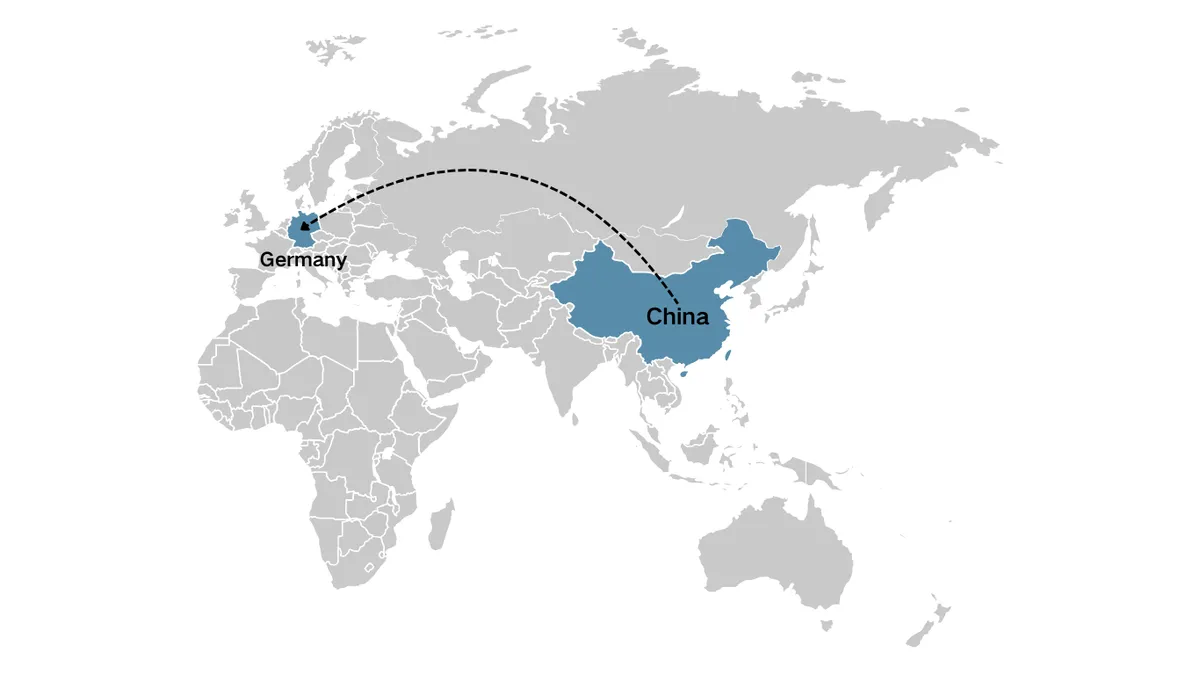
Shipping from China to Germany? DTFU Logistics offers robust sea, air & rail freight, efficient customs & seamless pan-European distribution. Reach Hamburg, Frankfurt, Munich & major German hubs with competitive rates, high reliability & advanced digital tracking. Get your optimized quote!
We make shipping from China to Germany simple, reliable, and cost-effective
Competitive Rates
Best shipping rates with no hidden fees. Save up to 40% compared to other forwarders.
Fast Transit
Reliable delivery times with express options available for urgent shipments.
Safe & Secure
Full cargo insurance and secure handling throughout the entire shipping process.
24/7 Support
Dedicated customer support team available around the clock for all your needs.
Are you wrestling with shipping from China to Germany, unsure about the most efficient shipping routes, cost management, and ever-shifting customs policies? In this guide, we break down your options for sea freight, air freight, and door to door solutions between China and Germany as of September 2026, analyze the rates, outline main ports and airports, explain duties, and demonstrate how DTFU Logistics can transform your shipping experience by providing reliability, transparency, and peace of mind.
Sea shipping from China to Germany (September 2026)
In the China - Germany trade corridor, sea freight remains the backbone of cargo transportation, handling around 90% of all goods shipped between the two countries. It offers a cost - effective solution for large - volume shipments. There are two main sea shipping methods available:
FCL (Full Container Load)
Advantages: This option is optimal when your cargo can fill an entire container. It provides a lower unit cost as you're paying for the whole container. With direct transit, there's less handling of your goods, reducing the risk of damage. Also, it often results in faster delivery times compared to shared - container options.
Disadvantages: However, it requires a significant amount of cargo to be cost - effective. If your shipment is too small to fill a container, you'll be paying for unused space.
LCL (Less than Container Load)
Advantages: Ideal for smaller shipments that cannot fill an entire container. LCL allows you to share container space with other shippers, making it a flexible and cost - efficient choice for those with less - than - container - load cargo.
Disadvantages: The unit cost is generally higher compared to FCL. Transit times can be longer as the container needs to be filled with multiple shipments at the origin and then de - consolidated at the destination.
Shipping Type
Cost (September 2026)
Transit Time
Suitable for
FCL (20 - foot container)
€3,000 - €3,500
25 - 40 days
Medium to large shipments (able to fill the container)
FCL (40 - foot container)
€5,500 - €6,200
25 - 40 days
Large - Volume shipments (able to fill the container)
LCL
€60 - €120 per CBM
28 - 45 days
Small shipments (insufficient to fill a container)
In September 2026, the China - Germany sea freight market is expected to be influenced by various factors. With the ongoing recovery of the global economy and the continuous growth of bilateral trade, the demand for sea freight remains stable. However, fluctuations in fuel prices and potential port congestion may cause some volatility in freight rates. It is advisable to plan your shipments in advance and communicate with freight forwarders or shipping companies to secure shipping space and favorable rates.
Air shipping from China to Germany (September 2026)
Air freight is the go - to option for time - sensitive and high - value shipments between China and Germany. In September 2026, with the approach of the traditional peak season for trade and the activation of various promotional activities, the demand for air cargo transportation in the China - Germany market has seen a notable increase. This surge in demand has led to a corresponding rise in freight rates, with an approximate increase of 8% - 12% compared to the previous period. The current situation of air freight routes is as follows:
Major route
Cost per KG (September 2026)
Transit Time
Shanghai → Frankfurt
€5.50 - €6.50
2 - 5 days
Guangzhou → Munich
€6.00 - €7.00
2 - 5 days
Beijing → Berlin
€6.50 - €7.50
3 - 6 days
Shenzhen → Cologne
€5.50 - €6.50
2 - 5 days
Air freight offers fast delivery, ensuring that your goods reach Germany quickly. However, it comes at a higher cost compared to sea freight. It is crucial to weigh the urgency of your shipment against the cost when choosing this option.
Door to door shipping from China to Germany (September 2026)
For those seeking a hassle - free and convenient shipping experience, Door to Door shipping from China to Germany is the ultimate solution. This all - inclusive service manages every step of the shipping process, starting from your supplier's factory in China and ending at your warehouse or the customer's doorstep in Germany.
Unlike traditional freight methods that require you to manage different segments separately (such as pickup, export customs clearance, ocean or air freight, import customs clearance), Door to Door shipping services centralize all these complex tasks under one point of contact and provide a single, all - in - one quote. This not only significantly reduces the administrative burden but also minimizes potential delays caused by miscommunication between multiple parties. Moreover, it often offers more predictable shipping rates, allowing for better cost control.
There are different types of Door to Door services:
LCL Door to Door: Suitable for smaller shipments. Multiple smaller cargoes are consolidated into one container, reducing costs while ensuring efficient delivery to the final destination.
FCL Door to Door: Ideal for larger shipments that can fill an entire container. The container is sealed at the origin and only opened at the destination, enhancing security and minimizing the risk of damage.
Air Freight Door to Door: The fastest option, perfect for urgent and high - value shipments. The goods are picked up from the shipper, flown to Germany, cleared through customs, and directly delivered to the recipient.
Shanghai Port: One of the world's busiest container ports, Shanghai Port has extensive and frequent maritime routes connecting to major German ports like Hamburg and Bremerhaven. A vast array of Chinese exports to Germany, including high - tech electronics and precision machinery, are shipped from here. Its highly efficient terminal operations ensure a smooth flow of trans - Eurasian cargo.
Shenzhen Port: Located in South China, Shenzhen Port has strong trade ties with German ports. It serves as a major departure point for consumer goods and a variety of light industrial products bound for Germany. The port's multiple terminals are well - equipped to handle the large volume of shipments destined for the German market.
Ningbo - Zhoushan Port: Renowned for its massive cargo throughput, this deep - water port has active trade links with Germany. It not only ships bulk commodities but also handles a significant amount of containerized goods. The port plays a crucial role in strengthening the trade relationship between China and Germany.
Qingdao Port: A key port in northern China, Qingdao Port has favorable route advantages to German ports. It is responsible for transporting a wide range of goods, including chemicals and various manufactured products, contributing to the flourishing bilateral trade.
Main Ports in Germany
Hamburg Port: Hamburg Port is a vital gateway for Chinese goods entering Europe. It is the largest port in Germany and has a long - standing and strong connection with Chinese ports. A substantial portion of Chinese imports to Germany, such as consumer electronics, textiles, and furniture, arrive at this port. Its well - developed logistics network efficiently distributes these goods across Germany and other parts of Europe.
Bremerhaven Port: Adjacent to Hamburg, Bremerhaven Port also plays a significant role in handling cargo from China. It specializes in container shipping and has established close cooperation with Chinese shipping companies. The port is equipped with modern facilities to ensure the smooth handling of large - volume cargo, facilitating trade between the two countries.
Rotterdam Port: Although located in the Netherlands, Rotterdam Port is an important transshipment hub for goods destined for Germany. It has excellent connectivity with German inland transportation networks. Many Chinese goods, especially those bound for western and northern Germany, pass through Rotterdam Port before reaching their final destinations in Germany.
Shipping process
Booking: First, you need to confirm with freight forwarders or carriers. Provide detailed information such as the origin and destination ports, accurate cargo details (including type, quantity, weight, and dimensions), and select the appropriate shipping type (FCL/LCL for sea freight or air courier/regular air for air freight).
Documentation: Prepare essential documents, including a commercial invoice that details the value and description of the goods, a packing list that lists the contents of each package, and customs declaration forms. These forms must comply with both Chinese export and German import regulations.
Cargo Pickup & Inspection: Goods are collected from the shipper's location. Before transportation, they are inspected to ensure they meet safety and customs standards. Proper packaging and labeling are crucial at this stage to prevent any issues during transit.
Customs Clearance in China: Submit all the prepared documents to Chinese customs for export approval. Once approved, the goods can be loaded onto ships or planes for transportation.
Transportation: For sea freight, the vessels follow established routes connecting Chinese and German ports, such as the route from Shanghai to Hamburg. In the case of air freight, the planes fly directly or via transit hubs to German airports.
German Customs Clearance: Carriers or their agents in Germany handle the import customs clearance process. They pay any applicable duties and taxes on behalf of the importer (if not covered by a DDP - Delivered Duty Paid arrangement).
Delivery: For sea freight, the cargo is transported from the German port to the consignee's address, either by road, rail, or a combination of both. In the case of air freight, the goods are delivered Door to Door or to designated pick - up points, depending on the service selected.
Shipping cost from China to Germany (September 2026)
In September 2026, the trade environment between China and Germany is relatively stable. However, the cost of shipping is still affected by various factors. The following are the details of freight rates for common transportation methods in this month:
Transportation Method
Specific Type
Cost
Air Freight
Regular Air
€5 - €8 per kg
Sea Freight
FCL (20ft container)
€3000 - €3500 per container
Sea Freight
FCL (40ft container)
€5500 - €6200 per container
Sea Freight
LCL
€60 - €120 per kg
In addition to the basic shipping costs, there are several additional fees:
Customs Fees: Calculated based on the value of the goods. In Germany, the import duties vary depending on the type of goods, generally ranging from 0 - 17%. There is also a 19% VAT (Value - Added Tax) on the CIF (Cost, Insurance, and Freight) value.
Terminal Handling Charges: For FCL, it can be around €150 - €350 per container. For LCL, it is charged on a per - unit or per - cubic - meter basis, approximately €15 - €60 per cubic meter.
Documentation Fees: These cover the cost of preparing shipping documents such as bills of lading and commercial invoices. Usually, they are in the range of €60 - €120 per shipment.
Fuel Surcharges: As fuel prices fluctuate, shipping companies levy fuel surcharges. Currently, it may be around 8% - 15% of the base shipping cost.
Germany Import Tariffs & VAT
Germany, as an EU member, applies the Common External Tariff and VAT regime:
Standard tariff rates: Typically 0–12% depending on the commodity (electronics 2–5%, textiles 8–12%).
EU VAT: 19% VAT on the CIF (Cost, Insurance, Freight) value, plus customs duties. As of July 2025, all imported goods are subject to VAT; de-minimis thresholds no longer apply, in line with EU e-commerce reforms.
Anti-dumping & carbon duties: Several Chinese-origin products now face new CBAM (Carbon Border Adjustment Mechanism) surcharges, especially in steel, aluminum, and cement categories.
Sample Table for Duties
Product Category
HS Code Example
Tariff Rate
VAT
Additional Notes
Electronics
8471, 8504
3–5%
19%
CBAM may impact will apply for some items
Textiles
6202, 6109
8–12%
19%
Rules of origin closely checked
Machinery
8408, 8479
2–4%
19%
Energy efficiency standards apply
Steel Products
7210, 7304
0–7%
19%
Subject to CBAM charge from October 2025
Furniture
9403, 9401
0–5%
19%
If made from sustainable wood, lower tariffs
Shipping transit time from China to Germany (September 2026)
Here is a breakdown of the typical transit times for different shipping methods as of September 2026:
Shipping Method
Transit Time
Air Freight
3 - 7 days
Sea Freight
- Northern Germany (e.g., Hamburg): 25 - 35 days - Southern Germany (e.g., Munich): 30 - 40 days
Door to Door (Combined Services)
- Express Courier: 4 - 8 days - Sea + Air (Combined Modal): 10 - 20 days
Based on the current shipping landscape in September 2026, here are some suggestions:
Early Planning: Given the potential for delays caused by port congestion, customs inspections, or unforeseen events, it is highly recommended to plan your shipments well in advance. If you have time - sensitive goods, factor in a buffer of at least 3 - 5 days to account for any unexpected circumstances. For example, if you are shipping products for a specific event or season in Germany, start the shipping process several weeks earlier to ensure timely arrival.
Choose a Reputable Shipping Partner: Select a logistics provider with a solid reputation and a proven track record of on - time deliveries. Look for companies that offer real - time tracking services, allowing you to monitor the progress of your shipment at any time. A reliable partner will also be able to provide accurate information about potential delays and offer effective solutions to mitigate them.
Stay Informed About Route Conditions: Keep an eye on any disruptions to major shipping routes, such as extreme weather conditions affecting ports or strikes in the transportation industry. Adjust your shipping plans accordingly to avoid unnecessary delays. For example, if there are forecasts of severe storms in the North Sea, which could impact ports in northern Germany, consider alternative ports or shipping methods.
How Do Freight Forwarders Work with Alibaba to Streamline Your Shipping Needs?
Sourcing products from Alibaba is just the initial step; ensuring efficient delivery is where a professional freight forwarder becomes invaluable. DTFU Logistics acts as your dedicated logistics partner, simplifying the entire shipping process from your Alibaba supplier in China to your destination in Germany.
Here's how DTFU Logistics streamlines your Alibaba imports:
Efficient Supplier Coordination: We take charge of direct communication and cargo pickup from your Alibaba supplier(s), whether it's a single - order shipment or multiple items that require consolidated freight shipping. Our team ensures seamless coordination to avoid any misunderstandings or delays at the source.
Optimized Shipping Solutions: Our experts analyze your cargo characteristics, urgency, and budget to select the most efficient shipping method from China to Germany (such as sea freight, air freight, or a combination of both) and determine the best - suited routes. This ensures optimal cost - effectiveness and transit times for your shipments.
Expert Documentation & Customs Clearance: Navigating the complex world of international trade paperwork and customs regulations can be daunting. We handle all the required documents, accurately calculate and pay tariffs, and ensure full compliance with both Chinese and German regulations. This ensures that your shipment moves smoothly through customs without any delays.
End - to - End Visibility & Support: From the moment your goods leave the supplier's warehouse in China until they reach your doorstep in Germany, you can enjoy clear tracking and proactive updates. Our customer support team is always on standby to resolve any issues promptly, providing you with peace of mind throughout the shipping process.
Partnering with DTFU Logistics transforms the complex logistics of Alibaba - sourced goods into a simple, reliable Door to Door shipping experience. We are committed to being a highly professional, cost - effective, and high - quality, one - stop international logistics service provider for global traders.
Related Articles
Discover more insights about shipping from China to Germany
Get answers to common questions about shipping from China to Germany
Import duties typically range from 0%–17%, plus 19% VAT, depending on the product's HS code.
Sea freight, particularly Full Container Load (FCL) or Less than Container Load (LCL), is generally the cheapest option for larger shipments.
Air freight costs usually range from $6–$11 per kg, while express courier services can be $8–$15+ per kg, depending on speed and volume.
Consolidate smaller shipments (LCL), opt for slower sea freight, optimize packaging for volume and weight, and use a reliable, cost-effective freight forwarder like DTFU Logistics.
Ready to Shipping From China to Germany?
Get your instant quote today and experience the difference of working with a professional freight forwarder.
5000+
Successful Shipments
98%
Customer Satisfaction
Get Your Free Quote
Response within 2 hours • No obligation • Free consultation
We use cookies to enhance your browsing experience and analyze site traffic. By continuing to use our site, you consent to our use of cookies. Learn more in our Cookie Policy.