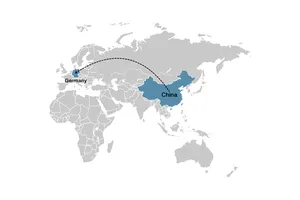
Are you wondering how much it really costs to ship a 20ft or 40ft container from China to Germany? With international trade on the rise, understanding container shipping expenses and related logistics terms is crucial for businesses and individuals alike. In this comprehensive guide, we’ll break down key ports, specific container shipping costs, import taxes, and effective ways to save on your shipments from China to Germany. Let’s dive into the details you need to make informed shipping decisions.
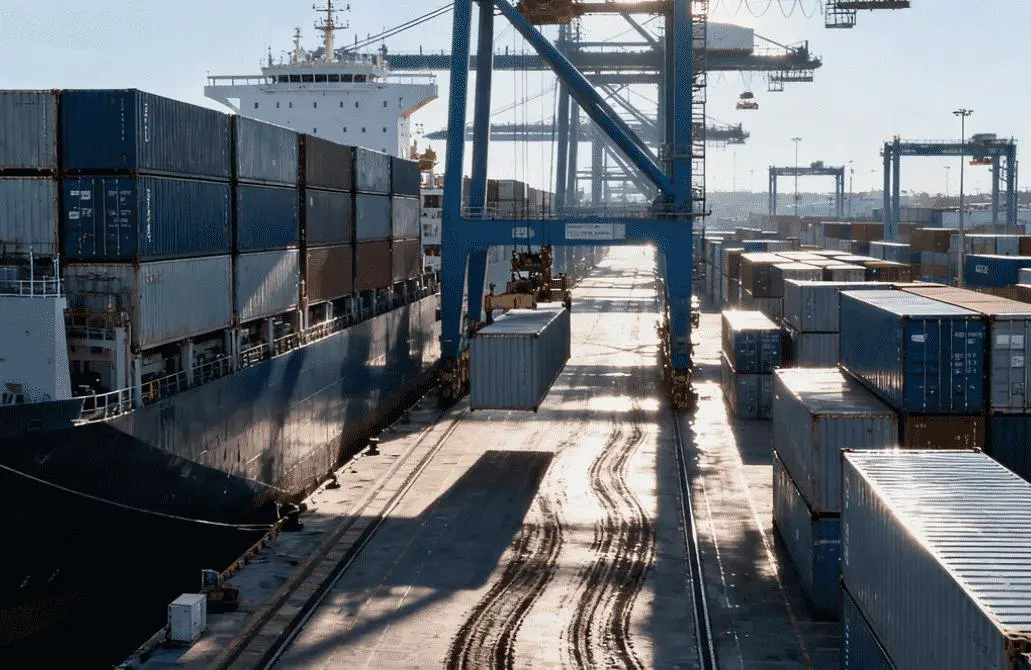
When shipping containers from China to Germany, choosing the right ports of loading and destination is essential for optimizing both cost and transit time. Below, I will outline the major ports commonly used on this route, drawing from my experience as a Senior Logistics Analyst, and referencing the latest industry data.
Major Chinese Ports of Origin
China is home to some of the largest and busiest seaports in the world, each offering excellent connectivity to Europe, including Germany. The key ports for container shipping include:
| Port Name | Location | Key Features | Typical Cargo Destined for Germany |
|---|---|---|---|
| Shanghai Port | Eastern China | World’s busiest container port; advanced facilities | Electronics, machinery, textiles, vehicles |
| Shenzhen Port | Southern China | Leading export hub for high-tech products | Electronics, consumer goods, automotive parts |
| Ningbo-Zhoushan Port | Eastern China | Excellent for bulk and containerized cargo | Machinery, chemicals, plastics |
| Qingdao Port | Northern China | Major gateway to North China’s industries | Metals, chemicals, machinery, agricultural products |
| Guangzhou Port | Southern China | Important for manufacturing exports | Apparel, furniture, home appliances |
| Xiamen Port | Southeastern China | Strong connections to Europe | Footwear, textiles, foodstuffs |
| Tianjin Port | Northern China | Gateway for Beijing and North China | Automobiles, mechanical products |
These ports are well-equipped for both 20ft and 40ft container shipments, supporting FCL (Full Container Load) and LCL (Less than Container Load) services.
Major German Ports of Destination
On the Germany side, the following are the primary seaports handling containerized cargo from China:
| Port Name | Location | Key Features | Connectivity |
|---|---|---|---|
| Port of Hamburg | Northern Germany | Germany’s largest port; main gateway for Chinese trade | Direct rail/road to Europe |
| Port of Bremerhaven | Northwest Germany | Major transshipment hub, deep-water access | Excellent road/rail access |
| Port of Wilhelmshaven | Northern Germany | Germany’s only deep-water container port | Specialized for large vessels |
Most container shipments from China to Germany arrive at the Port of Hamburg, due to its extensive inland distribution network and customs efficiency. Bremerhaven is also popular for certain commodities and shipping lines.
Shipping Routes
The main route for container shipping from China to Germany is via the Suez Canal, connecting the South China Sea to the North Sea. Transit times and shipping frequencies may vary depending on the chosen origin/destination ports, global shipping schedules, and current geopolitical factors such as disruptions in the Red Sea or Suez Canal.
Typical Transit Times
| Origin Port (China) | Destination Port (Germany) | Estimated Transit Time (Sea Freight) |
|---|---|---|
| Shanghai | Hamburg | 28-35 days |
| Shenzhen | Hamburg | 30-38 days |
| Ningbo | Bremerhaven | 28-35 days |
| Qingdao | Hamburg | 32-40 days |
Note: These are average door-to-port times under normal market conditions (2025), and may be affected by seasonal demand, vessel schedules, and port congestion.
Rail Freight Alternative
For time-sensitive shipments, the China-Europe Railway Express (via Chongqing, Xi’an, or Chengdu to Hamburg/Duisburg) offers transit times of 15-20 days, but at a higher per-unit cost than sea freight.
In summary, selecting the right combination of Chinese and German ports can significantly impact total shipping cost, speed, and customs efficiency. For personalized recommendations, DTFU International Logistics Co.,Ltd leverages its strong network to help clients choose the most efficient routing.
If you are interested in similar shipping routes in Europe, you can also check out for further regional insights.
20 ft Container Shipping Cost from China to Germany
Understanding the cost of shipping a 20ft container from China to Germany is crucial for supply chain planning and budgeting. Costs can vary substantially based on several key factors, including origin and destination ports, type of goods, shipping mode (FCL/LCL), seasonal trends, and market volatility.
1. What Is a 20ft Container?
A 20ft container (TEU) is a standard shipping container with an internal capacity of approximately 28 cubic meters (CBM). It is ideal for small-to-medium volume shipments and is widely used for various commodity types.
2. Factors Affecting 20ft Container Shipping Costs
-
Port Pair Selection: Shipping from major ports like Shanghai or Shenzhen to Hamburg or Bremerhaven is typically more cost-effective due to high traffic and frequent sailings.
-
Shipping Seasonality: Peak seasons (such as pre-Christmas or before Chinese New Year) often see rate increases.
-
Market Fluctuations: As of 2025, container freight rates remain elevated compared to pre-pandemic years, amid ongoing supply chain disruptions and fuel cost changes.
-
Type of Service: FCL (Full Container Load) rates differ from LCL (Less-than-Container Load).
-
Additional Services: Costs for insurance, customs clearance, and door-to-door delivery.
3. Typical 20ft Container Shipping Costs (2025)
Below is a comparison table of estimated 20ft container shipping costs from key Chinese ports to major German ports. These rates are indicative and based on market averages for 2025; for the most accurate, real-time rates, please contact DTFU International Logistics Co.,Ltd.
| Origin Port (China) | Destination Port (Germany) | Estimated 20ft Container Cost (USD) | Transit Time (Days) |
|---|---|---|---|
| Shanghai | Hamburg | $1,900 - $2,400 | 28-35 |
| Shenzhen | Hamburg | $2,000 - $2,600 | 30-38 |
| Ningbo | Bremerhaven | $1,950 - $2,500 | 28-35 |
| Qingdao | Hamburg | $2,100 - $2,700 | 32-40 |
Note: Prices include basic ocean freight charges only; additional costs such as port handling charges, documentation, insurance, and customs clearance are extra. Rates fluctuate and may be affected by fuel surcharges and market demand.
For readers comparing shipping rates to other European countries, you may find our article useful.
4. Cost Components
20ft container costs from China to Germany generally include:
-
Ocean Freight: Main cost for transportation from port to port.
-
Origin & Destination Charges: Port handling, documentation, and terminal fees.
-
Customs Clearance: Both at export (China) and import (Germany).
-
Inland Transportation (Optional): Door-to-door delivery if required.
-
Insurance (Optional): Highly recommended for high-value or sensitive cargo.
5. Real-World Example
A typical shipment from Shanghai to Hamburg for general household goods (FCL, 20ft container) in 2025 costs approximately $2,200 in ocean freight, with an additional $500–$800 for origin/destination charges and $200–$500 for insurance and documentation.
40 ft container shipping cost from China to Germany
Shipping a 40ft container from China to Germany is a top choice for businesses seeking cost-effective international freight solutions. The 40ft container (standard: 40GP; High Cube: 40HQ) offers a capacity of up to 56CBM (40GP) or 68CBM (40HQ), ideal for medium to large cargo loads.
Factors Affecting 40ft Container Shipping Costs
The cost to ship a 40ft container depends on several key factors:
-
Departure and Arrival Ports: Main Chinese ports include Shanghai, Shenzhen, Ningbo, and Qingdao. Major German ports are Hamburg and Bremerhaven.
-
Shipping Method: FCL (Full Container Load) is usually the preferred option; LCL (Less than Container Load) is less common for 40ft containers.
-
Market Rates & Seasonality: Peak seasons (e.g., pre-Christmas, Chinese New Year) and global events (e.g., Red Sea tensions) can cause significant price fluctuations.
-
Fuel Surcharges (BAF), Currency Adjustment (CAF), and Equipment Surcharges
-
Service Add-ons: Customs clearance, insurance, door-to-door delivery, and inland trucking.
Reference Rates: 40ft Container Shipping Cost (2025)
Below is an indicative rate table for a 40ft container (FCL) shipped from top ports in China to main German ports. Rates are subject to market changes and should be verified with your freight forwarder.
| Origin Port (China) | Destination Port (Germany) | Estimated Ocean Freight (USD/40GP) | Transit Time (Days) |
|---|---|---|---|
| Shanghai | Hamburg | $2,200 – $2,600 | 28 – 35 |
| Shenzhen | Hamburg | $2,100 – $2,500 | 27 – 34 |
| Ningbo | Bremerhaven | $2,300 – $2,700 | 29 – 36 |
| Qingdao | Hamburg | $2,350 – $2,800 | 30 – 37 |
Note: The above rates cover ocean freight only. Local charges, documentation, customs, and optional services are not included.
Cost Components You Should Consider:
-
Ocean Freight: Mainline carrier cost
-
Port Charges: THC (Terminal Handling Charges), security fees
-
Documentation Fees
-
Customs Brokerage
-
Inland Transportation: If door-to-door service is needed
-
Insurance: Highly recommended for valuable cargo
For those interested in shipping to other nearby European countries, you might want to read our guide on , which covers similar ocean freight topics.
Import Tax and Duty about Goods Exported from China to Germany
Understanding import tax and duty is crucial for shipping goods from China to Germany. Goods imported to Germany (a member of the European Union) are subject to EU customs regulations, which aim to ensure fair trade and consumer safety.
1. Customs Duty
-
Customs Duty is assessed based on the HS Code (Harmonized System Code) of the product.
-
The duty rate varies, typically 0%–12% depending on product type. For most electronics, apparel, and consumer goods, the average is 5%–8%.
-
Customs value is calculated as CIF (Cost + Insurance + Freight), not just the product cost.
2. Value Added Tax (VAT)
-
Germany applies import VAT at a standard rate of 19% (as of 2025), with a reduced rate of 7% for certain goods (e.g., books, some food items).
-
VAT is charged on the sum of customs value + duty + ancillary costs.
-
VAT must be paid before goods are released from customs.
3. Other Possible Fees
-
Anti-dumping or Countervailing Duties: May apply to certain categories (e.g., steel, solar panels) based on EU trade policy changes.
-
Excise Duties: On specific products like alcohol, tobacco, oil.
-
Customs Clearance Fees: Charged by Customs or your freight forwarder.
Example Calculation
Suppose you import electronics with an HS code attracting a 6% duty. The total invoice value is $20,000, freight and insurance is $3,000.
| Calculation | Amount (USD) | |
|---|---|---|
| Product Value (FOB) | $20,000 | |
| Freight & Insurance (CIF) | $3,000 | |
| Customs Value (CIF) | $20,000+$3,000 | $23,000 |
| Import Duty (6%) | $23,000×6% | $1,380 |
| Subtotal (Customs Value + Duty) | $23,000+$1,380 | $24,380 |
| Import VAT (19%) | $24,380×19% | $4,632.20 |
| Total Taxes & Duties | $1,380+$4,632.20 = $6,012.20 |
Tips for Smooth Customs Clearance
-
Ensure accurate HS code classification.
-
Prepare all required documents: Invoice, Packing List, Bill of Lading, Certificates (if required).
-
Work with a professional freight forwarder like DTFU International Logistics Co.,Ltd for one-stop customs clearance and consultancy on duty optimization.
Latest Policy Updates & Real-time Insights
-
The EU is introducing stricter carbon border adjustment mechanisms for certain industries (from 2023–2026), which may impact duties or reporting for high carbon footprint goods.
-
E-commerce parcels to Germany now require accurate IOSS (Import One-Stop Shop) reporting for low-value shipments.
Other Additional Charges
When calculating the 20ft & 40ft Container Cost from China to Germany, it is crucial to consider not only the base ocean freight rates but also a variety of additional charges that can significantly impact your total logistics budget. These charges may vary depending on the route, carrier, seasonality, and specific service requirements.
Below is a comprehensive overview of common additional charges involved in container shipping between China and Germany:
| Charge Type | Description | Typical Cost Range (USD)* | Applicability |
|---|---|---|---|
| Bunker Adjustment Factor (BAF) | Surcharge to cover fluctuations in fuel prices. | $100–$300/container | All carriers |
| Currency Adjustment Factor (CAF) | Surcharge to cover exchange rate fluctuations. | 1%–10% of freight | All carriers |
| Peak Season Surcharge (PSS) | Applied during high-demand shipping periods. | $150–$400/container | Seasonal |
| Port Congestion Surcharge | Charged if ports (e.g. Shanghai, Hamburg) are experiencing congestion. | $50–$200/container | As needed |
| Terminal Handling Charges (THC) | Fees for handling containers at origin and destination ports. | $120–$350/container | Both origin & destination |
| Document Fee | For issuing shipping documents (bill of lading, etc.). | $40–$80 | Per shipment |
| Customs Clearance Fee | Charged by customs brokers for clearing goods through customs. | $80–$200 | Per shipment/country |
| Security Surcharge | Covers security measures at major ports (e.g., ISPS). | $10–$30/container | All shipments |
| Container Imbalance Surcharge | Applied when there is a surplus or shortage of containers at a port. | $50–$150/container | Certain trades |
| Demurrage & Detention Charges | Fees for holding containers beyond free days at port or outside terminal. | $50–$150/day | After free period |
| Delivery Order Fee | Issued for cargo release at destination. | $50–$80 | Destination port |
| Cargo Insurance | Optional but strongly recommended; covers cargo against loss/damage. | 0.3%–0.5% of cargo value | Optional, highly advised |
*These are typical ranges as of 2025. Actual fees may differ based on carrier, route, and service provider. For the most accurate quotation, contacting a reputable freight forwarder like DTFU International Logistics Co.,Ltd is recommended.
Step-by-Step Container Shipping Process
For businesses and individuals shipping goods from China to Germany, understanding the end-to-end process ensures smooth operations and helps avoid unexpected costs or delays. Below is a professional, transparent breakdown of the container shipping process, based on real-world freight forwarding experience and aligned with current industry best practices.
1. Cargo Readiness & Booking
-
Cargo Preparation: Ensure goods are properly packed, labeled, and ready for export. For a 20ft (28CBM) or 40ft (56CBM) container, optimize loading to maximize space.
-
Select Freight Forwarder: Choose a reputable provider like DTFU International Logistics Co.,Ltd, offering sea freight, air freight, and door-to-door solutions.
-
Booking: Reserve space on desired shipping lines, considering schedules, transit times, and rates.
2. Container Pickup & Stuffing
-
Container Pickup: The empty container is delivered to the factory or warehouse in China.
-
Stuffing: Goods are loaded into the container under supervision. Proper lashing and securing prevent damage during transit.
-
Sealing: Container is sealed with a unique seal number for security and tracking.
3. Customs Clearance at Origin
-
Export Documentation: Prepare commercial invoice, packing list, bill of lading, and other certificates as required.
-
Customs Declaration: Submit documents to Chinese Customs for export clearance.
-
Inspection (if required): Some goods may require inspection or special permits.
4. Transportation to Port of Loading
-
Inland Drayage: Container is transported by truck or rail to the designated Chinese port (e.g., Shanghai, Shenzhen, Ningbo).
5. Port Handling & Ocean Shipping
-
Terminal Handling: Pay THC and ensure container is loaded onto the vessel.
-
Ocean Transit: The ship sails to the German port (commonly Hamburg or Bremerhaven), with transit times typically ranging from 28 to 40 days, depending on the route and current market conditions.
6. Arrival at Destination Port
-
Unloading: Container is offloaded at the German port.
-
Terminal Handling Charges (THC): Pay applicable destination charges.
7. Customs Clearance at Destination
-
Import Documentation: Submit required documents for German customs.
-
Duties & Taxes: Pay applicable import duty and VAT.
-
Customs Inspection: May occur based on risk assessment or product type.
8. Container Release & Delivery
-
Release Order: Obtain release order after payment of all fees.
-
Inland Drayage: Arrange transport from the port to the final delivery address in Germany (can be door-to-door).
-
Container Return: After unloading, return the empty container to the designated depot within the free time to avoid detention charges.
9. After-sales Support
-
Tracking & Updates: Reliable freight forwarders like DTFU International Logistics Co.,Ltd provide real-time cargo tracking and proactive communication.
-
Claims Handling: In case of cargo loss or damage, initiate insurance claim procedures as per contract.
Pro Tips for Shippers
-
Plan Ahead: Book in advance during peak seasons to secure space and lower costs.
-
Documentation: Double-check all paperwork to avoid customs delays.
-
Insurance: Always insure valuable goods for peace of mind.
-
Choose the Right Partner: Working with a highly professional and cost-effective freight forwarder such as DTFU International Logistics Co.,Ltd ensures smooth, compliant, and efficient shipping from China to Germany.
For those looking for detailed door-to-door logistics solutions, refer to our specialized page for more information.
How to Reduce Container Shipping Costs from China to Germany
Reducing the shipping costs for a 20ft or 40ft container from China to Germany is crucial for businesses aiming to maintain competitiveness and profit margins. There are several effective strategies, grounded in industry experience and best practices, to optimize logistics expenses without compromising the reliability or security of your shipments.
1. Choose the Right Container Type and Size
Selecting the appropriate container size is essential. For shipments under 28 CBM, a 20ft container is usually cost-effective, while larger shipments up to 56 CBM or 68 CBM are best suited for 40ft or 40HQ containers. Overfilling or underutilizing space increases the cost per unit.
| Container Type | Capacity (CBM) | Ideal Cargo Volume (CBM) | Typical Use Case |
|---|---|---|---|
| 20ft | 28 | ≤ 25 | Small to medium shipments |
| 40ft | 56 | 25 – 55 | Medium to large shipments |
| 40HQ | 68 | 55 – 65 | Bulky or high-volume cargo |
Tip: If your cargo cannot fill a full container, consider LCL (Less than Container Load) to share space and costs with others.
2. Optimize Shipping Schedules
Peak shipping seasons (such as before Chinese New Year and Europe’s Christmas) often see rate surges. Planning shipments during off-peak periods helps secure lower rates and better space availability.
3. Consolidate Shipments
If possible, combine multiple smaller shipments into a single container. Freight consolidation reduces per-unit costs and minimizes handling charges. This is especially useful for small and medium enterprises.
4. Negotiate Long-term Contracts
Building stable relationships with reputable freight forwarders like DTFU International Logistics Co.,Ltd often leads to better rates through volume commitments and long-term contracts. We offer tailored solutions and volume-based discounts for regular shippers.
5. Select the Most Efficient Route and Port
Shipping costs can vary depending on the port of origin in China and the destination port in Germany. Major ports like Shanghai, Shenzhen, and Ningbo typically have more competitive rates due to higher container turnover.
| Origin Port | Main German Destinations | Avg. Transit Time (Days) | Rate Competitiveness |
|---|---|---|---|
| Shanghai | Hamburg, Bremerhaven | 30–35 | High |
| Shenzhen | Hamburg, Bremen | 31–36 | High |
| Ningbo | Hamburg | 32–37 | Moderate |
Work with your forwarder to select the route offering the best balance of cost, speed, and reliability.
6. Use Value-added Services Wisely
Leverage services like cargo insurance, customs clearance, and door-to-door delivery offered by DTFU International Logistics Co.,Ltd. Bundling these services can reduce total costs and simplify logistics management.
7. Monitor Market Rates and Surcharges
Freight rates are dynamic and influenced by factors like oil prices, geopolitical events, and port congestion. Stay updated on market changes and adjust your shipping plan accordingly. Subscribing to logistics market reports or working with data-driven partners empowers cost-effective decisions.
8. Proper Packing and Documentation
Optimize your cargo packaging to maximize container space and ensure all documentation is accurate. Errors in paperwork can result in costly delays, fines, or demurrage charges at German ports.
9. Compare Multiple Freight Quotes
Always request detailed quotes from several providers to ensure competitive pricing. At DTFU International Logistics Co.,Ltd, we provide transparent, itemized quotations so you can clearly see where your money goes.
10. Embrace Technology for Tracking and Planning
Utilize digital tools for shipment tracking and supply chain management. Real-time data helps in proactive problem-solving and reduces unforeseen costs.
FAQs
1. What is the current cost to ship a 20ft or 40ft container from China to Germany?
Costs fluctuate based on fuel prices, market demand, and global events. As of Q4 2025, the average 20ft container sea freight cost ranges from USD 2,000 to 3,500, while a 40ft container typically ranges from USD 3,500 to 5,500 (port-to-port, excluding surcharges and local fees). Contact us for up-to-date, customized quotes.
2. How long does it take to ship a container from China to Germany?
The transit time is usually 30–36 days for sea freight from major Chinese ports to Hamburg or Bremerhaven in Germany. Air freight and rail freight are faster alternatives but come at higher costs.
If you want a benchmark of typical Europe shipping times, check our reference.
3. What additional charges should I expect besides sea freight?
Besides the base freight rate, expect charges such as:
-
Port handling charges
-
Customs clearance fees
-
Documentation fees
-
Insurance premiums
-
Inland trucking (if door-to-door delivery is needed)
-
VAT and import duties
4. Can I ship less than a full container (LCL) to Germany?
Yes. DTFU International Logistics Co.,Ltd offers reliable LCL consolidation services for small shipments, allowing cost-sharing and flexible scheduling.
5. How can I track my shipment?
You can track your container through our advanced online tracking system, which provides real-time updates from departure at the Chinese port to final delivery in Germany.
6. Which ports in Germany receive containers from China most frequently?
The main German ports for Chinese imports are Hamburg, Bremerhaven, and Bremen. These ports are well-equipped to handle large container volumes and offer efficient onward distribution throughout Europe.
7. What is the maximum loading capacity for a 20ft or 40ft container?
-
20ft container: Up to 28 CBM, typically holds 22–25 metric tons (depending on cargo type).
-
40ft container: Up to 56 CBM, typically holds 26–27 metric tons.
-
40HQ container: Up to 68 CBM