Are you looking to optimize your sea freight from China to Germany and wondering about the costs, transit times, or key regulations involved? In this comprehensive guide, we’ll break down essential details about LCL and FCL shipping, extra charges, and the main ports you’ll encounter. Whether you’re a first-time importer or an experienced business, this article will help you navigate the complexities of international sea shipping with confidence.
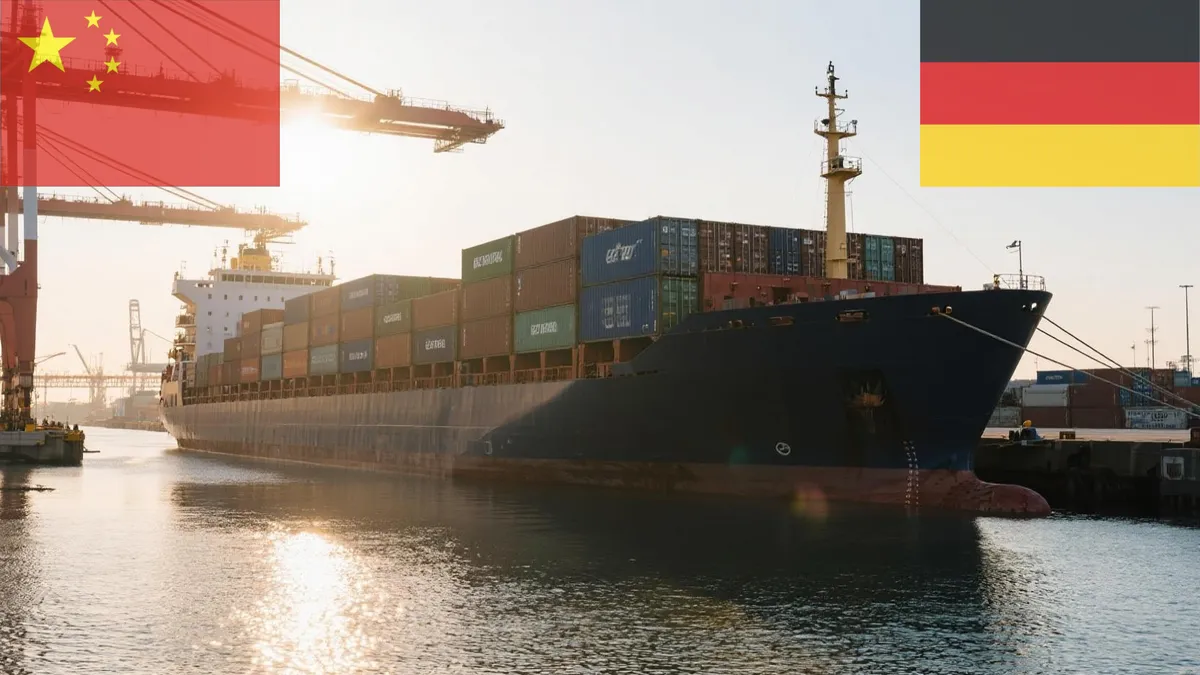
How Much Does Sea Shipping Cost from China to Germany?
Shipping costs are crucial for any importer. Accurate budgeting helps avoid unexpected expenses and ensures smooth supply chain planning. Below, you’ll find comprehensive guidance on the main aspects of sea freight rates from China to Germany.
LCL (Less than Container Load) Costs
LCL shipping is ideal for businesses that don’t have enough cargo to fill an entire container. With LCL, you pay only for the space you use while sharing the container with other shippers.
| Route | Average LCL Cost (USD/CBM) | Estimated Transit Time (Days) |
|---|---|---|
| Shanghai – Hamburg | $40 – $70 | 28 – 35 |
| Shenzhen – Hamburg | $50 – $80 | 30 – 38 |
| Ningbo – Hamburg | $45 – $75 | 29 – 36 |
| Qingdao – Hamburg | $55 – $90 | 32 – 40 |
Note: LCL rates vary based on cargo volume, weight, and the current market rates. High seasons (September–January) usually mean higher prices due to increased demand.
FCL (Full Container Load) Costs for Sea Freight
FCL is the best option for larger shipments. It offers a fixed rate for an entire container, regardless of whether you fill it completely.
| Container Type | Average Cost (USD) | Estimated Transit Time (Days) |
|---|---|---|
| 20ft Container | $1,900 – $2,900 | 28 – 35 |
| 40ft Container | $3,000 – $4,300 | 28 – 35 |
These prices are estimates for shipments from major Chinese ports to Hamburg, the largest German port. Costs can fluctuate due to fuel prices, global events, and shipping line surcharges.
Additional Charges in Sea Freight
Besides the base shipping rates, importers must consider several extra charges:
- Documentation Fee: $40 – $80 per shipment
- Port Handling Charges: $80 – $200 (varies by port)
- Customs Clearance Fees: $80 – $150 per entry
- ISPS Surcharge: $10 – $25 per container
- THC (Terminal Handling Charges): $100 – $300 per container
- Delivery Order Fee: $40 – $70
DTFU International Logistics Co.,Ltd provides a transparent quotation including all surcharges, so you never face hidden costs.
Factors Affecting Sea Freight Costs
Several variables influence the total cost of sea shipping from China to Germany:
- Origin and Destination Ports: Costs differ between ports. Shipping to inland destinations may require additional trucking or rail freight.
- Seasonality: Rates typically rise during the pre-Christmas rush (September–January).
- Cargo Type and Weight: Heavy, oversized, or hazardous goods incur higher fees.
- Shipping Line Chosen: Different carriers have varying pricing strategies.
- Fuel Surcharges and Bunker Adjustment Factor (BAF): These change regularly and impact freight costs.
- Currency Fluctuations: As freight is mostly quoted in USD, exchange rate changes can affect total cost.
Practical Recommendations for Sea Freight
- Book Early: Space can be limited, especially during peak season.
- Consolidate Shipments: If possible, combine LCL shipments or upgrade to FCL for better rates.
- Work with Reliable Freight Forwarders: Companies like DTFU International Logistics Co.,Ltd offer expert advice, competitive rates, and transparent service.
- Consider Door-to-Door Solutions: DTFU can manage every step, minimizing risk and effort.
- Request All-Inclusive Quotes: Ensure your freight forwarder provides a breakdown of all potential charges.
How Long Does Sea Shipping Take from China to Germany?
Transit time is a critical factor for effective supply chain management. Understanding the expected shipping duration helps you plan inventory and sales more efficiently.
LCL (Less than Container Load) Transit Time
LCL shipments typically take a bit longer than FCL because of the consolidation and deconsolidation process at both ends.
| Route | Estimated LCL Transit Time (Days) |
|---|---|
| Shanghai – Hamburg | 28 – 35 |
| Shenzhen – Hamburg | 30 – 38 |
| Ningbo – Hamburg | 29 – 36 |
| Qingdao – Hamburg | 32 – 40 |
Factors such as terminal congestion or customs clearance may affect these times.
FCL (Full Container Load) Transit Time
FCL shipments are generally faster because containers are not opened during transit.
| Route | Estimated FCL Transit Time (Days) |
|---|---|
| Shanghai – Hamburg | 28 – 32 |
| Shenzhen – Hamburg | 29 – 34 |
| Ningbo – Hamburg | 28 – 33 |
| Qingdao – Hamburg | 30 – 36 |
Direct routes or fast services can shorten these times.
Factors Affecting Sea Shipping Transit Time
- Port Congestion: Delays at busy ports can add several days.
- Weather Conditions: Storms or typhoons can disrupt schedules.
- Customs Inspections: Random checks or incomplete documents can delay clearance.
- Transshipment Requirements: Indirect routes involving cargo transfer at intermediate ports increase overall time.
- Holidays in China or Germany: National holidays can slow down port operations.
Practical Recommendations for Sea Shipping
- Plan Well in Advance: Allow extra time for LCL shipments.
- Choose Direct Services When Possible: DTFU can help you find the fastest and most reliable routes.
- Prepare Documentation Correctly: Ensure all paperwork is in order to avoid customs delays.
- Track Shipments: Use DTFU’s online tracking to monitor your cargo in real-time.
- Communicate Regularly: Stay in touch with your freight forwarder for updates and possible contingency plans.
For a free consultation or a detailed, all-in-one sea freight quote, contact DTFU International Logistics Co.,Ltd today. Let us simplify your global trade!
Main Ports in China and Germany
Main Ports in China
When shipping goods by sea shipping from China to Germany, it is important to choose the right origin port. China has a robust network of seaports, each serving as a major hub for international trade. The main seaports for exports to Europe, including Germany, are:
| Port Name | Location | Key Features |
|---|---|---|
| Shanghai Port | East China | The largest container port in the world, offers vast shipping schedules and capacity. |
| Shenzhen Port | South China | Leading export port for electronics and machinery. Fast connections to Europe. |
| Ningbo-Zhoushan Port | East China | Known for efficient handling and high throughput, especially for FCL shipments. |
| Guangzhou Port | South China | Major export point for manufacturing industries and consumer goods. |
| Qingdao Port | North China | Strategic location for northern Chinese manufacturers. |
| Xiamen Port | Southeast China | Specialized in LCL and FCL containerized shipments, competitive rates. |
| Tianjin Port | North China | Key gateway to Beijing and northern inland regions. |
Selecting the most suitable port can reduce inland transportation costs and optimize your supply chain.
Main Ports in Germany
Germany serves as a central logistics hub in Europe, offering several well-equipped ports for receiving sea freight from China. The primary German ports used for imports are:
| Port Name | Location | Key Features |
|---|---|---|
| Port of Hamburg | Northern Germany | Largest seaport in Germany, main entry point for Chinese goods. |
| Port of Bremerhaven | Northwest Germany | Major container hub, offers extensive inland connectivity. |
| Port of Wilhelmshaven | Northwest Germany | Deep-water port, suitable for large vessels and OOG shipments. |
Shipping to these ports ensures fast customs clearance, high efficiency, and access to the European hinterland.
Import Tax and Duty Instructions for Exports from China to Germany
Basic Composition of Taxes and Duties
When exporting goods from China to Germany, importers must be aware of the tax and duty obligations imposed by the German Customs Authority. The main components include:
- Customs Duty: Based on the HS code and customs value (CIF value: cost, insurance, freight).
- Value Added Tax (VAT): Standard rate is currently 19% (as of 2025), applied to the sum of customs value and duties.
- Excise Duties: Applicable to specific product categories (e.g., alcohol, tobacco).
The calculation formula is:
Import VAT = (CIF Value + Customs Duty) × 19%
Tax and Duty Table for Common Commodities
Below is a sample table for frequently imported commodities. Please note that rates may change according to the Combined Nomenclature (CN) code:
| Commodity | HS Code | Customs Duty Rate | VAT Rate | Special Notes |
|---|---|---|---|---|
| Electronics | 8471 | 0% - 14% | 19% | Depends on product type |
| Textile/Apparel | 6201 | 12% | 19% | Quotas may apply |
| Furniture | 9403 | 0% - 2.7% | 19% | - |
| Toys | 9503 | 4.7% | 19% | CE certification required |
| LED Lighting | 9405 | 0% - 4.7% | 19% | Energy efficiency labeling |
Always consult the latest customs tariff and engage with a professional freight forwarder to avoid compliance issues.
Special Notes
- EORI Number: All importers in Germany must have an EORI (Economic Operators Registration and Identification) number before goods arrive.
- Product Compliance: Imported goods must meet EU and German standards—such as CE marking and REACH compliance for chemicals.
- Documentation: Ensure all documents (commercial invoice, packing list, bill of lading) are correctly prepared to avoid delays or penalties.
- Anti-dumping Duties: Some products (e.g., bicycles, steel) from China may face additional duties.
For the most accurate calculation, consult with DTFU International Logistics Co., Ltd, which provides up-to-date tariff information and customs advisory services.
Why Choose DTFU Logistics for Your China-Germany Sea Shipping?
Choosing the right logistics partner is critical for smooth and cost-efficient sea freight from China to Germany. DTFU International Logistics Co., Ltd stands out as a leading international freight forwarder for the following reasons:
- Comprehensive Service Portfolio: DTFU provides a full spectrum of international logistics services, including Sea Freight, Road Freight, Air Freight, Amazon FBA, Warehouse, Cargo Insurance Services, One-stop Customs Clearance, Insurance, Door to Door, OOG Freight, Consolidated Freight, and Breakbulk Freight.
- Professional Expertise: Our team has years of experience in managing shipments between China and Germany, ensuring every step—from booking and loading to customs clearance and delivery—is handled with precision.
- Cost-Effective Solutions: We leverage strong partnerships with major carriers and local agents to offer competitive rates and flexible shipping options for both LCL and FCL.
- Reliable Tracking and Support: DTFU offers end-to-end shipment visibility and responsive customer support, so you stay informed and in control.
- Compliance and Risk Management: We assist with all documentation, customs requirements, and product compliance to minimize risks and avoid delays.
- Tailored Logistics Strategies: From selecting the most suitable ports and routes to optimizing container loads, DTFU customizes solutions based on your business needs.
Contact us today for a free consultation and detailed quotation for your next shipment!