Are you wondering how to streamline sea shipping from China to France while saving on costs and avoiding delays? Understanding the complexities of LCL and FCL freight, port options, and import duties is essential for smooth international logistics. In this comprehensive guide, we’ll break down everything you need to know about sea freight, transit times, main ports, and practical recommendations to optimize your supply chain from China to France.
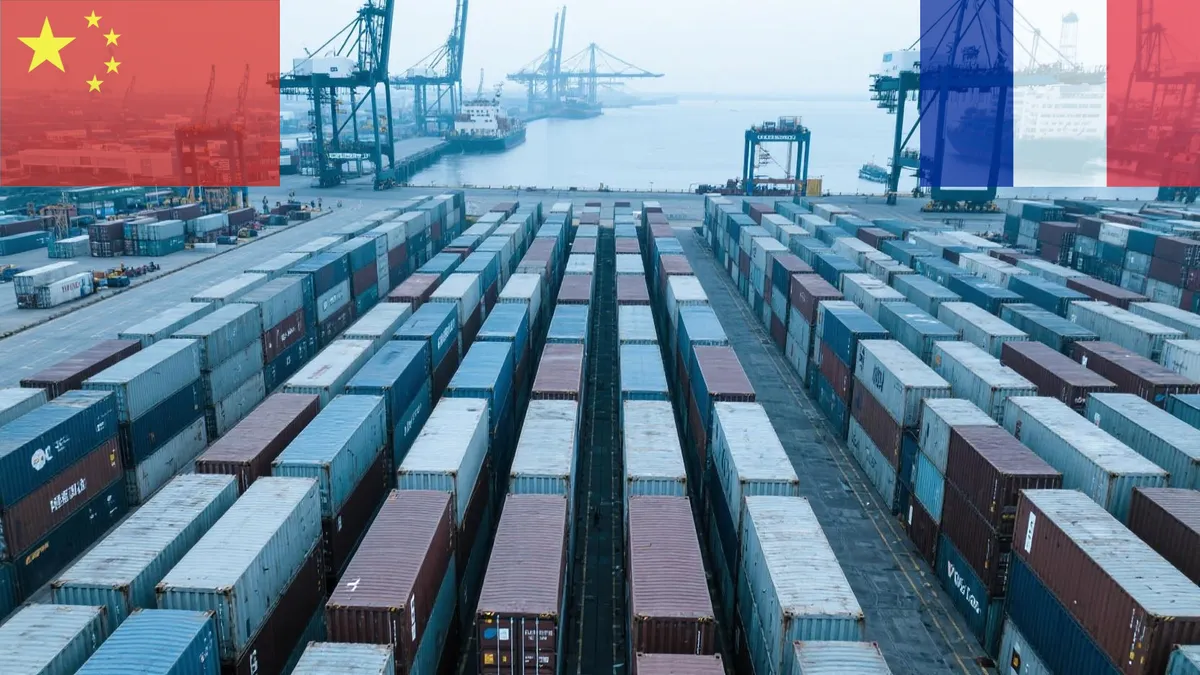
How Much Does Sea Shipping Cost from China to France?
Shipping goods by sea from China to France is a preferred choice for many importers due to its cost-effectiveness and suitability for large or heavy shipments. Understanding the cost structure is crucial for effective budgeting and planning. Below, we break down the main components and provide practical guidance for choosing the right freight solution.
LCL (Less than Container Load) Costs
LCL (Less than Container Load) is ideal for shippers who do not have enough cargo to fill a full container. Your goods share space with other importers’ shipments, and you are charged based on the volume (CBM, cubic meter) or weight, whichever is higher.
Typical LCL Sea Freight Costs (2025)
Route | Port in China | Port in France | LCL Cost (USD/CBM) |
|---|---|---|---|
China (Shenzhen) to France (Le Havre) | Shenzhen | Le Havre | $60 – $90 |
China (Shanghai) to France (Marseille) | Shanghai | Marseille | $65 – $100 |
China (Ningbo) to France (Fos-sur-Mer) | Ningbo | Fos-sur-Mer | $70 – $95 |
Note: These rates are for reference only and may vary depending on the season, carrier, and cargo type. For a precise quote, please consult DTFU International Logistics Co.,Ltd.
FCL (Full Container Load) Costs for Sea Freight
FCL (Full Container Load) means you book an entire container (20ft, 40ft, or 40ft HQ) exclusively for your shipment. This option is more economical for larger cargo volumes.
Typical FCL Sea Freight Costs (2025)
Container Type | Port in China | Port in France | FCL Cost (USD/Container) |
|---|---|---|---|
20ft Container | Shanghai | Le Havre | $2,100 – $2,500 |
40ft Container | Shenzhen | Marseille | $3,900 – $4,400 |
40ft HQ Container | Ningbo | Fos-sur-Mer | $4,100 – $4,600 |
Additional Charges in Sea Freight
In addition to the base freight rate, several additional charges typically apply in sea shipping from China to France:
Origin charges (handling, documentation, export clearance)
Destination charges (unloading, import clearance, port fees)
Customs duties and VAT
Cargo insurance (highly recommended, offered by DTFU Logistics)
Delivery to final address (if using door-to-door services)
Fuel surcharges or peak season fees
Always request a full breakdown in your freight quote to avoid surprises.
Factors Affecting Sea Freight Costs
Several key factors can impact your sea freight rates:
Shipping season (Peak times, such as pre-Christmas or Chinese New Year, see higher rates)
Container type and size (Bigger containers cost more but may offer better value per CBM)
Cargo type (Hazardous or temperature-controlled goods incur higher fees)
Ports of origin and destination (Port congestion or limited access may drive up costs)
Incoterms (Terms like FOB, CIF, DDP define which party pays for which segment of the shipment)
Global events (Geopolitical instability, strikes, and health crises can affect pricing)
Freight forwarder (Partnering with a reliable and experienced company like DTFU International Logistics Co.,Ltd can help you lock in competitive rates and avoid hidden costs)
Practical Recommendations for Sea Freight
Compare quotes from multiple providers; make sure all surcharges are included.
Consolidate shipments if possible to maximize FCL savings.
Book early during peak seasons to secure space and better prices.
Work with a reputable freight forwarder such as DTFU International Logistics Co.,Ltd, which offers one-stop logistics solutions (including customs clearance, warehousing, and insurance) for a hassle-free experience.
Understand Incoterms and clarify responsibilities with your supplier and shipping partner.
For tailored advice and up-to-date pricing, contact DTFU Logistics for a free quote and personalized sea freight solutions.
How Long Does Sea Shipping Take from China to France?
Sea shipping from China to France is reliable but requires planning due to relatively long transit times. Transit time depends on the specific ports, service type (LCL or FCL), and external factors such as weather or port congestion.
LCL (Less than Container Load) Transit Time
LCL shipments typically take a bit longer than FCL due to the need for cargo consolidation and deconsolidation at both origin and destination.
Route | Estimated LCL Transit Time |
|---|---|
Shanghai – Le Havre | 30 – 38 days |
Shenzhen – Marseille | 33 – 42 days |
Ningbo – Fos-sur-Mer | 32 – 40 days |
FCL (Full Container Load) Transit Time
FCL shipments benefit from more direct service and streamlined handling.
Route | Estimated FCL Transit Time |
|---|---|
Shanghai – Le Havre | 25 – 32 days |
Shenzhen – Marseille | 27 – 35 days |
Ningbo – Fos-sur-Mer | 26 – 34 days |
Note: Transit times are port-to-port and do not include customs clearance, inland transport, or potential delays (Source: Maersk Transit Time Tool).
Factors Affecting Sea Shipping Transit Time
Port congestion at origin or destination (especially during peak seasons)
Weather conditions (storms, typhoons, or other natural events)
Customs clearance delays
Transshipment (cargo transferred between vessels at intermediate ports increases total time)
Holidays and strikes (Chinese New Year and European holidays may impact schedules)
Type of service (direct vs. indirect shipping lines)
Practical Recommendations for Sea Shipping
Plan ahead: Allow a buffer for potential delays, especially for time-sensitive goods.
Choose FCL for urgent or large shipments: Faster and less risk of delay compared to LCL.
Consolidate shipments: If you use LCL, work with a reliable freight forwarder like DTFU International Logistics Co.,Ltd to minimize handling and transit time.
Track your shipment: Use online tracking tools provided by your logistics partner for real-time updates.
Communicate proactively: Stay in touch with your supplier, freight forwarder, and customers throughout the shipping process.
By working with a professional company like DTFU International Logistics Co.,Ltd, you can ensure reliable scheduling, timely delivery, and full support throughout your China-France sea shipping processMain Ports in China and France
Main Ports in China
China is a global powerhouse in maritime trade, boasting some of the busiest and most advanced ports worldwide. If you are considering sea shipping from China to France, understanding the main ports is essential for optimizing transit times and costs.
Port Name | City/Province | Typical Export Commodities | Significance |
|---|---|---|---|
Shanghai Port | Shanghai | Electronics, machinery, textiles | World’s busiest container port |
Shenzhen Port | Guangdong | Electronics, toys, garments | Major hub for South China |
Ningbo-Zhoushan Port | Zhejiang | Machinery, vehicles, chemicals | Key gateway for East China |
Qingdao Port | Shandong | Automobiles, chemicals, seafood | Strong connectivity to North China |
Guangzhou Port | Guangdong | Furniture, electronics, plastics | Leading port in South China |
Xiamen Port | Fujian | Footwear, textiles, electronics | Strategic location on Southeast coast |
Choosing the right port in China affects not just costs but also the shipping schedule. Ports like Shanghai and Shenzhen generally offer the widest range of routes and best consolidation options for both LCL (Less than Container Load) and FCL (Full Container Load) shipments.
Main Ports in France
France’s port infrastructure is modern and efficient, supporting smooth import processes for goods arriving from China. Here are the primary ports in France for sea shipping:
Port Name | City/Region | Typical Imported Commodities | Significance |
|---|---|---|---|
Port of Le Havre | Normandy | Containers, electronics, machinery | France’s largest container port |
Port of Marseille-Fos | Provence | Chemicals, vehicles, petroleum | Largest port in the Mediterranean |
Port of Dunkirk | Hauts-de-France | Grains, energy products, containers | Third-largest French port |
Port of Nantes-Saint-Nazaire | Loire-Atlantique | Industrial goods, food products | Key Atlantic gateway |
For most China-France sea shipments, Le Havre and Marseille-Fos are the preferred choices due to their advanced facilities and direct services from Asia. Your port selection may depend on the final delivery location in France or specialized handling requirements.
Import Tax and Duty Instructions for Exports from China to France
Basic Composition of Taxes and Duties
When importing goods from China to France, businesses must comply with the European Union (EU) customs regulations, as France is an EU member. Import costs include several components:
Customs Duties (Tariffs): Vary depending on the HS code of the goods.
Value-Added Tax (VAT): Standard French VAT is 20%, but some items qualify for reduced rates.
Anti-dumping Duties: Applied to specific product categories as per EU regulations.
Other Fees: Customs clearance, inspection, and documentation fees.
Tax and Duty Table for Common Commodities
Here is a simplified table for some frequently imported commodities. For accurate and up-to-date rates, always refer to the EU TARIC database.
Commodity Category | HS Code Example | Customs Duty Rate | French VAT Rate |
|---|---|---|---|
Electronics (e.g., phones) | 8517 | 0% | 20% |
Textiles & Apparel | 6203, 6204 | 12% | 20% |
Footwear | 6403 | 8% | 20% |
Toys | 9503 | 4.7% | 20% |
Furniture | 9403 | 0% | 20% |
Note: The actual duty rates may vary based on the detailed product description and country of origin verification.
Special Notes
Import Licenses: Some products may require special permits or compliance certificates, such as CE marking for electronics.
Restricted and Prohibited Goods: Ensure your product is not on the restricted list for import into France or the EU.
Incoterms: Clearly define who handles the customs clearance, taxes, and duties to avoid delays.
For personalized advice on tariffs and compliance, reach out to a professional freight forwarder like DTFU International Logistics Co.,Ltd.
Why Choose DTFU Logistics for Your China-France Sea Shipping?
As a highly professional, cost-effective, and high-quality one-stop international logistics service provider, DTFU International Logistics Co.,Ltd offers tailored solutions for importers seeking reliable sea shipping from China to France.
Our services include:
Sea Freight: Comprehensive FCL and LCL services covering all major Chinese and French ports.
Road Freight & Door-to-Door Delivery: Ensuring smooth inland transport after port arrival.
Air Freight: Fast alternatives for urgent shipments.
Amazon FBA Logistics: Specialist handling for Amazon sellers.
Warehousing and Consolidation: Secure storage and cargo consolidation at origin and destination.
Cargo Insurance Services: Protecting your goods throughout the journey.
One-Stop Customs Clearance: Professional support to minimize delays and compliance risks.
OOG (Out-of-Gauge) and Breakbulk Freight: Expert handling for oversized or non-containerized cargo.
Why importers trust DTFU Logistics:
Expertise: Years of experience in global freight forwarding, especially on the China-France route.
Transparency: Clear pricing and tracking, no hidden fees.
Support: Responsive, multilingual customer service for hassle-free communication.
Network: Strong partnerships with shipping lines and port operators for reliable schedules and competitive rates.
Make your China to France sea shipping project a success with DTFU International Logistics—your one-stop partner for end-to-end logistics solutions.
For a free quote or consultation, contact us today!