Are you wondering how much it really costs to ship a 20ft or 40ft container from China to Chile? Understanding the container cost, key ports, and all related fees can help you better plan your logistics and budget. In this comprehensive guide, we’ll break down the shipping costs, import duties, and additional charges to give you a clear picture of what to expect when shipping containers from China to Chile.
Key Ports for China to Chile Container Shipping
When shipping containers from China to Chile, understanding the major ports involved is crucial for planning your logistics operations efficiently. The choice of port impacts freight cost, transit time, and customs procedures. Here is an overview of the key origin ports in China and the primary destination ports in Chile, along with their significance in the freight forwarding industry:
Major Origin Ports in China
-
Shanghai Port (CNSHA)
- The world's busiest container port.
- Offers the widest range of shipping schedules and carrier options.
- Preferred for high-volume exports and consolidated shipments.
-
Shenzhen Port (CNSZX)
- A leading port in Southern China, serving the Pearl River Delta manufacturing hub.
- Popular for electronics, machinery, and general merchandise.
-
Ningbo-Zhoushan Port (CNNGB)
- Handles massive container volumes.
- Known for efficient customs and competitive rates.
-
Qingdao Port (CNQDG)
- Key port in Northern China.
- Often chosen for shipments originating from Shandong and North China.
-
Guangzhou Port (CNCAN)
- Another major Southern China port.
- Attracts exporters due to its proximity to major manufacturing zones.
-
Xiamen Port (CNXMN)
- Important for South-East China exporters.
- Efficient services for textile and light industry goods.
Key Destination Ports in Chile
-
San Antonio Port (CLSAI)
- Chile's largest and busiest container port.
- Handles over 40% of the nation's sea cargo.
- Best connectivity with inland logistics routes.
-
Valparaiso Port (CLVAP)
- Located near Santiago, Chile’s capital.
- Serves as a key hub for consumer goods, electronics, and perishables.
-
Iquique Port (CLIQQ)
- Serves northern Chile’s mining and industrial sectors.
- Important for specialized cargo and free trade zone shipments.
Typical Shipping Routes
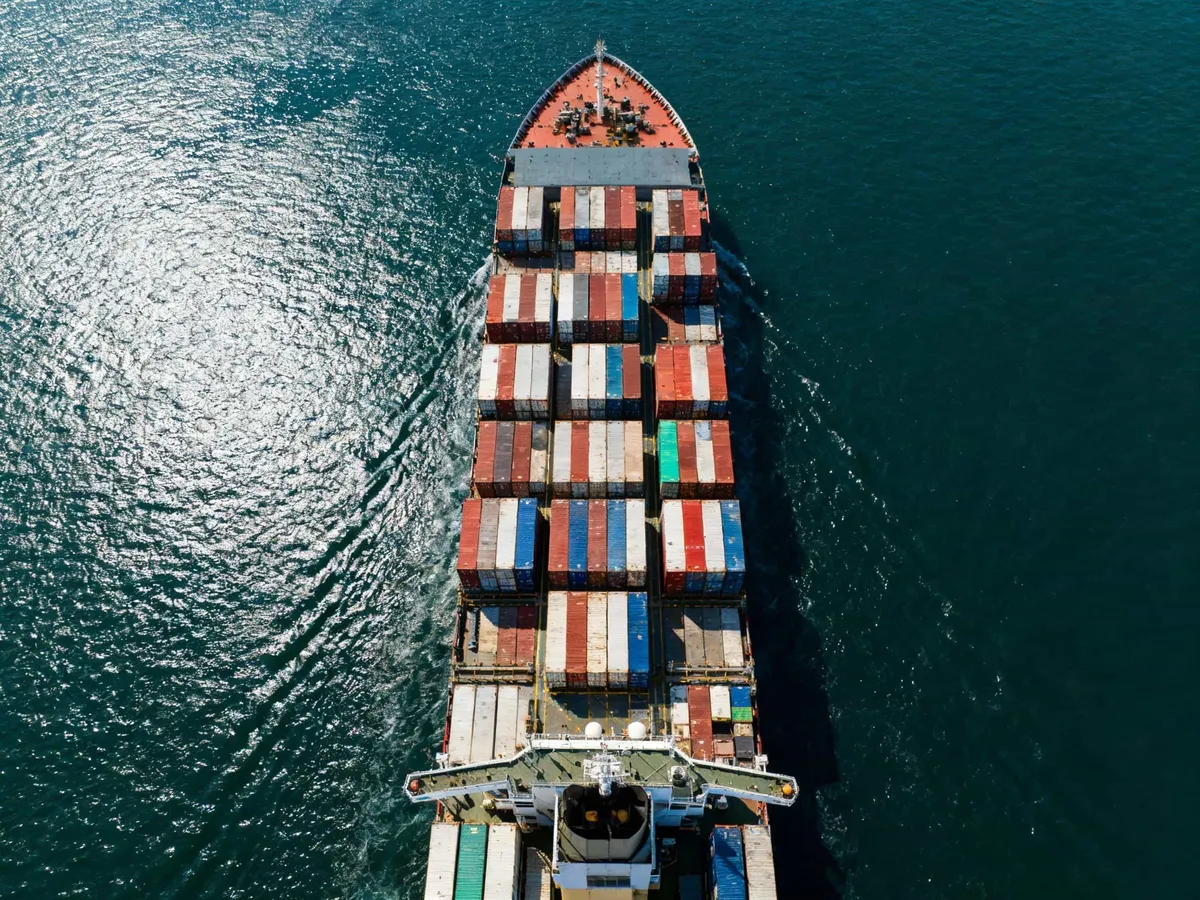
Most container ships from China to Chile pass through the Pacific Ocean, often transiting via the Panama Canal for direct sailings. The most common routes start from Shanghai, Ningbo, or Shenzhen, connecting to San Antonio or Valparaiso.
Transit times generally range from 22 to 35 days depending on the selected ports, carrier schedules, and transshipment points.
Table 1: Estimated Transit Times from Major China Ports to Chilean Ports (2025)
| Origin Port (China) | Destination Port (Chile) | Typical Transit Time (Days) |
|---|---|---|
| Shanghai | San Antonio | 28-32 |
| Ningbo | San Antonio | 26-30 |
| Shenzhen | Valparaiso | 25-29 |
| Qingdao | San Antonio | 32-35 |
| Xiamen | Valparaiso | 29-33 |
Note: Actual transit times can vary based on carrier routing, weather, and port congestion.
Selecting the right combination of origin and destination ports can significantly improve shipping efficiency and cost. At DTFU International Logistics Co.,Ltd, we provide tailored routing advice based on your cargo type, urgency, and budget.
20 ft Container Shipping Cost from China to Chile
A 20ft container (standard dry container, capacity: 28CBM) is ideal for small to medium-sized consignments. The cost of shipping a 20ft container from China to Chile is influenced by several dynamic factors, including fuel prices, global supply chain disruptions, peak season surcharges, and carrier space availability.
Related reading: For readers interested in container costs for other major routes, see Container shipping cost from china to UAE.
Main Cost Factors
-
Freight Rates
- Determined by the shipping line, route, and service type (FCL/LCL).
- Adjusted frequently due to global market trends.
-
Surcharges
- Bunker Adjustment Factor (BAF)
- Peak Season Surcharge (PSS)
- Currency Adjustment Factor (CAF)
- Security surcharges
-
Port Charges
- Terminal Handling Charges (THC) at both origin and destination.
- Documentation and handling fees.
-
Additional Fees
- Customs clearance
- Container insurance
- Inland transportation (if Door-to-Door)
Reference Table: 20ft Container Shipping Costs (2025 Q4 Estimates)
| Origin Port (China) | Destination Port (Chile) | 20ft Container Ocean Freight (USD) | Typical Total Door-to-Port Cost (USD) |
|---|---|---|---|
| Shanghai | San Antonio | $1,800 – $2,300 | $2,200 – $2,800 |
| Ningbo | Valparaiso | $1,750 – $2,250 | $2,150 – $2,700 |
| Shenzhen | San Antonio | $1,900 – $2,400 | $2,350 – $2,950 |
| Qingdao | Valparaiso | $2,000 – $2,500 | $2,500 – $3,100 |
| Xiamen | Iquique | $1,950 – $2,450 | $2,350 – $2,950 |
Prices above are indicative as of Q4 2025, subject to market fluctuations and do not include import taxes or duties in Chile. For an accurate and up-to-date quote, please contact our team directly.
Cost Breakdown Example
For a 20ft container shipped from Shanghai to San Antonio:
- Ocean Freight: $1,900
- Origin THC & Documentation: $200
- Destination THC: $180
- Security Surcharge: $50
- Inland Trucking (if required): $300 (approx.)
- Total Estimated Cost: $2,630
How to Optimize Your Shipping Costs
- Book in Advance: Space on vessels can be limited, especially during peak seasons (e.g., pre-Christmas, Chinese New Year). Early booking secures better rates.
- Leverage Consolidation: For smaller loads, consider LCL (Less than Container Load) services to share a container with other shippers, reducing per-unit costs.
- Work with an Experienced Freight Forwarder:
Partnering with a reliable and experienced forwarder like DTFU International Logistics Co.,Ltd ensures cost transparency, real-time updates, and access to negotiated carrier rates.
For an instant, tailored shipping quote or further consultation, please reach out to our logistics experts at DTFU International Logistics Co.,Ltd.
40 ft container shipping cost from China to Chile
When considering shipping a 40 ft container from China to Chile, it is essential to understand the various factors that influence cost, as well as the latest market rates and trends. As of 2025, global shipping rates are still affected by ongoing supply chain adjustments, fuel cost fluctuations, and regional port policies.
You may also like: For a comparison on African routes, see Cost of shipping a container from china to Nigeria.
Key Factors Impacting 40ft Container Shipping Costs
- Origin and Destination Ports: Main ports in China (such as Shanghai, Shenzhen, and Ningbo) to principal Chilean ports (San Antonio, Valparaiso).
- Seasonal Demand: Shipping rates can rise during peak seasons (e.g., pre-holiday periods).
- Container Type: Standard 40ft or 40ft High Cube (40HQ) containers have different price points.
- Freight Type: Full Container Load (FCL) is generally more cost-effective for large shipments, while Less than Container Load (LCL) may suit smaller volumes.
- Additional Services: Services like door-to-door, customs clearance, cargo insurance, and warehousing may impact overall costs.
Typical 40ft Container Shipping Rates (2025)
| Origin Port (China) | Destination Port (Chile) | Transit Time (Days) | 40ft FCL Cost (USD)* |
|---|---|---|---|
| Shanghai | San Antonio | 28-35 | $4,300 – $5,300 |
| Shenzhen | Valparaiso | 30-38 | $4,400 – $5,500 |
| Ningbo | San Antonio | 28-36 | $4,250 – $5,200 |
*Rates are indicative as of Q1 2024 and may fluctuate due to market dynamics. For the most accurate and up-to-date quotes, contact a professional freight forwarder.
What’s Included in the Quoted Price?
- Ocean Freight Charges
- Basic Terminal Handling Charges (THC)
- Bill of Lading fees
What’s Not Generally Included?
- Customs Clearance at origin and destination
- Import Duties and Taxes
- Insurance
- Delivery to door (unless specified)
- Additional port surcharges or storage fees
Choosing a reliable freight forwarder is crucial for a smooth shipping experience. DTFU International Logistics Co.,Ltd is a highly professional, cost-effective, and high-quality one-stop international logistics service provider for global traders. Our services include Sea Freight, Road Freight, Air Freight, Amazon FBA, Warehouse, Cargo Insurance Services, One-stop Customs Clearance, Door to Door, OOG Freight, Consolidated Freight, and Breakbulk Freight. We work closely with reputable carriers and ensure transparent cost breakdowns for all shipments from China to Chile.
Import Tax and Duty about Goods Exported from China to Chile
When importing goods from China to Chile, understanding the applicable import tax and duty structure is vital for accurate budgeting and compliance with Chilean Customs regulations.
Key Tax & Duty Considerations
- Customs Duty: Most goods imported into Chile are subject to an ad valorem customs duty of 6% (based on CIF value: Cost + Insurance + Freight).
- Value Added Tax (VAT): A 19% VAT is applicable on imports and is calculated on the sum of CIF value plus customs duty.
- Other Taxes: Some products may be subject to additional taxes (e.g., luxury goods, alcohol, tobacco).
Example Calculation
Suppose you import machinery with a CIF value of $30,000.
- Customs Duty: $30,000 x 6% = $1,800
- VAT: ($30,000 + $1,800) x 19% = $6,012
- Total Import Taxes: $1,800 (duty) + $6,012 (VAT) = $7,812
Chile-China FTA (Free Trade Agreement)
Chile and China have a comprehensive Free Trade Agreement, under which many goods enjoy reduced or even zero customs duties, provided they meet rules of origin criteria and are accompanied by the necessary Certificate of Origin.
Importers should:
- Check if their product is eligible for FTA preferential rates.
- Ensure all documentation (including commercial invoice, packing list, and certificate of origin) is complete and accurate.
Import Documentation Required
- Commercial Invoice
- Bill of Lading
- Packing List
- Certificate of Origin (for FTA benefits)
- Any special licenses (for regulated products)
Customs Clearance Process
Efficient customs clearance minimizes delays and additional costs. DTFU International Logistics Co.,Ltd provides one-stop customs clearance services, ensuring compliance with both Chinese and Chilean regulations, and assisting clients in preparing all necessary paperwork for smooth importation.
Tip: If you also export to Africa, the process shares similarities with Shipping Cost from China to Algeria.
As of 2025, Chile continues to streamline its digital customs procedures to improve transparency and efficiency. Importers are encouraged to stay updated with the latest regulations via official government websites or through professional logistics partners, like DTFU International Logistics Co.,Ltd.
Other Additional Charges
When calculating the 20ft & 40ft Container Cost from China to Chile, it is crucial to consider not only the base ocean freight rates but also a variety of additional charges that may apply throughout the shipping process. These charges can vary based on shipping lines, destination, cargo type, and current market conditions. Here’s a detailed breakdown of potential additional charges:
| Charge Type | Description | Who Charges | Estimated Range (USD) |
|---|---|---|---|
| Bunker Adjustment Factor (BAF) | Fuel surcharge to compensate for fluctuations in fuel prices. | Shipping Line | $50–$200/container |
| Currency Adjustment Factor (CAF) | Adjustment for currency exchange rate fluctuations. | Shipping Line | 1–5% of base freight |
| Peak Season Surcharge (PSS) | Applied during high-demand shipping periods, such as pre-holiday or production peak months. | Shipping Line | $100–$350/container |
| Port Congestion Surcharge | If origin or destination ports (e.g., Shanghai, Shenzhen, Valparaiso, San Antonio) are congested. | Shipping Line/Port Operator | $50–$250/container |
| Documentation Fee | Covers bills of lading, customs paperwork, and other shipping documents. | Freight Forwarder | $50–$100/shipment |
| Terminal Handling Charge (THC) | Handling fee for container loading/unloading at both origin and destination terminals. | Terminal/Shipping Line | $120–$300/container |
| Customs Clearance Fee | Covers customs broker services for import/export declarations. | Customs Broker/Freight Forwarder | $80–$150/shipment |
| Import VAT/Duty | Taxes and duties required by Chile Customs based on the value and type of imported goods. | Chilean Government | Varies (see local rates) |
| Demurrage & Detention Fees | Penalties for keeping containers at port or outside the terminal beyond free days. | Shipping Line | $50–$200/day |
| Cargo Insurance | Optional, protects goods against loss/damage during transit. | Freight Forwarder/Insurer | 0.1–0.3% of cargo value |
| Delivery Order Fee | Issuance of delivery order at destination. | Freight Forwarder | $50–$80/shipment |
| Inland Transportation (Trucking/Rail) | Cost to move the container from port to final destination in Chile (e.g., from San Antonio port to Santiago warehouse). | Trucking Company | $200–$1,000+ |
| Inspection/Quarantine Fees | For shipments selected for inspection by customs or requiring special handling (food, chemicals, etc.). | Customs/Inspection Agency | $50–$200+ |
Note: The above charges can fluctuate based on real-time market updates, geopolitical situations, and seasonal demand. For the most accurate estimate, we recommend contacting a reputable freight forwarder like DTFU International Logistics Co.,Ltd for a tailored quotation.
Understanding and planning for these additional charges helps importers/exporters accurately calculate their total landed cost, avoid unexpected expenses, and maintain smooth supply chain operations.
Step-by-Step Container Shipping Process
Shipping a 20ft or 40ft container from China to Chile involves several precise steps, each requiring compliance with international logistics standards and local regulations. Below is a detailed, actionable guide to the standard process, designed to provide transparency and clarity for shippers at all experience levels.
1. Quotation & Booking
- Contact a Freight Forwarder: Begin by requesting a quote from a reputable provider such as DTFU International Logistics Co.,Ltd. Provide shipment details (cargo type, dimensions, weight, origin/destination ports, special requirements).
- Review & Confirm: Assess the provided rates, including both base freight and additional charges.
- Booking: Once terms are agreed, the forwarder books space on a vessel, typically departing from major Chinese ports such as Shanghai, Shenzhen, or Ningbo, bound for Chilean ports like Valparaiso or San Antonio.
2. Documentation Preparation
- Required Documents: Prepare export documentation including Commercial Invoice, Packing List, Bill of Lading, and any required certificates (e.g., Fumigation, Origin).
- Customs Documentation: Ensure all paperwork complies with both Chinese export and Chilean import regulations.
3. Cargo Pickup & Container Loading
- Inland Transportation: Arrange for your cargo to be picked up and delivered to the designated container freight station (CFS) or direct to the port terminal.
- Container Stuffing: Goods are loaded into a 20ft (28CBM) or 40ft (56CBM) container, secured, and sealed. DTFU offers professional packing and consolidation services to optimize space and reduce risk.
4. Export Customs Clearance (China)
- Customs Declaration: DTFU handles submission of export declarations and liaises with Chinese Customs for clearance.
- Inspection (if required): Some shipments may be subject to inspection or verification.
5. Ocean Transportation
- Vessel Departure: The container is loaded onto the scheduled vessel.
- Transit Time: Typical transit time from major Chinese ports to Chile is 25–35 days, depending on the shipping line, route, and stopovers.
If your business also exports to Europe, you might be interested in Shipping cost from China to France.
6. Import Customs Clearance (Chile)
- Arrival Notice: Upon vessel arrival, the consignee receives an arrival notice.
- Customs Declaration: Submit required documents to Chilean Customs for clearance, pay duties and taxes.
- Inspection/Quarantine: Random or cargo-specific inspections may occur.
7. Container Pickup & Inland Delivery
- Release & Trucking: Once cleared, containers are released from the port. DTFU arranges local trucking to deliver containers to the final destination within Chile (e.g., warehouse, Amazon FBA center, or direct to customer).
- Empty Return: After unloading, the empty container is returned to the designated depot within the allowed free days to avoid demurrage.
8. Post-Shipment Support
- Tracking & Updates: Real-time shipment tracking and proactive updates are provided.
- Claims & Insurance: In case of loss/damage, DTFU assists with insurance claims and after-sales support.
Shipping Process Flow Table
| Stage | Responsible Party | Key Documents/Notes | Timeframe |
|---|---|---|---|
| Quotation & Booking | Shipper / Freight Forwarder (DTFU) | Booking Confirmation, Quotation | 1–3 days |
| Documentation Preparation | Shipper / Freight Forwarder | Invoice, BL, Packing List, Certificates | 1–5 days, parallel |
| Cargo Pickup & Loading | Trucking Company / CFS / DTFU | CFS Receipt, Container Seal | 1–2 days |
| Export Customs Clearance | DTFU / Chinese Customs | Export Declaration, Clearance Receipts | 1–3 days |
| Ocean Transportation | Shipping Line | Bill of Lading, Tracking | 25–35 days |
| Import Customs Clearance | Consignee / Chilean Customs / DTFU | Import Declaration, Duties, Taxes | 1–5 days |
| Inland Delivery | Trucking Company / DTFU | Delivery Order, Receipt | 1–3 days |
| Empty Return | Consignee / Trucking Company | EIR (Equipment Interchange Receipt) | Within free days |
DTFU International Logistics Co.,Ltd provides comprehensive, one-stop solutions for every step of the China–Chile container shipping process, including sea freight, customs clearance, cargo insurance, warehousing, and last-mile delivery. Our expertise and dedicated service ensure your shipments are handled efficiently and transparently from start to finish.
For the latest rates, schedule, or a tailored shipping plan, please contact our team for a professional consultation.
How to Reduce Container Shipping Costs from China to Chile
Reducing container shipping costs from China to Chile is critical for importers, exporters, and every business concerned with their bottom line. As global supply chains evolve and freight rates remain volatile, a strategic approach is essential. Below, I share professional insights and actionable strategies, reflecting the latest logistics trends and best practices for 2024.
1. Select the Right Container Size and Type
Choosing between a 20ft container (28CBM capacity) and a 40ft container (56CBM capacity), or even a 40HQ/45HQ, should be based on accurate cargo volume assessment. Shipping partially filled containers wastes space and increases per-unit shipping costs. For high-volume shipments, consolidating cargo into fewer, fuller containers lowers your average cost per cubic meter.
| Container Type | Capacity (CBM) | Best For |
|---|---|---|
| 20ft | 28 | Small to medium shipments, heavy goods |
| 40ft | 56 | Medium to large volume, lighter or bulky goods |
| 40HQ | 68 | High volume, lightweight, over-height cargo |
| 45HQ | 78 | Extra-large, lightweight, volume-based shipments |
2. Optimize Shipping Routes and Port Selection
Selecting major Chinese loading ports (such as Shanghai, Shenzhen, or Ningbo) and main Chilean destination ports (San Antonio, Valparaiso) often ensures competitive rates and frequent sailings. Avoid smaller ports unless necessary, as costs for handling, transit, and inland transportation can be higher.
3. Utilize Freight Consolidation (LCL) Services
If your shipment doesn’t fill a full container, consider Less-than-Container-Load (LCL) consolidation. Reliable freight forwarders like DTFU International Logistics Co.,Ltd can consolidate your cargo with others, ensuring you pay only for the space you use.
4. Compare Shipping Schedules and Carriers
Different shipping lines and schedules can impact cost and transit time. Book in advance and request multiple quotes from established logistics providers. Seasonal trends (e.g., pre-Chinese New Year or Black Friday) can affect rates; plan around these peaks when possible.
5. Use Value-added Logistics Services
Partnering with a one-stop logistics provider like DTFU International Logistics Co.,Ltd allows you to access bundled services—such as sea freight, air freight, customs clearance, cargo insurance, warehousing, and door-to-door delivery—at more competitive package rates.
Explore more: If you are considering shipping to Africa as well, check Shipping Cost from China to Tanzania.
6. Ensure Proper Documentation and Customs Compliance
Delays or penalties at customs can add substantial costs. Work with experienced freight forwarders who offer one-stop customs clearance and compliance support to avoid unnecessary expenses and speed up cargo release.
7. Plan for Flexible Shipping Dates
Having flexible schedules enables you to opt for off-peak shipments, when rates are lower. Avoid last-minute bookings, which usually come with premium charges.
8. Take Advantage of Digital Freight Solutions
Leverage digital platforms and management systems to track shipments, compare rates, and receive real-time updates. DTFU International Logistics employs advanced digital solutions for cost transparency and shipment optimization.
9. Leverage Cargo Insurance
Unexpected events can lead to losses. Secure comprehensive, cost-effective cargo insurance to minimize potential financial risks at a marginal additional cost.
Latest Market Insights
As of Q4 2025, container rates from China to Chile have stabilized compared to previous pandemic spikes, but fuel price fluctuations and geopolitical events can still cause sudden changes. Stay informed by partnering with logistics professionals who monitor market trends daily.
FAQs
1. What is the average cost to ship a 20ft or 40ft container from China to Chile in 2025?
The average cost varies depending on route, season, and container type. As of Q4 2025:
| Container Size | Estimated Cost (USD) | Transit Time (Days) | Notes |
|---|---|---|---|
| 20ft | $2,800 – $4,200 | 28–35 | Shanghai–San Antonio |
| 40ft | $4,800 – $6,800 | 28–35 | Shanghai–San Antonio |
Costs may vary based on port pair, carrier, and service level. For the latest rates, contact a trusted provider like DTFU International Logistics Co.,Ltd.
2. Which are the main ports for container shipping between China and Chile?
- China: Shanghai, Shenzhen, Ningbo, Qingdao
- Chile: San Antonio (the largest port), Valparaíso
3. What documents are required for container imports from China to Chile?
Common documents include: Bill of Lading, Commercial Invoice, Packing List, Certificate of Origin, and relevant import licenses. DTFU International Logistics Co.,Ltd offers document preparation and customs clearance support.