Are you wondering about the cost of shipping a container from China to Nigeria and what factors impact your total expenses? In this comprehensive guide, we’ll break down everything you need to know about container shipping, including container types, routes, key cost components, and proven ways to reduce your shipping expenses. Discover crucial industry insights and make your China to Nigeria shipping experience smarter and more efficient!
China to Nigeria
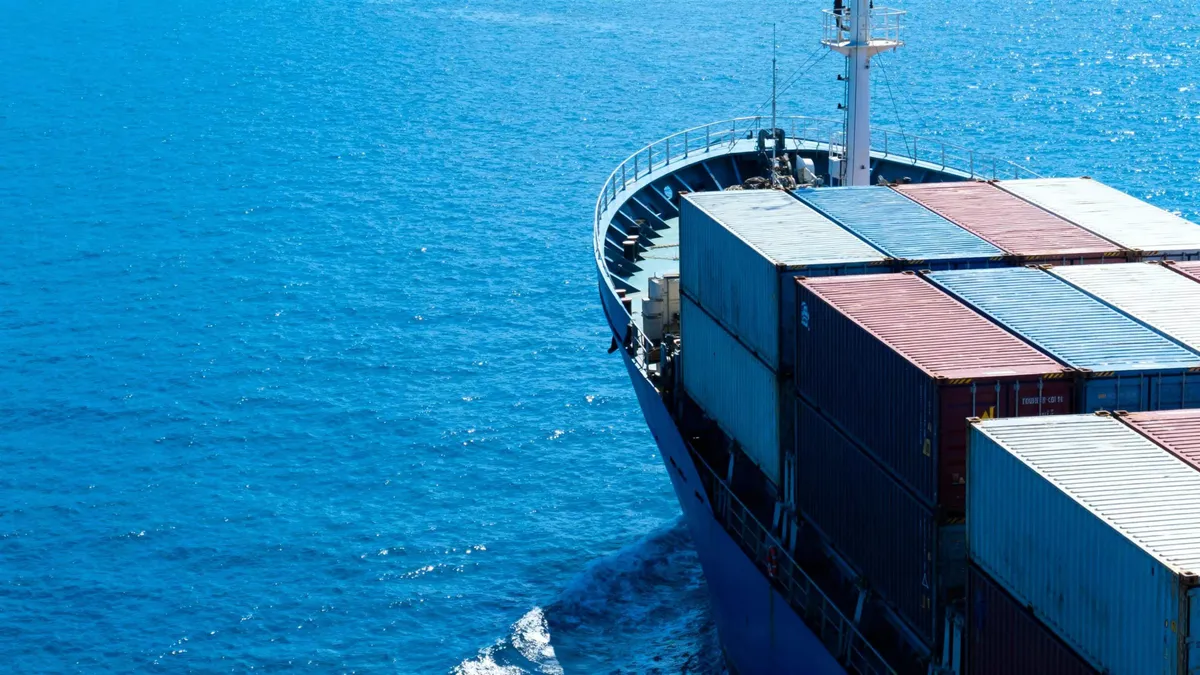
Shipping a container from China to Nigeria is a complex process that involves careful selection of the right container type and understanding the trade routes between the two countries. With growing trade volumes and the rise of e-commerce, optimizing your container choice and understanding the major shipping lanes are key to reducing costs and improving efficiency.
If you are interested in container shipping to neighboring African markets, you may also want to review our guide on .
Container Types & Fit
Choosing the correct container type is crucial for cost-effective and secure shipping from China to Nigeria. The most commonly used container types are 20ft, 40ft, and 40ft High Cube (40HQ) containers. Here is a quick overview of each container's specifications and suitable cargo:
| Container Type | Internal Capacity (CBM) | Typical Use Cases | Common Cargo Examples |
|---|---|---|---|
| 20ft Standard | 28 CBM | Small to medium shipments, heavy goods | Machinery, electronics, raw materials |
| 40ft Standard | 56 CBM | Large shipments, bulky but lighter goods | Furniture, textiles, packaged goods |
| 40ft High Cube (40HQ) | 68 CBM | Extra volume required, lightweight large cargo | Apparel, e-commerce parcels, plastic products |
| 45ft High Cube (45HQ) | 78 CBM | Oversized cargo | Oversized machinery, consolidated shipments |
Fit Considerations:
-
20ft Containers are best for dense, heavy goods where weight is a limiting factor.
-
40ft Containers are more cost-effective for voluminous but lighter cargo.
-
40HQ and 45HQ Containers offer extra height, which is ideal for maximizing volume when shipping lighter, high-volume goods.
-
For specialized cargo (e.g., perishable, oversized, hazardous), OOG Freight (Out-Of-Gauge), Reefer, or Open Top containers may be required.
Expert Tip: Consulting with a professional freight forwarder such as DTFU International Logistics Co.,Ltd can help you select the most suitable container type for your shipment, ensuring both cost efficiency and cargo safety.
Routes & Ports for China to Nigeria Shipping
The shipping lanes between China and Nigeria are vital links in global trade, facilitating the movement of thousands of containers every week. Understanding the main ports and common shipping routes is essential for planning transit times, optimizing shipping costs, and ensuring smooth customs clearance.
Neighboring countries often share similar port and logistics challenges. For reference, see our overview of .
Major Chinese Ports (Origin)
-
Shanghai Port: The largest port in the world, handling a significant portion of exports to Africa, including Nigeria.
-
Shenzhen Port: Known for its efficiency and proximity to major manufacturing hubs in southern China.
-
Ningbo-Zhoushan Port: Major gateway for manufacturers in eastern China.
-
Guangzhou Port: Key for electronics, garments, and machinery shipments.
-
Qingdao Port: Serves exporters in northern China.
Major Nigerian Ports (Destination)
-
Lagos Port Complex (Apapa & Tin Can Island): The main international seaports in Nigeria, handling over 70% of containerized imports. Located in Lagos, Western Nigeria.
-
Onne Port: Increasingly important for industrial cargo, especially for the oil & gas sector in southern Nigeria.
-
Port Harcourt Port: Key for eastern and central Nigeria.
Common Shipping Routes
Most container shipping from China to Nigeria is conducted via sea freight, typically using the following routes:
-
South China Sea → Indian Ocean → West African Coast
-
Major shipping lines (e.g., Maersk, MSC, CMA CGM) operate regular sailings.
-
Common transshipment ports: Singapore, Colombo (Sri Lanka), Algeciras (Spain), Tangier Med (Morocco).
-
Vessels then proceed directly to Lagos or Onne.
-
-
Direct Service (when available):
-
Some carriers offer direct sailings from major Chinese ports to Lagos, reducing transit time.
-
Transit Times & Costs
Transit times depend on the specific ports and service type (direct vs. transshipment):
| Origin Port (China) | Destination (Nigeria) | Typical Transit Time (Days) | Estimated Sea Freight Cost (20ft) | Estimated Sea Freight Cost (40ft) |
|---|---|---|---|---|
| Shanghai | Lagos (Apapa/Tin Can) | 30-38 | $4,000 – $5,500 | $6,000 – $8,000 |
| Shenzhen | Lagos | 28-36 | $3,800 – $5,200 | $5,800 – $7,800 |
| Ningbo | Lagos | 32-40 | $4,200 – $5,700 | $6,200 – $8,200 |
| Guangzhou | Lagos | 30-38 | $3,900 – $5,400 | $6,000 – $8,000 |
| Shanghai | Onne | 36-44 | $4,500 – $6,000 | $6,800 – $9,000 |
Note: Costs fluctuate due to seasonal demand, fuel prices, global events, and carrier surcharges. The above are market averages as of Q4 2025. For up-to-date, tailored quotes, consult a professional freight forwarder.
Key Considerations
-
Port Congestion: Lagos ports often experience congestion, impacting transit times and potentially increasing demurrage costs.
-
Customs Procedures: Smooth clearance at Nigerian ports requires accurate documentation and compliance with local import regulations.
-
Multi-modal Options: Depending on the final destination in Nigeria, inland transportation (road or rail) may be necessary.
Contact us for tailored solutions and the latest market insights for shipping containers from China to Nigeria.
How much is shipping from China to Nigeria by sea
When planning international shipping, understanding the cost of shipping a container from China to Nigeria is essential for budget control, business planning, and supply chain efficiency. As of 2025, ocean freight rates have stabilized compared to the pandemic period, but they remain influenced by global market trends, fuel prices, and geopolitical events.
The total shipping cost typically depends on the container size (such as 20ft or 40ft), shipping route, departure and arrival ports, cargo type, and additional service requirements. Here is a detailed breakdown based on the latest market data and industry research.
Cost of shipping 20 ft container from China to Nigeria
A standard 20ft container (with a capacity of 28CBM) is the most common choice for businesses with small-to-medium volume shipments. The typical route is from leading Chinese ports (such as Shanghai, Shenzhen, or Ningbo) to top Nigerian ports, especially Lagos (Apapa Port) and Tin Can Island Port.
Estimated Freight Cost (2025):
| Route | Transit Time | Ocean Freight (USD) | Surcharges (approx.) | Total Estimate (USD) |
|---|---|---|---|---|
| Shanghai – Lagos (Apapa/Tin Can Island) | 35–45 days | $4,200 – $4,800 | $350 – $500 | $4,550 – $5,300 |
| Shenzhen – Lagos (Apapa/Tin Can Island) | 35–45 days | $4,100 – $4,900 | $350 – $500 | $4,450 – $5,400 |
| Ningbo – Lagos (Apapa/Tin Can Island) | 35–45 days | $4,100 – $4,850 | $350 – $500 | $4,450 – $5,350 |
Note: Prices may vary depending on seasonality, carrier, and service inclusions. DTFU International Logistics Co.,Ltd offers transparent, up-to-date rates and one-stop logistics solutions.
For readers interested in comparing costs across Africa, see our analysis of or .
Cost of shipping 40 ft container from China to Nigeria
A standard 40ft container (56CBM) or 40HQ (High Cube, 68CBM) is suitable for larger shipments or consolidation. The cost per cubic meter is generally lower compared to a 20ft container, making it cost-effective for bulk shipments.
Estimated Freight Cost (2025):
| Route | Transit Time | Ocean Freight (USD) | Surcharges (approx.) | Total Estimate (USD) |
|---|---|---|---|---|
| Shanghai – Lagos (Apapa/Tin Can Island) | 35–45 days | $7,500 – $8,200 | $500 – $650 | $8,000 – $8,850 |
| Shenzhen – Lagos (Apapa/Tin Can Island) | 35–45 days | $7,400 – $8,100 | $500 – $650 | $7,900 – $8,750 |
| Ningbo – Lagos (Apapa/Tin Can Island) | 35–45 days | $7,350 – $8,050 | $500 – $650 | $7,850 – $8,700 |
For clients with oversized or special cargo, DTFU International Logistics Co.,Ltd provides OOG Freight (Out Of Gauge), Breakbulk Freight, and Consolidated Freight services tailored to unique requirements.
Cost Components
To make informed decisions, it is critical to understand each component that contributes to the total shipping cost:
-
Ocean Freight Charge: The base cost paid to shipping lines for container movement from China to Nigeria.
-
Fuel Surcharge (BAF): Adjusts for changes in bunker (marine fuel) prices.
-
Port Charges: Includes handling, documentation, and port security fees at both origin (Shanghai, Shenzhen, etc.) and destination (Lagos, Tin Can Island, etc.).
-
Customs Clearance Fees: Payments for compliance with local regulations and documentation processing at both departure and arrival ports.
-
Inland Transportation: Trucking or rail fees from the supplier’s warehouse to the Chinese port, and from the Nigerian port to the consignee’s address.
-
Value-Added Services: Fees for services such as cargo insurance, warehousing, Amazon FBA preparation, or door-to-door delivery.
-
Documentation Charges: Fees for preparing bills of lading, certificates of origin, and other required documents.
-
Cargo Insurance: Protects against loss or damage during transit (highly recommended in international trade).
-
Peak Season Surcharge (PSS): Temporary increase during high-demand periods, such as pre-holiday seasons.
-
Destination Handling Charges (DHC): Fees for handling and processing cargo at Nigerian ports.
DTFU International Logistics Co.,Ltd offers transparent, itemized quotations. Our team helps you select necessary and cost-effective services for your shipment.
Factors influencing costs
Several factors can significantly impact the cost of shipping containers from China to Nigeria by sea:
-
Container Type and Size: Larger containers (40ft, 40HQ, 45HQ) generally offer lower cost per CBM compared to 20ft containers due to better space utilization.
-
Shipping Route and Port Congestion: Routes with direct service are faster and sometimes cheaper. However, congestion at major Chinese ports or Nigerian ports (especially during peak seasons) can cause delays and additional fees.
-
Seasonal Demand Fluctuations: Rates rise during global peak shipping seasons (e.g., pre-Christmas, Chinese New Year, back-to-school) due to limited vessel space.
-
Cargo Type and Nature: Hazardous, oversized, or highly valuable cargo may require special handling, increasing the overall cost.
-
International Policies and Tariffs: Sudden changes in trade policies, customs duties, or import/export restrictions can affect shipping costs. For example, recent policy updates in Nigeria regarding import documentation and foreign exchange may influence total landed cost.
-
Fuel Price Trends: Volatility in global oil prices leads to adjustments in fuel surcharges.
-
Carrier Selection and Service Level: Major shipping lines (e.g., Maersk, MSC, COSCO) may have different rate structures and transit times. Express or premium services cost more but offer faster delivery and priority handling.
-
Volume Commitments and Negotiation: Higher shipping volumes can unlock better rates through negotiation or long-term contracts.
-
Insurance and Risk Management: Comprehensive insurance coverage raises upfront costs but reduces financial risk in the event of cargo loss or damage.
-
Exchange Rates and Payment Terms: Fluctuations in USD/CNY or USD/NGN can impact total costs, as most freight rates are quoted in USD.
DTFU International Logistics Co.,Ltd continuously monitors market trends, regulatory updates, and port operations to provide our clients with the most accurate shipping quotations and risk management support.
Cost Reduction and Efficiency Improvement Strategies
When shipping containers from China to Nigeria, effective cost management and operational efficiency are crucial for maintaining competitiveness and profitability. Below are practical strategies supported by industry expertise and current market data:
1. Optimize Container Utilization
Maximizing the use of container space is one of the most efficient ways to reduce shipping costs. For example:
-
20ft Container (Capacity: 28CBM)
-
40ft Container (Capacity: 56CBM)
-
40HQ Container (Capacity: 68CBM)
-
45HQ Container (Capacity: 78CBM)
A careful assessment of cargo dimensions, weight, and type allows for optimal packing, thereby reducing the cost per unit shipped.
2. Consolidation Services
For shipments that do not fill an entire container, LCL (Less than Container Load) or consolidation is a cost-effective choice. Working with a reliable freight forwarder like DTFU International Logistics Co.,Ltd enables shippers to combine their goods with other shipments, significantly lowering individual freight costs.
3. Select the Right Shipping Route and Port
Analyzing different China and Nigeria port combinations can impact both cost and transit time. For instance:
| China Port | Nigeria Port | Estimated Transit Time | Average Cost (20ft) | Average Cost (40ft) |
|---|---|---|---|---|
| Shenzhen | Lagos (Apapa) | 35-40 days | $4,000 | $7,200 |
| Shanghai | Onne | 40-45 days | $4,200 | $7,500 |
| Ningbo | Tin Can Island | 38-42 days | $4,100 | $7,300 |
Selecting the best port pair can shave days off transit and save hundreds of dollars.
4. Plan Shipments in Advance
Booking shipments ahead of peak seasons (such as Chinese New Year or Black Friday) avoids premium charges and space shortages. Advanced planning also allows for better negotiation with carriers.
5. Leverage Technology and Tracking
Modern freight systems offer real-time tracking and documentation, reducing administrative errors and delays. Partnering with tech-enabled forwarders like DTFU International Logistics Co.,Ltd ensures transparency and timely updates.
6. Negotiate Long-term Contracts
Stable trade lanes between China and Nigeria allow shippers to negotiate long-term contracts with carriers, securing preferential rates and allocations, especially for consistent volume.
7. Use Value-added Services
Services like door-to-door delivery, one-stop customs clearance, and cargo insurance support smoother operations, reducing hidden costs and risks of disruptions.
Compliance & Risk
Shipping containers from China to Nigeria involves navigating a complex regulatory landscape. Ensuring compliance and managing risk are essential for smooth delivery and cost control.
1. Customs Documentation
Accurate and complete documentation is a must for on-time customs clearance:
-
Bill of Lading
-
Commercial Invoice
-
Packing List
-
Certificate of Origin
-
Import Permits (where required by Nigerian authorities)
Errors or omissions can lead to delays, fines, or even cargo seizure.
2. Regulatory Changes
Both China and Nigeria periodically update import/export regulations. Examples include changes to:
-
Prohibited or restricted goods lists
-
Import duty rates
-
Pre-arrival documentation requirements in Nigeria (such as the SONCAP Certificate and Form M)
Staying updated on regulatory developments is essential, especially given recent shifts in Nigerian import policies aimed at boosting local industries.
For a broader perspective on compliance and risk in African shipping, see our comparison with .
3. Risk Mitigation
Key risks and corresponding controls include:
-
Cargo Damage/Loss: Invest in comprehensive cargo insurance.
-
Theft and Pilferage: Use reputable ports and monitored warehouses.
-
Delays: Work with experienced freight forwarders who pre-check documentation and anticipate port congestion.
-
Currency Fluctuations: Lock in rates with forwarders or use hedging strategies for large shipments.
4. Partner with Trusted Providers
Utilizing experienced and certified freight forwarders such as DTFU International Logistics Co.,Ltd reduces compliance risks. DTFU offers full customs brokerage, insurance, and tailored advisory for the China-Nigeria trade lane.
Freight Forwarder from China to Nigeria
Choosing the right freight forwarder is a fundamental step for successful shipping from China to Nigeria. A professional partner offers expertise, cost savings, and peace of mind.
Why Choose a Specialist Like DTFU International Logistics Co.,Ltd?
DTFU International Logistics Co.,Ltd is a highly professional, cost-effective, and high-quality one-stop international logistics service provider for global traders. Our services cover:
-
Sea Freight: Efficient FCL (Full Container Load) and LCL shipping solutions with competitive rates.
-
Road Freight: Reliable connections from Nigerian ports to inland destinations.
-
Air Freight: Fastest transit options for urgent cargo.
-
Amazon FBA Shipping: Professional solutions for cross-border e-commerce sellers targeting Amazon warehouses.
-
Warehouse Services: Secure storage and consolidation facilities in both China and Nigeria.
-
Cargo Insurance: Comprehensive coverage against loss or damage.
-
One-stop Customs Clearance: End-to-end documentation and compliance support.
-
Door-to-door Delivery: Complete logistics chain management from supplier to final destination.
-
Out-of-gauge (OOG) & Breakbulk Freight: Solutions for oversized or non-containerized cargo.
-
Consolidated Freight: Cost-effective shipping for smaller loads.
Benefits of Working With DTFU:
-
Experience: Over a decade serving the China-Nigeria route.
-
Local Expertise: Deep understanding of both Chinese and Nigerian regulations and port operations.
-
Transparent Pricing: No hidden surcharges; all costs detailed upfront.
-
Real-time Tracking: Technology-driven visibility for your shipments.
-
Dedicated Support: Multilingual team and 24/7 customer service.
Selecting a provider like DTFU International Logistics Co.,Ltd ensures your container shipping from China to Nigeria is secure, compliant, efficient, and cost-effective.