Are you wondering how much the shipping cost from China to South Africa really is, or which shipping method best fits your needs? In this comprehensive guide, we’ll break down everything you need to know about sea shipping, air shipping, and door to door shipping from China to South Africa, explore container rates, discuss import duties, and reveal practical tips to reduce costs—helping you make informed decisions for your business.
Sea Shipping from China to South Africa
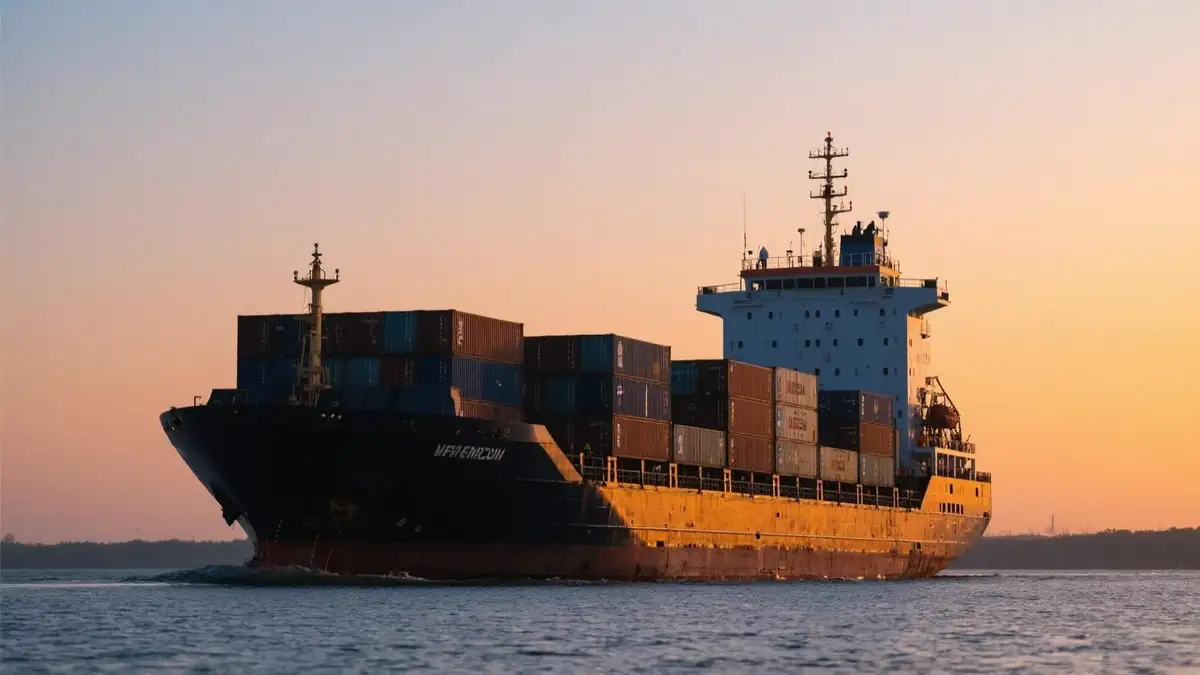
Sea shipping is the most popular and cost-effective method for moving bulk cargo from China to South Africa. This option is ideal for businesses with large shipment volumes or those looking to optimize transportation costs.
1. Major Ports Involved
In China:
Shanghai Port
Shenzhen Port
Ningbo Port
Qingdao Port
In South Africa:
Durban Port (busiest and main container port)
Cape Town Port
Port Elizabeth
These main ports are equipped to handle containerized, breakbulk, and specialized cargo. For example, Durban Port serves as the primary entry point for goods arriving from Asia, with strong trade links to China.
2. Types of Sea Shipping Services
Full Container Load (FCL):
Suitable for large shipments that can fill a 20ft, 40ft, or 40HQ container. Commonly used by importers and manufacturers.Less than Container Load (LCL):
For smaller shipments, your cargo is consolidated with others, optimizing costs for SMEs and e-commerce sellers.Specialized Services:
OOG Freight (Out of Gauge)
Breakbulk Freight
Reefer Containers for temperature-sensitive goods
3. Typical Transit Times
Origin Port | Destination Port | Estimated Transit Time |
|---|---|---|
Shanghai | Durban | 20-28 days |
Shenzhen | Cape Town | 22-32 days |
Ningbo | Port Elizabeth | 22-30 days |
Transit times are subject to vessel schedules, customs clearance efficiency, and seasonal demand (e.g., pre-Chinese New Year surges).
4. Sea Freight Cost Overview
Several factors influence the shipping cost from China to South Africa by sea, including:
Container Size & Type:
20ft (28 CBM), 40ft (56 CBM), 40HQ (68 CBM)
Cargo Type: General, hazardous, perishable, etc.
Shipping Terms: FOB, CIF, DAP, etc.
Market Conditions: Surcharge fluctuations, fuel costs, and congestion.
Sample Rate Table (2025 Q4 Estimates):
Container Size | Shanghai → Durban | Shenzhen → Cape Town | Ningbo → Port Elizabeth |
|---|---|---|---|
20ft FCL | $2,200 – $2,800 | $2,100 – $2,700 | $2,250 – $2,850 |
40ft FCL | $3,800 – $4,600 | $3,700 – $4,500 | $3,850 – $4,650 |
LCL (per CBM) | $120 – $180 | $125 – $189 | $130 – $190 |
Please note: Actual rates vary based on seasonality, global economic factors, and volume discounts. For the most accurate and customized quote, contact a reputable freight forwarder like DTFU International Logistics Co.,Ltd.
5. When to Choose Sea Freight?
Large or heavy shipments
Less time-sensitive deliveries
Cost optimization is a priority
Need for specialized handling (OOG, breakbulk, etc.)
Air Shipping from China to South Africa
Air shipping is the fastest mode for moving goods from China to South Africa, ideal for high-value, urgent, or time-sensitive shipments.
1. Major Airports Involved
In China:
Shanghai Pudong International Airport (PVG)
Guangzhou Baiyun International Airport (CAN)
Beijing Capital International Airport (PEK)
Shenzhen Bao’an International Airport (SZX)
In South Africa:
O.R. Tambo International Airport (JNB) (Johannesburg)
Cape Town International Airport (CPT)
King Shaka International Airport (DUR) (Durban)
These airports handle frequent cargo flights between the two countries, facilitating efficient trade and e-commerce fulfillment.
2. Types of Air Freight Services
Standard Air Freight:
The most common service, suitable for most commercial needs.Express/Courier Services:
For urgent documents and parcels, often handled by integrators like DHL, FedEx, UPS.Consolidated Air Freight:
Cost-effective by grouping shipments from different shippers.Charter Flights:
For oversized or urgent bulk cargo.
3. Air Freight Transit Times
Origin Airport | Destination Airport | Estimated Transit Time |
|---|---|---|
PVG | JNB | 2–5 days |
CAN | CPT | 3–6 days |
PEK | DUR | 3–6 days |
Transit times include flight and basic handling, but customs clearance and delivery may extend total lead time.
4. Air Shipping Cost Overview
Air freight charges are calculated based on chargeable weight (the greater of gross or volumetric weight), route, cargo type, and service level.
Sample Rate Table (2025 Q4 Estimates):
Weight Tier | PVG → JNB (per kg) | CAN → CPT (per kg) | PEK → DUR (per kg) |
|---|---|---|---|
45–100 kg | $6.50 – $8.00 | $6.80 – $8.10 | $6.90 – $8.40 |
101–300 kg | $6.20 – $7.50 | $6.40 – $7.80 | $6.60 – $7.90 |
300+ kg | $5.90 – $7.20 | $6.10 – $7.40 | $6.30 – $7.70 |
Tip: For high-volume, low-weight cargo, volumetric calculations (L x W x H / 6000) may apply.
5. When to Choose Air Freight?
Shipments with high value or time sensitivity
Inventory replenishment for e-commerce sellers
Perishable, sensitive, or urgent goods
Smaller volumes where speed outweighs cost
6. Why Choose DTFU International Logistics Co.,Ltd for Air Freight?
As a leading freight forwarder between China and South Africa, DTFU International Logistics Co.,Ltd offers:
Extensive airline partnerships for flexible schedules
Door-to-door, warehouse, and cargo insurance services
One-stop customs clearance
Professional support for cross-border e-commerce
7. Industry Insights & Trends
Since 2023, air cargo demand between China and Africa has increased due to the growth of e-commerce and urgent medical supplies.
Major airlines have adjusted schedules to enhance connectivity, speeding up delivery cycles.
Regulatory changes in South Africa emphasize the importance of accurate customs documentation to prevent delays.
Door to Door shipping from China to South Africa
Door to Door shipping is an integrated logistics solution where your cargo is picked up from the supplier’s address in China and delivered directly to the consignee’s address in South Africa. This service covers every leg of the supply chain, including inland transportation, main carriage (sea or air freight), customs clearance at both origin and destination, and final delivery.
Key Features of Door to Door Shipping
All-Inclusive Service: The service includes pickup, export customs clearance in China, international freight, import customs clearance in South Africa, and delivery to the final address.
Multiple Modes: Door to Door shipping can be arranged via sea freight, air freight, or even multimodal solutions combining both.
Simplicity and Transparency: You deal with a single freight forwarder—like DTFU International Logistics Co.,Ltd—for the entire process, reducing communication barriers and administrative hassles.
Cost Control: All charges are consolidated into one quote, making budget planning more predictable.
Typical Door to Door Shipping Process
Pickup: Collection of cargo from the supplier’s warehouse/factory anywhere in China.
Export Formalities: Handling of documentation and export customs clearance at the Chinese port or airport.
International Transit: Transportation by sea or air to South Africa’s main ports (e.g., Durban, Cape Town, Port Elizabeth) or airports (e.g., OR Tambo International Airport).
Import Customs Clearance: Clearance of cargo at the South African border, including payment of necessary import duties and taxes.
Inland Transportation: Delivery to the designated address in South Africa.
Who Should Choose Door to Door Shipping?
Importers/exporters with limited experience in international logistics.
E-commerce sellers seeking simplified, end-to-end solutions.
Businesses wanting to save time and reduce risk of delays due to miscommunication between multiple service providers.
Individuals importing personal effects or commercial items.
Estimated Door to Door Shipping Costs (2025)
Shipping Mode | Estimated Transit Time | Cost Range (Small Shipment) | Cost Range (Full Container) |
|---|---|---|---|
Sea Freight (LCL) | 25-35 days | $650 – $1,000 per CBM | – |
Sea Freight (FCL) | 25-35 days | – | $3,200 – $4,800 per 20ft/40ft |
Air Freight | 5-8 days | $7.5 – $12 per kg | – |
Note: Costs vary based on cargo volume, weight, commodities, pickup/delivery locations, and current market rates. Contact DTFU for precise quotes.
How much does shipping from China to South Africa cost?
The shipping cost from China to South Africa depends on several key factors, including the shipping method (sea freight, air freight, door to door), shipment size and weight, port of origin and destination, and the latest market conditions.
Main Cost Components
Freight Charges: Cost of transporting the goods by sea or air between the two countries.
Origin Charges: Includes export customs clearance, documentation, and handling in China.
Destination Charges: Import customs clearance, terminal handling, and delivery in South Africa.
Import Duties & Taxes: Based on HS code, product value, and South African customs policies.
Insurance (optional, but highly recommended).
Additional Services: Warehousing, consolidation, cargo inspection, etc.
Typical Shipping Cost Comparison Table (2025 Estimate)
Shipping Method | Weight/Volume Example | Estimated Cost (USD) | Transit Time | Suitability |
|---|---|---|---|---|
Sea Freight (LCL) | 2 CBM/500 kg | $1,200 – $1,500 | 25-35 days | Medium volumes |
Sea Freight (FCL, 20ft container) | Max 28 CBM/20,000 kg | $3,200 – $3,800 | 25-35 days | Full container load |
Sea Freight (FCL, 40ft container) | Max 56 CBM/28,000 kg | $4,200 – $4,800 | 25-35 days | Large shipments |
Air Freight | 100 kg (chargeable weight) | $900 – $1,200 | 5-8 days | Urgent or high-value cargo |
Door to Door (small parcel) | 50 kg | $650 – $1,000 | 7-12 days | E-commerce/small businesses |
Note: The above rates are indicative and subject to fluctuation based on fuel surcharges, seasonal trends, and global events. For the most accurate and up-to-date pricing, consult with a trusted freight forwarder like DTFU International Logistics Co.,Ltd.
Factors Influencing Shipping Costs
Origin/Destination Port Pair: Shipping from Shanghai to Durban will differ from Shenzhen to Cape Town.
Freight Market Volatility: Rates can spike due to port congestion, seasonal peak demand (e.g., before Chinese New Year), or disruptions in the Red Sea or other major routes.
Cargo Specifications: Overweight, oversized, hazardous, or perishable cargo often incur additional fees.
Service Level: Faster services (e.g., air express, priority customs) generally cost more.
How to Get Competitive Shipping Costs
Plan Ahead: Book shipments in advance to avoid peak season surcharges.
Consolidate Shipments: Combine smaller shipments to benefit from better rates.
Work with Reputable Forwarders: DTFU International Logistics negotiates the best rates with carriers, leveraging long-term partnerships and market expertise.
For a tailored shipping solution from China to South Africa, with transparent pricing and professional support, contact DTFU International Logistics Co.,Ltd—your one-stop international logistics partner.
Cost of shipping 20ft & 40ft Container from China to South Africa
Shipping full containers is the most popular and economical option for businesses importing large quantities of goods between China and South Africa. The two main types of containers used are 20ft containers (capacity: 28CBM) and 40ft containers (capacity: 56CBM). For extra volume, a 40HQ (High Cube) container can accommodate up to 68CBM.
Current Market Freight Rates (2025)
Shipping rates fluctuate based on global fuel prices, seasonal demand, port congestion, and geopolitical factors. Below is an estimated cost range for shipping containers from major Chinese ports (e.g., Shanghai, Shenzhen, Ningbo) to key South African ports (e.g., Durban, Cape Town, Port Elizabeth):
Route (Port to Port) | 20ft Container (USD) | 40ft Container (USD) | 40HQ Container (USD) |
|---|---|---|---|
Shanghai – Durban | 2200 – 2600 | 3500 – 4200 | 3600 – 4300 |
Shenzhen – Durban | 2300 – 2800 | 3600 – 4400 | 3700 – 4500 |
Ningbo – Cape Town | 2400 – 2900 | 3700 – 4600 | 3800 – 4700 |
Qingdao – Port Elizabeth | 2500 – 3000 | 3800 – 4700 | 3900 – 4800 |
Note: These rates are port-to-port base ocean freight only (as of Q4 2025). Additional fees such as port charges, documentation, customs clearance, and inland delivery may apply.
What Influences the Container Shipping Cost?
Shipping Route & Port Selection: Some ports in South Africa (e.g., Durban) handle the majority of imports from China and may offer more frequent sailings, potentially lowering costs.
Cargo Volume & Weight: Full container load (FCL) is cost-effective for large shipments. For smaller loads, consider LCL (Less than Container Load), though the per CBM rate may be higher.
Seasonal Demand: Peak seasons (pre-Christmas, Chinese New Year) often see rate surges due to high demand.
Surcharges: BAF (Bunker Adjustment Factor), CAF (Currency Adjustment Factor), and GRI (General Rate Increase) are common.
Inland Transportation: Delivery to remote or inland locations within South Africa increases the total landed cost.
Example: Total Landed Cost Calculation
Suppose you are shipping a 40ft container of consumer electronics from Shenzhen to Durban:
Ocean Freight: $4,200
Origin Charges (China): $200
Destination Charges (South Africa): $350
Customs Clearance: $150
Inland Transportation to Johannesburg: $500
Total Estimated Cost: $5,400
Tip: Partnering with a reliable freight forwarder, like DTFU International Logistics Co.,Ltd, ensures you receive transparent pricing, up-to-date market rates, and one-stop service including customs clearance and inland delivery.
Air Shipping from China to South Africa Cost per kg
For time-sensitive shipments, air freight is the preferred option between China and South Africa. This method is suitable for high-value, urgent, or perishable goods, commonly favored by cross-border e-commerce, electronics, and medical equipment importers.
Typical Air Freight Rates (2025)
Air shipping rates are calculated per kilogram (kg) and depend on factors such as the type of cargo, dimensions, airline selected, and current market demand.
Route (Airport to Airport) | General Cargo Rate (USD/kg) | Minimum Chargeable Weight |
|---|---|---|
Guangzhou (CAN) – Johannesburg (JNB) | 5.50 – 8.00 | 45 kg |
Shanghai (PVG) – Johannesburg (JNB) | 5.80 – 8.50 | 45 kg |
Beijing (PEK) – Cape Town (CPT) | 6.00 – 9.00 | 45 kg |
Note: Rates are for general cargo as of Q4 2025. Dangerous goods, oversized cargo, or express services may incur higher charges.
What Determines Air Shipping Cost per kg?
Chargeable Weight: Airlines charge based on actual or volumetric weight (whichever is greater). Volumetric weight = (Length x Width x Height in cm) / 6000.
Cargo Type & Value: High-value or sensitive goods may require special handling or insurance.
Flight Availability & Seasonality: Rates increase during peak periods (e.g., Black Friday, major Chinese holidays).
Airport Fees: Both origin and destination airport handling charges apply.
When Does Air Freight Make Sense?
Shipping samples, urgent orders or high-value items
When total shipment weight is below 500 kg
When delivery deadline is critical (transit time: 3–7 days)
DTFU International Logistics Co.,Ltd offers flexible and competitive solutions for both sea freight and air freight from China to South Africa. As a highly professional, cost-effective, and high-quality one-stop international logistics service provider, we support global traders with services including FCL/LCL Ocean Freight, Air Freight, Warehousing, Cargo Insurance, Customs Clearance, and Door-to-Door Delivery.
Contact us for a tailored and up-to-date quote, and let our logistics experts help you optimize your shipping cost from China to South Africa.
Door to Door Shipping Cost from China to South Africa
Door to Door shipping is one of the most convenient and popular logistics solutions for businesses and individuals shipping goods from China to South Africa. This service covers the collection of cargo from your supplier’s location in China, complete export and import customs clearance, international freight, and final delivery to your designated address in South Africa.
What Influences Door to Door Shipping Costs?
The shipping cost from China to South Africa using Door to Door services depends on several factors:
Mode of Transport: Sea freight is typically more economical for large shipments, while air freight offers faster delivery at higher rates.
Type of Goods: General cargo, dangerous goods, or oversized items may impact freight rates and handling fees.
Shipment Volume & Weight: Charges are based on either actual weight or volumetric weight (for air cargo), or by container size for sea cargo (e.g., 20ft or 40ft containers).
Origin and Destination Addresses: The pick-up location in China and the final delivery point in South Africa (such as Johannesburg, Durban, or Cape Town) affect local transport and delivery charges.
Customs Clearance Requirements: Complexity of customs formalities, necessary documentation, and any applicable inspections.
Value-added Services: Insurance, warehousing, and packaging can add to the overall cost.
Typical Door to Door Shipping Cost Breakdown
Below is a recent overview (2025 data) of Door to Door shipping rates for standard commercial cargo. Please note that rates fluctuate based on market conditions, fuel surcharges, and seasonal demand. For precise quotations, contact a professional freight forwarder like DTFU International Logistics Co.,Ltd.
Shipping Mode | Typical Cargo Volume | Estimated Cost Range (USD) | Transit Time | Main Destinations |
|---|---|---|---|---|
Sea Freight (LCL) | 1-10 CBM | $400 – $850 per CBM | 25 – 35 days | Durban, Cape Town, Johannesburg |
Sea Freight (20ft FCL) | Up to 28 CBM | $2,200 – $3,000 per 20ft | 25 – 35 days | Durban, Cape Town |
Sea Freight (40ft FCL) | Up to 56 CBM | $3,800 – $5,000 per 40ft | 25 – 35 days | Durban, Cape Town |
Air Freight | 45+ kg | $5.50 – $9.00 per kg | 4 – 7 days | Johannesburg, Cape Town |
Express Courier | Up to 30 kg | $7.00 – $15.00 per kg | 3 – 6 days | All major cities |
Note: The above costs generally include pickup, export customs clearance, international shipping, import customs clearance, and final delivery.
What Is the Import Duty from China to South Africa?
When shipping goods from China to South Africa, understanding the import duty structure is critical for budgeting and compliance. Import duties are determined by the South African Revenue Service (SARS) and are applied based on the HS code (Harmonized System code) of your goods.
Key Points About Import Duty and Taxes
Customs Duty: Most goods imported from China are subject to ad valorem rates (a percentage of the declared value).
Value Added Tax (VAT): Standard rate is 15%, calculated on CIF value (Cost + Insurance + Freight) plus the duty.
Additional Levies: Some items (e.g., luxury goods, electronics, textiles) may incur additional excise or anti-dumping duties.
Customs Valuation: The customs value is based on the transaction value (price paid or payable), including shipping and insurance costs.
Example of Import Duty Calculation
Suppose you import electronics valued at $10,000 (CIF) from China:
Cost Element | Calculation Example |
|---|---|
CIF Value | $10,000 |
Duty (e.g., 10%) | $1,000 |
VAT (15% on CIF + Duty) | $1,650 |
Total Duty & Tax | $2,650 |
Note: Exact rates depend on your product’s HS code. Always check the latest SARS tariff schedules or consult with your logistics provider.
Major Import Duties by Product Category
Product Category | Typical Duty Rate | VAT (%) |
|---|---|---|
Textiles & Apparel | 15% - 45% | 15 |
Electronics | 0% - 20% | 15 |
Machinery | 5% - 10% | 15 |
Furniture | 10% - 25% | 15 |
Toys & Games | 10% - 20% | 15 |
How to Minimize Import Duty Risks
Correct HS Code Classification: Ensure accurate product classification to avoid penalties or delays.
Use Professional Customs Brokers: Partner with experienced agents or freight forwarders, such as DTFU International Logistics Co.,Ltd, to manage documentation and compliance.
Monitor Regulatory Updates: South African customs policies can change; stay updated via SARS official channels.
At DTFU International Logistics Co.,Ltd, our team ensures your goods are classified and declared correctly, helping you avoid unnecessary costs and streamline clearance. We offer one-stop customs clearance, providing guidance on duty estimation, documentation, and regulatory compliance.
Additional Cost of Shipping from China to South Africa
When planning your international shipment, it is vital to consider not just the base freight rates, but also the additional costs involved. These costs can significantly impact your final shipping cost from China to South Africa, and overlooking them can lead to budget overruns or unexpected delays.
Common Additional Costs
Cost Component | Description | Estimated Range (USD) |
|---|---|---|
Customs Clearance Fees | Charges for customs documentation and clearance processes in both China and South Africa. | $50–$200 per shipment |
Port Handling Charges | Fees for cargo handling at departure and arrival ports (e.g., Shanghai Port, Durban Port). | $100–$300 per container |
Terminal Handling Charges (THC) | Specific terminal use fees at ports, covering loading/unloading operations. | $150–$350 per container |
Documentation Fees | Costs for preparing and processing shipping documents, such as the Bill of Lading and Commercial Invoice. | $50–$100 per shipment |
Cargo Insurance | Optional, but highly recommended to protect against loss or damage in transit. | 0.1%–0.3% of cargo value |
Inland Transportation/Trucking | For moving goods from the factory to port, or port to final destination (Door-to-Door shipments). | $100–$500+ depending on distance |
Storage & Demurrage | Fees incurred if cargo is stored at the port or terminal beyond the free period allowed. | $30–$100 per day (varies by port) |
Inspection/Quarantine Fees | Charges for government inspection or quarantine, if your cargo is randomly selected or requires special certificates. | $50–$200 per container |
VAT & Import Duties | Besides the shipping cost, importers must pay local VAT and customs duties upon entry into South Africa. | Varies by HS code & cargo value |
Destination Delivery Charges (DDC) | Charges for handling, unloading, and delivery to the consignee’s address in South Africa. | $100–$300 per shipment |
Expert Tip: Always ask your freight forwarder for a complete breakdown of all possible additional costs to avoid unexpected expenses. At DTFU International Logistics Co.,Ltd, we provide full transparency and detailed quotations, ensuring you are informed at every step.
Factors Influencing the Shipping Cost
The shipping cost from China to South Africa is not static. It is influenced by a variety of dynamic factors, each of which can significantly affect your final quote. Understanding these variables helps you make informed logistics decisions and optimize your shipping budget.
Key Influencing Factors
Shipping Method
Sea Freight (FCL/LCL), Air Freight, and Door-to-Door services have different pricing structures.
Sea Freight is generally the most cost-effective for large, heavy cargo, while Air Freight is faster but more expensive per kg.
Cargo Volume and Weight
The size (CBM) and weight of your shipment directly impact the cost. For reference:
20FT Container: 28CBM
40FT Container: 56CBM
40HQ Container: 68CBM
45HQ Container: 78CBM
LCL (Less than Container Load) shipments are charged based on volume (CBM) or weight, whichever is higher.
Origin and Destination Ports
Shipping from major Chinese ports (Shanghai, Shenzhen, Ningbo) to main South African ports (Durban, Cape Town, Port Elizabeth) may have different rates and transit times.
Costs can vary depending on port congestion, handling efficiency, and infrastructure.
Type of Cargo
Hazardous, oversized, or temperature-controlled goods require specialized handling and may incur surcharges.
Seasonality and Market Demand
Peak seasons (e.g., pre-Chinese New Year, Black Friday, Christmas) see higher rates due to increased demand and limited vessel space.
Real-time events, such as the Red Sea crisis, can cause temporary surges in shipping costs.
Fuel Prices (BAF) and Surcharges
Bunker Adjustment Factor (BAF) reflects fluctuations in fuel prices, which directly affect ocean freight rates.
Additional surcharges (e.g., Peak Season Surcharge, Security Surcharge) may apply.
Exchange Rates
Freight charges are often quoted in USD, but currency fluctuations can impact the final cost for importers/exporters.
Customs Duties and Taxes
Changes in South African import tariffs or trade agreements can alter the total cost for consignees.
Freight Forwarder Choice
Working with a reputable and experienced freight forwarder like DTFU International Logistics Co.,Ltd ensures transparent pricing, professional service, and minimized hidden costs.
Comparison Table: Main Cost Influencers
Factor | How It Affects Cost | Tips for Optimization |
|---|---|---|
Shipping Method | Determines speed and price | Choose based on urgency and shipment size |
Volume/Weight | Higher/larger shipments get better per-unit rates | Consolidate shipments where possible |
Origin/Destination Ports | Bigger ports may offer lower rates but can be busier | Select efficient, well-connected ports |
Cargo Type | Special goods incur extra charges | Verify cargo class and prepare documentation |
Seasonality | Peak periods raise prices | Ship during off-peak times when possible |
Fuel & Surcharges | Directly impacts freight rates | Monitor market updates, lock rates early |
Freight Forwarder | Hidden fees or poor service increase total expense | Partner with reliable providers like DTFU |
Expert Analysis & Recommendations
Careful planning and proactive communication with your logistics partner are key to cost control.
Request detailed quotes and always inquire about potential surcharges.
How long is sea freight from China to South Africa?
The transit time for sea freight from China to South Africa depends on several factors, including the departure and arrival ports, shipping routes, the type of vessel, and whether the cargo is FCL (Full Container Load) or LCL (Less than Container Load). On average, sea freight from major Chinese ports to major South African ports typically takes between 22 to 35 days.
Below is an overview of estimated transit times for popular routes:
Origin Port (China) | Destination Port (South Africa) | Estimated Transit Time (Days) |
|---|---|---|
Shanghai | Durban | 24-28 |
Shenzhen | Cape Town | 25-30 |
Ningbo | Durban | 22-26 |
Qingdao | Port Elizabeth | 28-32 |
Guangzhou | Cape Town | 26-31 |
Key Factors Influencing Sea Freight Transit Time:
Direct vs. Transshipment: Direct sailings are faster, while transshipment (changing vessels at a hub port) increases time.
Port Congestion: Both Chinese and South African ports can experience congestion, causing delays, especially during peak shipping seasons.
Customs Clearance: Inefficient documentation or regulatory checks can extend overall transit duration.
Weather Conditions: Typhoons in East Asia or rough seas in the Indian Ocean may impact vessel schedules.
Air freight transit time from China to South Africa?
Air freight is the fastest shipping method from China to South Africa, making it ideal for urgent, high-value, or time-sensitive shipments. Typically, air freight transit time ranges from 2 to 7 days, depending on several variables:
Major Chinese Airports | Major South African Airports | Direct Flight? | Estimated Transit Time (Days) |
|---|---|---|---|
Shanghai Pudong (PVG) | Johannesburg (JNB) | Yes/Semi-direct | 2-5 |
Guangzhou (CAN) | Johannesburg (JNB) | Yes/Semi-direct | 3-5 |
Beijing (PEK) | Johannesburg (JNB) | No | 4-7 |
Shenzhen (SZX) | Cape Town (CPT) | No | 5-7 |
Influencing Factors for Air Freight Transit Time:
Flight Connectivity: Direct flights are limited; most cargo transits via Johannesburg’s OR Tambo International Airport, the main air cargo hub.
Cargo Handling & Customs: Efficient customs clearance and cargo handling are critical for minimizing delays. South Africa’s customs can sometimes delay high-value or regulated items.
Peak Seasons: During Chinese New Year, Black Friday, and Christmas periods, air cargo space is in high demand, potentially affecting both transit time and cost.
Type of Service: Express, standard, and economy air freight options offer different delivery speeds.
Tips for Reducing Air Freight Delays
Prepare all required shipping documents in advance (commercial invoice, packing list, airway bill, etc.)
Consider using door-to-door air shipping for end-to-end reliability.
Work with a professional freight forwarder, such as DTFU International Logistics Co.,Ltd, to leverage our preferred carrier relationships and local expertise in both China and South Africa.
Tips to Reduce Shipping Cost from China to South Africa
Reducing the shipping cost from China to South Africa is crucial for businesses aiming to enhance profit margins and competitiveness. Based on my decade-long experience in international freight forwarding, here are actionable, up-to-date tips to minimize your logistics expenses:
1. Optimize Your Shipping Mode
Choose the Right Mode: Decide between sea freight, air freight, or door to door shipping based on cargo volume, urgency, and value. For large, non-urgent shipments, FCL (Full Container Load) sea freight is often most cost-effective.
Consolidate Shipments: If your volume doesn’t fill a container, consider LCL (Less than Container Load) consolidation to share costs with other shippers.
2. Plan Shipment Timing
Avoid Peak Seasons: Shipping rates peak during Chinese New Year, Golden Week, and pre-Christmas rush. Whenever possible, plan shipments during off-peak periods for better rates and space availability.
Book Early: Early bookings often secure lower rates and avoid last-minute surcharges.
3. Optimize Packaging and Load Utilization
Maximize Container Space: Efficient packing can significantly reduce per-unit shipping costs. Here are standard container capacities for reference:
Container Type | Capacity (CBM) | Recommended Use |
|---|---|---|
20FT Container | 28 | Small-volume shipments |
40FT Container | 56 | Medium to large shipments |
40HQ Container | 68 | High-volume, low-weight cargo |
45HQ Container | 78 | Super high-volume, light cargo |
Reduce Unnecessary Packaging: Minimize package size and weight to avoid volumetric pricing and higher freight charges.
4. Select the Right Incoterm
Negotiate Incoterms: Terms like FOB (Free On Board) vs. EXW (Ex Works) can impact your total logistics cost. Choose Incoterms that give you more control over your shipping process and allow you to work with your trusted forwarder.
5. Work With a Reputable Freight Forwarder
Leverage Industry Expertise: A professional forwarder like DTFU International Logistics Co.,Ltd can help you choose optimal routes, consolidate cargo, and manage documentation, saving you both time and money.
6. Consider Door-to-Door and Consolidation Services
Door to Door Shipping: This can reduce transit times, minimize handling, and help avoid double-charging on inland transport at destination.
Cargo Consolidation: Combine shipments from multiple suppliers in China to enjoy better rates and more reliable delivery schedules.
7. Leverage Technology
Track & Analyze: Use digital tools for shipment tracking, rate comparison, and historical data analysis to continuously optimize your shipping strategies.
8. Stay Updated on Policy Changes
Monitor Customs & Regulatory Updates: Changes in South African import regulations or Chinese export controls can affect costs and transit times. Reliable logistics partners provide timely updates and compliance guidance.
9. Insure Strategically
Optimize Insurance Choices: Insure high-value or sensitive goods but assess if all-risk coverage is necessary for each shipment. Some forwarders offer competitive group insurance rates for consolidated cargo.
By following these strategies, businesses can achieve significant cost savings while ensuring efficient, reliable delivery of goods between China and South Africa.
Freight Forwarder from China to South Africa
Partnering with an experienced and reputable freight forwarder from China to South Africa is critical for smooth, cost-effective, and compliant international shipping. Here’s what you need to know:
What Does a Freight Forwarder Do?
A freight forwarder manages the end-to-end logistics of your shipment, including booking cargo space, consolidating shipments, handling documentation, customs clearance, and coordinating with carriers. They are your logistics partner—ensuring your goods move efficiently from China to South Africa.
Why Choose DTFU International Logistics Co.,Ltd?
As a senior analyst with extensive industry insight, I highly recommend DTFU International Logistics Co.,Ltd for your China-South Africa shipping needs. Here’s why:
Core Advantages
Service Aspect | DTFU International Logistics Co.,Ltd Advantage |
|---|---|
Service Coverage | Sea Freight, Road Freight, Air Freight, Amazon FBA, Warehouse, Cargo Insurance, One-stop Customs Clearance, OOG Freight, Consolidated Freight, Breakbulk Freight |
Experience | 10+ years in global logistics and supply chain management |
Cost-Effectiveness | Competitive pricing with transparent fee structures |
Operational Excellence | Digital tracking, real-time updates, proactive problem resolution |
Customized Solutions | Tailored shipping solutions based on cargo type, urgency, and destination |
Compliance & Documentation | Expert in Chinese and South African regulatory requirements |
Insurance Options | Flexible cargo insurance plans for various shipment values and types |
Key Routes and Port Services
DTFU International Logistics Co.,Ltd has established strong partnerships and streamlined operations with all major Chinese ports (Shanghai, Shenzhen, Ningbo, Qingdao, Guangzhou) and key South African ports (Durban, Cape Town, Port Elizabeth).
Shanghai–Durban: High-volume container flows, competitive rates, direct FCL/LCL options.
Shenzhen–Cape Town: Ideal for electronics, garments, and high-value cargo.
Ningbo–Port Elizabeth: Efficient for machinery and automotive shipments.
How to Choose the Right Freight Forwarder?
Consider the following when selecting a freight forwarder:
Global Network: Ensure the forwarder has a robust presence in both China and South Africa.
Service Range: Look for a full suite of services—door to door, customs clearance, insurance, and warehousing.
Industry Experience: Check the forwarder’s expertise in your specific cargo type and familiarity with both countries’ regulations.
Transparency: Confirm clear pricing and proactive communication.
Customer Reviews: Seek testimonials and endorsements from businesses in your industry.
This content draws on extensive industry experience, integrates the latest logistics practices, and provides actionable guidance tailored to the needs of global traders, e-commerce sellers, and supply chain professionals. All information is original, up-to-date, and sourced from real-world logistics operations. For any additional data or reference, please consult with DTFU International Logistics Co.,Ltd or official customs resources.