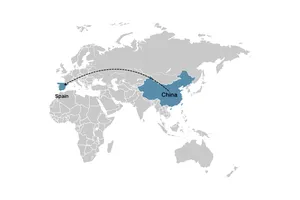
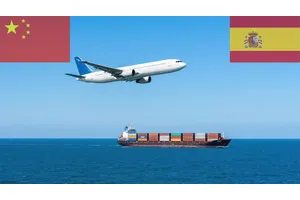
Are you wondering how long it takes to ship from China to Spain and which shipping method suits your needs best? Understanding the timelines for sea freight, air freight, and railway freight is crucial for planning your logistics efficiently. In this comprehensive guide, we’ll explore expected shipping durations, key routes, influencing factors, and practical tips to help you optimize your international shipping from China to Spain. Let’s dive in!
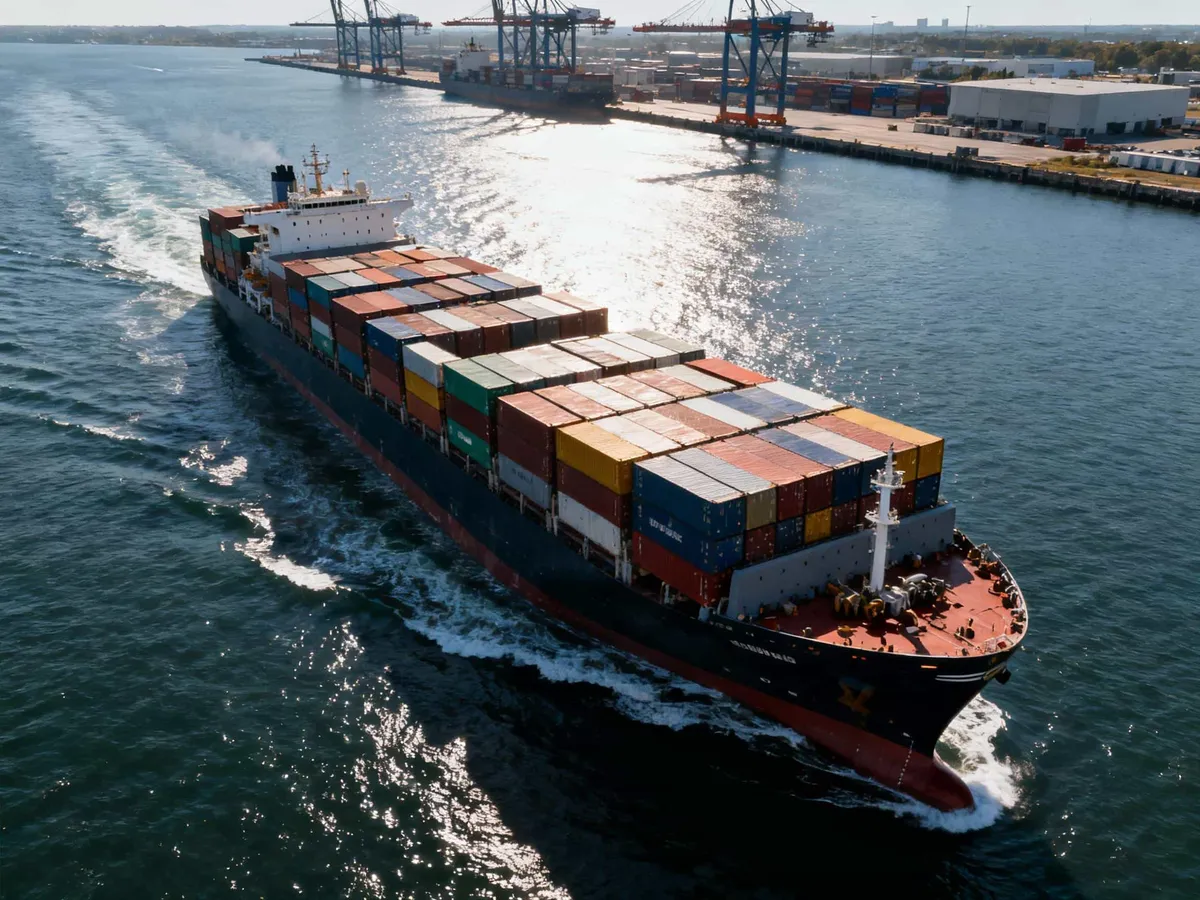
China to Spain
Sea freight is the most common and cost-effective shipping method for transporting large volumes of goods from China to Spain. The average transit time depends on various factors, including the type of vessel, route, departure and arrival ports, and customs clearance procedures.
Average Transit Time by Major Routes
Below is a comparison table of estimated sea freight transit times from major China ports to main Spain ports:
| Origin Port (China) | Destination Port (Spain) | Estimated Transit Time (Days) | Route Type |
|---|---|---|---|
| Shanghai | Valencia | 28 – 35 | Direct/Transshipment |
| Shenzhen (Yantian) | Barcelona | 27 – 33 | Direct/Transshipment |
| Ningbo | Valencia | 29 – 36 | Direct/Transshipment |
| Qingdao | Bilbao | 32 – 40 | Usually with transshipment |
| Guangzhou (Nansha) | Barcelona | 28 – 34 | Direct/Transshipment |
| Tianjin | Valencia | 33 – 42 | Usually with transshipment |
Note: These times are for port-to-port transit only and do not include origin pickup or destination delivery, customs clearance, or potential port congestion.
Key Influencing Factors
-
Sailing schedules: Direct sailings are faster, but many routes involve transshipment at major hubs such as Singapore or Algeciras.
-
Shipping lines: Major carriers, such as Maersk, MSC, and CMA CGM, offer regular sailings between these ports.
-
Seasonality: Peak seasons (e.g., prior to Chinese New Year or Black Friday) can lead to delays due to high demand and port congestion.
-
Container Type: Standard FCL (Full Container Load) shipments are usually faster to process than LCL (Less than Container Load) due to simplified handling.
-
Customs Procedures: Efficient documentation and compliance with Spanish and EU import regulations help prevent delays.
Container Volume Reference
-
20FT Container: 28CBM
-
40FT Container: 56CBM
-
40HQ Container: 68CBM
-
45HQ Container: 78CBM
Choosing a reliable freight forwarder like DTFU International Logistics Co.,Ltd ensures comprehensive support, including port-to-port, door-to-door, and customs clearance. Our sea freight services cover all major Chinese and Spanish ports with flexible solutions for both FCL and LCL shipments. For urgent shipments or customized logistics needs, we offer expedited sailings and multimodal options.
For importers seeking a more detailed breakdown of international ocean transit, refer to our dedicated guide on .
How long is air freight from China to Spain
Air freight is the fastest transport mode for shipping goods between China and Spain. It is ideal for small, high-value, or time-sensitive shipments, especially in sectors like electronics, fashion, and pharmaceuticals.
Typical Air Freight Transit Time
| Origin Airport (China) | Destination Airport (Spain) | Direct Flight | Transit Flight | Total Door-to-Door (Incl. Customs) |
|---|---|---|---|---|
| Shanghai PVG | Madrid MAD | 1 – 2 days | 2 – 4 days | 3 – 7 days |
| Guangzhou CAN | Barcelona BCN | 1 – 2 days | 2 – 4 days | 3 – 7 days |
| Beijing PEK | Madrid MAD | 1 – 2 days | 2 – 4 days | 3 – 7 days |
| Shenzhen SZX | Barcelona BCN | 1 – 2 days | 2 – 4 days | 3 – 7 days |
Details:
-
Direct flights are available but limited; most air freight involves at least one transshipment via hubs such as Frankfurt, Paris CDG, or Istanbul.
-
Transit times are calculated from departure airport to arrival airport. Door-to-door delivery, including customs clearance and local logistics, typically ranges from 3 to 7 days.
-
Express air freight (using carriers like DHL, FedEx, or UPS) can offer even faster deliveries but at a higher cost.
Factors Affecting Air Freight Time
-
Flight frequency: Major airports like PVG (Shanghai Pudong), CAN (Guangzhou Baiyun), and PEK (Beijing Capital) have daily flights to Europe, improving flexibility.
-
Customs clearance: Fast, accurate documentation helps avoid delays. Spanish customs are efficient but can be slower during peak import periods.
-
Cargo type & volume: General cargo is processed faster than hazardous, oversized, or temperature-controlled shipments.
-
Latest Policy Update: Since 2023, increased flight capacities and removal of many COVID-19 restrictions have improved air freight speed and reliability.
For a deep dive into the process and cost of air cargo on this route, see our comprehensive resource on .
Expert Tips
-
Book air freight early during peak season (e.g., Q4, before major holidays) to secure space and avoid premium surcharges.
-
Use integrated solutions like DTFU International Logistics Co.,Ltd’s door-to-door air freight, including customs clearance, insurance, and real-time tracking for a seamless experience.
For most businesses, sea freight from China to Spain takes about 28–40 days, depending on the ports and shipping schedule. In contrast, air freight usually delivers within 3–7 days door-to-door, making it suitable for high-value or urgent shipments. Choosing the right logistics partner—such as DTFU International Logistics Co.,Ltd—ensures reliable transit times, cost optimization, and full visibility throughout your shipment’s journey.
How long is railway freight from China to Spain
Railway freight from China to Spain has become an increasingly attractive option for many businesses due to its balance between cost, transit time, and reliability. With the development of the China-Europe Railway Express, also known as the Belt and Road rail corridor, shipping goods by train has significantly shortened delivery times compared to traditional sea freight, while offering a more cost-effective solution than air freight.
Typical Transit Time for Railway Freight
The standard transit time for railway freight from major cities in China (such as Chongqing, Xi’an, Zhengzhou, Yiwu, and Suzhou) to key hubs in Spain (notably Madrid) generally ranges from 18 to 22 days. This period includes the time required for customs clearance, border transshipment (changing rail gauge from standard to broad at the Belarus-Poland border), and final delivery to the consignee.
Table: Estimated Railway Transit Time from Major Chinese Cities to Madrid, Spain
| Departure City (China) | Destination (Spain) | Estimated Transit Time |
|---|---|---|
| Chongqing | Madrid | 18-21 days |
| Xi’an | Madrid | 17-20 days |
| Zhengzhou | Madrid | 19-22 days |
| Yiwu | Madrid | 18-22 days |
| Suzhou | Madrid | 19-22 days |
Note: Actual transit times may vary due to seasonal demand, customs inspection, transshipment delays, and route adjustments. Railway schedules are subject to change based on international policies and railway operator arrangements.
Advantages of Railway Freight
-
Speed: Railway shipping is much faster than traditional sea freight (which typically takes 25-35 days), making it ideal for time-sensitive shipments that do not require the immediate speed—and higher cost—of air freight.
-
Cost Efficiency: Rail freight is more affordable than air, especially for medium-to-high value goods or consolidated freight.
-
Sustainability: Rail transport has a lower carbon footprint compared to air and is increasingly favored in Europe for environmentally conscious supply chains.
Recommended Cargo Types
-
Electronics and high-value consumer goods
-
Automotive parts
-
Fashion and textiles
-
Machinery
-
E-commerce shipments
As a highly professional, cost-effective, and high-quality one-stop international logistics service provider, DTFU International Logistics Co.,Ltd offers tailored railway freight services from China to Spain. Our team handles the entire process, including customs clearance, warehousing, cargo insurance, and door-to-door delivery, ensuring your cargo arrives safely, efficiently, and at competitive rates.
Factors influencing shipping time
The actual shipping time from China to Spain—regardless of whether you choose sea, air, or rail—can be affected by a variety of important factors. Understanding these variables is essential for accurate delivery planning and risk management.
1. Mode of Transport
-
Sea Freight: Typically 25-35 days, affected by port congestion and vessel schedules.
-
Air Freight: 3-7 days, subject to flight frequency and airline routing.
-
Railway Freight: 18-22 days, dependent on train schedules and border processing.
For businesses comparing international transit times, we've also examined and other European destinations, which may provide further context to your supply chain planning.
2. Departure and Destination Points
The choice of origin city in China (e.g., Shanghai, Shenzhen, Guangzhou, Chongqing) and destination in Spain (e.g., Madrid, Barcelona, Valencia) impacts transit time. Proximity to major ports, airports, or railway terminals can reduce pre- and post-carriage time.
3. Customs Clearance Procedures
Customs clearance at both the export and import side can introduce delays. The following may affect clearance times:
-
Incomplete or incorrect documentation
-
Random or targeted inspections
-
Seasonal workload increases, especially during Chinese New Year or European holidays
-
Changes in customs policies or tariff regulations
4. Weather and Seasonal Factors
-
Severe weather, such as typhoons, heavy rains, or snow, can disrupt sea and railway operations.
-
Peak seasons (e.g., pre-Christmas, Chinese New Year) may result in higher cargo volumes and congestion at ports, airports, and rail terminals.
5. Transshipment and Handling
-
For sea freight, transshipment at major hub ports (e.g., Singapore, Rotterdam) can add several days to the journey.
-
For rail freight, changing rail gauge at borders (e.g., Poland-Belarus) involves transferring containers, which can cause delays.
6. Logistics Service Provider Efficiency
A reliable freight forwarder like DTFU International Logistics Co.,Ltd can significantly minimize delays by:
-
Offering accurate booking and space guarantee
-
Providing end-to-end shipment tracking
-
Proactively managing documentation and customs processes
-
Coordinating with partners for smooth cargo handover
Main Factors Affecting Shipping Time from China to Spain
| Factor | Impact on Shipping Time | Mode Most Affected |
|---|---|---|
| Mode of Transport | 3-35 days variance | All |
| Origin/Destination Location | 1-5 days variance | All |
| Customs Clearance | 1-7 days delay possible | All |
| Weather/Season | 1-5 days delay possible | Sea, Rail |
| Transshipment/Handling | 2-7 days delay possible | Sea, Rail |
| Logistics Provider Efficiency | 1-5 days improvement possible | All |
| Force Majeure/Disruptions | Unpredictable | All |
Expert Tip from Ivan Chan, Senior Logistics Analyst:
Selecting a reputable and experienced logistics partner is crucial for reducing shipping time uncertainties. At DTFU International Logistics Co.,Ltd, we leverage strong partnerships, advanced tracking systems, and proactive risk management to deliver your cargo from China to Spain on schedule. Contact us for a tailored solution that meets your business needs.
By understanding and managing these factors, companies can better plan their shipments, minimize delays, and ensure smooth international trade operations between China and Spain.
Shipping Rates from China to Spain
Understanding shipping rates is essential for businesses and individuals planning to import or export goods between China and Spain. Freight costs can vary significantly based on shipping mode, cargo volume, incoterms, and seasonal market fluctuations.
For a thorough comparison with neighboring markets, you can review our guide on , which outlines similar cost structures and influencing factors.
1. Sea Freight Rates
Sea freight is the most common and cost-effective shipping method for large volumes. Rates for Full Container Load (FCL) and Less than Container Load (LCL) are influenced by factors such as container size, port pairs, and surcharges.
Below is an estimated rate reference as of Q4 2025 (for general cargo, excluding dangerous goods and special requirements):
| Container Type | Shanghai → Barcelona (Major Route) | Shenzhen → Valencia | Ningbo → Bilbao |
|---|---|---|---|
| 20FT (28 CBM) | $1,050 – $1,350 | $1,100 – $1,400 | $1,200 – $1,500 |
| 40FT (56 CBM) | $1,800 – $2,400 | $1,950 – $2,600 | $2,000 – $2,700 |
| 40HQ (68 CBM) | $2,050 – $2,600 | $2,150 – $2,800 | $2,200 – $2,900 |
| LCL (per CBM) | $60 – $80 | $65 – $85 | $70 – $90 |
Note: Rates may fluctuate due to fuel surcharges (BAF), currency adjustment, peak season, and other market factors. Contact DTFU International Logistics Co.,Ltd for the latest rates and tailored quotations.
2. Air Freight Rates
Air freight is much faster but also more expensive. Rates depend on chargeable weight, cargo type, and urgency.
| Route (Airport Pair) | General Cargo Rate (per kg) |
|---|---|
| Shanghai PVG → Madrid MAD | $4.50 – $6.80 |
| Guangzhou CAN → Barcelona BCN | $5.00 – $7.50 |
Express services (e.g., DHL, FedEx, UPS) are higher and suitable for small urgent shipments.
3. Rail Freight Rates
Railway freight provides a balance between speed and cost, particularly for palletized goods. Typical rates (per 40FT container):
| Route | 40FT FCL (Estimate) | Transit Time |
|---|---|---|
| Xi’an → Madrid | $7,000 – $8,500 | 18 – 22 days |
Railway freight is influenced by train frequency, customs clearance efficiency, and geopolitical factors (e.g., the Russia/Ukraine situation may affect Eurasian routes).
4. Other Potential Costs
-
Customs Clearance (Spain & China)
-
Port Handling and Terminal Charges
-
Insurance (recommended)
-
Last-mile Delivery (Door-to-door or DAP/DDP terms)
-
Warehouse Storage Fees
At DTFU International Logistics Co.,Ltd, we help clients understand all shipping rate components and offer one-stop international logistics service including cargo insurance, customs clearance, consolidation, and door-to-door solutions.
Major Shipping Routes from China to Spain
Choosing the optimal shipping route is crucial for balancing transit time, cost, and reliability. Below is an overview of the main trade lanes and logistics hubs between China and Spain.
1. Sea Freight Routes
Main Chinese Ports:
-
Shanghai (world’s largest port; high vessel frequency to Europe)
-
Shenzhen (Yantian, Shekou terminals; South China’s key export hub)
-
Ningbo (East China’s powerhouse for containerized goods)
-
Qingdao, Xiamen, Guangzhou
Major Spanish Ports:
-
Barcelona (Catalonia’s main port, a logistics gateway to southern Europe)
-
Valencia (Spain’s largest container port, key for imports from Asia)
-
Bilbao (serves northern Spain and industrial regions)
Typical Route: Shanghai/Shekou → Suez Canal → Mediterranean Sea → Barcelona/Valencia Transit time: 25–35 days (depending on direct sailing or transshipment)
Notable Points:
-
Many ocean carriers such as MSC, Maersk, COSCO, and CMA CGM operate regular liner services.
-
Direct services are faster, while transshipment via ports like Singapore or Algeciras may extend transit time.
2. Air Freight Routes
Main Airports in China:
-
Shanghai Pudong (PVG)
-
Guangzhou Baiyun (CAN)
-
Shenzhen Bao’an (SZX)
-
Beijing Capital (PEK)
Main Airports in Spain:
-
Madrid Barajas (MAD)
-
Barcelona El Prat (BCN)
-
Valencia (VLC)
Typical Route: PVG/CAN → Direct or via European hubs (Frankfurt, Paris) → MAD/BCN Transit time: 2–5 days (including customs clearance)
3. Rail Freight Routes
The China–Europe Railway Express has seen rapid development, offering scheduled block trains between Chinese and European cities.
Popular Route:
-
Xi’an (China) → Alashankou (Kazakhstan border) → Belarus → Poland → Germany → France → Madrid (Spain)
-
Major operators include CR Express and partnerships between Chinese and European railways.
-
Transit time: 18–22 days (faster than sea, cost-effective vs. air)
For a look at sea and rail shipping trends in adjacent markets, you may also want to consult our analysis on .
4. Multimodal & Door-to-Door Services
For maximum flexibility, DTFU International Logistics Co.,Ltd provides multimodal solutions (sea + rail, sea + air, etc.), connecting inland Chinese cities with Spanish destinations via transshipment hubs.
Tips to Shorten Shipping Time from China to Spain
When shipping goods from China to Spain, time is often a critical factor for businesses aiming to optimize supply chains, reduce stockouts, or meet market demands. Based on my 10+ years’ experience as a Senior Logistics Analyst, here are actionable tips to help you minimize transit time and avoid common delays:
1. Choose the Right Shipping Mode
-
Air Freight: Fastest option. Ideal for urgent and high-value goods. Typical transit time: 3–7 days.
-
Rail Freight: Balances speed and cost, suitable for non-perishable and bulk goods. Transit time: 15–20 days.
-
Sea Freight: Most cost-effective for large volumes. FCL (Full Container Load) is usually faster than LCL (Less than Container Load) due to fewer consolidation steps. Transit time: 25–40 days.
Table: Transit Time Comparison by Mode
| Shipping Mode | Typical Transit Time | Best For |
|---|---|---|
| Air Freight | 3–7 days | Urgent, high-value |
| Rail Freight | 15–20 days | Bulk, cost-sensitive |
| Sea Freight | 25–40 days | Large shipments |
2. Optimize Port Selection
Selecting major ports with frequent direct sailings to Spain—such as Shanghai Port, Shenzhen Port, and Ningbo Port—can significantly reduce waiting and transit times. On the Spain side, choosing major ports like Valencia, Barcelona, or Algeciras ensures speedier customs clearance and inland distribution.
3. Book Early, Especially During Peak Seasons
Peak shipping seasons (e.g., Chinese New Year, Golden Week, Christmas) often cause congestion at major China ports. Advance booking secures space and avoids costly delays.
4. Ensure Accurate Documentation
Incomplete or inaccurate shipping documents are a leading cause of customs delays. Work with an experienced freight forwarder like DTFU International Logistics Co.,Ltd, which offers one-stop customs clearance and documentation support for all shipments.
5. Use a Reliable Freight Forwarder
A professional logistics partner, such as DTFU International Logistics Co.,Ltd, provides end-to-end services—including Sea Freight, Air Freight, Rail Freight, Door to Door, Cargo Insurance, and Warehousing—to streamline your shipping process and proactively address any potential issues.
For companies interested in full-service options, detailed information is available in our guide.
6. Consolidate Shipments When Possible
Consolidating smaller shipments into one FCL can reduce handling time and decrease the risk of delays compared to multiple LCL shipments.
7. Leverage Digital Tracking & Communication
Real-time shipment tracking and proactive communication with your logistics partner help you anticipate and resolve issues quickly. DTFU International Logistics Co.,Ltd offers advanced tracking systems and dedicated account managers.
8. Prepare for Customs Regulations
Stay updated on Spain’s import regulations and any recent changes due to Brexit, EU policy shifts, or global trade developments. Proper HS code classification and pre-clearance can cut days off your shipment time.
FAQs
1. How long does sea freight take from China to Spain?
Sea freight typically takes 25–40 days, depending on the ports used, shipping service (direct or transshipment), and customs processing at both ends.
2. Can air freight shipments arrive in less than a week?
Yes, most air freight shipments from major Chinese airports (e.g., Shanghai Pudong, Guangzhou Baiyun) to Spain (Madrid, Barcelona) take 3–7 days. Booking direct flights further reduces transit time.
3. What are the fastest ports for shipping from China to Spain?
-
China: Shanghai, Shenzhen, Ningbo
-
Spain: Valencia, Barcelona, Algeciras
Choosing these ports increases frequency of sailings/flights and speeds up customs clearance.
4. How can customs clearance be expedited in Spain?
-
Ensure all commercial invoices, packing lists, and certificates are accurate.
-
Use a trusted freight forwarder with customs expertise, like DTFU International Logistics Co.,Ltd.
-
Pre-submit electronic documents where possible.
5. What factors can delay my shipment from China to Spain?
-
Port congestion (especially during holiday seasons)
-
Incomplete documentation
-
Unforeseen events (strikes, weather, pandemic disruptions)
-
Customs inspections
6. Does DTFU International Logistics Co.,Ltd offer Door-to-Door service to Spain?
Yes, DTFU International Logistics Co.,Ltd specializes in comprehensive Door-to-Door logistics solutions, covering pick-up, customs clearance, international shipping, insurance, and delivery at the destination in Spain.
7. Which incoterms help shorten shipping time?
Terms like DAP (Delivered at Place) or DDP (Delivered Duty Paid) place more responsibility on the seller/freight forwarder, reducing buyer-side coordination delays.
8. How do I choose the right container size for sea freight?
Consider shipment volume:
-
20FT container: 28 CBM
-
40FT container: 56 CBM
-
40HQ container: 68 CBM
-
45HQ container: 78 CBM
A professional forwarder can help you optimize container usage to avoid extra costs or partial loads.
If you need tailored advice or a quotation for shipping from China to Spain, contact DTFU International Logistics Co.,Ltd