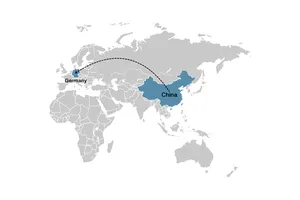
Are you wondering how long shipping from China to Germany takes and which shipping methods offer the fastest delivery? In this comprehensive guide, we'll explore transit times for sea freight, air freight, rail freight, and door-to-door delivery between China and Germany. Discover key factors that affect shipping speed, main routes, and essential tips to get your goods delivered quickly and efficiently.
Shipping methods from China to Germany
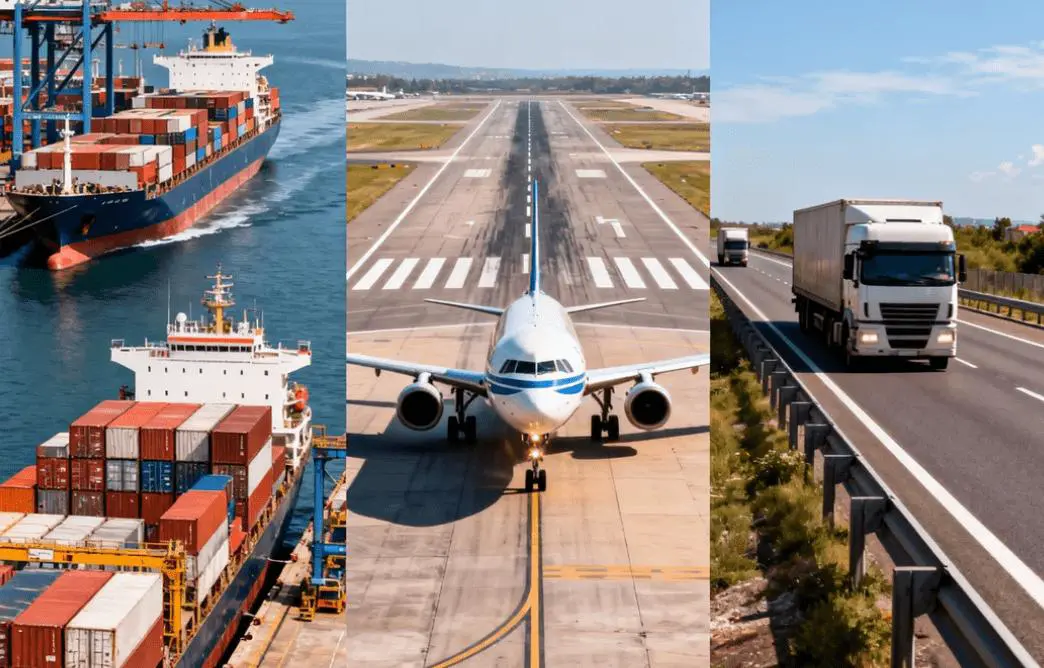
When considering international shipping from China to Germany, businesses and individuals can choose from several shipping methods. The right choice depends on factors like delivery speed, cost, cargo volume, and the nature of the goods. Below, I will provide an in-depth analysis of each major shipping method available, ensuring you can make an informed decision that suits your business needs.
Sea freight from China to Germany
Sea freight is the most popular and cost-effective shipping method for transporting large volumes of goods between China and Germany. It is ideal for bulk shipments, non-perishable goods, and oversized cargo.
Key Features:
- Container Options: 20FT (28CBM), 40FT (56CBM), 40HQ (68CBM), 45HQ (78CBM) containers are commonly used, suitable for various cargo volumes.
- Transit Time: Generally, 25–40 days depending on the specific ports and sailing schedules.
- Cost: Lower per-unit cost compared to air or rail, making it suitable for high-volume shipments.
- Services Offered: Full Container Load (FCL) and Less than Container Load (LCL) options are available. DTFU International Logistics Co.,Ltd specializes in both FCL and LCL shipments, providing flexible solutions.
Popular Departure Ports in China:
- Shanghai
- Shenzhen
- Ningbo
- Qingdao
- Guangzhou
Main Destination Ports in Germany:
- Hamburg (Germany's largest port, a key entry point for Chinese goods)
- Bremerhaven
- Wilhelmshaven
Advantages:
- Most economical for large shipments
- Wide port network
- Reliable for non-urgent deliveries
Considerations:
- Longer transit times compared to other methods
- May require additional inland transport upon arrival
Related reading: Learn more about Sea shipping from China to Netherlands to better understand maritime routes to major European destinations.
Air freight from China to Germany
Air freight is the fastest shipping method between China and Germany and is well-suited for urgent, high-value, or perishable goods.
Key Features:
- Transit Time: Typically 2–7 days, including customs clearance.
- Major Airports in China: Shanghai Pudong (PVG), Beijing Capital (PEK), Guangzhou Baiyun (CAN), Shenzhen Bao’an (SZX)
- Major Airports in Germany: Frankfurt (FRA), Munich (MUC), Leipzig/Halle (LEJ)
- Cost: Higher than sea or rail freight but provides significant time savings.
- Service Types: Standard air freight and express courier services (e.g., DHL, FedEx, UPS).
Advantages:
- Fastest transit time
- High security and reduced risk of damage
- Suitable for small, valuable, or time-sensitive cargo
Considerations:
- Higher cost per kg
- Limitations on cargo size and hazardous materials
You may also be interested in Air Shipping from China to Germany for detailed insights into the air cargo process and cost expectations.
Rail freight from China to Germany
Rail freight has emerged as a popular alternative, balancing speed and cost. It is a core part of the Belt and Road Initiative, connecting major Chinese cities with European logistics hubs.
Key Features:
- Transit Time: Generally 15–20 days.
- Departure Cities in China: Chongqing, Xi’an, Chengdu, Wuhan, Zhengzhou, Yiwu
- Main Destination in Germany: Duisburg (Europe’s largest inland port), Hamburg
- Cost: More economical than air freight, faster than sea freight.
Advantages:
- Faster than sea freight, cheaper than air freight
- Environmentally friendly (lower carbon footprint)
- Stable and reliable schedules
Considerations:
- Limited to containerized cargo
- Possible transloading at borders due to different railway gauges
Door to door delivery from China to Germany
Door-to-door delivery is a comprehensive logistics solution where your goods are collected from the supplier’s location in China and delivered right to your address in Germany. This service streamlines the shipping process by integrating multiple shipping modes and handling all logistics.
Key Features:
- All-inclusive: Covers pickup, export customs clearance, main transport (sea/air/rail), import customs clearance, and final delivery.
- Modes: Can be by sea, air, rail, or a combination (multimodal).
- Service Providers: Leading freight forwarders like DTFU International Logistics Co.,Ltd offer one-stop, tailored door-to-door solutions, including insurance, customs brokerage, warehousing, and last-mile delivery.
Advantages:
- Hassle-free for shippers
- Simplifies coordination and communication
- Transparent pricing with fewer surprise costs
Considerations:
- Slightly higher cost due to value-added services
- Requires reliable and experienced freight forwarder
For other major European destinations, see Door to door shipping from China France for a comparison of full-service logistics solutions.
Main shipping routes from China to Germany
Selecting the optimal shipping route is crucial for balancing cost, transit time, and reliability. Here’s an overview of the main shipping routes:
| Mode | Main Route(s) | Key Departure Points (China) | Key Arrival Points (Germany) | Typical Transit Time |
|---|---|---|---|---|
| Sea Freight | South China Sea – Indian Ocean – Suez Canal – Mediterranean – North Sea | Shanghai, Shenzhen, Ningbo, Qingdao, Guangzhou | Hamburg, Bremerhaven | 25–40 days |
| Rail Freight | China-Europe Railway Express (via Kazakhstan, Russia, Poland) | Chongqing, Xi’an, Zhengzhou, Yiwu | Duisburg, Hamburg | 15–20 days |
| Air Freight | Direct and connecting international air cargo routes | Shanghai PVG, Beijing PEK, Guangzhou CAN | Frankfurt FRA, Munich MUC | 2–7 days |
| Door to Door | Integrates above routes plus domestic trucking in both countries | From supplier's warehouse in China | To consignee’s address in Germany | 5–40 days (depends on main leg) |
Route Analysis:
- Sea Routes: The most common route for sea freight is through the South China Sea, transiting via the Suez Canal and reaching Northern Europe. Ports like Hamburg and Bremerhaven receive most Chinese goods.
- Rail Routes: The China-Europe Railway Express links central and western China to Germany, offering a land bridge that bypasses maritime bottlenecks. Duisburg acts as the primary rail hub in Germany, distributing goods throughout Europe.
- Air Routes: Major Chinese airports have direct or connecting flights to leading German airports, ensuring quick delivery for urgent shipments.
If you have specific shipping needs or require a customized quotation, feel free to contact our team for a professional consultation.
How long is shipping from China to Germany?
When shipping goods from China to Germany, transit times vary greatly depending on the shipping method, the origin and destination cities, the chosen shipping route, and other external factors such as customs clearance, holidays, and port congestion. As a logistics expert with over a decade of experience, I recommend assessing your shipping needs (speed, cost, cargo type) before selecting a method. Below, I provide a professional, up-to-date overview of the main shipping options and their typical lead times.
For a broader view of transit times to Europe, you may find How long does shipping take from China to UK helpful, as UK shipping times often parallel other Western European destinations.
Sea freight shipping time from China to Germany
Sea freight is the most commonly used mode for bulk shipments, offering a cost-effective solution for businesses. The standard shipping route is from major Chinese ports (such as Shanghai, Shenzhen, Ningbo) to primary German ports like Hamburg and Bremerhaven.
| Origin Port (China) | Destination Port (Germany) | FCL Transit Time (Days) | LCL Transit Time (Days) |
|---|---|---|---|
| Shanghai | Hamburg | 28–35 | 35–42 |
| Shenzhen | Bremerhaven | 30–38 | 36–45 |
| Ningbo | Hamburg | 28–34 | 34–41 |
Note:
- FCL (Full Container Load) is faster than LCL (Less than Container Load) due to reduced handling and consolidation time.
- Actual transit times may fluctuate due to weather, port congestion, and global disruptions such as the ongoing Red Sea crisis (2025), which has recently extended some shipping times by 7–10 days.
Industry Data:
- Standard 20FT container: capacity 28CBM
- Standard 40FT container: capacity 56CBM
- 40HQ container: capacity 68CBM
- 45HQ container: capacity 78CBM
Sea freight is ideal for shipments where cost is a higher priority than speed.
Air freight shipping time from China to Germany
Air freight is the fastest way to transport goods between China and Germany, suitable for high-value, urgent, or time-sensitive shipments. Major airports include Beijing Capital, Shanghai Pudong, and Guangzhou Baiyun in China, and Frankfurt, Munich, and Leipzig in Germany.
| Origin Airport (China) | Destination Airport (Germany) | Direct Flight Time (Hours) | Typical Door-to-Door Transit (Days) |
|---|---|---|---|
| Shanghai | Frankfurt | 11–12 | 3–7 |
| Guangzhou | Munich | 12 | 3–8 |
| Beijing | Leipzig | 10–12 | 3–8 |
Note:
- Transit time includes pickup, export customs clearance, flight, import customs clearance, and delivery to the final destination.
- Express services (FedEx, DHL, UPS) can sometimes deliver in 2–3 days, but at a significantly higher cost.
Rail freight shipping time from China to Germany
Rail freight has grown in popularity thanks to the Belt and Road Initiative, offering a balance between sea and air freight in terms of speed and cost. The main rail route connects Chongqing/Xi’an/Chengdu (China) to Duisburg/Hamburg (Germany).
| Origin City (China) | Destination City (Germany) | Typical Transit Time (Days) |
|---|---|---|
| Chongqing | Duisburg | 16–20 |
| Xi’an | Hamburg | 14–18 |
| Chengdu | Hamburg | 15–20 |
Advantages of Rail:
- Faster than sea freight, cheaper than air freight.
- Suitable for electronics, automotive parts, machinery, and e-commerce goods.
Recent Developments:
- Rail freight suffered minor delays in Q4 2025 due to weather and border checks, but overall remains stable and reliable.
Step-by-step process of shipping from China
Successfully shipping from China to Germany involves several coordinated steps. As a Senior Logistics Analyst at DTFU International Logistics Co.,Ltd, I recommend following this streamlined process to minimize delays and ensure compliance:
1. Cargo Preparation
- Packaging: Ensure goods are packed according to international standards to prevent damage.
- Labelling: Properly label all cargo with destination details, handling instructions, and HS codes.
- Documentation: Prepare commercial invoice, packing list, bill of lading/air waybill, and any mandatory certificates (e.g., CE certification for EU).
2. Choose the Shipping Method
- Evaluate shipment size, budget, and urgency.
- Select sea freight (FCL/LCL), air freight, rail freight, or door-to-door services.
- For customized solutions, consult a reliable freight forwarder such as DTFU International Logistics Co.,Ltd.
3. Book Cargo Space
- Reserve container space or cargo hold with the chosen carrier.
- Confirm booking with shipping schedules and rates.
4. Export Customs Clearance in China
- File export declaration with China Customs.
- Submit required documents.
- Pay export duties and taxes if applicable.
5. Cargo Pickup and Inland Transportation
- Arrange pickup from the supplier’s warehouse or factory.
- Transport to the port, airport, or rail terminal.
6. International Shipping
- Cargo is shipped via sea, air, or rail to Germany.
- Monitor shipment status using online tracking systems.
7. Import Customs Clearance in Germany
- Submit all documents to German Customs.
- Pay any applicable import duties, VAT, and fees.
- Comply with EU regulations and product standards.
8. Inland Delivery in Germany
- Arrange last-mile delivery to the final destination: warehouse, fulfillment center, or customer’s address.
9. Cargo Receipt and Inspection
- Inspect goods for damage or discrepancies.
- Confirm receipt and close transaction.
For tailored shipping solutions or expert advice, contact DTFU International Logistics Co.,Ltd—your trusted partner for shipping from China to Germany.
Key Factors Affecting Shipping Time from China to Germany
When planning your logistics operations from China to Germany, understanding the various factors that influence shipping time is crucial to optimize your supply chain. Here are the main elements that can impact transit times:
1. Shipping Method
The choice between sea freight, air freight, rail freight, and door-to-door services has the most significant impact on delivery time.
| Shipping Method | Typical Transit Time (China to Germany) | Best For |
|---|---|---|
| Sea Freight | 25–40 days | Bulk & cost-sensitive |
| Air Freight | 3–7 days | Urgent & valuable goods |
| Rail Freight | 15–22 days | Faster than sea, cheaper than air |
| Door-to-Door | 7–30 days (varies by service) | Complete convenience |
2. Port of Origin and Destination
The choice of departure port in China (such as Shanghai, Shenzhen, or Ningbo) and arrival port in Germany (such as Hamburg or Bremerhaven) affects both distance and shipping schedule. Major ports often provide more frequent sailings and faster customs clearance.
3. Carrier and Shipping Line Schedules
Different freight carriers (shipping lines or airlines) have varying sailing or flight frequencies, routes, and reliability. Delays may occur due to overbooked vessels or flight cancellations.
4. Customs Clearance Procedures
Both China and Germany have specific customs requirements. Incomplete documentation, inaccurate declarations, or restricted items can cause additional inspections and delays. Choosing an experienced freight forwarder like DTFU International Logistics Co.,Ltd helps minimize such risks.
5. Seasonal Demand and Holidays
Peak seasons (like pre-Christmas, Chinese New Year) see increased cargo volume, leading to possible congestion at ports and longer wait times for vessel or space availability.
6. Weather and Unforeseen Events
Severe weather (e.g., typhoons in southern China), port strikes, or global disruptions (pandemics, geopolitical tensions) may significantly delay shipments.
7. Type and Volume of Cargo
Oversized, hazardous, or special cargo (like refrigerated goods or OOG—Out of Gauge Freight) may require tailored handling and fewer transport options, affecting total transit time.
8. Intermodal Transfers
Using multiple transport modes (e.g., sea-rail, sea-air combinations) may increase efficiency but can also introduce additional handover times between carriers.
9. Customs & Import Regulations
Changes in import policy, random inspections, and anti-dumping regulations can all impact clearance times at German ports.
10. Last Mile Delivery
For door-to-door shipping, the efficiency of inland transport (trucking or rail from port to consignee) in Germany can affect the final delivery timeline.
How to Get Faster Shipping from China?
For businesses requiring expedited delivery or consistent lead times, there are several proven strategies to accelerate shipping from China to Germany:
1. Choose the Right Shipping Method
- Air freight offers the fastest transit but at a higher cost. Ideal for small, high-value, or urgent shipments.
- Express couriers (such as DHL, FedEx, UPS) can deliver within 3–5 days but are suitable only for small parcels.
- Rail freight provides a balance between speed and cost for larger loads—much faster than ocean freight.
2. Work with a Professional Freight Forwarder
A reliable partner like DTFU International Logistics Co.,Ltd offers:
- Customized solutions: Optimize routes and carriers based on your needs.
- Priority booking: Access to space during peak seasons.
- End-to-end tracking and proactive communication.
- One-stop services: Customs clearance, warehousing, and insurance to prevent delays.
3. Optimize Documentation and Compliance
Ensure all shipping and customs documents (commercial invoice, packing list, bill of lading, etc.) are accurate and complete. Early preparation reduces clearance times and the risk of costly holds.
4. Plan Around Holidays and Peak Seasons
Avoid shipping right before major holidays like Chinese New Year or Golden Week to minimize risk of congestion and delays.
5. Consider Split Shipments
For large or urgent orders, split your shipment: send urgent goods via air or rail, and the rest by sea. This hybrid approach ensures critical items arrive early.
6. Utilize Consolidation Services
If your cargo volume is less than container load (LCL), using consolidated freight allows for faster dispatch as your goods are grouped with others for more frequent departures.
7. Choose Major Ports
Shipping from major Chinese ports (Shanghai, Shenzhen, Ningbo) to primary German ports (Hamburg, Bremerhaven) ensures more frequent sailings and efficient customs handling.
8. Invest in Cargo Insurance
Unexpected events can cause delays or losses. Comprehensive cargo insurance, as offered by DTFU International Logistics Co.,Ltd, provides peace of mind and fast claims processing.
9. Adopt Digital Tracking
Modern digital platforms allow real-time cargo tracking, helping you anticipate and respond quickly to any disruptions.
10. Leverage Door-to-Door Service
Door-to-door solutions (offered by DTFU International Logistics Co.,Ltd) minimize handovers and streamline delivery, saving valuable time.
Summary Table: Ways to Expedite Shipping from China to Germany
| Solution | Benefit | Provided by DTFU International Logistics Co.,Ltd |
|---|---|---|
| Air Freight / Express Courier | Fastest delivery (3–7 days) | ✓ |
| Rail Freight | Faster than sea, cost-effective | ✓ |
| Door-to-Door Logistics | Seamless, efficient process | ✓ |
| Documentation Optimization | Reduces customs delays | ✓ |
| Priority Booking & Consolidation | Ensures space, faster dispatch | ✓ |
| Real-time Tracking | Transparency, proactive action | ✓ |
| Insurance & Customs Services | Risk reduction, faster clearance | ✓ |
In conclusion, shipping time from China to Germany depends on multiple factors, from the mode of transport and route to customs procedures and partner selection. By working with a trusted, experienced freight forwarder such as DTFU International Logistics Co.,Ltd, you gain access to tailored, efficient, and reliable shipping solutions, ensuring your cargo reaches its destination in the shortest possible time.
How to get a customized shipping solution
When shipping from China to Germany, every business has unique requirements based on cargo type, volume, budget, and delivery deadlines. A one-size-fits-all solution rarely fits the complex realities of international shipping. This is where a customized shipping solution becomes essential for optimizing both cost and efficiency.
Key Steps to Obtain a Customized Shipping Solution:
-
Cargo Assessment
Begin by evaluating your cargo’s specifics:- Type of goods (e.g., general cargo, perishables, hazardous materials)
- Volume and weight (e.g., 20FT/40FT/40HQ/45HQ containers)
- Packaging requirements
Accurate cargo information allows your freight forwarder to recommend optimal container sizes and transportation modes.
-
Define Shipping Requirements
Clarify your business needs:- Preferred transit time (standard or expedited)
- Budget constraints
- Required services (e.g., door-to-door delivery, customs clearance, cargo insurance, warehousing)
- Final destination (port or inland address in Germany)
-
Consult a Professional Freight Forwarder
Engage with a reputable freight forwarder who understands both Chinese and German logistics landscapes. For example, DTFU International Logistics Co.,Ltd specializes in providing tailored shipping solutions, including:- Sea Freight for large-volume, cost-sensitive shipments
- Air Freight for urgent or high-value goods
- Rail Freight for balanced speed and cost
- Amazon FBA, OOG Freight, Breakbulk, and Consolidated Freight
- Integrated value-added services such as warehouse management, cargo insurance, and seamless customs clearance
-
Obtain Comparative Quotes & Route Options
Your freight forwarder should provide a comparison of different routes and transit times. For instance:
| Shipping Method | Estimated Transit Time | Typical Cost (USD/CBM) | Recommended For |
|---|---|---|---|
| Sea Freight | 28-38 days | $50 - $120 | Bulk, non-urgent cargo |
| Rail Freight | 16-22 days | $150 - $250 | Mid-sized, time-sensitive shipments |
| Air Freight | 3-7 days | $4.5 - $8.0/kg | Urgent, high-value, low-volume goods |
Please note: Actual rates and times may vary based on current market conditions, port congestion, and customs procedures.
-
Optimization & Integration
Your freight forwarder will help you select the best combination of services considering cost, speed, and reliability. Customization may include:- Multi-modal solutions (e.g., sea + rail + trucking)
- Cargo consolidation for SMEs to minimize cost
- Door-to-door and last-mile delivery arrangements
- Specialized handling for OOG or sensitive cargo
-
End-to-End Support & Tracking
A quality logistics partner ensures proactive communication, real-time tracking, and full documentation support—crucial for navigating customs both in China and Germany.
Pro Tip: Work with a freight forwarder who stays updated on the latest trade policies, customs regulations, and logistics technology. This ensures your solution remains compliant and competitive, especially amid changes like stricter EU import policies or pandemic-related disruptions.
Freight forwarder in China
Choosing the right freight forwarder in China is pivotal to the success of your international shipping from China to Germany. A professional freight forwarder offers both expertise and local network connections, streamlining every step of your logistics journey.
What to Look for in a Freight Forwarder
-
Comprehensive Service Portfolio
The best freight forwarders offer a wide range of services, including:- Sea Freight, Air Freight, Rail Freight
- Amazon FBA shipping support
- Warehouse and distribution solutions
- Cargo insurance and customs clearance
- Specialized services: OOG Freight, Breakbulk, Consolidated Freight
- Door-to-door and one-stop logistics solutions
-
Experience and Industry Reputation
Years of operation, client testimonials, and proven success stories matter. Check for certifications, such as membership in the China International Freight Forwarders Association (CIFA) or FIATA. -
Global Network
A reliable partner maintains a strong agent network in both China and Germany, ensuring efficient handling at origin and destination, plus support in case of issues like port strikes or customs delays. -
Transparent Pricing & Real-Time Updates
Look for clear quotations, no hidden fees, and the ability to provide digital shipment tracking.
Why Choose DTFU International Logistics Co.,Ltd
As a highly professional, cost-effective, and high-quality freight forwarder in China, DTFU International Logistics Co.,Ltd stands out for global traders and businesses seeking best-in-class solutions between China and Germany.
Our Advantages:
- Over 10 years of logistics expertise with strong industry credentials
- Specialized services for all shipping modes and cargo types
- One-stop solution for customs clearance, insurance, warehousing, and last-mile delivery
- Real-time shipment tracking and responsive customer support
- Deep understanding of German import regulations and market trends
DTFU International Logistics Co.,Ltd is committed to helping your business minimize risks, control costs, and achieve reliable, timely delivery from China to Germany.