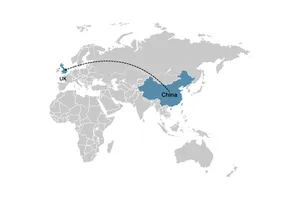
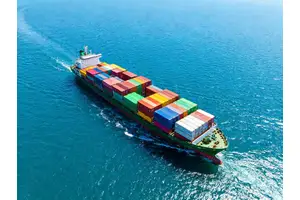
Are you wondering how long shipping takes from China to the UK and which shipping method suits your needs best? Understanding the timelines for sea freight, air freight, and railway freight is crucial for effective logistics planning. In this comprehensive guide, we'll explore the different shipping durations, influencing factors, key routes, and tips to help you streamline your China to UK shipping process.
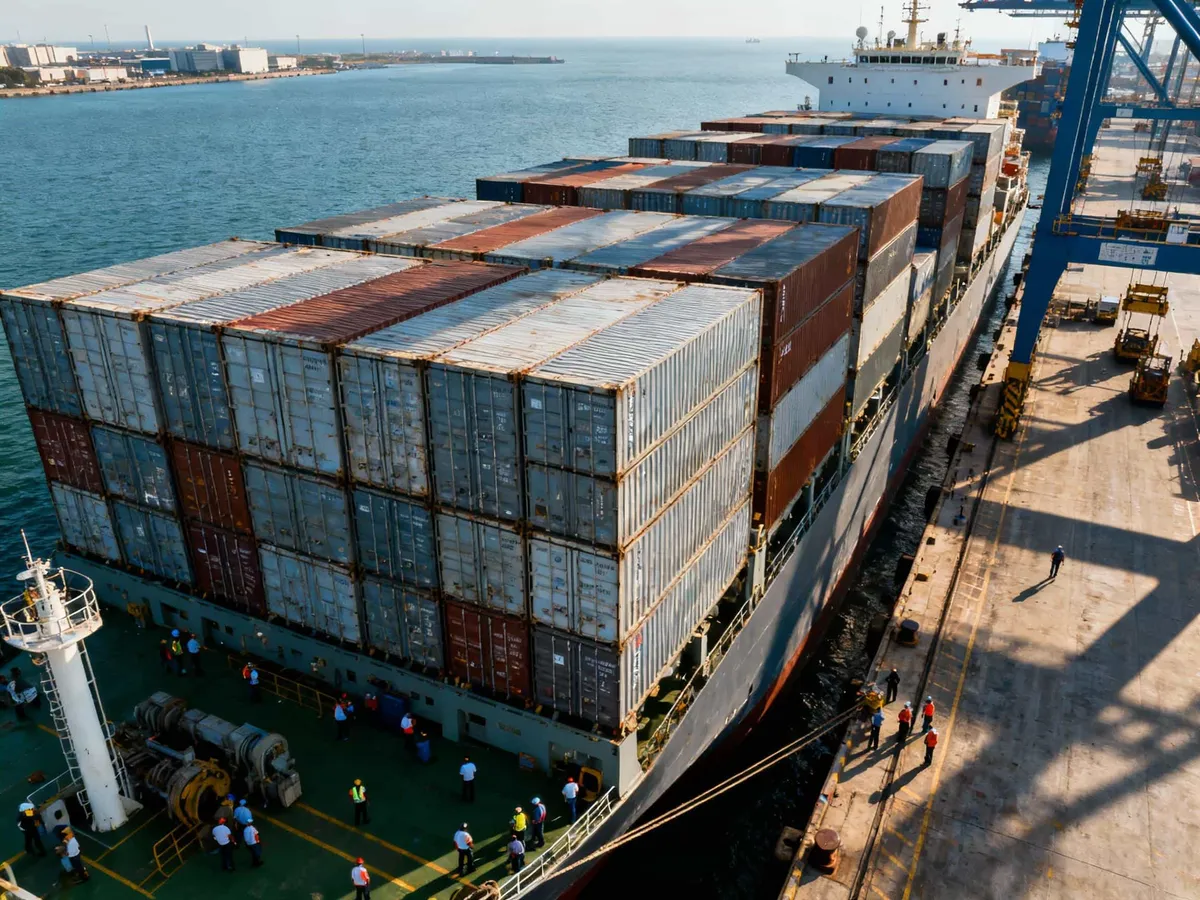
How long is sea freight from China to UK
Sea freight remains the most widely used and cost-effective option for shipping goods from China to the UK, especially for large or heavy cargo. Shipping time depends on several factors, including the loading and destination ports, shipping routes, vessel schedules, and customs clearance efficiency. As a Senior Logistics Analyst with over a decade of experience, I have witnessed that well-planned sea freight can significantly optimize supply chains for both SMEs and large enterprises.
For more detailed insights on this topic, see our dedicated guide: Shipping time from China to UK.
Typical Sea Freight Transit Times
Below is a table summarizing average transit times for full container load (FCL) and less than container load (LCL) shipments from major Chinese ports to key UK ports:
| Origin Port (China) | Destination Port (UK) | FCL Transit Time (Days) | LCL Transit Time (Days) |
|---|---|---|---|
| Shanghai | Felixstowe | 28 – 35 | 32 – 40 |
| Shenzhen | Southampton | 26 – 32 | 30 – 38 |
| Ningbo | London Gateway | 27 – 34 | 31 – 39 |
| Qingdao | Liverpool | 32 – 38 | 35 – 42 |
| Xiamen | Felixstowe | 28 – 35 | 32 – 40 |
Note: Actual transit times can vary depending on shipping line schedules, route congestion, and seasonal factors. For the latest and most accurate schedule information, please consult a trusted freight forwarder such as DTFU International Logistics Co.,Ltd.
Key Factors Affecting Sea Freight Transit
- Port Congestion: Both Chinese and British ports may experience delays due to congestion, especially during peak seasons (such as Chinese New Year or Black Friday period).
- Customs Clearance: Delays can occur if paperwork is incomplete or if the cargo is selected for inspection. Choosing an experienced freight forwarder can reduce such risks.
- Transshipment: Some routes require cargo to be transferred via a third country, which may extend the shipping time.
- Weather and Geopolitics: Storms or disruptions in the Suez Canal or Panama Canal may impact schedules.
Container Capacity Reference
For reference, standard container capacities are as follows:
- 20FT Container: 28CBM
- 40FT Container: 56CBM
- 40HQ Container: 68CBM
- 45HQ Container: 78CBM
Choosing the right container size according to your cargo volume can help optimize both costs and delivery times.
When to Choose Sea Freight
- Best for: Large volumes, non-perishable goods, cost-sensitive shipments.
- Not recommended for: Urgent or time-sensitive shipments.
At DTFU International Logistics Co.,Ltd, we offer fully integrated sea freight, including FCL, LCL, door-to-door delivery, cargo insurance, consolidated freight, breakbulk freight, and customs clearance services. Our deep experience and real-time tracking systems ensure timely, transparent, and cost-effective delivery from every major Chinese port to the UK.
How long is air freight from China to UK
Air freight is the fastest shipping method from China to the UK. It is ideal for high-value, time-sensitive, or perishable goods. With over 10 years of logistics management experience, I recommend air freight for clients who prioritize speed and reliability, especially in the dynamic cross-border e-commerce sector.
If you want to explore specifics of this route, refer to Air shipping from China to UK for further details.
Typical Air Freight Transit Times
Transit times vary based on the selected service (standard, express, courier), flight frequency, and customs processes. Here is a summary of estimated transit times:
| Origin Airport (China) | Destination Airport (UK) | Standard Air Freight (Days) | Express Air/Courier (Days) |
|---|---|---|---|
| Shanghai Pudong (PVG) | London Heathrow (LHR) | 3 – 5 | 2 – 3 |
| Guangzhou Baiyun (CAN) | London Gatwick (LGW) | 3 – 5 | 2 – 3 |
| Beijing Capital (PEK) | Manchester (MAN) | 4 – 6 | 2 – 4 |
| Shenzhen Bao’an (SZX) | Birmingham (BHX) | 4 – 6 | 2 – 4 |
Note: Transit times above refer to airport-to-airport durations. Door-to-door services may require an additional 1–3 days for local pick-up, delivery, and customs clearance.
Air Freight Service Options
- Standard Air Freight: Most cost-effective for air shipments; generally 3–7 days.
- Express Air Freight: Faster than standard, typically 2–4 days, with higher rates.
- International Courier (e.g., DHL, FedEx, UPS): Best for small parcels, documents, and urgent shipments; 1–3 days for delivery.
Influencing Factors
- Flight Schedule & Capacity: Direct flights are faster, but space may be limited during peak seasons or due to unforeseen events (such as the COVID-19 pandemic or recent international conflicts).
- Customs and Security Checks: Efficient customs processing is critical; working with a professional freight forwarder ensures accurate documentation and speed.
- Weather and Regulations: Severe weather or temporary flight restrictions can cause delays.
When to Choose Air Freight
- Best for: High-value products, electronics, fashion, samples, urgent replacement parts, or perishable goods.
- Not recommended for: Bulky or low-value cargo due to higher cost per kilogram.
Tips for Faster Delivery
- Prepare all shipping documents in advance.
- Use trusted logistics partners with established UK import channels.
- Consider direct flights for priority shipments.
DTFU International Logistics Co.,Ltd offers comprehensive air freight solutions, including airport-to-airport, door-to-door, Amazon FBA, cargo insurance, and one-stop customs clearance. Our strong network covers all major Chinese airports and UK destinations, ensuring your cargo arrives quickly and safely.
Both sea freight and air freight from China to the UK have their own advantages and considerations. Selecting the right method depends on your cargo volume, budget, and delivery timeframe. For a tailored solution, consult with a trusted provider such as DTFU International Logistics Co.,Ltd—your one-stop partner for professional, cost-effective, and high-quality international logistics services.
If you're curious about other major trade lanes, you may also want to read about Shipping time from China to Australia.
How long is railway freight from China to UK
Railway freight from China to the UK has become an increasingly popular option for businesses seeking a balance between speed and cost. The China-Europe Railway Express—often referred to as the "Belt and Road" rail corridor—connects major Chinese cities such as Chongqing, Xi’an, and Yiwu with key European logistics hubs, including London, Duisburg, and Hamburg. This rail route is especially attractive for shipments that require faster delivery than sea freight but are more cost-sensitive than air freight.
Typical Transit Times
The average transit time for railway freight from China to the UK is typically between 16 to 22 days, depending on several factors such as the origin city, destination terminal, customs clearance, and transshipment efficiency along the route. Rail services usually operate via Kazakhstan, Russia, Belarus, Poland, and then into Western Europe.
Below is a comparison table of estimated transit times for major cities:
| Route | Estimated Transit Time | Departure Frequency | Main Destinations in UK |
|---|---|---|---|
| Chongqing – London | 18–20 days | Weekly | London, Birmingham |
| Xi’an – London | 16–18 days | 2–3 times/week | London |
| Yiwu – London | 18–22 days | Weekly | London, Manchester |
| Zhengzhou – London | 16–20 days | Weekly | London |
Note: Actual transit times may vary due to customs inspections, route congestion, and border crossing efficiency.
Advantages of Railway Freight
- Balanced Speed and Cost: Rail freight is generally 50-60% faster than sea freight and 60-80% cheaper than air freight.
- Environmental Impact: Significantly lower carbon emissions compared to air transport.
- Reliable Schedules: Fixed timetables and reduced port congestion make rail a reliable option.
Container Options
Most railway shipments use 40FT and 40HQ containers, offering 56CBM and 68CBM of capacity, respectively. This is suitable for a wide range of cargo, from electronics to textiles, and even automotive parts.
When to Choose Railway Freight
Railway freight is ideal for medium- to high-value goods requiring faster delivery than sea freight and where cost control is critical. It’s particularly favored by cross-border e-commerce sellers, importers/exporters, and supply chain managers who need predictable lead times.
For tailored railway freight solutions, DTFU International Logistics Co.,Ltd offers professional, cost-effective, and end-to-end services, including door-to-door delivery, cargo insurance, customs clearance, and real-time tracking.
Factors influencing shipping time
When estimating how long shipping takes from China to the UK, it’s vital to consider the following key factors that can significantly impact overall transit times across all freight modes (sea, air, rail):
1. Origin and Destination
- Major Ports and Cities: Shipments from major Chinese cities or ports like Shanghai, Shenzhen, and Guangzhou are often processed more quickly due to established logistics and frequent shipping schedules.
- UK Entry Points: Cargo headed to major UK ports such as Felixstowe, Southampton, or rail terminals in London and Birmingham generally experience faster processing.
2. Shipping Mode
- Sea Freight: Typically takes 25–40 days depending on the route and service type (FCL/LCL).
- Air Freight: Usually 3–7 days, subject to flight availability and customs processing.
- Railway Freight: As noted above, 16–22 days on average.
- Choosing the correct mode has a significant impact on delivery speed and cost.
3. Customs Clearance
- China and UK Customs: Clearance procedures, required documentation, and potential inspections can cause delays if not managed professionally.
- Regulatory Changes: Recent UK customs policy updates post-Brexit have added new documentation and inspection requirements.
4. Seasonality and Demand
- Peak Seasons: During Chinese New Year, Golden Week, and back-to-school periods, shipping volumes surge, causing delays and port congestion.
- Weather Events: Typhoons, heavy snow, or storms can disrupt schedules, especially for sea and air freight.
5. Carrier Schedules and Route Congestion
- Service Frequency: Weekly or biweekly departures will affect how quickly cargo can be shipped.
- Transshipment Delays: Shipments requiring transfers at intermediate ports or hubs may encounter extra waiting times.
6. Type of Cargo
- Hazardous or Special Cargo: Requires extra documentation and may face stricter checks, slowing the process.
- Containerization: Full Container Load (FCL) usually moves faster than Less than Container Load (LCL) due to simpler handling.
7. Global Events and Geopolitical Factors
- Pandemic Disruptions: COVID-19 led to labor shortages, port closures, and backlogs, some of which still affect global logistics capacity.
- Geopolitical Tensions: Route changes or increased inspections may occur when passing through sensitive regions.
8. Logistics Provider’s Expertise
- Professional Freight Forwarder: Working with an experienced partner like DTFU International Logistics Co.,Ltd reduces risks and helps accelerate customs clearance via expert documentation and streamlined processes.
The shipping time from China to the UK is influenced by a blend of operational, administrative, and external factors. To ensure the fastest and most reliable transit, it is recommended to consult with a reputable freight forwarder. At DTFU International Logistics Co.,Ltd, we leverage over a decade of experience and a global logistics network to offer optimized, cost-effective solutions for all your shipping needs. For up-to-date transit schedules, route availability, or a tailored quote, please feel free to contact our team for free professional advice. If you are considering cost aspects as well, our analysis of shipping cost from China to UK may be helpful.
Shipping rates from China to the UK
When planning shipments from China to the UK, understanding shipping rates is essential for cost management and supply chain optimization. Shipping costs vary significantly based on the mode of transport (sea freight, air freight, or railway freight), cargo volume, weight, container type, and the selected service provider. Here is a detailed overview of current shipping rates and influencing factors.
1. Sea Freight Rates
Sea freight is the most popular and cost-effective option for large volumes. Rates fluctuate due to fuel prices, global demand, port congestion, and seasonality (e.g., pre-Christmas peak shipping).
| Container Type | Capacity (CBM) | Average Rate (Shanghai – Felixstowe) | Transit Time (Days) |
|---|---|---|---|
| 20FT | 28 CBM | $1,500 – $2,200 | 28 – 35 |
| 40FT | 56 CBM | $2,800 – $3,500 | 28 – 35 |
| 40HQ | 68 CBM | $3,000 – $3,800 | 28 – 35 |
| LCL (per CBM) | N/A | $70 – $120 | 30 – 38 |
Note: Rates provided above are indicative as of Q4 2025. Actual costs can vary depending on origin/destination ports, surcharges (e.g., fuel, congestion), and incoterms.
2. Air Freight Rates
Air freight is suitable for urgent, high-value, or time-sensitive cargo. It is more expensive but offers much faster transit times.
| Weight Bracket | Example Rate (Shanghai – London Heathrow, per kg) | Transit Time (Days) |
|---|---|---|
| < 100 kg | $6.00 – $9.00 | 3 – 5 |
| 100 – 500 kg | $5.00 – $8.00 | 3 – 5 |
| > 500 kg | $4.50 – $7.50 | 3 – 5 |
Express and courier air services are available, typically at higher rates but with door-to-door delivery in 2–4 days.
3. Railway Freight Rates
Rail freight provides a balance between sea and air in terms of cost and delivery time. It is increasingly popular for e-commerce and high-value goods.
| Container Type | Capacity (CBM) | Average Rate (Xi’an – London) | Transit Time (Days) |
|---|---|---|---|
| 40FT | 56 CBM | $6,000 – $7,500 | 18 – 25 |
| LCL (per CBM) | N/A | $180 – $250 | 20 – 28 |
4. Key Factors Affecting Shipping Rates
- Fuel Surcharges: Fluctuations in oil prices directly impact shipping rates.
- Container Availability: Equipment shortages can drive up costs, especially during high-demand periods.
- Port Congestion: Delays at major ports like Shanghai or Felixstowe can result in additional demurrage or storage fees.
- Peak Seasons: Rates often rise before the Chinese New Year, Black Friday, and Christmas.
- Value-added Services: Insurance, customs clearance, and warehousing can affect the total shipping cost.
Tips for Cost Optimization
- Book in advance to secure better rates, especially during peak seasons.
- Consider consolidated freight if your shipment is small, to share costs with others.
- Work with reliable freight forwarders like DTFU International Logistics Co.,Ltd, which offers transparent pricing and one-stop logistics solutions (including sea freight, air freight, rail, customs clearance, insurance, and warehousing).
Major shipping routes from China to UK
Efficient route planning is crucial for timely and cost-effective delivery. The main shipping corridors from China to the UK involve several established sea, air, and rail routes.
If you're interested in sea logistics to the UK, our post on Sea shipping from China to UK provides in-depth analysis.
1. Sea Freight Routes
The majority of ocean cargo from China to the UK is transported along key trade lanes, departing from major Chinese ports and arriving at UK’s principal ports.
| China Port (Origin) | UK Port (Destination) | Typical Route | Notes |
|---|---|---|---|
| Shanghai | Felixstowe | East China Sea → Indian Ocean → Suez Canal → North Sea | Most common and busiest route; Felixstowe handles ~40% of UK container traffic |
| Shenzhen (Yantian) | Southampton | South China Sea → Suez Canal → English Channel | Popular for electronics and textiles |
| Ningbo | London Gateway | East China Sea → Indian Ocean → Suez Canal → Thames | Increasingly favored for retail and e-commerce goods |
| Qingdao / Tianjin | Liverpool | Yellow Sea → Suez Canal → Irish Sea | Used for northern suppliers and automotive shipments |
Transit Time: Typically 28–40 days, depending on service type (direct vs. transshipment) and port congestion.
2. Air Freight Routes
Key air freight connections operate from major Chinese airports to the UK’s leading cargo hubs.
| China Airport (Origin) | UK Airport (Destination) | Airlines/Carriers | Typical Goods |
|---|---|---|---|
| Shanghai Pudong (PVG) | London Heathrow (LHR) | BA, China Eastern, Air China | Electronics, perishables |
| Guangzhou (CAN) | London Gatwick (LGW) | China Southern, FedEx | Express parcels, apparel |
| Beijing (PEK) | Manchester (MAN) | Air China, Lufthansa Cargo | Machinery, automotive parts |
Transit Time: Direct flights can deliver in 1–3 days; standard air freight including handling typically takes 3–5 days.
3. Railway Freight Routes
Railway freight, part of the Belt and Road Initiative, has become a strategic alternative for containerized shipments.
| Rail Terminal (China) | Rail Terminal (UK) | Route Highlights | Transit Time (Days) |
|---|---|---|---|
| Xi’an | London (Barking) | China – Kazakhstan – Russia – Belarus – Poland – Germany – France – UK (Channel Tunnel) | 18 – 22 |
| Chongqing | Birmingham | South China – Central Asia – Europe – UK | 20 – 25 |
Advantages: Faster than sea, lower cost than air, suitable for electronics, vehicles, and high-value goods.
4. Emerging Trends & Policy Updates
- Green Shipping: More carriers are investing in low-emission vessels and sustainable logistics, especially for routes passing through the Suez Canal.
- Port Automation: Major ports such as Felixstowe and London Gateway are upgrading facilities for faster cargo handling.
- Post-Brexit Customs: All shipments to the UK must comply with updated customs regulations post-Brexit. Working with experienced freight forwarders like DTFU International Logistics Co.,Ltd ensures smooth customs clearance and compliance.
Partnering with DTFU gives you access to deep industry expertise, the latest shipping trends, and end-to-end supply chain solutions tailored to your needs.
For tailored shipping advice or a quote from China to the UK, contact our team at DTFU International Logistics Co.,Ltd.
Tips to Shorten Shipping Time from China to UK
For importers, exporters, and supply chain managers, reducing shipping time from China to the UK is crucial for cost control and customer satisfaction. Below are professional strategies to help you achieve faster delivery:
-
Choose the Right Shipping Method
- Air Freight is the fastest, typically taking 3-7 days. If time is critical and your shipment is not very bulky or heavy, opt for air.
- Railway Freight is a balance between speed and cost, generally 15-20 days, suitable for medium-sized shipments.
- Sea Freight is the slowest (average 25-40 days), but can be faster if you select express services or direct routes.
Method Typical Transit Time Best Use Case Air Freight 3-7 days Urgent, high-value, low-volume cargo Railway Freight 15-20 days Medium-volume, cost-sensitive, faster than sea Sea Freight 25-40 days Large-volume, cost-driven shipments, less time-sensitive -
Work with a Reliable Freight Forwarder
- Partnering with an established logistics provider like DTFU International Logistics Co.,Ltd ensures smooth coordination, accurate documentation, and real-time tracking.
- DTFU offers Sea Freight, Air Freight, Road Freight, Amazon FBA, Warehouse, Cargo Insurance, Customs Clearance, Door to Door, OOG Freight, Consolidated Freight, Breakbulk Freight, and more.
-
Book in Advance and Avoid Peak Seasons
- Shipping delays often occur during Chinese New Year, Golden Week, and Christmas. Book your shipments well in advance to secure space and avoid congestion.
-
Consolidate Shipments
- Combining goods from multiple suppliers into one consolidated shipment reduces handling time and may offer priority loading.
-
Optimize Documentation and Customs Clearance
- Ensure all shipping documents (invoice, packing list, bill of lading, certificates) are accurate and complete.
- Use “One-stop customs clearance” services like those provided by DTFU International Logistics to minimize delays at borders.
-
Leverage Technology for Real-Time Tracking
- Utilize freight management and digital tracking tools for visibility and to proactively manage potential disruptions.
-
Select Direct Shipping Routes and Major Ports
- Shipping via direct routes from major Chinese ports (e.g., Shanghai, Shenzhen, Ningbo) to major UK ports (Felixstowe, Southampton, London Gateway) reduces transshipment and waiting time.
-
Consider Insurance
- Cargo insurance not only safeguards your shipment but also expedites claims in case of loss, minimizing overall disruption.
By implementing the above tips and working with an experienced freight forwarder like DTFU International Logistics Co.,Ltd, you can optimize your supply chain and consistently achieve faster delivery between China and the UK.
FAQs
Q1: How long does shipping take from China to the UK by sea, air, and rail?
A1:
- Sea Freight: 25-40 days, depending on the specific route and port congestion.
- Air Freight: 3-7 days for direct flights; may extend to 10 days with transshipments.
- Railway Freight: 15-20 days via the China-Europe rail network.
Q2: Which are the main ports in China and the UK for freight?
A2:
- China: Shanghai Port, Shenzhen Port, Ningbo-Zhoushan Port, Qingdao Port.
- UK: Port of Felixstowe, Southampton, London Gateway.
These ports handle the majority of containerized freight between the two countries.
Q3: What factors can cause delays in shipping from China to the UK?
A3:
- Customs clearance issues
- Port congestion
- Adverse weather conditions
- Documentation errors
- Holidays (especially Chinese New Year and Golden Week)
- Recent global disruptions, such as the Red Sea crisis, may also impact transit times
Q4: What documents are required for shipping from China to the UK?
A4:
- Commercial Invoice
- Packing List
- Bill of Lading/Air Waybill
- Certificate of Origin (if applicable)
- Import Licenses (for certain commodities)
Q5: What is the typical container size for sea freight?
A5:
- 20FT Container: 28CBM capacity
- 40FT Container: 56CBM capacity
- 40HQ Container: 68CBM capacity
- 45HQ Container: 78CBM capacity
For tailored advice or a free shipping quote, contact DTFU International Logistics Co.,Ltd directly. Our team is ready to assist with all your shipping needs from China to the UK.