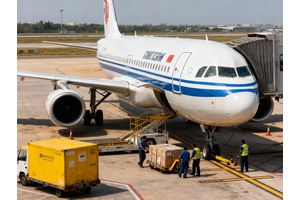
Are you wondering how long the shipping time from China to Australia really takes, and what factors impact your delivery? In this comprehensive guide, we’ll explore the key shipping methods, main routes, and the step-by-step process involved in transporting goods from China to Australia. Discover how different modes like sea freight, air freight, and door to door delivery affect your timeline, and learn tips to optimize your shipping experience.
Shipping methods from China to Australia
When shipping goods from China to Australia, choosing the right shipping method is essential for optimizing delivery time, cost, and reliability. Below are the four main shipping options, each suitable for different shipping needs:
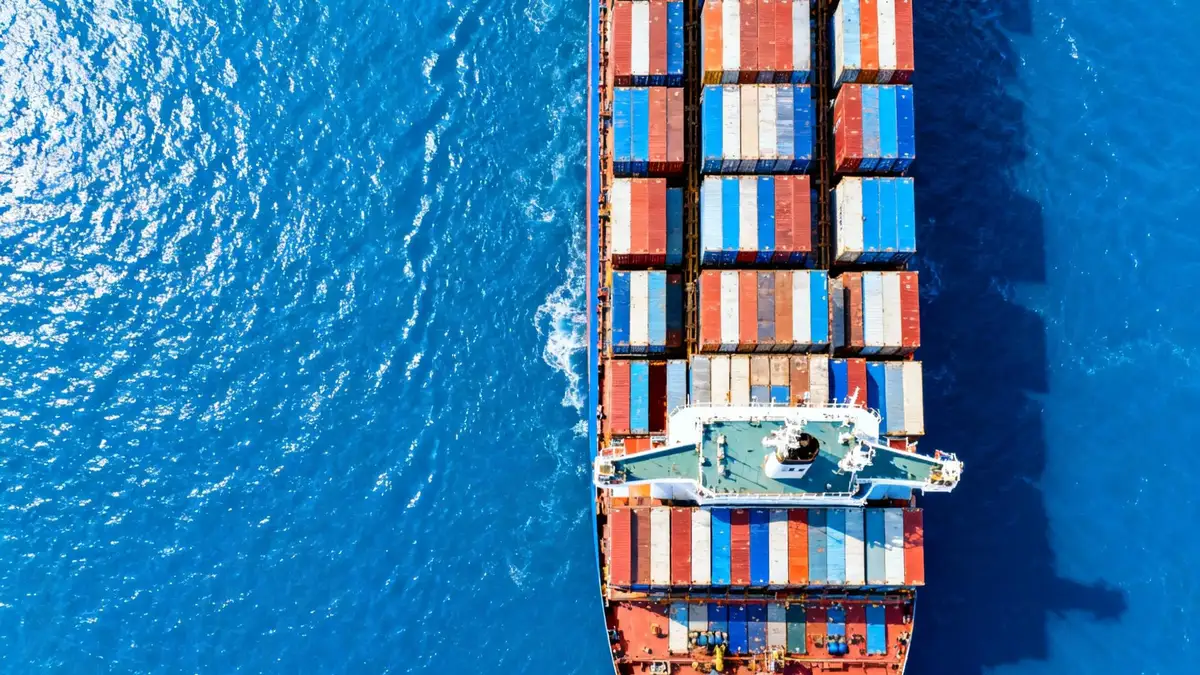
Sea freight from China to Australia
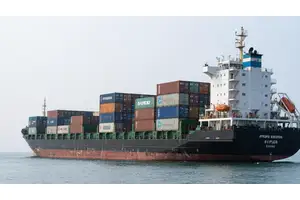
Sea freight is the most popular and cost-effective solution for transporting large volumes of cargo or oversized shipments between China and Australia. This method is ideal for businesses looking to minimize shipping costs and are not constrained by tight delivery deadlines.
Key features:
- Full Container Load (FCL): Shipments use an entire container (20FT, 40FT, 40HQ, or 45HQ). A 20FT container offers approximately 28CBM, 40FT offers 56CBM, 40HQ offers 68CBM, and 45HQ provides up to 78CBM.
- Less than Container Load (LCL): Multiple shippers share space in one container, optimizing costs for smaller shipments.
- Breakbulk and OOG (Out-of-Gauge) options are available for oversized or non-containerized cargo.
Advantages:
- Lowest shipping cost per unit
- Suitable for heavy or bulky items
- Extensive port coverage in both China (e.g., Shanghai, Shenzhen, Ningbo) and Australia (Sydney, Melbourne, Brisbane)
Limitations:
- Longer transit times (ranging from 12 to 25 days, depending on port pairs and services)
- More complex customs and port handling
DTFU International Logistics Co.,Ltd provides comprehensive sea freight services, including FCL, LCL, OOG, consolidated, and breakbulk shipping, supported by one-stop customs clearance and cargo insurance.
If you want to explore more about ocean transport on this route, you may find Sea Shipping From China Australia helpful for detailed examples and real case studies.
Air freight from China to Australia
Air freight is the fastest shipping solution between China and Australia. It is ideal for urgent, high-value, or time-sensitive shipments, such as electronics, fashion goods, or pharmaceuticals.
Key features:
- Regular departures from major Chinese airports (Beijing, Guangzhou, Shanghai) to all principal Australian airports (Sydney, Melbourne, Brisbane, Perth)
- Transit times from 1 to 5 days door-to-door, depending on service level and customs clearance
Advantages:
- Fastest transit times
- High security and reliability
- Online tracking and proactive communication
Limitations:
- Higher cost compared to sea and rail freight
- Restrictions on cargo size, weight, and certain dangerous goods
DTFU International Logistics Co.,Ltd offers competitive air freight solutions with value-added services like express customs clearance, warehouse handling, and cargo insurance.
For those seeking further information on air shipping, our post Air Shipping From China Australia provides an in-depth look at air cargo solutions between the two countries.
Rail freight from China to Australia
Currently, there is no direct rail freight route between China and Australia due to geographical constraints (the South China Sea separates the two countries). However, combined multimodal solutions (rail + sea or rail + air) are available for cargo moving from inland China to coastal ports, then onward to Australia.
Key features:
- Efficient rail routes from inland Chinese cities (e.g., Chengdu, Xi'an) to coastal ports
- Seamless transfer to sea freight for the international leg
- Suitable for large, less time-sensitive shipments
Advantages:
- Cost-effective for long inland hauls within China
- Reduces road congestion and carbon footprint
Limitations:
- Not a standalone solution for China-Australia; always combined with sea or air
Door to door delivery from China to Australia
Door to door delivery provides a complete, hassle-free logistics solution where DTFU International Logistics Co.,Ltd handles every step of the shipping process—from the supplier’s warehouse in China to the consignee’s address in Australia.
Key features:
- Combines various transport modes: sea, air, or road, plus last-mile delivery
- Includes export and import customs clearance, cargo insurance, and optional warehousing
- Suitable for all shipment sizes (including Amazon FBA and personal effects)
Advantages:
- Seamless end-to-end process, saving time and coordination effort
- Transparent pricing with minimized unexpected costs
- Dedicated customer support and tracking
DTFU International Logistics Co.,Ltd is trusted by global traders for its reliable, cost-efficient one-stop door to door services.
As you consider your best logistics approach, you may also want to check Door to Door Shipping from China to Australia for practical guidance and service options.
Main shipping routes from China to Australia
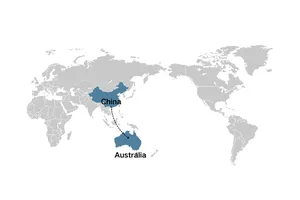
Transporting goods between China and Australia involves several major routes, primarily by sea and air. Below is an overview of the main shipping corridors used for international freight:
Main Sea Freight Routes
| Chinese Port of Origin | Australian Port of Destination | Typical Transit Time (Days) | Notes |
|---|---|---|---|
| Shanghai | Sydney | 15-18 | Most popular route with frequent sailings |
| Shenzhen (Yantian/Shekou) | Melbourne | 16-20 | Major hub for electronics and machinery |
| Ningbo | Brisbane | 18-22 | Important for consumer goods, textiles |
| Qingdao | Perth | 20-25 | Preferred for mining/industrial cargo |
| Guangzhou | Sydney, Melbourne | 15-19 | Fast-growing route for cross-border e-commerce |
- Sydney and Melbourne are the busiest Australian ports, handling the majority of containerized imports.
- Peak seasons (e.g., pre-Christmas, Chinese New Year) may influence transit times and capacity.
- Direct sailings are available on main routes; some less frequent destinations may require transshipment in Singapore or Hong Kong.
Main Air Freight Routes
| Chinese Airport of Origin | Australian Airport of Destination | Direct Flight Available | Transit Time (Days) |
|---|---|---|---|
| Shanghai Pudong (PVG) | Sydney (SYD) | Yes | 1-3 |
| Guangzhou Baiyun (CAN) | Melbourne (MEL) | Yes | 1-3 |
| Beijing Capital (PEK) | Brisbane (BNE) | Yes/Indirect | 2-4 |
| Hong Kong (HKG) | Perth (PER) | Indirect | 2-5 |
- Air routes are favored for high-value, perishable, or urgent shipments.
- Flight frequency is highest on Shanghai-Sydney and Guangzhou-Melbourne lanes.
- During global events (e.g. COVID-19 pandemic, 2023 fuel price surges), airline capacity and rates can fluctuate significantly.
Multimodal & Door-to-Door Routes
For inland Chinese cities (e.g., Chengdu, Wuhan, Xi'an), multimodal logistics combine rail or road to a major coastal port, then sea or air to Australia. DTFU International Logistics Co.,Ltd can design efficient, tailored multimodal solutions for your supply chain. For a broader view of shipping rates, see Shipping cost from China to Australia, which includes up-to-date pricing trends and tips for cost optimization.
How long does it take to ship from China to Australia?
When planning an international shipment, knowing the exact shipping time from China to Australia is crucial for supply chain optimization, cost management, and customer satisfaction. Shipping times can vary significantly depending on the chosen shipping method, specific origin and destination points, customs clearance, and seasonal factors. Below is a professional breakdown of standard transit times for different freight options, based on the latest industry data and my own experience as a logistics analyst.
Sea freight shipping time from China to Australia
Sea freight is the most popular and cost-effective shipping method for large and bulk cargo between China and Australia. Transit times are largely determined by the port of origin and destination, type of service (FCL – Full Container Load; LCL – Less than Container Load), and whether direct or transshipment services are used.
Main Shipping Routes and Transit Time Table
| Origin Port (China) | Destination Port (Australia) | Estimated Transit Time (Days) | Notes |
|---|---|---|---|
| Shanghai | Sydney | 12-18 | Direct FCL, weekly sailings |
| Shenzhen | Melbourne | 14-20 | LCL may take longer due to consolidation |
| Ningbo | Brisbane | 14-21 | Possible transshipment at Singapore or Hong Kong |
| Qingdao | Fremantle | 18-25 | Less frequent, subject to available vessel space |
| Guangzhou | Adelaide | 16-24 | Routing may require transshipment; check carrier schedules |
Key Points:
- FCL is generally faster than LCL due to less handling.
- Port congestion, customs inspection, or seasonal demand (e.g., before Chinese New Year) may add 2-5 days.
- Sea freight is ideal for shipments over 2 CBM or when cost is the main priority.
Air freight shipping time from China to Australia
Air freight is chosen for its speed and reliability, commonly used for high-value or time-sensitive goods.
| Origin Airport (China) | Destination Airport (Australia) | Estimated Transit Time (Days) | Notes |
|---|---|---|---|
| Shanghai PVG | Sydney SYD | 1-3 | Direct flights available, fast customs |
| Guangzhou CAN | Melbourne MEL | 1-3 | Space subject to airline schedules |
| Beijing PEK | Brisbane BNE | 2-4 | May require transfer in Hong Kong/Singapore |
| Shenzhen SZX | Perth PER | 2-5 | Less frequent direct flights |
Key Points:
- Air freight is subject to airline space, especially during peak seasons.
- Total lead time may include 1-2 days for export/import customs clearance.
- Ideal for urgent shipments under 500 kg.
Rail freight shipping time from China to Australia
Currently, there is no direct rail freight service from China to Australia due to geographical separation by the sea. However, rail-sea multimodal solutions may be available, primarily for Eurasian routes, but not practical for China-Australia unless using rail to port within China, then sea freight.
Key Points:
- For shipments to Australia, rail is used mainly within China to move goods from inland cities (e.g., Chongqing, Chengdu) to coastal ports for subsequent sea freight.
- This can save 1-3 days in domestic logistics compared to trucking.
Step-by-step process of shipping from China
Shipping goods from China to Australia involves multiple steps, requiring coordination between the supplier, freight forwarder, customs, and local agents. Below is a comprehensive process overview, reflecting best practices and the expertise of DTFU International Logistics Co., Ltd.
1. Cargo Preparation
- Confirm cargo details: HS code, weight, volume (e.g., 1 x 20FT = 28CBM, 1 x 40HQ = 68CBM).
- Packaging and labeling according to international standards.
- Prepare necessary documents: Commercial Invoice, Packing List, Certificate of Origin, MSDS (if applicable).
2. Select Shipping Method & Route
- Choose between sea freight, air freight, or multimodal options based on budget, volume, and delivery deadline.
- Decide on FCL or LCL for sea freight; select airline for air freight.
- Consult with a professional freight forwarder like DTFU International Logistics Co.,Ltd for optimal solutions.
3. Booking & Scheduling
- Book space with shipping line or airline.
- Arrange pick-up from supplier if needed.
4. Export Customs Clearance (China)
- Submit export declaration to China Customs.
- Provide all necessary documents; ensure compliance with Chinese export regulations.
- Pay export duties/taxes if required.
5. International Main Transport
- For sea freight: Cargo is loaded onto the vessel and shipped to the Australian port.
- For air freight: Cargo is flown to the Australian airport, often with direct or transshipment flights.
6. Import Customs Clearance (Australia)
- Prepare and submit import declaration to Australian Border Force (ABF).
- Provide necessary documents (Bill of Lading/Airway Bill, Commercial Invoice, Packing List, Import permits if required).
- Pay import GST, customs duties, and any applicable handling fees.
7. Local Delivery / Last Mile
- Arrange for container/truck pick-up from port/airport.
- Door-to-door delivery to final destination or warehouse.
- For Amazon FBA or B2C e-commerce, coordinate with fulfillment centers.
8. After-sales Support
- Track shipment status and provide updates to customer.
- Handle any claims, damages, or insurance matters.
- Collect feedback and optimize future shipments.
DTFU International Logistics Co.,Ltd offers a full spectrum of services including Sea Freight, Air Freight, Door to Door Delivery, Warehouse & Consolidation, Cargo Insurance, and Customs Clearance. Our team ensures every step is handled with utmost professionalism, transparency, and efficiency, helping our clients achieve timely and cost-effective deliveries from China to Australia.
Key Factors Affecting Shipping Time from China to Australia
When planning international shipments, understanding the key factors that influence shipping time from China to Australia is crucial for supply chain efficiency and cost management. Below, I summarize the main elements affecting transit time, based on my experience in international freight forwarding:
| Key Factor | Description & Analysis |
|---|---|
| Shipping Method | Sea freight (FCL/LCL), air freight, and rail freight have different transit times. Air is fastest (2-7 days), sea is slower but cost-effective (12-35 days), rail is less common but may offer balanced options depending on the route. |
| Port of Origin & Destination | Major ports like Shanghai, Shenzhen, and Ningbo (China) connect to key Australian ports like Sydney, Melbourne, and Brisbane. Busy ports may experience congestion, affecting timelines. |
| Customs Clearance Procedures | Delays can occur if documents are incomplete or if the shipment is selected for inspection by Chinese or Australian customs. Policy updates (such as stricter biosecurity checks in Australia since 2023) may impact clearance. |
| Peak Seasons & Holidays | Chinese New Year, Golden Week, and year-end holiday seasons can cause significant backlogs, increasing shipping time due to higher demand and limited carrier availability. |
| Carrier Schedules & Capacity | Vessel and flight schedules, as well as container availability, directly impact lead times. During periods of high demand or disruptions (e.g., COVID-19 pandemic, Red Sea crisis), capacity constraints may cause delays. |
| Weather Conditions | Typhoons in East Asia or storms in the Pacific can postpone departures or arrivals. This is especially relevant for sea freight. |
| Last Mile Delivery | For door-to-door shipments, the efficiency of inland transportation and local delivery services in Australia will affect the total shipping time. |
| Type of Goods & Documentation | Dangerous goods, oversized cargo, or items requiring special permits may require extra handling or compliance checks, extending the timeline. |
How to Get Faster Shipping from China?
If your business demands shorter lead times, consider the following strategies to accelerate shipping from China to Australia:
-
Choose the Right Shipping Method
For urgent shipments, air freight is the preferred option, offering delivery within 2-7 days. For cost-sensitive but moderately urgent cargo, consider express LCL sea freight or direct flights. DTFU International Logistics Co.,Ltd provides tailored solutions to balance speed and cost. -
Select Strategic Ports
Shipping from major ports like Shanghai or Shenzhen to Sydney or Melbourne usually offers more frequent sailings and quicker customs clearance due to more established logistics infrastructure. -
Prepare Complete Documentation
Ensure all shipping documents, including the Bill of Lading, commercial invoice, packing list, and any required permits or certificates, are accurate and submitted in advance. This minimizes customs delays. -
Book in Advance, Avoid Peak Seasons
Reserve your space early, especially before Chinese New Year or Australia's holiday seasons. Early booking secures capacity and better rates. -
Work with a Professional Freight Forwarder
Partnering with an experienced forwarder like DTFU International Logistics Co.,Ltd provides access to priority space, real-time tracking, and solutions for urgent shipments, such as door-to-door or express freight options. -
Utilize Consolidation Services
For smaller shipments, consolidated freight reduces handling time and costs by grouping your cargo with others on the same route. -
Leverage Digital Tools
Use online tracking and shipment management systems to monitor the real-time status of your goods and respond quickly if issues arise.
Sample Shipping Time Comparison Table
| Shipping Method | Typical Transit Time (China to Australia) | Notes |
|---|---|---|
| Air Freight | 2-7 days | Fastest, most expensive |
| Sea Freight (FCL) | 12-25 days | Cost-effective, stable for bulk |
| Sea Freight (LCL) | 18-35 days | Additional time for consolidation |
| Express Courier | 1-4 days | For small parcels, premium cost |
| Rail Freight | 15-25 days (limited service) | Less common, may require multimodal |
How to Get a Customized Shipping Solution
Every shipment is unique. To optimize your logistics from China to Australia, a customized shipping solution ensures efficiency, compliance, and cost savings. Here’s how you can achieve this:
-
Consult with an Expert Freight Forwarder
Professional service providers like DTFU International Logistics Co.,Ltd offer in-depth consultation to understand your cargo, deadlines, budget, and compliance needs. -
Cargo Assessment and Route Planning
Analyzing factors such as cargo type, volume (e.g., 20FT: 28CBM, 40FT: 56CBM, 40HQ: 68CBM, 45HQ: 78CBM), and any special requirements (dangerous goods, temperature control) allows for the selection of the most suitable route and mode of transport. -
Tailored Shipping Options
DTFU offers a full suite of services, including Sea Freight, Road Freight, Air Freight, Amazon FBA, Warehouse, Cargo Insurance, One-stop Customs Clearance, Door to Door, OOG Freight, Consolidated Freight, and Breakbulk Freight. Your solution can combine these services for maximum value. -
Integrated Customs and Compliance Support
Navigating both Chinese and Australian customs regulations is complex. A comprehensive logistics provider ensures all documents are in order and compliance is maintained, reducing risks of delay. -
Transparent Quotation and Tracking
Receive clear, itemized quotations and access to end-to-end shipment tracking to maintain visibility at each stage. -
Continuous Communication and Support
DTFU International Logistics Co.,Ltd assigns dedicated account managers to proactively update you and resolve any issues during transit.
Why Choose DTFU International Logistics Co.,Ltd?
- Expertise: Over 10 years in international freight forwarding, with strong knowledge of the China-Australia trade lane.
- Comprehensive Services: One-stop solutions for all logistics needs, including special cargo and FBA.
- Global Network: Direct partnerships with major carriers and agents in both China and Australia.
- Cost-effectiveness: Competitive rates with optimal transit times.
- Reliability: Proven track record in timely delivery and compliance.
If you are looking for a reliable, efficient, and highly professional logistics partner to manage your shipping from China to Australia, contact DTFU International Logistics Co.,Ltd today for a free consultation and a customized logistics proposal.