Are you wondering how much the shipping cost from China to Australia really is, and what factors impact your expenses? Understanding these costs is crucial for importers, eCommerce businesses, and global traders. In this comprehensive guide, we’ll break down everything you need to know about sea shipping, air shipping, door-to-door shipping, and the various fees and transit times involved in getting your goods from China to Australia.
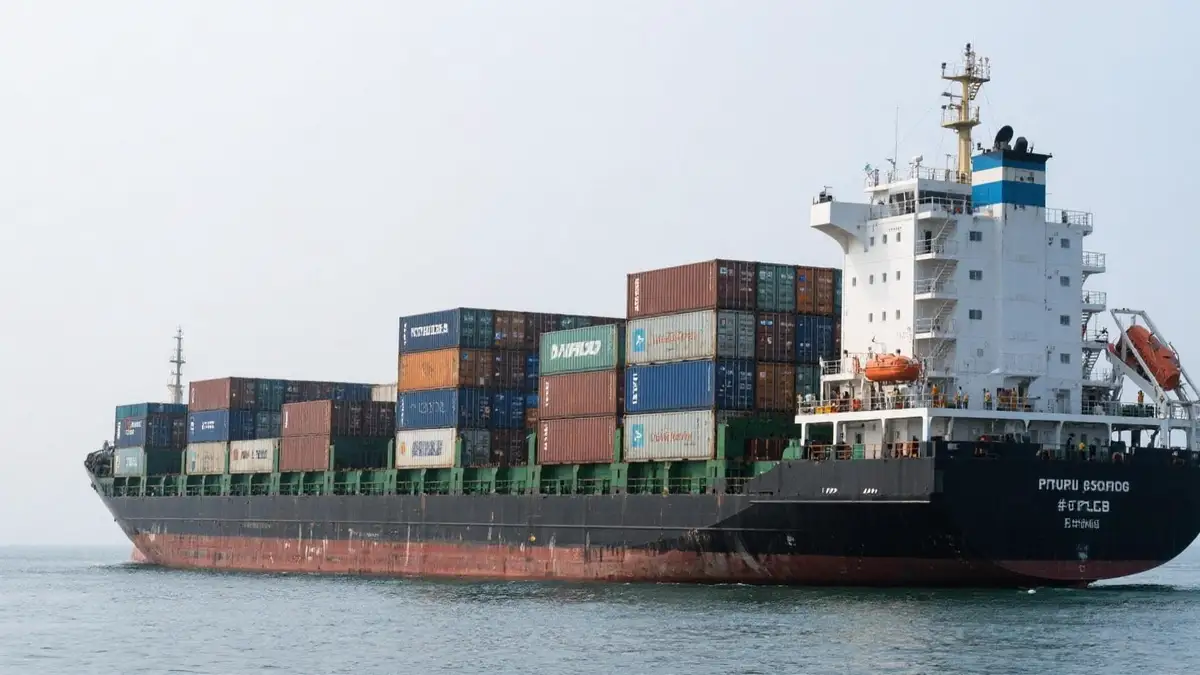
Sea shipping from China to Australia
Sea shipping remains the most popular, cost-effective way to move large volumes of cargo from China to Australia. Whether you are a large importer, a cross-border e-commerce seller, or an SME, understanding sea freight options helps optimize your supply chain and reduce total shipping costs.
Major Sea Routes & Ports
China has several major export ports including Shanghai, Shenzhen, Ningbo, Qingdao, and Xiamen. On the Australian end, the main ports of entry are Sydney (Port Botany), Melbourne, Brisbane, and Fremantle (Perth). The selection of ports affects both cost and transit time.
Origin Port (China) | Destination Port (Australia) | Typical Route | Estimated Transit Time (Days) |
|---|---|---|---|
Shanghai | Sydney | Direct | 13 - 18 |
Shenzhen | Melbourne | Direct | 15 - 20 |
Ningbo | Brisbane | Transshipment | 16 - 22 |
Qingdao | Fremantle (Perth) | Transshipment | 18 - 25 |
(Transit times may vary due to seasonal surcharges, port congestion, or weather.)
Types of Sea Shipping Services
FCL (Full Container Load): Recommended for shipments that can fill a 20FT, 40FT, or 40HQ container. Offers better security and lower per-unit costs.
LCL (Less than Container Load): Ideal for smaller shipments. You share space with other shippers, paying only for the volume you use.
Specialized Services: DTFU International Logistics Co.,Ltd offers OOG (Out-of-Gauge), Breakbulk, and Consolidated Freight for non-standard cargo.
Container Size & Capacity
Container Type | Capacity (CBM) | Typical Use Case |
|---|---|---|
20FT | 28 | General cargo, small machinery, e-commerce |
40FT | 56 | Large shipments, bulk goods |
40HQ | 68 | Voluminous but light goods, furniture, textiles |
45HQ | 78 | Oversized cargo, consolidated shipments |
Average Costs (2025)
Shipping costs fluctuate due to fuel prices, currency exchange rates, and demand. As of Q4 2025, here is a general reference for sea freight:
Route | 20FT Container (USD) | 40FT Container (USD) |
|---|---|---|
Shanghai – Sydney | $1,100 – $1,800 | $1,800 – $2,800 |
Shenzhen – Melbourne | $1,200 – $2,000 | $2,000 – $3,000 |
Ningbo – Brisbane | $1,300 – $2,100 | $2,100 – $3,200 |
Note: Rates exclude customs, insurance, and last-mile delivery.
Advantages of Sea Shipping
Cost-effective for heavy or high-volume cargo.
Suitable for various cargo types: dry goods, hazardous materials, machinery, etc.
Flexible service options: FCL, LCL, OOG, Breakbulk.
Considerations
Longer transit times compared to air shipping.
Port handling and customs clearance may add extra days.
Peak season (August–October, pre-Christmas) may see surcharges and delays.
DTFU International Logistics Co.,Ltd provides comprehensive sea freight solutions from China to Australia, including cargo insurance, customs brokerage, and door-to-door services. Our expertise ensures smooth handling, competitive pricing, and real-time cargo tracking.
Air shipping from China to Australia
Air shipping is the fastest way to transport goods from China to Australia. It is ideal for time-sensitive, high-value, or perishable cargo. As e-commerce and supply chain cycles accelerate, choosing the right air freight partner is crucial for business success.
Main Air Cargo Hubs
China’s major air cargo airports include Shanghai Pudong (PVG), Guangzhou Baiyun (CAN), Beijing Capital (PEK), and Shenzhen Bao’an (SZX). Australia’s key entry airports are Sydney (SYD), Melbourne (MEL), Brisbane (BNE), and Perth (PER).
Origin Airport (China) | Destination Airport (Australia) | Direct Flight (Yes/No) | Typical Transit Time (Days) |
|---|---|---|---|
Shanghai (PVG) | Sydney (SYD) | Yes | 2 – 4 |
Guangzhou (CAN) | Melbourne (MEL) | Yes | 2 – 5 |
Shenzhen (SZX) | Brisbane (BNE) | No (transshipment) | 3 – 6 |
Beijing (PEK) | Perth (PER) | No (transshipment) | 3 – 7 |
Cost Structure (2025)
Air freight charges are based on chargeable weight (gross or volumetric, whichever is higher) and route. As of 2025, typical rates:
Route | Rate per kg (USD) | Example (100kg shipment) |
|---|---|---|
Shanghai – Sydney | $6.5 – $9.0 | $650 – $900 |
Guangzhou – Melbourne | $6.0 – $8.5 | $600 – $850 |
Shenzhen – Brisbane | $6.8 – $9.5 | $680 – $950 |
Rates can vary due to fuel surcharges, season, and market demand.
Air Shipping Service Types
Standard Air Freight: For general cargo; competitive transit times and costs.
Express Air Freight: Premium service for urgent shipments, often with guaranteed delivery windows.
Consolidated Air Freight: Combines multiple shipments for cost savings, but may add 1–2 days.
Pros & Cons
Pros:
Fastest transit times (2–7 days door-to-door)
High security for valuable goods
Minimal risk of damage, ideal for electronics, fashion, medical supplies
Cons:
Higher cost compared to sea and road freight
Stricter restrictions on dangerous or oversized goods
Limited by aircraft capacity and scheduled flights
When to Choose Air Shipping
When shipment value is high, or goods are perishable/seasonal.
When supply chain speed is critical (e.g., product launches, urgent restocks).
For light, small, or high-margin products.
DTFU International Logistics Co.,Ltd delivers end-to-end air freight solutions from China to Australia, including customs clearance, cargo insurance, and last-mile delivery. Our strong partnerships with top airlines and deep experience in the China–Australia corridor ensure your shipments are fast, reliable, and fully traceable.
Door to Door shipping from China to Australia
Door to Door shipping refers to a comprehensive logistics solution where the service provider manages your shipment from the point of pickup in China directly to the recipient’s address in Australia. This service is highly valued by importers, exporters, e-commerce sellers, and SMEs for its convenience, reliability, and time-saving benefits.
What Does Door to Door Shipping Include?
A true Door to Door solution typically covers:
Pickup from your supplier or warehouse in China
Export customs clearance in China
International freight (by sea or air)
Import customs clearance in Australia
Payment of import duties and taxes (if DDP is selected)
Domestic delivery to your appointed address in Australia
There are two main terms for Door to Door shipping:
DDU (Delivered Duty Unpaid): Buyer is responsible for import taxes and customs clearance in Australia.
DDP (Delivered Duty Paid): The logistics company (such as DTFU International Logistics Co.,Ltd) handles all costs including customs clearance and taxes, so you receive the goods with zero hassle.
Why Choose Door to Door Shipping?
Simplicity: One partner handles the entire process.
Risk Reduction: Minimizes errors during transitions between different service providers.
Transparent Cost: Get all-inclusive quotes, reducing hidden charges.
Time-efficient: Suitable for urgent shipments and e-commerce fulfillment.
Popular Door to Door Modes
Shipping Mode | Typical Transit Time | Suitable Cargo Type | Cost Level |
|---|---|---|---|
Sea Freight (LCL/FCL) | 16–30 days | General cargo, bulk, or large items | Lower |
Air Freight | 3–7 days | Urgent or high-value goods | Higher |
Express Courier (DHL/UPS) | 3–6 days | Small parcels, samples | Highest |
DTFU International Logistics Co.,Ltd offers integrated Door to Door shipping services, including Sea Freight, Air Freight, Customs Clearance, Warehousing, Insurance, and Amazon FBA prep. Our experienced team ensures compliance with regulations in both China and Australia, and our tailored solutions are ideal for businesses seeking a hands-off approach.
How much does shipping from China to Australia cost?
Shipping costs from China to Australia depend on various factors including cargo type, volume, shipping mode, and destination. Here’s a detailed breakdown to help you plan and compare.
1. Main Cost Components
International Freight Charges: Sea, air, or express.
Origin Charges: Export customs, documentation, handling.
Destination Charges: Import customs, delivery, local charges.
Duties and Taxes: Based on cargo value and type (see next section).
Insurance & Additional Services: Optional, but recommended for high-value shipments.
2. Estimated Shipping Cost Table (2025)
Below are average door to door shipping rates (inclusive of major surcharges) from key Chinese ports (e.g., Shanghai, Shenzhen, Ningbo) to major Australian cities (Sydney, Melbourne, Brisbane).
Shipping Mode | Cargo Type | Route (Main Port) | Approximate Cost (USD) | Transit Time |
|---|---|---|---|---|
Sea Freight (FCL 20ft) | Up to 28 CBM | Shanghai–Sydney | $1,400–$2,100 / container | 16–25 days |
Sea Freight (FCL 40ft) | Up to 56 CBM | Ningbo–Melbourne | $2,100–$3,200 / container | 18–27 days |
Sea Freight (FCL 40HQ) | Up to 68 CBM | Shenzhen–Brisbane | $2,300–$3,500 / container | 18–28 days |
Sea Freight (LCL) | Per CBM | Shanghai–Sydney | $65–$110 / CBM | 18–30 days |
Air Freight | Per kg (>100kg) | Shanghai–Sydney | $5.5–$9.5 / kg | 3–7 days |
Express Courier | Up to 21kg | China–Australia | $9–$13 / kg | 3–6 days |
Door to Door (DDP) | <500kg (LCL/Air) | China–Australia | $550–$950 / CBM (LCL) | 18–28 days |
Door to Door (DDP) | <100kg (Air) | China–Australia | $7–$13 / kg | 5–8 days |
Note: Above rates are indicative and fluctuate due to fuel surcharges, peak seasons, and exchange rates. For the latest quote, always consult a professional freight forwarder.
3. Major Influencing Factors
Cargo Volume & Weight: Larger shipments benefit from FCL, while smaller suit LCL or air.
Origin/Destination Pair: Rates differ per port; Shanghai and Shenzhen are major export ports in China, with strong routes to Sydney, Melbourne, and Brisbane.
Shipping Mode: Air is fastest but most expensive; sea is more economical for bulk.
Seasonality: Peak seasons (pre-Chinese New Year, Q4) may drive rates up.
Value-added Services: Insurance, warehousing, and DDP services add to the cost.
4. Tips for Accurate Cost Estimation
Always specify cargo details (dimensions, weight, nature of goods) for an accurate quote.
Consider DDP (Delivered Duty Paid) for hassle-free delivery—DTFU International Logistics Co.,Ltd specializes in all-inclusive DDP shipping.
For e-commerce shipments or Amazon FBA, ask about tailored channel pricing and compliance support.
Cost of shipping 20ft & 40ft Container from China to Australia
When shipping from China to Australia via sea freight, the most common container sizes are 20ft (with a capacity of approx. 28CBM) and 40ft (approx. 56CBM). For larger volumes, 40HQ (High Cube, 68CBM) and 45HQ (78CBM) containers are also options. The total shipping cost depends on multiple factors, including origin/destination ports, type of cargo, shipping season, surcharges, and fuel prices.
Typical Ocean Freight Rates (2025)
The following table provides estimated all-in shipping costs for full container load (FCL) from major ports in China to key Australian ports as of Q4 2025. Please note that these are indicative market rates for general cargo and exclude additional services such as customs clearance, inland trucking, and insurance.
Route | 20ft Container (USD) | 40ft Container (USD) | Transit Time (days) |
|---|---|---|---|
Shanghai → Sydney | $1,000 – $1,400 | $1,700 – $2,100 | 13 – 16 |
Shenzhen → Melbourne | $900 – $1,200 | $1,600 – $2,000 | 12 – 15 |
Ningbo → Brisbane | $1,100 – $1,500 | $1,800 – $2,300 | 14 – 18 |
Qingdao → Fremantle (Perth) | $1,300 – $1,600 | $2,000 – $2,400 | 17 – 22 |
Tianjin → Sydney | $1,200 – $1,500 | $1,900 – $2,300 | 16 – 20 |
Please note: These rates are market averages and fluctuate due to peak seasons, fuel surcharges (BAF), war risk premiums, and market demand. For the latest, tailored quote for your cargo, it is strongly recommended to contact a professional freight forwarder like DTFU International Logistics Co., Ltd.
Key Factors Affecting Container Shipping Costs
Origin/Destination: Port-to-port costs vary based on distance and direct shipping line availability.
Cargo Type: Hazardous or temperature-controlled goods incur higher fees.
Shipping Season: Peak shipping season (August–October) can see rate surges.
Container Type: Standard, high-cube, or special containers (open top, flat rack) are priced differently.
Additional Services: Customs brokerage, unloading, warehousing, and inland delivery are extra.
DTFU International Logistics Co., Ltd offers comprehensive FCL & LCL solutions, transparent pricing, and expert consultation for shipping from China to Australia. Our team ensures your cargo arrives safely, efficiently, and at the most competitive rates.
Air Shipping from China to Australia Cost per kg
Air freight is the fastest shipping solution from China to Australia, favored for high-value, time-sensitive, or perishable goods. The cost per kg is based on actual weight or volumetric weight (whichever is greater), service level (express vs. standard), and market conditions.
Typical Air Freight Rates (2025)
Average spot rates (all-in, general cargo, airport-to-airport) for major routes as of Q4 2025:
Origin Airport | Destination Airport | Standard Rate (USD/kg) | Express Rate (USD/kg) | Transit Time |
|---|---|---|---|---|
PVG (Shanghai) | SYD (Sydney) | $4.20 – $6.00 | $6.50 – $8.50 | 2 – 5 days |
CAN (Guangzhou) | MEL (Melbourne) | $4.00 – $5.80 | $6.20 – $8.00 | 2 – 5 days |
HKG (Hong Kong) | BNE (Brisbane) | $4.50 – $6.50 | $7.00 – $9.00 | 2 – 5 days |
SZX (Shenzhen) | PER (Perth) | $4.30 – $6.20 | $6.80 – $8.70 | 2 – 6 days |
Standard rates apply to consolidated air freight shipments.
Express rates apply to priority and courier shipments (e.g., via DHL, FedEx, UPS).
How Is Air Freight Calculated?
Chargeable Weight: Whichever is higher—actual weight (kg) or volumetric weight.
Volumetric Weight Formula: (Length x Width x Height in cm) / 6000
Minimum Charges: Airlines usually apply a minimum weight charge (often 45kg or 100kg).
DTFU International Logistics Co., Ltd provides customized air freight solutions, including airport-to-airport, door-to-door, and express courier options. We leverage strong partnerships with leading airlines and global networks to ensure reliable, cost-effective service, and real-time cargo tracking.
Door to Door shipping cost from China to Australia
Door to Door shipping from China to Australia is a comprehensive logistics solution that covers the entire shipping process—from pick-up at the supplier’s location in China to delivery at the final address in Australia. This method is highly preferred by importers, cross-border e-commerce sellers, and SMEs due to its convenience, transparency, and minimized risk of hidden charges. As a leading freight forwarder, DTFU International Logistics Co.,Ltd offers end-to-end Door to Door shipping services, ensuring smooth customs clearance and reliable transit times.
Key Cost Components of Door to Door Shipping
The total door to door shipping cost includes several elements:
Pickup fee in China (from factory/warehouse)
Export customs clearance in China
International freight (by sea or air)
Import customs clearance in Australia
Duty & GST
Final delivery to the consignee’s door in Australia
Additional services (insurance, warehousing, etc.)
Estimated Door to Door Shipping Cost (2025)
Shipping costs can fluctuate due to fuel surcharges, seasonal demand, and port congestion. Below is an indicative cost table for common routes and shipping modes, based on recent industry data and typical cargo (general goods, non-hazardous):
Shipping Mode | 100kg (0.5 CBM) | 500kg (2.5 CBM) | 1,000kg (5.5 CBM) | 20ft Container (28 CBM) | 40ft HQ Container (68 CBM) |
|---|---|---|---|---|---|
Air Freight | USD 900–1,200 | USD 3,500–4,800 | USD 7,000–9,000 | N/A | N/A |
Sea LCL (Less than Container Load) | USD 280–350 | USD 900–1,300 | USD 1,600–2,300 | N/A | N/A |
Sea FCL (Full Container Load) | N/A | N/A | N/A | USD 3,000–4,250 | USD 5,500–8,700 |
Door to Door (Sea) | USD 700–1,200 | USD 1,200–2,000 | USD 2,400–3,500 | USD 4,300–6,000 | USD 7,200–11,000 |
Door to Door (Air) | USD 1,000–1,400 | USD 4,200–5,200 | USD 8,800–10,500 | N/A | N/A |
Notes:
Prices vary based on city pairs (e.g., Shanghai to Sydney, Guangzhou to Melbourne).
Costs include pickup, export customs, freight, destination customs, and final delivery (excluding duties/GST).
Door to door sea freight is most cost-effective for shipments above 2 CBM or > 500kg.
For small, urgent shipments, door to door air freight is recommended.
Rates are based on general cargo, not including hazardous, oversized, or temperature-controlled goods.
For a customized door to door shipping quote from China to Australia, please contact us with your cargo details, and our experts will provide the most cost-effective logistics solution.
What is the import duty from China to Australia?
Understanding import duty and taxes is crucial for accurate cost estimation and compliance when shipping goods from China to Australia. The duty rates, exemptions, and calculation methods are determined by the Australian Border Force (ABF) and relevant trade agreements.
Overview of Import Duties
Australia and China both participate in the China–Australia Free Trade Agreement (ChAFTA), which has significantly reduced or eliminated tariffs on many product categories since 2015. However, not all products are duty-free. Importers must ensure compliance with the rules of origin and classification codes.
1. Customs Duty
Most goods of Chinese origin are eligible for 0% customs duty under ChAFTA, provided proper documentation (Certificates of Origin) is presented.
For goods not covered by ChAFTA or not meeting rules of origin, standard tariff rates apply (usually between 5%–10%).
2. Goods and Services Tax (GST)
GST is 10% on the value of the taxable importation (VoTI).
VoTI is calculated as:
(Customs Value + Duty + International Freight + Insurance + Other Charges)All commercial imports are subject to GST, regardless of value.
3. Other Charges
Customs Clearance Fees: Paid to customs brokers or freight forwarders (often included in DTFU’s service).
Quarantine/Inspection Fees: Applicable for certain products (food, wood, plants, etc.).
Anti-Dumping Duties: Imposed on specific product categories as per the latest ABF notifications.
Import Duty Calculation Example
Item | Example Value (USD) |
|---|---|
Customs Value (FOB) | $10,000 |
International Freight | $1,200 |
Insurance | $50 |
Duty (0%) | $0 |
Value for GST | $11,250 |
GST (10%) | $1,125 |
Total Tax Payable | $1,125 |
If your product does not qualify for ChAFTA, add duty (e.g., 5% of customs value).
Key Points for Importers
Check eligibility for ChAFTA with your Chinese supplier and request a Certificate of Origin.
Classify goods accurately using the HS Code.
Monitor for anti-dumping updates and product-specific regulations.
Stay informed with recent changes in Australian customs policy.
Additional Cost of shipping from China to Australia
When calculating the total shipping cost from China to Australia, it is crucial to consider not only the basic freight charges but also a range of additional costs that may arise during the shipping process. These extra charges can significantly impact your overall logistics budget and should be carefully evaluated when planning your shipments.
Common Additional Costs
Cost Component | Description | Typical Range* |
|---|---|---|
Customs Clearance Fees | Charged by customs brokers for processing import documents. | AUD 100–300/shipment |
Import Duties & GST | Tariffs and Goods & Services Tax applied by Australian Customs. | Varies (see next section) |
Port Handling Charges | Fees for loading/unloading at major ports such as Sydney, Melbourne, Brisbane. | AUD 200–500/container |
Terminal Handling Charges (THC) | Terminal operations fee at the port, covers use of port equipment. | USD 100–300/container |
Documentation Fees | Preparation of B/L, commercial invoice, packing list, etc. | USD 50–150 |
Quarantine Inspection Fees | Especially relevant for food, plant, wood, or animal products. | AUD 80–200/inspection |
Warehouse/Storage Costs | If your cargo is held at origin/destination warehouse. | USD 10–30/pallet/day |
Demurrage/Detention Fees | Charged if containers remain at the port beyond free days. | AUD 50–150/container/day |
Cargo Insurance | Protects against loss or damage during transit. | 0.1%–0.5% of cargo value |
Inland Transportation | Trucking from the port to your warehouse or final destination. | AUD 200–800/truckload |
Remote Area Surcharge | Applied for deliveries to non-metropolitan areas in Australia. | AUD 50–200 |
Fumigation and Compliance Fees | Required for certain commodities. | USD 50–150 |
*Figures provided are indicative and can vary by shipment size, mode, and current market conditions.
Real-world Example
Suppose you are shipping a 20FT container from Shanghai Port to Sydney Port. In addition to the base ocean freight (e.g., USD 1,300/20GP as of Q4 2025), you should budget for terminal handling, customs clearance, GST (10% of CIF value), and possible quarantine inspection for regulated goods. Delays at port or incomplete documentation may further increase costs.
How to Manage and Reduce Additional Costs
Work with a reputable freight forwarder like DTFU International Logistics Co.,Ltd, who offers transparent pricing and one-stop services, minimizing surprises.
Plan ahead and ensure all import documents meet Australian Border Force and Department of Agriculture requirements.
Consolidate shipments to optimize container usage and reduce per-unit charges.
Consider Door to Door shipping services to include customs clearance, inland trucking, and delivery for a bundled rate.
Factors influencing the shipping cost
The shipping cost from China to Australia is subject to a complex mix of factors. A clear understanding of these influences empowers businesses to optimize their logistics strategies and accurately forecast expenses.
Key Factors Affecting Shipping Costs
Factor | Impact on Cost | Notes |
|---|---|---|
Shipping Mode | Sea freight is generally cheaper but slower; air freight is faster and costlier. | Choice depends on urgency, cargo type, and budget. |
Cargo Volume & Weight | Larger/heavier shipments typically have lower per-unit rates. | Full Container Load (FCL) vs. Less than Container Load (LCL) pricing differs. |
Container Type | Standard 20FT vs. 40FT vs. 40HQ, special containers (OOG, reefer) incur extra charges. | 40HQ offers ~68CBM capacity; best for bulky cargo. |
Origin & Destination Ports | Departure from inland cities (e.g., Chengdu, Chongqing) vs. coastal ports (e.g., Shanghai, Shenzhen). | Port congestion, distance from factory, and accessibility affect trucking/freight. |
Seasonality & Market Demand | Peak season (pre-Christmas, Chinese New Year) sees surcharges and limited space. | Rates can double during high demand periods. |
Fuel Surcharges (BAF) | Fluctuates with global oil prices and shipping alliances’ policies. | Updated regularly; affects both sea and air freight. |
Customs Duties & Taxes | Duty rates and GST may change due to trade agreements or policy updates. | Always check latest China-Australia Free Trade Agreement (ChAFTA) provisions. |
Cargo Type & Classification | Hazardous, oversized, or temperature-controlled goods require specialized handling. | Additional documentation, packaging, and surcharges apply. |
Insurance Requirements | High-value or fragile cargo requires higher insurance coverage. | Cost is a small % of declared cargo value. |
Supply Chain Disruptions | Geopolitical events, strikes, or pandemics can cause delays and raise costs. | Example: Suez Canal blockage, COVID-19 lockdowns. |
Local Delivery & Infrastructure | Distance from port to consignee, accessibility, and remote area surcharges. | Delivery in rural areas in Australia costs more. |
Freight Forwarder Expertise | Experienced freight forwarders help optimize routes, consolidate cargo, and manage documentation. | Partnering with DTFU International Logistics Co.,Ltd ensures cost-effective and smooth shipping. |
Practical Advice
To minimize overall shipping costs from China to Australia:
Choose the most suitable shipping mode based on your cargo urgency and characteristics.
Work with a reliable, highly professional logistics partner like DTFU International Logistics Co.,Ltd who offers transparent pricing, customs clearance, and bundled delivery solutions.
Stay updated on policy changes, especially related to import duties, quarantine regulations, and fuel surcharges.
Consider consolidating shipments to maximize container space and spread fixed costs.
How long is sea freight from China to Australia?
When planning your shipments from China to Australia, the sea freight transit time is one of the most critical factors influencing your supply chain decisions. As an international freight forwarding expert with over a decade of experience, I can confirm that the shipping duration depends on several variables, including the origin and destination ports, shipping routes, vessel types, customs procedures, and peak season congestion.
Typical Sea Transit Times
Below, you’ll find a comparison table showing estimated transit times from major Chinese ports to leading Australian ports. All times are approximate and based on Full Container Load (FCL) services, which are commonly used for commercial shipments.
Origin Port (China) | Destination Port (Australia) | Estimated Transit Time (Days) |
|---|---|---|
Shanghai | Sydney | 12 – 16 |
Shenzhen (Yantian/Shekou) | Melbourne | 14 – 18 |
Ningbo | Brisbane | 15 – 19 |
Qingdao | Perth (Fremantle) | 18 – 22 |
Xiamen | Adelaide | 20 – 25 |
Notes:
Times refer to port-to-port transit and do not include pick-up, warehousing, or customs clearance.
LCL (Less than Container Load) shipments may take 3–5 days longer due to consolidation and deconsolidation processes.
During peak seasons such as pre-Christmas or Chinese New Year, transit times can be extended due to port congestion and limited vessel availability.
Key Factors Impacting Transit Time
Origin & Destination: Proximity to major ports matters. Inland cities require extra trucking or rail time to reach the nearest seaport.
Type of Service: Direct sailings are faster than transshipment services, which involve changing vessels at an intermediate port.
Customs & Quarantine: Australia has strict biosecurity requirements. Delays can occur if documentation is incomplete or cargo is inspected.
Weather & Port Congestion: Typhoons, storms, or industrial actions at ports can cause unexpected delays.
Air freight transit time from China to Australia?
When speed and reliability are paramount, air freight is the preferred shipping mode for many businesses moving goods between China and Australia. Air freight dramatically reduces transit time compared to sea freight, making it ideal for urgent, high-value, or time-sensitive shipments.
Average Air Freight Transit Times
Here’s a quick guide to standard airport-to-airport transit times for cargo flights between major Chinese and Australian cities:
Origin Airport (China) | Destination Airport (Australia) | Estimated Transit Time (Days) |
|---|---|---|
Shanghai (PVG) | Sydney (SYD) | 1 – 3 |
Guangzhou (CAN) | Melbourne (MEL) | 1 – 3 |
Shenzhen (SZX) | Brisbane (BNE) | 1 – 3 |
Beijing (PEK) | Perth (PER) | 2 – 4 |
Chengdu (CTU) | Adelaide (ADL) | 2 – 4 |
Notes:
Times refer to airport-to-airport only. Door-to-door air freight typically adds 1–2 days for pick-up, delivery, and customs clearance.
Express/courier shipments (e.g., DHL, FedEx, UPS) can sometimes be completed in as little as 1–2 days.
Indirect flights or transshipment may extend durations by 1–2 days.
Factors Affecting Air Freight Times
Flight Availability: Direct flights are faster; indirect routes may require transshipment in Hong Kong, Singapore, or other hubs.
Cargo Handling: Peak periods, such as before Chinese New Year or during e-commerce sales events, can cause backlogs.
Customs Clearance: Both China and Australia have strict import/export rules. Proper documentation ensures smooth processing.
Tips to reduce shipping cost from China to Australia
When optimizing your shipping cost from China to Australia, understanding the cost structure and strategically managing the supply chain is essential. Here are actionable tips based on the latest industry trends and best practices:
1. Choose the Right Shipping Method
The cost difference between sea freight and air freight can be significant. For bulk and non-urgent shipments, sea shipping is usually more economical. For time-sensitive and smaller cargo, air shipping may be cost-effective despite higher rates per kilogram.
Shipping Mode | Typical Transit Time | Cost ($/kg or $/CBM) | Suitable For |
|---|---|---|---|
Sea Freight | 14-28 days | $30-60 per CBM | Large, heavy, non-urgent cargo |
Air Freight | 2-7 days | $5-10 per kg | Small, urgent, high-value items |
Express | 1-4 days | $8-20 per kg | Documents, samples, urgent goods |
Door to Door | 10-20 days (sea) | Quoted case by case | E-commerce, end-to-end delivery |
Note: Costs are indicative and subject to market fluctuations, especially due to fuel prices and capacity changes after COVID-19.
2. Consolidate Shipments
If you have multiple suppliers in China, consolidate your cargo to fill a full container load (FCL) instead of less than container load (LCL). This reduces handling costs and per-unit shipping rates.
3. Optimize Packaging and Volume
Efficient packaging avoids wasted space and reduces chargeable volume. Shipping companies calculate cost based on actual weight or volumetric weight—whichever is greater. Review packaging with your suppliers for optimization.
4. Plan Shipments in Advance
Early planning allows you to book space during off-peak seasons and avoid last-minute surcharges. Shipping rates are typically higher before Chinese New Year and Christmas seasons.
5. Leverage Incoterms
Negotiate favorable Incoterms with your supplier. For example, FOB (Free On Board) lets you choose your own freight forwarder in China, often resulting in better rates and control.
6. Work with a Reliable Freight Forwarder
Engage a professional freight forwarder, like DTFU International Logistics Co.,Ltd, to access volume-based discounts, route optimization, and expert customs clearance advice.
7. Monitor Market Trends and Surcharges
Stay informed on fuel surcharges, war risk premiums, and currency fluctuations. Reputable forwarders provide market updates so you can time your shipments for the best rates.
8. Consider Door-to-Door Solutions
For cross-border e-commerce and B2C deliveries, door-to-door shipping services simplify logistics and can lower overall costs by bundling inland, customs, and last-mile services.
9. Use Cargo Insurance Wisely
While insurance adds to upfront costs, it prevents significant losses from damage or theft. Choose cost-effective insurance options tailored to your cargo type and value.
10. Negotiate Volume Discounts
If you ship regularly, negotiate contract rates or annual agreements with your freight forwarder for preferential pricing.
Freight forwarder from China to Australia
Choosing the right freight forwarder is crucial to ensure efficient, secure, and cost-effective transport of goods from China to Australia. Here’s what to consider and how DTFU International Logistics Co.,Ltd stands out as your ideal partner:
What to Look for in a Freight Forwarder
Comprehensive Service Coverage
Ensure the provider covers all major Chinese ports (e.g., Shanghai, Shenzhen, Ningbo) and key Australian ports (e.g., Sydney, Melbourne, Brisbane).
Evaluate if they offer multi-modal solutions: Sea Freight, Air Freight, Road Freight, Amazon FBA, Warehouse, Cargo Insurance, Door to Door, OOG Freight, Consolidated Freight, and Breakbulk Freight.
Customs Expertise
Your forwarder should be knowledgeable about Australian customs regulations, import duties, and documentation. This reduces the risk of clearance delays or penalties.
Transparent Pricing and Real-time Tracking
Choose a forwarder offering clear quotations and real-time tracking for full shipment visibility.
Experience and Authority
Long-standing experience in the Australia-China trade lane ensures familiarity with operational nuances and market trends.
Customer Support
Responsive and multilingual customer service is essential for resolving issues promptly.
Why Choose DTFU International Logistics Co.,Ltd
DTFU International Logistics Co.,Ltd is a highly professional, cost-effective, and high-quality one-stop international logistics service provider. Here’s why we’re trusted by global traders:
Full Range of Services: From FCL/LCL sea freight, air freight, express, Amazon FBA prep, warehouse storage, to customs clearance and cargo insurance.
Door-to-Door Solutions: Seamless logistics from any city in China to any destination in Australia, covering customs, inland transportation, and last-mile delivery.
Expert Consultation: Over 10 years of experience in the China-Australia route, providing personalized logistics plans to minimize transit time and total costs.
Competitive Pricing: Leveraging strong carrier relationships and shipment volumes, we offer favorable rates for different shipment sizes and urgency levels.
Compliance and Reliability: Compliance with both Chinese and Australian regulations, ensuring smooth customs clearance and cargo security.
Technological Advantage: Advanced digital tracking systems for real-time shipment updates and operational transparency.
Example: Estimated Sea Freight Costs from China Major Ports to Australia (20ft/40ft/40HQ Container)
Origin Port | Destination Port | 20ft Container (USD) | 40ft Container (USD) | 40HQ Container (USD) | Transit Time (Days) |
|---|---|---|---|---|---|
Shanghai | Sydney | $1,200 - $1,600 | $2,000 - $2,800 | $2,200 - $3,000 | 15-20 |
Shenzhen | Melbourne | $1,300 - $1,700 | $2,100 - $2,900 | $2,300 - $3,200 | 14-19 |
Ningbo | Brisbane | $1,250 - $1,650 | $2,050 - $2,850 | $2,250 - $3,100 | 16-22 |
(Rates as of Q4 2025; subject to seasonal and market fluctuations.)
Air Freight Sample Rates (General Cargo, Per Kg)
Origin City | Australian Airport | General Rate ($/kg) | Express Rate ($/kg) | Transit Time (Days) |
|---|---|---|---|---|
Guangzhou | Sydney | $5.2 - $6.8 | $10.5 - $16 | 2-5 |
Shanghai | Melbourne | $5.5 - $7.1 | $11.2 - $15.8 | 2-5 |
(Rates vary based on cargo type, volume, and current airline capacity.)
How to Get Started
For a tailored quotation and one-on-one consultation, contact DTFU International Logistics Co.,Ltd today. Our logistics experts will guide you through every step—from choosing the optimal shipping route to ensuring full compliance with Australian customs.