Are you looking to optimize your sea shipping from China to Australia but unsure about the major ports, costs, and timelines involved? In this comprehensive guide, we’ll break down everything you need to know about sea freight, including cost estimates, transit times, and crucial tips for importing cargo efficiently. Whether you’re a first-time importer or seeking to streamline your supply chain, this article will help you make informed decisions for successful China-Australia sea shipping.
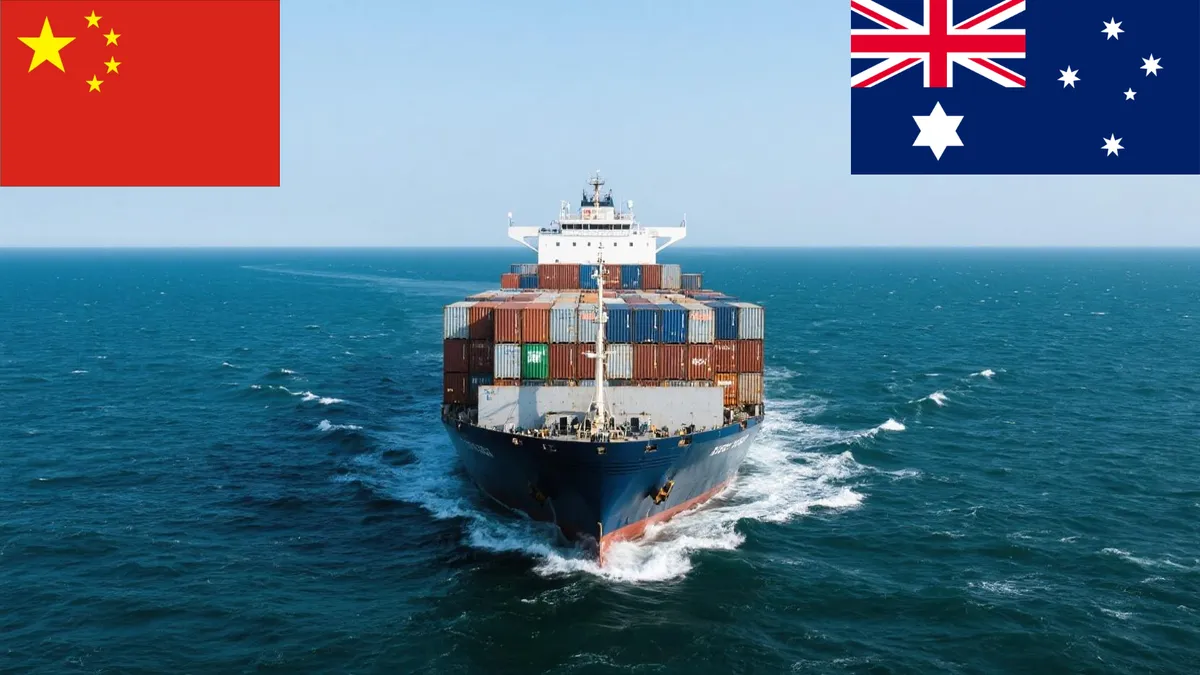
Main Ports in China and Australia
Main Ports in China
When considering sea shipping from China to Australia, the choice of port can significantly impact shipping costs and transit times. China is home to some of the world’s busiest and most advanced ports, ensuring efficient export processes.
Key Ports in China:
Port Name | Location | Specialization | Cargo Volume (2023, TEU) | International Freight Connections |
|---|---|---|---|---|
Shanghai Port | East China | Container, Bulk, General Cargo | 47.0 million | Direct service to Australia, major global hub |
Shenzhen Port | South China | Container, Electronics, Manufacturing | 30.0 million | Frequent routes to Sydney, Melbourne, Brisbane |
Ningbo-Zhoushan | Eastern Coast | Container, Breakbulk, Heavy Equipment | 33.4 million | Efficient for Zhejiang, Jiangsu exports |
Qingdao Port | North-East China | Container, Bulk, Machinery | 25.6 million | Competitive for North China shipments |
Guangzhou Port | South China | Container, Agricultural Products | 24.5 million | Good connectivity to South/East Australia |
Xiamen Port | South-East China | Container, Chemicals, Textiles | 12.4 million | Specialized in electronics, textiles export |
The majority of sea freight from China to Australia departs from these main ports, offering both Full Container Load (FCL) and Less-than-Container Load (LCL) options. DTFU International Logistics Co.,Ltd operates in all these locations, providing tailored logistics solutions for your cargo.
Main Ports in Australia
Australia’s ports are strategically developed to handle large volumes of containerized and bulk cargo from Asia, especially China, its largest trading partner.
Key Ports in Australia:
Port Name | Location | Specialization | Main Imports from China |
|---|---|---|---|
Port of Sydney (Botany) | New South Wales | Container, General Cargo | Electronics, Apparel, Furniture |
Port of Melbourne | Victoria | Container, Automotive, Grain | Machinery, Electronics, Household goods |
Port of Brisbane | Queensland | Container, Agricultural Products | Construction materials, Electronics |
Port of Fremantle | Western Australia | Container, Bulk, OOG Cargo | Industrial equipment, Electronics |
Port of Adelaide | South Australia | Container, Bulk, Wine Export | Machinery, Automotive Parts |
Each port is equipped to handle both FCL and LCL shipments. The most popular shipping routes from China to Australia are from Shanghai/Shenzhen/Ningbo to Sydney, Melbourne, and Brisbane, ensuring fast and reliable connections.
How Much Does Sea Shipping Cost from China to Australia?
Cost of shipping 20ft Container from China to Australia
The cost of shipping a 20ft container (FCL) from China to Australia can vary based on several factors, including port pair, season, and market demand. As of 2025, international shipping rates have stabilized compared to the pandemic years, but remain subject to global economic shifts, fuel prices, and regulatory changes.
Estimated Cost Table (2025):
Route | 20ft Container (USD) | 40ft Container (USD) |
|---|---|---|
Shanghai to Sydney | $1,200 – $2,000 | $2,200 – $3,600 |
Shenzhen to Melbourne | $1,100 – $1,900 | $2,100 – $3,500 |
Ningbo to Brisbane | $1,100 – $1,800 | $2,000 – $3,400 |
Qingdao to Fremantle | $1,300 – $2,200 | $2,400 – $3,800 |
Guangzhou to Adelaide | $1,200 – $2,100 | $2,300 – $3,700 |
Rates are indicative and subject to fluctuations. For a real-time quote, contact DTFU International Logistics Co.,Ltd.
Cost of shipping LCL Cargo from China to Australia
Less-than-Container Load (LCL) is a cost-effective option for smaller shipments. LCL rates are usually charged by volume (CBM) or weight, whichever is higher.
Estimated LCL Charges (2025):
Route | LCL Rate (USD/CBM) | Minimum Charge (USD) |
|---|---|---|
Shanghai to Sydney | $60 – $90 | $180 – $250 |
Shenzhen to Melbourne | $55 – $85 | $170 – $240 |
Ningbo to Brisbane | $55 – $80 | $170 – $230 |
These rates include basic ocean freight but may exclude origin/destination charges, customs clearance, and last-mile delivery. DTFU International Logistics provides transparent, all-inclusive LCL quotes tailored to your business needs.
Factors Affecting Sea Freight Costs
The final sea shipping cost from China to Australia depends on several key variables:
Port Pair: Distance between origin and destination ports influences fuel and transit costs.
Cargo Type & Volume: Oversized, heavy, or dangerous goods can incur surcharge fees.
Seasonality: Rates rise during peak shipping seasons (e.g., pre-Christmas, Chinese New Year).
Container Type: Standard, High Cube, Reefer, OOG (Out-of-Gauge) each have different tariffs.
Fuel Surcharges: Volatility in bunker fuel prices impacts freight rates.
Market Demand: Global trade disruptions (e.g., Red Sea crisis, port congestion) can cause pricing spikes.
Service Type: Door-to-door, port-to-port, and value-added logistics (like insurance, customs brokerage) affect the total price.
Regulatory and Security Fees: Compliance with Australian biosecurity and customs regulations may add costs.
Exchange Rates: Fluctuations between USD, RMB, and AUD can influence final payable amounts.
DTFU International Logistics Co.,Ltd offers a one-stop international logistics service with real-time updates on rates and the latest market insights, helping you optimize your shipping costs and avoid unexpected charges.
How Long Does Sea Shipping Take from China to Australia?
When planning sea shipping from China to Australia, understanding the expected transit time is crucial for efficient supply chain management. Shipping times vary based on the shipping method (LCL or FCL), the specific ports involved, and a variety of external factors.
LCL Shipping Time from China to Australia
LCL (Less than Container Load) shipping is suitable for smaller shipments that do not fill an entire container. In LCL, your cargo is consolidated with other shipments, which may add handling and waiting time.
Origin Port (China) | Destination Port (Australia) | Typical LCL Transit Time (Days) |
|---|---|---|
Shanghai | Sydney | 18 - 24 |
Ningbo | Melbourne | 20 - 26 |
Shenzhen | Brisbane | 20 - 25 |
Qingdao | Perth | 23 - 28 |
LCL shipments often require additional time for consolidation and deconsolidation at both ends. Customs clearance and port congestion can also influence the actual delivery timeline.
FCL Shipping Time from China to Australia
FCL (Full Container Load) shipping is generally faster than LCL since the container is dedicated to one customer and moves directly from the origin to the destination.
Origin Port (China) | Destination Port (Australia) | Typical FCL Transit Time (Days) |
|---|---|---|
Shanghai | Sydney | 12 - 16 |
Ningbo | Melbourne | 13 - 18 |
Shenzhen | Brisbane | 14 - 19 |
Qingdao | Perth | 15 - 20 |
These timelines reflect port-to-port transit under normal conditions and can be influenced by external factors such as weather or carrier scheduling.
Factors Affecting Sea Shipping Transit Time
Several variables can impact the total time it takes for your cargo to reach Australia from China:
Port Congestion: Busy periods, such as the lead-up to Chinese New Year or Christmas, can lead to delays at major Chinese and Australian ports.
Customs Procedures: Delays in customs clearance, especially if documentation is incomplete or if shipments are selected for inspection, can add several days.
Transshipment: Some routes may require transshipment at intermediate ports, increasing transit time.
Carrier Schedules: Shipping line frequency and vessel delays can affect when your goods depart and arrive.
Weather Events: Cyclones, typhoons, or other adverse weather conditions can disrupt schedules, particularly in the Asia-Pacific region.
Regulatory Changes: Recent updates in Australian biosecurity and quarantine regulations (e.g., strict fumigation requirements for certain imports as of 2023) can impact clearance times.
Working with an experienced freight forwarder like DTFU International Logistics Co.,Ltd ensures proactive management of these factors, minimizing potential delays.
How to Import Cargo from China to Australia by Sea
Importing goods from China to Australia via sea freight involves several key steps to ensure smooth logistics and compliance with both countries’ regulations.
Step-by-Step Process
Select a Reliable Freight Forwarder
Choose a professional and experienced provider such as DTFU International Logistics Co.,Ltd. With our all-in-one services, including sea freight, customs clearance, warehousing, and door-to-door services, your shipment is managed smoothly from start to finish.Confirm Shipment Details
Cargo Type & Quantity: Determine whether LCL or FCL is most suitable.
Port Selection: Choose the optimal origin (Shanghai, Shenzhen, Ningbo, etc.) and destination (Sydney, Melbourne, Brisbane, etc.) ports.
Book Space & Arrange Pickup
Reserve space on the desired vessel. DTFU Logistics can arrange factory pickup and deliver your goods to the export port.Prepare Shipping Documentation
Ensure all required paperwork is prepared:Commercial Invoice
Packing List
Bill of Lading
Export/Import Licenses (as needed)
Certificate of Origin (if claiming FTA benefits)
Customs Clearance in China
Your freight forwarder handles export customs declarations and compliance with Chinese regulations.Sea Transit
Your cargo is shipped from China to Australia by your selected method (LCL or FCL). DTFU Logistics offers real-time tracking and updates throughout the voyage.Customs Clearance in Australia
On arrival, your goods undergo Australian customs and biosecurity inspection. Ensure compliance with Australia’s strict import requirements, especially for goods subject to quarantine. As of 2025, increased enforcement on goods like timber, food, and certain manufactured items is in place.Inland Delivery
After clearance, goods are delivered to your warehouse or end customer. DTFU International Logistics provides integrated door-to-door and warehousing solutions across Australia.
Tips for a Smooth Import Process
Plan Ahead: Book shipments early, especially during peak seasons.
Stay Updated on Regulatory Changes: For example, recent updates in Australian labeling and safety standards may affect certain goods.
Work with Professionals: A reputable provider like DTFU International Logistics Co.,Ltd helps navigate regulations, reduce risk, and optimize costs.
Import Tax and Duty Instructions for Exports from China to Australia
When importing cargo from China to Australia by sea shipping, understanding the import tax and duty requirements is crucial for compliance and cost estimation. Australia has a transparent customs system, but regulations can vary based on the type of product, its value, and the importer’s status.
Key Tax and Duty Points
Goods and Services Tax (GST):
All goods imported into Australia are subject to a 10% GST calculated on the customs value of the goods, plus shipping and insurance costs, and any applicable duty.
Import Duty:
Import duty rates vary depending on the product classification under the Harmonized System (HS Code).
Many goods from China benefit from reduced or zero tariffs due to the China-Australia Free Trade Agreement (ChAFTA), implemented since 2015. As of 2025, over 95% of Chinese imports are duty-free under ChAFTA.
Customs Value Calculation:
Customs value is typically the transaction value (the price actually paid or payable for the goods), excluding international freight and insurance, but these are added to assess the final tax base for GST.
Thresholds and Exemptions:
There is no longer a low-value threshold exemption for GST; all imports, regardless of value, are taxable.
Other Charges:
You may also be subject to customs clearance fees, quarantine inspection charges, and occasionally anti-dumping duties, especially for items like steel or aluminum.
Example of Import Tax and Duty Calculation
Item Description | Customs Value (AUD) | Import Duty (%) | Duty Amount (AUD) | GST Value (AUD) | Total Tax & Duty (AUD) |
|---|---|---|---|---|---|
Electronics | $10,000 | 0% (ChAFTA) | $0 | $1,000 | $1,000 |
Apparel | $10,000 | 5% | $500 | $1,050 | $1,550 |
Furniture | $10,000 | 0% (ChAFTA) | $0 | $1,000 | $1,000 |
Import Documentation Required
Bill of Lading
Commercial Invoice
Packing List
Import Declaration
Certificates of Origin (especially to claim ChAFTA benefits)
Why Choose DTFU Logistics for Your China-Australia Sea Shipping?
Selecting the right freight forwarder is critical for smooth, reliable, and cost-effective sea shipping from China to Australia. DTFU International Logistics Co.,Ltd stands out as a trusted partner for global traders for several compelling reasons.
1. Comprehensive One-Stop Logistics Services
DTFU Logistics offers an extensive range of services tailored to the needs of importers from China to Australia:
Sea Freight: Full Container Load (FCL) and Less than Container Load (LCL) options.
Road Freight: Inland transportation in both China and Australia.
Air Freight: For time-sensitive shipments.
Amazon FBA Services: Seamless delivery to Amazon warehouses in Australia.
Cargo Insurance: Protection against loss or damage during transit.
Warehouse Solutions: Consolidation, storage, and distribution services.
One-stop Customs Clearance: Fast, compliant processing for all types of goods.
Door to Door Delivery: End-to-end logistics, reducing your workload.
OOG Freight: Handling of Out-of-Gauge cargo and project shipments.
Consolidated Freight: Cost-saving options for small-volume shippers.
Breakbulk Freight: For oversized and non-containerized cargo.
2. Industry-Leading Experience and Expertise
With over a decade of freight forwarding experience, DTFU Logistics possesses in-depth knowledge of customs procedures, port operations, and documentation requirements for both China and Australia. Our team stays up-to-date with the latest regulations, including ChAFTA benefits and Australian import compliance, ensuring your shipments are always handled professionally.
3. Competitive Pricing and Transparent Quotes
We leverage strong relationships with major Chinese and Australian ports—such as Shanghai, Shenzhen, Ningbo, Sydney, Melbourne, and Brisbane—to secure highly competitive rates. Our pricing is transparent, with no hidden fees. You receive detailed quotes with all cost breakdowns upfront.
4. Reliable Timelines and Real-Time Tracking
We understand the importance of timely delivery. Our advanced tracking systems provide real-time updates on your cargo status, from departure in China to arrival in Australia. We offer regular sailings and optimal routing for both LCL and FCL shipments, minimizing transit time.
5. Strong Customer Support
Our multilingual customer service team is available 24/7 to answer your queries, solve problems, and advise on best shipping practices. We believe in building long-term partnerships based on trust and transparency.
6. Regulatory Compliance and Risk Management
DTFU Logistics prioritizes compliance with all Australian and Chinese regulations, including accurate classification, proper documentation, and legitimate cargo insurance. This minimizes the risk of delays, fines, or cargo holds at customs.
7. Sustainability Commitment
We work with shipping partners and carriers that are committed to reducing carbon emissions, supporting greener logistics solutions for your supply chain.
For a personalized quote or more information, please contact us today.