Are you wondering how to efficiently manage sea shipping from China to Uganda and looking for the most cost-effective solutions? Understanding the complexities of international logistics, including main ports, sea freight costs, and shipping times, is crucial for a smooth import process. In this comprehensive guide, we’ll explore everything you need to know for successful sea shipping from China to Uganda, ensuring your cargo arrives safely and on budget.
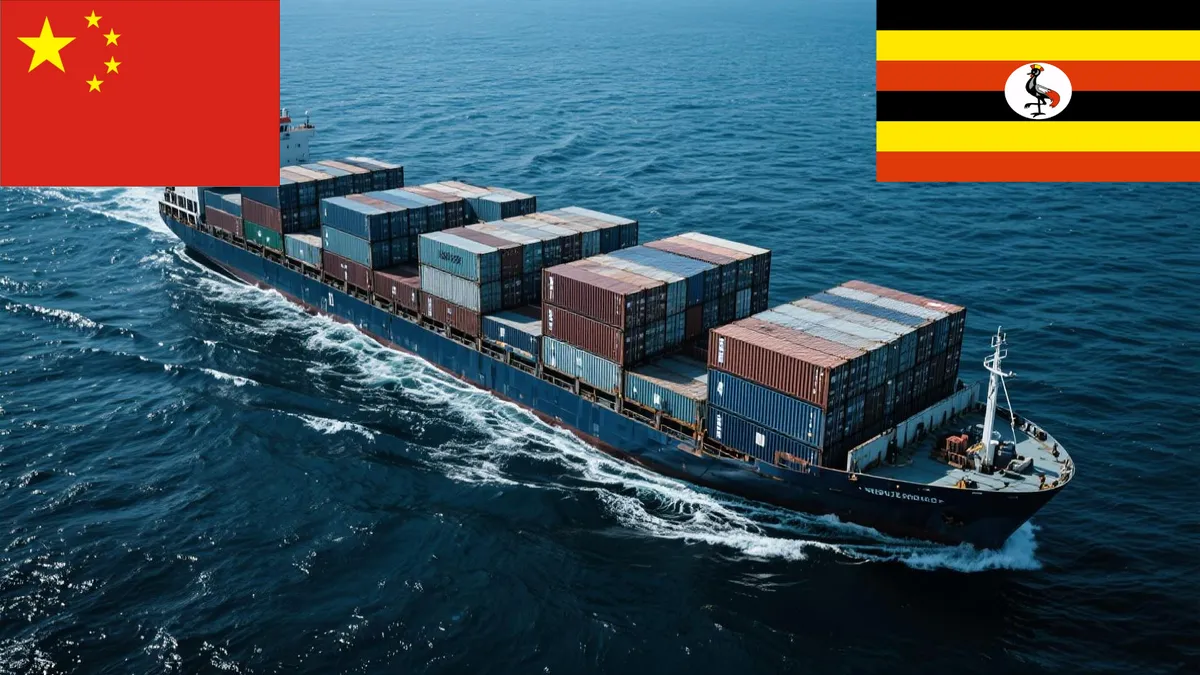
Main Ports in China and Uganda
Main Ports in China
When considering sea shipping from China to Uganda, choosing the right departure port is essential for optimizing cost, time, and cargo handling efficiency. China boasts some of the world’s largest and most advanced seaports, with direct or transshipment routes to Africa.
Here are the main Chinese ports frequently used for shipments to Uganda:
Port Name | Location | Major Exports | Advantages for Uganda Trade |
|---|---|---|---|
Shanghai Port | Shanghai | Electronics, machinery, textiles | Largest container port globally; extensive Africa links |
Shenzhen Port | Guangdong | Electronics, machinery, garments | Fast customs clearance; efficient for South China manufacturing base |
Ningbo-Zhoushan Port | Zhejiang | Appliances, chemicals, auto parts | High container throughput; flexible vessel schedules |
Guangzhou Port | Guangdong | Electronics, plastics, garments | Close to major manufacturing clusters |
Qingdao Port | Shandong | Machinery, chemicals, steel | Modern facilities; robust Africa and Middle East routes |
Tianjin Port | Tianjin/Beijing | Vehicles, foodstuffs | Ideal for northern China exports |
Shipping from these ports to Uganda is typically performed using the FCL (Full Container Load) or LCL (Less than Container Load) methods. Most routes involve transshipment at major ports such as Mombasa in Kenya, before reaching Uganda via rail or road.
Main Ports in Uganda
Uganda is a landlocked country, so it does not have a seaport. Instead, international sea cargo destined for Uganda typically arrives at a neighboring country’s port and is then transported overland.
The following are the main gateway ports used for sea shipping from China to Uganda:
Port Name | Country | Cargo Flow to Uganda | Key Features |
|---|---|---|---|
Mombasa Port | Kenya | Primary entry for most Ugandan imports | Largest East Africa port; direct rail/road corridor to Uganda |
Dar es Salaam Port | Tanzania | Alternative route for southern Uganda | Efficient for southern/eastern Uganda; modernized container handling |
Port Bell (Inland) | Uganda | Receives cargo via Lake Victoria from Kenya/Tanzania | Lake port; connects to Kampala by road/rail |
Shipments are offloaded at Mombasa or Dar es Salaam, customs cleared, and then transported to Uganda by road or rail. Port Bell and Jinja are inland ports on Lake Victoria that facilitate further distribution within Uganda.
How Much Does Sea Shipping Cost from China to Uganda?
Accurate budgeting is crucial for importers and exporters. Sea shipping costs from China to Uganda depend on various factors, including the port of origin, destination, cargo volume, and shipping mode (FCL/LCL).
Cost of Shipping 20ft Container from China to Uganda
As of Q2 2024, the average sea freight cost for a 20ft container (FCL) from China to Uganda (via Mombasa) ranges as follows:
Route | Estimated FCL 20ft Cost (USD) | Transit Time (Days) |
|---|---|---|
Shanghai – Mombasa – Kampala | $3,200 – $4,200 | 35 – 45 |
Shenzhen – Mombasa – Kampala | $3,000 – $4,000 | 32 – 42 |
Ningbo – Mombasa – Kampala | $3,100 – $4,100 | 34 – 44 |
Guangzhou – Mombasa – Kampala | $3,200 – $4,200 | 33 – 43 |
Costs include ocean freight, port charges, and overland transport to Uganda (from Mombasa).
Actual charges may vary based on current fuel prices, vessel space, and seasonal demand.
Cost of Shipping 40ft Container from China to Uganda
For larger shipments, the 40ft container offers greater cost efficiency per cubic meter:
Route | Estimated FCL 40ft Cost (USD) | Transit Time (Days) |
|---|---|---|
Shanghai – Mombasa – Kampala | $5,800 – $7,200 | 35 – 45 |
Shenzhen – Mombasa – Kampala | $5,600 – $7,000 | 32 – 42 |
Ningbo – Mombasa – Kampala | $5,700 – $7,000 | 34 – 44 |
Guangzhou – Mombasa – Kampala | $5,900 – $7,100 | 33 – 43 |
For LCL shipments, rates are calculated per CBM (Cubic Meter) and are ideal for smaller volumes.
Note: These prices serve as reference rates. For the most accurate and updated quotation, please contact DTFU International Logistics Co.,Ltd, your trusted sea freight partner.
Factors Affecting Sea Freight Costs
Several variables impact the final shipping cost from China to Uganda:
Origin and Destination Ports
Shipping from inland Chinese cities requires additional domestic trucking or rail, increasing costs.Cargo Volume & Weight
FCL shipments are charged per container. LCL rates depend on volume/weight (usually per CBM/ton).Shipping Mode
FCL (Full Container Load): More cost-effective for large shipments.
LCL (Less than Container Load): Priced by volume, ideal for smaller cargo.
Seasonality & Market Fluctuations
Freight rates can rise during peak seasons (pre-holiday, back-to-school periods) due to higher demand.Transshipment & Route
Direct shipping vs. transshipment through intermediate ports affects cost and transit time.Fuel Surcharges and Bunker Adjustment Factor (BAF)
Fluctuations in fuel prices are reflected in shipping surcharges.Customs Fees and Documentation
Includes clearance, inspection, and administrative fees both at origin and destination.Overland Transport to Uganda
Road/rail fees from Mombasa or Dar es Salaam to Kampala are factored into the total cost.Cargo Insurance
Optional but highly recommended; protects your goods against loss or damage in transit.Special Handling / OOG Freight
Oversized or delicate cargo requires special equipment and handling, incurring additional fees.
How Long Does Sea Shipping Take from China to Uganda?
When considering sea shipping from China to Uganda, transit time is a critical factor for importers, exporters, and logistics managers. The overall shipping duration depends on several factors, including the shipping method (LCL or FCL), port pair, cargo type, and customs clearance processes. Below is a comprehensive analysis of shipping times and influencing factors, providing you with clear, practical guidance for your logistics planning.
LCL Shipping Time from China to Uganda
LCL (Less than Container Load) shipping is suitable for smaller shipments that do not require a full container. In this mode, your cargo shares container space with other consignments, which can affect transit time due to consolidation and deconsolidation processes.
Typical LCL Shipping Timeline
Departure Port (China) | Destination Port (Uganda) | Average Transit Time (Days) |
|---|---|---|
Shanghai Port | Mombasa Port (transit to Uganda via road/rail) | 30-38 |
Shenzhen Port | Mombasa Port | 28-36 |
Ningbo Port | Mombasa Port | 29-37 |
Guangzhou Port | Mombasa Port | 28-36 |
Qingdao Port | Mombasa Port | 31-39 |
Note: Since Uganda is a landlocked country, sea shipments usually arrive at Mombasa Port (Kenya) and are then transported by road or rail to Kampala (the capital of Uganda). The above transit time includes sea leg and average land transportation.
Key Points for LCL:
Transit times can be 3–7 days longer than FCL due to consolidation at origin and deconsolidation at destination.
Schedule variability is higher; plan ahead and allow for extra buffer when using LCL.
FCL Shipping Time from China to Uganda
FCL (Full Container Load) shipments are typically faster, more predictable, and more secure. You have exclusive use of the container, which minimizes handling and reduces the risk of delays.
Typical FCL Shipping Timeline
Departure Port (China) | Destination Port (Uganda) | Average Transit Time (Days) |
|---|---|---|
Shanghai Port | Mombasa Port → Kampala | 25-32 |
Shenzhen Port | Mombasa Port → Kampala | 23-30 |
Ningbo Port | Mombasa Port → Kampala | 24-31 |
Guangzhou Port | Mombasa Port → Kampala | 23-30 |
Key Points for FCL:
Faster handling and less risk of delay compared to LCL.
FCL is preferred for time-sensitive or high-volume shipments.
Factors Affecting Sea Shipping Transit Time
Shipping times from China to Uganda are influenced by several external and internal factors. Understanding these helps you better plan and manage expectations:
Port Congestion: Busy periods at major ports like Shanghai or Mombasa can cause delays, especially during peak shipping seasons.
Shipping Route: Direct sailings are faster, but some routes require transshipments, leading to longer transit times.
Customs Clearance: Efficient customs processes in both China and Uganda (and in transit countries like Kenya) affect overall timeframes.
Weather and Seasonal Factors: Monsoon seasons or extreme weather events can disrupt schedules.
Carrier Reliability: Different shipping lines have varying performance records. Working with a reliable freight forwarder like DTFU International Logistics Co.,Ltd ensures access to the most efficient routes and carriers.
Land Transport to Uganda: After sea arrival at Mombasa Port, cargo must transit by road or rail to Uganda. Border crossing at Malaba or Busia can sometimes cause extra delays due to customs or congestion.
Documentation and Compliance: Missing or incorrect shipping documents can lead to customs delays.
Quick Tips:
Always consult your logistics partner for the latest schedules.
During peak seasons (e.g., pre-Christmas, Chinese New Year), book early and consider possible delays.
Stay updated on regional logistics news and infrastructure developments in East Africa.
How to Import Cargo from China to Uganda by Sea
Importing goods from China to Uganda via sea freight involves a series of well-defined steps. Proper planning and adherence to regulations are crucial for smooth operations. Here is a detailed, step-by-step guide based on the latest logistics best practices:
Step 1: Product Sourcing and Supplier Coordination
Identify reliable Chinese suppliers, confirm product specifications, and negotiate trade terms (e.g., FOB, CIF).
Ensure your supplier understands packing requirements for sea freight and provides all necessary shipping documents.
Step 2: Choose the Right Freight Forwarder
Select an experienced freight forwarder such as DTFU International Logistics Co.,Ltd, who offers one-stop logistics services, including Sea Freight, Cargo Insurance, Warehousing, Customs Clearance, and Door-to-Door Delivery.
Discuss your cargo details: volume, weight, nature of goods, preferred shipping method (LCL or FCL), and delivery timeline.
Step 3: Booking and Shipping Preparation
Book your space on a vessel through your freight forwarder.
Prepare shipping documents: Commercial Invoice, Packing List, Bill of Lading, Certificate of Origin, and any special certificates required by Ugandan authorities.
Step 4: Cargo Pickup and Consolidation
Arrange for cargo pickup from your supplier’s warehouse (if needed).
For LCL, goods are consolidated at a warehouse; for FCL, the container can be loaded directly at the supplier’s facility.
Step 5: Export Customs Clearance in China
Ensure your cargo is correctly declared to Chinese Customs.
Your freight forwarder can handle the clearance process, including any required export licenses.
Step 6: Sea Transport to Mombasa Port
Cargo sails from the chosen Chinese Port to Mombasa Port.
Typical sea transit: 20–28 days.
Step 7: Import Customs Clearance at Mombasa Port
Upon arrival, clearing agents process import documentation for transit to Uganda.
Pay relevant port charges and arrange for transit documentation (e.g., EAC Certificate of Transit).
Step 8: Inland Transportation from Mombasa to Uganda
Choose between road or rail for inland transportation to Kampala or other Ugandan destinations.
This leg takes 5–10 days, depending on congestion and border crossing efficiency.
Step 9: Import Customs Clearance in Uganda
Register your import with the Uganda Revenue Authority (URA).
Pay any applicable duties and taxes (refer to the latest tariff schedule).
Complete final customs clearance.
Step 10: Delivery to Final Destination
Arrange last-mile delivery to your warehouse, office, or distribution center.
Ensure all goods are inspected and received as per the contract.
Import Tax and Duty Instructions for Exports from China to Uganda
When importing goods from China to Uganda by sea shipping, understanding import taxes and duties is crucial for cost planning and regulatory compliance. Ugandan customs regulations and tax policies are subject to frequent updates, and being well-informed ensures a smooth and efficient clearance process.
1. Key Import Taxes and Duties in Uganda
Tax/Duty Type | Applicable Rate/Range | Description |
|---|---|---|
Import Duty | 0%–25% (depends on product category) | Based on the CIF value (Cost, Insurance, Freight) of goods. |
Value Added Tax (VAT) | Standard 18% | Levied on the customs value plus import duty and any other applicable taxes. |
Withholding Tax | 6% | Applied on the customs value of imported goods. |
Excise Duty | Varies (on specific products) | Applies to products like beverages, tobacco, and oil. |
Infrastructure Levy | 1.5% | Applied to the customs value of imported goods. |
Import Declaration Fee | US$ 50 per consignment | Mandatory for all imports. |
Customs Processing Fee | USh 5,000 (Ugandan Shillings) | For processing import declaration forms. |
Note: These rates are based on the latest Uganda Revenue Authority (URA) guidelines as of 2024. Actual rates may vary according to product HS codes and government updates.
2. Customs Valuation and Documentation
The customs value in Uganda is generally based on the CIF price. This means your total tax liability is calculated after including:
Product cost (ex-factory or FOB)
Sea freight cost
Insurance cost
Essential Documents for Sea Shipping Exports:
Bill of Lading
Commercial Invoice
Packing List
Certificate of Origin (often required for preferential import duty under trade agreements)
Import Declaration Form (IDF)
Proforma Invoice (for initial customs assessment)
3. Duty Exemptions and Special Regimes
Uganda offers duty exemptions or reduced rates for certain categories, such as:
Goods imported for government, NGOs, or donors (subject to approval)
Raw materials and machinery for manufacturing (with proper documentation)
Products under COMESA or EAC trade agreements (requires Certificate of Origin)
4. Tips for Smooth Customs Clearance
Classify your products correctly under the Harmonized System (HS) code to determine accurate duty rates.
Prepare all shipping and commercial documents before vessel arrival.
Work with an experienced freight forwarder like DTFU International Logistics Co.,Ltd to navigate Ugandan customs procedures.
Stay updated on regulatory changes via the Uganda Revenue Authority (URA) website.
5. Duty and Tax Calculation Example
Suppose you are importing electronics worth USD 10,000 CIF, with a 10% import duty:
Item | Calculation | Amount (USD) |
|---|---|---|
CIF Value | — | 10,000 |
Import Duty (10%) | 10,000 × 10% | 1,000 |
VAT (18%) | (10,000 + 1,000) × 18% | 1,980 |
Withholding Tax (6%) | 10,000 × 6% | 600 |
Infrastructure Levy (1.5%) | 10,000 × 1.5% | 150 |
Total Taxes & Duties | — | 3,730 |
This table provides an indicative calculation. For exact duty and tax liabilities, consult with customs or your freight forwarding partner.
Why Choose DTFU Logistics for Your China-Uganda Sea Shipping?
Selecting the right freight forwarder is essential for successful and economical sea shipping from China to Uganda. Here’s why DTFU International Logistics Co.,Ltd stands out as your trusted logistics partner:
1. Unmatched Professionalism and Experience
DTFU International Logistics Co.,Ltd is a highly professional, cost-effective, and high-quality one-stop international logistics service provider with over a decade of hands-on experience.
Led by logistics experts like Ivan Chan (Senior Logistics Analyst), our team understands both the Chinese and Ugandan markets, offering tailored solutions for diverse industries.
2. Comprehensive Range of Services
We provide a full suite of international logistics services to streamline your supply chain:
Sea Freight (FCL/LCL)
Road Freight
Air Freight
Amazon FBA Shipping
Warehouse Solutions (in China and Uganda)
Cargo Insurance Services
One-stop Customs Clearance
Door to Door Delivery
OOG (Out-of-Gauge) Freight
Consolidated Freight
Breakbulk Freight
This ensures you can handle every step of your China-Uganda shipping process with one reliable partner.
3. Deep Market Knowledge & Regulatory Compliance
We keep abreast of the latest regulatory updates in both China and Uganda, ensuring your shipments are fully compliant with customs, tax, and trade requirements.
Our experts assist with product classification, documentation, and duty optimization, helping you avoid costly delays and penalties.
4. Transparent Pricing and Tailored Solutions
DTFU Logistics provides clear, upfront quotations with no hidden charges.
We offer customized logistics solutions—from economy LCL shipments for small businesses to full-scale FCL operations for large enterprises, always optimizing for speed, reliability, and cost.
5. Advanced Tracking and Customer Support
Our clients benefit from real-time shipment tracking and proactive communication at every step.
Dedicated account managers are available for personalized support, addressing questions or urgent issues promptly.
6. Strong Network and Partnerships
With established relationships at major Chinese ports (like Shanghai, Shenzhen, Ningbo) and Ugandan gateways (Mombasa, Kampala ICD, etc.), we guarantee reliable and timely deliveries.
We cooperate with reputable carriers, port authorities, and customs brokers in both regions.
7. Client Testimonials and Proven Track Record
Hundreds of satisfied clients from various sectors have chosen DTFU International Logistics Co.,Ltd for their China-Uganda freight needs.
Our commitment to efficiency, security, and customer satisfaction is reflected in our high retention and referral rates.
For customized quotes or further inquiries, contact us at DTFU Logistics and let our expertise work for you.