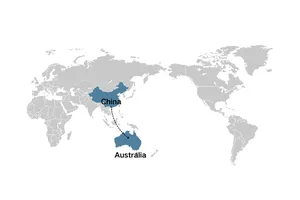
Are you looking to streamline your air shipping from China to Australia but feeling overwhelmed by all the details? Understanding the main airports, shipping durations, freight costs, and tariff rates is crucial for smooth logistics. In this comprehensive guide, we'll cover everything you need to know about air freight, from key airports to professional freight forwarding tips, ensuring your shipment process is fast, cost-effective, and hassle-free.
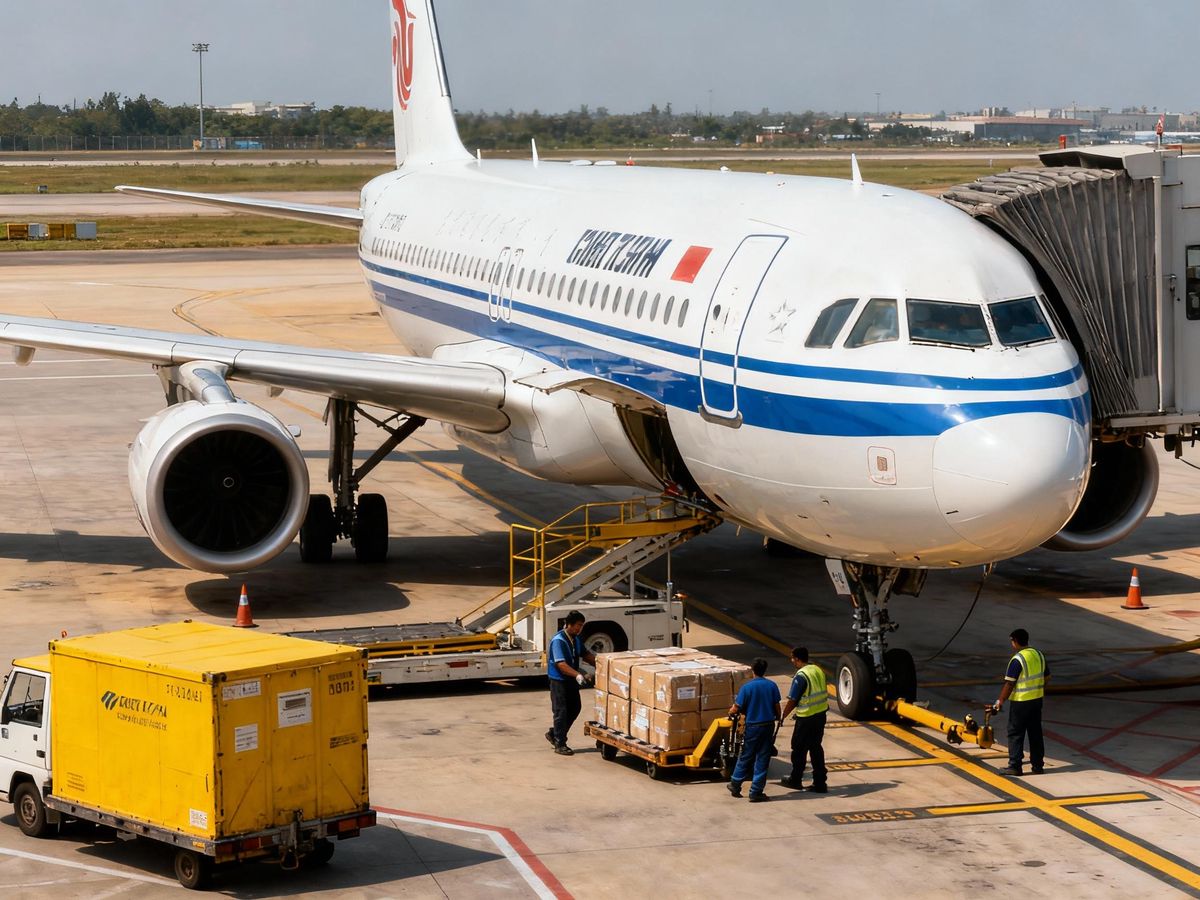
Main airport in China and Australia
Main Airports in China
Air shipping between China and Australia is primarily handled through several key international airports that have robust cargo handling capabilities and extensive connections to major Australian cities. The following are the most significant cargo airports in China for shipments to Australia:
| Airport Name | IATA Code | Location | Key Features |
|---|---|---|---|
| Shanghai Pudong International Airport | PVG | Shanghai | Largest air cargo hub in China; direct flights to most major global destinations; advanced logistics infrastructure. |
| Guangzhou Baiyun International Airport | CAN | Guangzhou | Major South China cargo hub; ideal for electronics, garments, and machinery exports. |
| Beijing Capital International Airport | PEK | Beijing | Northern China’s primary air gateway; excellent for commercial cargo and e-commerce. |
| Shenzhen Bao’an International Airport | SZX | Shenzhen | Close to manufacturing centers; strong for high-tech and cross-border e-commerce. |
| Hangzhou Xiaoshan International Airport | HGH | Hangzhou | Strategic for East China exporters; popular with e-commerce shipments. |
| Chengdu Shuangliu International Airport | CTU | Chengdu | Key for Western China exports; expanding cargo facilities. |
| Zhengzhou Xinzheng International Airport | CGO | Zhengzhou | Hub for electronics; Foxconn's major export gateway. |
These airports are well-equipped with modern cargo terminals, customs clearance facilities, cold chain solutions, and are serviced by major airlines operating regular air shipping from China to Australia. Choosing the right airport can optimize shipping time, cost, and route flexibility, depending on the origin of your goods.
Main Airports in Australia
For imports arriving from China, the following are the main Australian airports handling international air cargo:
| Airport Name | IATA Code | Location | Key Features |
|---|---|---|---|
| Sydney Kingsford Smith Airport | SYD | Sydney | Largest air cargo terminal in Australia; extensive customs and bonded warehousing. |
| Melbourne Tullamarine Airport | MEL | Melbourne | Major gateway for southern Australia; high frequency of China-Australia flights. |
| Brisbane Airport | BNE | Brisbane | Key for Queensland and northern Australia; well connected to China’s main airports. |
| Perth Airport | PER | Perth | Important for Western Australia; direct flights to China’s western airports. |
| Adelaide Airport | ADL | Adelaide | Ideal for South Australian imports; increasing focus on perishables and pharma. |
These airports provide efficient customs clearance, advanced security checks, and options for further domestic distribution throughout Australia.
Trends & Insights:
In recent years, Sydney and Melbourne have seen significant growth in e-commerce and high-value electronics imports from China. There’s also a strong increase in perishables and pharmaceuticals, requiring specialized handling, which these airports are equipped to provide.
For those considering alternatives, you may also want to compare options such as Sea Shipping From China Australia for larger volumes or different cost structures.
How long does air shipping take from China to Australia?
The transit time for air freight between China and Australia depends on several factors, including the chosen airport pair, flight frequency, whether the service is direct or requires a stopover, customs clearance times, and the type of air shipping service selected (express, standard, or economy).
Typical Air Freight Transit Time Table:
| Route (Airport Pair) | Direct Flight? | Estimated Transit Time (Airport to Airport) | Door-to-Door Delivery (Approx.) |
|---|---|---|---|
| Shanghai (PVG) – Sydney (SYD) | Yes | 1–2 days | 3–5 days |
| Guangzhou (CAN) – Melbourne (MEL) | Yes | 1–2 days | 3–5 days |
| Beijing (PEK) – Brisbane (BNE) | Yes | 1–2 days | 4–6 days |
| Shenzhen (SZX) – Perth (PER) | Yes (limited) | 2 days | 4–6 days |
| Hangzhou (HGH) – Adelaide (ADL) | Via transfer | 2–3 days | 5–7 days |
Key Factors Influencing Transit Time:
- Direct vs. Transshipment: Direct flights save time, while transshipment (via Singapore, Hong Kong, etc.) adds 1-2 days.
- Type of Service: Express air freight (such as via DHL, UPS) can be faster but is more expensive; standard/consolidated air freight may take a day or two longer.
- Customs Clearance: Efficient documentation and pre-clearance can reduce delays. Australia is known for strict biosecurity checks—ensure all paperwork is in order.
- Peak Seasons: During Chinese New Year, Christmas, and other major holidays, capacity may be tight, and transit times may extend by 1-3 days.
Expert Advice:
For urgent shipments, always choose direct flights between major airports and use experienced providers like DTFU International Logistics Co.,Ltd, who can coordinate pre-booked cargo space, priority handling, and provide real-time tracking.
Summary:
- Airport-to-airport air shipping from China to Australia usually takes 1–3 days.
- Door-to-door delivery, depending on origin and destination cities, customs, and last-mile logistics, typically requires 3–7 days.
- As explored in our Shipping cost from China to Australia article, planning ahead and working with a professional freight forwarder ensures timely and cost-effective deliveries.
How much is air freight from China to Australia per kg?
When shipping goods via air freight from China to Australia, the cost per kilogram (per kg) is influenced by several key factors: the type of cargo, total weight and volume, departure and arrival airports, service level (standard, express, or economy), fuel surcharges, and market demand. As of early 2024, rates are dynamic, reflecting seasonal fluctuations and broader supply chain trends.
Typical Air Freight Rate Ranges
Here is an up-to-date overview of the average air freight rates from major Chinese airports (such as Shanghai Pudong (PVG), Guangzhou Baiyun (CAN), Shenzhen Bao'an (SZX)) to principal Australian airports (Sydney (SYD), Melbourne (MEL), Brisbane (BNE)):
| Route | General Cargo (USD/kg) | Express/E-commerce (USD/kg) | Special Cargo (USD/kg) |
|---|---|---|---|
| Shanghai (PVG) → Sydney (SYD) | 4.5 – 7.0 | 7.5 – 10.5 | 8.0 – 15.0 |
| Guangzhou (CAN) → Melbourne (MEL) | 4.2 – 6.8 | 7.0 – 10.0 | 7.5 – 14.5 |
| Shenzhen (SZX) → Brisbane (BNE) | 4.8 – 7.5 | 8.0 – 11.5 | 8.5 – 16.0 |
Notes:
- General Cargo: Includes regular commercial goods.
- Express/E-commerce: Faster delivery, suited for cross-border e-commerce shipments.
- Special Cargo: Refers to temperature-sensitive, oversized, or hazardous goods.
Key Factors Affecting Air Freight Rates
- Weight Breaks: Larger shipments (over 100kg, 300kg, 500kg, 1000kg) benefit from lower per kg rates.
- Chargeable Weight: Airlines charge based on the greater of actual weight or volumetric weight (Length × Width × Height in cm ÷ 6000).
- Fuel and Security Surcharges: These are adjusted monthly by airlines.
- Seasonal Demand: Peak seasons (e.g., before Chinese New Year or Australia’s Christmas rush) see higher rates.
- Value-added Services: Door-to-door delivery, insurance, customs clearance, and warehousing affect the total cost.
For those seeking integrated logistics solutions, Door to Door Shipping from China to Australia can provide further insights on combining air freight with comprehensive delivery services.
Contact us for a personalized quote based on your specific shipping requirements.
What is the tariff rate for imports from China to Australia?
When importing goods from China to Australia via air shipping, understanding Australian import tariffs and duties is critical for cost planning and compliance. The tariff structure depends on the product’s HS (Harmonized System) code, product value, trade agreements, and applicable taxes.
Australia-China Trade Agreement
Since the implementation of the China-Australia Free Trade Agreement (ChAFTA) in 2015, tariffs on most goods imported from China have been significantly reduced or eliminated.
- Originating Goods: Most goods manufactured in China and meeting ChAFTA rules of origin can enter Australia duty-free.
- Non-originating Goods: Tariffs may still apply if origin requirements are not met.
Typical Duties and Taxes
| Item | Rate/Requirement |
|---|---|
| Customs Duty | 0% (for most goods under ChAFTA) |
| Goods and Services Tax (GST) | 10% of CIF (Cost + Insurance + Freight) + Duty |
| Luxury Car Tax, Excise, Quarantine Fee | Applicable for specific products |
| Customs Clearance/Import Processing | AUD 50 (for consignments over AUD 1,000) |
Example Calculation:
If you import electronics (eligible for 0% duty under ChAFTA) with CIF value of AUD 5,000:
- Customs Duty = 0%
- GST = 10% × (AUD 5,000) = AUD 500
- Total Payable = AUD 500 GST + AUD 50 processing = AUD 550
Documentation Requirements
- Commercial Invoice
- Packing List
- Air Waybill
- Certificate of Origin (to claim ChAFTA preference)
- Import Permit (if required, e.g., for restricted items)
For additional information on customs and clearance, our Customs Clearance services provide step-by-step support for all importers to Australia.
How to Ship by Air from China to Australia
Shipping by air from China to Australia is a strategic choice for businesses and individuals seeking fast, reliable, and secure delivery. This section provides a comprehensive, step-by-step guide based on real-world logistics experience, helping you navigate the process from initial planning to successful cargo arrival.
Step 1: Identify Shipping Requirements
Begin by defining your shipping needs:
- Cargo Type: General goods, perishables, hazardous materials, or oversized cargo.
- Volume & Weight: Airlines calculate charges based on the greater of actual weight or volumetric weight.
- Urgency: Determine if you need standard, express, or consolidated air freight.
Step 2: Choose the Right Airports
Selecting the appropriate origin airport in China and destination airport in Australia impacts cost and transit time. Major air cargo hubs like Shanghai Pudong International Airport (PVG) and Guangzhou Baiyun International Airport (CAN) in China, and Sydney Kingsford Smith Airport (SYD) or Melbourne Airport (MEL) in Australia, offer frequent direct and connecting flights for cargo.
Step 3: Prepare Documentation
Proper paperwork ensures smooth customs clearance and compliance:
- Commercial Invoice
- Packing List
- Air Waybill (AWB)
- Export/Import Licenses (if required)
- Certificates (e.g., fumigation, origin, MSDS for chemicals)
Step 4: Book Your Air Freight Service
You can work directly with airlines or, preferably, engage a professional freight forwarder like DTFU International Logistics Co.,Ltd. We help you:
- Select the best route and carrier for cost/efficiency
- Consolidate cargo to reduce cost (if applicable)
- Arrange insurance and door-to-door services if needed
Step 5: Cargo Pickup and Export Customs Clearance
- Your cargo is collected from the supplier or your warehouse.
- Customs paperwork is prepared and submitted for approval.
- The freight forwarder coordinates export clearance at the departure Chinese airport.
Step 6: Air Transportation
- Cargo is loaded, tracked in real-time, and transported to Australia.
- Transit times vary (usually 2-7 days, depending on the service and route).
Step 7: Import Customs Clearance in Australia
- Upon arrival, cargo undergoes Australian Border Force inspection and clearance.
- Duties and GST are assessed based on customs declaration and product HS code.
- A reliable forwarder will ensure compliance, minimizing delays or penalties.
Step 8: Delivery to Final Destination
- After clearance, cargo is delivered to your designated address (warehouse, Amazon FBA center, office, or residence).
Typical Air Freight Process Timeline
| Step | Typical Timeframe |
|---|---|
| Booking & Pickup | 1-2 days |
| Export Customs Clearance | 1 day |
| Flight Transit (China to Australia) | 1-3 days (direct flight) |
| Import Customs Clearance | 1-2 days |
| Final Delivery | 1-2 days |
| Total Estimated Time | 4-10 days |
Note: Exact duration depends on service level, airports, and customs efficiency.
Pro Tips for Efficient Air Shipping
- Always use accurate commodity codes (HS code) to avoid customs delays.
- For high-value shipments, consider cargo insurance.
- Track your air waybill online for real-time updates.
- For e-commerce sellers, select forwarders with strong Amazon FBA capabilities.
As we mentioned previously, combining Door to Door Shipping from China to Australia with air shipping can streamline the process from pickup to delivery across all steps.
The Professional Freight Forwarder with Rich Experience in International Air Freight
Choosing a competent and reliable freight forwarder is critical for a successful air shipment between China and Australia. As a leading provider in the industry, DTFU International Logistics Co.,Ltd stands out for its expertise and customer-centric solutions.
Why DTFU International Logistics Co.,Ltd?
- Extensive Experience: With over a decade in international air freight, we deeply understand the complexities of global logistics, customs regulations, and carrier networks between China and Australia.
- Comprehensive Services:
- Air Freight: Direct, consolidated, express, and charter services.
- Sea Freight, Road Freight, and OOG Freight for multimodal needs.
- Amazon FBA and e-commerce solutions.
- Warehousing and cargo insurance services for end-to-end supply chain security.
- One-stop customs clearance and door-to-door delivery.
- Consolidated Freight and Breakbulk Freight for flexible cargo management.
- Cost-effectiveness: Our broad carrier partnerships and consolidated shipping solutions help lower your freight costs.
- Professional Guidance: Every shipment is handled by experienced logistics specialists who offer:
- Accurate quotation and cost breakdown
- Route and carrier optimization
- Documentation support
- Customs compliance advice based on latest Australian and Chinese regulations
- Real-time Tracking & Transparency: Our digital systems enable full visibility from origin to destination.
- Trusted by Global Traders: Our client portfolio spans major importers & exporters, cross-border e-commerce sellers, and manufacturers.
Choosing the Right Forwarder: What to Look For
| Criteria | DTFU International Logistics Co.,Ltd |
|---|---|
| Years of Experience | 10+ |
| Customs Clearance Support | Complete & Proactive |
| Range of Services | Air, Sea, Road, Amazon FBA, etc |
| Insurance & Risk Management | Full Coverage |
| Door-to-Door Solutions | Available |
| Online Tracking | Yes |
| Multilingual Customer Support | Yes |
Shipping by air from China to Australia involves multiple steps and compliance checkpoints. Partnering with an experienced and professional freight forwarder like DTFU International Logistics Co.,Ltd ensures your cargo moves efficiently, legally, and with full transparency—delivering peace of mind and competitive advantage in your global trade.