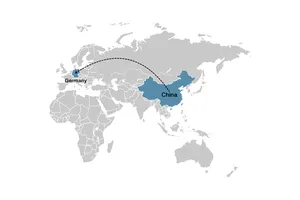
Are you wondering how long it takes for your goods to make the journey between China and Germany? Understanding shipping time from China to Germany is crucial for businesses seeking efficiency and reliability. In this comprehensive guide, we’ll explore all the key factors, from transit times and freight options to cost implications and customs clearance, ensuring you make informed decisions for your next shipment.
Key Factors Influencing Transit Times
When evaluating shipping time from China to Germany, several critical factors come into play. Understanding these elements allows importers, exporters, and logistics professionals to make informed decisions and optimize transit schedules:
-
Chosen Shipping Mode: The mode—Sea Freight (FCL/LCL), Air Freight, or Rail Freight—is the primary determinant of transit time. For example, sea freight typically takes longer than air freight but is more cost-effective for bulk shipments.
-
Port Locations: The proximity of the origin and destination ports to the point of cargo collection and delivery can impact the overall shipping duration. Using major ports with frequent departures and arrivals can help reduce wait times.
-
Customs Clearance Procedures: Both in China and Germany, the efficiency of customs clearance processes and the accuracy of documentation significantly affect how fast shipments move through ports.
-
Carrier Schedules and Routing: The frequency of sailings, direct versus transshipment routes, and seasonal schedule changes can all alter the estimated transit times.
-
Peak Seasons & Holidays: Shipping during Chinese New Year, Golden Week, or European holiday periods can lead to port congestion, longer dwell times, and possible delays.
-
Weather and Geopolitical Factors: Extreme weather events (like typhoons) or disruptions such as recent Red Sea security incidents may cause route diversion and longer transit times.
-
Container Type and Consolidation: FCL shipments tend to move faster than LCL as they do not require consolidation or deconsolidation at warehouses.
As a result, working with a professional freight forwarder such as DTFU International Logistics Co., Ltd—which offers end-to-end visibility and proactive risk management—can effectively help mitigate potential delays.
Sea Freight from China to Germany
Sea Freight remains the most popular and cost-effective solution for shipping large volumes or heavy goods from China to Germany. Let’s break down the key aspects affecting shipping time.
Related reading: If you’re considering freight routes to other regions, you might also explore options like Sea shipping From China to Italy or Sea shipping from China to France for comparison.
Full Container Load (FCL) Shipping Times
FCL (Full Container Load) means your cargo exclusively occupies a full container. This method is usually faster and more secure compared to LCL, as the container is sealed at origin and only opened at destination.
Typical Transit Times (Port-to-Port):
| Route | Estimated Transit Time (Days) |
|---|---|
| Shanghai – Hamburg | 28-35 |
| Shenzhen – Hamburg | 30-38 |
| Ningbo – Bremerhaven | 29-36 |
| Qingdao – Hamburg | 32-40 |
Notes:
- Transit time may vary due to vessel schedules, direct or transshipment routes, and customs clearance delays.
- FCL is recommended for shipments of 20FT (28CBM), 40FT (56CBM), 40HQ (68CBM), or 45HQ (78CBM) containers with high-value or time-sensitive goods.
Less than Container Load (LCL) Shipping Times
LCL (Less than Container Load) is ideal for shippers who do not have enough cargo to fill a full container. Multiple consignments are consolidated into one container, leading to extra handling steps at both origin and destination.
Typical LCL Transit Times (Port-to-Port):
| Route | Estimated Transit Time (Days) |
|---|---|
| Shanghai – Hamburg | 32-42 |
| Shenzhen – Hamburg | 34-45 |
| Ningbo – Bremerhaven | 33-44 |
| Qingdao – Hamburg | 35-47 |
Key Points:
- LCL transit is usually 3-7 days longer than FCL due to consolidation/deconsolidation.
- LCL is cost-efficient for small-volume shipments but less ideal for urgent cargo.
Major Chinese Ports for Germany Shipments
China’s leading export ports to Germany play a vital role in international trade flows. Each port offers unique advantages:
| Port Name | Location | Key Features | Typical Germany Destinations |
|---|---|---|---|
| Shanghai | East China | World’s largest port, extensive service options | Hamburg, Bremerhaven |
| Shenzhen | South China | High-volume electronics exports, modern facilities | Hamburg, Bremen |
| Ningbo-Zhoushan | East China | Major container throughput, efficient customs process | Hamburg, Bremerhaven |
| Qingdao | North China | Leading for chemicals, machinery, and bulk cargo | Hamburg |
| Xiamen | Southeast China | Growth in machinery, textile exports | Hamburg, Bremen |
Current Insights (2025):
- Shanghai remains the top origin due to its vast carrier network and frequent direct routes to Europe.
- Exporters should consider proximity and cargo type when choosing the port of departure to minimize inland transportation time and cost.
Major Germany Ports for Chinese Imports
Germany is a central European logistics hub, with several ports handling large volumes of imports from China:
| Port Name | Location | Annual Throughput (TEU) | Typical Cargo Types | Connectivity |
|---|---|---|---|---|
| Hamburg | Northern Germany | ~8.3 million | Electronics, machinery, textiles | Excellent rail/road access |
| Bremerhaven | Northwest Germany | ~5.5 million | Automotive, containerized goods | Strong feeder network |
| Bremen | Northwest Germany | ~2.6 million | Breakbulk, LCL, general cargo | Linked to major highways |
Highlights:
- Port of Hamburg is the primary entry point for Chinese imports, offering fast customs clearance and direct connections to other EU countries.
- Bremerhaven specializes in containerized and automotive logistics, making it ideal for manufacturers.
- Efficient distribution networks from these ports ensure rapid onward delivery to destinations across Germany and Europe.
DTFU International Logistics Co., Ltd partners closely with these ports, offering seamless door-to-door solutions and real-time shipment tracking for full visibility.
Air Freight from China to Germany
When speed is your priority, air freight is an efficient solution for shipping from China to Germany. Depending on your cargo type, urgency, and budget, you may choose between express air freight and standard air cargo. Below is a detailed analysis to help importers, exporters, e-commerce sellers, and supply chain managers make informed decisions.
Express Air Freight Transit Times
Express air freight is the fastest shipping option, ideal for urgent or time-sensitive goods such as electronics, medical devices, and high-value products.
- Transit Time: Typically 1–3 days, including pick-up, customs clearance, and delivery to major cities in Germany (e.g., Frankfurt/Berlin/Hamburg).
- Major Providers: Leading integrators like DHL, FedEx, UPS, and TNT offer door-to-door express services.
- Route Example: From Shanghai Pudong (PVG) or Shenzhen Bao'an (SZX) to Frankfurt (FRA) or Munich (MUC).
| Origin Airport (China) | Destination Airport (Germany) | Express Air Freight Transit Time* | Typical Service Provider |
|---|---|---|---|
| Shanghai PVG | Frankfurt FRA | 1–2 days | DHL, FedEx, UPS, TNT |
| Shenzhen SZX | Munich MUC | 1–3 days | DHL, FedEx, UPS, TNT |
| Beijing PEK | Hamburg HAM | 1–2 days | DHL, FedEx, UPS |
*Transit times may vary due to seasonal fluctuations, customs processes, and route availability.
Key Benefits:
- Speed: Fastest delivery for urgent shipments.
- Reliability: Real-time tracking and guaranteed delivery timelines.
- Convenience: Door-to-door logistics, including customs clearance.
Limitations:
- Cost: Significantly higher than sea freight or standard air cargo.
- Weight/Size Restrictions: Generally suited for parcels and palletized cargo.
Further reading: For deeper insight into air freight to the region, see Air Shipping from China to Germany.
Standard Air Cargo Transit Times
Standard air cargo is a cost-effective alternative for shipments that do not require immediate delivery but still benefit from faster transit than sea freight.
- Transit Time: Usually 3–7 days, depending on the route, airline, and consolidation practices.
- Major Airlines: Lufthansa Cargo, Air China Cargo, China Southern Airlines, and others facilitate regular cargo flights.
| Origin Airport (China) | Destination Airport (Germany) | Standard Air Cargo Transit Time* | Main Airline Options |
|---|---|---|---|
| Shanghai PVG | Frankfurt FRA | 3–5 days | Lufthansa, Air China |
| Guangzhou CAN | Dusseldorf DUS | 4–6 days | China Southern, Lufthansa |
| Beijing PEK | Munich MUC | 3–7 days | Air China, Lufthansa |
*Actual duration can be impacted by cargo space availability, connecting flights, and customs inspection times.
Key Benefits:
- Balanced: Faster than ocean freight, less costly than express air.
- Capacity: Suitable for larger shipments and bulk cargo.
- Flexibility: Multiple departures each week.
Limitations:
- Slightly Slower: Not suitable for the most urgent shipments.
- Potential Delays: Consolidation and customs processes may cause minor delays.
Summary Table: Air Freight Options
| Shipping Mode | Transit Time | Typical Cargo Type | Cost | Best For |
|---|---|---|---|---|
| Express Air Freight | 1–3 days | Parcels, urgent goods | $$$$$ | Time-sensitive, high-value cargo |
| Standard Air Cargo | 3–7 days | General, bulk freight | $$$ | Non-urgent, larger shipments |
*For the latest air freight schedules and rates, consult with your logistics provider or contact DTFU International Logistics Co.,Ltd for tailored solutions.
Cost Implications of Shipping Time
Shipping time is closely linked to logistics costs. Understanding the trade-off between speed and cost can help businesses optimize their supply chain and improve profitability.
Balancing Speed and Cost
Faster transit times generally incur higher freight charges. Businesses must weigh the value of rapid delivery against the increased costs. Consider the following scenarios:
- Urgent Shipments (e.g., product launches, medical supplies): Opting for express air freight may justify the premium cost due to business needs and customer expectations.
- Non-urgent/Inventory Replenishment: Standard air cargo or even sea freight can offer considerable cost savings with acceptable delivery times.
| Shipping Method | Average Transit Time | Average Cost (per kg)* | Use Case |
|---|---|---|---|
| Express Air Freight | 1–3 days | $6–$10 | Urgent, high-value shipments |
| Standard Air Cargo | 3–7 days | $4–$7 | General cargo, moderate urgency |
| Sea Freight (FCL/LCL) | 25–40 days | $0.5–$1 | Large, non-urgent bulk shipments |
*Costs fluctuate based on fuel surcharges, route, season, and cargo specifics.
Cost Optimization Tips:
- Plan Ahead: Advance bookings can reduce freight costs.
- Consolidate Shipments: Combine multiple orders to achieve economies of scale.
- Flexible Delivery Windows: Allow for longer transit when speed is not critical.
You may also want to compare: Shipping Cost from China to Germany gives a detailed look at pricing factors specifically for this route.
Factors Affecting Shipping Costs
Several factors determine the total cost of shipping from China to Germany:
- Cargo Weight and Volume: Air freight is billed on chargeable weight (actual vs. volumetric). Optimize packaging to minimize volume.
- Shipping Mode: Express services cost more than standard or consolidated options.
- Route and Airline/Carrier Selection: Direct flights are faster but may be pricier; indirect routes save costs.
- Fuel Surcharges and Seasonal Fluctuations: Costs rise during peak demand (e.g., pre-Christmas, Chinese New Year).
- Customs Duties and Taxes: Both countries have specific import regulations and duty structures.
- Additional Services: Insurance, door-to-door delivery, storage, and warehousing can add to total costs.
| Cost Factor | Impact on Total Cost | Optimization Strategy |
|---|---|---|
| Cargo Weight/Volume | High volume increases cost | Optimize packaging, consolidate shipments |
| Transit Speed | Faster = More expensive | Select service based on urgency |
| Route Selection | Direct is faster but costlier | Consider flexible routing options |
| Seasonality | Peak seasons incur surcharges | Ship during off-peak periods |
| Customs & Documentation | Errors cause delays/fines | Ensure accurate paperwork, use experts |
Choosing the appropriate shipping mode from China to Germany is essential for cost-effective and reliable supply chain management. By understanding transit times, weighing costs, and leveraging professional logistics services, you can optimize your global trade operations. For a tailored solution or consultation, reach out to DTFU International Logistics Co.,Ltd—your trusted partner in international freight forwarding.
Navigating Customs and Documentation for Timely Delivery
Efficient customs clearance is a critical factor influencing the shipping time from China to Germany. Understanding the processes, requirements, and essential documents ensures your cargo avoids unnecessary delays and additional costs.
Recommended resource: If you’re interested in customs and door-to-door solutions for European markets, check out Door to door shipping from China to Germany.
Chinese Customs Clearance Process
The Chinese Customs clearance process for exports typically involves several key steps:
- Pre-shipment Inspection: Certain goods may require inspection and quarantine by the relevant authorities (e.g., AQSIQ).
- Export Declaration: The shipper or their appointed freight forwarder submits the declaration via the China Customs electronic platform, uploading all necessary documentation.
- Customs Assessment: Customs reviews the submitted documents, inspects goods where necessary, and assesses duties or taxes if applicable.
- Release of Cargo: Once cleared, customs issues a release note, and your goods can proceed to the port for loading.
Common documents required for Chinese export customs:
| Document Name | Purpose |
|---|---|
| Commercial Invoice | Proof of transaction and valuation |
| Packing List | Details of goods and packaging |
| Bill of Lading | Shipping contract and cargo receipt |
| Export License (if needed) | Authorization for controlled goods |
| Certificate of Origin | Proof of manufacturing country, needed for tariff purposes |
| Contract | Buyer-seller agreement |
Tips:
- Ensure all information is accurate and consistent across documents.
- Electronic data submission is standard, but keep paper copies available as some authorities may request them.
Germany Customs Clearance Requirements
When your shipment arrives in Germany, it must pass through German Customs (Zoll). The process involves:
- Arrival Notification: The consignee or their appointed freight forwarder (e.g., DTFU International Logistics Co.,Ltd) receives a notice of arrival.
- Import Declaration: A customs declaration is submitted, usually via the ATLAS electronic system, detailing the goods, value, and origin.
- Document Check and Goods Inspection: Customs may request supporting documents or physically inspect the cargo, particularly for high-risk or high-value shipments.
- Duty & VAT Assessment: Duties and import VAT are calculated based on the declared value, classification, and origin.
- Release & Delivery: Once cleared, goods are released for delivery to the final destination.
Documents commonly required for import customs in Germany:
| Document Name | Purpose |
|---|---|
| Commercial Invoice | Value assessment for duties & VAT |
| Packing List | Quantity and packaging details |
| Bill of Lading / Air Waybill | Proof of shipment |
| Certificate of Origin | Tariff and trade compliance |
| Import License (if needed) | For controlled or restricted items |
| Customs Declarations (EORI number) | Required for all businesses importing goods |
Tips:
- Your European business must possess a valid EORI number to import goods.
- Classify goods correctly using the HS code to avoid miscalculation of duties.
Essential Shipping Documents
Accurate and complete documentation is crucial to avoid customs delays. The following documents are typically required for shipping from China to Germany:
| Document | Issued By | Key Purpose |
|---|---|---|
| Bill of Lading | Carrier/Freight Forwarder | Title of goods, proof of contract, required for cargo release |
| Commercial Invoice | Exporter/Seller | Declares trade value and transaction details |
| Packing List | Exporter/Seller | Details shipment contents and packaging |
| Certificate of Origin | Chamber of Commerce/Exporter | Verifies country of manufacture for tariff purposes |
| Insurance Certificate | Insurer/Freight Forwarder | Proof of coverage during transit |
| Export/Import Licenses | Government Authorities | For restricted or regulated commodities |
| Other Certificates (e.g., phytosanitary, CE) | Relevant Authorities | For specific products as required by German/EU law |
Best Practice:
- Partner with an experienced freight forwarder like DTFU International Logistics Co.,Ltd to ensure all documentation is correct and submitted promptly, minimizing clearance delays.
Choosing the Right Shipping Method for Your Needs
Selecting the optimal shipping method is fundamental to balancing transit time, cost, and reliability for your China to Germany logistics needs.
When to Choose Sea Freight
Sea freight is ideal for large, heavy, or non-urgent shipments. It is the most cost-effective option for bulk cargo.
Key Advantages:
- Lower cost per unit for large volumes
- Flexible options: Full Container Load (FCL) and Less than Container Load (LCL)
- Suitable for a wide range of goods (except perishables and high-value, urgent cargo)
Estimated Transit Times:
- FCL: 25–35 days (port to port)
- LCL: 30–40 days (includes additional time for consolidation/deconsolidation)
When to choose:
- When shipping over 15 CBM or 10 tons
- When cost savings are more important than speed
- For goods that are not time-sensitive
When to Opt for Air Freight
Air freight is preferred for urgent, high-value, or perishable goods that require fast delivery.
Key Advantages:
- Fastest transit times (2–7 days door to door)
- High security and less risk of damage
- Reliable and frequent flight schedules
Options:
- Express Air Freight: 2–4 days (door to door, typically via couriers like DHL, FedEx, UPS)
- Standard Air Cargo: 5–7 days (airport to airport, commercial airlines)
When to choose:
- For shipments under 500 kg or when time is critical
- For high-value, sensitive, or seasonal products
- To minimize inventory holding costs
Considerations for Urgent Shipments
If your cargo is time-sensitive:
- Prioritize air freight or expedited express services.
- Ensure all documents are prepared in advance to avoid customs delays.
- Work with a proactive and experienced freight forwarder like DTFU International Logistics Co.,Ltd—our team offers door-to-door, one-stop customs clearance, and cargo insurance to secure and accelerate urgent shipments.
- Consider hybrid solutions (e.g., air-sea combined service) for a balance between speed and cost.
Tips for Expediting Your Shipments
Timely delivery from China to Germany depends on strategic planning and operational best practices. Here are actionable tips to ensure your cargo arrives as fast as possible.
Working with Reliable Freight Forwarders
A reputable freight forwarder acts as your logistics partner, managing the entire shipping process and troubleshooting potential issues.
- DTFU International Logistics Co.,Ltd provides end-to-end services—sea freight, air freight, Amazon FBA, warehousing, door-to-door, and one-stop customs clearance, ensuring seamless transit and timely arrivals.
- We offer real-time shipment tracking, proactive communication, and tailored solutions for urgent or complex shipments.
Accurate Documentation and Packaging
- Double-check all shipping documents for accuracy and completeness.
- Ensure descriptions, values, and HS codes match between the invoice and declaration.
- Use professional packaging to reduce the risk of damage and inspection delays. Properly labeled cartons and pallets facilitate smooth handling and customs checks.
Planning Around Peak Seasons
Shipping times can be significantly delayed during peak periods, such as:
- Chinese New Year (typically late January to mid-February)
- Golden Week (early October)
- European holiday seasons (Christmas and New Year)
- Global events (e.g., COVID-19 disruptions, port strikes)
Tips:
- Book shipments well in advance (2–4 weeks before peak season).
- Discuss alternative routes or flexible schedules with your freight forwarder.
- Monitor current events and adjust plans accordingly—DTFU International Logistics Co.,Ltd provides regular updates and contingency solutions.
By understanding customs requirements, choosing the best shipping mode, and adopting proactive shipment management, you can optimize the shipping time from China to Germany. For personalized consultation and professional logistics solutions, contact DTFU International Logistics Co.,Ltd—your trusted partner in international freight forwarding.