Are you wondering how sea shipping from China to Italy works, or what factors impact its cost and transit time? In this comprehensive guide, we’ll explore everything you need to know about LCL, FCL, major ports, and import duties involved in sea freight from China to Italy. Whether you’re a first-time importer or seeking the best logistics partner, this article will help you navigate every step of your shipping journey.
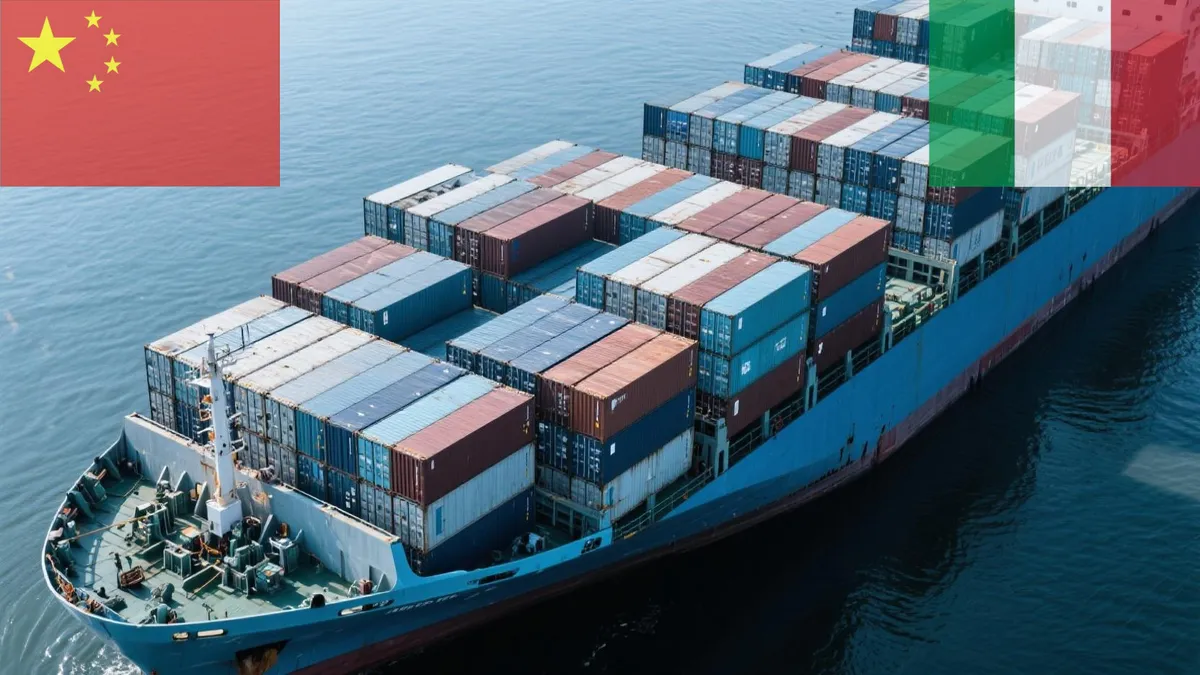
How Much Does Sea Shipping Cost from China to Italy?
When planning sea shipping from China to Italy, understanding the related costs is essential for importers. Total shipping charges can vary, depending on cargo volume, shipping method, season, and destination port. Below, you’ll find a detailed breakdown of the main cost structures and influencing factors.
LCL (Less than Container Load) Costs
LCL (Less than Container Load) shipping is ideal for smaller shipments that do not fill a full container. Charges for LCL are usually calculated by volume (CBM, or cubic meter), and occasionally by weight if the cargo is particularly heavy.
Route | Typical LCL Cost (USD/CBM) | Estimated Surcharges (Handling, Docs) |
|---|---|---|
Shanghai to Genoa | $35 – $65 | $75 – $150 |
Shenzhen to Venice | $38 – $68 | $75 – $150 |
Ningbo to Naples | $40 – $70 | $75 – $150 |
Note: Prices fluctuate due to fuel costs, cargo surcharges, and seasonal demand. You should always request a tailored quote for current rates.
FCL (Full Container Load) Costs for Sea Freight
For larger shipments, FCL (Full Container Load) is more economical, as you pay a flat rate for the entire container, regardless of whether it’s full.
Route | 20ft Container (USD) | 40ft Container (USD) | Transit Insurance (Recommended) |
|---|---|---|---|
Shanghai to Genoa | $2,000 – $2,800 | $3,500 – $4,600 | 0.2% – 0.5% of cargo value |
Shenzhen to Venice | $2,100 – $2,900 | $3,600 – $4,700 | 0.2% – 0.5% of cargo value |
Qingdao to Naples | $2,200 – $3,000 | $3,700 – $4,800 | 0.2% – 0.5% of cargo value |
Source: Freightos Baltic Index & DTFU International Logistics Co.,Ltd market data, 2025.
Additional Charges in Sea Freight
Apart from basic freight rates, there are additional charges to consider:
Port Handling Charges (both in China and Italy)
Documentation Fees (bill of lading, customs documents)
Customs Clearance Fees
Security Surcharges
Cargo Insurance
Delivery to Door (if DDP/DDU service is required)
Demurrage and Storage Fees (if containers are not picked up in time)
Factors Affecting Sea Freight Costs
Several factors can influence the cost of sea shipping from China to Italy:
Seasonality: Rates peak before major holidays (e.g., Chinese New Year, Christmas) and during global shipping disruptions (e.g., Red Sea crisis in 2025).
Fuel Surcharges: Bunker Adjustment Factors (BAF) are subject to oil price changes.
Cargo Type: Hazardous or oversized cargo incurs extra fees.
Exchange Rate Volatility: Freight rates are often quoted in USD. Fluctuations can impact final costs.
Port Congestion: Increased congestion can add surcharges and delays.
DTFU International Logistics Co.,Ltd offers transparent pricing and tailored solutions, ensuring you always get cost-effective and up-to-date freight quotes.
How Long Does Sea Shipping Take from China to Italy?
Transit times for sea shipping from China to Italy depend on the shipping method, origin and destination ports, and other logistical considerations. Here’s a comprehensive overview:
LCL (Less than Container Load) Transit Time
LCL shipments typically take longer than FCL, as they require cargo consolidation and deconsolidation at both ends.
Origin Port | Destination Port | Typical LCL Transit Time (Days) |
|---|---|---|
Shanghai | Genoa | 30 – 38 |
Shenzhen | Venice | 32 – 40 |
Ningbo | Naples | 31 – 39 |
The extra handling involved in LCL shipping adds 2-5 days to the total transit time.
FCL (Full Container Load) Transit Time
FCL shipments move more directly, as entire containers are shipped from consignor to consignee without re-handling.
Origin Port | Destination Port | Typical FCL Transit Time (Days) |
|---|---|---|
Shanghai | Genoa | 25 – 32 |
Shenzhen | Venice | 27 – 35 |
Qingdao | Naples | 26 – 34 |
Source: DTFU International Logistics Co.,Ltd operational data, Sep 2025.
Factors Affecting Sea Shipping Transit Time
Port Congestion: Congestion at major ports in China or Italy can cause delays.
Customs Clearance: Delays in documentation or inspections can extend transit time.
Transshipment: Some routes may include transshipment stops, increasing total duration.
Weather Conditions: Severe weather (e.g., typhoons in the South China Sea) can impact schedules.
Current Geopolitical Events: For example, in 2025, re-routing due to the Red Sea crisis is causing longer transit times on certain route.
Practical Recommendations for Sea Shipping
Plan Ahead: Book shipments at least 4-6 weeks in advance, especially during peak seasons.
Accurate Documentation: Ensure all paperwork is correct and submitted on time to avoid delays.
Choose the Right Shipping Method: For urgent cargo, consider air freight or express sea freight solutions.
Work with a Trusted Freight Forwarder: DTFU International Logistics Co.,Ltd provides real-time tracking, expert customs advice, and end-to-end logistics support.
Monitor Global Events: Stay updated on potential disruptions, such as port strikes or international crises.
DTFU International Logistics Co.,Ltd stands out as a highly professional, cost-effective, and high-quality one-stop international logistics service provider for global traders, offering comprehensive solutions for sea freight, air freight, customs clearance, insurance, and door-to-door delivery between China and Italy.
Main Ports in China and Italy
When organizing sea shipping from China to Italy, understanding the major ports at both origin and destination is essential for optimizing costs, transit times, and logistics planning.
Main Ports in China
China, as the world’s largest exporter, has several key seaports that are critical hubs for global trade routes to Europe, including Italy. The most prominent include:
Port Name | Location | Key Features | Freight Volume (2023, TEUs) |
|---|---|---|---|
Shanghai Port | Shanghai | World’s busiest container port, advanced facilities, frequent sailings to Europe | 47 million |
Shenzhen Port | Guangdong | Major export gateway, strong electronics & tech cargo, direct lines to the Mediterranean | 30 million |
Ningbo-Zhoushan | Zhejiang | Efficient connections to European ports, high cargo capacity | 33.3 million |
Qingdao Port | Shandong | Strategic for northern China, robust container handling | 25.7 million |
Guangzhou Port | Guangdong | Key for South China manufacturing, increasing international routes | 24.6 million |
Main Ports in Italy
Italy has a strategic position in the Mediterranean Sea, acting as a gateway for goods entering the European Union from Asia. The most important Italian ports for inbound sea freight from China are:
Port Name | Location | Key Features | Typical Cargo from China |
|---|---|---|---|
Port of Genoa | Liguria region | Largest Italian port, extensive container facilities, direct services from Asia | Consumer goods, electronics, textiles |
Port of La Spezia | Liguria region | Major hub for northern Italy, efficient rail/road links to Europe | Machinery, automotive, industrial parts |
Port of Venice | Veneto region | Fast-growing, direct lines to the Far East | Chemicals, furniture, fashion products |
Port of Trieste | Friuli Venezia Giulia | Deep-water, closest EU port to Central/Eastern Europe, intermodal connections | Bulk cargo, machinery, logistics hubs |
Port of Naples | Campania region | Key entry for Southern Italy, good connections for Mediterranean transshipment | General cargo, apparel, household goods |
These ports are well-equipped to handle both LCL (Less than Container Load) and FCL (Full Container Load) shipments from China, ensuring efficient customs clearance and on-time delivery across Europe.
Import Tax and Duty Instructions for Exports from China to Italy
When importing goods from China to Italy, it is crucial to comply with European Union (EU) customs regulations. Understanding import taxes, duties, and documentation requirements will help you avoid unexpected costs and delays.
Key Points on Import Duties and Taxes:
Customs Duty: Most goods imported into Italy from China are subject to EU customs duties. The rate depends on the product’s HS code and country of origin. Use the EU TARIC database to check the latest applicable rates.
Value Added Tax (VAT): Standard VAT in Italy is 22%. VAT is calculated on the CIF (Cost + Insurance + Freight) value + customs duty.
Anti-dumping Duties: Some products, such as certain steel and electronics, may face additional anti-dumping tariffs.
Required Documentation:
Commercial Invoice
Packing List
Bill of Lading (B/L)
Certificate of Origin (if required)
Import License (for restricted goods)
Sample Duty Calculation Table:
Product Category | Typical Duty Rate | VAT | Special Notes |
|---|---|---|---|
Electronics | 0-14% | 22% | Possible anti-dumping |
Apparel & Textiles | 12% | 22% | Preferential rates may apply |
Machinery | 0-4.2% | 22% | Requires technical file |
Furniture | 0-6% | 22% | Wood packaging must comply |
Toys | 4.7% | 22% | Must meet EU safety standards |
Important: Always confirm current rates and requirements with your freight forwarder or customs broker, as EU trade policies are subject to periodic updates, particularly in response to global events or changes in EU-China relations.
Why Choose DTFU Logistics for Your China-Italy Sea Shipping?
Choosing the right freight forwarder is critical for a smooth, cost-effective, and reliable shipping experience between China and Italy. DTFU International Logistics Co.,Ltd stands out as your ideal partner for several reasons:
Expertise in China-Italy Sea Freight:
With years of experience handling both LCL (Less than Container Load) and FCL (Full Container Load) shipments, DTFU Logistics has deep expertise in the unique challenges and opportunities of the China-Italy trade lane.Comprehensive One-Stop Services:
We offer a full suite of logistics solutions, including Sea Freight, Road Freight, Air Freight, Amazon FBA, Warehouse, Cargo insurance, One-stop customs clearance, Insurance, Door to Door, OOG (Out of Gauge) Freight, Consolidated Freight, and Breakbulk Freight. This integrated approach ensures that your goods move seamlessly from supplier to your door.Professional and Transparent Processes:
Our team provides clear communication, detailed quotations, and proactive updates at every stage of the shipping process. We guide you through all customs documentation, taxes, and regulations, minimizing your compliance risks and reducing transit delays.Cost-Effective Solutions:
Leveraging our close relationships with major shipping lines and local carriers at both Chinese and Italian ports, we negotiate the most competitive rates without sacrificing service quality.High-Quality Customer Support:
Our multilingual logistics specialists are available to offer tailored advice, cargo tracking, and after-sales support, ensuring that every shipment meets your specific needs.Trusted by Global Traders:
DTFU Logistics is recognized as a highly professional, reliable, and innovative logistics partner for businesses of all sizes, from SMEs to multinational corporations. Our commitment to excellence has earned us long-term client relationships worldwide.
For importers looking for a reliable, cost-effective, and expert logistics partner for sea shipping from China to Italy, DTFU International Logistics Co.,Ltd is your best choice. Contact us for a free, tailored shipping quote and experience the difference of working with a true logistics expert.