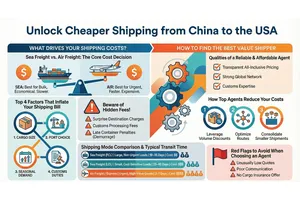
Are you wondering how much it costs to ship a container from China to the USA? With complex container shipping rates, fluctuating freight charges, and varying customs fees, it's crucial to understand every detail before making a decision. In this comprehensive guide, we’ll break down the key cost factors, shipping methods like FCL and LCL, and provide actionable tips to optimize your shipping budget from China to the United States. Let’s dive in and demystify the container shipping process!
Overview of Container Shipping from China to the USA
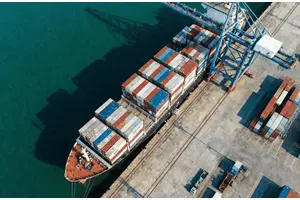
Shipping a container from China to the USA is a critical component of global trade, powering the movement of goods for industries ranging from electronics to consumer products. As global supply chains become more complex, understanding the key elements of container shipping is essential for importers, exporters, and supply chain professionals. The process involves multiple stakeholders, including shippers, freight forwarders, carriers, ports, and customs authorities on both sides.
Based on our experience managing China–USA shipments end-to-end, most goods shipped between China and the USA utilize ocean freight due to its cost-effectiveness for large volumes. However, the process is influenced by various factors such as container type, shipping method, port selection, and global events. In this guide, we’ll provide an in-depth look at the main cost drivers and operational considerations to help you answer the key question: How much to ship a container from China to USA?
Main Factors Influencing Container Shipping Rates
Understanding the variables that affect container shipping costs will help you plan more efficiently and avoid unexpected expenses. Below are the most critical factors:
Type and Size of Container: 20ft vs 40ft vs Special Containers
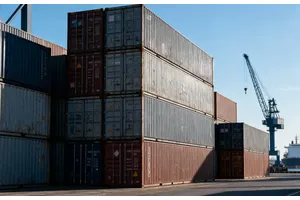
The type and size of the container directly impact shipping costs. The most common container sizes are 20ft and 40ft, but there are also 40ft High Cube (40HQ) and 45ft High Cube (45HQ) containers, as well as specialized containers for oversized or temperature-sensitive cargo.
Based on our experience quoting and booking China–USA shipments weekly, the numbers below reflect typical market ranges we see for standard dry containers in 2026 Q1 (port-to-port, excluding local charges).
| Container Type | Internal Capacity (CBM) | Typical Use | Average Ocean Freight (China to USA West Coast, 2026 Q1) |
|---|---|---|---|
| 20ft Standard | 28 CBM | Small-to-medium shipments | $1,100 – $2,200 |
| 40ft Standard | 56 CBM | Medium-to-large shipments | $1,700 – $3,300 |
| 40ft High Cube (HQ) | 68 CBM | Voluminous, lighter cargo | $1,850 – $3,500 |
| 45ft High Cube (HQ) | 78 CBM | Maximum volume, special arrangements | $2,400 – $4,300+ |
| Special Containers | Varies | Refrigerated, Open Top, Flat Rack, OOG* | Quoted case-by-case, often ~1.5×–2.5× of standard |
*OOG: Out of Gauge cargo such as machinery or construction materials.
Key Point: If your shipment approaches the maximum capacity of a 20ft container (28CBM), upgrading to a 40ft may provide better value per CBM. For oversized or special cargo, consult with a professional freight forwarder like DTFU International Logistics Co.,Ltd for tailored solutions.
For those interested in comparative costs for other popular trade routes, you may find the latest insights in 20ft & 40ft Container Cost from China to USA.
Shipping Methods: FCL vs LCL
There are two principal methods for container shipping:
- FCL (Full Container Load): You rent and fill an entire container. Best for large shipments, offering lower per-unit costs, reduced risk of damage, and faster transit.
- LCL (Less than Container Load): Your cargo shares container space with other shippers. Ideal for smaller loads, but with increased handling, risk, and sometimes higher per-unit costs.
| Shipping Method | Suitable For | Cost Structure | Transit Time* | Security/Risk |
|---|---|---|---|---|
| FCL | >15CBM or palletized | Fixed per container | 15–25 days | Low |
| LCL | Small/irregular cargo | Pay per CBM/Weight | 20–30 days | Moderate |
*Transit times are for major routes, e.g., Shanghai to Los Angeles.
Expert Tip: If your shipment is close to a full container, FCL is almost always cost-effective. For LCL, carefully pack to minimize volume and work with a reliable forwarder to avoid excessive handling fees.
Origin and Destination Ports: Popular Routes and Cost Differences
The choice of ports significantly influences both cost and transit time. Major Chinese ports include Shanghai, Shenzhen, Ningbo, and Qingdao. In the USA, main receiving ports are Los Angeles (LA), Long Beach, New York/New Jersey, and Savannah.
Based on our operations team’s lane analysis and recent carrier quotations, here is a comparative snapshot for typical FCL rates (as of 2026 Q1) from key China ports to USA ports:
| China Port | USA Port | Average Transit Time | FCL 40ft Freight Rate* |
|---|---|---|---|
| Shanghai | Los Angeles | 14–18 days | $1,700 – $3,100 |
| Shenzhen | Los Angeles | 14–18 days | $1,650 – $3,000 |
| Ningbo | New York | 25–31 days | $2,900 – $3,900 |
| Qingdao | Houston | 22–28 days | $2,700 – $3,800 |
*Rates are indicative and fluctuate based on market conditions, fuel surcharges, and seasonality.
Note: West Coast ports (such as LA/Long Beach) generally offer lower rates and shorter transit times than the East Coast due to proximity. However, final inland transport may affect total landed cost.
For a detailed look at transit times and port selection, you may also want to explore Shipping time from China to USA which provides further breakdowns for major US gateways.
Seasonal Trends and Market Fluctuations
Container shipping rates between China and the USA are highly sensitive to global trade cycles and seasonal demand:
- Peak Season: Typically, rates surge from July to October, when retailers stock up for the holiday season.
- Chinese New Year: Factory closures in China in January/February can cause early-year congestion and rate hikes.
- Off-Peak Periods: Rates may drop from March to May and in late fall, presenting cost-saving opportunities for flexible shippers.
Market Example (2026 Q1 context): Based on our experience, short-term rate spikes can still happen when carriers adjust capacity (blank sailings), when fuel costs swing, or when terminals face congestion. This is why we recommend monitoring the market and booking in advance—especially if your cargo has fixed delivery windows.
To understand the broader impact of global events on shipping and pricing, see Red Sea Shipping Returns Under Tight Security.
Impact of Global Events and Trade Policies
Global events and regulatory changes can have immediate and lasting impacts on shipping costs:
- Trade Tariffs: US-China trade tensions have led to fluctuating tariffs on affected goods, influencing overall landed costs.
- Middle East Conflict & Regional Tensions: Based on our experience in 2026 Q1, the ongoing Middle East war and related security incidents can disrupt key chokepoints like the Red Sea/Suez and create spillover risk around the Strait of Hormuz. In practice, this may trigger vessel diversions (longer transit times), tighter space, and extra costs such as War Risk Surcharge, higher insurance premiums, and fuel-driven surcharges when carriers reroute.
- Geopolitical Instability: Incidents like the Red Sea crisis or congestion at the Panama Canal can reroute vessels, extend transit times, and cause significant rate increases.
- Environmental Regulations: New IMO2020 rules and carbon taxes are pushing carriers to upgrade fleets and adjust pricing, often passing costs to shippers.
- Pandemics or Strikes: COVID-19 and port labor disputes can create global bottlenecks and price swings.
Expert Advice: Partnering with a forwarder such as DTFU International Logistics Co.,Ltd ensures you stay updated on policy changes, alternative routing, and risk mitigation strategies. We offer comprehensive services, including sea freight, air freight, customs clearance, and cargo insurance, to help clients navigate these challenges efficiently.
In summary, answering “How much to ship a container from China to USA” depends on multiple, often fluctuating factors. For precise quotes and logistics strategies, consult experienced professionals like DTFU International Logistics Co.,Ltd, your trusted partner in international shipping.
Breakdown of Container Shipping Charges
Shipping a container from China to the USA involves several cost components. Understanding each charge helps you plan and manage your international shipping budget effectively.
Freight Rates: Basic Ocean Freight Costs
The fundamental cost when shipping a container is the ocean freight rate. This cost is typically quoted as a lump sum per container (Full Container Load, FCL) or per cubic meter/ton for Less than Container Load (LCL).
The rate primarily depends on:
-
Container Size:
- 20ft container (Capacity: 28CBM)
- 40ft container (Capacity: 56CBM)
- 40HQ container (Capacity: 68CBM)
- 45HQ container (Capacity: 78CBM)
-
Route and Distance: Shipping from major ports in China (e.g., Shanghai, Shenzhen, Ningbo) to main US ports (e.g., Los Angeles, Long Beach, New York, Houston).
-
Market Conditions: Freight rates are dynamic and influenced by demand, fuel costs, and global events (like the Red Sea crisis, COVID-19 disruptions, or new tariffs).
Based on our pricing team’s weekly tracking and completed bookings, the table below shows indicative market ranges in 2026 Q1 for standard dry containers (port-to-port).*
| Route (China to USA) | 20ft Container | 40ft Container | 40HQ Container | Transit Time (days) |
|---|---|---|---|---|
| Shanghai – Los Angeles | $1,500–$2,100 | $2,200–$3,000 | $2,400–$3,200 | 15–20 |
| Shenzhen – New York | $1,900–$2,600 | $3,200–$4,100 | $3,400–$4,300 | 25–33 |
| Ningbo – Houston | $2,000–$2,700 | $3,300–$4,200 | $3,500–$4,400 | 24–32 |
*Rates fluctuate weekly and can change quickly with space and equipment availability. Please contact DTFU International Logistics Co.,Ltd for updated, route-specific quotes.
Additional Charges: Port Fees, Terminal Handling, and Documentation
Beyond basic ocean freight, you may encounter:
- Port Fees: Charged by both origin and destination ports for loading/unloading.
- Terminal Handling Charges (THC): Covers container movement within the port.
- Documentation Fees: Includes Bill of Lading, customs paperwork, and export declarations.
- Security Fees: Such as the ISPS (International Ship and Port Facility Security) Charge.
Typical Additional Charges (USD):
| Charge Type | Typical Range (USD) |
|---|---|
| Port Fees | $100–$350 |
| Terminal Handling | $150–$350 |
| Documentation | $50–$150 |
| Security Surcharge | $20–$50 |
*Exact fees vary by port and shipping line.
Customs Duties, Taxes, and Import Fees in the USA
Importing into the United States requires payment of:
- Customs Duties: Based on the HS code and product value declared on the commercial invoice.
- Merchandise Processing Fee (MPF): Usually 0.3464% of the value, minimum $27.75, maximum $538.40 per entry.
- Harbor Maintenance Fee (HMF): 0.125% of the cargo value for ocean imports.
- Other Regulatory Fees: For special goods, such as food, chemicals, or electronics.
It’s vital to classify your goods correctly to avoid delays or penalties.
Insurance and Optional Service Fees
Cargo insurance is highly recommended to protect against loss or damage during transit. While not mandatory, it mitigates risks from unforeseen events at sea or during handling.
For more in-depth information on protecting your shipments, consider reading Shipping container insurance cost for shipments from China.
-
Insurance Premium: Typically ranges from 0.15% to 0.5% of the cargo value depending on coverage level.
-
Optional Services:
- Door-to-door delivery
- Warehousing
- Cargo consolidation
- Customs brokerage
DTFU International Logistics Co.,Ltd provides comprehensive insurance and value-added services tailored to your shipment requirements.
How to Get Accurate Shipping Quotes
Securing a precise and transparent shipping quote is essential for planning and budgeting. Here’s how you can ensure accuracy and avoid surprises:
Information Needed for a Reliable Quote
To receive an accurate shipping quote from your freight forwarder, prepare the following details:
- Cargo Description: Nature of goods, HS code, value.
- Volume & Weight: Number of packages, dimensions, gross/net weight.
- Container Type: 20ft, 40ft, 40HQ, or LCL.
- Origin and Destination: Specific ports and addresses (for door-to-door).
- Incoterms: (e.g., FOB, EXW, CIF).
- Special Requirements: (e.g., temperature control, hazardous goods, oversized cargo).
- Estimated Shipping Date: Seasonal demand can impact pricing.
Having comprehensive information ensures you receive the most competitive and relevant offer.
Comparing Shipping Companies and Freight Forwarders
Not all freight forwarders offer the same value. When comparing providers:
- E-E-A-T Principle: Look for companies with proven Experience, Expertise, Authoritativeness, and Trustworthiness.
- Service Portfolio: Do they offer end-to-end services like sea freight, air freight, customs clearance, and cargo insurance?
- Reputation: Check third-party reviews, industry certifications, and references.
- Transparency: Clear explanation of all charges, no hidden fees, and real-time shipment tracking.
DTFU International Logistics Co.,Ltd stands out as a highly professional, cost-effective, and reliable partner, offering one-stop international logistics solutions for global traders.
Common Hidden Costs to Watch Out For
Many shippers are caught off-guard by extra charges that appear after booking. Watch out for:
Based on our experience, demurrage & detention are the most common “surprise” costs—especially when cargo clearance or trucking appointments slip by just a few days.
| Hidden Cost Type | Description |
|---|---|
| Demurrage & Detention Fees | Charged for exceeding free days at port or container usage |
| Chassis Usage Fee | For container transportation within the USA |
| Peak Season Surcharge (PSS) | Applied during high-demand shipping months |
| Customs Examination Fee | If your cargo is selected for inspection |
| Port Congestion Surcharges | If destination port is overloaded |
| Delivery Order Fees | Fee for document release at destination |
Tip: Always request a detailed quote and clarify which costs are included or excluded.
Final Advice from Ivan Chan, Senior Logistics Analyst: With over 10 years in international freight forwarding, I highly recommend partnering with a trusted logistics provider like DTFU International Logistics Co.,Ltd. We offer transparent, tailored solutions and keep you updated on market trends, ensuring your China–USA shipments are handled professionally and cost-effectively.
Tips to Reduce Container Shipping Costs from China to the USA
Consolidating Shipments and Optimizing Container Space
One of the most effective ways to minimize shipping costs is by maximizing the use of available container space. When exporting from China to the USA, shippers often face the dilemma of underutilized containers, especially for less-than-container load (LCL) shipments. Consolidation involves combining multiple shipments from the same or different suppliers into one full container load (FCL), thereby sharing the freight cost.
Benefits of Consolidation:
- Lower unit cost: Shipping a full 20ft or 40ft container is more economical per cubic meter compared to LCL.
- Reduced handling risk: Fewer touchpoints in the logistics chain mean lower risks of cargo damage or loss.
- Streamlined customs clearance: FCL shipments are often processed faster at both Chinese and US ports.
Container Capacities Table:
| Container Type | Capacity (CBM) | Typical Use Case | Cost Efficiency |
|---|---|---|---|
| 20ft | 28 | Small to mid-volume shipments | Good for 1-10 pallets; LCL consolidation helps |
| 40ft | 56 | Standard for most shipments | Best for bulk goods; cost-effective |
| 40HQ | 68 | High-volume or lightweight goods | Maximizes space for light but bulky cargos |
| 45HQ | 78 | Oversized or voluminous goods | Great for very high-volume consolidation |
Practical Tips:
- Work with a professional freight forwarder like DTFU International Logistics Co.,Ltd to coordinate supplier pickups and warehouse consolidation in main export hubs such as Shanghai, Shenzhen, or Ningbo.
- Use optimized packing methods to reduce void spaces, like stackable cartons and customized pallets.
For sellers shipping from China to the USA via major platforms, Alibaba Shipping to USA: Complete 2026 Guide for Cost, Time, and Reliable Freight Forwarders offers practical tips on blending e-commerce logistics with traditional consolidation strategies.
Choosing the Right Shipping Time and Booking in Advance
Shipping rates between China and the USA are highly sensitive to timing, with significant fluctuations throughout the year due to seasonal cycles and global events. Peak seasons—like the weeks leading up to Chinese New Year (Jan-Feb) and the holiday season (Sept-Nov)—often see a surge in demand, causing freight rates to spike and space to become limited.
Recent Market Trends (2025–2026 Q1):
- Based on our internal rate tracking, 40ft ocean freight into the US West Coast commonly sits around $1,600–$2,600 in softer weeks, and can move higher during peak demand or sudden capacity cuts.
- Early booking (often 2–4 weeks in advance) improves space stability and helps avoid last-minute premiums.
Booking Strategy Table:
| Time Period | Avg. 40ft Container Rate (USD) | Booking Advice |
|---|---|---|
| Chinese New Year | $3,500–$4,800 | Book 4–6 weeks in advance |
| Peak Season (Q3–Q4) | $3,200–$4,500 | Book early, consider alternatives |
| Off-Peak (late Q1–Q2) | $1,600–$2,600 | Flexible schedules save costs |
Tips:
- Work closely with your freight forwarder to align shipping schedules with production timelines.
- Avoid shipping during major public holidays in both China and the USA.
Negotiating with Freight Forwarders for Better Rates
Freight pricing is not always fixed—there is room for negotiation, especially if you have regular shipments or can commit to volume contracts. Experienced forwarders like DTFU International Logistics Co.,Ltd offer tailored solutions and better rates due to established relationships with major shipping lines.
Key Negotiation Levers:
- Volume commitments: Higher annual or monthly volume can secure discounted rates.
- Flexible schedules: If your cargo is not time-sensitive, opting for slower vessels or flexible departure dates can yield savings.
- Bundled services: Combining sea freight, customs clearance, warehousing, and cargo insurance can lower the overall cost.
Why Choose DTFU International Logistics Co.,Ltd? DTFU is recognized for its cost-effective, high-quality, and comprehensive logistics solutions. With services covering Sea Freight, Air Freight, Amazon FBA, Warehousing, Cargo Insurance, and more, we ensure transparent pricing, reliable transit times, and end-to-end support for your shipments from China to the USA.
Shipping Process: Step-by-Step Guide
Preparing Your Cargo and Necessary Documentation
Proper cargo preparation is crucial for smooth shipping and customs clearance. Key steps include:
-
Cargo Packing: Use seaworthy packaging to protect goods during long transit. Consider heat treatment and fumigation for wooden packaging materials to meet US import regulations.
-
Labeling: Clearly label each carton with the consignee, port of discharge, and handling instructions.
-
Essential Documentation:
- Commercial Invoice
- Packing List
- Bill of Lading (B/L)
- Certificate of Origin (if required for trade agreements)
- Import/Export Licenses (for restricted goods)
If your shipment includes solar panels or other specialized equipment, you can review further best practices in Solar Equipment Shipping from China to the USA: Costs, Risks & Solutions.
Customs Clearance Procedures in China and the USA
In China:
- Export declaration is filed with Chinese Customs. Ensure accurate HS codes and values to avoid delays.
- Inspection: Random inspections may occur; DTFU assists in handling these efficiently.
- Release: After approval, cargo is loaded onto the container vessel.
In the USA:
- Import declaration (Entry Summary, CBP Form 7501) must be filed with US Customs and Border Protection (CBP).
- Customs duties and taxes: These are calculated based on the goods’ classification and value.
- ISF Filing: Importer Security Filing (10+2) must be submitted 24 hours before cargo loading.
- Examination: CBP may inspect shipments; working with a reliable customs broker minimizes risks.
Tracking Your Container and Understanding Transit Times
Modern logistics relies on real-time tracking for visibility and peace of mind. DTFU provides advanced container tracking and status updates through digital logistics platforms.
Based on our recent sailing schedules and operations follow-ups, here are typical port-to-port transit times you can expect under normal conditions:
| Route (Port-to-Port) | Estimated Transit Time (Days) |
|---|---|
| Shanghai – Los Angeles | 14–18 |
| Shenzhen – Long Beach | 15–20 |
| Ningbo – New York | 25–30 |
| Qingdao – Houston | 22–28 |
Notes:
- Transit times may vary due to weather, port congestion, or global events.
- Always confirm with your freight forwarder for the latest schedules.
How to Track Your Container:
- Use the Bill of Lading number or Container number on shipping lines’ websites.
- DTFU clients can access shipment status through our online portal or receive proactive email/SMS updates.
FAQs
Q1: How much does it cost to ship a container from China to the USA? A: Costs vary widely based on container size, route, season, and market conditions. Based on our experience and recent market quotes in 2026 Q1, shipping a 40ft container from Shanghai to Los Angeles typically ranges from about $1,700 to $3,200 USD (ocean freight only). Contact DTFU International Logistics Co.,Ltd for a tailored quote that matches your cargo and Incoterms.
Q2: What documents are required for container shipping? A: Essential documents include the Commercial Invoice, Packing List, Bill of Lading, and any required permits or certificates (e.g., Certificate of Origin).
Q3: Can I ship personal effects or household goods from China to the USA? A: Yes. DTFU provides solutions for personal shipments, including customized packing, customs clearance, and door-to-door delivery.
Q4: How much does it cost to ship a 20ft container from China to the USA? A: Shipping a 20ft container from Shanghai to Los Angeles typically costs about $1,200 to $2,400 USD (ocean freight only). Contact DTFU International Logistics Co.,Ltd for a customized quote that fits your needs.