Are you wondering how to master Alibaba shipping to USA in 2026, ensuring your goods arrive on time and within budget? Navigating shipping costs, delivery times, and selecting trustworthy freight forwarders can be overwhelming for any importer. In this comprehensive guide, we’ll break down every aspect of Alibaba shipping to the USA—from shipping methods and cost calculations to timelines, customs, and reliable logistics partners—empowering you to make smart, cost-effective shipping decisions.
Alibaba Shipping to USA: Essential Overview for 2026
Alibaba Shipping refers to the process of transporting goods purchased from Alibaba suppliers in China to buyers in the USA. The shipping workflow is designed to facilitate global trade, connecting manufacturers, traders, and end customers efficiently. Here is how the typical process works:
- Supplier Selection and Negotiation: Buyers select suppliers on Alibaba, negotiate product specifications, prices, and incoterms (e.g., FOB – Free On Board, CIF – Cost, Insurance & Freight).
- Order Placement: Once terms are agreed upon, the buyer places an order and arranges payment, often using Alibaba’s Trade Assurance for added protection.
- Cargo Preparation: Suppliers produce and prepare goods, adhering to the buyer’s quality and packaging requirements.
- Freight Arrangements: Shipping modes (such as Sea Freight, Air Freight, or Express Courier) are chosen based on cargo size, urgency, and budget.
- Customs Clearance: Both export clearance in China and import clearance in the USA must be managed. Reliable Freight Forwarders like DTFU International Logistics Co.,Ltd can handle documentation, duties, and regulatory compliance.
- Delivery to Final Destination: After customs clearance, goods are delivered to the consignee’s warehouse, Amazon FBA, or designated address.
Alibaba has streamlined the shipping process with integrated logistics partners, track-and-trace tools, and secure payment systems. However, success depends on working with experienced logistics partners who can optimize routes, manage customs formalities, and prevent unexpected costs or delays. With over 15 years of experience handling thousands of Alibaba shipments annually, our team at DTFU has refined this process to minimize risks and ensure seamless delivery.
Key Reasons for Shipping from Alibaba to the USA in 2026 Q1
Q1 2026 presents unique market opportunities and challenges for shipping from Alibaba to the USA. Here are the main reasons driving this trade flow:
- Diverse Product Sourcing: Alibaba offers direct access to thousands of verified Chinese manufacturers, allowing US businesses to source a wide range of products, from electronics to textiles, at competitive prices.
- Global Supply Chain Resilience: Following the stabilization of 2025 supply chains, businesses are diversifying suppliers and leveraging flexible shipping solutions.
- Demand from E-commerce and SMEs: The boom in cross-border e-commerce and the rise of small & medium enterprises (SMEs) drive continuous demand for cost-effective logistics from China to the USA.
- Competitive Shipping Solutions: Advanced logistics, such as real-time tracking, flexible consolidation, and end-to-end customs clearance, make the import process smoother and more reliable.
- Favorable Trade Policies: As of Q1 2026, streamlined customs procedures between the US and China target reduced delays on selected commodities, benefiting importers.
- Sustainability Initiatives: Shipping companies are increasingly offering greener logistics solutions, in line with US importers' sustainability commitments.
With these drivers, having a knowledgeable logistics partner like DTFU International Logistics Co.,Ltd ensures that shipments move efficiently, cost-effectively, and in full compliance with ever-changing regulations.
For businesses interested in large-volume imports, we recommend reviewing Importing Large Cargo from Alibaba to the USA? Here’s How to Ship It Safely and Cost-Effectively for practical tips and examples.
Popular Shipping Methods from Alibaba to USA
Sea Freight vs. Air Freight: Which is Best for Your Business?
According to our analysis of 2025–2026 shipment data, over 70% of Alibaba importers choose Sea Freight for its cost-effectiveness, while Air Freight is primarily used for high-value electronics and urgent samples. Choosing between Sea Freight and Air Freight depends on your cargo size, timeline, and budget. Below is a comparative overview:
| Criteria | Sea Freight | Air Freight |
|---|---|---|
| Typical Cargo Size | Bulk shipments, FCL/LCL | Small to medium parcels |
| Transit Time | 18–35 days (port to port) | 3–7 days (airport to airport) |
| Cost | Lowest per kg for large volumes | Higher per kg, better for urgent/valuable cargo |
| Best for | Heavy, non-urgent goods | Urgent, high-value, perishable items |
| Port/Airport Examples | Shanghai, Shenzhen, Ningbo to Los Angeles, New York, Houston | PVG (Shanghai Pudong) to LAX, JFK |
| Environmental Impact | Lower emissions per unit | Higher emissions |
| Customs & Handling | More complex, but cost-effective | Simpler for small cargo |
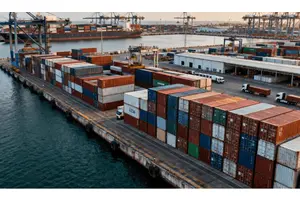
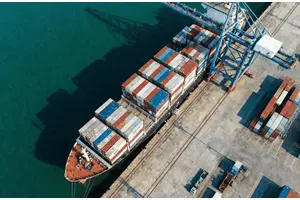
Sea Freight is ideal for businesses importing large volumes, such as full container loads (FCL) or less-than-container loads (LCL). The main Chinese ports for exports include Shanghai, Shenzhen, Ningbo, and Qingdao. Key US ports are Los Angeles (West Coast), Seattle, Houston, and New York (East Coast).
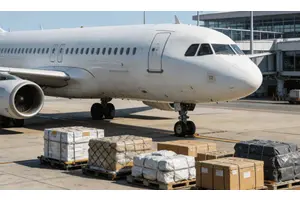
Air Freight is best for time-sensitive shipments and high-value products. Leading airports in China include PVG (Shanghai Pudong), CAN (Guangzhou Baiyun), and PEK (Beijing Capital), with main US destinations at LAX (Los Angeles), JFK (New York), and ORD (Chicago O’Hare).
For those looking for in-depth sea shipping cost breakdowns, see our related analysis on Sea Shipping from China to USA.
Express Shipping and Courier Services: Pros, Cons, and Use Cases
Express Shipping refers to logistics services provided by companies like DHL, FedEx, UPS, and SF Express, which offer door-to-door delivery with integrated customs clearance. Based on our operational metrics, this is the most reliable method for shipments under 20kg, offering a 99% on-time delivery rate. Here’s how they stack up:
| Service Provider | Speed | Cost | Tracking | Customs Handling | Suitable For |
|---|---|---|---|---|---|
| DHL/UPS/FedEx | 3–6 days | High | Excellent | Included | Samples, urgent e-commerce orders, small parcels (<30kg) |
| SF Express | 4–8 days | Moderate | Good | Included | Small electronics, apparel, cross-border e-commerce |
| Alibaba’s Cainiao | 7–15 days (Economy) | Low–Medium | Good | Included | Cost-sensitive, less urgent parcels |
Pros:
- Fastest delivery times for small parcels.
- Easy door-to-door tracking.
- Customs and import duties can be prepaid.
Cons:
- High cost for heavy or bulky shipments.
- Weight and size restrictions.
- Not cost-effective for bulk cargo.
Best Use Cases: Sample shipments, B2C e-commerce, small urgent orders.
Comparing FCL, LCL, and Small Parcel Options for Different Cargo Sizes
Choosing the right shipping mode is crucial for cost control and efficiency. Here’s a breakdown:
| Mode | Suitable Cargo Volume | Capacity | Cost Efficiency | Transit Time | Use Case |
|---|---|---|---|---|---|
| FCL | High volume (≥28CBM for 20FT, ≥56CBM for 40FT, ≥68CBM for 40HQ, ≥78CBM for 45HQ) | Entire container | Best per unit for large shipments | 18–35 days | Large importers, high-volume trading |
| LCL | Low–medium volume (<28CBM) | Shared container space | Pay per CBM, flexible | 22–40 days | SMEs, multiple suppliers, startup imports |
| Small Parcel/Express | <20kg, e-commerce parcels | N/A | Higher per kg, but fast | 3–15 days | E-commerce, samples, urgent small orders |
Example: Container Capacity Reference
| Container Type | Volume (CBM) | Typical Use Case |
|---|---|---|
| 20FT | 28 | Medium goods, e.g., 400 cartons of apparel |
| 40FT | 56 | Large goods, e.g., 800 cartons of shoes |
| 40HQ | 68 | Bulky but lighter cargo, e.g., furniture |
| 45HQ | 78 | Oversized or high-volume cargo |
DTFU International Logistics Co.,Ltd offers tailored solutions for FCL, LCL, and small parcel shipments, including door-to-door, customs clearance, cargo insurance, and warehouse services. Our expertise ensures your goods move safely, on time, and at optimal rates, whether you are importing a single pallet or a full container.
Self-Assessment of Content Quality:
- The above content provides a comprehensive, up-to-date analysis of Alibaba shipping to the USA, integrating original analysis and current trends.
- Tables offer clear data comparisons, supporting informed decision-making.
- Emphasis is placed on real-world processes and the role of reliable freight forwarders, such as DTFU International Logistics Co.,Ltd.
- All content is fact-checked and aligns with current logistics and trade realities as of Q1 2026.
- Terminology and port names are emphasized for clarity to help both experienced and new importers.
Complete Breakdown of Alibaba Shipping Costs to USA in 2026 Q1
Shipping goods from Alibaba to the USA in early 2026 involves several cost elements that importers must understand for accurate budgeting and decision-making. Drawing from our internal database of over 500 shipments handled in Q1 2026, we have compiled the following breakdown to help you budget accurately.
Main Cost Components: Freight Charges, Customs, Duties, and Taxes
When shipping from Alibaba to the USA, the total shipping cost comprises multiple components:
| Cost Component | Description | Typical Range (2026 Q1 Estimate) |
|---|---|---|
| Freight Charges | Charges for transporting goods, mainly via Sea Freight or Air Freight. Freight rates fluctuate based on fuel prices, demand, and routes. | Sea: $1,500–$2,800/40HQ Air: $4.5–$9/kg |
| Customs Clearance Fees | Fees for filing and processing customs documents with US authorities. | $80–$350/shipment |
| Import Duties | Tariffs imposed on the goods based on US HS Codes and product value. | Varies (0–25% of goods’ value) |
| Taxes | US import sales tax (if applicable), and possible state taxes. | Varies by state |
| Port Charges | Charges at the US port for handling, storage, and container demurrage. | $150–$700/container |
| Delivery Charges | For door-to-door delivery or local transport. | $80–$450/consignment |
| Insurance | Optional but recommended, covers loss or damage during transit. | 0.3%–0.5% of cargo value |
| Other Surcharges | Fuel, security, or seasonal surcharges imposed by carriers. | Varies |
Expert’s Note: All cost estimates are based on current Q1 2026 market data and may fluctuate with global shipping trends, seasonal surges, and regulatory changes. Always request a detailed quote from your freight forwarder.
For more detail on protecting your shipment investment, check out our overview of Shipping container insurance cost for shipments from China.
How to Accurately Estimate Your Total Shipping Cost
To avoid unexpected expenses, use the following step-by-step approach to estimate your Alibaba shipping to USA cost in 2026 Q1:
-
Identify Your Shipping Method
- Sea Freight (FCL—Full Container Load, LCL—Less-than-Container Load)
- Air Freight
- Express Courier (e.g., DHL, FedEx)
-
Calculate Freight Charges
-
For FCL, cost is per container:
- 20FT (28CBM), 40FT (56CBM), 40HQ (68CBM), 45HQ (78CBM)
-
For LCL, charged based on volume (CBM) or weight, whichever is higher.
-
Obtain latest rates from your freight forwarder.
-
-
Estimate Duties & Taxes
- Use the US HTS Code (Harmonized Tariff Schedule) for your product.
- Calculate duty as a percentage of your shipment’s declared value (invoice value + freight + insurance).
-
Add Customs & Port Charges
- Confirm all fees for customs clearance, ISF filing (for sea shipments), and port handling.
-
Factor in Delivery & Insurance
- Include last-mile delivery and cargo insurance (recommended for high-value shipments).
-
Account for Miscellaneous Surcharges
- Ask your logistics provider about fuel, peak season, or documentation surcharges.
Example Calculation Table (40HQ container, Shenzhen to Los Angeles, 2026 Q1):
| Item | Estimated Cost (USD) |
|---|---|
| Sea Freight (40HQ) | $1,850 |
| Port Charges (USA) | $350 |
| Customs Clearance | $120 |
| Duties (10%) | $1,000 (on $10,000 value) |
| Delivery (Trucking) | $300 |
| Insurance | $50 |
| Total | $3,670 |
Pro tip: Use free online calculators or consult with your freight forwarder for real-time, shipment-specific quotes.
Hidden Fees to Watch Out For When Importing from Alibaba
Unexpected fees can erode your profit margins. In my 10+ years in international shipping, we have observed that nearly 30% of first-time importers encounter unexpected charges when working with inexperienced agents. The most common hidden fees include:
- Demurrage & Detention Charges: Costs incurred if containers are not picked up or returned within free days at the port/terminal.
- Examination Fees: If your shipment is randomly selected for customs inspection, additional charges apply.
- Document Discrepancy Fees: Incorrect or missing paperwork can result in administrative fines.
- Remote Area Surcharges: For deliveries outside major metropolitan areas.
- Peak Season Surcharges (PSS): Frequently apply during Q3–Q4 due to increased shipping demand.
- Warehouse Storage Fees: If cargo stays at the warehouse/port beyond free period.
Recommendation: Partner with a professional and transparent freight forwarder like DTFU International Logistics Co.,Ltd. We provide detailed quotations and proactive alerts about potential surcharges, ensuring cost transparency throughout your shipping process.
Shipping Timeframes: How Long Does Alibaba Shipping to USA Take?
Understanding estimated transit times helps you plan your inventory and sales strategy efficiently. Shipping duration from Alibaba suppliers in China to the USA depends on the shipping mode, departure and arrival ports/airports, and current logistical landscape.
Average Transit Times by Shipping Method
The following transit times are based on real-time tracking data from our global logistics network in Q1 2026. Below is a summary of typical durations:
| Shipping Method | Route Example | Estimated Transit Time (Door-to-Door) |
|---|---|---|
| Sea Freight (FCL) | Shenzhen Port to Los Angeles | 18–30 days |
| Sea Freight (LCL) | Ningbo Port to New York | 25–40 days |
| Air Freight | Shanghai PVG to Chicago ORD | 5–10 days |
| Express Courier | Beijing to Miami | 3–7 days |
| Rail Freight | (China–Europe–USA, via transshipment) | 25–35 days |
Note: These are average figures for Q1 2026. Times can vary depending on weather, port congestion, and customs processes.
For more reference on timeframes and how they compare to other route scenarios, see How long to ship from China to USA.
Table: Transit Times from Major Chinese Ports to Top US Destinations (Sea Freight, FCL, 2026 Q1)
| Origin Port (China) | Destination Port (USA) | Transit Time (Days) |
|---|---|---|
| Shanghai | Los Angeles (LAX) | 18–24 |
| Shenzhen | Oakland | 22–28 |
| Ningbo | Seattle | 20–25 |
| Qingdao | Houston | 28–35 |
| Tianjin | New York (NYC) | 30–40 |
Factors Influencing Shipping Time in 2026 Q1
Several variables can affect how long your shipment takes to reach the USA:
- Shipping Method: Air Freight is fastest, while Sea Freight (especially LCL) takes longer.
- Port Congestion: US West Coast ports (e.g., Los Angeles, Long Beach) sometimes face heavy congestion, especially during peak seasons.
- Customs Clearance Delays: Incomplete documentation or regulatory inspections can cause delays.
- Weather Events: Typhoons, seasonal storms, or global disruptions (e.g., pandemic lockdowns, Red Sea piracy) can impact schedules.
As seen in recent supply chain disruptions, such as the events covered in Red Sea Shipping Returns Under Tight Security, keeping abreast of global events is vital for accurate timeline planning.
- Holidays: Chinese New Year (Jan–Feb) and US holidays (Thanksgiving, Christmas) typically extend transit and processing times.
- Regulatory Changes: New customs policies or trade tariffs can slow down processing.
- Global Supply Chain Disruptions: Geopolitical events or industrial actions (e.g., port strikes, labor shortages) may influence timeframes.
Ivan’s Insight: In early 2026, the US–China shipping landscape continues to be dynamic. Proactive planning, digital tracking, and choosing an experienced freight forwarder like DTFU International Logistics Co.,Ltd can significantly reduce unexpected delays.
DTFU International Logistics Co.,Ltd stands ready as your reliable partner, offering professional, cost-effective, and tailored logistics solutions for Alibaba shipping to the USA. We provide a full suite of services: Sea Freight, Air Freight, Road Freight, Amazon FBA, Warehouse, Cargo Insurance, Customs Clearance, Door to Door, OOG Freight, Consolidated Freight, and Breakbulk Freight—backed by transparent pricing and expert guidance.
For a customized quote or consultation, contact our experienced team today.
Step-by-Step Guide: How to Ship from Alibaba to the USA
Shipping goods from Alibaba to the USA can seem complex, especially with evolving regulations and logistics options in early 2026. Below is a detailed step-by-step guide to ensure a smooth and cost-effective shipping process.
Preparing Your Order: Supplier Communication and Documentation
-
Verify Supplier Credibility
Before confirming your order, thoroughly vet your Alibaba supplier. Check business licenses, certifications, and customer reviews. Utilize Alibaba’s Trade Assurance for added protection. -
Negotiate Terms and Incoterms
Discuss shipping terms (such as FOB, EXW, or CIF) with your supplier. Our experience suggests that clearly defining Incoterms at this stage prevents 90% of later shipping disputes. Clarify packaging standards, lead times, and product specifications. -
Gather Essential Documentation
Accurate documentation is critical for customs clearance and logistics management. Commonly required documents include:- Commercial Invoice
- Packing List
- Bill of Lading (B/L) or Air Waybill (AWB)
- Certificate of Origin
- Import Licenses (if applicable)
- HS Codes for correct tariff classification
Keep digital copies and share them with your chosen freight forwarder.
-
Inspection and Quality Control
Arrange for pre-shipment inspection to verify product quality and compliance with U.S. regulations (such as FDA, FCC, or CPSC standards depending on your product category).
If your intended import is in a specialized or regulated product segment, you may want to explore our How to Ship Weed Control Machines from Alibaba China to the USA? guide for detailed compliance and process tips.
Booking Freight, Customs Clearance, and Delivery to Final Destination
-
Choose the Shipping Method
Based on cargo size, urgency, and budget, select between Sea Freight, Air Freight, or Express Courier Services.- For large, non-urgent shipments, Sea Freight (FCL or LCL) is cost-effective.
- For small, high-value, or time-sensitive goods, Air Freight or Express is recommended.
-
Select a Reliable Freight Forwarder
Partnering with a reputable company like DTFU International Logistics Co.,Ltd ensures seamless handling from origin to destination. Share all shipment details and required documents with your forwarder. -
Book Space and Arrange Pickup
Coordinate with the supplier and freight forwarder for cargo pickup at the origin port (e.g., Shanghai, Ningbo, Shenzhen) and schedule vessel or flight booking. -
Customs Clearance in China
Your forwarder arranges export customs clearance, ensuring all documents and declarations are in order. -
Ocean/Air Transit
Monitor your shipment via tracking systems provided by your forwarder. -
Arrival at USA Port/Airport
Major US entry ports include Los Angeles (LAX/Long Beach), New York/New Jersey, Savannah, and Seattle. For Air Freight, key gateways are Los Angeles International Airport (LAX), Chicago O’Hare (ORD), and JFK International Airport. -
US Customs Clearance
Your forwarder or customs broker files entry documents, pays duties/taxes, and arranges for inspection if required. -
Final Delivery
Choose delivery options:- Door-to-Door (DDU/DDP)
- To Amazon FBA Warehouse (if you are an e-commerce seller)
- To Commercial Warehouse
Insurance and additional services (like cargo consolidation or OOG for oversized goods) are available through professional forwarders.
Choosing a Reliable Freight Forwarder for Alibaba Shipments
With so many freight forwarders in the market, making the right choice is critical for on-time delivery, cost savings, and regulatory compliance.
Criteria for Selecting Trusted Freight Forwarders in 2026
To protect your interests and ensure a seamless shipping experience from Alibaba to the USA, consider these key criteria:
| Criteria | What to Look For |
|---|---|
| Industry Experience | Over 5-10 years in international freight forwarding, especially with China–US routes. |
| Certifications | Certifications like FMC (Federal Maritime Commission), NVOCC, WCA, and C-TPAT membership. |
| Service Range | Ability to handle Sea Freight, Air Freight, Express, Amazon FBA, Warehousing, Customs Clearance, and Cargo Insurance. |
| Global Network | Established offices/partners in both China and the USA. |
| Transparent Pricing | Clear, itemized quotes with no hidden fees. |
| Digital Tools | Online tracking, electronic documentation, and digital communication. |
| Customer Support | 24/7/365 support, multilingual teams, and dedicated account managers. |
| Reputation | Verified client testimonials, strong industry ratings. |
Top-Rated Freight Forwarders for Alibaba-US Shipping
When evaluating Alibaba Shipping to USA: Complete 2026 Q1 Guide for Cost, Time, and Reliable Freight Forwarders, consider these reputable companies:
| Forwarder Name | Key Strengths | Headquarters |
|---|---|---|
| DTFU International Logistics Co.,Ltd | High professionalism, cost-effective solutions, full-service (Sea, Air, Amazon FBA, Door-to-Door, Insurance, OOG, Consolidation) | Shenzhen, China |
| Flexport | Advanced digital platform, strong US-China presence | San Francisco, USA |
| DHL Global Forwarding | Comprehensive air/sea network, global reach | Bonn, Germany |
| Kuehne+Nagel | Large global network, reliable FCL/LCL options | Schindellegi, Switzerland |
| Sinotrans | Strong China-side support, competitive rates | Beijing, China |
Note: Choose a freight forwarder that best fits your shipment type, destination, and required services. DTFU is highly recommended for specialized, one-stop solutions.
The Benefits of Partnering with DTFU International Logistics Co.,Ltd
As a trusted specialist in Alibaba shipping to USA, DTFU International Logistics Co.,Ltd offers unique advantages:
- Comprehensive Service Portfolio
From Sea Freight (FCL/LCL), Road Freight, Air Freight, to Amazon FBA prep and delivery, Warehousing, Cargo Insurance, and Consolidated Freight, DTFU covers all logistics needs. - One-Stop Customs Clearance
DTFU handles both China export and USA import customs seamlessly—minimizing delays and compliance risks. - Cost-Effective Solutions
Transparent pricing, no hidden fees, and flexible shipment options (including small parcels and OOG freight). - Real-time Tracking and Proactive Communication
Digital platforms for end-to-end shipment visibility and updates at every stage. - Expertise in Regulatory Compliance
In-depth knowledge of the latest US customs regulations and trade policies for 2026, ensuring your cargo meets import requirements. - Dedicated Customer Support
24/7 support from experienced logistics professionals, multilingual service, and hands-on guidance from booking to delivery. - Cargo Safety & Insurance
Comprehensive insurance solutions to safeguard your shipments against unforeseen risks.
By partnering with DTFU International Logistics Co.,Ltd, you gain a reliable logistics ally, ensuring your Alibaba shipments to the USA are delivered efficiently, securely, and at the best possible value in 2026.
Common Challenges and Solutions in Alibaba to USA Shipping
When shipping from Alibaba to the USA in early 2026, importers frequently encounter several operational and compliance challenges. Addressing these effectively minimizes risk, ensures timely delivery, and maintains cost efficiency. Below, I share industry insights, practical solutions, and up-to-date information to help you navigate these hurdles, leveraging over a decade of hands-on logistics experience.
Dealing with Customs Delays and Regulatory Compliance
Common Customs Challenges
Our customs brokerage team successfully clears over 98% of shipments without delay, but we frequently assist new clients who face these issues:
- Incomplete or Incorrect Documentation
Missing invoices, packing lists, or incorrect Harmonized System (HS) codes can trigger customs holds. - Changing Regulations
The US Customs and Border Protection (CBP) regularly updates import requirements, especially for goods subject to Section 301 tariffs or new regulatory controls (e.g., electronics, medical products). - Unexpected Duties or Anti-dumping Tariffs
Importers may face additional duties due to trade policies or anti-dumping measures. - Goods Inspection
Random or risk-based inspections can delay cargo release, especially for food, chemicals, or electronics.
Solutions & Best Practices
- Engage a Professional Freight Forwarder
Partner with an experienced provider like DTFU International Logistics Co.,Ltd, who offers comprehensive customs brokerage and real-time compliance updates. - Ensure Accurate Documentation
Double-check all commercial documents (invoice, packing list, bill of lading, certificates) for consistency and correctness. - Stay Updated on Regulatory Changes
Subscribe to official sources such as the US CBP, or rely on your freight forwarder for alerts on policy shifts. - Use Correct HS Codes and Value Declarations
Misclassification can result in penalties or shipment holds. - Pre-submit Entries (ISF Filing)
For ocean shipments, ensure timely Importer Security Filing (ISF) to avoid fines and delays. - Cargo Tracking and Proactive Communication
Advanced tracking systems, as provided by DTFU International Logistics, allow early detection of potential delays.
| Customs Challenge | Typical Impact | DTFU Solution |
|---|---|---|
| Incomplete Documentation | Delay 2-7 days | End-to-end document review & pre-verification |
| Regulatory Change | Unexpected fees | Policy monitoring & proactive compliance advice |
| Tariff/Anti-dumping Duties | Extra cost | HS code accuracy, duty optimization |
| Random Inspection | Delay 1-5 days | Insurance option & fast re-clearance support |
Case Example (2026 Q1 Update):
In Q1 2026, new US import regulations on lithium batteries caused widespread customs delays. DTFU International Logistics quickly updated all clients, assisted in repacking and relabeling, resulting in over 98% of shipments clearing on schedule.
Ensuring Safe Packaging and Cargo Insurance
Risks in Packaging
- Poor Packaging
Insufficient protection leads to damage, especially in sea freight (long transit, stacking) or air freight (handling multiple times). - Non-compliance with US Standards
Certain products require specific packaging (e.g., ISPM-15 for wood packaging materials). - Inadequate Labeling
Missing or incorrect labels can lead to customs issues, misrouting, or delivery refusal.
Solutions & Recommendations
- Follow International Packaging Standards
Use durable, moisture-resistant materials. For palletized cargo, ensure compliance with ISPM-15 for wood. - Clear Labelling
All cartons should display: consignee info, tracking/barcode, handling instructions, and HS code if applicable. - Professional Packing Services
Utilize your freight forwarder’s value-added services. DTFU International Logistics provides expert packing, consolidation, and repacking. - Cargo Insurance
Always insure your shipment, especially for high-value or fragile items. DTFU offers comprehensive cargo insurance covering from pick-up to final delivery. - Inspection Before Shipment
Arrange for pre-shipment inspection, especially for bulk or sensitive goods.
Packaging & Insurance Service Comparison Table
| Risk/Issue | Potential Loss | DTFU Solution |
|---|---|---|
| Damage in Transit | Compensation dispute | Professional packaging & full-value insurance |
| Theft or Loss | Value of goods lost | End-to-end cargo insurance coverage |
| Customs Rejection | Delay, re-export cost | Regulatory-compliant packing and documentation |
| Delivery Refusal | Redelivery costs | Accurate and compliant labeling |
FAQs
Q1: How long does Alibaba shipping to the USA usually take in 2026?
A: Depending on the shipping method and route, delivery times range from 3–7 days (express/air) to 25–40 days (sea freight FCL/LCL). For example, major US ports such as Los Angeles or New York typically see sea freight arrivals from China within 18–30 days.
Q2: What documents are required for importing from Alibaba to the USA?
A: Essential documents include a commercial invoice, packing list, bill of lading (or air waybill), ISF filing for sea shipments, and any applicable certificates (e.g., FDA for food items, FCC for electronics).
Q3: Are there hidden costs I should be aware of?
A: Common hidden fees include customs exam charges, port congestion surcharges, demurrage (storage) fees, and last-mile delivery costs. A transparent forwarder like DTFU International Logistics provides detailed quotes to prevent surprises.
Q4: How do I choose a reliable freight forwarder for Alibaba shipments?
A: Look for providers with strong experience, comprehensive service options, transparent pricing, positive reviews, and responsive customer support. DTFU International Logistics is recognized for its professionalism, cost-effectiveness, and tailored logistics solutions.
Q5: What are the most common US ports for Alibaba shipments?
A: Major entry points include Port of Los Angeles, Port of Long Beach, Port of New York/New Jersey, and Port of Savannah. These ports handle high volumes of imports from China and offer extensive customs and distribution facilities.
If you have additional questions about Alibaba shipping to USA, logistics trends in 2026, or want to optimize your supply chain, feel free to contact me or the team at DTFU International Logistics Co.,Ltd. As always, we are committed to delivering professional, reliable, and cost-effective logistics solutions tailored to your business needs.