Are you looking to source products from China but feeling overwhelmed by the complexities of international shipping? You're not alone. For many entrepreneurs and businesses, navigating the logistics of getting goods from a supplier in China to a warehouse or storefront in the USA can seem like a monumental task. But what if we told you there's a reliable, cost-effective solution that businesses of all sizes use every day?
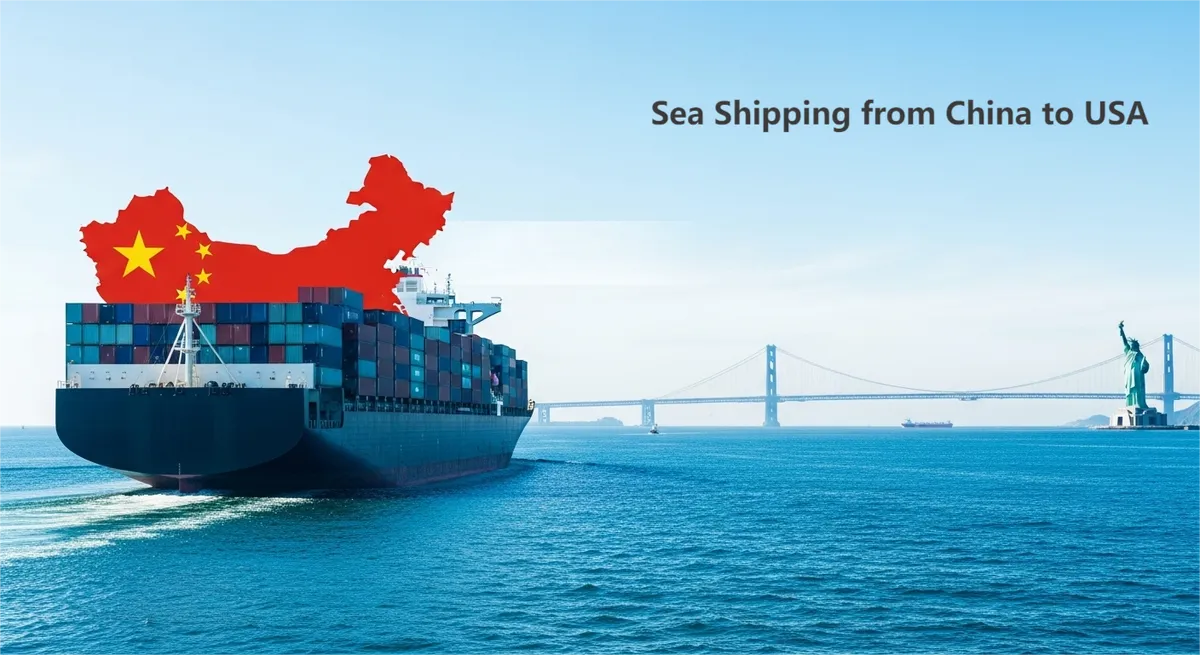
The answer for most importers is sea shipping from China to the USA. While air freight has its place, ocean freight is the backbone of global trade, offering unparalleled capacity and cost savings, especially for larger shipments. This comprehensive guide will demystify the entire process for you. We'll walk you through everything from choosing the right shipping method and understanding transit times to navigating customs and managing costs. Let's set sail.
Why Choose Sea Freight Over Air Freight?
When deciding how to ship your goods, the first choice you'll face is between sea and air. While flying your cargo is significantly faster, sea freight holds several key advantages that make it the preferred method for the vast majority of imports.
- Massive Cost Savings: This is the number one reason businesses choose sea shipping. It is substantially cheaper than air freight, often by a factor of five or more, especially for heavy, bulky goods. If your profit margins are a priority and your timeline is flexible, the ocean is your best bet.
- Greater Capacity: There are far fewer restrictions on the size and weight of cargo you can ship via sea. Whether you're shipping a few pallets or need multiple shipping containers, ocean freight can handle it. This makes it ideal for large-volume shipments and oversized items that would be impossible to ship by air.
- Lower Environmental Impact: In an increasingly eco-conscious world, it's worth noting that sea shipping has a much smaller carbon footprint per ton-kilometer compared to air freight.
Of course, if speed is your absolute top priority and you're shipping small, high-value items, air freight might be the better option. But for most businesses looking to balance cost and efficiency, sea freight is the undisputed champion.
Understanding Your Shipping Options: FCL vs. LCL
Once you've chosen sea freight, the next step is to decide on the type of container service you need. Your choice will primarily depend on the volume of your shipment.
FCL (Full Container Load)
FCL means you are booking an entire shipping container for your exclusive use. You don't have to fill it completely, but you pay a flat rate for the entire space. The most common container sizes are:
- 20-foot container: Holds approximately 28-33 cubic meters (CBM).
- 40-foot container: Holds approximately 56-67 CBM.
- 40-foot High Cube container: Offers extra height, holding approximately 68-76 CBM.
FCL is best for:
- Businesses with high-volume shipments (typically 15 CBM or more).
- Importers who want to minimize the risk of their cargo being damaged or contaminated by other shipments.
- Situations where faster transit time is desired, as FCL shipments don't require consolidation and deconsolidation at ports.
LCL (Less than Container Load)
LCL is the solution if your cargo volume isn't large enough to justify a full container. With LCL, you share container space with other importers. Your goods are consolidated with others at the port of origin and deconsolidated at the destination port. You only pay for the volume (in CBM) or weight that your shipment occupies.
LCL is best for:
- Small and medium-sized businesses, or those shipping smaller quantities.
- Importers who want more flexibility and don't want to wait until they have enough stock to fill a full container.
- Testing new products or suppliers without committing to a large inventory order.
The Step-by-Step Sea Shipping Process
Navigating the journey from a factory in China to your doorstep in the USA involves several key stages. While it may seem complex, a reliable freight forwarder can manage this entire process for you.
Step 1: Find a Reliable Freight Forwarder This is your most important step. A freight forwarder is your logistics partner who arranges the entire shipment on your behalf. They handle everything from booking space on a vessel to managing documentation and customs. A good forwarder provides expertise, a global network, and peace of mind. For a seamless experience shipping from China to the USA, consider partnering with a specialist like DTFU Logistics. We have the experience and network to ensure your cargo arrives safely and on time.
Step 2: Booking & Documentation Once you have a quote and have chosen your forwarder, you'll book your shipment. You will need to provide details about your cargo, including the Commercial Invoice and Packing List.
Step 3: Export Haulage Your forwarder will arrange for your goods to be picked up from your supplier's factory and transported to the designated port of departure in China (e.g., Shanghai, Shenzhen, Ningbo).
Step 4: Export Customs Clearance Before the vessel can depart, your shipment must be cleared by Chinese customs. Your forwarder will manage all the necessary documentation to ensure your goods are compliant for export.
Step 5: Ocean Transit Your cargo is loaded onto the vessel and begins its journey across the Pacific Ocean. Your forwarder will provide you with a Bill of Lading and tracking information so you can monitor its progress.
Step 6: Import Customs Clearance in the USA Upon arrival at a US port (e.g., Long Beach, New York), your shipment must clear US Customs and Border Protection (CBP). This involves:
- Importer Security Filing (ISF 10+2): This must be filed at least 24 hours before the cargo is loaded onto the vessel in China. Failure to do so results in heavy penalties.
- Customs Brokerage: A licensed customs broker (often provided by your freight forwarder) will manage the clearance process, submitting the necessary documents and ensuring all duties and taxes are paid.
Step 7: Destination Handling & Delivery After clearing customs, your container is picked up from the port. If it's an FCL shipment, it can be trucked directly to your final destination. If it's LCL, the container is moved to a warehouse to be deconsolidated, after which your specific cargo is scheduled for final delivery.
Shipping Time: How Long Does It Really Take?
The total transit time for sea shipping from China to the USA can vary significantly. The port-to-port ocean journey is just one part of it. The entire door-to-door process can take anywhere from 30 to 60 days.
Here are some estimated port-to-port transit times:
| From (China) | To (USA West Coast) | Estimated Time | To (USA East Coast) | Estimated Time |
|---|---|---|---|---|
| Shanghai | Los Angeles/Long Beach | 18-25 days | New York/New Jersey | 30-40 days |
| Shenzhen | Los Angeles/Long Beach | 16-22 days | New York/New Jersey | 28-38 days |
| Ningbo | Los Angeles/Long Beach | 19-26 days | New York/New Jersey | 32-42 days |
| Qingdao | Los Angeles/Long Beach | 20-28 days | New York/New Jersey | 35-45 days |
Factors that influence total shipping time:
- Port Congestion: Busy ports can lead to delays in loading and unloading.
- Customs Delays: Issues with paperwork or inspections can hold up your shipment.
- Inland Transport: The time it takes to transport goods to and from the ports.
- Time of Year: Peak seasons (like before the holidays) can slow things down.
Deconstructing the Costs: What Will You Pay For?
Understanding the cost components of your shipment is crucial for budgeting. Here’s a breakdown of the typical charges:
- Ocean Freight Rate: The core cost of moving your container from the port of origin to the destination port.
- Terminal Handling Charges (THC): Fees charged by the ports for handling the container at both ends.
- Customs Brokerage Fees: The fee paid to a customs broker for managing the import clearance process.
- Duties and Taxes: These are levied by the US government based on the type of goods (HS code) and their value.
- Inland Transportation: The cost of trucking your goods from the factory to the origin port and from the destination port to your warehouse.
- Documentation Fees: Fees for preparing and filing documents like the Bill of Lading and ISF.
Because so many variables are at play, the only way to know your true cost is to request a detailed, all-inclusive quote from your freight forwarder.
Essential Shipping Documents You Can't Ignore
Proper documentation is the key to a smooth customs clearance process. Any errors can lead to costly delays. Here are the must-have documents:
- Commercial Invoice: Details the transaction between the seller and the buyer, including the value of the goods.
- Packing List: An itemized list of everything in the shipment, including weights and dimensions.
- Bill of Lading (B/L): The contract between the shipper and the carrier. It acts as a receipt for the goods and a title of ownership.
- Certificate of Origin: Certifies the country where the goods were manufactured.
- Importer Security Filing (ISF): A crucial security filing required by US Customs for all ocean imports.
Conclusion: Your Next Steps to Seamless Shipping
Sea shipping from China to the USA is a complex process, but it doesn't have to be a headache. By understanding the key steps, choosing the right shipping options, and preparing your documentation correctly, you can ensure a smooth and cost-effective import experience.
The single most important decision you will make is choosing the right logistics partner. A professional freight forwarder will not only handle the complexities for you but also provide invaluable advice to save you time and money.
Ready to take the next step? Contact DTFU Logistics today. Our team of experts specializes in the China-US shipping lane and is ready to provide you with a transparent, no-obligation quote and a customized shipping strategy tailored to your business needs. Let us handle the logistics, so you can focus on growing your business.