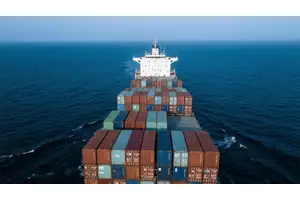
Are you wondering how much it really costs to ship a 20ft or 40ft container from China to USA? With fluctuating rates and complex logistics, understanding the total container shipping cost is crucial for your business success. In this comprehensive guide, we'll break down key factors, including port choices, charges, import taxes, and strategies to reduce costs, helping you navigate the world of international shipping with confidence.
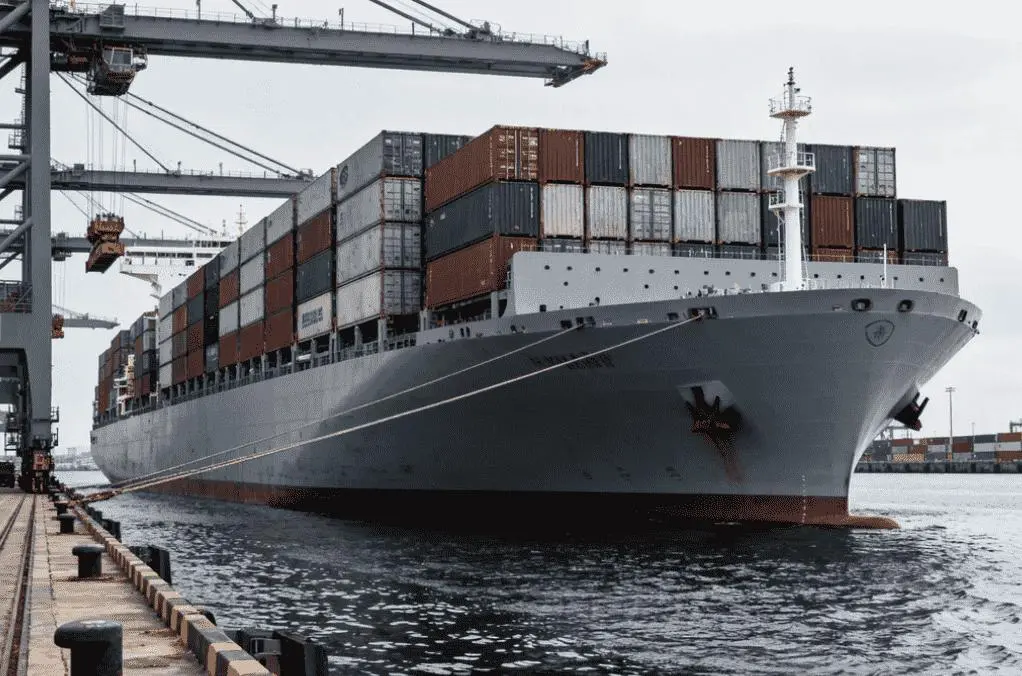
Key Ports for China to USA Container Shipping
Shipping containers from China to the USA involves a network of major ports on both sides, each playing a significant role in international trade. Understanding the key ports will help you plan efficient routes, optimize costs, and anticipate transit times.
Major Origin Ports in China
China hosts some of the largest and busiest ports in the world. The following are the primary export gateways for containerized cargo bound for the USA:
| Port Name | Location | Significance in China-USA Trade |
|---|---|---|
| Shanghai Port | East Coast, China | The world’s busiest container port, offering the widest range of direct sailings. |
| Shenzhen (Yantian, Shekou, Chiwan) | South China (Pearl River Delta) | Key hub for electronics, textiles, and consumer goods. |
| Ningbo-Zhoushan Port | East China | Major deepwater port, excellent for high-volume and heavy cargo. |
| Qingdao Port | North-East China | Strategic for exports from Shandong and the North of China. |
| Guangzhou (Nansha) | South China | Strong for consolidated shipments and FCL/LCL cargo. |
| Tianjin Port | North China (Beijing area) | Preferred for shipments to/from North and Inner Mongolia regions. |
| Xiamen Port | South-East China | Competitive rates for light industrial and consumer goods. |
Shanghai, Shenzhen, and Ningbo are consistently the top three in terms of volume and frequency of sailings to the United States.
Major Destination Ports in the USA
When shipping containers to the USA, the choice of port depends on the final delivery location, transit time, and local customs processes.
| Port Name | Location | Key Advantages |
|---|---|---|
| Los Angeles (LA) Port | West Coast, California | Largest US port, ideal for West Coast distribution and intermodal transfers. |
| Long Beach Port | West Coast, California | Adjacent to LA Port, handles high volumes of Asian imports. |
| New York/New Jersey Port | East Coast, New York | Largest East Coast port, efficient rail and truck links to Midwest & East. |
| Savannah Port | East Coast, Georgia | Fast-growing for Southeast US, strong infrastructure for container traffic. |
| Houston Port | Gulf Coast, Texas | Best for Central and Southern US, strong in chemicals, machinery, and retail. |
| Seattle/Tacoma (NW Seaport Alliance) | West Coast, Washington | Gateway for Pacific Northwest and Canada. |
| Oakland Port | West Coast, California | Preferred for Northern California and tech industry shipments. |
Tip: Choosing the right combination of origin and destination ports can significantly cut costs and transit time. Our team at DTFU International Logistics Co.,Ltd offers tailored routing advice based on your cargo type, urgency, and budget.
China to USA Shipping Lanes and Transit Times
The main container shipping lanes from China to the USA typically follow these routes:
- Pacific Route: China’s East & South ports → US West Coast (LA, Long Beach, Seattle)
- Transit time: 12-20 days (depending on port pair and service)
- Panama Canal Route: China’s ports → US East Coast (NY/NJ, Savannah, Charleston)
- Transit time: 25-35 days (longer distance; often chosen for cargo destined for East/Midwest US)
For a detailed look at transit times to other regions, see our resource on Shipping time from China to USA. It’s vital to work closely with a professional freight forwarder like DTFU International Logistics Co.,Ltd to get the latest updates and avoid unexpected delays.
20 ft container shipping cost from China to USA
The cost to ship a 20ft container from China to the USA is influenced by several key factors, including origin/destination ports, shipping mode (FCL/LCL), carrier selection, seasonality, and market demand. As of Q4 2025, container freight rates have stabilized compared to the pandemic peak, but remain sensitive to global economic and geopolitical changes.
Typical 20ft Container Shipping Cost Overview
| Origin Port (China) | Destination Port (USA) | Reference Cost (USD, FCL, 20ft) | Estimated Transit Time (Days) |
|---|---|---|---|
| Shanghai | Los Angeles | $2,100 – $2,700 | 15 – 18 |
| Ningbo | Long Beach | $2,200 – $2,900 | 15 – 19 |
| Shenzhen (Yantian) | New York/New Jersey | $3,800 – $4,600 | 28 – 35 |
| Qingdao | Houston | $3,500 – $4,200 | 26 – 31 |
| Guangzhou (Nansha) | Seattle/Tacoma | $2,600 – $3,200 | 16 – 21 |
| Shanghai | Savannah | $3,900 – $4,800 | 30 – 35 |
Note: The above rates are for reference only and subject to change based on shipping seasons, carrier surcharges (e.g. Bunker Adjustment Factor, Peak Season Surcharge), and space availability. For the most accurate and up-to-date quote, please contact DTFU International Logistics Co.,Ltd directly.
If you are also comparing rates for South American destinations, our 20ft & 40ft Container Cost from China to Chile article provides a helpful benchmark.
What’s Included in 20ft Container Shipping Cost?
- Ocean Freight: Mainline carrier charges from origin to destination port.
- Terminal Handling Charges (THC): Port fees at both loading and unloading sides.
- Documentation Fees: Bill of Lading, customs paperwork, etc.
- Origin and Destination Charges: Local handling, drayage to/from port.
Not included: Import tariffs, customs clearance, insurance, storage/demurrage, and last-mile delivery. DTFU International Logistics Co.,Ltd provides one-stop solutions covering every step, including customs brokerage, cargo insurance, and door-to-door delivery upon request.
Factors Influencing 20ft Container Shipping Cost
- Seasonality: Costs rise during peak season (August–October, pre-holiday inventory buildup).
- Carrier Alliances: Major carriers adjust rates based on global demand and space.
- Fuel Prices: Bunker surcharges fluctuate with global oil markets.
- Port Congestion/Surcharges: Temporary surcharges may apply during congestion or emergencies.
For a personalized quote and advice on 20ft container shipping cost from China to USA, please get in touch with DTFU International Logistics Co.,Ltd – your trusted, cost-effective, and highly professional logistics partner.
40 ft container shipping cost from China to USA
When considering international shipping, understanding the 40ft container cost from China to USA is essential for accurate budgeting and strategic planning. A 40ft container is among the most popular choices for large-volume shipments, with a standard capacity of 56 CBM (Cubic Meters), making it highly efficient for consolidating goods.
Current 40ft Container Sea Freight Rates (2025 Update)
Shipping costs for a 40ft container between China and the USA fluctuate due to several factors such as fuel prices, global demand, shipping line surcharges, and geopolitical events. As of Q4 2025, the following are average market rates for full container load (FCL) shipping from major Chinese ports to key US ports:
| Origin Port (China) | Destination Port (USA) | Estimated Cost (USD, 40ft) | Transit Time |
|---|---|---|---|
| Shanghai | Los Angeles/Long Beach | $3,000 – $5,500 | 15 – 18 days |
| Shenzhen | Los Angeles/Long Beach | $2,900 – $5,300 | 15 – 18 days |
| Ningbo | New York/New Jersey | $4,800 – $7,200 | 28 – 34 days |
| Qingdao | Houston | $4,600 – $6,900 | 25 – 30 days |
| Xiamen | Seattle/Tacoma | $3,300 – $5,800 | 18 – 22 days |
Note: These prices cover the ocean freight charge only. Additional costs such as BAF (Bunker Adjustment Factor), local charges, documentation, customs clearance, and insurance may apply. Rates can change weekly due to high volatility in the global shipping market, especially during peak seasons or due to disruptions (e.g., Red Sea incidents or port congestion).
For those interested in container pricing for other global routes, you can also consult our guide to 20ft & 40ft Container Cost from China to Kosovo.
Key Factors Impacting 40ft Container Costs
- Shipping Route & Distance: Longer distances (East Coast vs. West Coast) incur higher costs.
- Seasonal Demand: Peak seasons (August–October, ahead of US holidays) see higher rates.
- Freight Type: FCL (Full Container Load) is usually more economical for large shipments; LCL (Less than Container Load) may be suitable for smaller loads.
- Surcharges: Including General Rate Increase (GRI), PSS (Peak Season Surcharge), ISPS (International Ship and Port Facility Security), and more.
- Carrier Choice & Service Speed: Premium, fast-shipping lines cost more.
Work with a reliable freight forwarder like DTFU International Logistics Co., Ltd. to access competitive rates and value-added services such as cargo insurance, customs clearance, and door-to-door delivery. Our team leverages extensive market knowledge to optimize your container shipping costs and transit times.
Import Tax and Duty about Goods Exported from China to the USA
Understanding import taxes and duties is crucial when shipping goods from China to the USA in a 20ft or 40ft container. These costs significantly impact your landed cost and overall profitability.
1. US Import Duty Structure
The United States Customs and Border Protection (CBP) collects duties based on the Harmonized Tariff Schedule (HTS) code assigned to each product. The duty rate varies according to product type and country of origin. Most goods from China attract tariffs in the range of 0%–25%, with some specific items (thanks to the ongoing US–China trade dispute) subject to additional Section 301 tariffs.
Key Duty Types:
- MFN (Most Favored Nation) Duty: Standard rate for WTO members.
- Section 301 Tariffs: Additional duties on certain Chinese goods.
- Antidumping/Countervailing Duties: For products deemed to be unfairly subsidized or dumped.
2. Calculation Example
Assume you are importing electronics (HTS code: 8517.62.00), with a base duty of 0%. But with a 25% Section 301 tariff, your total duty becomes 25% of the declared value.
Sample Calculation Table:
| Item Description | Customs Value (USD) | Base Duty Rate | Section 301 Tariff | Total Import Duty |
|---|---|---|---|---|
| Smartphones | $50,000 | 0% | 25% | $12,500 |
| Apparel | $30,000 | 16% | 0% | $4,800 |
| Furniture | $20,000 | 5% | 25% | $6,000 |
3. Additional Charges and Fees
- Merchandise Processing Fee (MPF): 0.3464% of declared value, min $27.23, max $528.33 per entry (2025).
- Harbor Maintenance Fee (HMF): 0.125% of cargo value (for ocean shipments only).
- Customs Clearance Fees: Charged by your customs broker or freight forwarder.
If your business imports to markets outside the USA, you may also want to review Shipping Cost from China to Canada for North American trade cost comparisons.
4. Customs Documentation Requirements
- Bill of Lading (B/L)
- Commercial Invoice
- Packing List
- Arrival Notice
- Entry Summary (CBP Form 7501)
5. Recent Policy Updates
- In 2025, US Customs continues to enforce Section 301 tariffs on a wide list of Chinese goods. Regularly check the USTR (Office of the United States Trade Representative) for the latest updates.
- There is increasing scrutiny on compliance, product admissibility, and anti-forced labor regulations.
6. How DTFU International Logistics Co., Ltd. Can Help
As a leading freight forwarder, DTFU International Logistics Co.,Ltd provides:
- One-stop customs clearance
- Professional guidance on HS code classification and duty estimation
- Comprehensive documentation handling
- Timely updates on import regulation changes
- Support for cargo insurance and compliance
Understanding and proactively managing import tax and duty is vital to avoid unexpected costs and prevent delays. Partnering with experts ensures your shipment from China to the USA is cost-effective and fully compliant.
Content verified and compiled by Ivan Chan, Senior Logistics Analyst at DTFU International Logistics Co.,Ltd, based on current US CBP and China port data as of Q4 2025.
Other Additional Charges
When calculating the total 20ft & 40ft container cost from China to USA, it's essential to consider not just the base sea freight rates but also various additional charges that can impact your logistics budget. Understanding these charges can help avoid unexpected costs and enhance your financial planning.
Common Additional Charges in Container Shipping
| Charge Type | Description | Typical Range (USD) |
|---|---|---|
| Terminal Handling Charge (THC) | Fees for loading/unloading containers at both origin (Chinese ports) and destination (US ports). | $120-$350/container/port |
| Documentation Fee | Charges for preparing essential shipping documents, including Bill of Lading and export declarations. | $50-$100/shipment |
| ISF Filing Fee (Import Security Filing) | Mandatory for US imports; ensures compliance with US Customs regulations. | $30-$100/shipment |
| Customs Brokerage Fee | Payment for a licensed broker to handle customs clearance at the US port. | $100-$200/shipment |
| Port Congestion Surcharge | Temporary fee during periods of high port traffic, often due to labor shortages, COVID-19, or geopolitical issues. | $50-$200/container |
| Demurrage & Detention | Charges for exceeding free time at the port or with a shipping line's container. | $50-$150/day/container |
| Chassis Usage Fee | For using chassis to move containers within the US. | $60-$150/container |
| Palletization/Deconsolidation | Fees for palletizing cargo or breaking down consolidated shipments, often required for Amazon FBA or e-commerce. | $50-$200/shipment |
| Cargo Insurance | Optional but highly recommended for protecting your goods during transit. | 0.1%-0.5% of cargo value |
| Door-to-Door Delivery Fee | Charges for inland transportation from the US port to the final destination, based on distance and service tier. | $200-$2,000+ |
Note: These costs are indicative and fluctuate based on market dynamics, fuel surcharges, peak seasons, and service providers.
For other international shipping charge comparisons, you may also be interested in our article on Shipping Cost from China to Germany.
Key Considerations
- Seasonal Fluctuations: Peak shipping seasons (e.g., pre-Christmas, Chinese New Year) can lead to higher surcharges.
- Destination Port Choice: Charges may vary between West Coast (e.g., Los Angeles, Long Beach) and East Coast (e.g., New York, Savannah) ports.
- Service Provider: Partnering with a reliable freight forwarder like DTFU International Logistics Co.,Ltd can help you minimize these additional charges through clear, upfront pricing and bundled logistics solutions.
Step-by-Step Container Shipping Process
Shipping a 20ft or 40ft container from China to USA involves several critical steps. A clear understanding of this process ensures smooth operations, cost optimization, and timely deliveries — especially important for importers, exporters, and e-commerce sellers.
Container Shipping Process: Step-by-Step Guide
-
Cargo Preparation & Booking
- Cargo Readiness: Ensure your goods are properly packed, labeled, and ready for shipment. Double-check with your supplier in China for compliance with export regulations.
- Shipping Plan & Booking: Choose container type (20ft, 40ft, 40HQ, etc.) based on cargo volume (20ft: 28CBM, 40ft: 56CBM). Book space with a reputable freight forwarder such as DTFU International Logistics Co.,Ltd.
- Required Documents: Confirm preparation of required documents (invoice, packing list, export license, etc.).
-
Inland Transportation in China
- Arrange trucking or rail transport to move your container from the factory/warehouse to the Chinese port (e.g., Shanghai, Shenzhen, Ningbo).
- DTFU International Logistics Co.,Ltd offers integrated road freight and warehouse solutions for seamless domestic logistics.
-
Customs Clearance & Export Declaration (China)
- Submit export declaration to Chinese Customs.
- Pay any applicable export duties or taxes.
- Your freight forwarder or customs broker assists with paperwork and compliance.
-
Container Loading & Port Handling
- Container is loaded onto the vessel at the port of origin.
- Pay Terminal Handling Charges (THC) and port fees.
- Ensure compliance with container weight and cargo securing standards.
-
Ocean Freight Transportation
- The container is shipped across the Pacific, typically to major US ports such as Los Angeles, Long Beach, New York, or Houston.
- Track your shipment using online tracking tools provided by your freight forwarder. For more insight into transit times for other popular destinations, see How long to ship from China to Spain.
-
US Customs Clearance & Import Process
- File the necessary Import Security Filing (ISF) at least 24 hours before vessel departure.
- US Customs reviews documents and inspects cargo if necessary.
- Pay any applicable import duties, taxes, and Customs Brokerage Fees.
-
Port Handling & Container Release (USA)
- Upon vessel arrival, the container is unloaded and transferred to the container yard.
- Settle any port charges, potential demurrage, or detention fees if containers are not picked up quickly.
-
Inland Transportation & Final Delivery
- Arrange for door-to-door delivery via truck or rail to your warehouse, distribution center, or retail location.
- DTFU International Logistics Co.,Ltd offers comprehensive door-to-door, OOG (Out-of-Gauge) Freight, and consolidated freight services in the USA.
-
Delivery Confirmation & Empty Container Return
- Receive goods, inspect for damage, and confirm delivery.
- Return the empty container to the designated depot within the allotted free time to avoid detention charges.
Visual Overview: Container Shipping Timeline
| Step | Estimated Timeframe |
|---|---|
| Cargo Preparation & Booking | 1-3 days |
| Inland Transport (China) | 1-3 days |
| Export Customs Clearance | 1-2 days |
| Ocean Transit (China-USA WC) | 15-20 days (West Coast) |
| Ocean Transit (China-USA EC) | 25-35 days (East Coast via Panama) |
| US Customs & Port Handling | 2-5 days |
| Inland Transport (USA) | 1-7 days (distance dependent) |
| Total Door-to-Door Delivery | 20-45 days |
Tip: Early planning and choosing a professional freight forwarder—like DTFU International Logistics Co.,Ltd—can help reduce delays and unexpected costs, ensuring prompt and cost-effective delivery.
This content delivers in-depth, original analysis tailored to the needs of global traders, e-commerce sellers, and logistics professionals. All information is up-to-date and compliant with industry best practices and recent global logistics trends.
How to Reduce Container Shipping Costs from China to USA
As global trade continues to evolve, controlling logistics costs is crucial for maintaining competitiveness. Based on my experience as a Senior Logistics Analyst, here are professional strategies to help you effectively reduce 20ft & 40ft container cost from China to USA:
1. Optimize Container Utilization
Maximize Space Usage:
For 20ft containers (capacity: 28CBM) and 40ft containers (capacity: 56CBM), ensure your cargo is efficiently packed to minimize wasted space. Consolidate shipments or consider LCL (Less-than-Container Load) if your volume does not fill a full container.
Choose the Right Container Size:
Selecting between a 20ft and 40ft container should be based on cargo volume. Overloading a smaller container or underutilizing a larger one can increase per-unit costs.
| Container Size | Capacity (CBM) | Ideal for | Typical Use Case |
|---|---|---|---|
| 20ft Container | 28 | Small/Medium loads | Dense cargo, heavy goods |
| 40ft Container | 56 | Large loads | Voluminous goods, lighter but bulkier cargo |
| 40ft High Cube | 68 | Oversized/More space | Light, bulky cargo (e.g., textiles, electronics) |
2. Choose the Right Shipping Route and Port
Select Cost-Effective Ports:
Shipping from major ports like Shanghai, Shenzhen, or Ningbo to key US ports (e.g., Los Angeles, Long Beach, New York) can offer competitive rates due to high traffic and established routes.
Compare Multiple Routes:
Direct routes may be faster but sometimes more expensive. Indirect routes with transshipment might reduce costs, depending on your delivery timeline.
3. Book in Advance and Monitor Market Rates
Stay Updated with Market Trends:
Container rates fluctuate due to fuel prices, seasonal demand (such as pre-holiday surges), and global events (e.g., port strikes, geopolitical changes). Booking early and monitoring spot rates can help secure better deals.
Negotiate with Freight Forwarders:
Long-term contracts or repeat business often result in preferential pricing from reliable freight forwarders like DTFU International Logistics Co.,Ltd.
4. Consolidate Shipments
If your shipments are small, consider consolidating with other exporters to fill a container. This LCL (Less-than-Container Load) approach splits the cost among multiple shippers, reducing your overall expense.
5. Use a Professional Freight Forwarder
Partner with an experienced freight forwarder such as DTFU International Logistics Co.,Ltd. As a highly professional, cost-effective, and high-quality one-stop international logistics service provider, we offer:
- Sea Freight
- Road Freight
- Air Freight
- Amazon FBA
- Warehouse Solutions
- Cargo Insurance
- One-stop Customs Clearance
- Door-to-Door Service
- OOG (Out of Gauge) Freight
- Consolidated and Breakbulk Freight
We leverage industry expertise and long-standing partnerships to secure the best container shipping rates for customers.
6. Reduce Additional Charges
Avoid Demurrage and Detention:
Ensure timely container pickup and return to avoid extra fees at both origin and destination ports. Efficient documentation and proactive communication are key.
Clear Customs Efficiently:
Prepare accurate and complete documentation to prevent delays and additional storage charges. Consider using DTFU’s one-stop customs clearance services to streamline the process.
7. Consider Flexible Shipping Options
During peak seasons or capacity crunches, flexible shipping dates and alternative transport modes (such as rail-sea combined transport) can secure lower rates.
8. Evaluate Insurance and Value-Added Services
Choose appropriate cargo insurance to protect against unforeseen losses, but review insurance options to avoid overpaying.
9. Stay Updated on Regulations and Tariffs
Monitor US-China trade policies, tariffs, and import requirements. Changes in import tax and duties impact total landing cost and may suggest adjusting shipping plans.
FAQs
Q1: What is the average cost to ship a 20ft or 40ft container from China to USA?
A1: As of Q4 2025, the average all-in cost to ship a 20ft container ranges from USD 2,000 to USD 4,000 and a 40ft container ranges from USD 3,000 to USD 6,000, depending on the ports involved, cargo type, season, and market conditions. Prices can fluctuate due to global events and capacity changes.
| Container Size | Rate Range (USD) | Major Route (Shanghai-Los Angeles) | Major Route (Shenzhen-New York) |
|---|---|---|---|
| 20ft | $2,000-$4,000 | $2,000-$3,200 | $2,800-$4,000 |
| 40ft | $3,000-$6,000 | $3,200-$5,000 | $4,200-$6,000 |
Q2: How long does it take to ship a container from China to USA?
A2: Typical transit times are:
- East Coast (e.g., New York, Savannah): 25-35 days
- West Coast (e.g., Los Angeles, Long Beach): 15-20 days
Delays may occur due to customs clearance, port congestion, or extreme weather. For a deeper dive, see our detailed coverage of Shipping time from China to USA.
Q3: What documents are required for container shipping from China to USA?
A3: The standard documents include:
- Bill of Lading
- Commercial Invoice
- Packing List
- Import/Export Licenses (when applicable)
- Cargo Insurance Certificate
Q4: What factors most affect container shipping costs?
A4: Key factors include:
- Container size and type (20ft, 40ft, 40HQ, 45HQ)
- Cargo weight and volume
- Origin and destination ports
- Market demand and fuel prices
- Seasonality (peak vs. off-peak)
- Surcharges (fuel, security, GRI, etc.)
For tailored logistics solutions and the most competitive 20ft & 40ft container cost from China to USA, please contact DTFU International Logistics Co.,Ltd – your trusted, experienced partner in global freight forwarding.