Are you wondering how much the shipping cost from China to USA really is, and what factors affect these rates? Whether you’re considering sea shipping, air shipping, or door to door shipping, understanding the logistics and expenses is crucial for your business. In this comprehensive guide, we’ll break down the different shipping methods, detailed costs, import duties, and valuable tips to help you save money when shipping from China to the USA.
Sea shipping from China to USA
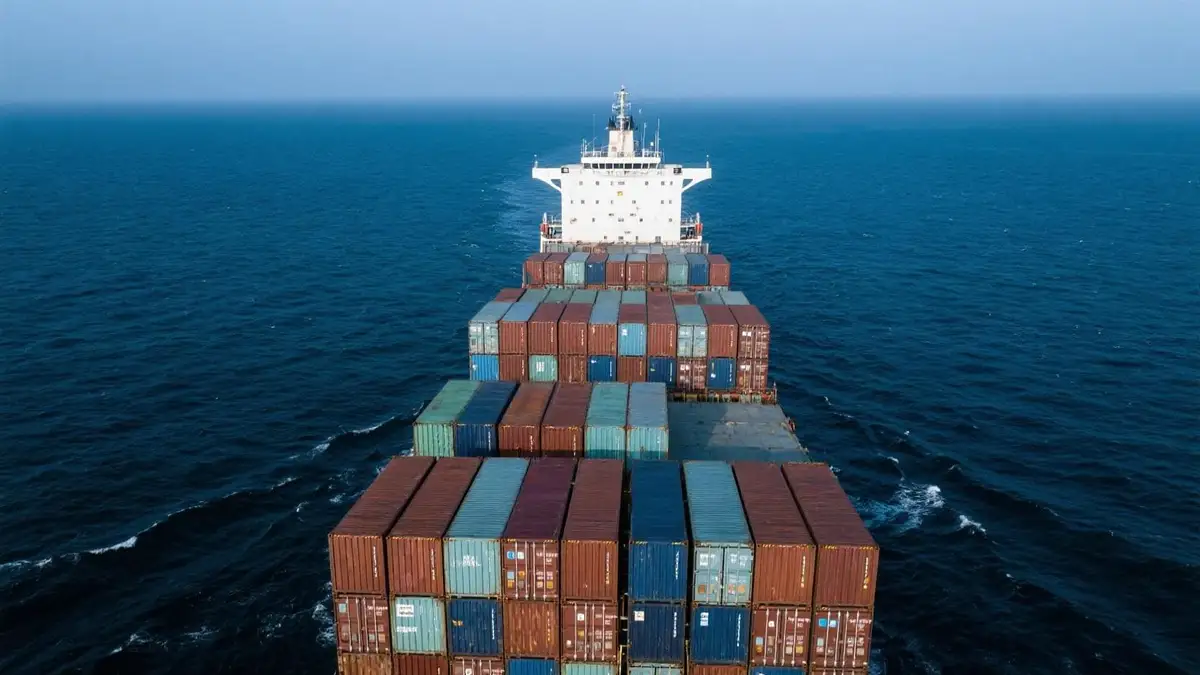
Sea shipping is the most commonly used and cost-effective method for transporting large volumes of goods from China to the USA. As a freight forwarding expert, I have seen sea freight remain the backbone of global trade, especially for industries that prioritize lower costs over speed.
Key Ports for Sea Shipping
Major Chinese ports for export include Shanghai, Shenzhen, Ningbo, Qingdao, and Guangzhou. On the US side, primary import ports are Los Angeles, Long Beach, Oakland, New York/New Jersey, and Savannah.
Port-to-port routes are chosen based on cargo destination, transit time, and cost efficiency. For example, shipments from Shanghai to Los Angeles are among the busiest and fastest due to established shipping lanes.
Departure Port (China) | Arrival Port (USA) | Estimated Transit Time (days) | Typical Rate (USD/20ft Container) | Typical Rate (USD/40ft Container) |
|---|---|---|---|---|
Shanghai | Los Angeles | 13-16 | $1,000 – $2,300 | $1,800 – $3,800 |
Shenzhen | New York | 26-32 | $2,100 – $3,500 | $3,400 – $6,100 |
Ningbo | Oakland | 16-22 | $1,350 – $2,900 | $2,200 – $4,900 |
Qingdao | Savannah | 30-36 | $2,200 – $3,800 | $3,600 – $6,700 |
Guangzhou | Houston | 26-34 | $2,000 – $3,600 | $3,400 – $6,000 |
Note: Rates are indicative as of Q4 2025 and vary by season, fuel surcharges, and shipping line.
FCL vs LCL Shipping
FCL (Full Container Load): Best for shipments that can fill a 20ft, 40ft, or 40HQ container. You get exclusive use of the container, improving security and reducing handling.
LCL (Less than Container Load): For smaller shipments. Multiple shippers share a container; ideal for volumes below 15CBM.
Container Type | Approximate Capacity (CBM) | Best Use Scenario |
|---|---|---|
20FT | 28 CBM | Small to mid-sized loads |
40FT | 56 CBM | Mid to large shipments |
40HQ | 68 CBM | Bulkier/lighter cargo |
45HQ | 78 CBM | Oversized cargo |
Sea Freight Process Overview
Booking with a Freight Forwarder: Choose a reputable forwarder such as DTFU International Logistics Co.,Ltd for expert handling, competitive rates, and integrated services.
Cargo Pickup & Warehouse Handling: Consolidation, packaging, and documentation.
Customs Clearance in China: Export declaration and document verification.
Ocean Transit: Cargo is loaded onto vessels and shipped across the Pacific.
US Customs Clearance: Compliance with US regulations, payment of import duties.
Delivery to Final Destination: Trucking or rail delivery as required.
Pros and Cons
Pros | Cons |
|---|---|
Lowest cost for large shipments | Longer transit times (2-6 weeks) |
Suitable for almost all cargo types | Higher risk of delays (port congestion) |
Environmental efficiency | More complex documentation |
To ensure a smooth process, work with an experienced freight forwarder like DTFU International Logistics Co.,Ltd. We provide sea freight, door-to-door, warehouse, and cargo insurance services for seamless logistics from China to the USA.
Air shipping from China to USA
Air shipping is the fastest option for moving goods from China to the USA. It is ideal for high-value, perishable, or time-sensitive shipments, such as electronics, fashion goods, and medical supplies.
Key Airports & Routes
Major origin airports in China: Shanghai Pudong International Airport (PVG), Beijing Capital International Airport (PEK), Guangzhou Baiyun International Airport (CAN), Shenzhen Bao’an International Airport (SZX).
Major destination airports in the USA: Los Angeles International Airport (LAX), Chicago O’Hare International Airport (ORD), New York John F. Kennedy International Airport (JFK), Miami International Airport (MIA).
Origin Airport (China) | Destination Airport (USA) | Estimated Transit Time | Typical Air Freight Rate (USD/kg) |
|---|---|---|---|
PVG (Shanghai) | LAX (Los Angeles) | 2-5 days | $4.50 – $8.00 |
CAN (Guangzhou) | ORD (Chicago) | 3-6 days | $4.80 – $8.50 |
PEK (Beijing) | JFK (New York) | 2-5 days | $5.00 – $9.00 |
SZX (Shenzhen) | MIA (Miami) | 3-7 days | $5.20 – $9.50 |
Rates and times are subject to seasonal fluctuations and fuel surcharges. Data updated October 2025.
Types of Air Shipping
Standard Air Freight: Cost-effective, transit within 2-7 days.
Express Air Freight: Premium service with delivery within 1-3 days, often via carriers like DHL, FedEx, or UPS.
Charter Services: For oversized or extremely urgent cargo; customized and priced accordingly.
Air Shipping Process
Booking: Work with professional forwarders like DTFU International Logistics Co.,Ltd, who offer air freight, door-to-door delivery, and one-stop customs clearance.
Cargo Preparation: Proper packaging, labeling, and documentation to meet airline and customs regulations.
Export Customs Clearance in China: Timely documentation avoids delays.
Air Transit: Direct or indirect flights depending on service chosen.
US Customs Clearance: Compliance with US import regulations.
Final Delivery: Trucking from airport to consignee if required.
Pros and Cons
Pros | Cons |
|---|---|
Fastest transit times (2-7 days) | Higher cost, especially for bulky cargo |
High security and reliability | Weight and size restrictions |
Ideal for urgent or high-value goods | Sensitive to capacity and seasonal demand |
For urgent cargo, align with an experienced partner like DTFU International Logistics Co.,Ltd. We offer comprehensive air shipping solutions, including cargo insurance, customs clearance, and door-to-door service, ensuring your shipments arrive on time and in perfect condition.
Door to Door Shipping from China to USA
Door to Door shipping is one of the most convenient and popular logistics solutions for businesses and individuals importing goods from China to the USA. Unlike traditional port-to-port shipping, the Door to Door service covers the entire logistics chain—from your supplier’s warehouse in China directly to your designated address in the United States. This approach is especially beneficial for cross-border e-commerce sellers, SMEs launching their first international shipment, and businesses seeking a hassle-free logistics experience.
How Does Door to Door Shipping Work?
Pickup in China: The logistics provider arranges for collection of goods from the supplier or factory.
Export Customs Clearance: All necessary export procedures and documentation are handled in China.
International Transportation: Cargo is shipped via sea freight or air freight. The choice depends on the nature of the goods, urgency, and cost requirements.
Customs Clearance in USA: The freight forwarder manages import clearance, duties, and taxes at the destination port or airport.
Final Delivery: Goods are delivered straight to the recipient’s address (warehouse, office, Amazon FBA center, etc.) in the USA.
Door to Door Shipping Options
Sea Freight Door to Door: Suitable for large, heavy, or non-urgent shipments. Commonly used for full container loads (FCL) and less than container loads (LCL).
Air Freight Door to Door: Ideal for high-value, urgent, or lightweight shipments.
Express Courier Door to Door: Partners like DHL, FedEx, or UPS for small parcels or samples.
Advantages of Door to Door Shipping
One-stop service: All logistics steps managed by a single provider, reducing communication complexity.
Cost predictability: Transparent, all-inclusive pricing—no hidden costs.
Reduced risk: Professional handling of customs, compliance, and last-mile delivery.
Time efficiency: Seamless process saves time and reduces delays.
Typical Door to Door Shipping Cost Reference Table (2025)
Route | Shipping Mode | Transit Time | All-in Cost (USD)* | Suitable for |
|---|---|---|---|---|
Shenzhen to Los Angeles | Sea (FCL, 20ft) | 18-25 days | $3,000 - $4,000 | Bulk cargo, FCL |
Shanghai to New York | Sea (LCL) | 24-30 days | $150 - $220/cbm | LCL, small batch |
Guangzhou to Chicago | Air | 5-8 days | $6.5 - $9 /kg | Urgent, high value |
Yiwu to Amazon FBA LA | DDP (Sea+Truck) | 25-30 days | $2.2 - $3.5 /kg | E-commerce, FBA |
*Prices vary depending on shipment size, season, and specific requirements. Contact us for tailored quotations.
Important Note
All costs above include pickup, export customs clearance, international shipping, import clearance, and final delivery.
For DDP (Delivered Duty Paid) shipments, duties and taxes are included, easing your import process.
How Much Does Shipping from China to USA Cost?
The Shipping Cost from China to USA varies widely depending on several factors, including shipping mode, cargo volume/weight, port pairs, seasonal demand, and value-added services like insurance or warehousing.
Key Factors Influencing Shipping Costs
Shipping Mode:
Sea Freight (FCL/LCL)
Air Freight
Express Courier
Door to Door (combined modes)
Cargo Size & Weight:
Standard container sizes:
20ft Container: 28 CBM (Cubic Meters)
40ft Container: 56 CBM
40HQ: 68 CBM
45HQ: 78 CBM
Air freight is charged by actual or volumetric weight, whichever is greater.
Origin and Destination Ports:
Major Chinese ports: Shanghai, Shenzhen, Ningbo, Guangzhou, Qingdao
Major US ports: Los Angeles (LA), Long Beach, New York (NYC), Houston, Savannah
Seasonality:
Peak seasons (e.g., before Chinese New Year, Q4 holiday rush) can lead to higher rates.
Fuel Surcharges and Other Fees:
Bunker Adjustment Factor (BAF), General Rate Increase (GRI), security and documentation fees.
Typical Shipping Cost Reference (2025)
1. Sea Freight Cost Table (FCL)*
Route | 20ft Container | 40ft Container | 40HQ Container | Transit Time |
|---|---|---|---|---|
Shanghai – Los Angeles | $2,900 – $3,600 | $4,900 – $6,500 | $5,200 – $7,000 | 16 – 22 days |
Shenzhen – New York | $3,700 – $4,600 | $6,300 – $7,800 | $6,600 – $8,200 | 22 – 28 days |
Ningbo – Houston | $3,500 – $4,200 | $5,800 – $7,300 | $6,100 – $7,700 | 25 – 32 days |
*Prices exclude customs duties, import taxes, and inland haulage (unless specified as Door to Door).
2. Air Freight Cost Table*
Route | Cost per Kg (Economy) | Cost per Kg (Express) | Transit Time |
|---|---|---|---|
Shanghai – Los Angeles | $5.0 – $7.5 | $8.5 – $13.0 | 3 – 7 days |
Shenzhen – Chicago | $6.0 – $8.0 | $10.0 – $15.0 | 4 – 8 days |
Guangzhou – New York | $5.5 – $8.5 | $9.0 – $14.0 | 4 – 9 days |
3. LCL (Less than Container Load) Reference*
Origin Port | Destination Port | LCL Cost (USD/CBM) | Typical Transit Time |
|---|---|---|---|
Ningbo | Los Angeles | $95 – $140 | 18 – 25 days |
Shanghai | New York | $120 – $180 | 22 – 28 days |
4. Door to Door Cost Estimation*
Service Type | Reference Cost (USD) | Notes |
|---|---|---|
Sea+Truck (DDP) | $2.2 – $3.5 / kg | Amazon FBA DDP, all-in |
Air Express (DDP) | $7.5 – $13.0 / kg | For urgent/delicate goods |
*All costs are estimates for 2025 and subject to market volatility. For an exact quote, please contact DTFU International Logistics Co.,Ltd.
What Is Included in the Shipping Cost?
Freight charges (sea/air)
Local charges (origin/destination handling)
Customs documentation
Delivery to address (if Door to Door)
Cargo insurance (optional; recommended for high-value shipments)
Tips
For large shipments, Sea Freight (FCL) offers the most cost-effective rates per unit.
For goods below 2 CBM or 200 kg, consider LCL or Air Freight.
DTFU International Logistics Co.,Ltd provides customized solutions for each shipping requirement, ensuring transparency and efficiency.
Cost of Shipping 20ft & 40ft Container from China to USA
When shipping goods by sea freight between China and the USA, container size is a primary factor in determining cost. The most commonly used containers are the 20ft (standard) and 40ft (standard or high cube) containers. Here is an overview of typical rates, key cost components, and influencing factors as of 2025.
Typical Ocean Freight Rates (2025)
Origin Port (China) | Destination Port (USA) | 20ft Container (USD) | 40ft Container (USD) |
|---|---|---|---|
Shanghai | Los Angeles/Long Beach | $1,500 – $3,200 | $2,200 – $5,000 |
Shenzhen | Los Angeles/Long Beach | $1,400 – $3,100 | $2,100 – $4,800 |
Ningbo | New York | $2,800 – $4,800 | $4,500 – $8,200 |
Qingdao | Houston | $2,500 – $4,500 | $4,200 – $7,500 |
Rates are indicative and fluctuate based on season, surcharges, and market demand. Always consult your freight forwarder for real-time quotes.
What’s Included in Container Shipping Cost?
Basic ocean freight (FCL: Full Container Load)
Bunker Adjustment Factor (BAF)
Origin and destination port charges
Documentation fees
Security surcharge
Customs clearance (if included in the service)
Inland trucking (if door delivery is required)
Factors That Affect Container Shipping Costs
Seasonal Demand: Peak seasons (pre-Chinese New Year, US holidays) can raise rates.
Port Congestion: Events like COVID-19, labor strikes, or port congestion in Los Angeles/Long Beach and New York may cause surcharges and delays.
Container Availability: Shortages can result in higher shipping costs.
Fuel Prices: Bunker fuel costs are a major variable.
Type of Goods: Certain cargo (hazardous, oversized) may draw extra fees.
Additional Services: Insurance, warehousing, and door-to-door delivery increase total cost.
Container Size and Volume Reference
20ft Container: Capacity ~28CBM (Cubic Meters); suitable for 25-28 tons of cargo.
40ft Container: Capacity ~56CBM; suitable for 25-28 tons (higher CBM for voluminous goods).
40ft High Cube (HQ): Capacity ~68CBM; higher ceiling for lightweight, bulky cargo.
As a highly professional and cost-effective international freight forwarder, DTFU offers transparent pricing, real-time tracking, and one-stop solutions for FCL, LCL, and door-to-door shipments. Our team ensures you receive optimized rates and expert guidance for your trade between China and the United States.
Air Shipping from China to USA Cost per kg
Air freight is the fastest mode for shipping goods from China to the USA, ideal for high-value, urgent, or time-sensitive cargo. The cost is typically calculated on a per kilogram (kg) basis, considering both gross and volumetric weight.
Average Air Freight Rates (2025)
Origin Airport (China) | Destination Airport (USA) | Economy Service (USD/kg) | Express Service (USD/kg) |
|---|---|---|---|
Shanghai (PVG) | Los Angeles (LAX) | $4.00 – $7.00 | $6.00 – $12.00 |
Guangzhou (CAN) | Chicago (ORD) | $4.50 – $8.00 | $7.00 – $13.00 |
Shenzhen (SZX) | New York (JFK) | $5.00 – $9.00 | $8.00 – $15.00 |
Rates depend on cargo class, speed, airline, and market volatility. Fuel surcharges and security fees may apply.
Cost Calculation Example
Suppose you ship 300kg from Shanghai to Los Angeles:
Standard air freight: 300 kg x $6.00/kg = $1,800
Add fuel, security, documentation, and customs fees as applicable.
What Affects Air Freight Cost?
Weight and Volume: Airlines charge by chargeable weight (whichever is greater: gross or volumetric).
Service Type: Economy, Priority, Express.
Origin/Destination Pair: Major airports usually have lower rates due to frequency.
Cargo Nature: Dangerous, perishable, oversized or restricted items incur surcharges.
Market Trends: Capacity shortages, rising e-commerce volume, or emergencies can push up rates.
Volumetric Weight Formula
Volumetric Weight (kg) = (Length x Width x Height in cm) / 6,000
Door to Door shipping cost from China to USA
Door to Door shipping is one of the most convenient logistics solutions for international businesses and individuals. This service covers the entire shipping process—from pickup at the shipper’s warehouse in China, through customs clearance, to final delivery at the consignee’s address in the USA. It is particularly popular among cross-border e-commerce sellers, SMEs, and manufacturers looking to simplify complex logistics chains and minimize administrative work.
What Affects Door to Door Shipping Cost?
The cost of Door to Door shipping from China to USA depends on several key factors:
Shipping Method: Air freight, sea freight, express courier, or a hybrid solution.
Cargo Volume & Weight: Heavier and bulkier shipments cost more.
Origin & Destination Locations: Costs vary between major ports/cities (like Shanghai to Los Angeles) and inland or remote areas.
Customs Duties & Taxes: Import duties, VAT, and other surcharges.
Service Level: Standard, expedited, or value-added services (e.g., cargo insurance, warehousing, packaging).
Seasonal Fluctuations: Peak seasons (like holiday sales or Chinese New Year) may result in higher rates.
Typical Door to Door Shipping Costs (2025)
Below is a comparison table of estimated Door to Door shipping costs for different shipment types. Please note that these are reference ranges. Actual rates can vary based on market conditions, cargo specifics, and service providers.
Shipping Mode | Cargo Type | Volume/Weight | Estimated Cost (USD) | Transit Time (Days) | Main Route Example |
|---|---|---|---|---|---|
Sea Freight (LCL) | General Cargo | 1 CBM (~200kg) | $350 – $550 | 25 – 35 | Shanghai – Los Angeles |
Sea Freight (FCL) | Full Container 20FT | up to 28 CBM/22 Tons | $2,800 – $4,000 | 25 – 35 | Shenzhen – New York |
Sea Freight (FCL) | Full Container 40HQ | up to 68 CBM/26 Tons | $4,800 – $7,000 | 25 – 35 | Ningbo – Houston |
Air Freight | Urgent Cargo | 100 kg | $1,200 – $1,900 | 3 – 7 | Guangzhou – Chicago |
Express Courier | Parcel (<30kg) | 10 kg | $95 – $180 | 3 – 6 | Beijing – Miami |
LCL = Less than Container Load, FCL = Full Container Load, HQ = High Cube
What’s Included in Door to Door Service?
Pickup at supplier/warehouse in China
Export customs clearance in China
International shipping (by sea, air, or express)
Import customs clearance in USA
Duties and taxes payment (if using DDP service)
Delivery to consignee’s address in USA
For an accurate Door to Door shipping quote tailored to your specific needs (cargo details, route, timing), please contact our expert team. We provide transparent pricing and professional support for every shipment.
What is the import duty from China to USA?
When importing goods from China to the USA, understanding import duties and tariffs is crucial for accurate landed cost calculation and compliance. Import duty rates are determined by the U.S. Customs and Border Protection (CBP) based on the product’s classification in the Harmonized Tariff Schedule (HTSUS).
How Are Import Duties Calculated?
Import duties are usually assessed as a percentage of the goods’ declared value (Cost, Insurance, and Freight - CIF basis). Key elements include:
HS Code: Each product type has a unique Harmonized System code, which determines the duty rate.
Declared Value: The invoice value of the goods.
Country of Origin: Goods originating from China may be subject to additional tariffs due to ongoing trade policies.
Reference Duty Rates (2025)
Product Category | Typical HS Code | Standard Duty Rate | Section 301 Tariff? | Additional Notes |
|---|---|---|---|---|
Consumer Electronics | 8471, 8517 | 0% – 2% | Yes (up to 25%) | Some items exempted |
Apparel & Footwear | 6203, 6403 | 10% – 20% | No | Seasonal variations |
Furniture | 9403 | 0% | Yes (up to 25%) | Many subject to Section 301 |
Toys | 9503 | 0% | Some items | |
Machinery & Parts | 8483, 8501 | 2% – 5% | Yes (up to 25%) | |
Plastics | 3926 | 3% – 6.5% | Some items |
Section 301 Tariffs: In recent years, many goods from China have been subject to additional duties (7.5% – 25%) under Section 301 tariffs due to the US-China trade dispute. The list and rates are updated regularly; always check the latest CBP updates or consult a professional freight forwarder like DTFU International Logistics Co.,Ltd.
Other Import Charges
Merchandise Processing Fee (MPF): 0.3464% of declared value; min $27.23, max $528.33 per entry (2025).
Harbor Maintenance Fee (HMF): 0.125% of cargo value for sea shipments only.
State Taxes: Some US states may levy additional sales/use taxes on imports.
Duty-Free Allowances & De Minimis Value
De Minimis threshold: Shipments valued less than $800 (per recipient, per day) can enter the USA duty-free, except for certain regulated goods (per CBP regulations).
Practical Tips
Classify Your Goods Properly: Accurate HS Code identification is essential for compliance and to avoid penalties.
Estimate Duties Before Shipping: Use CBP’s online tools or consult your freight forwarder.
Stay Updated: US-China trade policies can change; monitor official sources for the latest tariff updates.
Consider DDP Services: With Delivered Duty Paid (DDP), your logistics provider (like DTFU International Logistics Co.,Ltd) handles all duties and taxes in advance, simplifying the import process.
If you need tailored import duty calculations or have questions about the latest US trade policy updates, our team at DTFU International Logistics Co.,Ltd is ready to assist you with professional customs solutions and compliance support.
Additional Cost of Shipping from China to USA
When calculating the total Shipping Cost from China to USA, it’s essential to consider not only the base freight rate (via sea freight, air freight, or door-to-door shipping) but also the additional charges that may apply. Overlooking these may lead to unexpected expenses, affecting your overall profit margin and supply chain efficiency.
Key Additional Costs:
Charge Type | Description | Typical Range (2025) | Applies To |
|---|---|---|---|
Customs Clearance Fees | Fees for processing import and export documentation and formalities. | $50 – $150 per shipment | Sea, Air, D2D |
Duties & Taxes | Import tariffs and taxes levied by US Customs based on product HS code and declared value. | Varies (0%-25%+); see below | All shipments |
Port Charges | Terminal handling, wharfage, security, and congestion surcharges at departure or arrival ports. | $100 – $800+ per container | Mainly Sea |
ISF Filing Fee | Importer Security Filing (ISF, or “10+2”) required for shipments to the USA. | $30 – $70 per filing | Sea (FCL/LCL) |
Container Freight Station (CFS) Fees | Handling and consolidation/deconsolidation of LCL shipments at warehouses. | $20 – $50 per CBM | LCL (Sea) |
Delivery Charges | Last-mile delivery from port/airport to the final consignee, especially for D2D/EXW shipments. | $100 – $1,000+ depending on distance | D2D, EXW |
Cargo Insurance | Optional but highly recommended to protect against loss/damage during transit. | 0.1% – 0.5% of cargo value | Optional, all modes |
Demurrage & Detention | Charges for delayed return of containers or exceeding free storage period at ports. | $75 – $150/day per container | Mainly Sea |
Documentation Fees | For BL (Bill of Lading), AWB (Air Waybill), customs docs, certifications, etc. | $25 – $100 per document | All shipments |
AMS Fee | Automated Manifest System compliance required for US-bound shipments. | $25 – $40 per BL | Sea |
Palletization/Warehousing | Charges for repacking, storage, or palletizing cargo before shipment. | $10 – $25 per pallet; storage varies | All shipments |
Note: These are average ranges; actual costs depend on your cargo, incoterms, and routing. For precise calculation, consult your freight forwarder.
DTFU International Logistics Co.,Ltd specializes in providing transparent, all-in-one quotations inclusive of all expected additional charges, helping clients avoid hidden fees.
Factors Influencing the Shipping Cost from China to USA
The Shipping Cost from China to USA is subject to a wide range of dynamic factors. Understanding these will help importers, exporters, and supply chain managers make informed decisions, optimize routes, and manage budgets more effectively.
1. Shipping Mode
Sea Freight (FCL/LCL): Most cost-effective for large volumes and non-urgent goods.
Air Freight: Fastest, but higher cost per kg—suitable for high-value or urgent items.
Door-to-Door / Express Services: All-inclusive, seamless, higher for added convenience.
2. Cargo Volume & Weight
Full Container Load (FCL): Fixed price per container (20ft/40ft/40HQ/45HQ).
Less than Container Load (LCL): Priced per CBM (cubic meter) or ton, subject to minimums.
Air Freight: Charged on actual or volumetric weight, whichever is greater.
3. Origin & Destination Ports
Major Chinese ports like Shanghai, Shenzhen, Ningbo, Qingdao, Guangzhou offer competitive rates due to high volume.
US ports such as Los Angeles, Long Beach, New York, Houston—rates vary based on congestion, handling capacity, and inland connections.
Route Example (2025) | 20ft FCL (USD) | 40ft FCL (USD) | Air Freight (USD/kg) |
|---|---|---|---|
Shanghai – Los Angeles | $2,200–$3,000 | $3,800–$5,200 | $4.50–$7.00 |
Shenzhen – New York | $2,500–$3,400 | $4,200–$5,700 | $5.50–$9.00 |
Ningbo – Houston | $2,600–$3,500 | $4,400–$6,000 | $6.00–$10.00 |
Rates fluctuate with market demand, fuel prices, and supply chain disruptions.
4. Seasonality
Peak seasons (pre-Christmas, summer restocking, Chinese New Year): Higher rates, space shortages, potential delays.
Off-peak periods: Lower rates, better availability.
5. Fuel Surcharges & Bunker Adjustment Factor (BAF)
Volatility in global oil prices directly impacts the cost of ocean and air freight.
6. Type of Goods & Special Handling
Hazardous, oversized, perishable, or high-value cargo require special packaging, documentation, and sometimes attract premium charges.
7. Incoterms
EXW, FOB, CIF, DDP, DAP, etc., determine which party pays for which segments of the journey.
8. Customs Duties & Regulatory Compliance
US customs duties can reach up to 25% for certain categories (e.g., Section 301 tariffs).
Proper HS code classification, trade agreements, and compliance with US regulations (e.g., FDA, FCC) may influence cost and clearance time.
9. Market Conditions & Latest Policies
Geopolitical factors, trade policies (e.g., recent US–China tariff updates), strikes, port congestion, and global emergencies can impact both cost and transit times.
For instance, ongoing adjustments in US–China tariffs or global supply chain disruptions (e.g., Red Sea crisis, pandemic effects) have resulted in fluctuating freight rates.
10. Freight Forwarder Expertise
Choosing a reliable and experienced forwarder like DTFU International Logistics Co.,Ltd ensures cost transparency, risk reduction, and supply chain resilience.
How long is sea freight from China to USA?
When considering shipping goods via sea freight from China to the USA, transit time is a crucial factor for planning your supply chain, inventory, and overall business operations. Sea freight is the most widely used and cost-effective method for shipping large volumes, but it is also the slowest compared to other modes such as air freight.
Main Routes and Transit Times
The actual transit time depends on multiple factors, including the departure port in China, the destination port in the USA, the specific ocean carrier, shipping route, potential stops, and even seasonal port congestion.
Below is an overview of typical transit times for full container load (FCL) shipments under normal circumstances (as of 2025):
Route | Departure Port (China) | Arrival Port (USA) | Estimated Transit Time (Days) |
|---|---|---|---|
East China to West Coast USA (e.g. Shanghai to Los Angeles) | Shanghai | Los Angeles/Long Beach | 12 – 16 |
South China to West Coast USA (e.g. Shenzhen to Los Angeles) | Shenzhen (Yantian/Shekou) | Los Angeles/Long Beach | 13 – 17 |
North China to West Coast USA (e.g. Tianjin to Seattle) | Tianjin | Seattle | 15 – 19 |
East China to East Coast USA (e.g. Shanghai to New York) | Shanghai | New York/Newark | 26 – 33 |
South China to East Coast USA (e.g. Shenzhen to Savannah) | Shenzhen | Savannah/Charleston | 28 – 35 |
Note: The above transit times represent the “port-to-port” journey only. Door-to-door transit will take longer due to export/import customs clearance, local trucking, and potential drayage delays. Also, LCL (Less than Container Load) shipments typically take 3–7 days longer than FCL due to consolidation and deconsolidation processes.
Factors Affecting Sea Freight Transit Time
Port Congestion: Major US ports like Los Angeles and New York can experience congestion, especially during peak seasons (e.g., pre-Christmas, Chinese New Year).
Customs Clearance: Both in China and the USA, delays in customs documentation or inspections can add days to overall shipping time.
Transshipment: Some routes involve transshipment (changing vessels at intermediary ports) which can increase transit times, especially for less common US destinations.
Weather Conditions: Severe weather, such as typhoons in the Pacific, may cause vessel delays.
Holidays: Chinese Golden Week, Chinese New Year, and US holidays can impact both port operations and shipping schedules.
Example Shipping Workflow
Booking and container stuffing in China: 1–3 days
Port-to-port sea transit: See table above
US port offloading, customs clearance, and delivery to final address: 3–7 days (can vary)
Air freight transit time from China to USA?
Air freight is the fastest international shipping option between China and the USA, making it particularly suitable for urgent, high-value, or time-sensitive cargo. Transit times are much shorter compared to sea freight, but at a higher shipping cost.
Typical Transit Times
The actual air freight transit time varies depending on the origin and destination airports, airline, service level (direct or indirect), and customs clearance processes. Here’s a summary of standard air freight transit times:
Route | Major Departure Airport (China) | Major Arrival Airport (USA) | Estimated Transit Time (Days) |
|---|---|---|---|
Shanghai to Los Angeles | PVG (Shanghai Pudong) | LAX | 2 – 4 |
Shenzhen to Chicago | SZX | ORD | 3 – 5 |
Guangzhou to New York | CAN | JFK/EWR | 3 – 5 |
Beijing to San Francisco | PEK | SFO | 2 – 4 |
Hong Kong to Dallas | HKG | DFW | 3 – 5 |
Note: These are typical airport-to-airport transit times. Door-to-door delivery, including pick-up, customs clearance, and local delivery at both ends, may add 2–3 days.
Factors Affecting Air Freight Transit Time
Service Type: Express services (like DHL, FedEx, UPS) can offer next-day or two-day delivery, while standard air freight can take longer due to cargo handling requirements.
Customs Clearance: Efficient document preparation is critical; any paperwork or compliance issue can delay release.
Flight Frequency & Directness: Direct flights are faster; indirect routes involving transshipment at other airports can add 1–2 days.
Cargo Space Availability: During periods of high demand (e.g., electronics launch season, e-commerce shopping festivals), space can be tight, causing potential delays.
Security Checks: Certain goods may require additional screening or approvals.
Practical Tips
Book Early: Reserve space at least 5–7 days in advance, especially for peak seasons.
Prepare Documents: Accurate and complete commercial invoices, packing lists, and relevant certificates can speed up customs clearance.
Choose Reliable Partners: Work with experienced freight forwarders like DTFU International Logistics Co.,Ltd, who offer door-to-door, customs clearance, and cargo insurance services for air shipments.
Tips to Reduce Shipping Cost from China to USA
Reducing the shipping cost from China to USA is a priority for every importer and exporter. As a Senior Logistics Analyst with over a decade of hands-on experience, I have identified proven strategies that businesses of any size can implement to optimize their freight spend.
1. Optimize Your Shipment Volume and Packaging
Maximize your container utilization by consolidating shipments. When booking a 20ft (28CBM) or 40ft container (56CBM), ensure your cargo fills the available space without exceeding weight limits. This minimizes wasted space and lowers cost per unit. For smaller shipments, consider LCL (Less than Container Load) consolidation, which allows you to share container costs with others.
Tip: Use professional packaging to reduce volume and protect your goods, preventing damage and extra costs.
2. Choose the Right Shipping Mode
Selecting the optimal transport mode—sea freight, air freight, or door-to-door—depends on your cargo type, urgency, and budget.
Mode | Cost | Transit Time | Suitable for |
|---|---|---|---|
Sea Freight | Lowest | 15-35 days | Bulk, non-urgent cargo |
Air Freight | Higher | 2-7 days | Urgent, high-value, light-weight cargo |
Door-to-Door | Varies | 7-30 days | E-commerce, small or high-value shipments |
Advice: For large, non-urgent shipments, ocean freight is usually most cost-effective. For urgent deliveries, air freight is faster but more expensive. Door-to-door services can simplify logistics and sometimes reduce hidden costs.
3. Plan Ahead and Book Early
Peak seasons (like Chinese New Year or Golden Week) and global events (such as disruptions caused by US-China trade policies) can drive up shipping rates and cause delays. Booking your shipments well in advance secures better rates and ensures space availability.
4. Leverage Relationships with Reliable Freight Forwarders
Partnering with an experienced freight forwarder can grant you access to negotiated rates, consolidated shipping options, and expert advice. They can also help you navigate customs, compliance, and insurance—reducing the risk of costly delays or fines.
5. Consider Alternative Ports and Routes
Shipping to major US ports such as Los Angeles, Long Beach, or New York is often more expensive due to congestion and demand. Sometimes, routing your cargo to less congested ports like Houston or Savannah can reduce costs and avoid delays.
6. Review Incoterms Carefully
Choose Incoterms (like FOB, CIF, or DDP) that align with your logistics capabilities and risk tolerance. The right term can minimize unexpected expenses and streamline the shipping process.
7. Take Advantage of Consolidation and Groupage Services
If your shipment is small, groupage (consolidation with other shippers’ cargo) helps share costs and access better rates.
8. Monitor and Mitigate Surcharges
Understand and plan for extra charges such as fuel surcharges, port congestion fees, and customs duties. Your freight forwarder should provide a transparent quote and alert you to potential additional costs.
Summary Table: Key Tips for Reducing Shipping Costs
Strategy | Expected Benefit |
|---|---|
Optimize packaging & volume | Lower cost per unit |
Choose best shipping mode | Balance cost and speed |
Book early and plan for peak | Avoid surcharges and delays |
Use reliable freight forwarder | Access better rates and expert support |
Consider alternative ports/routes | Potentially lower fees and faster transit |
Review Incoterms | Avoid unexpected costs |
Use consolidation/groupage | Share costs for small shipments |
Monitor surcharges | Avoid surprises in total cost |
Applying these strategies can help importers, exporters, and e-commerce sellers minimize their shipping cost from China to USA while ensuring reliable delivery.
Freight Forwarder from China to USA
A trusted freight forwarder is your key partner in optimizing international logistics and shipping from China to the USA. The right forwarder not only handles the complex documentation and compliance but also provides cost savings, risk mitigation, and peace of mind.
What Is a Freight Forwarder?
A freight forwarder is a specialist logistics provider who arranges and manages the transportation of goods from the origin (such as a Chinese port) to the destination (such as a US port or your warehouse). They coordinate with shipping lines, airlines, truckers, customs authorities, and other partners to ensure seamless cargo movement.
Why Choose a Professional Freight Forwarder?
Expertise: Professional forwarders bring deep knowledge of international trade regulations, latest tariffs, and supply chain trends.
Efficiency: They streamline booking, documentation, customs clearance, and delivery, saving you time and reducing error risks.
Cost Savings: By leveraging large cargo volumes, forwarders can secure preferential rates and offer consolidation services.
Risk Management: Forwarders offer cargo insurance, proactive problem-solving, and support for special cargo (OOG, breakbulk, dangerous goods, etc.).
End-to-End Solutions: Complete services from pick-up in China to door delivery in the USA.
Why DTFU International Logistics Co., Ltd?
As a highly professional, cost-effective, and high-quality freight forwarder for global traders, DTFU International Logistics Co., Ltd specializes in one-stop international logistics solutions tailored to your needs. Our service portfolio includes:
Sea Freight: FCL, LCL, consolidation, OOG freight, breakbulk shipping.
Road Freight: Inland trucking in China and the USA.
Air Freight: Fast, secure, and competitive rates for urgent shipments.
Amazon FBA Services: Specialized logistics for e-commerce sellers.
Warehouse Solutions: Secure storage, inventory management, and value-added services.
One-Stop Customs Clearance: Expert guidance to ensure compliance and quick release.
Cargo Insurance Services: Protection against transit risks.
Door-to-Door Delivery: Full service from supplier’s factory in China to your destination in the USA.
Consolidated Freight: Cost-effective options for multiple suppliers or small cargo.
Breakbulk Freight: Handling oversized and heavy cargo.
DTFU International Logistics Co., Ltd is committed to transparency, real-time tracking, and personalized customer support. Our experienced team regularly monitors market trends, port situations, and customs policy updates—such as recent changes to US import duty regulations—to provide you with the most current and compliant solutions.
How to Choose the Right Freight Forwarder?
When selecting a forwarder, consider:
Criteria | Why It Matters |
|---|---|
Industry Experience | Proven track record in China-USA shipping |
Service Portfolio | Offers all modes and value-added services |
Compliance Expertise | Up-to-date on US/China customs requirements |
Cost Transparency | No hidden fees, clear quotes |
Customer Support | Responsive, multi-lingual assistance |
Technology | Online tracking, digital documentation |
DTFU International Logistics Co., Ltd excels in all these areas. We have successfully served thousands of importers, exporters, manufacturers, and e-commerce sellers shipping from China to the USA.
If you are seeking ways to streamline your shipping cost from China to USA and ensure smooth delivery, contact DTFU International Logistics Co., Ltd today. Our experienced logistics team is ready to provide a tailored shipping solution for your business needs.