Are you looking for the most efficient shipping routes from China to USA West Coast for your business or personal shipments? Navigating the complexities of international shipping, including key ports, shipping methods, costs, and customs regulations, can be overwhelming. In this comprehensive guide, we’ll break down everything you need to know about the best shipping routes from China to USA West Coast, transit times, cost-saving tips, and expert advice to ensure your goods arrive safely and on time.
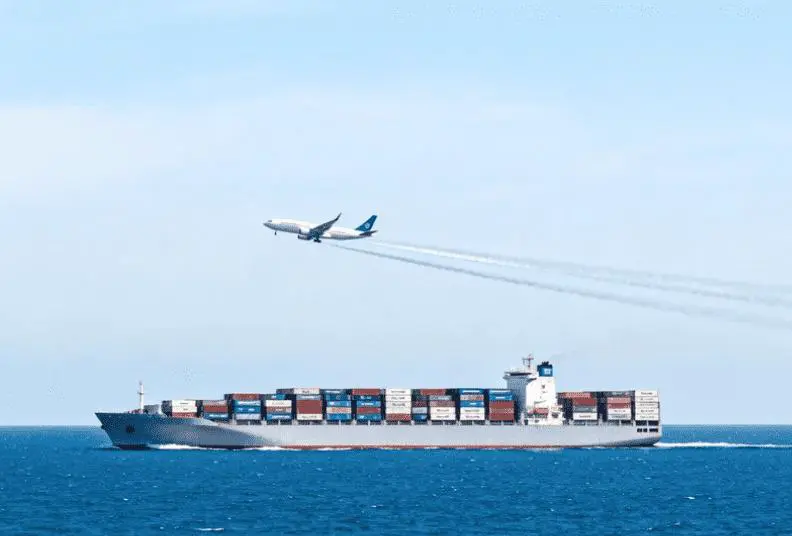
Overview of Shipping Routes from China to USA West Coast
Shipping goods from China to the USA West Coast is a critical part of global trade, serving as the backbone for industries ranging from manufacturing to e-commerce. These shipping routes handle a significant volume of international cargo, making route optimization essential for timely deliveries and cost-effective logistics. In this section, we will explore the main ports involved, the typical shipping distances, and provide a strategic overview for importers, exporters, and logistics professionals.
Key Ports in China for US West Coast Shipping
China boasts some of the world’s busiest and most advanced ports, playing a crucial role in exports to the United States. The following ports are the primary origins for shipments destined for the US West Coast:
- Port of Shanghai: As the world’s largest container port, Shanghai handles a vast portion of China-US trade. Its advanced logistics infrastructure and frequent sailings make it a top choice for both FCL (Full Container Load) and LCL (Less than Container Load) shipments.
- Port of Shenzhen: Located in southern China, Shenzhen is a major hub for electronics and consumer goods. Its proximity to manufacturing centers in Guangdong Province offers exporters significant efficiency.
- Port of Ningbo-Zhoushan: Known for efficient container handling and robust connections to eastern China’s industrial belt.
- Port of Qingdao: Serves as a key hub for northern China, supporting industries such as machinery, textiles, and chemicals.
- Port of Guangzhou: Connects inland manufacturing districts to international markets.
These Chinese ports maintain frequent, direct sailings to the USA West Coast, ensuring reliable supply chain connectivity.
Related reading: For a better understanding of container shipping costs to other major markets, see the 20ft & 40ft Container Cost from China to USA.
Major Ports on the US West Coast Receiving Chinese Imports
On the receiving end, the US West Coast hosts some of the country’s busiest ports, acting as gateways for Asian imports:
- Port of Los Angeles: The largest port in the US, handling more containers from China than any other. It supports a diverse range of cargo types, from electronics to automotive parts.
- Port of Long Beach: Adjacent to Los Angeles, often considered its twin port. Known for advanced technology and quick turnaround.
- Port of Oakland: Key entry point for Northern California, serving agriculture, retail, and industrial sectors.
- Port of Seattle & Port of Tacoma: Both are major gateways for the Pacific Northwest, with strong rail connections to inland US markets.
These ports are equipped with advanced customs processing systems, extensive warehousing, and excellent intermodal connections, enabling efficient cargo movement to distribution centers or final destinations across the United States.
Map and Typical Distances of Shipping Routes
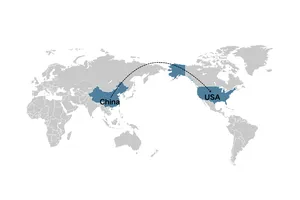
Shipping routes from China to the US West Coast generally follow the trans-Pacific route, crossing the North Pacific Ocean. Here are typical sailing distances and transit times (approximate figures, subject to seasonal and carrier variations):
| Route | Distance (Nautical Miles) | Typical Ocean Transit Time (Days) | Main Trade Lanes |
|---|---|---|---|
| Shanghai to Los Angeles | 5,700 | 12-16 | Electronics, Textiles |
| Shenzhen to Long Beach | 6,000 | 13-17 | Consumer Goods, Apparel |
| Ningbo to Oakland | 5,900 | 14-18 | Machinery, Chemicals |
| Qingdao to Seattle | 4,600 | 11-15 | Food, Industrial Goods |
| Guangzhou to Los Angeles | 6,200 | 13-18 | Furniture, Appliances |
These numbers can fluctuate based on weather, port congestion, and vessel schedules. During peak seasons such as pre-holiday shipping, transit times may extend due to increased demand and port activity.
Note: Comparing routes and transit times is crucial for supply chain planning, especially for time-sensitive or high-value shipments.
For more details on shipping durations to North America, you might also be interested in Shipping time from China to USA.
Popular Shipping Methods from China to the US West Coast
Choosing the right shipping method depends on your cargo’s urgency, volume, and budget. Below, we evaluate the most common shipping methods, highlighting their key features, advantages, and trade-offs.
Ocean Freight: FCL vs. LCL Shipping Options
Ocean Freight is the most popular and cost-effective method for shipping large volumes from China to the USA West Coast. There are two primary containerized options:
- FCL (Full Container Load): You book an entire container (20FT, 40FT, 40HQ, or 45HQ) exclusively for your cargo. Recommended for larger shipments (typically >15 CBM).
- Advantages: Lower per-unit cost, increased security, less handling.
- Container Capacities:
Container Type Capacity (CBM) 20FT 28 40FT 56 40HQ 68 45HQ 78
- LCL (Less than Container Load): Your goods share container space with other shippers’ cargo. Ideal for smaller loads (<15 CBM) or when shipping infrequently.
- Advantages: Pay only for the space you use; cost-effective for small shipments.
- Considerations: Potential for longer handling times and higher risk of delays due to consolidation.
| Shipping Mode | Best For | Transit Time (Days) | Cost (USD/CBM)* | Notes |
|---|---|---|---|---|
| FCL | >15 CBM | 12-18 | $50-$80 | Lower risk, faster |
| LCL | <15 CBM | 16-22 | $100-$150 | More handling, slower |
*Actual rates vary by season, route, and carrier.
Air Freight Services to the US West Coast
Air Freight is the preferred option for urgent, high-value, or lightweight shipments. Major Chinese airports (Shanghai Pudong, Guangzhou Baiyun, Shenzhen Bao’an) offer daily direct flights to US West Coast hubs (Los Angeles International (LAX), San Francisco International (SFO), Seattle-Tacoma International (SEA)).
- Transit Time: 1-4 days (door-to-door, depending on final destination and customs clearance).
- Best For: Electronics, fashion, samples, e-commerce replenishment.
- Cost: Higher than sea freight, generally $4-$8 per kg (subject to fuel surcharges and market rates).
Pros:
- Fastest delivery (ideal for urgent shipments)
- Higher reliability (less impacted by port congestion)
Cons:
- High cost per kg
- Limited to cargo within airline size/weight restrictions
Express Courier Services for China-US Shipments
Express Courier Services (FedEx, UPS, DHL, SF Express) provide door-to-door shipping with full tracking and customs brokerage included. This is the top choice for documents, small parcels, and time-critical e-commerce orders.
- Transit Time: 1-3 days (typically guaranteed)
- Weight/Size Limit: Usually up to 70 kg per piece; larger or heavier shipments may require freight services.
- Cost: Premium rates, starting at $10-$15 per kg depending on service level and package size.
Key Benefits:
- Simplified process (pickup, customs, final delivery handled by a single provider)
- End-to-end tracking
- Predictable transit times
Limitations:
- Expensive for bulk shipments
- Restricted for certain dangerous goods or oversized cargo
| Shipping Method | Typical Transit Time | Best For | Cost (Estimate) |
|---|---|---|---|
| Ocean FCL/LCL | 12-22 days | Bulk, non-urgent cargo | Lowest per unit |
| Air Freight | 1-4 days | Urgent, high-value cargo | Moderate-High |
| Express Courier | 1-3 days | Documents, small parcels | Highest per unit |
Pro Tip:
Choosing the right shipping method requires balancing speed, cost, and cargo characteristics. As a highly professional and cost-effective freight forwarder, DTFU International Logistics Co.,Ltd can help you evaluate the best shipping solution for your business. Our services include Sea Freight, Air Freight, Amazon FBA, Warehouse, Cargo Insurance, Door to Door, and more. We offer tailored logistics support for all types and sizes of shipments between China and the USA West Coast.
If you’re considering air shipping to other North American destinations, you may also want to explore Air Shipping From China Canada.
Transit Times and Schedules for China to US West Coast Shipping
Average Ocean Freight Transit Times
When shipping goods from China to the USA West Coast, understanding the average transit times for ocean freight is crucial for effective supply chain planning. Transit times can vary based on the port of origin in China and the destination port on the US West Coast. The typical ports of departure in China include Shanghai, Shenzhen, Ningbo, and Qingdao. The main US West Coast ports receiving Chinese imports are Los Angeles (LA), Long Beach (LB), Oakland, and Seattle.
Here’s a table summarizing average port-to-port transit times for Full Container Load (FCL) shipments:
| Origin Port (China) | Destination Port (USA West Coast) | Estimated Transit Time (Days) |
|---|---|---|
| Shanghai | Los Angeles/Long Beach | 13 – 15 |
| Shenzhen | Los Angeles/Long Beach | 12 – 14 |
| Ningbo | Oakland | 15 – 17 |
| Qingdao | Seattle | 16 – 18 |
| Tianjin | Los Angeles/Long Beach | 17 – 20 |
Note: These are port-to-port transit times and do not include loading, unloading, customs clearance, and inland transportation. Actual times may vary due to vessel schedules, port congestion, and weather.
For Less than Container Load (LCL) shipments, expect 2–3 additional days due to consolidation and deconsolidation processes.
Fastest Shipping Options: Air and Express
For time-sensitive shipments, air freight and express courier services are the fastest solutions from China to the US West Coast.
| Shipping Mode | Transit Time (Days) | Best For |
|---|---|---|
| Standard Air Freight | 3 – 6 | Medium-high value, urgent cargo |
| Express Courier (e.g. DHL, FedEx, UPS) | 1 – 4 | Documents, small parcels, e-commerce |
Express couriers usually offer door-to-door delivery, making them ideal for e-commerce sellers and urgent personal shipments. Air freight is suitable for larger loads needing fast delivery but may require additional handling at airports.
At DTFU International Logistics Co.,Ltd, we help clients choose the optimal shipping mode based on their cargo type, urgency, and budget, ensuring a balance between speed and cost.
For detailed transit times and comparisons for various destinations, see our guide on How long to ship from China to USA.
Seasonal Factors Impacting Transit Schedules
Several seasonal and external factors can impact both ocean and air transit schedules between China and the USA West Coast:
- Chinese New Year (January–February): Factories close for 1–2 weeks, leading to cargo backlogs and peak season surcharges. Ocean and air capacity become tight; book early.
- Golden Week (October): Similar disruptions due to national holidays in China.
- US Holiday Peaks (November–December): Importers rush to stock up for Black Friday and Christmas, causing port congestion and delayed sailings.
- Port Congestion & Labor Actions: Recent years have seen labor shortages and strikes at major US West Coast ports (notably Los Angeles and Long Beach), resulting in additional delays.
- Weather-Related Disruptions: Typhoon season in East Asia (July–September) and Pacific storms can impact vessel schedules.
Best Practice: Work closely with your freight forwarder to anticipate these seasonal trends. At DTFU International Logistics Co.,Ltd, our team closely monitors shipping schedules and provides real-time updates, helping clients adjust plans proactively.
Costs of Shipping from China to US West Coast
Factors That Affect Freight Costs
Shipping costs from China to the US West Coast depend on multiple factors, including:
- Shipping Mode: Ocean (FCL/LCL), air, or express.
- Cargo Volume & Weight: Heavier and larger shipments cost more. For ocean freight, container size (20FT, 40FT, 40HQ, 45HQ) matters.
- Origin & Destination Ports: Port pairings influence base rates.
- Current Market Conditions: Global demand, fuel prices (BAF), currency fluctuations, and surcharges.
- Seasonality: Peak seasons (pre-holiday, Chinese New Year) see higher rates.
- Value-Added Services: Insurance, customs clearance, warehousing, and door-to-door delivery add to total cost.
- Type of Goods: Hazardous, oversized, or perishable goods incur extra fees.
Sample Rate Comparisons: Sea, Air, and Express
Below is a reference table for shipping a standard cargo (as of December 2025). Actual rates fluctuate frequently; consult with DTFU International Logistics Co.,Ltd for real-time quotes.
| Shipping Mode | Cargo Size (Example) | Estimated Cost (USD) | Transit Time (Days) | Notes |
|---|---|---|---|---|
| FCL (20FT) | Up to 28 CBM | $2,000 – $3,200 | 13–17 | Rate includes basic ocean freight only |
| FCL (40HQ) | Up to 68 CBM | $3,500 – $5,500 | 13–17 | Most cost-effective for large shipments |
| LCL | 1–10 CBM | $80 – $120/CBM | 15–21 | Additional fees for consolidation |
| Standard Air | 500 kg | $5.5 – $8.0/kg | 3–6 | Does not include customs/taxes |
| Express | 10 kg parcel | $7.0 – $12.0/kg | 1–4 | All-inclusive, fast, small parcels |
Rates above are for reference only and subject to change due to market fluctuations, fuel surcharges, and global events.
Tips to Reduce Shipping Expenses
- Plan Ahead: Book shipments early, especially before peak seasons, to lock in better rates and avoid urgent fees.
- Consolidate Shipments: Combine multiple LCL shipments or switch to FCL if your cargo volume nears a full container. FCL is more cost-effective per CBM.
- Flexible Shipping Dates: Allow flexibility to take advantage of lower rates on less busy sailings or flights.
- Optimize Packaging: Reduce cargo volume and use space efficiently. Many shippers pay based on volumetric weight (air) or CBM (sea).
- Work with a Trusted Freight Forwarder: Experienced providers like DTFU International Logistics Co.,Ltd leverage strong carrier relationships and volume discounts to secure the best rates and manage the entire process, including customs, insurance, and door-to-door delivery.
- Consider Value-Added Services: Warehouse consolidation, insurance, and customs clearance can prevent unexpected costs and delays.
- Monitor Market Updates: Stay informed about rate trends and policy changes, such as new tariffs or customs regulations on the US West Coast.
At DTFU International Logistics Co.,Ltd, we are committed to providing transparent, competitive shipping solutions tailored to your business needs, utilizing our expertise to help you save both time and money on every shipment.
To compare with freight rates to Canada, check out Shipping Cost from China to Canada.
Customs Clearance and Import Regulations at US West Coast Ports
Navigating customs clearance and import regulations at major US West Coast ports—such as Los Angeles, Long Beach, Oakland, Seattle, and Tacoma—is a critical step in the shipping process from China. As someone with over a decade in global logistics, I’ve seen efficiency and compliance make the difference between smooth delivery and costly delays. Here’s a comprehensive guide for importers and businesses.
Essential Customs Documentation for Importers
Proper documentation is crucial for clearing US Customs and Border Protection (CBP). Incomplete or inaccurate documents are the most common reasons for clearance delays or fines. Key documents include:
| Document Name | Purpose & Notes |
|---|---|
| Bill of Lading (B/L) | Contract between shipper & carrier; proof of shipment; required for release at port. |
| Commercial Invoice | Details value, HS code, quantity, and description of goods; needed for duty assessment. |
| Packing List | Specifies contents of each package; helps with inspection and verification. |
| Arrival Notice | Issued by carrier; notifies consignee of cargo arrival. |
| Import Security Filing (ISF, '10+2') | Must be submitted to CBP at least 24 hours before cargo is loaded in China. |
| Entry Manifest/Entry Summary (CBP Form 3461/7501) | Filed to initiate customs entry and finalize duty/tax payments. |
| Other Licenses/Permits | Required for regulated goods (food, electronics, medical devices, etc.). |
Tip: Always check if your cargo falls under controlled categories requiring additional permits, such as FDA for food or FCC for electronics.
Common Customs Challenges and How to Avoid Delays
US West Coast ports are among the world’s busiest, and even minor compliance issues can cause days or weeks of delay. Common challenges include:
- ISF Filing Errors: Late or inaccurate ISF submissions can lead to fines up to $5,000 per violation.
- Inadequate Documentation: Missing signatures, vague product descriptions, or inconsistent values increase cargo scrutiny.
- Incorrect HS Codes: Using the wrong Harmonized System codes may result in incorrect duty payments or seizure.
- Non-compliance with Partner Government Agencies (PGAs): Goods under agencies like USDA, EPA, or CPSC need extra documentation.
How to Avoid Delays:
- Double-check all documentation before shipment.
- Submit ISF well before departure from China.
- Consult with a qualified freight forwarder like DTFU International Logistics Co.,Ltd for pre-clearance reviews.
- Stay up to date with changing US customs policies—especially for new regulations (e.g., forced labor, anti-dumping investigations).
Import Restrictions and Compliance Tips
Importers must comply with US law and specific port-area requirements. Notably:
- Restricted and Prohibited Items: Certain goods (e.g., counterfeit products, hazardous materials, protected wildlife) are banned or restricted.
- Tariffs & Trade Remedies: The US has imposed additional tariffs on some Chinese goods under Section 301; plan for potential extra costs.
- Packaging Regulations: All wood packaging must meet ISPM 15 standards—non-compliant crates or pallets will be rejected.
Compliance Tips:
- Use the Automated Commercial Environment (ACE) system for real-time filings.
- Regularly check the CBP and US West Coast Port Authority websites for policy updates.
- Work with experienced logistics partners, such as DTFU International Logistics Co.,Ltd, for compliance audits and proactive risk management.
For an overview of customs services, visit our Customs Clearance page.
How to Choose the Best Shipping Route and Method from China to US West Coast
Selecting the right shipping route and transportation method is crucial for balancing cost, speed, and reliability. Factors such as cargo type, volume, urgency, and budget must all be considered.
Factors to Consider: Cost, Speed, and Cargo Type
Here is a breakdown of the primary considerations:
| Factor | Ocean Freight (FCL/LCL) | Air Freight | Express Courier |
|---|---|---|---|
| Cost | Lowest per unit (FCL), moderate (LCL) | High | Highest (but includes last-mile) |
| Speed | 12–18 days (FCL); 15–25 days (LCL) | 2–7 days | 1–4 days |
| Cargo Size | Bulky, heavy, or palletized | Small to medium, urgent | Small, high-value, time-critical |
| Customs Process | Standard | Expedited (but complex docs) | Fast, streamlined by courier |
| Best For | Cost-sensitive, large volumes | High-value, urgent shipments | Samples, e-commerce orders |
FCL (Full Container Load): Suited for large shipments (≥28CBM for 20FT, 56CBM for 40FT, 68CBM for 40HQ, 78CBM for 45HQ).
LCL (Less than Container Load): For smaller shipments, shares container with others—may have slightly longer processing time.
Air Freight is optimal for time-sensitive, high-value, or perishable goods but is much more expensive.
Express Courier through providers such as FedEx, DHL, or UPS is ideal for small, urgent shipments and cross-border e-commerce.
Recommended Routes and Shipping Services for Different Businesses
Depending on your business model and cargo profile, different solutions may be optimal:
| Business Type | Recommended Route & Method |
|---|---|
| Large Importers/Manufacturers | Ocean FCL direct from major China ports (e.g., Shanghai, Shenzhen) to Los Angeles/Long Beach/Oakland. |
| SMEs with Moderate Volume | Ocean LCL or Air Freight for faster, cost-efficient delivery. |
| E-commerce Sellers | Express Courier (door-to-door), Air Freight to major West Coast hubs. |
| Amazon FBA Sellers | Sea or Air Freight to Amazon warehouses (DTFU provides FBA prep and customs clearance). |
| Urgent Shipments | Air Freight or Express Courier for fastest delivery. |
DTFU International Logistics Co.,Ltd offers customized, one-stop solutions for all these business types, including end-to-end customs clearance, warehousing, and cargo insurance.
Working with a Freight Forwarder: Benefits and Considerations
Partnering with a professional freight forwarder like DTFU International Logistics Co.,Ltd brings clear advantages:
- Expertise in Documentation & Compliance: Avoid costly mistakes and ensure swift customs clearance.
- Route Optimization: Experienced forwarders suggest the best combinations of routes and carriers for your unique needs.
- Cost Savings: Leverage consolidated shipments, negotiated rates, and advanced cargo planning.
- Integrated Services: DTFU offers Sea Freight, Air Freight, Road Freight, Warehouse, Cargo Insurance, Door to Door, and specialty services like OOG Freight and Breakbulk Freight.
- Real-Time Support: Dedicated account managers monitor shipments and handle exceptions proactively.
Considerations:
Choose a forwarder with a strong track record, transparent pricing, and local presence at both origin (China) and destination (US West Coast).
Tracking, Insurance, and Risk Management for China-US West Coast Shipments
Ensuring visibility and protecting shipments are vital for today's international trade. Here’s how to manage these aspects effectively:
Real-Time Tracking Solutions for International Shipments
Modern logistics offers robust real-time tracking to keep you informed throughout the entire journey:
- Online Portals & Apps: Platforms such as DTFU Logistics’ tracking tool let you track by B/L number, container number, or shipment reference.
- Integration with TMS/ERP: Advanced businesses can integrate tracking data into their own systems for seamless supply chain management.
- Push Notifications: Receive automatic alerts for milestones—departure, arrival, customs clearance, and delivery.
Tip: Always check if your carrier and forwarder provide multi-modal tracking, especially if using door-to-door, Amazon FBA, or consolidated freight solutions.
For global cargo tracking solutions, visit our Cargo Tracking page.
Cargo Insurance Options and Best Practices
International shipping involves risks such as loss, damage, or theft. Protecting your cargo with the right insurance is essential.
| Insurance Type | Coverage Description | When to Use |
|---|---|---|
| All-Risk (Comprehensive) | Covers most damage/loss except listed exclusions | High-value or fragile goods |
| Total Loss Only | Only covers if the entire shipment is lost | Bulk cargo, low-value shipments |
| Named Perils | Covers loss from specific events (fire, theft, storm, etc.) | When specific risks are a concern |
| General Average | Shared loss if cargo is sacrificed for ship safety | All sea shipments (should always be covered) |
Best Practices:
- Always declare the accurate value of your goods.
- Read policy exclusions carefully.
- Use professional packaging to minimize damage risks.
- Purchase insurance through trusted providers like DTFU International Logistics Co.,Ltd, which offers tailored cargo insurance for every shipment.
Dealing with Damages or Delays: What to Do
Even with careful planning, issues can happen. Here’s what to do:
- Inspect Immediately: Upon delivery, check for visible damage or shortages before signing the POD (Proof of Delivery).
- Document Everything: Take photos, note discrepancies, keep all shipping documents.
- Notify Your Forwarder/Insurer: Report issues within the required time frame (usually 3–7 days for visible damage).
- File Claims Promptly: Submit all supporting documents and evidence as required by your insurer or forwarder.
- Review for Improvement: Analyze the cause—packaging, handling, route choice—and improve for future shipments.
DTFU International Logistics Co.,Ltd provides full support for claims, incident investigation, and risk mitigation planning, ensuring your interests are protected throughout your China to US West Coast shipping journey.
The journey from China to the US West Coast involves complex processes. By understanding customs requirements, carefully choosing the right shipping route and partner, and proactively managing risks, your international logistics can run smoothly and cost-effectively. For professional advice and tailored logistics solutions, the DTFU International Logistics team is always ready to assist you.