Are you curious about the true high cube shipping container cost from China and how it compares to standard options? Understanding the pricing and complexities of high cube containers is crucial for businesses looking to optimize international shipping. In this comprehensive guide, we’ll break down container dimensions, cost factors, and insider tips to help you secure the best shipping rates from China for your needs.
What Is a High Cube Shipping Container?
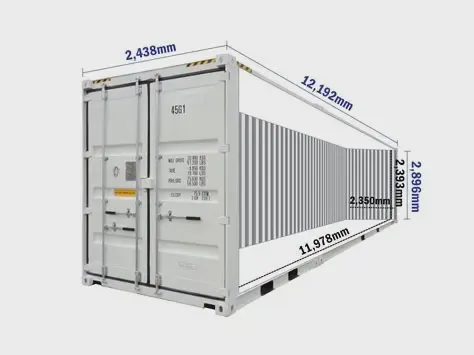
A high cube shipping container is a specialized type of intermodal container designed to offer extra height compared to standard containers. While the base length and width remain the same as standard containers, the high cube container is typically one foot (about 30 centimeters) taller, providing more capacity and flexibility for oversized or voluminous cargo.
High cube containers are available mainly in 40-foot (40HQ) and 45-foot (45HQ) sizes, both widely used in international freight forwarding from China to global destinations. This additional height is critical for shippers needing more interior space without increasing the container’s footprint, making these containers especially popular for bulky, lightweight, or awkwardly shaped goods.
High Cube Container Dimensions vs Standard Containers
Understanding the dimensional differences between high cube containers and standard containers is vital for optimizing shipping strategies. Below is a comparison table for the most commonly used container types:
| Container Type | External Dimensions (L x W x H, mm) | Internal Volume (CBM) | Maximum Payload (kg) |
|---|---|---|---|
| 20-foot Standard | 6,058 x 2,438 x 2,591 | 28 | ~28,200 |
| 40-foot Standard | 12,192 x 2,438 x 2,591 | 56 | ~28,800 |
| 40-foot High Cube (40HQ) | 12,192 x 2,438 x 2,896 | 68 | ~28,600 |
| 45-foot High Cube (45HQ) | 13,716 x 2,438 x 2,896 | 78 | ~27,900 |
Key Differences:
- High cube containers are typically 300mm (about 1 foot) taller than standard containers, offering greater internal volume.
- The increased capacity allows shippers to load lighter, high-volume cargo more efficiently, which is ideal for items such as furniture, machinery, textiles, and e-commerce products.
When to Use High Cube Containers for Shipping from China
Choosing a high cube shipping container from China is beneficial in the following scenarios:
- Bulky, Lightweight Cargo: If your shipment has a large cubic volume but is not especially heavy (e.g., furniture, plastic products, textiles, or assembled goods), a high cube container enables you to maximize space utilization.
- Oversized Items: Goods that exceed the standard container height (2.59m) but fit under 2.89m can be loaded without expensive OOG (Out of Gauge) surcharges.
- E-commerce and Consolidation: Cross-border sellers or buyers consolidating shipments from multiple suppliers in China can significantly reduce per-unit costs by using the extra space a high cube provides.
- Project Cargo: For industrial machinery or parts, the added vertical space can simplify loading and unloading, reducing the risk of damage.
- Special Packaging Requirements: Certain products require upright positioning, additional padding, or customized racks—all more feasible in a high cube container.
If unsure whether a high cube is right for your shipment, consult a professional freight forwarder such as DTFU International Logistics Co.,Ltd, which provides tailored advice, door-to-door solutions, and cost-effective container shipping from major Chinese ports to worldwide destinations.
How Much Does a High Cube Shipping Container Cost from China?
The cost of shipping a high cube container from China can vary significantly depending on several factors, including origin and destination ports, market fluctuations, shipping routes, and value-added logistics services. Below, we provide an in-depth look at cost ranges, influencing factors, and a comparison to standard containers.
If you're interested in the cost differences for specific destinations, such as the cost of shipping container from China to Ireland, you can find detailed breakdowns for European routes.
Average Price Range for High Cube Containers in 2026
Based on recent industry data and market projections for 2026, here are the estimated all-in ocean freight rates (excluding local charges and duties) for 40HQ high cube containers shipped from major Chinese ports:
| Destination Port | Estimated Ocean Freight (USD, 40HQ) | Estimated Transit Time (Days) |
|---|---|---|
| Los Angeles, USA | $2,400 – $3,200 | 15 – 18 |
| New York, USA | $3,200 – $4,200 | 28 – 35 |
| Hamburg, Germany | $2,600 – $3,500 | 30 – 40 |
| Felixstowe, UK | $2,700 – $3,600 | 28 – 35 |
| Sydney, Australia | $2,100 – $2,900 | 15 – 22 |
| Dubai, UAE | $1,800 – $2,600 | 18 – 24 |
| Singapore | $900 – $1,300 | 5 – 8 |
| Cape Town, South Africa | $2,900 – $3,800 | 23 – 30 |
Note: The above prices reflect market averages. Rates can fluctuate due to seasonal demand, fuel surcharges, and global economic factors. For the most accurate and up-to-date quotation, consult a trusted freight forwarder like DTFU International Logistics Co.,Ltd.
Factors That Impact High Cube Container Costs from China
Several key factors influence the total cost of high cube container shipping from China:
- Origin and Destination Ports: Shipping from major ports such as Shanghai, Shenzhen, Ningbo, or Qingdao to high-traffic global ports is generally more cost-effective than less common routes.
- Market Dynamics and Surcharges: Global events (e.g., pandemic recovery, Suez Canal disruptions), fuel price changes, and peak season surcharges all cause rate volatility.
- Container Availability: High cube containers are in higher demand for certain industries, and shortages may lead to premium pricing.
- Shipping Mode: FCL (Full Container Load) is priced per container, while LCL (Less than Container Load) is charged by volume/weight. High cube is more cost-effective for FCL when shipping large volumes.
- Value-added Services: Additional services such as door-to-door delivery, cargo insurance, customs clearance, and warehouse storage increase total costs but improve supply chain efficiency.
- Local and Destination Charges: These include terminal handling charges (THC), port security fees, and delivery charges.
- Documentation and Customs: Required documents, destination country import taxes, and duties can significantly affect the final cost.
For those considering North American shipments, you may want to check out more about shipping from Shanghai to USA for current trends and transit times.
Cost Comparison: High Cube vs Standard Container Shipping
It’s important to compare the costs of high cube and standard containers to determine the best fit for your logistics needs:
| Container Type | Typical Freight Rate Difference | Best Use Case |
|---|---|---|
| 40-foot Standard | Baseline | General cargo, weight-intensive loads |
| 40-foot High Cube | $100 – $300 higher | Voluminous, lightweight, or tall cargo |
| 45-foot High Cube | $300 – $700 higher | Maximum volume, oversized cargo, consolidation |
Analysis:
- The incremental cost for a high cube container is relatively small compared to the extra volume (up to 21% more than a 40ft standard container).
- For businesses shipping bulky or consolidated goods, the high cube option often yields a lower cost per cubic meter.
- Always calculate your cargo volume and weight to determine whether upgrading to a high cube is cost-effective.
For tailored advice and real-time rates, consult with DTFU International Logistics Co.,Ltd. We specialize in sea freight, air freight, Amazon FBA shipping, warehouse solutions, and comprehensive door-to-door services from China to any global destination.
Key Factors Influencing High Cube Shipping Container Prices
When shipping with a High Cube shipping container from China, several critical factors influence overall costs. Understanding these variables can help importers and exporters make informed decisions and optimize their logistics budgets.
1. Container Type and Size
- High Cube containers are typically 40HQ (40-foot high cube) or 45HQ (45-foot high cube). Their capacities (68CBM for 40HQ, 78CBM for 45HQ) provide more space than standard containers, but also come with a price premium.
- The choice between 40HQ and 45HQ will directly affect the base shipping cost.
2. Origin and Destination Ports
- The distance between the Chinese port (e.g., Shanghai, Shenzhen, Ningbo) and the destination port (such as Los Angeles in the U.S., Rotterdam in the Netherlands, or Sydney in Australia) is a major pricing determinant.
- Port congestion, infrastructure, and local handling charges also play an important role.
| Origin Port | Destination Port | Estimated 40HQ Shipping Cost (2026, USD) | Estimated Transit Time (Days) |
|---|---|---|---|
| Shanghai | Los Angeles | $3,300 – $4,100 | 15–19 |
| Ningbo | Rotterdam | $3,900 – $5,200 | 28–34 |
| Shenzhen | Sydney | $2,800 – $3,900 | 10–15 |
Estimates above include basic sea freight and may vary based on season, fuel costs, and carrier rates.
For more details about European imports and how rates might compare, see how long cargo ship from China to Italy.
3. Shipping Season and Market Fluctuations
- Peak shipping seasons (such as pre-Christmas, Chinese New Year) see significant rate increases due to high demand.
- Global events, such as the Red Sea crisis or Suez Canal disruptions, can cause sharp, short-term price spikes.
4. Fuel Surcharges and Bunker Adjustment Factor (BAF)
- Fluctuating oil prices impact shipping costs via BAF and ECA (Emission Control Area) surcharges.
- Carriers adjust these fees regularly to reflect market realities.
5. Equipment Availability and Imbalances
- Shortages of High Cube containers at specific ports, or surpluses at others, will affect pricing.
- Equipment imbalance surcharges are sometimes applied when containers need to be repositioned.
6. Carrier and Freight Forwarder Selection
- Choosing a reputable, experienced freight forwarder like DTFU International Logistics Co.,Ltd ensures cost-effective solutions, reliable service, and transparent pricing.
- DTFU offers full-service options, including Sea Freight, Consolidated Freight, and Door to Door logistics.
7. Cargo Type and Special Requirements
- Oversized, hazardous, or temperature-sensitive cargo may require specialized OOG Freight or cargo insurance services, impacting the total cost.
Additional Fees and Hidden Costs in Shipping High Cube Containers
While the base rate for shipping a High Cube container from China is significant, several additional fees can impact your final invoice. Importers and exporters should budget for these hidden costs to avoid unpleasant surprises.
Surcharges, Taxes, and Customs Duties
1. Surcharges
- Port Congestion Surcharge (PCS): Applied during high-traffic periods at major ports.
- Peak Season Surcharge (PSS): Charged during periods of high demand.
- Emergency Risk Surcharge (ERS): Imposed during geopolitical instability (e.g., the Red Sea crisis).
- Equipment Imbalance Charge (EIC): For repositioning empty containers to meet demand.
2. Taxes and Customs Duties
- Import Duties: Vary by destination country and product classification (HS code).
- Value Added Tax (VAT) / Goods and Services Tax (GST): Levied in regions like the European Union or Australia.
- Anti-dumping or Safeguard Duties: May apply to certain goods due to trade policies.
| Surcharge/Tax Name | Typical Range (USD) | Comments |
|---|---|---|
| Port Congestion Surcharge | $150 – $300 | Varies by port and carrier |
| Peak Season Surcharge | $200 – $400 | Applied during global demand surges |
| Emergency Risk Surcharge | $100 – $500+ | Based on geopolitical risks, route disruptions |
| Import Duty (e.g., US) | 2% – 25% of value | According to HS code, check USITC or local customs |
| VAT (e.g., EU) | 19% – 23% | Based on product value and country |
Actual rates depend on current policy and commodity type. Always verify with local customs authorities or consult your freight forwarder.
Handling, Storage, and Local Delivery Charges
1. Handling Charges
- Terminal Handling Charges (THC): Levied at both origin and destination ports for loading/unloading containers.
- Documentation Fees: For processing bills of lading and shipping documents.
- Security Fees: Mandated at certain international ports.
2. Storage Fees
- Demurrage: Charged when containers remain at the port longer than the free time (typically 3–7 days).
- Detention: Fees for keeping the container outside the terminal beyond the allowed period.
3. Local Delivery Charges
- Trucking/Drayage Fees: Inland transport from port to warehouse or final destination.
- Warehouse Handling: For unloading, sorting, or temporary storage at a facility.
| Fee Type | Average Cost (USD) | Applies At | Typical Free Time |
|---|---|---|---|
| Terminal Handling Charge | $150 – $350 per container | Origin & Destination | N/A |
| Demurrage | $50 – $120 per day | Port | 3–7 days |
| Detention | $60 – $150 per day | Outside Port | 7–14 days |
| Local Trucking | $300 – $600 per delivery | Destination Country | N/A |
| Warehouse Storage | $5 – $15 per pallet/day | Destination Warehouse | 1–3 days |
Charges vary by port, location, and provider. Early coordination with your logistics partner reduces risk of incurring these fees.
Reducing Hidden Costs with a Reliable Partner
To minimize unexpected fees, work with a trusted freight forwarder like DTFU International Logistics Co.,Ltd. DTFU provides transparent pricing, pre-shipment planning, and comprehensive services—including one stop customs clearance, cargo insurance, and door-to-door delivery—to help you control your costs and streamline your shipping experience from China.
If you're considering shipping FCL or LCL to Africa, you may also refer to options for the cheapest shipping agent from China to South Africa.
How to Get the Best High Cube Shipping Container Rates from China
Securing the most competitive rates for high cube shipping containers from China requires a combination of market research, negotiation skills, and strategic planning. As global shipping dynamics fluctuate due to economic factors, geopolitical tensions, and capacity shifts, importers, exporters, and logistics professionals should stay proactive to optimize their costs.
Tips for Negotiating with Freight Forwarders
Negotiation is key to achieving favorable container shipping rates. Here are actionable tips to help you negotiate effectively with freight forwarders:
-
Research Current Market Rates: Stay informed on the standard rates for 40ft high cube containers (40HQ) and 45ft high cube containers (45HQ) from China to various major ports. Websites like Xeneta and industry reports from organizations such as Drewry can provide recent benchmarks.
-
Request Itemized Quotes: Always ask for a breakdown of all charges—base freight, surcharges, documentation, and destination handling—to ensure transparency and avoid hidden costs.
-
Leverage Your Shipping Volume: If you ship regularly or in large volumes, use this as leverage to negotiate volume discounts.
-
Inquire About Contract Rates: For regular shipments, fixed-rate contracts can shield you against seasonal price surges.
-
Negotiate on Value, Not Just Price: Some forwarders, such as DTFU International Logistics Co.,Ltd, offer value-added services (like door-to-door, cargo insurance, or expedited customs clearance) that may save you more in the long run.
-
Timing Is Everything: Rates often spike before major holidays or during peak shipping seasons (e.g., pre-Chinese New Year). Booking early can lock in better rates.
Selecting the Right Shipping Partner
Choosing a reliable shipping partner is critical for a smooth logistics experience and cost optimization. Consider the following criteria:
| Criteria | Why It Matters | DTFU International Logistics Co.,Ltd Advantage |
|---|---|---|
| Industry Experience | Ensures familiarity with customs and documentation | Over 10 years in global freight forwarding |
| Network Coverage | Enables efficient solutions to/from any location | Partnerships with major carriers and agents worldwide |
| Service Portfolio | One-stop solutions reduce coordination hassles | Sea, road, air freight, Amazon FBA, warehousing, OOG freight, etc. |
| Transparent Pricing | Prevents unexpected costs and builds trust | Detailed, clear quotations and cost structure |
| Customer Support | Quick problem resolution and cargo status updates | Dedicated account managers and online tracking |
| Reputation & Reviews | Indicates reliability and past performance | High customer satisfaction and positive industry feedback |
Partnering with a reputable provider like DTFU International Logistics Co.,Ltd not only ensures competitive pricing but also minimizes risks related to delays, damage, or customs holdups.
Consolidation and Cost-Saving Strategies
Maximizing container utilization and employing consolidation strategies can drive significant savings:
-
LCL (Less than Container Load) Consolidation: If your shipment doesn’t fill a 40HQ or 45HQ container, choose consolidated freight (LCL) to share space and costs with other shippers.
-
Co-load with Trusted Partners: Work with your forwarder to identify consolidation opportunities with compatible cargo, optimizing costs per CBM.
-
Optimize Packaging: Adjust packaging dimensions to maximize the internal capacity (68CBM for 40HQ, 78CBM for 45HQ), reducing wasted space.
-
Route Optimization: Sometimes, shipping to a less congested port (e.g., Port of Qingdao vs. Port of Shanghai) and trucking to the final destination is more cost-effective.
Example: Estimated 40HQ High Cube Container Rates (2026 Q1)
| Origin Port (China) | Destination Port | Estimated Rate (USD) | Estimated Transit Time (Days) |
|---|---|---|---|
| Shanghai | Los Angeles, USA | $2,300 – $2,600 | 14 – 18 |
| Shenzhen | Rotterdam, Netherlands | $2,900 – $3,300 | 25 – 30 |
| Ningbo | Sydney, Australia | $2,700 – $3,100 | 13 – 16 |
| Qingdao | Hamburg, Germany | $3,000 – $3,400 | 27 – 32 |
Rates are subject to seasonal, geopolitical, and fuel surcharge fluctuations. For the most up-to-date quote, contact DTFU International Logistics Co.,Ltd.
If you are exploring shipping high cube containers to African destinations, you might also be interested in learning about the cheapest shipping from china to Nigeria.
Choosing the Right High Cube Shipping Container Solution from China
Selecting the best high cube shipping container solution depends on your business needs, cargo type, and destination. Here’s a step-by-step approach:
-
Assess Cargo Volume and Type:
- For large, voluminous, or over-height cargo (e.g., machinery, furniture), opt for 40HQ or 45HQ containers.
- For smaller loads, consider LCL consolidation to optimize costs.
-
Determine Service Requirements:
- Do you need door-to-door, warehouse, or Amazon FBA delivery?
- Are insurance and customs clearance critical for your shipment?
-
Evaluate Transit Time vs. Cost:
- Balance urgency against budget. Air freight is faster but pricier than sea freight.
- Some shippers combine sea-air for a balance of speed and cost.
-
Partner with an Expert Freight Forwarder:
- Choose a forwarder with expertise in high cube container logistics, strong global networks, and transparent communication.
-
Stay Updated on Policy Changes:
- Monitor updates on China’s export regulations, destination country customs policies, and global shipping trends for compliance and cost management.
Why Choose DTFU International Logistics Co.,Ltd?
- Comprehensive Services: From sea freight and road freight to cargo insurance, warehousing, and OOG (out-of-gauge) freight, DTFU covers every logistics need.
- One-Stop Customs Clearance: Streamlined processes reduce delays and risks.
- Cost-Effective Solutions: Competitive pricing and tailored shipping plans.
- Experienced Team: Led by logistics professionals with deep industry knowledge and a track record of successful shipments worldwide.
In the ever-evolving landscape of international shipping, working with a qualified, experienced, and trustworthy partner such as DTFU International Logistics Co.,Ltd ensures your high cube shipping container needs from China are met with maximum efficiency, safety, and value.
If you need a tailored quote or further advice on optimizing your shipping strategy, contact us today.