Are you searching for the cheapest shipping from China to Nigeria but feeling overwhelmed by the many options and hidden fees? Understanding the complexities of international shipping, from sea freight to express courier services, can be challenging. In this comprehensive guide, we’ll break down the main shipping methods, explore cost factors, and share expert strategies to help you secure the most affordable and reliable solution for your shipments.
Overview of Shipping from China to Nigeria
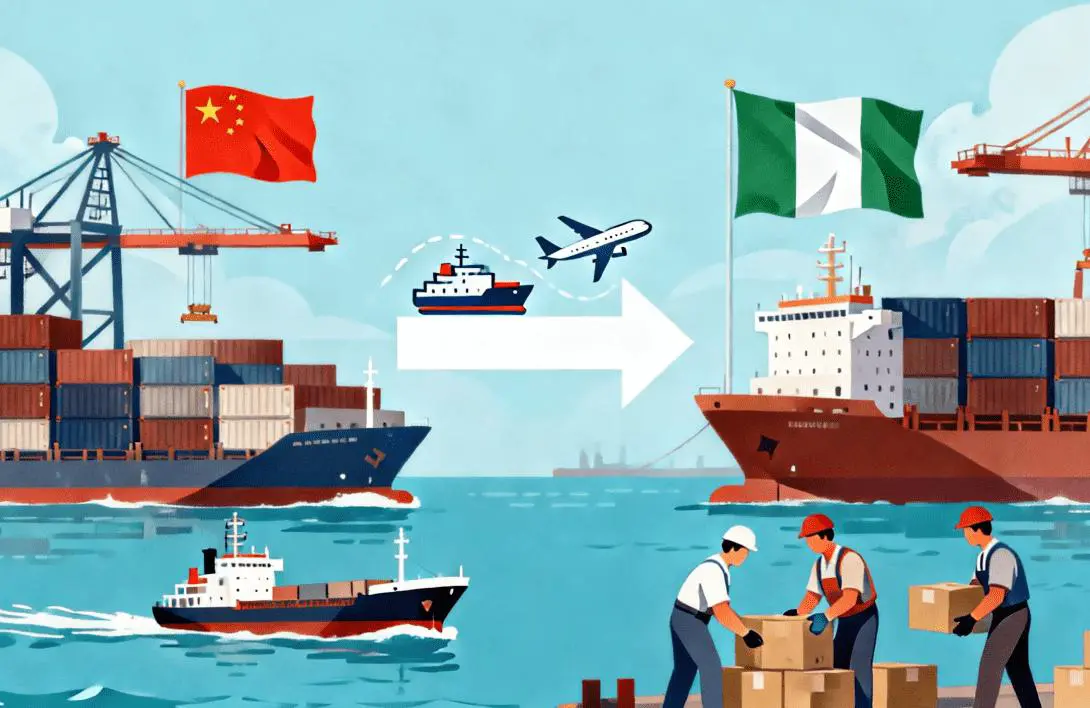
Shipping from China to Nigeria is a well-established and fast-growing trade corridor, serving a diverse range of businesses including importers, exporters, cross-border e-commerce sellers, and manufacturers. As Africa’s largest economy and most populous nation, Nigeria has a significant demand for Chinese goods—ranging from electronics, machinery, textiles, to daily consumer products. Efficient and cost-effective shipping is crucial for businesses seeking to remain competitive in this dynamic market.
There are several main shipping options available, each catering to different needs based on cargo size, urgency, and budget. Whether you are a seasoned logistics manager or a small business owner shipping for the first time, understanding these methods ensures you can select the most cost-effective and reliable solution.
DTFU International Logistics Co.,Ltd is a trusted freight forwarder with over a decade of experience, providing end-to-end international logistics services from China to Nigeria. Our tailored solutions help you navigate customs, optimize shipping costs, and ensure reliable delivery.
Main Shipping Methods from China to Nigeria
Selecting the right shipping method is essential to balance cost, speed, and convenience. Below are the main options available for shipping from China to Nigeria, with a focus on their benefits, limitations, and practical considerations.
Sea Freight: Cheapest Option for Bulk Cargo
Sea freight is the most economical method, especially for large and heavy shipments. It is ideal for importing goods in bulk, such as machinery, building materials, and large quantities of consumer products.
Key Advantages:
- Lowest Cost per Unit for large shipments.
- Flexible container options: Full Container Load (FCL) and Less than Container Load (LCL).
- 20ft Container (28CBM), 40ft (56CBM), 40HQ (68CBM), 45HQ (78CBM).
- Suitable for both standard and oversized cargo.
Main Seaports and Routes:
- China Major Ports: Shanghai, Shenzhen, Ningbo, Qingdao.
- Nigeria Major Ports: Apapa Port (Lagos), Tin Can Island Port, Onne Port.
- Typical transit time: 35–45 days (door-to-door, depending on consolidation and customs clearance).
Example Shipping Route Table
| Origin Port (China) | Destination Port (Nigeria) | FCL Transit Time (Days) | Typical FCL Cost (USD)* |
|---|---|---|---|
| Shanghai | Lagos (Apapa) | 36–42 | $3,200–$4,100 |
| Shenzhen | Lagos (Tin Can Island) | 35–40 | $3,000–$3,900 |
| Ningbo | Lagos (Apapa) | 38–45 | $3,300–$4,200 |
*Prices fluctuate due to global supply chain conditions. Contact DTFU International Logistics for real-time rates.
Sea freight is best for those looking for the cheapest shipping from China to Nigeria for bulk goods, but it requires careful planning due to longer transit times.
Related Reading: If you’re interested in container shipping costs to neighboring countries, you may find detailed insights in the article “Cost of shipping container from china to Kenya”.
Air Freight: Fastest but More Expensive
Air freight is the preferred option for urgent and high-value shipments, such as electronics, pharmaceuticals, and seasonal goods.
Key Advantages:
- Fastest delivery (usually 4–7 days).
- High reliability—less risk of damage and theft.
- Suitable for time-sensitive goods and smaller quantities.
Main Airports and Routes:
- China Major Airports: Shanghai Pudong, Guangzhou Baiyun, Beijing Capital.
- Nigeria Major Airports: Murtala Muhammed International Airport (Lagos), Nnamdi Azikiwe International Airport (Abuja).
Example Air Freight Comparison
| Route | Typical Transit Time | Average Cost (USD/kg)* |
|---|---|---|
| Shanghai → Lagos | 5–7 days | $6.0–$9.5 |
| Guangzhou → Lagos | 4–6 days | $6.5–$10.0 |
*Rates depend on weight, volume, and airline schedules.
While air freight offers unmatched speed, it is significantly more expensive than sea freight. It is most economical for shipments below 500 kg or urgent consignments.
Express Courier Services
Express courier services like DHL, FedEx, UPS, and specialized providers via DTFU International Logistics deliver small parcels and documents quickly and conveniently, door-to-door. This option is popular with e-commerce sellers and for samples, gifts, and high-value items.
Key Features:
- End-to-end tracking and rapid customs clearance.
- Delivery time: 3–6 days.
- Comprehensive coverage, including remote Nigerian cities.
Express Service Comparison Table
| Courier | Typical Delivery Time | Weight Limit per Shipment | Estimated Cost (USD/kg)* |
|---|---|---|---|
| DHL Express | 3–5 days | Up to 70kg | $10–$20 |
| FedEx IP | 4–6 days | Up to 68kg | $11–$22 |
*Rates vary; bulk discounts available through DTFU International Logistics.
Express services ensure speed and simplicity but carry a higher price point, best suited for small, urgent shipments.
Door-to-Door Shipping Solutions
Door-to-door shipping is a turnkey service that covers the entire logistics chain, from pick-up at the supplier in China to delivery at the customer’s address in Nigeria. DTFU International Logistics specializes in door-to-door, one-stop logistics solutions for both sea and air shipments.
Benefits:
- All-inclusive pricing: Freight, customs clearance, delivery, and local charges.
- Minimized Risk: Single point of contact and greater control over the supply chain.
- Simplifies international shipping for SMEs and first-time shippers.
How It Works:
- DTFU arranges pick-up from your supplier in China.
- Goods are shipped via sea, air, or express based on your needs.
- DTFU handles customs clearance in both China and Nigeria.
- Final delivery to your chosen address in Nigeria.
This solution is especially valuable for businesses with limited logistics experience or those seeking to reduce administrative workload and hidden costs.
How Much Does It Cost to Ship from China to Nigeria?
Shipping costs from China to Nigeria can vary significantly based on a range of factors, from the shipping method you select to the time of year and the nature of your goods. As a Senior Logistics Analyst with over a decade of experience, I understand how vital it is for businesses to have a transparent, accurate understanding of these costs to maintain profitability and supply chain efficiency.
Factors Influencing Shipping Costs
Several key elements impact the total shipping cost between China and Nigeria:
- Shipping Method: Sea freight, air freight, and express couriers have different pricing models based on speed, volume, and service level.
- Cargo Volume & Weight: Costs are calculated based on either the actual weight (kg) or volumetric weight (cbm), whichever is greater.
- Type of Goods: Hazardous, oversized, or temperature-controlled items typically incur higher fees.
- Origin and Destination: Costs differ depending on whether your shipment is from inland cities (like Guangzhou, Shanghai, or Shenzhen) to major Nigerian ports (like Lagos/Apapa/Tin Can Island).
- Incoterms: FOB, CIF, DAP, and DDP terms affect responsibility for costs and risk.
- Seasonality: Rates often spike before Chinese New Year, Golden Week, or major shopping events.
- Customs Duties & Taxes: Nigerian customs charges, VAT, and import surcharges are additional to international freight rates.
- Additional Services: Value-added options such as door-to-door delivery, warehousing, insurance, and consolidation will influence total costs.
For further insights into shipping durations on this trade lane, check out this detailed overview of shipping time from China to Nigeria.
Typical Price Ranges for Different Shipping Methods
To provide a professional, data-driven comparison, the following table summarizes typical shipping charges for common methods from China to Nigeria:
| Shipping Method | Transit Time | Typical Cost (USD)* | Cargo Size/Weight Guidelines | Notes |
|---|---|---|---|---|
| Sea Freight (FCL 20ft) | 30–45 days | $2,200 – $2,800 | Up to 28 CBM, 25,000 kg | Ideal for large, heavy shipments. Most cost-effective for bulk. |
| Sea Freight (FCL 40HQ) | 30–45 days | $3,900 – $4,700 | Up to 68 CBM, 25,000–28,000 kg | Lower per-cbm cost for larger loads. |
| Sea Freight (LCL) | 30–45 days | $60 – $90 per CBM | 1–15 CBM (consolidated cargo) | For small shipments, costs based on volume or weight. |
| Air Freight | 5–8 days | $5.0 – $7.5 per kg | Min. 45–100 kg usually required | Best for urgent or high-value goods. |
| Express Courier (DHL/UPS) | 3–5 days | $7.5 – $10 per kg | 0.5–30 kg, small parcels | Fastest, includes customs clearance, door-to-door. |
| Door-to-Door | 10–20 days (sea) | $400 – $600/CBM | Min. 1 CBM | Includes pickup, delivery, customs. Very popular for SMEs. |
*Prices are indicative and subject to market fluctuations, currency exchange, fuel surcharges, and seasonal demand. For precise, up-to-date rates, contact a reputable freight forwarder like DTFU International Logistics Co.,Ltd.
You may also want to explore current costs for specific container sizes, such as the cost of shipping 20ft container from china to Nigeria and cost of shipping 40ft container from china to Nigeria, for deeper market transparency.
Hidden Fees and Common Surcharges to Watch Out For
When shipping from China to Nigeria, transparency in pricing is crucial. Be aware of these common hidden costs:
- Destination Charges: Including port handling, terminal charges, and delivery order fees at Nigerian ports (Lagos, Apapa, Tin Can Island).
- Customs Clearance Fees: Local agents may charge for documentation, inspections, and processing.
- Demurrage and Storage: Delays in cargo pickup can incur daily storage fees at the port.
- Security Surcharges: High-risk items or routes may attract additional security fees.
- Peak Season Surcharges: Rates typically increase during major holidays or peak shipping periods.
- Insurance: Optional but recommended, especially for high-value cargo or long transit times.
- Bunker Adjustment Factor (BAF): A variable charge reflecting fuel price changes for vessels.
- Documentation Fees: Bill of lading, telex release, and other administrative documentation.
Always request a full quote breakdown and clarify responsibility for each fee under your chosen Incoterms.
How to Find the Cheapest Shipping Rates from China to Nigeria
Cost optimization requires a strategic approach, leveraging market knowledge, negotiation skills, and technology. Here’s how you can secure the most competitive rates:
Comparing Freight Forwarders and Online Quotation Platforms
Begin by gathering quotes from multiple sources:
- Freight Forwarders: Established companies such as DTFU International Logistics Co.,Ltd offer personalized service, transparent pricing, and industry expertise. We provide a wide array of logistics services including Sea Freight, Air Freight, Amazon FBA, Warehousing, Cargo Insurance, Door-to-Door, and more.
- Online Platforms: Websites like Freightos, Flexport, or Alibaba Logistics allow quick price comparisons, though service quality and after-sales support can vary.
- Direct Carrier Booking: For large, regular shipments, direct arrangements with shipping lines or airlines may yield better rates, but require expertise and volume commitments.
Pro Tip: Always assess the forwarder’s credentials, track record, and customer service responsiveness, not just price.
Tips for Negotiating with Shipping Agents
- Consolidate Shipments: Combining multiple orders or using LCL groupage can reduce per-unit costs.
- Flexible Timing: Allow for flexible cargo readiness dates to take advantage of lower off-peak rates.
- Volume Discounts: Larger or recurring shipments often qualify for lower rates; discuss long-term collaboration with your forwarder.
- Transparent Communication: Clearly specify your cargo details, preferred routes, and service requirements. This helps avoid misunderstandings and unforeseen fees.
- Leverage Multiple Services: Opting for a one-stop solution from a provider like DTFU International Logistics Co.,Ltd (which integrates customs, insurance, warehousing, and last-mile delivery) can be more economical than sourcing each service separately.
Seasonal Trends and How Timing Impacts Cost
Shipping rates from China to Nigeria fluctuate throughout the year, influenced by:
- Chinese New Year (January–February): Factories close, capacity becomes tight, rates surge.
- Golden Week (October): Similar capacity crunch and rate hikes.
- Black Friday/Christmas (Q4): Increased demand leads to higher prices, especially for air/express.
- Off-Peak (March–August): Rates generally lower, more space availability.
Recommendation: Plan shipments well in advance of peak periods. Booking 4–6 weeks ahead for sea freight or 2 weeks for air freight can help lock in better rates.
Achieving the cheapest shipping from China to Nigeria demands a blend of careful planning, transparent communication, and selecting the right logistics partner. At DTFU International Logistics Co.,Ltd, we leverage deep market insight and a global network to provide tailored, cost-effective shipping solutions for every client. For a custom quote or logistics consultation, contact our experts today.
Step-by-Step Shipping Process from China to Nigeria
Shipping goods from China to Nigeria requires careful planning and understanding of each stage in the logistics process. Here, I share a comprehensive, practical, and up-to-date guide based on over a decade of professional experience.
Preparing Your Goods for Shipment
Proper preparation ensures your cargo arrives safely, on time, and within budget.
- Product Inspection & Quality Control: Before shipping, conduct a thorough inspection of your goods. Utilize third-party QC services in China to minimize damage and compliance risks.
- Packaging: Use sturdy, export-grade packaging suitable for long-distance transport. Palletize goods for easier handling, and label packages clearly in both English and, if possible, local languages.
- Container Selection: Choose between 20FT, 40FT, 40HQ, or 45HQ containers, depending on cargo volume. For example:
- 20FT: 28CBM – ideal for smaller shipments.
- 40FT: 56CBM – for standard bulk cargo.
- 40HQ: 68CBM; 45HQ: 78CBM – for higher cubic requirements.
- Dangerous Goods Compliance: Ensure compliance with international regulations (e.g., IMDG for sea freight, IATA for air freight) if shipping hazardous materials.
Essential Shipping Documents and Customs Requirements
Documentation and customs clearance are critical for smooth transit to Nigeria.
Key Documents:
| Document Name | Purpose | Who Prepares | Notes |
|---|---|---|---|
| Commercial Invoice | Lists goods, value, and terms | Exporter/Seller | Must match Letter of Credit if used |
| Packing List | Details packaging, dimensions, items | Exporter/Seller | Necessary for inspection & clearance |
| Bill of Lading (B/L) | Evidence of shipment and contract | Freight Forwarder | Sea/Air waybill for respective methods |
| Certificate of Origin | Confirms origin of goods | Exporter/Seller | May affect duty rates |
| Form M | Nigeria-specific import pre-approval | Nigerian Importer | Required before shipping |
| SONCAP Certificate | Standards compliance for Nigeria | Exporter | For regulated products |
| Insurance Certificate | Proof of cargo insurance | Insurance Agent | Optional but highly recommended |
Customs Tips:
- In Nigeria, the Nigeria Customs Service (NCS) and the Standards Organisation of Nigeria (SON) enforce strict import documentation.
- Apply for a Form M through Nigerian banks before shipping; failure to do so can cause major delays.
- Regulated products (electronics, food, machinery, etc.) require SONCAP certification.
- Be prepared for random inspections and provide genuine, accurate documents to avoid penalties.
If you’re interested in the customs procedures and shipping process to other West African countries, you might also benefit from the article on DDP shipping from China to Ghana.
Freight Tracking and Delivery Timelines
Transparency and real-time updates are essential for modern supply chains.
- Freight Tracking: Leverage digital tracking solutions offered by professional freight forwarders like DTFU International Logistics Co.,Ltd. This includes GPS updates, milestone notifications, and online dashboard access.
- Estimated Timelines:
| Shipping Mode | Typical Transit Time (China Main Ports to Lagos, Nigeria) |
|---|---|
| Sea Freight (FCL/LCL) | 30–45 days (depending on transhipment, schedule) |
| Air Freight | 5–10 days |
| Express Courier | 3–7 days |
| Door-to-Door | 35–50 days (sea), 7–15 days (air) |
Note: Timelines may vary due to port congestion, customs clearance, and seasonal factors.
- Delivery: After customs clearance in Nigeria, arrange for local delivery via road freight, leveraging a freight forwarder's local network for last-mile efficiency.
Tips to Reduce Shipping Costs from China to Nigeria
Optimizing logistics can significantly lower your supply chain expenses, especially when prioritizing the cheapest shipping from China to Nigeria.
Choosing the Right Container Size
Selecting the optimal container type is fundamental:
| Container Type | Capacity (CBM) | Typical Use Cases | Cost Efficiency Tips |
|---|---|---|---|
| 20FT | 28 | Small to mid-size shipments | Avoid under-filling—consolidate loads |
| 40FT | 56 | Bulk cargo, cost-per-CBM improves | Best for large, heavy items |
| 40HQ | 68 | Voluminous but lighter goods | Maximizes volume, not weight |
| 45HQ | 78 | Oversized cargo, large e-commerce | For max volume, check availability |
- Calculate your total shipment volume and weight. Over- or under-utilizing container space increases per-unit costs.
- If you have less than a full container load, consider groupage (consolidation with other shippers).
Consolidating Shipments for Better Rates
- Groupage/LCL: Combine your cargo with others in a shared container. This reduces costs for SMEs and lower-volume exporters.
- Schedule regular shipments to align with consolidation cycles offered by forwarders like DTFU International Logistics Co.,Ltd.
- For high-frequency shippers, negotiate block space agreements.
Packaging Optimization for Cost Efficiency
- Use standardized, stackable packaging to maximize container space utilization.
- Minimize dead space and unnecessary packaging material.
- For fragile items, balance protective packaging with cubic efficiency.
Leveraging Groupage and Shared Container Services
- DTFU International Logistics Co.,Ltd offers reliable Less-than-Container Load (LCL) and groupage shipping from major Chinese ports to Nigeria.
- Shared container services lower minimum shipment thresholds and provide flexibility for small businesses.
- Request regular groupage schedules and take advantage of cost-sharing on customs and handling fees.
- Evaluate service providers based on proven consolidation expertise and transparent cost structures.
Selecting a Reliable Freight Forwarder for China–Nigeria Shipments
Choosing the right logistics partner directly impacts your shipping experience, cost, and risk exposure.
Key Criteria to Consider:
- Experience in the China–Nigeria Trade Lane: Look for a forwarder with established routes, deep understanding of both Chinese export and Nigerian import procedures, and strong local presence.
- Comprehensive Service Portfolio: Seek providers offering a one-stop solution—sea and air freight, road freight, customs clearance, warehousing, cargo insurance, and door-to-door delivery.
- Transparent Pricing: Avoid hidden fees by choosing forwarders with upfront, itemized quotations.
- Technology-Driven Operations: Ensure the forwarder provides online tracking, electronic document management, and proactive customer service.
- Industry Accreditations: Verify memberships in international logistics associations (e.g., FIATA, WCA) and check for positive client reviews.
Why Choose DTFU International Logistics Co.,Ltd?
- DTFU International Logistics Co.,Ltd is a highly professional, cost-effective, and high-quality one-stop international logistics service provider for global traders.
- With over 10 years of experience, DTFU specializes in sea freight, road freight, air freight, Amazon FBA, warehouse, cargo insurance services, one-stop customs clearance, door-to-door, OOG freight, consolidated freight, and breakbulk freight.
- The team provides tailored solutions and expert support on every step of the China–Nigeria shipping process, ensuring compliance, efficiency, and peace of mind.
- Robust tracking tools and responsive communication channels set DTFU apart in reliability and customer satisfaction.
Final Tip: Always request references and case studies, and conduct due diligence on your selected freight forwarder to ensure your cargo is in safe hands.