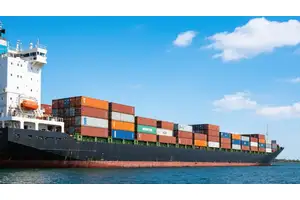
Are you wondering about the cost of shipping a container from China to Kenya and what factors influence these expenses? In this comprehensive guide, we’ll explore essential topics such as container types, major shipping routes and ports, detailed cost breakdowns for 20 ft and 40 ft containers, and strategies to optimize your shipping budget. Discover how to streamline your logistics, navigate compliance issues, and choose the right freight forwarder for seamless shipping from China to Kenya.

How much is shipping from China to Kenya by sea
Shipping a container from China to Kenya by sea is a popular and cost-effective choice for businesses and individuals moving goods between the two countries. The cost of shipping largely depends on the type of container used, the chosen route, the nature of the cargo, and fluctuating market conditions. Below, I provide a detailed overview of typical costs, cost components, and the main factors influencing the total charge.
If you’re also considering other African destinations, you might find it useful to review Shipping Cost from China to Uganda for a regional comparison.
Cost of shipping 20 ft container from China to Kenya
A 20 ft container (standard TEU) is suitable for small to medium-sized shipments (capacity: 28CBM). The cost to ship a 20ft container from major Chinese ports (such as Shanghai, Shenzhen, Ningbo, Qingdao) to Mombasa Port (the main entry point in Kenya) varies due to fuel prices, seasonal demand, and market trends.
| Origin Port (China) | Destination Port (Kenya) | Estimated Transit Time | Typical Cost Range (USD) |
|---|---|---|---|
| Shanghai | Mombasa | 25-30 days | $2,300 – $2,700 |
| Shenzhen | Mombasa | 24-28 days | $2,250 – $2,600 |
| Ningbo | Mombasa | 25-31 days | $2,350 – $2,800 |
| Qingdao | Mombasa | 28-34 days | $2,400 – $2,900 |
Note: Rates are for Full Container Load (FCL) shipping, port-to-port only, as of Q4 2025. Prices may fluctuate due to market conditions and should be verified before booking.
Cost of shipping 40 ft container from China to Kenya
A 40 ft container (capacity: 56CBM; for 40HQ: 68CBM) is often chosen for larger shipments or consolidated cargo. Shipping rates for a 40 ft container are higher, but the per cubic meter cost is generally lower, making it more economical for bulkier cargo. For an in-depth exploration, see this step-by-step guide on Shipping container from china to Kenya.
| Origin Port (China) | Destination Port (Kenya) | Estimated Transit Time | Typical Cost Range (USD) |
|---|---|---|---|
| Shanghai | Mombasa | 25-30 days | $3,800 – $4,300 |
| Shenzhen | Mombasa | 24-28 days | $3,700 – $4,100 |
| Ningbo | Mombasa | 25-31 days | $3,850 – $4,350 |
| Qingdao | Mombasa | 28-34 days | $3,900 – $4,500 |
Tip: For high-volume shipments, consider 40HQ containers or combining LCL shipments to optimize space and cost.
Cost Components
The final shipping cost from China to Kenya is made up of multiple components. Understanding each helps you budget accurately and negotiate with your freight forwarder:
| Cost Component | Description |
|---|---|
| Ocean Freight | The base cost for moving the container from origin to destination port. |
| Port Charges | Fees for handling the container at the origin and destination ports (loading, unloading, storage, port taxes). |
| Documentation Fees | Charges for shipping documents, bill of lading, and customs paperwork. |
| Customs Clearance | Fees for processing and clearing goods through customs on both sides. |
| Inland Transport | Trucking or rail charges from the factory/warehouse to port, or from port to final destination. |
| Cargo Insurance | Optional, but highly recommended to protect against loss, theft, or damage during transit. |
| Other Surcharges | May include fuel surcharges, peak season surcharges, or currency adjustment factors. |
DTFU International Logistics Co.,Ltd offers transparent, all-inclusive quotations for sea freight from China to Kenya, covering every stage from pickup to delivery.
Related Reading
For more insights into shipping costs to neighboring markets, check out Shipping Cost from China to Ethiopia.
Factors influencing costs
Several factors can affect the shipping cost of a container from China to Kenya. Understanding these will help you plan and potentially reduce your logistics expenditure:
-
Container Type & Size:
Larger or specialized containers (like reefer or OOG – Out of Gauge) cost more to ship. Standard 20 ft and 40 ft containers are most cost-effective. -
Cargo Volume and Weight:
Overweight or high-volume cargo may incur extra fees or require special handling. -
Origin and Destination:
The distance between the point of origin in China and the final destination in Kenya (such as Nairobi or Mombasa) impacts total cost, especially if inland haulage is required. -
Shipping Seasonality:
Peak shipping seasons (e.g., pre-holiday periods, Chinese New Year) can cause significant rate increases due to high demand and limited space. -
Market Fluctuations:
Fuel costs, global economic changes, and supply-demand imbalances affect freight rates. -
Type of Goods:
Hazardous, perishable, or high-value goods may need special handling, equipment, or insurance, increasing the total cost. -
Shipping Terms (Incoterms):
Whether you buy FOB, EXW, CIF, or DDP affects which party bears certain costs (like inland delivery, customs clearance, or insurance). -
Service Level:
Choosing port-to-port, door-to-port, or full door-to-door services will alter the price. -
Freight Forwarder Expertise:
Partnering with a professional freight forwarder like DTFU International Logistics Co.,Ltd can help optimize routing, negotiate better rates, and avoid hidden costs through efficient logistics planning. -
Regulatory Changes & Compliance:
Updates in customs regulations, import restrictions, or trade agreements between China and Kenya can impact costs and transit times. Staying updated and working with a knowledgeable logistics provider is essential.
Cost Reduction and Efficiency Improvement Strategies
When shipping containers from China to Kenya, optimizing costs and improving efficiency are crucial for maintaining competitiveness in international trade. The following strategies have been proven effective for both large and small shippers:
1. Choose the Right Container Type and Size
Selecting the appropriate container—20ft, 40ft, or 40HQ—based on your cargo volume maximizes space utilization and reduces per-unit shipping costs. For example, the 20ft container is suitable for shipments up to 28 CBM, while the 40HQ container can accommodate up to 68 CBM, ideal for larger consignments.
| Container Type | Capacity (CBM) | Typical Use Case |
|---|---|---|
| 20ft | 28 | Small to medium shipments |
| 40ft | 56 | Medium to large shipments |
| 40HQ | 68 | High-volume, lightweight cargo |
| 45HQ | 78 | Maximum volume shipments, less common to Kenya |
2. Consolidate Shipments
LCL (Less than Container Load) consolidation allows businesses with smaller shipments to share container space, significantly reducing shipping costs. This is particularly beneficial for cross-border e-commerce sellers and SMEs.
3. Optimize Shipping Routes and Schedules
Working with a knowledgeable freight forwarder ensures you select the most cost-effective and time-efficient routes. For China-Kenya shipments, direct services to Port of Mombasa are usually optimal, minimizing transshipment and reducing risks of delay.
4. Take Advantage of Seasonal Rate Fluctuations
Shipping rates can vary throughout the year based on demand, fuel prices, and geopolitical events. Planning your shipments during low-season periods can result in significant savings.
5. Leverage Advanced Freight Management Technology
Utilizing digital tracking, automated documentation, and online booking platforms streamlines the shipping process, reduces manual errors, and enhances overall supply chain visibility.
6. Partner With a Reputable Freight Forwarder
Collaborating with an experienced logistics provider such as DTFU International Logistics Co.,Ltd gives you access to competitive pricing, volume contracts, and one-stop services including sea freight, warehouse, cargo insurance, and door-to-door delivery—all essential for cost management and operational efficiency.
Compliance & Risk
Ensuring compliance and managing risks are critical in international shipping from China to Kenya. Failing to adhere to legal and regulatory requirements can result in delays, penalties, or cargo losses. Here are the key aspects to consider:
1. Customs Regulations and Documentation
Both Chinese and Kenyan customs authorities have strict documentation requirements. Essential documents include the Bill of Lading, Commercial Invoice, Packing List, and, in some cases, Certificate of Origin. Proper documentation ensures smooth customs clearance and minimizes the risk of cargo detention.
2. Import Duties and Tariffs
Kenya Revenue Authority (KRA) imposes various import duties, VAT, and other taxes on imported goods. Staying updated with the latest tariff schedules helps you accurately estimate your total landed cost and avoid unexpected expenses.
3. Prohibited and Restricted Goods
Certain products are restricted or banned from import into Kenya (e.g., counterfeit goods, hazardous materials, specific electronics). It is vital to verify cargo eligibility before shipping.
4. Insurance
Comprehensive cargo insurance coverage is recommended to protect your shipment against loss, damage, or theft during transit. Providers like DTFU International Logistics Co.,Ltd offer tailored insurance solutions.
5. Risk of Delays and Force Majeure
Shipping schedules may be impacted by port congestion, adverse weather, or geopolitical issues—such as the recent Red Sea crisis or COVID-19 policy changes. Maintaining transparent communication with your freight forwarder and having contingency plans is essential.
6. Compliance with Local Standards
Some products (e.g., electronics, machinery) require KEBS (Kenya Bureau of Standards) certification or pre-shipment inspection. Non-compliance can lead to rejection or confiscation at the port.
Freight Forwarder from China to Kenya
Selecting a reliable freight forwarder is a cornerstone for successful shipping between China and Kenya. Here’s what you should look for and why DTFU International Logistics Co.,Ltd stands out:
For specialized door-to-door solutions, see Door to Door Shipping from China to Kenya.
Key Criteria for Choosing a Freight Forwarder
| Criteria | Why It Matters |
|---|---|
| Experience | Knowledge of China-Kenya trade routes, regulations |
| Service Range | Ability to handle Sea Freight, Road Freight, Air Freight, Amazon FBA, Warehousing, Cargo Insurance, Customs Clearance, Door-to-Door, OOG Freight, Consolidated Freight, and Breakbulk Freight |
| Cost Efficiency | Competitive rates achieved through volume contracts and streamlined processes |
| Customer Support | Responsive, multilingual support for troubleshooting and updates |
| Track Record | Positive customer reviews and proven operational reliability |
Why Choose DTFU International Logistics Co.,Ltd
As a highly professional, cost-effective, and high-quality one-stop international logistics service provider, DTFU International Logistics Co.,Ltd offers:
- Comprehensive logistics solutions tailored for global traders, importers, manufacturers, and e-commerce sellers.
- End-to-end visibility and real-time shipment tracking.
- Expert support for complex compliance requirements, ensuring smooth customs clearance and risk management.
- Flexible service options ranging from FCL/LCL sea freight to specialized OOG and Breakbulk solutions.
- Value-added services such as cargo insurance, warehousing, and door-to-door delivery.
With over a decade of experience, our team navigates the complexities of shipping from China to Kenya to deliver your cargo safely, efficiently, and at the best possible cost.
For a detailed quote or consultation, contact DTFU International Logistics Co.,Ltd today and let us optimize your supply chain.