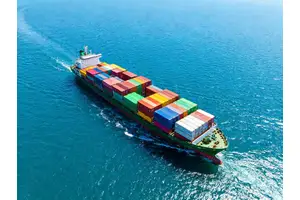
Are you wondering how much it really costs to ship a 20ft or 40ft container from China to the UK? Understanding the ins and outs of container shipping costs, including key import taxes, duties, and other charges, is essential to manage your logistics budget. In this comprehensive guide, we’ll break down everything you need to know about 20ft and 40ft container costs, ports, cost-saving tips, and more to ensure a smoother shipping experience.
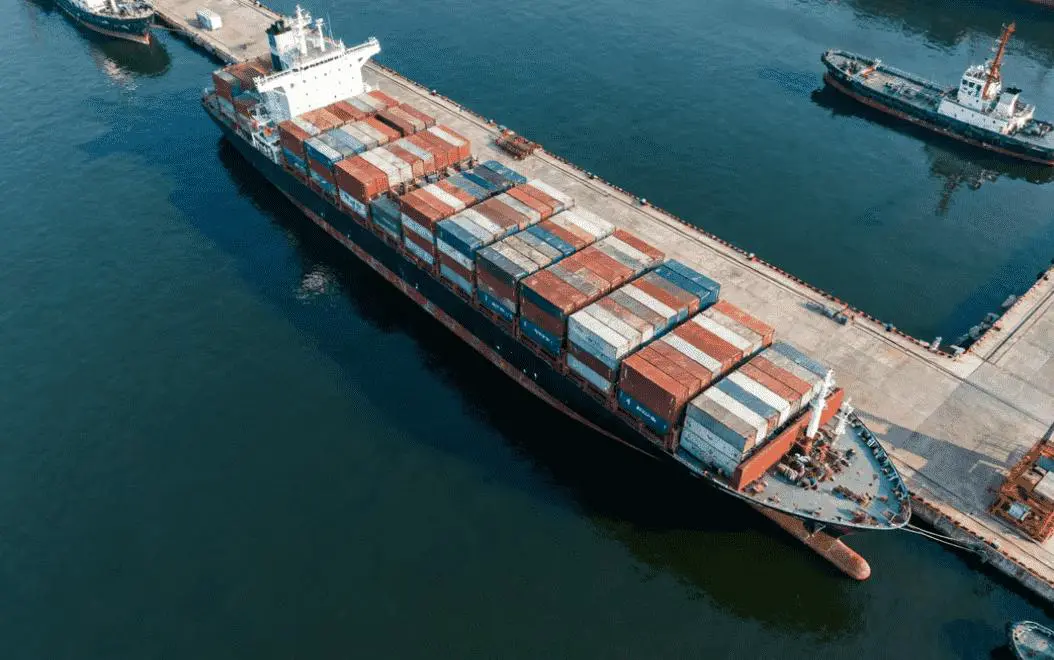
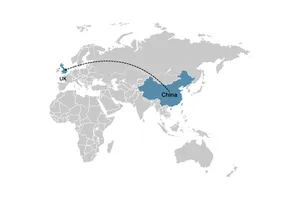
When shipping containers—from China to the United Kingdom—selecting the right ports is crucial for efficient, cost-effective, and timely delivery. Below is an overview of the key origin ports in China and destination ports in the UK, including their strategic significance and current freight trends.
Major Chinese Ports for UK-Bound Exports
China is home to some of the largest and most technologically advanced container ports in the world. These ports are essential gateways for exports heading to the UK:
| Chinese Port | Location | Capacity (TEU/year) | Shipping Frequency to UK | Key Features |
|---|---|---|---|---|
| Shanghai Port | East China | 47 million+ | Daily | World’s busiest container port, diverse sailing schedules |
| Shenzhen Port | South China | 28 million+ | Daily | Major for electronics and high-value goods |
| Ningbo-Zhoushan Port | East China | 33 million+ | Several times/week | Fast customs clearance, strong connectivity |
| Qingdao Port | North China | 24 million+ | Weekly | Competitive rates, popular for machinery & bulk cargo |
| Guangzhou (Nansha) | South China | 24 million+ | Several times/week | Supports large-scale FCL/LCL shipments |
| Xiamen Port | Southeast China | 12 million+ | Weekly | Efficient for mixed cargo, strong ASEAN connections |
| Tianjin Port | North China | 20 million+ | Weekly | Proximity to Beijing region, flexible sailing options |
Key Insights:
-
Shanghai and Shenzhen offer the most frequent and direct sailings to the UK, supporting both 20ft and 40ft containers.
-
Ningbo-Zhoushan and Guangzhou are favored for fast customs clearance and reliable schedules.
-
Choice of port often depends on your cargo’s origin, required sailing frequency, and transit time preferences.
Main UK Ports for Container Imports
The UK hosts multiple deep-water ports optimized for receiving containerized cargo from China:
| UK Port | Location | Container Capacity | Main Advantages |
|---|---|---|---|
| Port of Felixstowe | Southeast England | 4 million+ TEU | Largest UK container port, primary entry for Chinese goods |
| Port of Southampton | South England | 2 million+ TEU | Advanced rail links, proximity to London market |
| London Gateway Port | East England | 2 million+ TEU | Newest UK port, automated terminals, high efficiency |
| Port of Liverpool | Northwest England | 1 million+ TEU | Good for North UK distribution, congestion-free |
| Port of Tilbury | Southeast England | 0.5 million+ TEU | Flexible warehousing, multimodal connectivity |
Key Insights:
-
Felixstowe is the top choice for many importers due to its high capacity and direct connections to Chinese ports.
-
Southampton and London Gateway are increasingly popular for fast customs clearance and advanced logistics infrastructure.
-
Your choice of UK destination port may impact inland transport costs and delivery times.
Current Shipping Trends and Considerations
-
The ongoing global supply chain adjustments, including Brexit-related customs changes, have impacted port congestion and processing times in the UK—especially in Felixstowe and Southampton. Some importers are now choosing less congested ports like Liverpool for smoother delivery.
-
Rapid digitalization in both Chinese and UK ports is improving real-time cargo tracking, reducing delays, and offering better EDI integration for shippers.
-
When selecting ports, consider not only ocean freight cost but also inland logistics, customs handling efficiency, and overall supply chain needs.
For more detailed transit information between the two countries, you may also be interested in .
20 ft container shipping cost from China to UK
When planning to ship a 20ft container from China to the UK, several factors impact the overall cost. This section breaks down the key cost components, provides recent market rates, and offers industry insights for optimizing your freight budget.
Breakdown of Shipping Costs
The total shipping cost for a 20ft container consists of several main elements:
-
Ocean Freight Charge – Mainline carrier freight from the selected Chinese port to the desired UK port.
-
Port Charges – Handling, documentation, and port security fees at origin and destination.
-
Inland Transportation – Haulage from the factory to the Chinese port and from the UK port to the final consignee (if required).
-
Customs Clearance Fees – Costs associated with export/import declarations, duties, and VAT (for UK side).
-
Additional Services – Such as insurance, warehousing, and value-added options (e.g., Amazon FBA delivery).
Current Market Rates (Q4 2025)
Due to ongoing global trade recovery and fluctuating fuel prices, container rates have shown significant volatility. The following table provides indicative all-in shipping rates for a 20ft container from major Chinese ports to main UK ports as of Q4 2025 (excluding customs duties/VAT):
| Origin Port (China) | Destination Port (UK) | Estimated Transit Time (days) | 20ft Container Rate (USD) |
|---|---|---|---|
| Shanghai | Felixstowe | 28-35 | $2,200 – $3,200 |
| Shenzhen | Southampton | 28-36 | $2,100 – $3,000 |
| Ningbo-Zhoushan | London Gateway | 29-37 | $2,200 – $3,100 |
| Qingdao | Felixstowe | 32-40 | $2,400 – $3,400 |
| Guangzhou | Southampton | 30-38 | $2,300 – $3,200 |
| Tianjin | Liverpool | 36-44 | $2,500 – $3,500 |
Note: Prices may vary based on seasonality, shipment urgency, choice of shipping line, fuel surcharges, and special requirements.
If you are comparing costs with other European destinations, reference to see how UK rates compare with neighboring countries.
Factors Influencing 20ft Container Shipping Costs
-
Shipping Season: Peak season (July-October) may see surcharges due to high demand.
-
Type of Goods: Hazardous, oversized, or temperature-controlled goods incur extra charges.
-
Service Type: FCL (Full Container Load) is most common for 20ft. LCL (Less than Container Load) rates will differ.
-
Port Congestion & Strikes: Delays at either origin or destination may lead to demurrage or detention fees.
-
Current Geopolitical Events: Issues such as the Red Sea security crisis can force re-routing, impacting costs and transit times.
Container Specifications
-
20ft Standard Container: Capacity ~28CBM, suitable for general cargo, machinery, and retail products.
Pro Tips for Cost Optimization
-
Book shipments in advance to secure lower rates, especially during high season.
-
Consider port pairings that minimize inland haulage costs.
-
Work with reliable freight forwarders like DTFU International Logistics Co., Ltd to navigate changing market conditions and access tailored solutions.
40 ft container shipping cost from China to UK
40ft containers are a preferred choice for businesses shipping large volumes of goods from China to the UK. In my experience as a Senior Logistics Analyst, understanding the cost structure and latest market dynamics is vital for optimizing your shipping budget.
Key Factors Affecting 40ft Container Shipping Costs
-
Origin and Destination Ports: Costs depend on the combination of Chinese departure ports (e.g., Shanghai Port, Shenzhen Port, Ningbo Port) and UK arrival ports (e.g., Felixstowe, Southampton, London Gateway).
-
Market Demand and Supply: Freight rates fluctuate due to global shipping demand, COVID-19 impact recovery, and geopolitical events.
-
Fuel Surcharges and BAF (Bunker Adjustment Factor): Changes in global oil prices affect shipping costs.
-
Peak Season Surcharges: Costs increase during peak shipping seasons (July-October, pre-Christmas).
-
Service Type: FCL (Full Container Load) usually offers better rates per CBM compared to LCL (Less than Container Load).
-
Additional Services: Door-to-door, customs clearance, insurance, and warehousing will influence the final quote.
Recent 2025 Cost Overview
As of Q4 2025, average ocean freight rates for a 40ft container (FCL) from major Chinese ports to main UK ports are as follows:
| Route | Port of Loading (China) | Port of Discharge (UK) | Transit Time (Days) | Average Sea Freight (USD) | Notes |
|---|---|---|---|---|---|
| China (Shanghai) → UK (Felixstowe) | Shanghai Port | Felixstowe | 28-35 | $3,000 - $4,200 | Most popular; stable service |
| China (Shenzhen) → UK (Southampton) | Shenzhen Port | Southampton | 30-38 | $3,100 - $4,300 | Slightly longer, competitive rates |
| China (Ningbo) → UK (London Gateway) | Ningbo Port | London Gateway | 28-36 | $3,200 - $4,400 | Efficient for Midlands/East UK delivery |
Note: Prices above include basic sea freight charges. They exclude local charges, documentation, insurance, customs clearance, and delivery fees.
For additional insights on rates and routes to the UK, see our breakdown of .
Breakdown of Typical 40ft Container Costs
-
Ocean Freight: $3,000 – $4,400 (fluctuates monthly)
-
Origin Charges (China): $300 – $500 (THC, handling, documentation)
-
Destination Charges (UK): $400 – $700 (unloading, terminal, handling)
-
Customs Clearance: $100 – $200 (varies by agent)
-
Inland Transport (UK): $400 – $1,000 (distance-dependent)
-
Insurance (optional): 0.3% – 0.7% of cargo value
Total Estimated Door-to-Door Cost: $4,200 – $6,800 (subject to volume, service, distance, and surcharges)
Cost-Saving Tips
-
Plan Ahead: Book at least 3-4 weeks before shipment to lock in better rates.
-
Consolidate Shipments: Combine cargo to maximize container usage (40ft = 56 CBM, 40HQ = 68 CBM).
-
Work with a Professional Freight Forwarder: Partnering with a reputable provider like DTFU International Logistics Co.,Ltd helps you secure cost-effective, tailored solutions, including door-to-door, customs clearance, and cargo insurance services.
For an accurate and up-to-date quote tailored to your specific needs, please contact DTFU International Logistics Co.,Ltd for a free consultation.
Import Tax and Duty about Goods Exported from China to the UK
Shipping goods from China to the UK involves more than freight charges. Understanding import tax and customs duty is crucial for accurate cost calculation and compliance.
Types of Import Duties and Taxes
-
Customs Duty: A tariff imposed on imported goods, calculated based on HS code and product value.
-
VAT (Value Added Tax): Charged on all goods imported into the UK. Standard VAT rate in the UK is 20%.
-
Excise Duty: Applies to specific goods (alcohol, tobacco, fuel, etc.)
How Import Duty is Calculated
Customs Value Calculation:
-
CIF (Cost, Insurance, and Freight) is used as the taxable base.
-
Formula: Customs Value = Invoice Value (FOB) + Freight Cost + Insurance
Sample Calculation: Suppose you import electronics with a CIF value of $10,000 and a customs duty rate of 5%:
-
Customs Duty: $10,000 x 5% = $500
-
VAT: ($10,000 + $500) x 20% = $2,100
-
Total Import Tax and Duty = $500 (duty) + $2,100 (VAT) = $2,600
Duty Rates Reference Table
| Product Category | Sample HS Code | Duty Rate (%) | VAT Rate (%) | Excise Duty |
|---|---|---|---|---|
| Textile/Clothing | 6109 | 12.00 | 20 | No |
| Electronics | 8504 | 0 - 4.00 | 20 | No |
| Furniture | 9403 | 0 - 5.60 | 20 | No |
| Toys | 9503 | 0 | 20 | No |
| Alcoholic Beverages | 2208 | 0 | 20 | Yes |
Tip: Always check the latest UK government resources for the correct HS code and duty rate, as they are subject to change due to new trade agreements or regulations.
Customs Clearance Process
-
Import Declarations: All goods entering the UK require a customs declaration via the Customs Declaration Service (CDS).
-
Required Documentation: Commercial invoice, packing list, bill of lading, and any relevant certificates.
-
Payment of Duties: Importers must pay all applicable duties and VAT before goods are released.
Key Takeaways
-
Calculate all potential taxes and duties prior to shipping.
-
Use correct HS codes and stay updated on policy changes.
-
Choose a reliable partner like DTFU International Logistics Co.,Ltd to navigate complex customs procedures efficiently.
If you have any questions on import taxes and duties for your specific cargo, consult our experts for tailored advice.
Other Additional Charges
When calculating the total 20ft & 40ft container cost from China to UK, it’s vital to consider not only the base ocean freight rate but also a variety of additional charges. These fees can significantly impact the overall logistics budget and should be clearly understood by all shippers, whether you’re an established manufacturer, cross-border e-commerce seller, or a first-time SME exporter. Below is a detailed overview of common surcharges and extra costs associated with container shipping between China and the UK:
| Charge Name | Description | Typical Range (USD) | Applies to 20ft | Applies to 40ft | Notes |
|---|---|---|---|---|---|
| Origin Port Charges (THC) | Terminal handling, container loading, documentation fees at origination port (e.g., Shanghai, Shenzhen) | $100–$300 | ✔ | ✔ | Varies by port and carrier |
| Destination Port Charges (DTHC) | Unloading, container storage, admin fees at UK destination port (Felixstowe, Southampton, etc.) | $200–$450 | ✔ | ✔ | Payable to destination port/terminal operator |
| Documentation Fees | Bill of Lading issuance, customs documents, shipping instructions | $50–$100 | ✔ | ✔ | Often charged per shipment |
| Customs Clearance Charges | Processing import/export declarations and compliance paperwork | $100–$150 | ✔ | ✔ | Varies with service level and complexity |
| Security Surcharge (ISPS) | International Ship and Port Facility Security Code charges | $15–$30 | ✔ | ✔ | Safety measure imposed globally |
| Bunker Adjustment Factor (BAF) | Fuel cost adjustment, fluctuates with oil prices | $50–$150 | ✔ | ✔ | Subject to frequent changes |
| Peak Season Surcharge (PSS) | Applied during high demand periods (e.g., Q3-Q4, pre-Christmas, Chinese New Year) | $100–$400 | ✔ | ✔ | Seasonal, check with your freight forwarder |
| Congestion Surcharge | If ports are backlogged or facing strikes | $50–$150 | ✔ | ✔ | Can be unpredictable |
| Container Demurrage/Detention Fees | Charges if container not picked up/returned within free days | $50–$150/day | ✔ | ✔ | Strictly enforced by carriers and terminals |
| Cargo Insurance | Insures your shipment against loss or damage | 0.1%–0.5% cargo value | ✔ | ✔ | Strongly recommended for valuable or fragile goods |
| Inland Haulage (Trucking/Rail) | Moving containers between port and warehouse/final destination in China or UK | $100–$700+ (distance) | ✔ | ✔ | Distance and urgency determine cost |
| Customs Duties & VAT (in UK) | Import taxes, usually based on HS code, value, and trade agreements | Varies | ✔ | ✔ | See “Import Tax and Duty” section for details |
These surcharges are industry-standard and can fluctuate due to factors like seasonal congestion, global oil prices, or changes in port regulations. To get a precise total for your 20ft or 40ft container cost from China to UK, request a detailed quote from a reputable freight forwarder such as DTFU International Logistics Co.,Ltd. Our team ensures full transparency in pricing, helping you avoid unexpected expenses while providing specialized value-added services such as cargo insurance, door-to-door delivery, warehousing, and consolidated freight solutions.
Pro Tip: Always ask for a cost breakdown from your logistics provider and clarify which surcharges are included or excluded in your quote.
Step-by-Step Container Shipping Process
Shipping a 20ft or 40ft container from China to the UK involves several key steps, each requiring diligent preparation and coordination. Whether you’re a seasoned supply chain professional or new to international trade, understanding these steps will help you streamline operations, minimize delays, and reduce costs.
1. Planning & Freight Forwarder Selection
-
Define your shipping requirements: cargo type, volume (e.g., 20ft: 28CBM, 40ft: 56CBM), transit time, and budget.
-
Choose a reputable freight forwarder like DTFU International Logistics Co.,Ltd, known for professional, cost-effective, and comprehensive logistics services. Our offerings span sea freight, air freight, road freight, Amazon FBA, customs clearance, cargo insurance, and more.
2. Booking & Documentation
-
Reserve container space on your preferred sailing date.
-
Gather and complete all necessary shipping documents:
-
Commercial Invoice
-
Packing List
-
Bill of Lading
-
Export License/Permits (if required)
-
Certificate of Origin (for certain products)
-
-
DTFU’s team will guide you through document preparation to ensure regulatory compliance.
3. Container Stuffing & Inland Transportation
-
Arrange cargo pickup from your China origin factory/warehouse.
-
Cargo is loaded (“stuffed”) into the 20ft or 40ft container. Ensure proper packaging and lashing for safety.
-
Inland transportation (truck/rail) arranged to move the loaded container to the origin port (e.g., Shanghai, Ningbo, Shenzhen).
4. Customs Clearance at Origin
-
Submit export declarations to Chinese Customs.
-
Pay applicable export duties and fees.
-
The container passes security inspection before port entry.
5. Port Handling & Loading
-
The container is received at the origin port terminal.
-
Port operators handle container storage and load it onto the scheduled vessel.
-
DTFU coordinates timing to avoid unnecessary demurrage or storage charges.
6. Ocean Freight Transit
-
The vessel departs for the UK (common ports: Felixstowe, London Gateway, Southampton).
-
Transit time typically ranges from 25–35 days depending on the port pair and service type.
-
DTFU provides real-time tracking and updates throughout the journey.
7. Arrival & Destination Handling
-
Upon vessel arrival, the container is unloaded at the UK port.
-
Port handling and documentation checks occur.
-
DTFU assists in securing prompt clearance and minimizing port storage costs.
8. Customs Clearance in the UK
-
Submit import declarations to UK Customs (HMRC).
-
Pay applicable import duties and VAT.
-
DTFU offers one-stop customs clearance services to simplify compliance.
9. Inland Delivery / Final Mile
-
Arrange trucking or rail transport to the consignee’s warehouse, distribution center, or Amazon FBA site.
-
Unload and return the empty container within the free time to avoid detention charges.
10. Post-Shipment Support
-
Resolve any claims (damage/loss), manage documentation archiving, and review logistics performance.
-
DTFU provides ongoing customer support, performance analytics, and logistics optimization advice.
At every step, efficient coordination and transparent communication are crucial. At DTFU International Logistics Co.,Ltd, our experienced team manages the entire process, from route planning and customs consultation to delivery and after-sales support. By leveraging our expertise, you can reduce risks, control costs, and ensure your cargo moves safely and swiftly from China to the UK.
For a customized, cost-effective solution for your next 20ft or 40ft container shipment, contact DTFU International Logistics today.
How to Reduce Container Shipping Costs from China to UK
Reducing the 20ft & 40ft container cost from China to UK is a central concern for global traders, e-commerce sellers, and supply chain managers. Drawing from my experience managing international shipments and optimizing logistics spend, here are proven, actionable strategies to help you lower your container shipping expenses:
1. Choose the Right Container Size and Type
Selecting the appropriate container size—20ft (28CBM capacity) or 40ft (56CBM capacity)—can make a significant impact on your overall shipping cost. If your cargo volume is close to the capacity limits, opting for a 40ft container typically offers a lower cost per cubic meter compared to shipping two 20ft containers.
| Container Type | Capacity (CBM) | Typical Use Case | Cost Efficiency |
|---|---|---|---|
| 20ft Container | 28 | Small/medium shipments | Higher per CBM |
| 40ft Container | 56 | Medium/large shipments | Lower per CBM |
| 40ft HQ Container | 68 | Bulkier/lighter cargo | Best for high-volume |
2. Consolidate Shipments (LCL vs FCL)
For smaller shipments, consider Less-than-Container Load (LCL). By consolidating your cargo with others, you pay only for the space you use. However, if your goods fill most of a container, Full Container Load (FCL) can save significantly on per-unit shipping cost and speed up transit.
3. Plan Ahead and Book Early
Freight rates fluctuate due to market demand, seasonal trends, and global events (such as the Red Sea crisis, port congestion, or fuel surcharges). Advance planning enables you to book at optimal rates and secure space, especially during peak periods (such as pre-Christmas or Chinese New Year).
4. Optimize Shipping Routes and Ports
Shipping to major UK ports such as Felixstowe, Southampton, or London Gateway can be cheaper and faster due to high frequency of sailings and better port infrastructure. Avoiding transshipment or less commonly used ports can minimize both time and cost.
If you're comparing logistics to other popular European destinations, reviewing may offer additional cost-saving perspectives.
5. Negotiate with Reliable Freight Forwarders
Partnering with a highly professional and experienced freight forwarder like DTFU International Logistics Co.,Ltd can unlock volume discounts, flexible solutions, and expert advice. We offer one-stop international logistics services, including Sea Freight, Road Freight, Air Freight, Amazon FBA, Cargo Insurance, Customs Clearance, and more. Our long-standing relationships with major carriers allow us to provide highly competitive and stable rates.
6. Optimize Packaging and Loading
Efficient cargo packaging and loading maximizes container utilization. Avoid wasted space—properly stack and palletize goods to reduce the number of containers needed. Our team can provide guidance on best packaging practices for international shipping.
7. Take Advantage of Off-Peak Shipping
Peak season surcharges can significantly increase the container shipping cost from China to UK. If your timeline is flexible, consider shipping during off-peak months to obtain better rates.
8. Understand All Additional Charges
Be aware of potential extra costs—such as port congestion fees, fuel surcharges, documentation, customs clearance, and storage—to avoid surprises. An experienced forwarder can help you anticipate and minimize these charges.
9. Use Digital Tools for Shipment Tracking and Documentation
Modern freight forwarders, including DTFU International Logistics Co.,Ltd, provide real-time tracking and digital documentation management, reducing administrative overhead and improving supply chain visibility, which can indirectly lead to cost savings.
10. Consider Multi-Modal Logistics Solutions
In some cases, combining sea freight with road or rail transport (intermodal) can offer the best balance between speed and cost, particularly for deliveries to inland destinations in the UK.
By applying these strategies, businesses of all sizes can achieve significant savings on shipping their goods from China to the UK. For customized advice and a detailed quote, contact our team at DTFU International Logistics Co.,Ltd—your trusted partner for reliable, cost-effective, and high-quality logistics solutions.
FAQs
1. What is the current cost to ship a 20ft or 40ft container from China to the UK?
As of 2025, average sea freight rates are as follows (for reference; actual prices may vary by route, season, and market conditions):
| Container Type | Average Cost (USD) | Transit Time (Days) |
|---|---|---|
| 20ft FCL | $3,000 – $5,000 | 28 – 35 |
| 40ft FCL | $5,000 – $8,000 | 28 – 35 |
For real-time rates tailored to your shipment, please contact DTFU International Logistics Co.,Ltd.
2. What factors influence container shipping costs between China and the UK?
-
Container size and type
-
Shipping route and ports
-
Market demand and seasonality
-
Fuel prices
-
Freight surcharges and additional fees
-
Customs requirements and import duties
-
Cargo type and loading method
3. Which are the most popular ports for container shipping between China and the UK?
Major Chinese ports: Shanghai, Shenzhen, Ningbo, Qingdao, Guangzhou Major UK ports: Felixstowe, Southampton, London Gateway
Shipping between these ports ensures the best rates and fastest transit times due to frequent direct sailings.
4. How long does sea freight from China to the UK take?
Typical transit time is 28 to 35 days port-to-port, depending on the origin and destination ports, vessel schedule, and any transshipment involved.
5. Are there any hidden or additional charges I should be aware of?
Potential extra charges may include:
-
Port handling fees
-
Customs clearance charges
-
Demurrage and detention
-
Documentation fees
-
Cargo insurance
Working with DTFU International Logistics Co.,Ltd ensures transparency and upfront cost breakdowns.
6. How do customs duties and taxes apply to goods imported from China to the UK?
Import duties and VAT are calculated based on the HS code