Are you wondering what determines the cost of shipping a container from China to Ireland? Whether you’re a business importing goods or an individual planning a large move, understanding the key factors and charges is essential. In this comprehensive guide, we’ll break down everything you need to know about container shipping, freight methods, customs fees, and tips to help you reduce costs and make informed decisions for your China–Ireland shipments.
Overview of Shipping Container Costs from China to Ireland
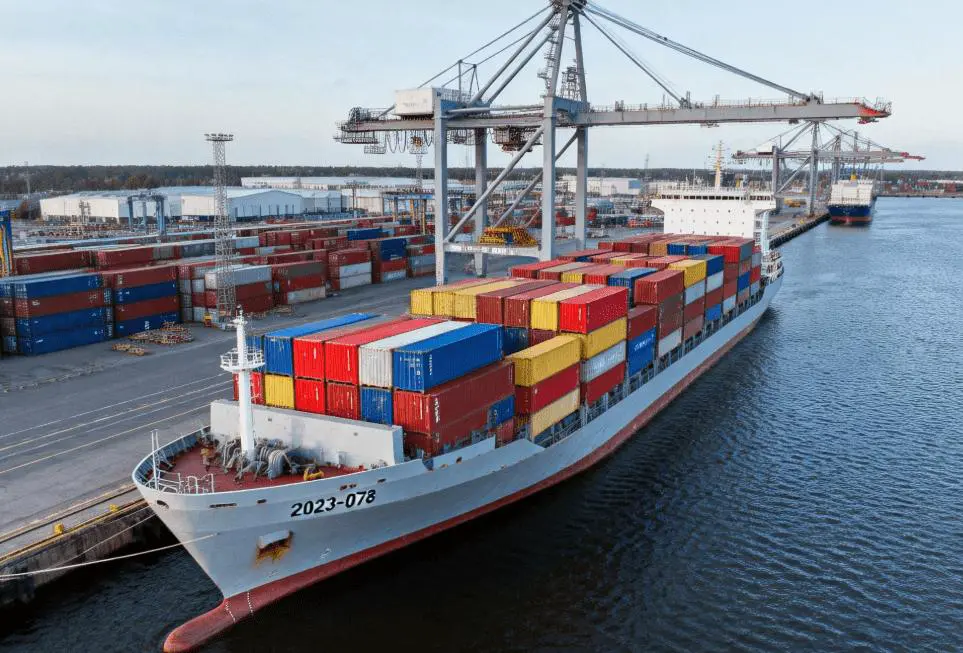
Shipping containers from China to Ireland is a crucial logistics process for businesses engaged in international trade, cross-border e-commerce, and manufacturing. The total cost is determined by multiple factors, including the shipping method, container size, type of freight, and market conditions.
The two main shipping methods—sea freight and air freight—offer distinct advantages and price structures. For most cargo, especially in large volumes, sea freight is the most cost-efficient option. However, air freight is preferred for high-value or time-sensitive shipments. In 2025, global trade recovery and shifting supply chain strategies continue to impact freight rates, capacity, and transit times. According to our latest market analysis, the average cost to ship a 20ft container from major Chinese ports (such as Shanghai, Shenzhen, or Ningbo) to Dublin, Ireland, has seen some stabilization compared to the volatility observed during the 2020–2022 pandemic years, but rates remain higher than pre-pandemic levels due to lingering supply chain challenges and increased fuel prices.
When considering the cost of shipping container from China to Ireland, it’s important to account not only for the base freight rate, but also for additional charges like port handling, customs duties, insurance, and surcharges. Selecting the right freight partner—such as DTFU International Logistics Co.,Ltd, a highly professional, cost-effective, and high-quality, one-stop international logistics service provider—can help you optimize your logistics budget and avoid unexpected expenses.
Related reading: If you're interested in other container shipping costs to Europe, see this detailed guide on 20ft & 40ft Container Cost from China to Germany.
Main Shipping Methods: Sea Freight vs. Air Freight
Comparing FCL and LCL Costs
When shipping by sea, you’ll typically choose between Full Container Load (FCL) and Less than Container Load (LCL) options:
- FCL (Full Container Load):
You rent the entire container (such as a 20ft or 40ft unit). This is ideal for large shipments, offering lower per-unit costs and better security. - LCL (Less than Container Load):
Your goods share container space with those from other shippers. Suitable for smaller volumes, but with higher per-cubic-meter costs and potentially longer handling times.
Capacity Reference:
| Container Type | Capacity (CBM) |
|---|---|
| 20ft | 28 CBM |
| 40ft | 56 CBM |
| 40HQ | 68 CBM |
| 45HQ | 78 CBM |
Typical Dec 2025 Cost Table (Estimates):
| Route | FCL 20ft Container | FCL 40ft Container | LCL (per CBM) | Transit Time (Days) |
|---|---|---|---|---|
| Shanghai – Dublin | $2,200–$2,900 | $3,900–$5,200 | $130–$180 | 28–35 |
| Shenzhen – Dublin | $2,300–$3,100 | $4,000–$5,400 | $135–$185 | 30–37 |
| Ningbo – Dublin | $2,250–$3,000 | $3,950–$5,300 | $130–$175 | 29–36 |
Note: Prices are averages as of Dec 2025 and fluctuate with global freight market conditions. LCL pricing includes basic freight only.
Key Takeaways:
- For shipments above 15 CBM, FCL often becomes more economical than LCL.
- LCL is flexible for small loads but incurs more handling and possible delays.
- Additional charges (handling, customs, surcharges) apply to both modes.
How Air Freight Rates Compare to Ocean Shipping
Air freight is significantly faster, with transit times of 3–7 days from China to Ireland (e.g., from Guangzhou Baiyun International Airport or Shanghai Pudong Airport to Dublin Airport). However, costs are much higher—typically 5–10 times more than sea freight on a per-kilogram or per-cubic-meter basis.
Typical Air Freight Cost Table:
| Airport of Origin | Destination | Air Freight Rate (per kg) | Average Transit Time |
|---|---|---|---|
| Shanghai (PVG) | Dublin (DUB) | $5.50–$7.80 | 3–5 days |
| Guangzhou (CAN) | Dublin (DUB) | $5.70–$8.20 | 3–6 days |
| Shenzhen (SZX) | Dublin (DUB) | $5.60–$7.90 | 4–7 days |
Summary Comparison:
| Mode | Cost (20ft / 1000kg) | Transit Time | Best For |
|---|---|---|---|
| Sea – FCL | $2,200–$2,900 | 28–35 days | Large, non-urgent shipments |
| Sea – LCL | $3,600 (20CBM) | 30–37 days | Small to mid-sized shipments |
| Air Freight | $5,500–$8,200 | 3–7 days | Urgent, high-value, light cargo |
- Air freight is optimal for electronics, pharmaceuticals, or urgent products, where delivery speed outweighs cost.
- Sea freight is preferred for bulky, heavy, or non-urgent cargo due to its cost-efficiency.
Expert Insight:
At DTFU International Logistics Co.,Ltd, we recommend evaluating both the total landed cost and the value of time in your supply chain. Our team can provide tailored quotations and consultative support to help you select the most efficient shipping solution from China to Ireland, be it FCL, LCL, or air freight—all with transparent pricing and professional advice.
If you are interested in the comparison of air and sea shipping for other European destinations, you may also want to check out this analysis of Sea shipping from China to Netherlands.
Detailed Cost Breakdown: Container Shipping from China to Ireland
Shipping containers from China to Ireland involves various cost components that importers must understand to make informed decisions. This section provides a comprehensive analysis of the typical costs for 20ft and 40ft containers, as well as the main charges you should expect during the shipping process.
Typical Costs for 20ft and 40ft Containers
The cost of shipping a container from China to Ireland varies depending on multiple factors, including shipping mode, chosen ports, market fluctuations, and service providers. Here is a data-driven overview based on industry insights and recent market rates:
| Container Type | Capacity (CBM) | Average Shipping Cost (USD, Port-to-Port) | Popular Departure Ports (China) | Major Arrival Ports (Ireland) | Estimated Transit Time (Days) |
|---|---|---|---|---|---|
| 20ft Standard | 28 CBM | $2,000 – $3,200 | Shanghai, Shenzhen, Ningbo | Dublin Port, Cork | 28 – 38 |
| 40ft Standard | 56 CBM | $3,200 – $5,400 | Shanghai, Shenzhen, Ningbo | Dublin Port, Cork | 28 – 38 |
| 40ft High Cube (HQ) | 68 CBM | $3,500 – $5,800 | Shanghai, Shenzhen, Ningbo | Dublin Port, Cork | 28 – 38 |
Note: Rates above are for FCL (Full Container Load), excluding surcharges, insurance, and destination services. LCL (Less than Container Load) rates are calculated per CBM, typically ranging from $60–$110 per CBM.
Factors Embedded in Container Costs:
- FCL (Full Container Load) is cost-effective for larger volumes, providing exclusive use of the container.
- LCL (Less than Container Load) shares space among multiple consignees, suitable for smaller shipments but includes consolidation/deconsolidation fees.
- Transit times can fluctuate due to vessel schedules, port congestion, and route selection.
For a closer look at container shipping costs to the UK, you may find this review of 20ft & 40ft Container Cost from China to UK useful.
Key Charges: Freight, Port Fees, Customs, Insurance, and Surcharges
When calculating the Total Cost of Shipping a Container from China to Ireland, several key charges must be considered:
| Charge Type | Description | Typical Range (USD) |
|---|---|---|
| Freight Charges | Main ocean or air freight cost from China to Ireland | $2,000–$5,800 (see above) |
| Port Handling Fees | Charges for loading/unloading containers at both origin and destination ports | $200–$450 per container (each port) |
| Customs Clearance | Documentation, declaration, and clearance at Irish customs | $100–$300 per consignment |
| Destination Charges | Terminal handling, port security fees, delivery order fees at Irish ports | $300–$700 per container |
| Insurance | Protects cargo value against loss or damage during transit | 0.2%–0.5% of cargo value |
| Surcharges | Bunker Adjustment Factor (BAF), Peak Season Surcharge (PSS), Currency Adjustment Factor (CAF) | $50–$400 per container (variable) |
| Documentation Fees | Bill of Lading, certificate of origin, export licenses, etc. | $50–$150 per set |
| Inland Transportation | Trucking/rail from/to ports and warehouses in China/Ireland | $100–$1,000 (distance-dependent) |
Pro Tip: Working with a reliable freight forwarder like DTFU International Logistics Co.,Ltd can help you receive transparent, all-in-one pricing and avoid hidden charges.
--
Factors That Impact Shipping Container Costs
Several dynamic variables influence the final cost of shipping containers from China to Ireland. Understanding these will help you budget accurately and identify potential savings.
Distance, Shipping Routes, and Transit Times
- Geographical Distance: Longer distances between ports directly increase freight costs.
- Main Shipping Routes: Direct routes (e.g., Shanghai → Dublin) may cost less and arrive faster, while transshipment via major European hubs (Rotterdam, Antwerp) can affect both cost and delivery time.
- Transit Times: Standard sea freight takes 28–38 days, but delays may occur due to adverse weather, port congestion, or customs procedures. Air freight, while significantly faster (3–7 days), is considerably more expensive.
| Departure Port (China) | Destination Port (Ireland) | Route Type | Transit Time (Days) | Notes |
|---|---|---|---|---|
| Shanghai | Dublin | Direct/Transship | 28–33 | Direct via North Europe or with transshipment |
| Shenzhen | Dublin | Transshipment | 32–38 | Typically via Singapore/Rotterdam |
| Ningbo | Cork | Transshipment | 34–38 | Via European hub ports |
Seasonal Demand and Peak Periods
- High Season: Shipping rates peak during pre-Christmas (September–December), Chinese New Year (Jan–Feb), and major trade events, as demand surges and vessel space becomes constrained.
- Low Season: Rates are generally lower during spring and early summer, barring unexpected disruptions.
- Market Fluctuations: Global events (e.g., the Red Sea crisis, pandemic disruptions) can cause sudden changes in capacity and pricing.
Type of Goods, Volume, and Weight
- Cargo Type: Dangerous goods, temperature-sensitive products, and high-value items may incur additional handling fees and require specialized containers.
- Weight & Volume: Ocean freight is largely volume-based, but very heavy cargo may face weight surcharges. LCL is typically charged per CBM (Cubic Meter), while FCL is a flat rate for container usage.
- Packaging: Inefficient packaging can increase volume, raising costs unnecessarily. Consolidation and optimal packing help minimize total charges.
Industry Example: Electronics, textiles, and machinery are commonly shipped from China to Ireland. Bulky or overweight items (e.g., industrial equipment) may need open-top or flat-rack containers, which have unique pricing structures.
In Conclusion:
Shipping container costs from China to Ireland are shaped by container size, route, seasonality, cargo type, and a range of surcharges. By working with a professional freight forwarder such as DTFU International Logistics Co.,Ltd, you can receive expert advice, comprehensive cost breakdowns, and tailored logistics solutions to optimize your supply chain and minimize expenses.
For more details on cost comparisons for other popular European destinations, review our guide to the Cost of shipping container from China to Kenya.
How to Calculate Your Total Shipping Cost
Accurately calculating the Cost of shipping container from China to Ireland is fundamental for importers, exporters, and logistics managers. A comprehensive estimate prevents unexpected budget overruns and ensures profitability. Here are the key steps and tools for precise calculation:
Using Freight Rate Calculators and Online Quotation Tools
Modern freight rate calculators and online quotation tools have significantly improved transparency and efficiency in international logistics. These tools allow shippers to estimate costs quickly based on real-time market data.
Benefits:
- Instant access to current market rates for both FCL (Full Container Load) and LCL (Less than Container Load).
- Customizable options, such as container size (20FT, 40FT, 40HQ), origin and destination ports, cargo details (weight, volume), and shipping method (sea freight, air freight).
- Inclusion of key surcharges, such as bunker adjustment factor (BAF), currency adjustment factor (CAF), terminal handling charges, and more.
Popular Freight Rate Calculators:
| Platform | Key Features | Geographic Coverage |
|---|---|---|
| Freightos | Multi-carrier comparison, real-time quotes | Global (incl. China-Ireland) |
| iContainers | Instant FCL/LCL rates, route insights | Global |
| DTFLU Online Calculator | Custom quotes, door-to-door pricing, expert support | China to Europe, incl. Ireland |
| Maersk Spot | Direct carrier rates, schedule integration | Global |
How to Use:
- Enter shipment details (origin, destination, cargo type, volume/weight, container type).
- Select additional services (customs clearance, insurance, door-to-door).
- Review the total estimated price, broken down by item.
- Compare across platforms and carriers for the best value.
Note: Rates fluctuate due to fuel prices, seasonal demand, and geopolitical factors. Always confirm rates close to your intended shipping date.
Requesting Accurate Quotes from Freight Forwarders
While online tools provide baseline estimates, engaging with a reputable freight forwarder ensures all variables are considered. For China-Ireland shipments, an experienced forwarder like DTFU International Logistics Co.,Ltd can provide tailored solutions and cost savings.
Key Steps:
- Provide full shipment details: Volume (CBM), weight, type of goods, preferred shipping method (FCL/LCL/Air Freight), pickup and delivery addresses, and any special requirements.
- Request a detailed quotation: This should include base freight, port/terminal charges, customs fees, insurance, handling, and any potential surcharges or additional costs.
- Clarify Incoterms: Ensure both parties understand the division of responsibility and cost according to Incoterms (e.g., FOB, CIF, DDP).
- Ask about value-added services: Such as door-to-door delivery, warehousing, cargo insurance, and customs clearance.
Sample Quotation Breakdown:
| Cost Component | Typical Charge (USD) | Notes |
|---|---|---|
| Ocean Freight (FCL 40HQ) | $4,800 - $6,500 | Varies by route and season |
| Origin Port Charges | $150 - $300 | Handling, documentation |
| Destination Port Charges | $200 - $350 | Unloading, terminal handling |
| Customs Clearance | $80 - $150 | Country-specific requirements |
| Insurance | 0.2% - 0.5% of cargo value | Optional but recommended |
| Delivery to Door (Ireland) | $500 - $1,200 | Depends on inland distance |
| Surcharges (BAF, CAF, etc.) | $100 - $300 | Fuel, currency, peak season |
DTFU International Logistics Co.,Ltd offers comprehensive quotations and transparent breakdowns for all shipments from China to Ireland, ensuring no hidden costs.
Tips to Reduce Shipping Container Costs
With effective planning and expert strategies, shippers can significantly reduce the Cost of shipping container from China to Ireland. Here are actionable tips:
Consolidation, Booking in Advance, and Negotiating with Carriers
1. Cargo Consolidation:
- LCL (Less than Container Load) allows you to share space with other shippers, paying only for your cargo's portion of the container.
- Ideal for smaller shipments where a full container is not necessary.
- DTFU International Logistics Co.,Ltd provides consolidated freight solutions with optimized routes and schedules.
2. Booking in Advance:
- Early booking helps secure better rates, especially during peak seasons (e.g., pre-Christmas, Chinese New Year).
- Last-minute bookings often incur surcharges or higher base rates due to limited space availability.
3. Negotiating with Carriers and Forwarders:
- Long-term relationships and higher volume commitments can result in preferential rates.
- Freight forwarders, such as DTFU International Logistics Co.,Ltd, often have contract rates with major shipping lines, enabling them to offer clients better terms than spot-market bookings.
| Strategy | Potential Savings | Best For |
|---|---|---|
| LCL Consolidation | 20–40% vs FCL | Low-volume shippers |
| Advance Booking | 10–25% | Any regular shipping schedule |
| Negotiation via Forwarder | 5–15% | SMEs, repeat shipments |
Choosing the Right Incoterms to Optimize Expenses
Incoterms (International Commercial Terms) dictate the allocation of responsibility and cost between buyer and seller. Selecting the right Incoterm can minimize unexpected expenses.
Common Incoterms for China–Ireland Shipments:
| Incoterm | Main Features | Buyer Pays | Seller Pays |
|---|---|---|---|
| FOB | Seller delivers to origin port | Ocean freight, destination charges | Origin charges, export docs |
| CIF | Seller arranges freight & insurance to Ireland | Destination charges | Ocean freight, insurance |
| DAP | Seller delivers to buyer’s address | Import duties/VAT | All shipping, delivery |
| DDP | Seller handles all logistics + import clearance | - | All charges, incl. duties/VAT |
Optimization Tips:
- For new importers, DAP or DDP offers simplicity but may carry a premium.
- Experienced shippers may prefer FOB or CIF to negotiate shipping and local handling independently.
- Clarify every cost element with your supplier and forwarder before finalizing the Incoterm.
Expert Advice: Consult with your logistics provider, such as DTFU International Logistics Co.,Ltd, to choose the Incoterm that best aligns with your risk tolerance, cash flow, and operational capacity.
Customs, Taxes, and Additional Fees When Importing to Ireland
When you are shipping a container from China to Ireland, understanding the customs, taxes, and potential additional fees is essential to avoid surprises and ensure a smooth importing process. Below, I will provide a professional and comprehensive overview based on my decade-long experience in international freight forwarding.
Understanding Irish Import Duties and VAT
1. Import Duties
Ireland is part of the European Union (EU), which means all goods imported from outside the EU—including from China—are typically subject to import duties based on the EU’s Common External Tariff. The duty rate depends on your cargo’s specific HS (Harmonized System) code and its declared customs value (CIF: Cost, Insurance, and Freight).
| Product Category | Typical Duty Rate (Dec 2025) | Notes |
|---|---|---|
| Textiles & Garments | 8% – 12% | Varies by material and product type. |
| Electronics | 0% – 14% | Many consumer electronics are duty-free; check your HS code. |
| Machinery | 0% – 4% | Industrial and agricultural machines often have lower duty rates. |
| Furniture | 0% – 2.7% | Mostly low, but some exceptions may apply. |
| Toys | 0% – 4.7% | Varies by category. |
- Tip: Check the official TARIC (Integrated Tariff of the European Communities) database for up-to-date, product-specific duty rates.
2. Value Added Tax (VAT)
All imports into Ireland are subject to VAT, which is currently 23% for most goods. This is calculated based on the sum of:
- Customs value (CIF)
- Import duties
- Any additional taxes (if applicable)
Formula Example:
If your container’s CIF value is €10,000 and the duty is 6%, then:
- Duty = €10,000 × 6% = €600
- VAT base = €10,000 + €600 = €10,600
- VAT = €10,600 × 23% = €2,438
3. Other Possible Charges
- Excise Duty: Applies to alcohol, tobacco, and certain oils.
- Anti-dumping Duties: Some products from China (e.g., bicycles, solar panels) may face additional anti-dumping duties as per EU regulations.
- Environmental Taxes: For specific products like electronics or packaging materials.
Note: Using an experienced freight forwarder can help you classify goods correctly and ensure all duty and tax requirements are met.
Documentation Requirements to Avoid Delays and Extra Charges
Proper documentation is crucial to ensure your shipment from China to Ireland clears customs efficiently. Missing or incorrect paperwork can result in delays, storage fees, or even cargo seizure.
Essential Shipping and Customs Documents
| Document Name | Purpose & Importance | Tips & Best Practices |
|---|---|---|
| Bill of Lading (B/L) | Proves ownership and serves as a receipt for shipped goods. Essential for container release. | Ensure details match actual shipment. |
| Commercial Invoice | Lists product details, price, origin, and buyer/seller info; used by customs to assess value. | Accurate description is vital. |
| Packing List | Details exact contents and packaging; helps in inspections and tallying. | Should align with invoice and B/L. |
| Import Declaration | Required in Ireland’s AIS (Automated Import System); can be submitted by importer or forwarder. | Use the correct HS code. |
| Certificate of Origin | Proves country of origin; needed for preferential tariffs or regulatory requirements. | Check if required for your product. |
| Insurance Certificate | Confirms cargo insurance coverage for damage/loss during transit. | Optional but strongly recommended. |
| Other Permits | May be needed for restricted or regulated goods (e.g., food, chemicals, electronics). | Check with authorities/freight forwarder. |
Avoiding Delays and Extra Fees
- Pre-fill all forms accurately and double-check for consistency.
- Declare the correct HS code to avoid misclassification and penalties.
- Engage a knowledgeable customs broker or freight forwarder (like DTFU International Logistics Co.,Ltd) for up-to-date compliance guidance.
- Submit electronic documentation in advance using Ireland’s customs systems.
- Prepare for random customs checks—extra inspection can incur extra costs and add 1–3 days to the clearance process.
How to Select a Reliable Freight Forwarder for China–Ireland Shipping
With the complexities of international shipping, especially between China and Ireland, partnering with a trustworthy freight forwarding company can make all the difference in cost, efficiency, and compliance. Here’s what to look for:
Key Qualities of a Reliable Freight Forwarder
| Criteria | Why It Matters | What to Check |
|---|---|---|
| Industry Experience | Deep knowledge of China–Ireland routes and customs procedures reduces risks. | Years in business, proven track record |
| Comprehensive Services | One-stop solutions (sea, air, road, warehousing, insurance, customs) streamline process. | Range of logistics services offered |
| Transparent Pricing | Clear breakdown of all fees prevents hidden charges and budget overruns. | Detailed quotations, no hidden costs |
| Regulatory Compliance | Ensures customs, taxes, and documentation are handled properly. | Certifications, compliance record |
| Strong Network | Good relationships with carriers, ports, and customs enable smoother shipments. | Global agent network, local presence in China & Ireland |
| Customer Support | Responsive, knowledgeable support is crucial when issues arise. | Dedicated account managers, multilingual staff |
| Digital Capabilities | Online tracking, instant quoting, and document management improve efficiency. | Modern IT systems, customer portal |
Why Choose DTFU International Logistics Co.,Ltd
As a highly professional, cost-effective, and high-quality one-stop international logistics service provider, DTFU International Logistics Co.,Ltd offers comprehensive solutions for global traders shipping between China and Ireland. Our services include:
- Sea Freight (FCL/LCL)
- Road Freight and last-mile delivery in Ireland
- Air Freight for urgent shipments
- Amazon FBA and e-commerce logistics
- Warehousing and inventory management
- Cargo Insurance Services for risk protection
- One-stop Customs Clearance in both China and Ireland
- OOG Freight (Out of Gauge), Breakbulk, and Consolidated Freight
With over a decade of industry experience, our team ensures your cargo is shipped securely, compliantly, and at optimal cost. Our strong partnerships with major Chinese and Irish ports, combined with digital tools for tracking and documentation, allow you to focus on your business growth while we handle the logistics complexities.
Contact us today for a transparent quote and discover how our tailored shipping solutions can enhance your China–Ireland trade operations.
Want to learn about customs procedures for nearby markets? Explore our guide to Customs Clearance for helpful insights.