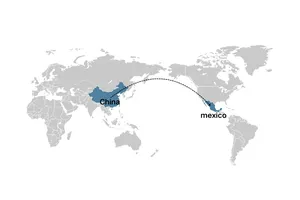
Are you wondering how much it costs to ship a 20ft or 40ft container from China to Mexico? Understanding the container cost and the factors that influence shipping rates is crucial for importers and exporters. In this comprehensive guide, we’ll break down the key shipping costs, taxes, and tips to help you optimize your international logistics. Get ready to simplify your container shipping journey from China to Mexico!
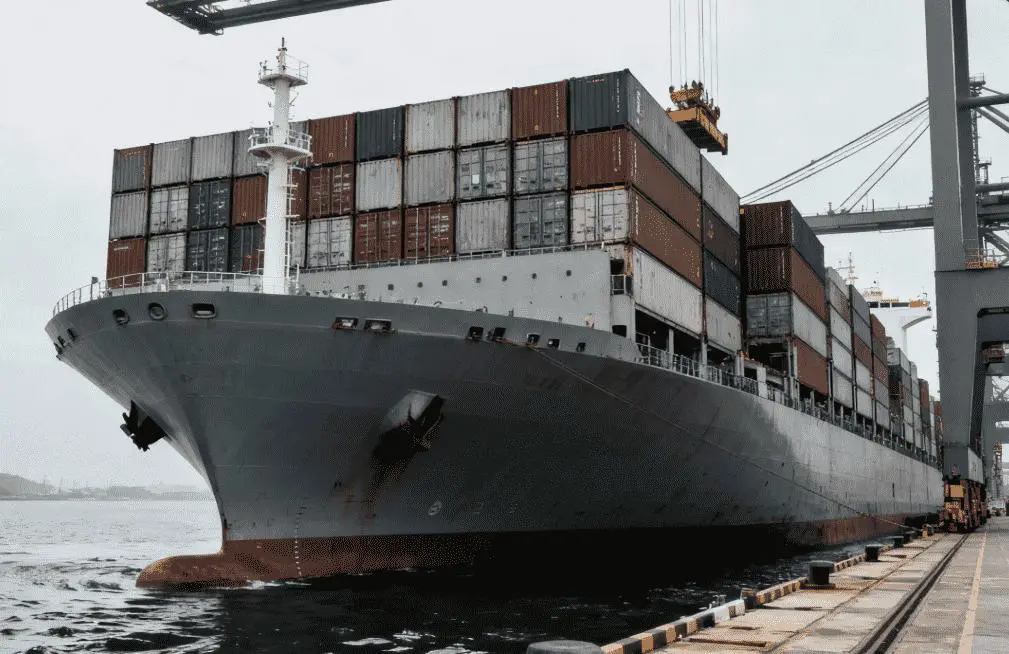
When shipping containers from China to Mexico, it is essential to understand the main departure and arrival ports, as these directly affect shipping schedules, costs, and service availability. Selecting the right port pair can optimize your supply chain, minimize transit times, and reduce costs.
Major Departure Ports in China
China is home to some of the world’s busiest and most advanced seaports. Here are the key ports for container exports to Mexico:
| Port Name | Location | Specialization | Volume (TEU/year) | Key Advantages |
|---|---|---|---|---|
| Shanghai Port | Shanghai | Largest container port in China, diverse route options | 47 million+ | Extensive global routes, efficient operations |
| Shenzhen Port | Guangdong | Electronics, consumer goods, proximity to factories | 28 million+ | Fast customs clearance, advanced logistics facilities |
| Ningbo-Zhoushan Port | Zhejiang | General cargo, machinery, textiles | 35 million+ | Strong rail connectivity, competitive rates |
| Qingdao Port | Shandong | Auto parts, chemicals, machinery | 24 million+ | Robust infrastructure for bulk and container cargo |
| Guangzhou Port | Guangdong | Industrial goods, raw materials | 23 million+ | Major hub for South China exporters |
| Xiamen Port | Fujian | Textiles, footwear, electronics | 12 million+ | Strategic location for southeast China |
These departure ports offer regular sailings to Mexico, making them reliable choices for exporters.
Key Arrival Ports in Mexico
Mexico’s strategic location as a gateway to North America and Latin America makes its ports vital for international trade. The main arrival ports for containers shipped from China are:
| Port Name | Location | Specialization | Annual Throughput | Connectivity & Notes |
|---|---|---|---|---|
| Port of Manzanillo | Colima | Largest container port in Mexico, all cargo types | ~3.4 million TEU | Main entry for Pacific routes, excellent infrastructure |
| Port of Lazaro Cardenas | Michoacán | Industrial, automotive, bulk & container | ~1.5 million TEU | Deepwater, ideal for large vessels |
| Port of Veracruz | Veracruz | General cargo, containers, vehicles | ~1.2 million TEU | Major hub for Atlantic and inland distribution |
| Port of Altamira | Tamaulipas | Petrochemicals, containers, general cargo | ~870,000 TEU | Access to northern Mexico and U.S. border |
Port of Manzanillo and Port of Lazaro Cardenas are the primary gateways for goods from China due to their Pacific Ocean locations, making transit routes direct and efficient.
Trade Volume and Trends
Trade between China and Mexico has grown robustly over the past decade, with containerized cargo representing most shipments. Electronics, machinery, textiles, automotive parts, and consumer goods are the most commonly transported goods.
-
Current Trend: Due to rising demand for nearshoring in Mexico, the volume of containers shipped from China is increasing, resulting in more frequent sailings and competitive freight rates.
-
Policy Update: The Mexican government is investing in port infrastructure upgrades and customs modernization, which will further streamline container processing and reduce port congestion.
Choosing the right port combination (for example, Shanghai to Manzanillo) can significantly impact your logistics efficiency. As a leading freight forwarder, DTFU International Logistics Co.,Ltd offers expert consultation to help you select optimal shipping routes, ensure compliance, and manage your container shipments seamlessly.
If you're interested in comparing container shipping costs to other Latin American countries, you may also find our guide on helpful.
20 ft Container Shipping Cost from China to Mexico
The cost of shipping a 20ft container from China to Mexico depends on several factors, including the departure and arrival ports, shipping line choices, current freight market conditions, seasonality, and any surcharges or additional services required. As of Q4 2025, the global container shipping market remains dynamic, with rates stabilizing after the pandemic-driven volatility.
Typical 20ft Container (FCL) Freight Costs
Below is a comparative table of estimated all-in ocean freight costs for a 20ft container from major Chinese ports to key Mexican ports. These are reference rates for general cargo (non-hazardous, non-refrigerated), excluding local charges, customs fees, and taxes. Actual prices may vary depending on cargo type, volume, and specific requirements.
| Chinese Port | Mexican Port | Estimated Ocean Freight (USD) | Transit Time (Days) |
|---|---|---|---|
| Shanghai | Manzanillo | $2,800 – $3,400 | 22 – 28 |
| Shenzhen | Manzanillo | $2,700 – $3,300 | 20 – 26 |
| Ningbo | Lazaro Cardenas | $2,900 – $3,500 | 24 – 32 |
| Qingdao | Veracruz | $3,400 – $4,200 | 32 – 38 |
| Xiamen | Altamira | $3,200 – $3,800 | 30 – 36 |
Key Notes:
-
Rates are for Full Container Load (FCL) shipments, based on standard 20-foot containers (Capacity: 28CBM).
-
Prices can fluctuate due to market demand, fuel surcharges (BAF), and global events affecting supply chains.
-
Additional costs such as port handling, documentation, security, and inland delivery are not included.
-
For accurate and up-to-date rates, requesting a tailored quote from a professional freight forwarder is highly recommended.
For insight into similar lane costs, see our comparison guide on for benchmarking against other Latin American destinations.
Factors Affecting 20ft Container Shipping Cost
-
Port Pair Selection: Direct routes to Mexico’s major Pacific ports (like Manzanillo) typically offer the most cost-efficient options.
-
Cargo Type and Value: Special cargo (e.g., hazardous, oversized) requires additional handling, impacting the cost.
-
Seasonality: Peak shipping seasons (pre-Chinese New Year, Black Friday) often see higher rates due to demand surges.
-
Shipping Service Type: Standard FCL is the most economical for full loads, while LCL (Less than Container Load) can be used for smaller shipments but may have higher per-cubic-meter costs.
-
Additional Services: Services such as cargo insurance, customs clearance, or door-to-door delivery will add to the base rate but provide security and convenience.
40 ft container shipping cost from China to Mexico
When considering international freight forwarding, understanding the cost structure of a 40ft container shipment from China to Mexico is critical for budget planning and supply chain optimization. The price can fluctuate based on several factors such as origin port, destination port, market seasonality, type of goods, container type (standard or high-cube), and additional logistics services.
If you are also evaluating container costs to other regions, our resource on offers further comparative insights for different destinations.
Typical 40ft Container Capacity and Usage
A standard 40ft container offers a capacity of approximately 56 CBM (cubic meters), making it suitable for bulk shipments, manufacturing equipment, or consolidated goods. For higher volume shipments, a 40HQ (High Cube) container can provide up to 68 CBM.
Cost Components
The total shipping cost for a 40ft container from China to Mexico generally includes:
-
Ocean Freight (base rate)
-
Origin Charges (export customs, handling)
-
Destination Charges (import customs, handling, DTHC)
-
Fuel Surcharges (BAF, EBS)
-
Documentation Fees
-
Insurance (optional but recommended)
Latest Market Rates (Q4 2025)
Below is a reference table of estimated shipping costs for a 40ft container from key Chinese ports to major Mexican ports. Please note, rates are indicative and subject to market fluctuation, global events (such as the current Red Sea routing disruptions), and carrier schedules.
| Origin Port (China) | Destination Port (Mexico) | Estimated Transit Time (Days) | 40ft Container Cost (USD) |
|---|---|---|---|
| Shanghai | Manzanillo | 25-30 | $3,800 - $4,600 |
| Shenzhen (Yantian/Shekou) | Lázaro Cárdenas | 22-28 | $3,700 - $4,500 |
| Ningbo | Veracruz | 29-35 | $4,100 - $5,000 |
| Qingdao | Altamira | 31-38 | $4,200 - $5,200 |
| Xiamen | Manzanillo | 27-33 | $3,900 - $4,700 |
Note: These are FCL (Full Container Load) ocean freight rates, excluding customs duties, insurance, or last-mile delivery. For comprehensive quotes including DDP (Delivered Duty Paid) or Door-to-Door services, please consult a professional freight forwarder like DTFU International Logistics Co.,Ltd.
What Affects Your 40ft Container Shipping Cost?
-
Seasonal Demand: High season (August-October) and pre-holiday surges can increase rates.
-
Fuel Prices: Fluctuations in bunker fuel costs directly impact freight charges.
-
Route Congestion/Delays: Current global events, such as congestion at the Panama Canal or Red Sea rerouting, may increase both costs and transit times.
-
Type of Service: Value-added services such as cargo insurance, door-to-door delivery, or customs clearance are additional but crucial for risk management.
Import Tax and Duty about Goods Exported from China to Mexico
Understanding import taxes and customs duties is essential for smooth cargo clearance and accurate cost forecasting when shipping from China to Mexico. The regulations are subject to periodic changes based on international agreements and Mexican government policies.
Key Terms
-
Import Duty: Tariff charged by Mexican customs on imported goods, typically a percentage of the shipment's CIF (Cost, Insurance, and Freight) value.
-
Value Added Tax (VAT / IVA): Standard rate is 16%, applied to most imported goods.
-
Customs Processing Fee (DTA): Administrative fee for customs clearance.
-
HS Code: The international goods classification affecting duty rates.
Mexico’s Import Duty Structure
Mexico is a member of several international trade agreements, but as of 2025, most goods from China are taxed under its General Import Tax (IGI) schedule.
| Goods Category | Typical Import Duty Rate (%) | VAT (IVA) (%) | Other Fees |
|---|---|---|---|
| General Merchandise | 5% - 35% | 16% | DTA, Brokerage |
| Electronics & Appliances | 0% - 20% | 16% | DTA, NOM Cert. |
| Textiles & Garments | 20% - 35% | 16% | DTA, Labeling |
| Machinery & Equipment | 0% - 20% | 16% | DTA |
Note: Actual rates depend on the HS Code and latest Mexican customs regulations. Certain products may require additional permits, NOM certification, or compliance documentation.
Example Import Cost Calculation
Suppose you are importing electronics valued at $40,000 (CIF):
-
Import Duty (10%): $4,000
-
VAT (16%): $7,040 (calculated on CIF + Duty)
-
DTA (approx.): $50
-
Brokerage/Handling: $100
Total Import Taxes & Fees: $11,190
Compliance and Documentation
To ensure quick clearance and avoid penalties:
-
Provide correct commercial invoices, packing lists, and bill of lading.
-
Assign proper HS Codes.
-
Check product-specific regulations (e.g., health, safety, labeling, or energy efficiency standards).
-
Use a qualified customs broker or partner with a full-service freight forwarder like DTFU International Logistics Co.,Ltd.
Other Additional Charges
When shipping a 20ft or 40ft container from China to Mexico, understanding the full cost structure is critical for accurate budgeting and supply chain planning. Beyond the base freight rate, several additional charges may apply during international container shipping. These charges can vary depending on the shipping line, port fees, cargo type, and chosen logistics provider.
Below is a comprehensive overview of typical additional charges:
| Charge Name | Description | Who Charges | Estimated Range (USD) |
|---|---|---|---|
| Origin THC (Terminal Handling Charge) | Fee for loading the container onto the vessel at the origin port (China). | Shipping Line / Port | $80 - $150 per container |
| Destination THC | Fee for unloading the container at the destination port (Mexico). | Shipping Line / Port | $120 - $200 per container |
| Documentation Fee | Covers export/import documentation processing. | Freight Forwarder | $35 - $80 per shipment |
| Customs Clearance Fee | Assistance with customs declarations and clearance at the origin or destination. | Customs Broker | $50 - $150 per entry |
| Port Congestion Surcharge | Applied during periods of heavy congestion or delays at Chinese or Mexican ports. | Shipping Line | $50 - $200 per container (variable) |
| ISPS (Security) Charge | Fee for international port security compliance. | Shipping Line / Port | $10 - $25 per container |
| CAF (Currency Adjustment Factor) | Adjustment for currency exchange fluctuations. | Shipping Line | 3-5% of freight rate (if applicable) |
| Bunker Adjustment Factor (BAF) | Adjusts for fluctuations in fuel prices. | Shipping Line | Included in rate or $50 - $200 per FCL |
| Demurrage and Detention Fees | Penalties for not returning containers within the allowed free days at port or depot. | Shipping Line | $50 - $150 per day (after free period) |
| Inspection & Quarantine Fees | Charges for government-required inspections (random or commodity-specific). | Port/Customs | $50 - $200 per container |
| Insurance | Optional, but highly recommended to protect cargo value from potential damage or loss. | Freight Forwarder/Insurer | 0.2% - 0.5% of cargo value |
| Delivery Charges (Local Trucking) | Transport from port to final destination within Mexico. | Trucking Company | $200 - $800 per container (distance-based) |
Note: All fees are indicative and subject to regular changes according to market situation, port policies, and carrier adjustments. For the most accurate and up-to-date quotation, always consult with a professional freight forwarder like DTFU International Logistics Co.,Ltd.
Why Additional Charges Matter
-
Transparency: Knowing all potential charges helps avoid surprise costs and maintain healthy logistics budgets.
-
Negotiation: Some fees can be negotiated or optimized, especially when working with integrated logistics providers.
-
Planning: Understanding these fees allows better planning for customs clearance, warehouse booking, and delivery schedules.
By working with a reputable and experienced freight forwarder such as DTFU International Logistics Co.,Ltd—a highly professional, cost-effective, and high-quality, one-stop international logistics service provider—shippers can clearly identify and minimize unnecessary additional charges.
Step-by-Step Container Shipping Process
Shipping a 20ft or 40ft container from China to Mexico involves several coordinated steps. Having a clear understanding of the process helps reduce lead times, optimize costs, and ensure compliance with international trade regulations.
Here’s a detailed step-by-step guide to the container shipping process:
1. Cargo Preparation and Packing
-
Prepare your goods according to international shipping standards (secure packaging, proper labeling, palletizing if necessary).
-
Confirm the nature of your cargo (general, dangerous, perishable, etc.) for correct documentation and handling.
-
For FCL shipments, ensure your goods fit within the capacity: 20FT (28CBM), 40FT (56CBM), 40HQ (68CBM).
2. Booking with a Freight Forwarder
-
Partner with a trusted logistics provider like DTFU International Logistics Co.,Ltd.
-
Provide shipment details: cargo type, volume/weight, pickup location, destination, preferred shipping schedule.
-
Receive a detailed quotation covering freight rates and all additional charges.
3. Container Pickup (Empty Container Release)
-
DTFU Logistics arranges for an empty container release at the designated depot.
-
Container is transported to the shipper’s warehouse/factory for loading.
4. Container Loading
-
Goods are professionally loaded and secured inside the container to minimize risk of damage in transit.
-
Sealing and documentation: Once loading is complete, the container is sealed, and a cargo manifest is prepared.
5. Transport to Port of Loading (Origin Port in China)
-
The loaded container is trucked to the chosen Chinese port (e.g., Shanghai, Shenzhen, Ningbo).
-
Terminal Handling Charges (THC) and export documentation are processed.
6. Customs Clearance & Export Formalities
-
Export customs declaration is submitted to Chinese authorities.
-
Inspection or quarantine procedures may apply depending on cargo.
7. Ocean Freight Shipping
-
Container is loaded onto the vessel bound for Mexico.
-
Typical transit time: 20-30 days (port-to-port), depending on route and service.
8. Arrival at Destination Port in Mexico
-
Arrival notice issued to consignee.
-
Terminal Handling Charges (THC) and port fees are payable.
9. Import Customs Clearance & Documentation
-
Submit necessary documents (Bill of Lading, invoice, packing list, certificates, etc.) to Mexican customs.
-
Pay applicable import taxes, duties, and inspection fees.
10. Container Pickup and Inland Delivery
-
Upon clearance, the container is released.
-
Arrange local trucking from the port (e.g., Manzanillo, Veracruz) to the final delivery address.
11. Unloading, Return of Empty Container
-
Unload the cargo at the consignee’s warehouse or distribution center.
-
Return the empty container to the designated depot within the free period to avoid demurrage or detention charges.
Visual Overview: Container Shipping Timeline
| Step | Responsibility | Typical Timeframe |
|---|---|---|
| Cargo Packing & Booking | Shipper / Freight Forwarder | 1-3 days |
| Container Pickup & Loading | Shipper / Trucking Company | 1-2 days |
| Inland Haulage (to Chinese Port) | Trucking Company / Forwarder | 1-2 days |
| Export Customs Clearance | Customs Broker / Forwarder | 1-3 days |
| Ocean Shipping (China to Mexico) | Shipping Line | 20-30 days |
| Import Customs Clearance (Mexico) | Customs Broker | 2-5 days |
| Inland Haulage (in Mexico) | Trucking Company | 1-3 days |
| Container Return | Consignee / Trucking Company | 1 day |
Expert Tips for a Smooth Process
-
Early Booking: Book space with your freight forwarder in advance, especially during peak seasons.
-
Documentation Accuracy: Ensure all paperwork is complete and accurate to avoid customs delays.
-
Cargo Insurance: Always consider cargo insurance for valuable or sensitive shipments.
-
Choose a Reliable Partner: Collaborate with an experienced freight forwarder like DTFU International Logistics Co.,Ltd to manage the entire shipping process end-to-end, ensuring compliance, efficiency, and full transparency.
As Ivan Chan, Senior Logistics Analyst with over a decade of hands-on experience, I strongly recommend working with professionals to navigate the complex landscape of China to Mexico container shipping. It not only saves time and money, but also safeguards your cargo and your business reputation.
For customized advice or a competitive shipping quote, contact DTFU International Logistics Co.,Ltd—your trusted partner for global trade logistics.
How to Reduce Container Shipping Costs from China to Mexico
As global trade continues to evolve, optimizing shipping costs has become a top priority for businesses, especially when transporting 20ft & 40ft containers from China to Mexico. Reducing logistics expenses not only increases profit margins but also enhances competitiveness in international markets. Based on my decade-long experience in international freight forwarding, here are proven, actionable strategies to minimize your shipping costs, all while maintaining service reliability and compliance.
1. Choose the Right Container Size and Optimize Cargo Loading
Selecting between a 20ft container (28 CBM capacity) or a 40ft container (56 CBM capacity) impacts your freight cost per unit significantly. Always aim for optimal loading — underutilizing a 40ft container may lead to unnecessary costs, while overloading a 20ft may result in cargo damage or the need for additional shipments.
Quick Comparison Table: Container Options
| Container Type | Capacity (CBM) | Suitable For | Typical Use Case |
|---|---|---|---|
| 20ft Container | 28 | Light, dense cargo | Small to medium shipments |
| 40ft Container | 56 | Voluminous cargo | Bulk shipments |
| 40ft High Cube | 68 | Large, lightweight goods | Oversized goods |
2. Consolidate Shipments
If your individual shipments do not fill a container, consider LCL (Less than Container Load) or cargo consolidation services. Grouping shipments with other exporters can reduce your cost per CBM. This is especially effective for small and medium-sized businesses.
3. Optimize Shipping Schedules
Sea freight rates fluctuate based on seasonality, fuel surcharges, and capacity. Avoid peak seasons (such as Chinese New Year and Golden Week) when rates from major ports in China (like Shanghai, Shenzhen, Ningbo) to Mexican ports (Manzanillo, Veracruz, Altamira) can surge by 20% or more.
Example: Peak vs. Off-Peak Cost Comparison
| Period | 20ft Container Cost (USD) | 40ft Container Cost (USD) |
|---|---|---|
| Peak Season | $3,500 - $4,000 | $5,800 - $6,500 |
| Off-Peak Season | $2,200 - $2,800 | $3,800 - $4,300 |
Note: Actual prices vary based on market conditions and are for reference only (2025 data).
For more global shipping timelines, check out our analysis of .
4. Negotiate with Multiple Freight Forwarders
Working with different freight forwarders enables you to compare rates and services. For long-term partnerships or recurring shipments, negotiate annual contracts to lock in favorable rates and benefit from priority space allocation.
DTFU International Logistics Co.,Ltd offers tailored rate proposals and flexible shipping options, leveraging our global network and strong carrier relationships to secure the best possible rates for your routes from China to Mexico.
5. Select the Most Cost-Effective Shipping Route
Different shipping lines and routes have varying transit times and costs. Sometimes, shipping to a less congested Mexican port can reduce both charges and delays. Assess total logistics costs, including inland haulage, customs clearance, and terminal handling fees.
6. Minimize Additional Charges
Carefully review quotes for hidden fees, such as documentation, detention, demurrage, and port surcharges. Work with a transparent provider like DTFU International Logistics Co.,Ltd, which provides clear breakdowns and guidance on avoiding unnecessary expenses.
7. Use Advanced Logistics Technology
Track your shipments and manage documentation digitally. Real-time tracking and automated alerts help avoid delays and costly mistakes. Many modern freight forwarders now provide digital platforms for easy shipment management.
8. Consider Value-Added Services
Services like cargo insurance, customs clearance, and door-to-door delivery can be bundled for cost savings. Utilizing a one-stop provider, such as DTFU International Logistics Co.,Ltd, ensures smooth coordination and often reduces your overall logistics expenses.
FAQs
1. How long does it take to ship a 20ft or 40ft container from China to Mexico?
Shipping times depend on the chosen route and port pairs. On average:
| Port of Origin (China) | Port of Destination (Mexico) | Estimated Transit Time (Days) |
|---|---|---|
| Shanghai | Manzanillo | 22 – 28 |
| Shenzhen | Veracruz | 26 – 32 |
| Ningbo | Altamira | 24 – 30 |
Note: Transit times can vary due to weather, port congestion, or customs clearance.
2. What are the main ports for container shipping between China and Mexico?
The primary ports in China are Shanghai, Shenzhen, Ningbo, Qingdao, and Xiamen. In Mexico, the most common destinations are Manzanillo, Veracruz, and Altamira. These ports offer high-frequency sailings and efficient handling for international containers.
3. What additional charges should I expect besides freight rates?
Apart from freight rates, importers should expect charges for:
-
Port handling fees
-
Customs clearance fees
-
Documentation charges
-
Cargo insurance
-
Demurrage and detention fees (if containers are not returned on time)
-
Inland trucking or rail fees (from port to final destination)
4. Are there any restrictions on goods exported from China to Mexico?
Yes. Mexican customs enforces strict regulations on certain commodities, including electronics, textiles, chemicals, and food products. Ensure your goods comply with both China's export regulations and Mexico's import policies to avoid delays or penalties.