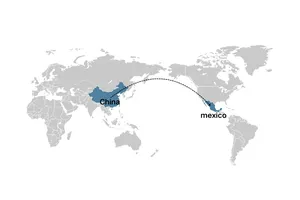
Are you wondering how much the shipping cost from China to Mexico really is, or which method—sea shipping, air shipping, or door to door shipping—best suits your business needs? In this comprehensive guide, we’ll break down all the essential details about freight rates, container costs, transit times, and money-saving tips, so you can confidently plan your shipments from China to Mexico.
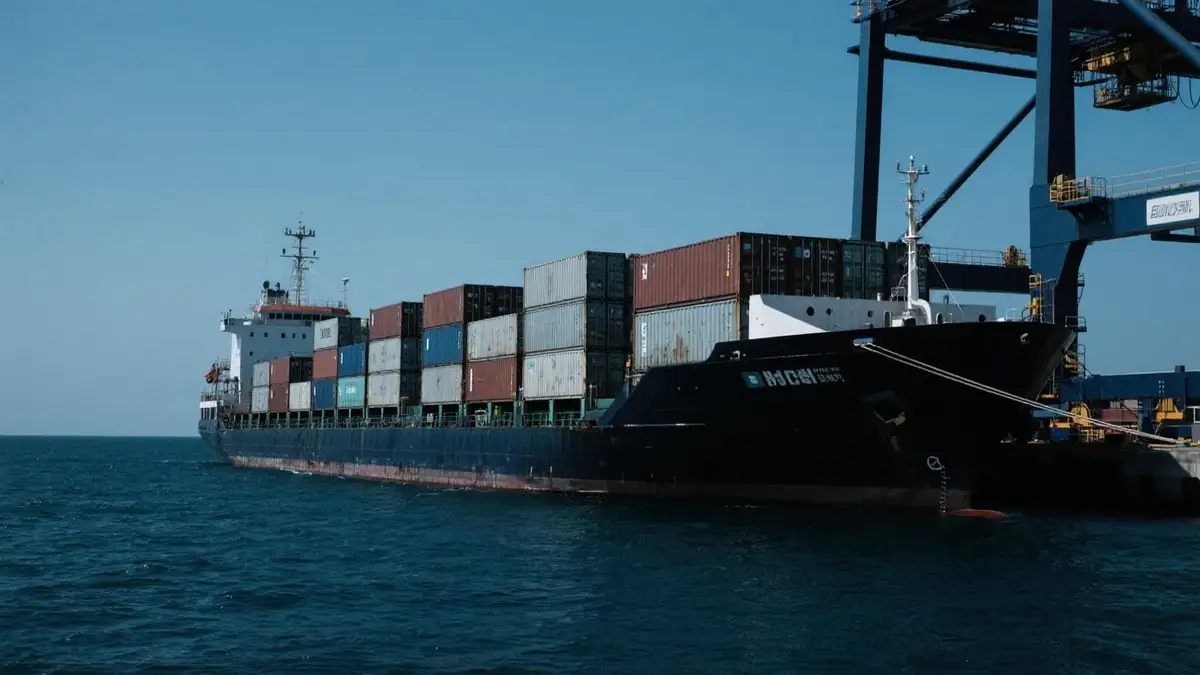
Sea Shipping from China to Mexico
Sea freight is one of the most popular and cost-effective methods for shipping goods from China to Mexico, especially for large or heavy shipments. This shipping method utilizes international trade lanes between major Chinese ports and Mexican ports.
Key Chinese Ports for Sea Freight:
Shanghai Port
Shenzhen Port
Ningbo Port
Qingdao Port
Guangzhou Port
Key Mexican Ports:
Manzanillo Port (Pacific coast, largest container port in Mexico)
Lázaro Cárdenas Port (Pacific coast, major for industrial cargo)
Veracruz Port (Gulf of Mexico, mainly for eastern Mexico)
Altamira Port (Gulf of Mexico)
These port pairs are critical for trade, with Manzanillo and Lázaro Cárdenas handling the majority of Chinese imports.
Types of Sea Shipping Services:
FCL (Full Container Load): Entire container booked for a single shipper, suitable for bulk cargo.
LCL (Less than Container Load): Cargo of different shippers consolidated in one container, ideal for smaller shipments.
Special Cargo: Includes OOG (Out-Of-Gauge), refrigerated, hazardous, or breakbulk cargo.
Typical Container Sizes & Capacity:
Container Type | Capacity (CBM) | Max Load (KG) | Best For |
|---|---|---|---|
20ft | 28 CBM | ~28,000 | Small/medium loads |
40ft | 56 CBM | ~28,000 | Larger loads |
40ft HQ | 68 CBM | ~28,000 | Voluminous cargo |
45ft HQ | 78 CBM | ~28,000 | Oversized cargo |
CBM = Cubic Meters
Transit Times:
Transit time depends on the origin and destination port, shipping line, and specific routing.
From | To (Mexico) | Estimated Transit Time (Days) |
|---|---|---|
Shanghai | Manzanillo | 23-28 |
Shenzhen | Manzanillo | 20-25 |
Ningbo | Lázaro Cárdenas | 24-29 |
Qingdao | Veracruz | 28-35 |
(Note: These are door-to-port times for standard FCL service. LCL may take several days longer due to consolidation and deconsolidation processes.)
Sea Freight Cost Structure:
Costs typically include:
Ocean Freight Rate
Origin Charges (export customs clearance, documentation)
Destination Charges (import handling, customs clearance)
Fuel Surcharges, Security Fees
Port Charges (THC, ISPS, etc.)
Sample FCL Ocean Freight Rates (as of Q4 2025):
Route | 20ft Container (USD) | 40ft Container (USD) |
|---|---|---|
Shanghai – Manzanillo | $2,000 – $2,300 | $2,800 – $3,500 |
Shenzhen – Lázaro Cárdenas | $2,100 – $2,400 | $2,900 – $3,600 |
Ningbo – Veracruz (via Panama) | $2,800 – $3,200 | $3,800 – $4,500 |
Freight rates are subject to seasonal fluctuation, surcharges, and space availability. For up-to-date quotes, consult with a reliable freight forwarder such as DTFU International Logistics Co.,Ltd.
Air Shipping from China to Mexico
Air freight is the fastest and most reliable mode for shipping goods from China to Mexico. It is best suited for time-sensitive, high-value, or lightweight cargo.
Major Air Cargo Hubs in China:
Shanghai Pudong International Airport (PVG)
Guangzhou Baiyun International Airport (CAN)
Beijing Capital International Airport (PEK)
Shenzhen Bao’an International Airport (SZX)
Main Airports in Mexico for International Cargo:
Mexico City International Airport (MEX)
Guadalajara International Airport (GDL)
Monterrey International Airport (MTY)
Transit Time:
Air shipping is significantly quicker than sea freight.
From | To | Transit Time (Direct) | Transit Time (With Transshipment) |
|---|---|---|---|
Shanghai (PVG) | Mexico City | 3-5 days | 5-8 days |
Shenzhen (SZX) | GDL | 4-6 days | 6-9 days |
Guangzhou (CAN) | Monterrey | 4-7 days | 6-10 days |
Cost Structure of Air Shipping:
Air freight costs are calculated based on chargeable weight (whichever is greater: actual weight or volumetric weight).
Service Type | Estimated Cost (USD/kg) | Min. Charge (USD) |
|---|---|---|
Standard Air Freight | $6.5 – $9.0 | $70 – $100 |
Express Courier (DHL/UPS) | $10.0 – $15.0 | $50 – $75 |
Rates fluctuate with fuel prices, capacity, and seasonality (e.g., before Chinese New Year or holiday seasons).
Pros of Air Freight:
Fastest transit, ideal for urgent shipments
Lower risk of damage/theft
Frequent departures
Cons:
Higher cost compared to sea freight
Weight and size limitations
Restrictions on certain goods (e.g., batteries, liquids)
When to Choose Air Freight?
Shipping high-value, perishable, or urgent goods
Shipment weight typically under 500 kg or volume < 2 CBM
Meeting tight delivery deadlines
DTFU International Logistics Co.,Ltd provides tailored air freight services, including standard air cargo, express courier, door-to-door delivery, customs clearance, and cargo insurance. Our expertise ensures your shipments from China to Mexico are handled quickly, safely, and cost-effectively.
Expert Insight:
As global trade between China and Mexico grows, choosing the right shipping mode is vital. Sea freight offers cost savings for large volumes, while air freight provides speed and reliability for urgent or valuable shipments. The freight market is dynamic—factors like fuel prices, shipping line capacity, economic policies (e.g., Mexico’s recent customs digitization reforms), and seasonal demand fluctuations all influence rates and service levels.
Working with a trusted freight forwarder such as DTFU International Logistics Co.,Ltd ensures you receive the most up-to-date guidance, competitive pricing, and seamless logistics solutions tailored to your business needs.
Door to Door shipping from China to Mexico
Door to Door shipping is an all-inclusive logistics solution, popular among businesses and individuals who want a hassle-free shipping experience from China to Mexico. This service covers the entire supply chain — from pick-up at the supplier’s location in China to final delivery at the recipient’s address in Mexico. For importers seeking efficiency, reduced risk, and transparent cost control, Door to Door shipping is often the preferred option.
Key Features of Door to Door Shipping
Comprehensive Service: Includes pick-up, export customs clearance in China, international transport (by sea or air), import customs clearance in Mexico, and local delivery.
Mode Options: Door to Door shipping can be arranged via Sea Freight, Air Freight, or a combination, depending on the cargo type, urgency, and budget.
One-Stop Solution: All logistics and documentation are handled by the freight forwarder, minimizing the need for importers to deal with multiple parties.
Customs Expertise: Specialists ensure compliance with customs regulations in both China and Mexico, minimizing the risk of delays or penalties.
Typical Process
Cargo pick-up from the supplier’s warehouse or factory in China.
Export customs clearance handled by the freight forwarder.
International transportation by sea or air to Mexico.
Import customs clearance in Mexico, including payment of import duties and taxes.
Last-mile delivery to the consignee’s address in Mexico.
Door to Door Service Providers
Choosing a reliable logistics partner is crucial. As a highly professional and cost-effective provider, DTFU International Logistics Co.,Ltd offers tailored Door to Door services for a wide range of needs — from small parcels to full container loads and special project cargo. Our services include Sea Freight, Air Freight, Amazon FBA, Warehouse, Cargo insurance, One-stop customs clearance, OOG Freight, Consolidated Freight, and more.
When to Choose Door to Door Shipping
When you want a single point of contact for the entire shipping process.
If you have limited experience with international logistics or customs clearance.
For time-sensitive shipments where efficient customs handling is essential.
When shipping to remote or non-commercial addresses in Mexico.
Typical Transit Times
Shipping Mode | Origin Port (China) | Destination (Mexico) | Estimated Door-to-Door Transit Time |
|---|---|---|---|
Sea Freight (FCL) | Shanghai | Manzanillo | 30-38 days |
Sea Freight (FCL) | Shenzhen | Veracruz | 35-42 days |
Air Freight | Shanghai PVG | Mexico City (MEX) | 5-8 days |
Air Freight | Guangzhou CAN | Mexico City (MEX) | 5-9 days |
Note: Transit times are indicative and can vary due to customs procedures, weather, and seasonal demand.
How much does shipping from China to Mexico cost?
The shipping cost from China to Mexico depends on multiple factors, including the type of goods, shipping mode, volume, weight, and the selected service level. Below is a detailed breakdown to help you understand the cost structure.
Major Cost Components
Freight Charges (Sea or Air)
Origin Charges (pick-up, export customs, documentation)
Destination Charges (import customs, handling, delivery)
Duties and Taxes (based on HS Code and cargo value)
Optional Services (insurance, warehousing, special handling)
Cost Comparison Table
Shipping Mode | Cargo Type | Typical Cost Range (USD)* | Cost Basis |
|---|---|---|---|
Sea Freight (FCL 20ft) | General cargo | $2,200 - $3,500 | per 20ft container |
Sea Freight (FCL 40ft) | General cargo | $3,800 - $5,500 | per 40ft container |
Sea Freight (LCL) | Small shipments | $80 - $120 | per CBM |
Air Freight (Standard) | General cargo | $6.5 - $9.5 | per kg |
Door to Door (Sea) | General cargo | $2,800 - $4,200 | per 20ft container |
Door to Door (Air) | Small shipments | $8.5 - $12 | per kg |
Estimates as of Q4 2025. Actual rates may vary due to market fluctuations, fuel surcharges, and seasonal demand.
Example: Cost Calculation
Scenario: Shipping a 20ft container (28CBM, 18,000kg) from Shanghai to Mexico City.
Freight rate (FCL): $2,700
Origin charges: $350
Destination charges: $650
Customs duty & VAT: Variable (typically 16% VAT + applicable duty rate)
Total estimated cost: $3,700 (excluding duties and taxes)
Influencing Factors
Cargo Size and Weight: Larger, heavier shipments are more cost-efficient per unit.
Shipping Mode: Sea freight is more economical for bulk, while air freight is faster but more expensive.
Route and Port Selection: Direct routes to major Mexican ports (e.g., Manzanillo, Veracruz) are usually cheaper.
Seasonality: Peak shipping seasons (pre-Christmas, Chinese New Year) can increase rates.
Customs Requirements: Special permits or inspections can add to the overall cost.
Cost of shipping 20ft & 40ft Container from China to Mexico
When shipping goods by sea freight from China to Mexico, the cost is primarily determined by the type of container, shipping route, port of loading, port of discharge, and current market rates. The two most common container sizes are 20ft (20GP) and 40ft (40GP/40HQ).
Typical Container Capacity
20ft Container: 28 CBM (Cubic Meters)
40ft Container: 56 CBM
40HQ (High Cube): 68 CBM
45HQ: 78 CBM
Main Ports of China to Mexico Shipping
Major Origin Ports in China:
Shanghai
Shenzhen
Ningbo
Qingdao
Guangzhou
Major Destination Ports in Mexico:
Manzanillo (the largest container port in Mexico)
Lázaro Cárdenas
Veracruz
Average Shipping Costs (2025)
Shipping costs fluctuate due to fuel prices, seasonal demand, and market capacity. Below is a reference table for estimated shipping cost from China to Mexico for full container load (FCL), valid as of Q4 2025. These rates do not include destination charges, customs, insurance, or additional services.
Route (China Port → Mexico Port) | 20ft Container (USD) | 40ft Container (USD) | Transit Time (Days) |
|---|---|---|---|
Shanghai → Manzanillo | $2,500 – $3,200 | $4,300 – $5,200 | 22 – 27 |
Shenzhen → Manzanillo | $2,400 – $3,100 | $4,200 – $5,100 | 25 – 30 |
Ningbo → Manzanillo | $2,600 – $3,400 | $4,400 – $5,350 | 23 – 28 |
Shanghai → Veracruz | $2,600 – $3,500 | $4,500 – $5,400 | 28 – 35 |
Note:
Rates can vary due to container availability, peak/off-peak seasons, and special surcharges (such as Peak Season Surcharge (PSS) and General Rate Increase (GRI)).
The cost includes basic ocean freight charges but excludes insurance, customs clearance, and inland delivery.
For the latest and most accurate ocean freight rates, consult a professional freight forwarder like DTFU International Logistics Co.,Ltd.
Factors Impacting Container Shipping Costs
Cargo type and weight: Heavy or oversized cargo may incur extra charges.
Incoterms: Terms like FOB, CIF, or DAP affect who pays for various segments.
Additional services: E.g., door-to-door delivery, customs clearance, insurance.
Market fluctuations: Rates are sensitive to global events, such as changes in fuel prices or port congestion.
Professional Support
At DTFU International Logistics Co.,Ltd, we provide transparent, up-to-date container shipping quotes from China to Mexico, leveraging our global network and expertise in sea freight. Our team assists you with route selection, cost analysis, and customs procedures, ensuring your cargo arrives safely and cost-effectively.
Air Shipping from China to Mexico Cost per kg
Air freight is the fastest way to ship goods from China to Mexico. It’s ideal for urgent or high-value shipments, electronics, samples, or e-commerce inventory. The air shipping cost per kg is influenced by the nature of goods, total weight/volume, departure and arrival airports, and seasonal demand.
Common Airports for China-Mexico Air Cargo
Main Origin Airports in China:
Shanghai Pudong International Airport (PVG)
Beijing Capital International Airport (PEK)
Guangzhou Baiyun International Airport (CAN)
Shenzhen Bao’an International Airport (SZX)
Main Destination Airports in Mexico:
Mexico City International Airport (MEX)
Guadalajara International Airport (GDL)
Monterrey International Airport (MTY)
Typical Air Freight Cost Reference (2025)
Below is a reference table for general air freight rates for standard cargo (economy service, airport-to-airport, excluding fuel surcharges, security fees, and customs charges).
Weight Bracket | Air Freight Rate (USD/kg) | Estimated Transit Time (Days) |
|---|---|---|
45 – 100 kg | $6.5 – $8.5 | 3 – 5 |
100 – 300 kg | $5.2 – $7.8 | 3 – 5 |
300 – 500 kg | $4.8 – $7.0 | 3 – 5 |
500 kg and above | $4.2 – $6.5 | 3 – 5 |
Factors affecting the rate:
Gross Weight vs. Volumetric Weight: Airlines charge based on whichever is higher. Volumetric weight = (Length x Width x Height in cm) / 6000.
Type of goods: Dangerous goods, batteries, and perishables may require special handling.
Emergency or express: Urgent shipments cost more.
Seasonality: Rates can spike during peak seasons (such as holidays or before major shopping events).
Air Freight vs. Sea Freight Cost Comparison
Shipping Mode | Cost (per kg, USD) | Transit Time (Days) | Suitability |
|---|---|---|---|
Sea Freight | $0.8 – $1.5 | 22 – 35 | Bulk, non-urgent |
Air Freight | $4.2 – $8.5 | 3 – 5 | Urgent, high-value |
Why Choose Air Freight with DTFU International Logistics Co.,Ltd?
DTFU International Logistics Co.,Ltd offers comprehensive air freight solutions from China to Mexico, including express, standard, and consolidated air cargo.
We handle cargo insurance, customs clearance, and door-to-door delivery, providing peace of mind and efficiency.
Our strong airline partnerships ensure competitive rates and prime cargo space, even during peak times.
Expert Tips
For shipments above 500kg, request consolidated air freight for better rates.
Consult your freight forwarder for the latest rates and available flights.
For e-commerce and time-sensitive shipments, consider DTFU’s end-to-end logistics solutions, including local warehousing and final mile delivery in Mexico.
In summary, the Shipping Cost from China to Mexico varies greatly with container size, air/sea mode, total weight/volume, and service requirements. For the most reliable, up-to-date, and cost-effective solutions, partnering with a professional freight forwarder like DTFU International Logistics Co.,Ltd ensures your business stays competitive in the global market.
For tailored shipping quotes and expert consultation, contact Ivan Chan, Senior Logistics Analyst at DTFU International Logistics Co.,Ltd.
Door to Door Shipping Cost from China to Mexico
Door to Door shipping is a highly popular logistics solution for businesses looking to move goods from China to Mexico with maximum convenience. This service means your cargo is picked up at the supplier’s location in China and delivered directly to the consignee’s address in Mexico, handling all steps including export customs clearance, international transport, import customs, and final mile delivery. This approach simplifies the process, reduces risk, and often results in cost savings by consolidating fees.
What Determines Door to Door Shipping Costs?
Several factors influence the Door to Door shipping cost from China to Mexico:
Shipping Mode: The primary choices are Sea Freight (most cost-effective for large shipments), Air Freight (fastest, suitable for urgent or lightweight cargo), and Express Courier (best for small parcels).
Cargo Volume & Weight: Larger shipments benefit from economies of scale. Pricing is usually by CBM (cubic meter) or per kg, depending on the mode.
Origin & Destination Addresses: Freight charges vary based on proximity to major ports (e.g., Shanghai, Shenzhen) and Mexican cities (Mexico City, Guadalajara, Monterrey).
Type of Goods: Hazardous, oversized, or temperature-sensitive cargo may incur extra fees.
Customs & Duties: Taxes and import duties are included or billed separately, depending on the service terms (DDP, DDU).
Value-Added Services: Insurance, warehousing, packaging, and last-mile delivery can impact overall cost.
Typical Door to Door Shipping Cost Examples (2025)
The following table provides a general comparison of Door to Door shipping costs from China (main ports/cities) to Mexico (main cities), based on 2025 market rates. Please note: Costs fluctuate due to fuel prices, currency rates, global demand, and policy changes. For an accurate quote, consult a trusted freight forwarder like DTFU International Logistics Co.,Ltd.
Shipping Mode | Route (Origin-Destination) | Reference Cost (USD) | Transit Time | Suitable Cargo Type |
|---|---|---|---|---|
Sea Freight (LCL) | Shenzhen – Mexico City | $300 – $500 / CBM | 25–35 days | 2–15 CBM |
Sea Freight (FCL) | Shanghai – Veracruz (20ft) | $2,000 – $2,800 / 20ft | 23–28 days | Full container loads |
Shanghai – Veracruz (40ft) | $3,500 – $4,800 / 40ft | 23–28 days | Full container loads | |
Air Freight | Guangzhou – Mexico City | $5.5 – $7.5 / kg (45kg+) | 3–7 days | Time-sensitive, small |
Express Courier | Hong Kong – Mexico City | $10 – $15 / kg (5–21kg) | 3–5 days | Parcels, samples |
Sea+Truck (DDP) | Yiwu – Guadalajara | $400 – $600 / CBM | 30–40 days | E-commerce/B2B loads |
Note: Prices are for reference only and exclude duties, taxes, and special handling. Door to Door service can be arranged as DDU (Delivered Duty Unpaid) or DDP (Delivered Duty Paid).
What is the Import Duty from China to Mexico?
Understanding import duty is essential for accurate budgeting and smooth customs clearance when shipping from China to Mexico. Import duties, also known as customs tariffs, are taxes imposed by the Mexican government on goods entering the country. These costs can significantly impact the total landed cost of your shipment.
Key Points on Import Duty and Taxes
HS Code Classification: Every product has a specific HS Code (Harmonized System Code) that determines its duty rate. Proper classification is crucial to ensure compliance and avoid penalties.
Duty Rates:
General Duty Rates: For most goods, Mexico applies rates between 0% and 20%, depending on the product type. For example, electronics may be taxed differently from textiles or machinery.
Preferential Tariffs: Under certain FTAs (Free Trade Agreements), like the Mexico-China Most Favoured Nation (MFN) rate, duties could be reduced for eligible goods, but no comprehensive FTA exists between China and Mexico as of 2025.
Value Added Tax (VAT):
VAT Rate: A standard 16% VAT is charged on the CIF value (Cost + Insurance + Freight) + duty amount.
Other Taxes: Depending on the product, there may be additional taxes (e.g., IEPS on luxury or special items).
Calculation Example
Item | Amount (USD) |
|---|---|
Product Value (FOB) | $10,000 |
Freight & Insurance | $2,000 |
CIF Value | $12,000 |
Import Duty (10%) | $1,200 |
VAT (16%) | $2,112 |
Total Duties & Taxes | $3,312 |
Note: Duty rates vary based on HS Code and changes in Mexican customs policy. Always use updated sources or consult a professional for your product.
Documentation Required
Commercial Invoice
Packing List
Bill of Lading/Air Waybill
HS Code Declaration
Import Permits (if applicable)
Certificate of Origin (if any tariff preference applies)
Additional Cost of shipping from China to Mexico
When planning international shipments from China to Mexico, it is important to understand that the total shipping cost encompasses more than just the basic freight charges. There are several additional costs and surcharges that importers should anticipate to avoid unexpected expenses and ensure an accurate cost calculation.
Below is a detailed overview of the main additional costs commonly associated with shipping from China to Mexico:
Cost Item | Description | Typical Range / Note |
|---|---|---|
Customs Clearance Fees | Charges for processing goods through Chinese and Mexican customs. | USD $80–$300 per shipment (varies by complexity) |
Import Duties & Taxes | Tariffs levied by the Mexican government based on HS code, product value, and trade agreements. | Varies (consult customs broker or SAT portal) |
Documentation Fees | Costs for preparing commercial invoices, packing lists, bills of lading, certificates of origin, etc. | USD $50–$150 |
Port Charges | Handling and terminal fees at ports in China or Mexico, such as Shanghai Port, Ningbo Port, Manzanillo Port, etc. | USD $100–$600 (depending on cargo and port) |
Security Surcharges | Security fees imposed at ports or by carriers for extra safety measures. | USD $10–$50 per shipment |
Cargo Insurance | Insurance coverage for goods in transit, highly recommended for international shipments. | 0.1–0.5% of cargo value |
Delivery Charges (Inland) | Trucking or rail fees for transporting goods from port to the final destination within Mexico. | USD $100–$1,000+ (depending on distance/weight) |
Remote Area Surcharge | Extra cost if the delivery address is in an outlying or less accessible area of Mexico. | USD $50–$200 |
Demurrage & Detention Fees | Penalties if containers are not picked up or returned within the free time allowed at destination ports. | USD $50–$200 per day per container |
Warehousing Fees | Storage charges if goods are held at a warehouse before final delivery. | USD $5–$20 per CBM per week |
Palletization & Packaging | Cost for additional packaging or palletizing to meet Mexican customs or consumer standards. | USD $10–$30 per pallet |
Inspection/Quarantine Fees | Charges for random or required inspection by customs or quarantine authorities. | USD $50–$200+ |
Bank Charges | Fees for international bank transfers, Letters of Credit, or payment processing. | USD $20–$100 per transaction |
Note: Actual costs may vary by shipment size, incoterms, carrier, and specific route.
Factors influencing the shipping cost
Several key factors can significantly impact the shipping cost from China to Mexico. Understanding these variables will help you optimize your logistics and manage your budget more effectively.
1. Shipping Mode
Sea Freight (FCL/LCL):
Best suited for large or heavy cargo.
FCL (Full Container Load) is generally more cost-effective per unit compared to LCL (Less than Container Load) if the shipment volume exceeds half of a standard container’s capacity.
Air Freight:
Faster but much more expensive than sea freight.
Suitable for time-sensitive, high-value, or lightweight shipments.
Door to Door Shipping:
Includes pick-up, main transport, customs clearance, and final delivery.
Offers convenience but may incorporate multiple cost components.
2. Cargo Volume and Weight
Shipping rates are calculated based on the greater of actual weight or volumetric (dimensional) weight.
Large, lightweight packages may be charged by volume (CBM), while heavy, compact shipments are charged by weight.
Container Type | Capacity (CBM) |
|---|---|
20FT | 28 |
40FT | 56 |
40HQ | 68 |
45HQ | 78 |
3. Port of Origin and Destination
Major ports like Shanghai, Shenzhen, and Ningbo in China, and Manzanillo, Lázaro Cárdenas, and Veracruz in Mexico offer competitive rates due to high shipping volumes.
Shipments to or from less common ports may incur higher costs.
4. Incoterms (International Commercial Terms)
Incoterms such as FOB (Free On Board), CIF (Cost, Insurance, and Freight), or DAP (Delivered at Place) determine which party bears which segments of the shipping cost.
The more responsibility assumed by the seller or forwarder, the higher the quoted price.
5. Seasonality and Market Fluctuations
High demand during peak seasons (e.g., pre-holiday, Chinese New Year) can drive up shipping rates.
Global events, capacity constraints, or fuel price changes also impact rates.
6. Type of Goods and Special Requirements
Dangerous goods, oversized cargo, or perishable items require special handling, documentation, and possibly surcharges.
Compliance with Mexican import regulations may affect costs.
7. Customs Duties and Taxes
Tariffs, VAT, and import processing fees imposed by the Mexican government directly affect your landed cost.
8. Surcharges and Accessorial Charges
Bunker Adjustment Factor (BAF), Peak Season Surcharges (PSS), Currency Adjustment Factor (CAF), and other shipping line surcharges fluctuate based on market conditions.
9. Freight Forwarder’s Expertise and Service
An experienced freight forwarder can help optimize routes, consolidate shipments, and negotiate better rates.
DTFU International Logistics Co.,Ltd provides one-stop, professional logistics solutions, helping clients minimize unnecessary costs, avoid delays, and ensure full compliance.
Summary Table: Key Shipping Cost Influencing Factors
Factor | Description/Impact |
|---|---|
Shipping Mode | Sea (FCL/LCL), Air, Door to Door – affects speed and cost |
Volume & Weight | Determines pricing metric (CBM, kg) |
Origin/Destination Port | Affects base rates, availability, and surcharges |
Incoterms | Changes who pays for which segment of the journey |
Seasonality | High season = higher costs |
Cargo Type | Hazardous, oversized, or special cargo increases costs |
Customs Duties/Taxes | Directly increases total landed cost |
Market Surcharges | Adjusts for oil prices, currency, global events |
Forwarder’s Service | Expertise can lower risk and optimize overall cost |
How long is sea freight from China to Mexico?
When shipping goods by sea freight from China to Mexico, transit time is a critical factor for planning your supply chain. The door-to-door or port-to-port shipping duration depends on several elements, such as departure and destination ports, route, vessel type, and whether the shipment is Full Container Load (FCL) or Less than Container Load (LCL).
Average Sea Freight Transit Times
Below is an overview of estimated sea freight transit times from major Chinese ports to key Mexican ports:
Origin Port (China) | Destination Port (Mexico) | Estimated Transit Time (Days) | Route Type |
|---|---|---|---|
Shanghai | Manzanillo | 23-28 | Direct/Transshipment |
Shenzhen (Yantian) | Manzanillo | 22-26 | Direct/Transshipment |
Ningbo | Lázaro Cárdenas | 26-31 | Transshipment |
Qingdao | Veracruz | 32-38 | Transshipment |
Guangzhou (Nansha) | Manzanillo | 24-29 | Direct/Transshipment |
Xiamen | Lázaro Cárdenas | 27-33 | Transshipment |
Notes:
Direct routes are less frequent; most shipments require one or more transshipments, typically via US West Coast or Panama Canal.
LCL shipments may take 3-7 days longer due to consolidation and deconsolidation processes.
Key Factors Affecting Transit Time
Port Congestion: Both Chinese and Mexican ports, especially Manzanillo (the busiest in Mexico), may experience bottlenecks that delay unloading.
Peak Season: During periods like Chinese New Year or Christmas, demand surges can extend transit and handling times.
Customs Procedures: Delays at customs, especially at entry points like Manzanillo and Veracruz, may add extra days.
Carrier Schedules: Not all vessels sail weekly; some may have biweekly or irregular schedules.
Professional Recommendations
To minimize delays:
Book in advance, especially during peak times.
Work with a reliable freight forwarder like DTFU International Logistics Co.,Ltd, which monitors schedules and can offer alternative routes if necessary.
Consider FCL for time-sensitive shipments, as LCL consolidation adds extra days.
Air freight transit time from China to Mexico?
If speed is a priority, air freight is the preferred choice for shipping from China to Mexico. Typical transit times are significantly shorter than sea freight, making air shipping ideal for high-value, urgent, or time-sensitive goods.
Average Air Freight Transit Times
Origin Airport (China) | Destination Airport (Mexico) | Typical Transit Time* | Notes |
|---|---|---|---|
Shanghai (PVG) | Mexico City (MEX) | 3–5 days | Direct/1 stop |
Guangzhou (CAN) | Mexico City (MEX) | 3–6 days | Usually with connection |
Shenzhen (SZX) | Mexico City (MEX) | 3–6 days | Usually with connection |
Beijing (PEK) | Mexico City (MEX) | 4–7 days | Usually with connection |
*Times include handling, customs, and local delivery where applicable.
Factors Affecting Air Freight Transit Time
Flight Availability: There are limited direct flights; most shipments are routed via the US, Europe, or other transit hubs (e.g., Los Angeles (LAX), Dallas (DFW)).
Customs Clearance: While generally faster than sea freight, clearance in Mexico can be delayed by documentation issues or inspections.
Cargo Space: Demand spikes (e.g., during electronics launches or holiday seasons) can lead to space shortages, affecting both cost and delivery time.
Cargo Type: Dangerous goods or oversized cargo may require special handling, potentially extending transit time.
Express vs. Standard Air Freight
Express Courier Services (e.g., DHL, FedEx, UPS): 2–4 days door-to-door, with customs brokerage included. Best for small packages and samples.
Standard Air Freight: 3–7 days, ideal for commercial shipments.
Professional Tips
Prepare paperwork accurately to avoid customs delays.
Book early during busy seasons to secure cargo space.
Choose a reputable freight forwarder, such as DTFU International Logistics Co.,Ltd, for expert route planning and end-to-end support.
Whether you choose sea freight or air freight from China to Mexico, understanding transit times and the factors influencing them is essential for efficient supply chain management. For up-to-date schedules, tailored solutions, and professional support, consult DTFU International Logistics Co.,Ltd—your trusted partner for global shipping.
Tips to Reduce Shipping Cost from China to Mexico
Reducing the shipping cost from China to Mexico is a crucial goal for every importer, exporter, and supply chain professional. With my experience as a Senior Logistics Analyst, I have summarized the most effective and actionable strategies based on current market data, industry best practices, and hands-on case studies. Here’s how you can optimize your freight spending without compromising service quality:
Consolidate Shipments
By combining smaller shipments into one Full Container Load (FCL), you can achieve better unit pricing and reduce per-cubic-meter costs. This is especially effective when you have multiple suppliers in China.
Choose the Right Shipping Mode
Each shipping mode—sea freight, air freight, rail (for some routes), or door to door—has its own pricing structure. For bulky, non-urgent cargo, sea freight is the most economical. For high-value or urgent goods, air freight is faster but more expensive per kg.
Plan Ahead and Avoid Peak Seasons
Booking space during peak shipping seasons (such as before Chinese New Year and Christmas) typically leads to rate surges. Planning your shipments during off-peak periods helps secure lower rates.
Negotiate with Multiple Freight Forwarders
Always request quotes from multiple forwarders. Comparing offers can reveal cost-saving options, including bundled services or value-added logistics solutions.
Optimize Packaging
Eliminate excess packaging to maximize container space and minimize volumetric weight charges. Proper packaging also reduces risk of damage and insurance premiums.
Leverage Port-to-Port Shipping
If you have logistics expertise at the destination, consider arranging your own inland transport in Mexico. Port-to-port shipping is generally cheaper than full door-to-door service.
Utilize Warehousing and Consolidation Services
Using a consolidation warehouse in China can help accumulate cargo from various suppliers, combining them into one shipment, thus optimizing freight rates.
Understand Incoterms
Select Incoterms (like FOB, EXW, CFR) that best fit your shipping strategy and cost management. Sometimes, shifting responsibility and cost to the exporter or importer can have tax or cost advantages.
Monitor Surcharges and Hidden Fees
Be vigilant about additional charges: fuel surcharges, GRI (General Rate Increase), BAF (Bunker Adjustment Factor), or security fees. Clear communication with your forwarder about the all-inclusive rate can prevent surprises.
Work with a Trusted Freight Forwarder
A reliable and experienced freight forwarder, such as DTFU International Logistics Co.,Ltd, can provide competitive rates, transparent billing, and one-stop services (including sea freight, air freight, insurance, customs clearance, and warehouse solutions).
Cost-Saving Comparison Table
Shipping Mode | Typical Cost (2025, USD) | Typical Transit Time | Best For | Cost-Saving Potential |
|---|---|---|---|---|
Sea Freight (FCL) | $2,500–$4,000 (40ft) | 25–35 days | Bulk cargo, non-urgent | High (via FCL and consolidation) |
Sea Freight (LCL) | $80–$150/CBM | 30–40 days | Small volume, multiple suppliers | Moderate |
Air Freight | $5–$8/kg | 3–7 days | Urgent, high-value, perishable | Low |
Door-to-Door | Custom quote | 30–45 days (sea) | SMEs, e-commerce, hassle-free | Moderate (negotiated packages) |
Note: Costs are indicative and vary by season, port, and cargo specifics.
Freight Forwarder from China to Mexico
Selecting the right freight forwarder from China to Mexico is a strategic decision that impacts your shipping cost, transit time, and risk management. Here’s what you need to know to make an informed choice:
Key Considerations When Choosing a Freight Forwarder
Industry Experience: Look for forwarders with proven expertise in China–Mexico trade lanes, familiar with both Chinese ports (such as Shanghai, Shenzhen, Ningbo) and major Mexican ports (Manzanillo, Veracruz, Altamira).
Comprehensive Services: A one-stop solution provider can handle sea freight, air freight, door-to-door delivery, customs clearance, warehousing, cargo insurance, and value-added services.
Transparent Pricing & Real-Time Tracking: Ask for itemized quotes and real-time tracking systems to avoid hidden costs and track your shipment’s progress.
Strong Local Networks: A forwarder with reliable local partners in both China and Mexico can efficiently manage inland haulage, customs, and last-mile delivery.
Why Choose DTFU International Logistics Co.,Ltd?
As a leading freight forwarder specializing in China–Mexico trade, DTFU International Logistics Co.,Ltd offers:
End-to-End Logistics Solutions: From sea freight (FCL/LCL), air freight, and road freight to Amazon FBA, warehouse management, cargo insurance, door-to-door delivery, OOG (Out of Gauge) freight, consolidated freight, and breakbulk freight.
Highly Professional Team: Our team of certified experts ensures compliance with the latest regulations and leverages local knowledge for smooth customs clearance.
Cost-Effective Rates: Leveraging our volumes and strong carrier relationships, we provide competitive pricing and flexible solutions tailored to your shipping needs.
Advanced Technology: Track your shipments in real time and access digital documentation for enhanced visibility.
Reliable Customer Support: Our bilingual support team assists you with every step—quotes, booking, paperwork, customs, and after-sales issues.
Popular Shipping Routes from China to Mexico
Origin Port (China) | Destination Port (Mexico) | Major Commodities | Typical Transit Time (Sea FCL) |
|---|---|---|---|
Shanghai | Manzanillo | Electronics, machinery | 25–30 days |
Shenzhen | Veracruz | Textiles, consumer goods | 32–37 days |
Ningbo | Altamira | Automotive, chemicals | 27–35 days |
Qingdao | Manzanillo | Metals, hardware | 28–36 days |
Transit times depend on carrier schedules, route combinations, and customs processing.
How DTFU Supports Your Business
Customized Solutions: We analyze your specific cargo, timeline, and budget to recommend the best shipping mode and route.
Risk Management: Our cargo insurance and proactive monitoring help safeguard your interests throughout the supply chain.
Trade Compliance: Always up to date with the latest Mexican import regulations and customs best practices to ensure smooth clearance.
Scalable Services: Whether you are a large importer or a first-time SME exporter, our services scale to fit your business.
DTFU International Logistics Co.,Ltd offers comprehensive sea freight solutions, including FCL, LCL, OOG, breakbulk, and customs clearance from China to Mexico, ensuring your cargo arrives safely and on time. Please contact us for a free quote.