Are you looking to streamline your sea shipping from China to Mexico and wondering how to navigate ports, costs, and transit times? In this comprehensive guide, we’ll explore everything you need to know about China-Mexico sea freight, including major ports, container shipping costs, transit durations, import taxes, and why choosing the right logistics partner matters. Get ready to optimize your international shipping strategy and make informed decisions for your business!
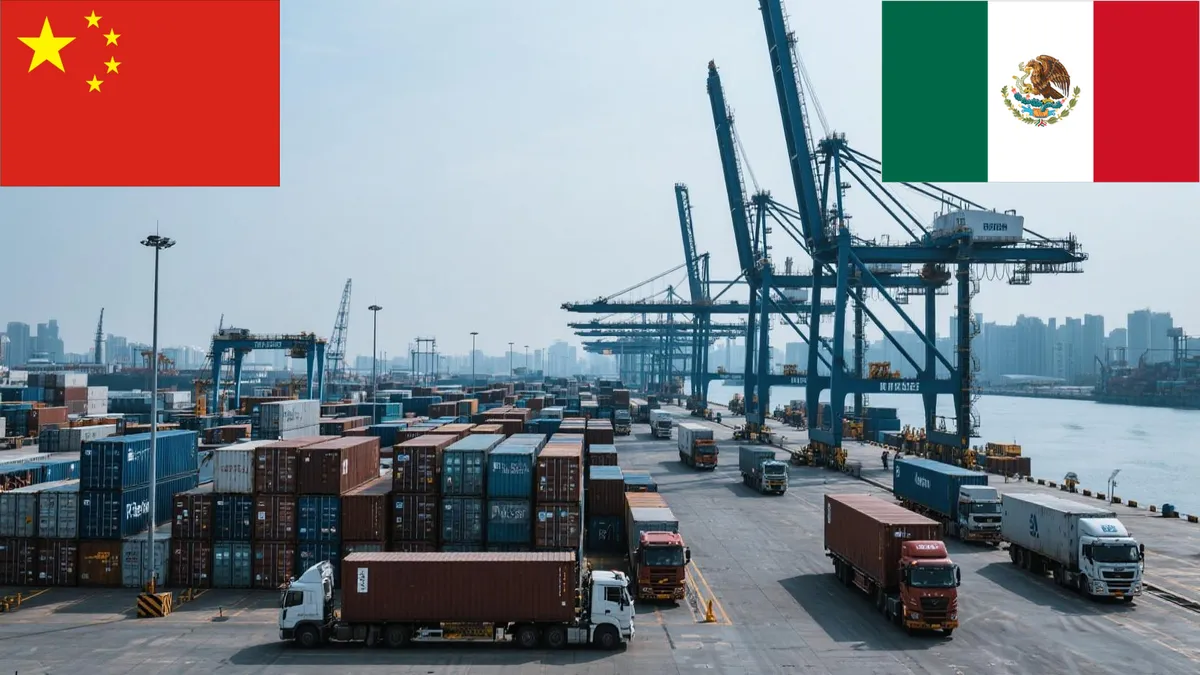
Main Ports in China and Mexico
Main Ports in China
When arranging sea shipping from China to Mexico, it is crucial to select the right departure port. China possesses a vast network of modern seaports, many of which rank among the busiest globally, ensuring efficient cargo handling and frequent sailing schedules. The principal ports for exports to Mexico are:
Port Name | Location | Features |
|---|---|---|
Shanghai Port | Eastern China | Largest container port worldwide; excellent connectivity and broad carrier options. |
Shenzhen Port | South China (Guangdong) | Key for electronics, textiles, and machinery exports; near major manufacturing hubs. |
Ningbo-Zhoushan Port | Eastern China (Zhejiang) | High efficiency, rapid customs clearance, and strong global trade ties. |
Qingdao Port | Northeast China (Shandong) | Strategic for chemical and machinery exports; reliable direct routes. |
Guangzhou Port | South China | Preferred for heavy industrial goods and consumer products. |
Xiamen Port | Southeast China | Specialized in electronics and footwear exports; flexible LCL/FCL options. |
These ports handle significant volumes of containerized and breakbulk cargo headed to the Americas, including Mexico. Their infrastructure assures smooth operations, timely loading, and unloading, which minimizes delays.
Main Ports in Mexico
For importers in Mexico, selecting the right destination port is equally vital. The following are the main Mexican seaports frequently used for receiving goods from China:
Port Name | Location | Features |
|---|---|---|
Manzanillo Port | Pacific Coast, Colima | Largest and busiest; main entry point for Asian cargo; extensive customs facilities. |
Lázaro Cárdenas Port | Pacific Coast, Michoacán | Deep-water port, ideal for large vessels and high-volume shipments. |
Veracruz Port | Gulf of Mexico, Veracruz | Key for inland distribution; good road/rail connectivity to central Mexico. |
Altamira Port | Gulf of Mexico, Tamaulipas | Strategic for access to northern and central Mexico. |
Manzanillo and Lázaro Cárdenas are the most common choices for shipments from China due to their advanced facilities, high container throughput, and frequent direct sailings. Both ports offer efficient customs and last-mile logistics, ensuring timely delivery to Mexican importers.
How Much Does Sea Shipping Cost from China to Mexico?
The cost of sea shipping from China to Mexico depends on several variables, including shipment volume, container size, current fuel prices, and service level (FCL/LCL). As of mid-2024, global shipping rates have fluctuated due to geopolitical and economic conditions, such as supply chain disruptions and increased demand post-pandemic.
Cost of Shipping 20ft Container from China to Mexico
As of Sep 2025, the typical sea freight cost for a 20ft container (FCL) ranges from USD 3,000 to USD 4,500 depending on the route, carrier, and time of year. The table below provides a comparison of estimated rates from major Chinese ports to the principal Mexican ports:
Origin Port (China) | Destination Port (Mexico) | Estimated Cost (USD, 20ft FCL) | Transit Time (Days) |
|---|---|---|---|
Shanghai | Manzanillo | 3,200 - 4,200 | 22 - 28 |
Shenzhen | Lázaro Cárdenas | 3,000 - 4,000 | 23 - 29 |
Ningbo | Veracruz | 3,800 - 4,500 | 28 - 35 |
Qingdao | Altamira | 3,500 - 4,300 | 30 - 37 |
Note: Rates vary based on season, freight forwarder, and market demand. For the latest rates, consult your logistics provider or contact DTFU International Logistics Co., Ltd..
Cost of Shipping 40ft Container from China to Mexico
For importers shipping larger volumes, the 40ft container option is more cost-effective on a per-cubic-meter basis. Estimated rates as of 2024 are as follows:
Origin Port (China) | Destination Port (Mexico) | Estimated Cost (USD, 40ft FCL) | Transit Time (Days) |
|---|---|---|---|
Shanghai | Manzanillo | 4,800 - 6,200 | 22 - 28 |
Shenzhen | Lázaro Cárdenas | 4,500 - 5,800 | 23 - 29 |
Ningbo | Veracruz | 5,200 - 6,800 | 28 - 35 |
Qingdao | Altamira | 5,000 - 6,500 | 30 - 37 |
For volume discounts, consolidated shipping, or customized quotes, DTFU International Logistics offers tailored solutions with transparent pricing.
Factors Affecting Sea Freight Costs
Understanding the components that influence sea freight rates is essential for budgeting:
Container Size & Type: Standard 20ft and 40ft containers are most common, but oversized, OOG (Out-of-Gauge), or reefer containers incur higher costs.
Cargo Nature: Hazardous, overweight, or high-value items require special handling, raising the overall cost.
Route and Transit Time: Direct routes are faster but might be more expensive. Transshipment (cargo routed via intermediate ports) can save costs but extends delivery times.
Seasonality: Rates often spike before major holidays (e.g., Chinese New Year, Golden Week) due to increased demand.
Bunker Adjustment Factor (BAF) & Fuel Charges: Fluctuations in oil prices impact surcharges.
Port Charges & Local Fees: Both China and Mexico ports may levy additional terminal handling and customs clearance fees.
Freight Forwarder’s Service: Reliable, experienced freight forwarders like DTFU International Logistics Co., Ltd. can negotiate competitive rates, offer value-added services (insurance, customs clearance), and prevent unexpected charges.
For a precise, up-to-date quotation, always consult with a trusted freight partner. DTFU International Logistics is a highly professional one-stop provider, ensuring cost-effectiveness, reliability, and comprehensive services for global traders.
How Long Does Sea Shipping Take from China to Mexico?
When considering sea shipping from China to Mexico, transit time is a critical factor for importers. The duration depends on the type of shipping service chosen—LCL (Less than Container Load) or FCL (Full Container Load)—and several external influences. Understanding these timelines helps in accurate supply chain planning and inventory management.
LCL Shipping Time from China to Mexico
LCL shipping is ideal for importers who do not have enough goods to fill an entire container and wish to share space with other shippers. However, LCL generally takes longer due to the additional steps involved, such as consolidation and deconsolidation at ports.
Typical LCL Transit Time:
Origin Port (China) | Destination Port (Mexico) | Estimated Transit Time (Days) |
|---|---|---|
Shanghai | Manzanillo | 28–35 |
Shenzhen | Veracruz | 29–37 |
Ningbo | Lázaro Cárdenas | 30–38 |
Note: LCL shipments may require extra days for consolidation at the origin and deconsolidation at the destination.
FCL Shipping Time from China to Mexico
FCL shipping is faster and more secure as the container is dedicated to just one shipper. This minimizes handling, speeding up the cargo movement across the supply chain.
Typical FCL Transit Time:
Origin Port (China) | Destination Port (Mexico) | Estimated Transit Time (Days) |
|---|---|---|
Shanghai | Manzanillo | 23–30 |
Shenzhen | Veracruz | 24–32 |
Qingdao | Lázaro Cárdenas | 25–33 |
Transit times are subject to change due to shipping line schedules and external factors.
Factors Affecting Sea Shipping Transit Time
Sea shipping transit times are not fixed and may vary due to several key influences:
Port Congestion: Busy seasons and high cargo volumes can cause delays at both Chinese and Mexican ports.
Customs Clearance: Document errors or increased inspections can slow down cargo processing.
Weather Conditions: Typhoons, hurricanes, or adverse weather in the Pacific can disrupt normal schedules.
Shipping Line Schedules: Sailing frequency, route changes, or transshipment requirements may add extra days.
Holidays & Strikes: Public holidays in China (like Golden Week) or Mexico, and labor strikes, can impact port operations.
Transshipment: Some routes go via transshipment hubs, which adds to the transit time.
Being aware of these factors and working with an experienced freight forwarder like DTFU International Logistics Co.,Ltd helps minimize delays and ensures transparent communication throughout your cargo’s journey.
How to Import Cargo from China to Mexico by Sea
Importing cargo from China to Mexico by sea follows a series of structured steps. Proper planning and the right logistics partner are essential for timely and cost-effective deliveries. Here’s a step-by-step guide:
Product Sourcing & Supplier Selection
Choose reliable suppliers in China.
Confirm product specifications and obtain a commercial invoice and packing list.
Choose the Right Shipping Method: LCL vs. FCL
Assess whether LCL or FCL best suits your shipment’s size, urgency, and budget.
Select a Professional Freight Forwarder
Work with an experienced provider like DTFU International Logistics Co.,Ltd for comprehensive services—including sea freight, customs clearance, insurance, and last-mile delivery.
Arrange Inland Transport in China
Organize pick-up and delivery from your supplier to the origin Chinese port.
Book Shipping and Prepare Documentation
Key documents include the Bill of Lading, Commercial Invoice, Packing List, Certificate of Origin, and any required licenses.
Ensure all paperwork is accurate to avoid customs delays.
Customs Clearance in China
Your freight forwarder will coordinate customs export declarations and ensure your cargo meets regulatory requirements.
Cargo Loading and Ocean Shipping
Cargo is loaded onto the vessel and shipped to the chosen Mexican port (e.g., Manzanillo, Veracruz, Lázaro Cárdenas).
Arrival & Customs Clearance in Mexico
Upon arrival, import customs clearance is required. Prepare to pay duties and taxes as determined by Mexican customs regulations.
Inland Delivery in Mexico
Arrange for final delivery to your warehouse or customer using local trucking services.
Track & Monitor Your Cargo
Use tracking services provided by your forwarder for transparency and timely updates.
Tip: Partnering with a highly qualified forwarder like DTFU Logistics offers a seamless, one-stop solution for sea freight, customs brokerage, insurance, warehousing, and door-to-door delivery, reducing risks and optimizing costs.
By understanding the transit times, key steps, and regulatory landscape, importers can ensure efficient and reliable sea shipping from China to Mexico. For professional support, competitive pricing, and end-to-end solutions, consider the expertise of DTFU International Logistics Co.,Ltd—your trusted partner for all China-Mexico sea freight needs.
Import Tax and Duty Instructions for Exports from China to Mexico
When shipping goods from China to Mexico by sea, understanding import taxes and duties is crucial for cost planning and compliance. Import taxes, VAT, and duties vary depending on the product’s classification and value. Failure to comply with Mexican Customs requirements can cause delays, fines, or even seizure of goods.
Main Import Taxes and Duties in Mexico
Mexico uses the Harmonized System (HS) code to classify imported goods. Each HS code determines the specific duty rate. The main types of charges include:
Tax/Duty Type | Description | Typical Rate/Requirement |
|---|---|---|
Import Duty (Derecho de Importación) | Calculated based on the CIF (Cost, Insurance, and Freight) value. | 0%–20%, depending on product category |
Value Added Tax (IVA) | Applied to most goods imported into Mexico. | Standard rate: 16% |
Customs Processing Fee | Administrative fee for processing shipments by Mexican Customs. | 0.08% of the customs value, minimum MXN 288 |
Other Specific Taxes | Some products (e.g., alcohol, tobacco) may incur additional excise taxes. | Varies by product |
Example Calculation: Importing Electronics
Let’s say you’re importing electronics from China with a CIF value of USD 10,000:
Import Duty (assuming 15%): $10,000 x 15% = $1,500
IVA: ($10,000 + $1,500) x 16% = $1,840
Processing Fee: 0.08% x $10,000 = $8 (subject to minimum MXN 288)
Key Documents Required
To clear customs efficiently, ensure you have:
Bill of Lading (B/L)
Commercial Invoice
Packing List
Importer’s Tax ID (RFC)
Certificate of Origin (if preferential tariffs apply under treaties like USMCA/T-MEC)
Any required permits or compliance certificates
Why Choose DTFU Logistics for Your China-Mexico Sea Shipping?
With the dynamic growth in trade between China and Mexico, partnering with a reliable freight forwarder is essential. DTFU International Logistics Co.,Ltd stands out as a highly professional, cost-effective, and high-quality one-stop international logistics service provider for global traders.
Our Comprehensive Services
Sea Freight: Full Container Load (FCL), Less than Container Load (LCL), OOG (Out-Of-Gauge), Breakbulk, and Consolidated Freight solutions.
Door-to-Door Shipping: End-to-end management from any Chinese port to your location in Mexico.
Customs Clearance: Seamless one-stop customs brokerage, ensuring compliance with both Chinese and Mexican regulations.
Warehousing: Secure, strategically located warehouses in major ports.
Cargo Insurance: Protect your shipment against risks during transit.
Road Freight & Last-mile Delivery: Integrated inland transportation in both China and Mexico.
Amazon FBA Service: Specialized logistics for Amazon sellers, including labelling, repacking, and direct warehouse delivery.
Why DTFU Logistics?
Deep Experience: Years of expertise in China–Mexico shipping, with up-to-date knowledge of customs regulations and trade trends.
Professional Team: Bilingual, responsive staff providing dedicated support throughout the shipping process.
Transparent Quoting: Clear, detailed quotations without hidden surcharges.
Real-time Tracking: Advanced tracking technologies for complete shipment visibility.
Flexible Solutions: Tailored options for every shipment size, urgency, and budget.
Let DTFU International Logistics simplify your China–Mexico sea shipping. Contact us for a tailored solution and benefit from our professional, efficient, and compliant logistics services. Request your sea freight quote now!