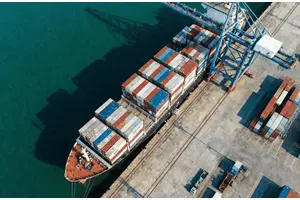
Are you wondering about the real cost to ship a car from China to the US West Coast and whether RoRo or container shipping is the best option for your vehicle? In this comprehensive guide, we’ll break down everything you need to know about car shipping methods, price ranges, hidden charges, and essential regulations. Discover key tips and expert insights to help you make informed decisions and avoid costly mistakes when importing your car to the US West Coast.
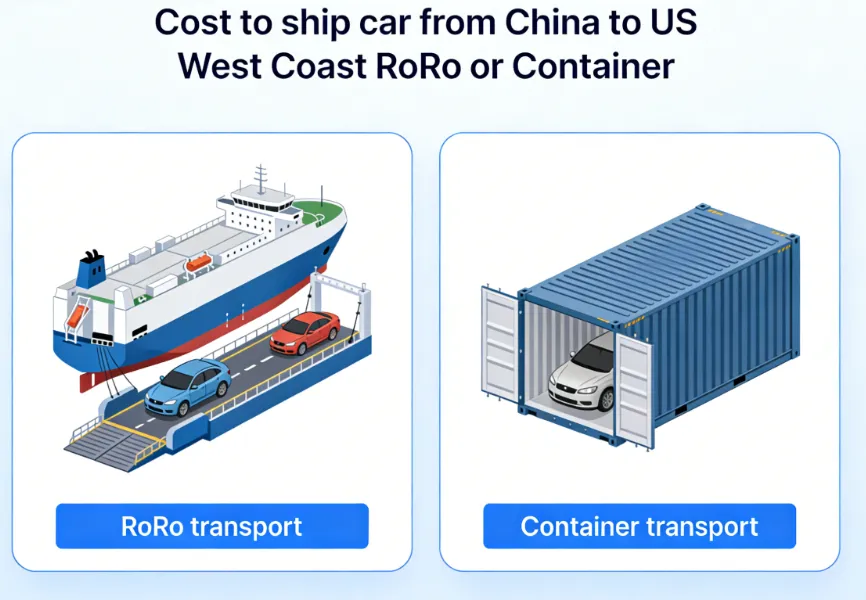
Overview of Car Shipping from China to US West Coast
Shipping a vehicle from China to the US West Coast involves a complex logistics process that requires careful planning, compliance with international regulations, and choosing the most suitable shipping method. Whether you are an importer, a cross-border e-commerce seller, or a private individual, understanding each step of the process is crucial for a smooth and cost-effective experience.
The US West Coast, with its major ports and advanced logistics infrastructure, is a popular destination for vehicle imports from China. However, navigating the shipping process can be challenging due to factors like varying port requirements, changing customs regulations, and market-driven fluctuations in shipping rates.
Based on our experience handling China–US vehicle shipments, most cost overruns happen in the “small items” (port handling, documentation, storage/demurrage) rather than the headline ocean freight. That’s why a clear, itemized quotation and compliance-first paperwork preparation matter as much as the shipping method itself.
With over 10 years of experience in international logistics, our team at DTFU International Logistics Co.,Ltd provides a one-stop solution for car shipping from China to the US West Coast, offering services such as Sea Freight, Road Freight, Air Freight, Amazon FBA, Warehouse, Cargo Insurance, Door to Door, OOG Freight, Consolidated Freight, and Breakbulk Freight.
Key Considerations When Shipping a Car Overseas
Before shipping your car from China to the US West Coast, it is vital to take the following points into account:
- Vehicle Eligibility: Confirm that your vehicle meets the United States import requirements, including safety and emission standards set by the Environmental Protection Agency (EPA) and Department of Transportation (DOT).
- Shipping Method Selection: Choose between RoRo (Roll-on/Roll-off) shipping and Container shipping. Each has unique benefits, costs, and suitability depending on your vehicle type and personal preferences.
- Documentation: Prepare all necessary documents, such as the Bill of Lading, Title and Ownership Certificate, Commercial Invoice, and Import Approval.
- Customs and Duties: Be aware of all applicable customs clearance procedures, import duties, taxes, and compliance requirements at both the origin and destination ports.
- Insurance: Consider taking out comprehensive cargo insurance to protect your vehicle during transit. For more info about insuring your cargo, you can refer to Shipping container insurance cost for shipments from China.
- Transit Time and Costs: Evaluate shipping times based on the chosen method and assess the complete cost structure, including any hidden fees.
- Reputable Freight Forwarder: Work with a reliable logistics provider, such as DTFU International Logistics Co.,Ltd, to ensure professional handling, transparent communication, and end-to-end support.
By addressing these key considerations, you can minimize risks, avoid unnecessary costs, and ensure your vehicle arrives at its destination safely and on schedule.
Popular US West Coast Ports for Car Imports from China
The US West Coast is home to several major ports that serve as primary entry points for vehicles shipped from China:
| Port Name | Location | Features & Advantages | China Trade Volume (Recent Years) |
|---|---|---|---|
| Port of Los Angeles | California, USA | Largest container port in the US, advanced vehicle handling | High – Major hub for Chinese imports |
| Port of Long Beach | California, USA | Adjacent to LA, efficient customs, extensive auto terminals | High |
| Port of Oakland | California, USA | Serves Northern California, suitable for direct rail connections | Moderate |
| Port of Seattle | Washington, USA | Gateway to Pacific Northwest, efficient for distribution inland | Moderate |
| Port of Tacoma | Washington, USA | Part of Northwest Seaport Alliance, specialized auto terminals | Moderate |
Port of Los Angeles and Port of Long Beach are the most popular for vehicle imports due to their proximity to major urban centers, extensive distribution networks, and frequent direct vessel services from major Chinese ports such as Shanghai, Shenzhen, and Guangzhou. Based on our team’s operational observations and lane performance tracking, these gateways consistently handle a large share of transpacific inbound cargo, making them a practical choice for many vehicle shipments. For more detailed information on West Coast vessel routes and timelines, see Shipping routes from china to usa West Coast.
When choosing your destination port, consider factors such as proximity to your final destination, port handling fees, congestion levels, and available customs facilities.
Shipping Methods: RoRo vs. Container Shipping Explained
Choosing the right shipping method is critical in determining the cost, safety, and convenience of transporting your car from China to the US West Coast. The two main shipping options are RoRo (Roll-on/Roll-off) and Container Shipping.
What is RoRo (Roll-on/Roll-off) Shipping for Cars?
RoRo Shipping is a specialized service for transporting wheeled cargo, such as cars, trucks, and heavy machinery. Vehicles are driven directly onto the ship at the port of origin and driven off upon arrival at the destination port.
Key Features:
- Efficiency: Loading and unloading are straightforward, reducing handling time and minimizing the risk of damage.
- Cost-Effective: Typically more economical for standard vehicles, as there’s no need for a dedicated container.
- Limitations: Only suitable for operable vehicles (must be able to roll on and off). Personal belongings cannot be shipped inside the car.
Typical Route: China (e.g., Shanghai, Tianjin, Guangzhou) → US West Coast (e.g., Los Angeles, Long Beach)
How Container Shipping for Vehicles Works
Container Shipping involves securing your vehicle inside a shipping container, which is then loaded onto a container vessel. This method is suitable for a wide range of vehicles, including luxury cars, classic vehicles, and non-operational units.
Container Sizes and Capacities:
| Container Type | Internal Volume (CBM) | Typical Use Cases |
|---|---|---|
| 20FT | 28 CBM | 1 Standard Car or Small SUV |
| 40FT | 56 CBM | 2 Standard Cars or 1 Large SUV |
| 40HQ | 68 CBM | 2–3 Cars (stacked or with extra items) |
| 45HQ | 78 CBM | Multi-vehicle or oversized shipments |
Key Features:
- Security: Greater protection from weather, theft, and port handling risks.
- Versatility: Can ship inoperable vehicles or include personal belongings/autoparts.
- Flexibility: Ideal for high-value, collectible, or modified vehicles.
Advantages and Disadvantages: RoRo vs. Container Shipping
The following table outlines the main differences between RoRo and Container Shipping, helping you choose the best option based on your needs:
| Feature | RoRo Shipping | Container Shipping |
|---|---|---|
| Cost | Generally lower for standard vehicles | Higher (especially for single vehicle), but more cost-effective for multiple vehicles |
| Security | Vehicle exposed to open deck environments; less protection | High security—enclosed, protected from elements and theft |
| Eligibility | Only operational vehicles; no personal effects in car | Operational and non-operational vehicles; can include personal items |
| Handling | Minimal; drive on/off | Requires loading/unloading, securement inside container |
| Transit Time | Often faster due to streamlined processes | Slightly longer due to additional handling steps |
| Insurance | Available but may cover less | Comprehensive insurance options available |
| Flexibility | Limited (no additional cargo) | High (can consolidate multiple vehicles or cargo types) |
Which Option is Best?
- Choose RoRo if you have a standard, running vehicle without personal effects and want a cost-effective solution.
- Opt for Container Shipping if you have high-value, fragile, non-operational, or multiple vehicles, or need to ship extra items alongside your car.
Expert Advice: At DTFU International Logistics Co.,Ltd, we provide tailored RoRo and Container Shipping solutions, leveraging our extensive experience to recommend the most cost-effective and secure option for your specific needs.
If you’d like a personalized quote or have questions about cost to ship car from China to US West Coast RoRo or Container, contact our specialists at DTFU International Logistics Co.,Ltd for expert, end-to-end support.
How Much Does It Cost to Ship a Car from China to US West Coast?
Shipping a car from China to the US West Coast—using either RoRo (Roll-on/Roll-off) or Container Shipping—requires careful cost evaluation. The final price depends on several variables such as the chosen shipping method, vehicle dimensions, origin/destination ports, and current market conditions.
Based on our experience and our pricing desk’s weekly lane checks across Shanghai/Shenzhen/Guangzhou to LA/LB/Oakland (Q1 2026), the “most accurate” number is always the all-in cost (ocean freight + origin/destination charges + compliance/clearance), not the ocean freight alone.
Cost of RoRo Shipping from China to US West Coast
RoRo shipping is a popular method for transporting vehicles because it offers a cost-effective and straightforward process. In a RoRo vessel, vehicles are driven directly onto and off the ship, minimizing handling and reducing risk of damage.
Typical Base Costs (as of Q1 2026):
| Origin Port (China) | Destination Port (US West Coast) | Vehicle Type | Estimated RoRo Cost (USD) |
|---|---|---|---|
| Shanghai | Los Angeles | Sedan | $1,050 – $1,650 |
| Tianjin | Oakland | SUV | $1,350 – $2,050 |
| Guangzhou (Nansha) | Long Beach | Luxury/EV | $1,450 – $2,250 |
Based on our experience, RoRo pricing moves the fastest around sailing availability (space) and peak-season demand; fuel surcharges and port congestion can also shift the final number.
Cost of Container Shipping from China to US West Coast
Container shipping provides additional protection and flexibility, especially for high-value, classic, or electric vehicles. Vehicles are loaded into standard shipping containers (20FT or 40FT), and multiple cars or personal effects can sometimes be consolidated for cost savings.
Typical Base Costs (as of Q1 2026):
| Container Size | Vehicles per Container | Estimated Cost (USD, China → US West Coast) |
|---|---|---|
| 20FT | 1 mid-size vehicle | $1,950 – $2,850 |
| 40FT | 2 mid-size vehicles | $3,250 – $4,500 |
| 40HQ | 2-3 compact vehicles | $3,650 – $5,200 |
Container shipping costs include basic ocean freight, but exclude destination charges, unloading, and customs brokerage.
Related Reading: For a broader perspective on the cost of shipping containers on transpacific lanes, see 20ft & 40ft Container Cost from China to USA.
Hidden Charges and Surcharges to Watch Out For
When calculating the cost to ship a car from China to US West Coast RoRo or Container, it’s crucial to account for additional charges beyond basic freight. These can include:
- Port Handling Fees: Charged at both origin (Shanghai, Tianjin, Guangzhou) and destination (Los Angeles, Oakland, Long Beach).
- Documentation Fees: Bill of lading, export certificates, and customs documents.
- Customs Clearance Charges: At US ports, especially for vehicles requiring EPA/DOT compliance verification. Learn more about global customs clearance processes in Customs Clearance.
- Insurance: Highly recommended, especially for high-value or new vehicles.
- Inland Transportation: Delivery from port to final destination within China or the US.
- Storage/Demurrage Fees: If pickup is delayed at the destination port.
- Peak Season Surcharges: Often applied from June to September or during major international trade events.
Based on our destination handling experience at West Coast terminals, storage/demurrage is one of the easiest fees to avoid—pre-booking pickup and preparing CBP paperwork before vessel arrival reduces the risk of “paying for days” while waiting for release.
Sample Surcharge Table
| Charge Type | Typical Range (USD) | Description |
|---|---|---|
| Port Handling | $150 – $350 | Terminal usage, vessel loading/unloading |
| Customs Clearance | $250 – $450 | US import processing, depending on vehicle type |
| Marine Insurance | 0.5% – 1% of value | Covers loss/damage in transit |
| Inland Trucking | $200 – $1,100 | Depends on distance from port to final US address |
| Documentation | $75 – $200 | Export, bill of lading, translation services |
Based on our experience, requesting a detailed, itemized quote upfront is the simplest way to prevent “low ocean freight, high add-ons” surprises at destination.
Example Price Ranges for RoRo and Container Services
To provide actionable insight, here is a consolidated comparison:
| Shipping Method | Typical Q1 2026 Price Range (USD) | Protection Level | Time to US West Coast | Best For |
|---|---|---|---|---|
| RoRo | $1,050 – $2,250 | Basic | 17–26 days | Standard cars, SUVs, bulk moves |
| 20FT Container | $1,950 – $2,850 | High | 19–28 days | Luxury, classic, EVs |
| 40FT Container | $3,250 – $4,500 | High | 19–28 days | Multiple vehicles, high value |
Factors Influencing Car Shipping Costs from China to US West Coast
Understanding the cost structure helps you plan and budget more accurately. Here are the key elements affecting the final quote:
Vehicle Size, Weight, and Type Considerations
- Larger Vehicles (SUVs, vans, trucks) take up more space and are often subject to higher RoRo or container rates.
- Electric Vehicles (EVs) and Luxury Cars may require special handling, extra insurance, or compliance documentation, adding to the cost.
- Vehicles with non-standard dimensions may need OOG (Out of Gauge) Freight solutions, usually at premium rates.
Seasonal Fluctuations and Market Demand
- Shipping rates typically increase during the peak season (June–September) due to higher demand and vessel congestion.
- Global supply chain disruptions, such as labor strikes at major US West Coast ports or pandemic-related backlogs, can also impact pricing.
- Major automotive events (e.g., LA Auto Show) can lead to temporary surges in vehicle shipments and rates.
Port of Origin and Destination Port Fees
- Each Chinese port (e.g., Shanghai, Tianjin, Guangzhou) and US West Coast port (e.g., Los Angeles, Oakland, Long Beach) sets its own handling and security fees.
- Congestion at popular gateways can result in higher demurrage and storage fees if vehicles are not promptly cleared.
Impact of Shipping Routes and Transit Times
- Direct Vessel Routes are often cheaper and faster, but may have limited weekly departures.
- Transshipment (transferring at an intermediate port) can increase both cost and risk of delay.
- Route choices may also be affected by geopolitical events or weather disruptions.
| Example Transit Times (China → US West Coast) |
|---|
| Shanghai to Los Angeles: 17–21 days |
| Tianjin to Oakland: 21–27 days |
| Guangzhou to Long Beach: 19–25 days |
Expert Tip: For the most accurate and up-to-date quote, always consult with a professional freight forwarder. At DTFU International Logistics Co.,Ltd, we offer transparent, competitive rates for both RoRo and Container shipping services. Our expertise encompasses Sea Freight, Road Freight, Air Freight, Warehouse Solutions, Cargo Insurance, Door-to-Door Service, OOG Freight, and more. We are committed to providing highly professional, cost-effective, and reliable service for global traders.
Customs, Duties, and Import Regulations
Documentation Needed for Shipping a Car Internationally
When shipping a car from China to the US West Coast, accurate and complete documentation is crucial for smooth customs clearance. Required documents typically include:
Based on our compliance team’s checklist reviews, missing or inconsistent EPA/DOT forms and ownership/title details are among the most common reasons shipments get held for additional verification—so it’s worth double-checking these before booking the sailing.
- Bill of Lading (B/L): Issued by the carrier, this serves as proof of shipment.
- Commercial Invoice: Details the value and description of the vehicle being shipped.
- Packing List: Specifies the contents and packaging details.
- Title and Proof of Ownership: The original car title is mandatory; if the car is financed, a letter of authorization from the lienholder is needed.
- Export License: Depending on the type of car and regulations in China.
- EPA Form 3520-1 and DOT HS-7: These are United States Environmental Protection Agency and Department of Transportation forms for imported vehicles.
- Identification Documents: Such as a passport or business license for companies.
- Import Approval or Permit: Depending on the vehicle's age, type, and compliance status.
Working with an experienced logistics provider like DTFU International Logistics Co.,Ltd ensures all paperwork is complete and compliant with both Chinese and US regulations, reducing the risk of delays or costly penalties.
US Customs Clearance Process for Imported Vehicles
The US Customs and Border Protection (CBP) has strict procedures for importing vehicles. Here’s a step-by-step overview:
- Documentation Review: All documents listed above must be provided to CBP at the port of entry.
- Vehicle Inspection: The car is physically inspected to verify its VIN, confirm compliance with US safety and emissions standards, and check for prohibited items.
- Compliance Verification: The car must meet US Environmental Protection Agency (EPA) and Department of Transportation (DOT) standards. Non-conforming vehicles may require modifications or may not be allowed entry.
- Payment of Duties and Taxes: Importers must pay applicable duties before the vehicle is released.
- Release of Vehicle: After all requirements are met, CBP releases the vehicle for further transport.
Tip: Based on our experience, selecting major US West Coast ports such as Port of Los Angeles, Port of Long Beach, or Port of Oakland can be more efficient for vehicle imports because the local ecosystem (auto terminals, inspection workflows, brokers) is more mature.
Import Taxes, Duties, and Compliance Requirements
Understanding the cost breakdown is key for accurate budgeting. Generally, import duties for passenger vehicles are:
| Vehicle Type | US Import Duty Rate | Notes |
|---|---|---|
| Passenger Cars | 2.5% | Calculated on vehicle value (Customs Value—FOB + Shipping) |
| Trucks | 25% | Includes pickups and cargo vans |
| Motorcycles | 2.4% |
Additional Costs:
- Merchandise Processing Fee (MPF): 0.3464% of the entered value (minimum/maximum thresholds are updated periodically; verify the latest CBP notice as of Q1 2026)
- Harbor Maintenance Fee (HMF): 0.125% (for imports via sea ports)
- State Taxes: Some states may have their own vehicle import taxes.
Compliance Requirements:
- Vehicles must meet US EPA emission standards and DOT safety standards.
- Cars older than 25 years are exempt from some EPA and DOT requirements.
- Modifications may be required for non-compliant vehicles.
For the most current rates and specific requirements, consult the official CBP website or contact your freight forwarder.
Tips to Save on Car Shipping Costs and Avoid Common Mistakes
How to Choose a Reliable Freight Forwarder or Logistics Provider
Selecting the right partner directly impacts your shipping experience and cost efficiency. Consider the following:
- Experience with US-China Car Shipping: Choose a company with proven expertise in handling car shipments on the China–US West Coast route.
- Range of Services: Look for end-to-end solutions, including customs clearance, insurance, and door-to-door delivery.
- Reputation and Certifications: Verify credentials, industry memberships, and customer feedback.
- Transparent Pricing: Ensure clear, all-inclusive quotes with no hidden fees.
DTFU International Logistics Co.,Ltd is a highly professional, cost-effective, and quality-driven provider. Our offerings cover Sea Freight, Road Freight, Air Freight, Amazon FBA, Warehouse, Cargo Insurance, One-Stop Customs Clearance, Door to Door, OOG Freight, Consolidated Freight, and Breakbulk Freight. We specialize in handling all paperwork and logistics for shipping cars from China to the US West Coast.
Comparing Quotes and Negotiating Shipping Rates
To get the best deal:
- Request Multiple Quotes: Compare rates from several reputable forwarders for both RoRo and Container Shipping.
- Check What’s Included: Confirm that quotes cover all major costs—origin charges, ocean freight, destination charges, customs clearance, and delivery.
- Ask for Volume Discounts: If shipping multiple vehicles, inquire about volume pricing.
- Negotiate on Ancillary Charges: Some fees, like storage, documentation, or insurance, may be negotiable.
Sample Quote Comparison Table (Q1 2026):
| Service Type | Port of Origin | US West Coast Port | Transit Time | Estimated Cost (USD)* |
|---|---|---|---|---|
| RoRo Shipping | Shanghai | Los Angeles | 20-25 days | $1,050 - $1,650 |
| 20ft Container | Shanghai | Long Beach | 19-24 days | $2,050 - $2,800 |
| 40ft Container | Shenzhen | Oakland | 21-26 days | $3,150 - $3,850 |
Prices fluctuate depending on market demand, fuel costs, and seasonality. Based on our recent bookings and carrier updates, asking for a week-specific quotation is the best way to lock in realistic numbers.
Preparing Your Vehicle for International Shipping
Proper preparation minimizes risk and ensures smooth customs clearance. Key steps include:
- Clean the Vehicle: Both inside and out to facilitate inspection and prevent quarantine issues.
- Remove Personal Belongings: Prohibited in most cases; may cause delays or extra charges.
- Disable Alarms and Secure Loose Parts: Prevents in-transit issues.
- Check Fluids and Battery: Ensure the vehicle is in running condition for RoRo; for container shipping, reduce fuel to below 1/4 tank.
- Photograph the Vehicle: Document its condition for insurance purposes.
- Provide Spare Keys: For handling during shipping and customs checks.
- Compile All Necessary Documents: See above on required paperwork.
For clients using DTFU International Logistics Co.,Ltd, our team guides you through every step, ensuring regulatory compliance and cost-effective shipment.
FAQs
How Long Does Car Shipping Take?
Transit times depend on shipping method, port pair, and customs processes. Typical durations are:
| Shipping Method | China Departure Port | US West Coast Arrival Port | Estimated Transit Time (Port to Port) |
|---|---|---|---|
| RoRo | Shanghai | Los Angeles | 20 – 25 days |
| Container Shipping | Shenzhen | Long Beach | 19 – 24 days |
Based on our experience, you should still allow 5–10 additional days for customs clearance and inland delivery, especially if inspections or appointment pickups are involved.
Is RoRo or Container Shipping Safer for My Car?
- RoRo (Roll-on/Roll-off) is cost-effective and efficient for operational vehicles. The car is driven on and off the vessel but is exposed to the shipping environment, increasing the risk of minor cosmetic damage.
- Container Shipping offers extra protection, especially for high-value, luxury, or classic cars. The vehicle is secured inside a sealed container, shielding it from the elements and reducing handling.
Recommendation: If shipping a standard, running car and budget is a priority, RoRo is suitable. For higher-value vehicles or those requiring additional protection, choose container shipping. DTFU International Logistics Co.,Ltd can advise on the best option based on your needs.
What Do I Need to Know About Shipping Electric Vehicles?
Shipping electric vehicles (EVs) from China to the US West Coast requires attention to battery regulations:
- Lithium Battery Handling: EVs must comply with international regulations for shipping lithium batteries, including UN3480 and UN3481 guidelines.
- Container Shipping Preferred: Many carriers require EVs to be shipped in containers for safety.
- Documentation: Additional paperwork, such as battery certifications, may be required.
- US Compliance: Imported EVs must meet US safety and emissions standards, though zero-emission vehicles may have different requirements.
For the latest information and assistance with EV shipping, contact DTFU International Logistics Co.,Ltd. Our team stays up-to-date with regulatory changes and provides turnkey solutions for electric car shipments. For those involved in broader import scenarios, see Solar Equipment Shipping from China to the USA: Costs, Risks & Solutions for additional compliance considerations.