Are you looking to streamline your sea shipping from China to Panama but unsure where to start or how to find the best route and rates? In this comprehensive guide, we’ll break down the entire process of ocean freight, from choosing ports and understanding FCL vs. LCL to navigating customs and reducing costs. Drawing on our extensive experience at DTFU International Logistics, we provide actionable expert tips, real-world 2026 data, and industry insights to ensure your China-Panama sea shipment arrives safely, on time, and within budget.
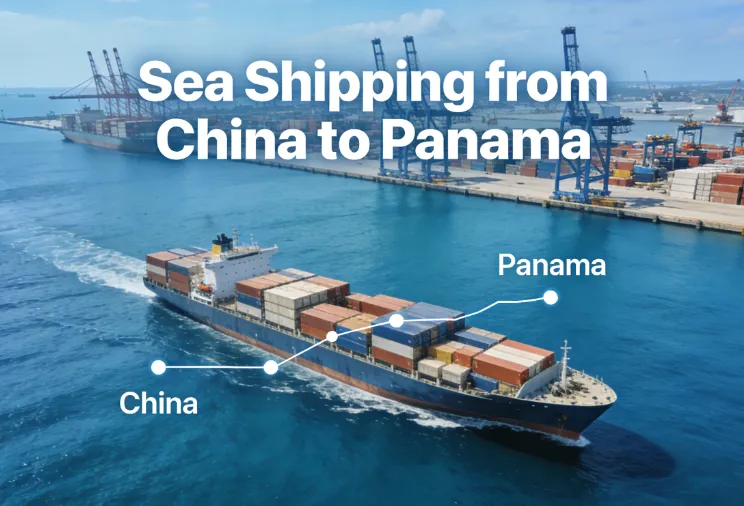
Overview of Sea Shipping from China to Panama
Sea Shipping from China to Panama is a vital logistics solution for businesses engaged in international trade between China and Panama. This route supports the movement of diverse cargo types, from consumer electronics and textiles to heavy machinery and industrial goods. As Panama is strategically located at the crossroads of the Americas, with the world-renowned Panama Canal, ocean freight between these two countries plays a crucial role in global supply chains.
Shipping by sea is generally the most cost-effective transport mode for large-volume and heavy goods. It offers several service options, including Full Container Load (FCL) and Less than Container Load (LCL), catering to different shipment sizes and urgency levels. Leading logistics providers, such as DTFU International Logistics Co.,Ltd, offer end-to-end solutions including customs clearance, warehousing, cargo insurance, and real-time cargo tracking for shipments from major Chinese ports to Panama.
Businesses trading between China and Panama benefit from stable trade relations, competitive shipping rates, and well-established port infrastructures. Having managed hundreds of TEUs on this route, we’ve seen demand grow as the Panama Canal has adapted to new global realities. While post-Panamax vessels enable efficient transit for Asian cargo, the Canal's current 2026 operations (managing around 33 daily transits to balance water sustainability and demand) require shippers to be highly strategic with booking schedules.
If you are considering similar long-distance routes, you may also be interested in our detailed guide on Sea Shipping Cost from China to Canada, which explores North American markets and logistics.
Main Sea Shipping Routes from China to Panama
China-Panama sea shipping routes are designed to maximize efficiency and cost-effectiveness. Most ocean freight follows the trans-Pacific route, passing through the Panama Canal to reach its final destination. The route selection depends on factors such as the port of origin in China, the destination port in Panama, the type of cargo, and the chosen shipping service (FCL or LCL).
The typical shipping path is:
- Departure from a major Chinese port (e.g., Shanghai, Shenzhen, Guangzhou, Ningbo)
- Transit across the Pacific Ocean
- Passage through the Panama Canal
- Arrival at a primary Panamanian port (such as Balboa or Colon)
These routes may include transshipment at major international hubs (e.g., Singapore or Hong Kong) depending on vessel schedules and cargo consolidation needs.
For those interested in alternative or comparable sea lanes, see Sea Shipping from China to USA for insight into the trans-Pacific shipping landscape.
Popular Ports of Origin in China
China has an extensive network of modern seaports equipped for international container shipping. The most prominent ports of origin for shipments to Panama are:
| Port Name | Location | Key Advantages | Typical Export Commodities |
|---|---|---|---|
| Shanghai Port | East China | Largest container port in the world; extensive global connections | Electronics, textiles, machinery |
| Shenzhen Port | South China | Major hub for South China manufacturing; efficient LCL services | Electronics, garments, furniture |
| Ningbo-Zhoushan Port | East China | High capacity; strong connections with Americas and Europe | Chemicals, machinery, consumer goods |
| Guangzhou (Nansha) Port | South China | Proximity to Pearl River Delta industries; modern facilities | Auto parts, household goods |
| Qingdao Port | North China | Strategic for northern exporters; deep-water harbor | Plastics, metals, heavy equipment |
These ports are well integrated into global shipping networks and offer frequent sailings to Panama via the Pacific.
Major Destination Ports in Panama
Panama’s geographic and logistical strengths center around two key Atlantic and Pacific coast ports, both located near the Panama Canal:
| Port Name | Location | Key Features | Functionality |
|---|---|---|---|
| Port of Balboa | Pacific Entrance | Large deep-water port; direct access to the Panama Canal; modern container terminals | Main gateway for Asian cargo; FCL/LCL handling |
| Port of Colon (Manzanillo International Terminal) | Atlantic Entrance | Major hub for transshipment; Free Trade Zone proximity; containerized and bulk cargo | Distribution to Central/South America |
- Port of Balboa is preferred for direct shipments arriving from the Pacific, making it ideal for cargo shipped from China. The port is equipped to handle post-Panamax vessels since the canal expansion.
- Colon (including the Manzanillo International Terminal and Colon Container Terminal) is critical for cargo destined for regional distribution or further transshipment to the Caribbean and South America.
Both ports provide efficient customs clearance, warehousing, and trucking services for onward delivery in Panama and beyond.
Typical Transit Times and Route Options
Transit times depend on the specific port of origin in China, the chosen service (direct or with transshipment), and seasonal factors. Here’s a summary of reference transit times:
| China Port | Panama Port | Typical Transit Time (Days) | Route Notes |
|---|---|---|---|
| Shanghai | Balboa | 25–32 | Usually direct service or via transshipment |
| Shenzhen | Balboa | 23–30 | Fastest for South China origin |
| Ningbo | Colon | 26–33 | May include transshipment in Singapore |
| Guangzhou | Balboa | 24–31 | Efficient for consolidated shipments |
| Qingdao | Colon | 28–36 | Longer due to northern location |
Key Considerations from Our 2026 Data:
- FCL (Full Container Load) shipments generally enjoy faster and more predictable transit than LCL (Less than Container Load). In our recent operations, LCL adds about 3–5 days due to required consolidation at origin and deconsolidation at destination ports like Colon.
- Peak season (typically August–October) and global disruptions (e.g., port congestion) can extend transit times. Currently, we recommend booking your space 2-3 weeks in advance.
- The Panama Canal Authority (ACP) has stabilized its operations for 2026 at roughly 33 daily vessel transits. While capacity is managed, working with a forwarder who secures early Long-Term Slot Allocations (LoTSA) is critical to avoiding delays for large vessels coming from Asia.
Choosing the right route and service type is crucial for balancing cost, speed, and reliability. Experienced freight forwarders, such as DTFU International Logistics Co.,Ltd, provide expert consultation to help you select the optimal shipping solution based on your cargo requirements, budget, and timeline.
Step-by-Step Process: How to Ship Cargo by Sea from China to Panama
Booking Your Ocean Freight: FCL vs. LCL Options
When shipping cargo by sea from China to Panama, the first critical decision is choosing between Full Container Load (FCL) and Less than Container Load (LCL). Your choice will directly impact your cost, transit time, and cargo safety.
| Container Type | Capacity (CBM) | Suitable For | Advantages | Considerations |
|---|---|---|---|---|
| 20FT Container | 28 | Small shipments, heavy items | Lower cost for small loads | Limited space |
| 40FT Container | 56 | Medium to large cargo volumes | More space for better value | Higher cost than 20FT |
| 40HQ Container | 68 | Bulky or voluminous cargo | Maximum capacity for general cargo | May be subject to height restrictions |
| 45HQ Container | 78 | Extra-large or lightweight cargo | Optimal for high-volume shipments | Limited availability |
| LCL | Shared space | Small shipments (<15 CBM) | Pay for only what you use; flexible timing | Higher risk of delays, damage, or mix-up |
FCL is ideal if you have enough goods to fill a container or require exclusive use for safety and speed. LCL is cost-effective for smaller shipments, but be aware that consolidation and deconsolidation may lead to longer transit times.
Pro Tip: At DTFU International Logistics Co.,Ltd, we offer both FCL and LCL services, helping you select the most cost-effective and secure solution for your unique needs.
For more about container pricing and shipment types, you can also refer to our resource on How much to ship a Container from China to USA, which provides an in-depth comparison of container costs and considerations for North American lanes.
Required Shipping Documents and Customs Procedures
Accurate documentation is crucial for smooth sea shipping from China to Panama. Below are the essential documents needed:
- Bill of Lading (B/L): The most critical document, serving as a contract between shipper and carrier, receipt of goods, and title of the cargo.
- Commercial Invoice: Details the value and description of goods; used by Panamanian customs to assess duties.
- Packing List: Outlines each package's contents, weight, and dimensions.
- Certificate of Origin: Confirms the goods' country of origin, which may impact import duties.
- Import License (if applicable): Required for certain regulated items in Panama.
- Insurance Certificate: Proof of cargo insurance coverage (recommended for all shipments).
- Customs Declaration Forms: Completed for Panamanian customs clearance.
Customs Procedures:
- All shipments must be declared to China Customs before departure and to Panama Customs (Autoridad Nacional de Aduanas, ANA) upon arrival.
- Verification, inspection, and payment of duties/taxes are required for clearance via the SIGA (Integrated Customs Management System).
- Any discrepancy in HS codes or values can trigger fines and storage fees (almacenaje).
Latest Update (2026): Panama’s Customs has further tightened its digital compliance requirements. All cargo manifest data must be submitted electronically well before vessel arrival. We ensure your documents are strictly pre-cleared to avoid costly terminal delays.
Cargo Handling, Packing Requirements, and Container Loading
Proper packing and handling are essential to avoid damage during the 25-35 day ocean transit across the Pacific. Based on our decade of experience managing China-Panama lanes, we strongly recommend the following:
- Packing: Use high-strength, moisture-resistant packaging with sufficient desiccants. Wooden packaging must strictly comply with ISPM 15 standards (heat-treated and stamped), as Panamanian customs are highly vigilant about agricultural pests.
- Labelling: All packages must be clearly labelled in English and Spanish, including handling instructions and consignee details, to ensure smooth processing at transshipment hubs like Colon.
- Container Loading: Distribute weight evenly to prevent shifting during turbulent Pacific crossings. Use dunnage, straps, and airbags to minimize movement.
- Dangerous Goods: Must comply with IMDG Code and be declared to both the carrier and ANA (Panama Customs) well in advance.
Tip: DTFU International Logistics Co.,Ltd provides professional packing, warehousing, and container loading services, ensuring your cargo’s safety from origin to destination.
For a broader view on handling and packing for international sea freight, see our guide to Shipping Prefabricated houses from China, which details best practices for protecting valuable or unusual cargo types.
Sea Freight Costs from China to Panama
Factors Influencing Ocean Freight Rates
Several variables determine the cost of sea shipping from China to Panama:
- Container Type & Size: Larger containers generally offer a better cost per CBM but have a higher base rate.
- Shipping Route & Transit Time: Direct routes are faster but may cost more; transshipment (via intermediate ports) may reduce costs.
- Seasonality: Peak seasons (e.g., pre-Chinese New Year, back-to-school) often see rate surges.
- Cargo Type & Weight: Heavy, oversized, or hazardous cargo incurs surcharges.
- Fuel Surcharges (BAF): Linked to global bunker prices.
- Port Charges: Vary between Chinese and Panamanian ports.
- Currency Fluctuations: May affect rates due to changes in CNY-USD or USD-PAB exchange rates.
Sample Freight Cost Table (Estimates for 2026):
| Route | 20FT FCL (USD) | 40FT FCL (USD) | LCL (USD/CBM) | Transit Time (Days) |
|---|---|---|---|---|
| Shanghai → Colón (Manzanillo) | $2,850 | $4,800 | $165 | 25–32 |
| Shenzhen (Yantian) → Balboa | $3,100 | $5,200 | $175 | 28–36 |
| Ningbo → Panama City (via Cartagena) | $2,950 | $4,950 | $170 | 30–38 |
(Note: Rates reflect standard 2026 market averages and exclude peak season surcharges. For your precise logistics budget, we recommend requesting an all-in quote from DTFU.)
Additional Fees: Port Charges, Customs, Insurance, and Surcharges
Don’t overlook these common add-on fees, which can significantly impact your total shipping cost:
| Fee Type | Typical Amount (USD) | Description |
|---|---|---|
| China Port Charges | $200–$400 per container | Terminal handling, documentation, port security |
| Panama Port Charges | $180–$350 per container | Local handling, unloading, storage (if applicable) |
| Customs Clearance | $100–$250 | Broker and documentation fees at destination |
| Import Duties & Taxes | Varies (per HS code) | Based on CIF value and Panamanian tariff |
| Cargo Insurance | 0.2–0.5% of cargo value | Risk coverage for loss, damage, or theft |
| Other Surcharges | Varies | GRI (General Rate Increase), ISPS, congestion, etc. |
Pro Tip: DTFU International Logistics Co.,Ltd provides transparent, all-in-one quotations to help you avoid hidden fees and budget accurately.
How to Get the Best Shipping Quote from China to Panama
To secure the most competitive and accurate shipping quote:
- Provide Complete Cargo Details: Quantity, weight, dimensions, nature of goods, packaging type, and preferred incoterm.
- Select the Right Service: Choose between FCL, LCL, or specialized shipping (e.g., OOG, breakbulk).
- Request Multiple Options: Compare different routes, transit times, and service levels.
- Ask About Consolidation: If your cargo is small, LCL or groupage can lower costs.
- Check for Seasonal Promotions: Some freight forwarders offer discounts during low seasons.
- Work with a Trusted Freight Forwarder: A reputable partner, like DTFU International Logistics Co.,Ltd, can negotiate better rates, manage documentation, and prevent unnecessary delays or surcharges.
Customs Clearance and Import Regulations in Panama
Essential Import Requirements and Prohibited Items
To successfully manage sea shipping from China to Panama, understanding Panama’s customs clearance process is crucial. The Panamanian authorities have established a clear set of import requirements to ensure compliance and efficient cargo processing.
Key Import Requirements:
- Commercial Invoice: Must include a detailed description of goods, quantity, unit price, total value, and the country of origin.
- Bill of Lading: Acts as proof of shipment and is critical for cargo release in Panama.
- Packing List: Outlines the contents, weight, and packaging of each shipment.
- Certificate of Origin: Required for certain product categories to determine eligibility for preferential duties.
- Import License: Some goods, such as pharmaceuticals, chemicals, and electronics, may require special permits or licenses from Panamanian authorities.
- Sanitary and Phytosanitary Certificates: Essential for food, plants, and animal products to ensure compliance with health and safety standards.
Prohibited and Restricted Items: Panama enforces strict regulations on goods entering the country. Notable prohibited items include:
- Narcotics and illegal drugs
- Counterfeit goods and currency
- Weapons, explosives, and ammunition without prior authorization
- Certain chemicals and hazardous materials
- Pornographic materials
- Products infringing intellectual property rights
Some goods, such as pharmaceuticals, chemicals, wildlife products, and agricultural produce, are restricted and require special permits or inspections.
Pro Tip: Always consult with a professional freight forwarder like DTFU International Logistics Co.,Ltd, which can assist with up-to-date regulations and documentation for your specific cargo category.
If your destination is in the Americas but outside Panama, our guide on Shipping from China to USA provides further insight into customs and compliance for North and Central American markets.
Panama's Customs Duties, Taxes, and Compliance Tips
When importing goods via sea shipping from China to Panama, understanding the duty and tax structure is essential for accurate cost forecasting and regulatory compliance.
Customs Duties and Taxes Overview
| Category | Description |
|---|---|
| Import Duties | Range from 0% to 15% depending on the HS code of the product |
| ITBMS (VAT) | Standard rate is 7%; certain products (alcohol, tobacco) higher |
| Selective Consumption Tax | Applies to luxury goods, alcohol, tobacco, and certain electronics |
| Customs Processing Fee | Typically charged for every import declaration |
Compliance Tips:
- Declare the accurate value and description of your goods to avoid fines or delays.
- Ensure all documentation matches the physical shipment, as discrepancies may trigger inspections.
- Keep abreast of updates to Panama’s import policies, especially for restricted or dual-use items.
- Utilize the Advanced Cargo Manifest system required by Panama Customs, submitting relevant data before arrival.
Recent 2026 Policy Context: Panama has significantly strengthened its customs inspection capabilities. With the integration of advanced scanning technologies in major ports like Balboa and Colon, random container inspections are far more rigorous. In our experience, importers who ensure 100% accurate HS code declarations and transparent cargo manifests bypass these scrutiny bottlenecks entirely. Failure to do so routinely results in 3-7 day delays.
Tips to Optimize Your China-Panama Sea Shipment
How to Reduce Shipping Time and Avoid Delays
Minimizing shipping time and avoiding unnecessary delays is critical for business continuity and customer satisfaction when shipping from China to Panama.
Key Strategies from Our Logistics Team:
- Pre-clear Your Documents: Prepare and verify all shipping and customs documentation well before the vessel departs China. In our operations, missing the pre-arrival manifest deadline in Panama is the #1 cause of preventable delays.
- Choose Direct Routes: When possible, select carriers offering direct sailings to Panama (e.g., from Shanghai or Shenzhen to Manzanillo International Terminal).
- Book in Advance (LoTSA Context): With the N-1-2026 vessel requirements and strict canal slot allocations, reserving cargo space 2-3 weeks early is crucial, especially during peak seasons.
- Work with Reliable Partners: Partnering with experienced freight forwarders like DTFU International Logistics Co.,Ltd ensures smooth coordination from the loading port in China to the delivery port in Panama.
- Monitor Shipments Digitally: Use real-time tracking platforms to spot any potential disruptions and respond proactively.
- Understand Panama’s Port Operations: Familiarize yourself with the working hours and local labor strike (greves) potentials of major Panamanian ports to anticipate possible slowdowns.
Estimated Transit Times Table
| Origin Port (China) | Destination Port (Panama) | Typical Transit Time (Days) |
|---|---|---|
| Shanghai | Colon (Manzanillo IT) | 24–28 |
| Shenzhen | Balboa | 22–26 |
| Ningbo | Colon | 25–29 |
| Qingdao | Balboa | 27–32 |
Note: Transit times may vary due to vessel schedules, transshipment points, and weather conditions.
Selecting a Reliable Freight Forwarder for China-Panama Shipping
Choosing the right freight forwarder is a key factor in ensuring your sea shipments arrive safely, on time, and cost-effectively.
What to Look for:
- Experience with China–Panama Trade Lane: Deep understanding of both Chinese export and Panamanian import procedures.
- Comprehensive Service Portfolio: Ability to offer Sea Freight, Air Freight, Road Freight, Amazon FBA, Warehousing, Cargo Insurance, Door-to-Door, OOG Freight, Consolidated Freight, and Breakbulk Freight.
- Transparent Pricing: Clear fee structure with no hidden costs.
- Strong Global Network: Local teams or partners in both China and Panama for on-ground support.
- Digital Tools: Shipment tracking, automated alerts, and digital document management.
Recommended Partner: DTFU International Logistics Co.,Ltd is a highly professional, cost-effective, and high-quality one-stop international logistics service provider for global traders. With extensive experience in sea shipping from China to Panama, we handle every step—from booking and documentation to customs clearance and last-mile delivery.
Ensuring Cargo Safety and Choosing the Right Insurance
Cargo safety is paramount in international sea shipping. Unexpected events like rough seas, theft, or port strikes can lead to loss or damage. Protecting your investment with proper packing and insurance is an industry best practice.
Best Practices for Cargo Safety:
-
Professional Packing: Use export-grade materials and follow guidelines for container loading to prevent shifting during transit. Refer to standard container capacities for optimal planning:
- 20FT: 28CBM
- 40FT: 56CBM
- 40HQ: 68CBM
- 45HQ: 78CBM
-
Seal Containers Properly: Use high-security seals and record seal numbers in shipping documents.
-
Temperature Control (if applicable): For perishable or sensitive items, consider reefer containers.
-
Onboard Tracking: Leverage IoT-enabled trackers for real-time monitoring.
Choosing the Right Insurance:
-
Cargo Insurance Options:
- All-Risk Insurance: Offers the broadest coverage for most accidental damages and losses.
- Total Loss Insurance: Covers only total loss due to major accidents.
- Named Perils Insurance: Covers specific risks (e.g., fire, piracy).
DTFU International Logistics Co.,Ltd offers tailored cargo insurance services to safeguard your shipment from China to Panama. Our experts help you evaluate risk and select the best insurance package for your cargo type and value.
Summary: Navigating Panama’s customs clearance, understanding import regulations, choosing the right partners, and securing your shipment are all critical for a successful sea shipping from China to Panama experience. For support at every step, trust the expertise of DTFU International Logistics Co.,Ltd—your reliable global logistics partner.
Common Challenges and Solutions in Shipping from China to Panama
Dealing with Shipping Delays, Damages, and Lost Cargo
Shipping goods by sea from China to Panama involves a complex supply chain, which can lead to common issues such as delays, cargo damage, or even loss. Understanding these challenges and implementing preventative strategies is key to successful international logistics.
1. Common Causes of Shipping Delays
- Port Congestion: Both major Chinese ports (Shanghai, Shenzhen, Ningbo) and Panamanian ports (Colón Container Terminal, Balboa Port) can experience congestion, especially during peak seasons or due to global supply chain disruptions.
- Documentation Errors: Missing or incorrect shipping documents (such as Bill of Lading, Commercial Invoice, or Packing List) can halt customs clearance.
- Vessel Schedule Changes: Unpredictable weather in the Pacific Ocean or the Panama Canal may result in vessel rerouting or delays.
- Customs Inspections: Random or targeted inspections can add days to the transit time, particularly if paperwork is incomplete or goods are mislabeled.
Typical Transit Times (Reference Table)
| Route | Port of Origin (China) | Port of Arrival (Panama) | Standard Transit Time* |
|---|---|---|---|
| South China to Panama | Shenzhen, Guangzhou | Colón, Balboa | 25-30 days |
| East China to Panama | Shanghai, Ningbo | Colón, Balboa | 28-35 days |
*Transit times are estimates and may vary due to the above factors.
2. Cargo Damages and Prevention
- Handling and Packing: Improper packing, insufficient cushioning, or incorrect container loading increase the risk of damage. For example, fragile electronics from Shenzhen should be packed with adequate protection and clearly labeled.
- Humidity and Weather: Long transit across different climate zones can expose cargo to moisture or temperature changes. Using moisture absorbers and sealed packaging is crucial.
- Port Handling: Manual handling at transshipment points can cause mechanical damage.
Solutions:
- Professional Packing: Engage logistics partners like DTFU International Logistics Co.,Ltd for expert packing and container loading services.
- Container Selection: Choose the right type of container (20FT, 40FT, 40HQ, 45HQ) based on cargo volume and sensitivity.
- Cargo Insurance: Always secure comprehensive cargo insurance to protect against damages or loss.
3. Lost Cargo and Mitigation
- Tracking and Visibility: Lack of real-time cargo tracking increases the risk of misplaced containers.
- Theft or Misrouting: High-value goods may be targeted for theft during transit or at ports.
Solutions:
- Advanced Tracking Systems: Use digital tracking offered by reputable freight forwarders.
- Seals and Security Devices: Implement high-security seals and GPS-enabled containers for valuable shipments.
- Reliable Partners: Select established freight forwarders, such as DTFU International Logistics Co.,Ltd, who have robust cargo monitoring and handling protocols.
For additional context on sea shipping challenges involving containerized cargo, you may find our analysis on Shipping container insurance cost for shipments from China particularly useful.
Navigating Recent Industry Changes and Regulatory Updates
The international shipping landscape between China and Panama is dynamic, influenced by regulatory, economic, and geopolitical changes. Being aware of current trends ensures compliance and operational efficiency.
1. Panama Canal Operations in 2026
- Transit Slot Allocation (LoTSA): Moving past the severe droughts of 2023-2024, the Panama Canal Authority (ACP) has stabilized daily transits at approximately 33 vessels for 2026. The newly implemented Long-Term Slot Allocation (LoTSA) methodology dictates that carriers must pre-book transit slots far in advance. Our operational team works directly with major shipping lines to secure these allocations, avoiding spot-market delays.
- Río Indio Reservoir Project & Surcharges: To ensure long-term freshwater sustainability, the ACP is investing heavily in new infrastructure. While transit reliability has improved, shippers should account for corresponding canal transit surcharges built into base ocean freight rates.
2. Customs and Trade Policy Changes
- Digitalization of Customs: Panama's National Customs Authority has fully mandated electronic cargo manifests through the SIGA system prior to vessel arrival. Any manual corrections incur significant processing fees.
- 2026 Vessel Requirements (N-1-2026): Carriers navigating the canal must adhere to stricter environmental and structural requirements, meaning that selecting modern, compliant shipping lines is vital to preventing unexpected delays at the Balboa or Colon anchorages.
3. Freight Rate Stability
- Global Market Shifts: While earlier years saw wild volatility, the 2026 trans-Pacific market from China to Panama has largely stabilized. However, global shifts (such as rerouted vessels from other choke points) still occasionally tighten space. Partnering with DTFU means you receive predictive rate forecasting rather than reactive billing.
Strategies to Stay Compliant and Adapt:
- Partner with Knowledgeable Experts: DTFU International Logistics Co.,Ltd maintains up-to-date regulatory intelligence and provides proactive guidance for all shipments.
- Continuous Monitoring: Subscribe to industry bulletins and work with service providers that issue real-time regulatory and operational alerts.
- Flexible Shipping Solutions: Consider alternative routes or shipping schedules during periods of congestion or high volatility.
FAQs
Q1: What are the main sea shipping routes from China to Panama?
A: The primary shipping routes connect major Chinese ports such as Shanghai, Shenzhen, and Ningbo to Panamanian ports like Colón Container Terminal and Balboa Port. Routes typically transit via the Panama Canal, with options for both direct and transshipment services.
Q2: How long does sea shipping from China to Panama usually take?
A: Standard transit times range from 25 to 35 days, depending on the ports of origin and destination, as well as seasonal and operational factors.
Q3: What factors influence the cost of shipping by sea from China to Panama?
A: Key factors include cargo volume (FCL vs. LCL), route selection, current ocean freight rates, fuel surcharges, port fees, customs duties, and additional services such as insurance or door-to-door delivery.
Q4: How can I minimize the risk of cargo damage or loss?
A: Use professional packing, choose the right container, secure cargo insurance, and select an experienced freight forwarder like DTFU International Logistics Co.,Ltd that offers robust cargo monitoring and claims support.
Q5: What documents are required for sea shipping from China to Panama?
A: Essential documents include the Bill of Lading, Commercial Invoice, Packing List, Certificate of Origin, and any relevant import licenses or certificates required by Panamanian authorities.
Q6: Are there any recent regulatory changes affecting shipping from China to Panama?
A: Yes. In 2026, the Panama Canal Authority (ACP) fully implemented the Long-Term Slot Allocation (LoTSA) to manage a daily limit of around 33 transits. Furthermore, Panama Customs has strictly enforced its digital pre-arrival documentation requirements via the SIGA system, meaning any paperwork errors will result in immediate delays and penalties.