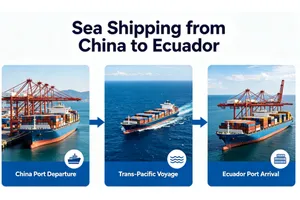
Are you looking to optimize your sea shipping from China to Guatemala but unsure where to start or how to avoid costly mistakes? In this comprehensive guide, we’ll explore the essential steps, main shipping routes, major Chinese and Guatemalan ports, and expert tips for a smooth sea freight experience. Whether you’re concerned about FCL vs. LCL, transit times, or customs clearance, this article covers everything you need to know for efficient shipping from China to Guatemala.
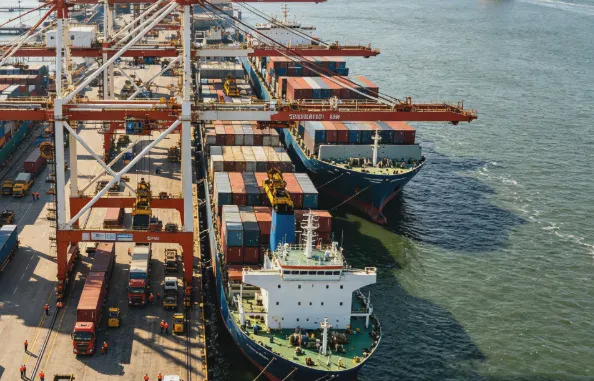
Main Sea Shipping Routes from China to Guatemala
Shipping goods by sea from China to Guatemala involves navigating trans-Pacific and trans-Caribbean routes, connecting two continents with robust trade flows. Understanding the main shipping routes, major ports, and shipping lines is crucial for optimizing transit time and cost.
Major Chinese Ports for Exporting to Guatemala
China is home to some of the world's busiest container ports. When exporting to Guatemala, the following ports are commonly used due to their advanced infrastructure and extensive global connections:
| Port Name | Location | Annual Throughput (TEU, 2026) | Key Advantages | Typical Route to Guatemala |
|---|---|---|---|---|
| Shanghai Port | Eastern China | 47 million | World's largest port, high frequency of sailings | Direct & transshipment via Panama Canal |
| Shenzhen Port | Southern China | 30 million | Proximity to manufacturers, fast customs | Direct & via Hong Kong/Panama Canal |
| Ningbo-Zhoushan | Eastern China | 36 million | Efficient operations, advanced IT | Transshipment via Americas route |
| Guangzhou Port | Southern China | 25 million | Bulk and container, multi-modal | Transshipment via main lines |
| Qingdao Port | Northern China | 23 million | Strategic northern location | Longer route, but competitive pricing |
Shanghai, Shenzhen, and Ningbo-Zhoushan are especially favored for shipments to Latin America due to frequent departures, competitive rates, and efficient cargo handling. Choosing the right port can help balance cost and speed, depending on your cargo's origin in China.
Further Reading: If you are considering other Latin American destinations, you may find our in-depth guide on Sea Shipping from China to Costa Rica helpful for comparing routes and strategies.
Guatemala’s Key Ports for Receiving Sea Freight
Guatemala has two main seaports for international freight, strategically facing the Pacific Ocean and the Caribbean Sea:
| Port Name | Location | Cargo Type | Main Advantages |
|---|---|---|---|
| Puerto Quetzal | Pacific Coast | Containers, Bulk | Largest port, modern facilities, close to capital (Guatemala City) |
| Puerto Santo Tomás de Castilla | Caribbean Coast | Containers, General | Access to Eastern Guatemala, connections to Central America |
- Puerto Quetzal handles the majority of containerized sea freight from China due to its capacity, customs efficiency, and proximity to major markets.
- Puerto Santo Tomás de Castilla is often used for cargoes destined for the Caribbean region and Central American transshipments.
Popular Shipping Lines and Transit Schedules
Several major international carriers operate between China and Guatemala, offering both direct and transshipment options. The main shipping lines include:
- MSC (Mediterranean Shipping Company)
- Maersk Line
- CMA CGM
- COSCO Shipping
- Hapag-Lloyd
Transit Schedules:
| Route | Estimated Transit Time | Frequency | Typical Transshipment Hub |
|---|---|---|---|
| China (Shanghai/Shenzhen) → Puerto Quetzal (Direct/Transshipment) | 28–35 days | Weekly or bi-weekly sailings | Panama Canal, Manzanillo (Mexico) |
| China → Puerto Santo Tomás de Castilla | 31–40 days | Bi-weekly | Panama Canal, Kingston (Jamaica) |
The majority of shipments are routed via the Panama Canal, which is the fastest and most reliable sea route between East Asia and Central America. However, in our operational experience, transshipment hub selection is often overlooked by first-time shippers. A container routed through Manzanillo (Mexico) typically clears faster for Puerto Quetzal than one moving through Kingston (Jamaica), because the latter adds an extra feeder leg and higher risk of rolled cargo during peak season.
Insider Tip: If your supplier is located in South China (Guangdong/Fujian), routing via Hong Kong or direct Shenzhen sailings to Manzanillo can shave 3–5 days off total transit compared to northern China origins. We regularly analyze carrier schedule reliability data to recommend the optimal routing for each client’s origin-destination pair.
Schedules may vary depending on seasonality, carrier, and port congestion. It's wise to consult with your freight forwarder (such as DTFU International Logistics Co.,Ltd) for the latest available sailings.
Related Resource: Interested in regional freight trends? See how shipping dynamics compare in Sea Shipping cost from China to Panama.
Step-by-Step Sea Freight Shipping Process
Shipping goods from China to Guatemala by sea involves several structured steps. Here’s a comprehensive overview to help you plan and execute your shipments smoothly.
How to Book Sea Freight from China to Guatemala
- Cargo Details Preparation: Collect information about your goods, including type, volume, weight, and required shipping terms. Understanding whether your cargo is best suited for FCL (Full Container Load) or LCL (Less than Container Load) is crucial (e.g., 20FT: 28CBM, 40FT: 56CBM, 40HQ: 68CBM, 45HQ: 78CBM).
- Freight Forwarder Selection: Choose a reliable and licensed freight forwarder. DTFU International Logistics Co.,Ltd is an expert in China-Latin America logistics, offering competitive rates, real-time tracking, and personalized service.
- Quotation & Booking: Request a detailed quote, including all relevant charges (ocean freight, local charges, documentation, etc.). Review and confirm booking once terms are agreed.
- Cargo Readiness & Pickup: Coordinate cargo pick-up from your supplier or factory. Arrange for transport to the export port, if necessary.
- Shipping Instructions & Documentation: Provide your forwarder with shipping instructions (SI) and all required documents to initiate customs and booking processes.
- Container Stuffing (for FCL) or Consolidation (for LCL): Ensure your cargo is packed and loaded according to international standards to avoid damage and delays.
- Final Confirmation: Receive booking confirmation, including vessel name, estimated time of departure (ETD), and arrival (ETA).
Common Booking Mistakes We See (And How to Avoid Them)
Over the past decade, we’ve seen the same preventable errors derail Guatemala-bound shipments:
| Mistake | Why It Happens | The Fix |
|---|---|---|
| Supplier books under EXW without telling the buyer | The buyer assumes the supplier handles export clearance, but under EXW (Ex Works), the buyer bears all costs from the factory gate. | Always confirm the Incoterms 2020 term in your purchase order. For Guatemala-bound cargo, we usually recommend FOB or DDP depending on your in-house customs capability. |
| VGM declared late or incorrectly | The Verified Gross Mass (VGM) must be submitted to the carrier before cutoff. A 200 kg discrepancy can trigger a $300–$500 re-weighing fee and missed sailing. | We use certified weighbridge partners at all major Chinese ports and submit VGM directly into the carrier’s system to eliminate this risk. |
| Booking too close to Chinese New Year | Capacity evaporates 2–3 weeks before CNY. Last-minute bookings often face roll-overs or premium rates 40%+ above baseline. | For Q1 Guatemala deliveries, we advise locking space by early December. Our direct carrier contracts reserve priority allocation during peak windows. |
| Ignoring Guatemala’s import permit lead times | Pharmaceuticals, cosmetics, and used machinery require advance SAT permits that can take 15–30 business days. | We run a pre-shipment compliance check against Guatemala’s latest restricted-goods list before cargo even leaves the factory. |
Documentation and Customs Requirements
Proper documentation is essential for smooth customs clearance and compliance with both Chinese and Guatemalan regulations. Key documents include:
- Bill of Lading (B/L): Main transport document issued by the shipping line, proving cargo ownership.
- Commercial Invoice: Details product description, value, and terms of sale.
- Packing List: Specifies cargo contents, dimensions, and packaging.
- Certificate of Origin: Sometimes required for preferential tariffs or regulatory compliance.
- Export Declaration (China): Required by Chinese customs for all outbound shipments.
- Import License (Guatemala): Certain products may need import permits or licenses.
- Other Certificates: Depending on cargo type (e.g., sanitary, phytosanitary, or fumigation certificates for foodstuffs or wood products).
Pro Tip: Work closely with your freight forwarder (DTFU International Logistics Co.,Ltd) to ensure all documents are accurate and compliant. Incorrect paperwork can lead to customs delays or fines.
Cargo Packing, Loading, and Inspection Procedures
Proper packing and inspection are vital for safe and compliant sea shipping from China to Guatemala.
Key Steps:
- Packing: Use robust, seaworthy packaging materials to protect goods during long transit and handling. For FCL, cargo should be palletized and stacked to maximize container space. For LCL, use strong cartons and avoid overloading.
- Container Loading: For FCL, supervise container stuffing to ensure cargo is evenly distributed and secured against movement. Record container and seal numbers for security.
- Inspection: Some shipments (e.g., electronics, food, chemicals) may require pre-shipment inspection by Chinese authorities or third parties, especially for regulated goods.
- Labeling: All packages must be clearly labeled with handling instructions, consignee/shipper details, and compliance marks (if applicable).
- Photos & Evidence: Take photos of packed cargo and loaded containers for insurance and claims purposes.
- Handover & Customs Clearance: Once packed and loaded, cargo is handed over to the port terminal, where Chinese customs conducts export clearance. Upon arrival in Guatemala, local customs will inspect documents and, if necessary, the goods themselves.
Why Choose DTFU International Logistics Co.,Ltd?
We provide end-to-end support, including expert cargo packing, compliance checks, insurance advisory, and real-time updates. Our team ensures your shipments from China to Guatemala are safe, compliant, and cost-effective.
FCL (Full Container Load) vs. LCL (Less Than Container Load)
When shipping goods via Sea Shipping from China to Guatemala, the choice between FCL (Full Container Load) and LCL (Less Than Container Load) is critical. Each method offers distinct advantages and is suitable for different shipment volumes and business scenarios.
When to Use FCL vs. LCL for Your Shipments
FCL (Full Container Load):
- Best for Large Volumes: Use FCL when your cargo can fill an entire container (e.g., 20FT, 40FT, 40HQ, or 45HQ). Common capacities: 20FT – 28CBM, 40FT – 56CBM, 40HQ – 68CBM, 45HQ – 78CBM.
- Security: FCL means exclusive use, reducing the risk of damage, theft, or contamination from other cargo.
- Lower Cost Per Unit: For large shipments, FCL often provides a better cost per cubic meter (CBM).
- Faster Handling: Streamlined loading/unloading and reduced port dwell time.
Expert Loading Consideration: Even within FCL, weight distribution matters. A 20FT container has a maximum gross weight of 24,000 kg (including tare), and exceeding this—or placing heavy cargo all on one side—can trigger carrier rejection or costly re-stuffing at the Chinese port. Our on-site supervisors verify VGM compliance and load diagrams before sealing.
LCL (Less Than Container Load):
- Optimal for Small Shipments: Choose LCL if your cargo is less than a full container. Your goods are consolidated with other shipments, sharing space and cost.
- Flexibility: Ideal for smaller businesses or initial market tests.
- Cost-Effective for Low Volume: Pay only for the space you use.
- Longer Processing: More handling is required for consolidation and de-consolidation, potentially increasing transit times and risk.
Quick Decision Guide
| Criteria | FCL | LCL |
|---|---|---|
| Cargo Volume | > 15 CBM (recommended) | < 15 CBM (recommended) |
| Cost per CBM | Lower for high volume | Higher for low volume |
| Risk of Damage/Theft | Lower | Higher (shared container) |
| Transit Time | Faster (direct shipment) | Slightly longer (consolidation) |
| Handling | Less handling | More handling |
| Suitable For | Large orders, regular shipments | Small businesses, trial shipments |
Cost and Transit Time Comparison: FCL vs. LCL
A clear understanding of cost structures and typical transit times helps businesses make informed decisions.
Real-Client Scenario: A Guatemala City-based importer of LED lighting initially shipped LCL from Shenzhen every month (approx. 8 CBM). At $75/CBM, their monthly freight bill was ~$600. After consolidating into a quarterly FCL 20FT shipment, their effective CBM rate dropped to ~$48, and they eliminated 3–4 days of de-consolidation wait time at Puerto Quetzal. The switch paid for itself within two cycles.
Typical Cost Structure (as of 2026)
| Container Type | Estimated Freight Cost (USD) | Transit Time (Days) | Notes |
|---|---|---|---|
| FCL 20FT | $2,800 – $3,200 | 28–35 | Dedicated container |
| FCL 40FT | $4,600 – $5,200 | 28–35 | Lower cost per CBM |
| LCL | $60 – $90 per CBM | 32–40 | Total cost depends on volume |
Note: Prices and transit times are indicative. They can fluctuate based on factors like shipping season, carrier, port congestion, and policy changes.
Key Takeaways
- FCL is generally cheaper per CBM and faster for larger shipments.
- LCL is best for smaller, less urgent consignments but may face longer transit due to extra handling in China and Guatemala.
- For urgent or high-value cargo, consider the added time and risk in LCL.
At DTFU International Logistics Co.,Ltd, our logistics advisors can evaluate your specific needs and help you choose the optimal shipping solution, ensuring maximum efficiency and cost control.
You may also be interested in: For other Latin America countries, check our dedicated guide on Sea Shipping from China to Colombia for comparisons in cost structure and customs process.
Sea Shipping Costs and Transit Times
Understanding the cost drivers and transit timelines for sea shipping from China to Guatemala is essential for effective planning and budgeting.
Factors Affecting Sea Freight Rates from China to Guatemala
Several dynamic factors influence ocean freight rates:
- Shipment Volume & Weight: Larger shipments (FCL) often enjoy more competitive rates per CBM.
- Container Type: Specialized containers (e.g., OOG Freight) cost more.
- Origin and Destination Ports: Major ports like Shanghai, Shenzhen, and Ningbo offer lower rates due to high frequency and direct routes to Puerto Quetzal and Santo Tomás de Castilla in Guatemala.
- Seasonality: Peak seasons (pre-Christmas, Chinese New Year) see higher rates due to capacity constraints.
- Fuel Surcharges (BAF): Ocean carriers adjust rates based on bunker fuel price fluctuations.
- Surcharges & Fees: Include port charges, documentation, customs clearance, security fees, and possible cargo insurance.
- Market Conditions: Global disruptions (e.g., U.S. tariff hikes on Chinese goods, Panama Canal transit restrictions) can spike rates or cause delays.
- Service Level: Door-to-door and value-added services like one-stop customs clearance are priced higher but offer increased convenience.
Typical Ocean Transit Times and Delivery Schedules
Below is an overview of standard transit times from major Chinese ports to Guatemala’s key ports:
| Origin Port (China) | Destination Port (Guatemala) | Estimated Transit Time (Days) |
|---|---|---|
| Shanghai | Puerto Quetzal | 28–32 |
| Shenzhen | Puerto Quetzal | 28–31 |
| Ningbo | Puerto Quetzal | 29–32 |
| Qingdao | Puerto Quetzal | 30–35 |
| Shanghai | Santo Tomás de Castilla | 32–36 |
Transit times can be affected by transshipment hubs, weather, customs inspection, and port congestion. LCL shipments may take 2–4 days longer due to additional handling.
How Fuel and Currency Adjustments Really Work
Most first-time shippers focus only on the base ocean freight rate, but carriers apply two additional surcharges that can swing your final invoice by 10–20%:
- BAF (Bunker Adjustment Factor): Recalculated monthly based on the IMO 2020 low-sulfur fuel price index. On the China–Guatemala lane, BAF typically adds $150–$400 per TEU depending on the carrier’s fuel-hedging cycle.
- CAF (Currency Adjustment Factor): Ocean freight is billed in USD, but carriers incur costs in EUR, CNY, and local currencies. When the U.S. Dollar weakens against the Euro, CAF rises to protect carrier margins.
Insider Tip: We lock all-in rates (ocean freight + BAF + CAF + local charges) for clients with regular volumes, insulating them from mid-month surcharge spikes. Ask us about quarterly rate stability agreements.
Cargo Insurance: The Costly Oversight
Without comprehensive Cargo Insurance, a single damaged container can erase months of profit margins. On the China–Guatemala lane—where transshipment at Manzanillo or Kingston adds extra handling legs—we always advise clients to evaluate coverage based on cargo value + 10% (to cover incidental costs), not just invoice value.
Key coverage distinctions most shippers miss:
| Coverage Type | What It Covers | When You Need It |
|---|---|---|
| Institute Cargo Clauses (C) | Total loss from fire, explosion, or vessel sinking only | Low-value, non-fragile bulk goods |
| Institute Cargo Clauses (B) | Above + heavy weather, collision, earthquake, discharge damage | Mid-value machinery and electronics |
| Institute Cargo Clauses (A) | All-risk including theft, breakage, and water damage during transshipment | High-value, fragile, or retail-ready goods |
Bottom Line: For Guatemala-bound consumer electronics, home goods, or automotive parts, Clause A is the only option we recommend. The premium difference between C and A is usually less than 0.3% of cargo value—far cheaper than replacing a water-damaged container at Puerto Quetzal.
Tips to Reduce Shipping Costs and Avoid Delays
- Plan Ahead: Book shipments well in advance, especially during peak seasons.
- Optimize Loadings: Maximize container utilization for FCL or consolidate shipments for LCL.
- Choose the Right Port Pair: Use major ports to benefit from higher sailing frequencies and better rates.
- Work With a Reliable Forwarder: Partnering with an experienced provider like DTFU International Logistics Co.,Ltd ensures transparent pricing, timely updates, and end-to-end support.
- Review Documentation Thoroughly: Inaccurate paperwork is a prime cause of delays and extra charges.
- Leverage Value-added Services: Consider Cargo Insurance, door-to-door, or warehouse solutions to streamline supply chain risks.
- Monitor Market Trends: Stay updated on freight market news for optimal booking windows and rate negotiations.
Customs Clearance and Import Regulations in Guatemala
Efficient customs clearance is critical for successful sea shipping from China to Guatemala. Understanding the documentation, duties, restrictions, and common pitfalls ensures smooth entry of your cargo.
Essential Customs Documents for Sea Freight
To import goods to Guatemala by sea, you will typically need the following documents:
| Document | Description | Issued By |
|---|---|---|
| Bill of Lading (B/L) | Official shipping receipt and contract of carriage | Carrier/Freight Forwarder |
| Commercial Invoice | Detailed statement of goods, value, and seller/buyer info | Shipper |
| Packing List | Breakdown of cargo contents, packaging type, and dimensions | Shipper |
| Certificate of Origin | Verifies the country where goods are manufactured | Chamber of Commerce |
| Import License (if required) | Certain goods require advance permission from Guatemala customs | Guatemalan Authorities |
| Insurance Certificate | Proof of marine cargo insurance (often required for risk management) | Insurance Provider |
| Customs Declaration | Digital or paper declaration of goods to be imported | Importer or Broker |
Note: The exact documentation may vary based on cargo type, value, and recent government regulations. Working with a professional freight forwarder like DTFU International Logistics Co.,Ltd ensures all paperwork is correctly prepared and submitted.
Downloadable Checklist: We provide every Guatemala-bound client with a pre-shipping document checklist tailored to their HS code. In our experience, the #1 delay at Puerto Quetzal is a missing fumigation certificate for wooden pallets or packing materials. Guatemala enforces ISPM-15 compliance strictly; without the proper heat-treatment stamp, customs will order re-export or on-site fumigation at the importer’s expense.
What SAT Really Looks For
According to the Superintendencia de Administración Tributaria (SAT), Guatemala’s customs authority, electronic pre-declaration is now mandatory for all commercial sea freight. SAT’s risk-assessment algorithm cross-references three data points in real time:
- Declared value vs. reference pricing — under-invoicing triggers automatic red flags.
- HS code consistency across the B/L, Commercial Invoice, and Packing List.
- Importer tax compliance history — repeat offenders face 100% physical inspection rates.
Case Study: A Guatemala City retailer importing electronics from Shenzhen declared a shipment at $8,500, but SAT’s reference database indicated a market value of $12,000. The discrepancy triggered a full inspection, storage fees of $120/day for 6 days, and a $340 customs penalty. After engaging our brokerage team, we successfully appealed by submitting the manufacturer’s official price list and revised declaration—reducing the penalty by 60%.
Guatemala’s Import Duties, Taxes, and Restrictions
Guatemala has clear import duty and tax structures. Importers are required to pay:
| Charge Type | Typical Rate/Range | Applicability |
|---|---|---|
| Import Duty | 0% - 15% (Most goods: 5% - 12%) | Based on Harmonized System (HS) code |
| Value-Added Tax (VAT) | Standard rate: 12% | Applied on CIF (cost+insurance+freight) value plus duty |
| Excise Taxes | Varies (for specific goods) | Alcohol, tobacco, luxury goods |
| Other Levies | Environmental or security fees | As designated by Guatemalan Customs |
Restrictions:
- Prohibited Items: Weapons, ********s, counterfeit goods, and certain pesticides are strictly banned.
- Controlled Goods: Pharmaceuticals, foodstuffs, cosmetics, and used machinery require special permits or additional inspections.
- Always check with the Guatemalan Customs Agency (Superintendencia de Administración Tributaria, SAT) for current lists and rules.
Latest Policy Updates (2026):
- Digital documentation and e-clearance are now mandatory for most importers.
- Stricter controls on the import of used vehicles and electronics remain in effect to prevent environmental hazards.
Common Pitfalls and How to Avoid Delays at Customs
Delays and unexpected costs at Guatemala Customs can significantly impact your supply chain. Here are major pitfalls and expert tips to avoid them:
| Pitfall | How to Avoid |
|---|---|
| Incomplete Documentation | Double-check all paperwork before shipment. Work with experienced agents to ensure compliance. |
| Incorrect HS Codes | Use accurate product classification supported by professional advice from your freight forwarder. |
| Unpaid or Underpaid Duties/Taxes | Accurately calculate all fees and pay in advance if possible. |
| Non-Compliance with Import Restrictions | Consult the latest import guidelines for your product category. |
| Last-Minute Changes or Missing Permits | Secure all necessary licenses and certificates before cargo arrival. |
| Poor Communication with Customs Broker | Maintain close contact with a local customs broker or forwarder for updates and rapid response. |
Pro Tip: Partnering with a reputable logistics provider like DTFU International Logistics Co.,Ltd, who offers one-stop customs clearance and up-to-date regulatory guidance, will dramatically reduce the risk of delays and compliance issues.
See Also: For those shipping to South America, our Sea Shipping from China to Venezuela article details import duties and customs pitfalls for neighboring markets.
Choosing a Reliable Freight Forwarder for China to Guatemala Shipping
Selecting the right freight forwarder is essential for seamless sea shipping from China to Guatemala. A reliable partner adds value by minimizing risks, reducing costs, and ensuring timely delivery.
What to Consider When Choosing a Freight Forwarder
Not all freight forwarders are equally equipped for the China–Guatemala lane. Before signing a contract, we recommend asking these five vetting questions:
| Vetting Question | Why It Matters | What a Good Answer Sounds Like |
|---|---|---|
| "Do you hold FIATA or IATA membership?" | These are the gold-standard certifications for international freight forwarders. They guarantee adherence to global liability, insurance, and operational standards. | "Yes—we are FIATA-certified, and our WCA network covers Guatemala with bonded agents in Guatemala City." |
| "Can you provide an all-in quote breakdown?" | Hidden fees (THC, documentation, seal charges) are the #1 complaint in our industry. | "Absolutely. Our quote separates ocean freight, local charges, BAF/CAF, customs, and delivery so you see exactly what you’re paying for." |
| "Do you have direct contracts with carriers on this lane?" | Forwarders relying solely on spot-market NVOCC space offer no rate or capacity protection. | "We hold annual slot agreements with MSC, COSCO, and CMA CGM for China–Latin America, ensuring fixed rates and rollover protection." |
| "Who handles customs clearance at Puerto Quetzal?" | A forwarder without a local Guatemalan partner will subcontract customs, adding cost and communication delays. | "Our in-house brokerage team in Guatemala City clears directly with SAT; your container won’t sit waiting for a third-party broker." |
| "What is your cargo insurance claims process?" | If damage occurs mid-ocean, you need a forwarder who acts fast, not one who ghosts you. | "We file preliminary claims within 24 hours and manage the surveyor appointment at destination on your behalf." |
Why Work with DTFU International Logistics Co.,Ltd?
As a FIATA- and IATA-certified logistics provider headquartered in Shenzhen since 2014, we don’t just move cargo—we engineer supply chain solutions. Here is what sets us apart on the China–Guatemala lane:
- Direct Carrier Contracts: Our annual volume commitments with MSC, COSCO, CMA CGM, and Hapag-Lloyd secure fixed allocations and preferential rates, even when peak-season capacity tightens.
- In-House Guatemala Brokerage: Unlike forwarders who subcontract to unknown local agents, our Guatemala City team clears cargo directly with SAT, cutting dwell time at Puerto Quetzal by an average of 2–3 days.
- All-In Transparent Pricing: No hidden THC fees, no surprise documentation charges. Every quote itemizes ocean freight, BAF/CAF, origin/destination handling, customs, and delivery.
- End-to-End Compliance: From ISPM-15 fumigation checks at the Chinese factory to VAT calculation support at Guatemalan customs, we manage the details that generic forwarders overlook.
- Dedicated Account Managers: Every Guatemala-bound client receives a bilingual account manager with direct access to our operations floor in Shenzhen and our brokerage desk in Guatemala City.
DTFU International Logistics Co.,Ltd helps you navigate the complexities of global shipping, ensuring cargo arrives safely, on time, and in full compliance with all regulations.
FAQs
Q1: How long does sea shipping from China to Guatemala usually take?
A: Transit times typically range from 28 to 40 days, depending on the port of origin in China and the receiving port in Guatemala. For urgent shipments, ask about fast-track services or air freight alternatives.
Q2: What is the difference between FCL and LCL for shipping to Guatemala?
A: FCL (Full Container Load) is best for large shipments, offering security and faster handling. LCL (Less than Container Load) is cost-effective for smaller volumes but may involve longer consolidation times. DTFU International Logistics Co.,Ltd can advise on the optimal mode for your cargo and budget.
Q3: Are there any goods I cannot ship to Guatemala?
A: Yes. Guatemala bans the import of weapons, drugs, and certain hazardous or counterfeit items. Regulated goods need special permits—always verify in advance.
Q4: How are duties and taxes calculated for imports into Guatemala?
A: Duties are based on the declared value (CIF), product HS code, and applicable VAT. Use the official SAT calculator or consult your logistics provider for accurate estimates.
Q5: What happens if my documents are incomplete or incorrect?
A: Incomplete or incorrect documentation is the leading cause of customs delays and penalties. Rely on experienced forwarders like DTFU International Logistics Co.,Ltd to manage and verify all paperwork before shipment.
Q6: Should I choose DDP or FOB for my Guatemala shipments?
A: It depends on your internal customs capability. DDP (Delivered Duty Paid) is the most hassle-free option if you want the forwarder to handle everything—including Guatemala VAT and duties—but you pay a premium for that convenience. FOB (Free On Board) gives you more control over carrier selection and ocean freight negotiation, but you must manage destination customs yourself (or hire a separate broker). In our experience, SMEs and first-time Guatemala importers benefit from DDP, while established traders with in-house brokers often save 8–12% by splitting the leg under FOB + local customs service. DTFU International Logistics Co.,Ltd offers both models and will recommend the optimal structure based on your volume and compliance maturity.