The booming trade between China and Central America has made Honduras a prime destination for imported goods, ranging from textiles and consumer electronics to heavy industrial machinery. However, when arranging sea shipping from China to Honduras, importers often struggle with unpredictable transshipment times, complex customs regulations, and hidden fees that can severely erode profit margins. Whether you are a large B2B wholesaler ordering full containers or a growing SME testing the market with smaller consolidated shipments, mastering the intricacies of ocean freight is absolutely critical to maintaining a resilient, cost-effective supply chain.
This comprehensive guide will walk you through everything you need to know about navigating the Central America logistics landscape in 2026. From choosing the most efficient routing and decoding the nuances between FCL and LCL container strategies, to accurately calculating exact transit times and mastering stress-free Door-to-Door (DDP) delivery, we provide the actionable insights you need to streamline your import process and minimize your landed costs.
Key Shipping Routes and Seaports
Establishing a highly efficient supply chain starts with understanding the geographical nodes that connect Chinese manufacturing hubs to Honduran markets. The specific route you select directly impacts both your overall transit time and your final freight bill. Because direct vessel sailings from China to Honduras are virtually non-existent, navigating the transshipment network requires strategic planning.
Major Origin Ports in China
As the world's leading manufacturing powerhouse, China boasts a vast network of highly automated, deep-water seaports. Your supplier's location will typically dictate which export port offers the lowest inland trucking costs and the fastest vessel departures:
- Shenzhen & Guangzhou: Located in the Pearl River Delta, these ports are the undisputed champions for exporting electronics, consumer goods, furniture, and textiles manufactured in Southern China.
- Shanghai & Ningbo: Serving the massive industrial base of the Yangtze River Delta, these are the preferred gateways for heavy machinery, automotive parts, plastics, and high-tech components.
- Qingdao & Tianjin: Best suited for raw materials, steel, agricultural equipment, and industrial components originating from Northern China.
Destination Ports in Honduras
While Honduras features coastlines on both the Caribbean Sea and the Pacific Ocean, its maritime infrastructure is heavily skewed toward the Caribbean.
- Puerto Cortes port: This is the undisputed powerhouse of Honduran maritime trade, handling approximately 80% of the country’s total sea freight imports. It is strategically located for rapid inland transit to major industrial and commercial centers like San Pedro Sula (just a 1.5-hour drive away) and Choloma. If you are searching for a reliable freight forwarder China to Puerto Cortes Honduras, ensuring they have strong operational capabilities and customs connections at this specific port is non-negotiable.
- San Lorenzo: Situated on the Pacific Coast in the Gulf of Fonseca, this smaller port is generally reserved for niche agricultural exports, bulk liquids, or specialized project cargo. It sees far less commercial container traffic from Asia and lacks the deep-water infrastructure of Puerto Cortes.
Routing & Transshipment Realities
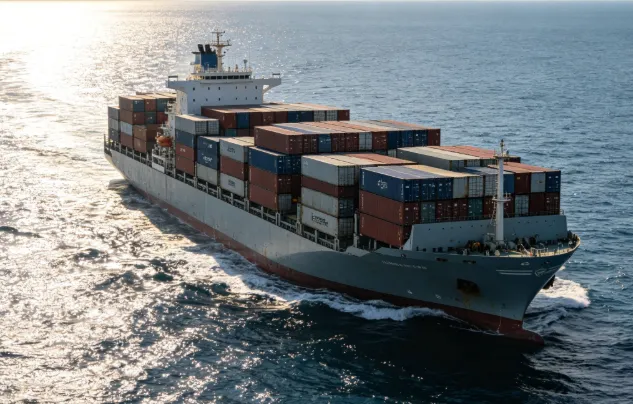
Because direct sailings are rare, your cargo will almost certainly undergo transshipment. Typically, vessels cross the Pacific Ocean and transit through major logistics hubs—most commonly the Colón Free Zone in Panama or the Port of Miami in the United States—before feeding into smaller regional vessels bound for the Caribbean coast of Honduras. This transshipment process is a standard industry practice, but it requires a freight forwarder with meticulous tracking capabilities. Missed connections at transshipment hubs are the leading cause of delays in Central American logistics. If you are also sourcing goods for the North American market, you might want to explore our guide on Shipping from China to USA.
FCL vs. LCL: Choosing the Right Container Strategy
When booking your ocean freight, your cargo volume, budget, and timeline will dictate whether you should opt for an exclusive full container or share space with other importers. In our 10+ years of experience managing shipments from China to Central America, we've found that properly selecting your container strategy is the first step in optimizing your shipping budget and protecting your margins.
FCL Sea Freight from China to Honduras
FCL (Full Container Load) is the most cost-effective and secure method if you have enough goods to fill an entire container. In an FCL arrangement, you pay a flat rate for the container, regardless of whether it is completely full or not.
-
Understanding ocean freight container sizes (20ft, 40ft, 40HQ):
- 20ft Container (20GP): Holds approximately 33 CBM (Cubic Meters) and has a high weight capacity. It is ideal for heavy, dense cargo like metal parts, tiles, or canned goods.
- 40ft Container (40GP): Holds roughly 67 CBM. It is perfect for voluminous but relatively lighter goods like furniture, clothing, or plastic products.
- 40ft High Cube (40HQ): Offers the same floor space as a 40ft but is slightly taller, providing about 76 CBM of space. It is the go-to choice for maximizing volume on large orders.
-
The Benefits of FCL: FCL offers a significantly lower shipping cost per unit. Because the container is sealed at the factory in China and only opened upon arrival at your warehouse in Honduras, there is a drastically reduced risk of damage, theft, or loss. Furthermore, FCL bypasses the time-consuming consolidation and deconsolidation processes at the ports, making it generally faster than LCL. For example, a recent client shipping construction materials from Ningbo saved nearly 20% on total logistics costs by upgrading from multiple LCL shipments to a single FCL strategy.
LCL Shipping Rates from China to Honduras
If your order is smaller—typically between 1 and 15 CBM—booking an entire container doesn't make financial sense. In this scenario, LCL (Less than Container Load) is the practical, budget-friendly choice.
- How LCL Consolidation Works: Your cargo shares container space with shipments from other buyers heading to the same destination. You only pay for the exact volume (calculated in CBM) or the gross weight your goods occupy, whichever is greater.
- The Trade-off: While LCL provides excellent cost-sharing benefits for SMEs and e-commerce sellers testing new products, it does require compromise. LCL shipments typically add 3 to 7 days to your overall transit time. This delay accounts for the time required to consolidate goods into a container at a warehouse in China (like Shenzhen or Shanghai) and the subsequent deconsolidation process upon arrival in Puerto Cortes.
Note: For highly specialized cargo, such as operational vehicles, buses, or oversized construction equipment that cannot fit into standard containers, RoRo shipping to Honduras (Roll-on/Roll-off) is a viable alternative. Vehicles are driven directly onto the ship's deck in China and driven off at the destination port.
Shipping Time from China to Honduras by Sea
In international trade, time is money. Knowing exactly when your inventory will arrive is crucial for sales planning, marketing campaigns, and cash flow management. While ocean freight is the most economical choice, it requires careful lead-time planning.
Estimated Transit Times
For standard port-to-port shipping, you should generally expect a transit window of 30 to 45 days.
- Southern Ports (Shenzhen/Guangzhou) to Puerto Cortes: Typically takes 30-38 days. These ports often have more frequent sailings to the Americas, and the slightly shorter geographic distance helps shave off a few days.
- Northern Ports (Qingdao/Tianjin) to Puerto Cortes: May push closer to the 40-45 day mark due to the longer initial ocean voyage down the Chinese coast before heading across the Pacific.
Factors Affecting Delays
It is vital to build buffer time into your supply chain, as several variables can extend these baseline estimates:
- Transshipment Congestion: Bottlenecks at the Panama Canal or delays in Miami can cause your cargo to miss its connecting feeder vessel. For broader logistics planning in the region, check our overview on Shipping from China to Mexico.
- Weather Conditions: Typhoons in the Pacific (typically July to October) or hurricane warnings in the Caribbean can halt maritime traffic.
- Peak Season Crunches: From August to November, retailers globally rush to stock up for the holiday season. Vessel space becomes scarce, leading to rolled cargo (cargo left behind at the port) and significant delays.
The DTFU Advantage
At DTFU Logistics, we understand that unpredictable transit times are an importer's worst nightmare. Our 10+ years of experience and direct contracts with major global carriers (like Maersk, MSC, and COSCO) allow us to secure premium space even when market capacity tightens. Our dedicated account managers monitor your shipment 24/7, proactively managing transshipment connections to ensure your cargo arrives in Honduras exactly when promised.
Cheapest Sea Shipping Rates from China to Honduras
How do fluctuating ocean freight rates from China affect your procurement planning? Securing the cheapest sea shipping from China to Honduras requires more than just accepting the first quote you receive; it requires a strategic approach to pricing structures, packaging, and trade terms.
Freight Breakdown
Ocean freight costs are highly dynamic and influenced by global fuel prices, seasonal demand, and container availability. As a rough baseline for 2026:
- FCL Costs: Shipping a 40ft container from a major Chinese port to Puerto Cortes can range anywhere from $3,200 to $5,500. This base rate fluctuates wildly during peak season.
- LCL Costs: Rates are calculated per CBM, typically ranging from $80 to $150 per CBM for the ocean freight portion. However, LCL shipments are heavily subject to origin terminal handling charges (OTHC) and destination terminal handling charges (DTHC).
Understanding Incoterms (FOB, CIF, EXW, DDP)
Your chosen Incoterms 2020 dictate exactly what portion of the logistics chain you are paying for, and who holds the risk at each stage:
- EXW (Ex Works): You are responsible for everything. You pay to pick up the goods from the factory floor in China, export them, ship them across the ocean, and import them into Honduras.
- FOB (Free on Board): The supplier pays to transport the goods to the Chinese port and load them onto the ship. You pay for the ocean freight, insurance, and everything thereafter. This is the most common and recommended term for buyers who want control over their ocean freight costs.
- CIF (Cost, Insurance, and Freight): The supplier covers the freight and basic insurance to Puerto Cortes. While this seems convenient, suppliers often mark up the freight costs, and you may face unexpected, inflated handling fees when the cargo arrives in Honduras.
Actionable Tips for the Cheapest Sea Shipping
- Optimize Packaging: Dead space costs money, especially in LCL shipping. Work with your supplier to compress packaging, remove unnecessary styrofoam, and stack boxes efficiently on pallets to reduce your total CBM.
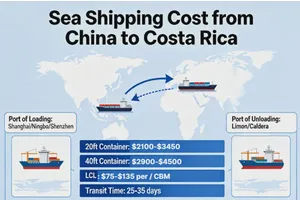
- Consolidate Suppliers: If you are buying from multiple factories in China, do not ship multiple LCL orders. Use a forwarder's warehouse in Shenzhen to consolidate all your goods into a single FCL shipment. Similar consolidation strategies are often discussed when looking at the Sea Shipping cost from China to Costa Rica.
- Ship Off-Peak: Avoid shipping during the weeks immediately preceding the Chinese New Year (usually January/February) or the late Q3 peak holiday rush when rates skyrocket.
Customs Clearance in Honduras & Import Taxes
One recurring challenge we solve for Central American importers is navigating complex customs procedures. A single missing document or an incorrect HS code can result in weeks of delays at Puerto Cortes and exorbitant daily storage fees. Our dedicated account managers handle documentation accuracy upfront, significantly reducing the risk of delays at destination ports.
Essential Documentation
To ensure smooth Customs Clearance, your paperwork must be flawless. The required logistics document checklist includes:
- Bill of Lading (B/L): The official contract of carriage issued by the carrier.
- Commercial Invoice: Must clearly state the buyer, seller, exact value of the goods, and the currency used.
- Packing List: Must accurately reflect the weight, volume, and exact quantities of the cargo.
- Certificate of Origin (CO): Crucial for verifying where the goods were manufactured, which directly impacts tariff applications.
Import Taxes and Duties in Honduras
When calculating your total landed costs, you must account for import taxes and duties in Honduras.
- VAT (ISV): Honduras applies a standard Value Added Tax, locally known as Impuesto sobre Ventas (ISV), which is typically set at 15% for most commercial goods (18% for certain luxury items like alcohol or tobacco).
- Import Tariffs: While Honduras is part of the CAFTA-DR free trade agreement (which primarily benefits US trade), goods manufactured in China are generally subject to standard import tariffs based on their specific HS Codes. These tariffs can range from 0% for essential industrial machinery to over 15% for consumer textiles and electronics.
Navigating Aduanas de Honduras
Honduras’ customs agency (Aduanas de Honduras) is notoriously strict on compliance. If you do not have an established in-house logistics team, attempting to clear goods independently is a massive risk. Partnering with a forwarder that possesses deep local brokerage expertise ensures documentation accuracy upfront. We pre-clear documents before the ship even arrives at Puerto Cortes, significantly reducing clearance friction.
Door to Door Sea Shipping to Honduras from China
For many SMEs, e-commerce sellers, and businesses without dedicated import departments, the ultimate logistics solution is door to door sea shipping to Honduras from China. This hands-off approach allows you to focus on growing your core business rather than wrestling with international shipping complexities.
What is Door-to-Door (DDP) Shipping?
Under a DDP (Delivered Duty Paid) agreement, the freight forwarder assumes 100% of the responsibility, risk, and cost of the shipment. From the moment the goods leave the Chinese factory to the moment they arrive at your specified warehouse in Honduras, every single step—including origin trucking, ocean freight, Honduran customs clearance, and the payment of all Duties and Taxes—is handled and paid for by the forwarder. You simply receive one transparent, all-inclusive invoice.
The Step-by-Step Process
- Pickup & Consolidation: We collect the manufactured goods directly from your supplier(s) in China and transport them to our export warehouse.
- Export Clearance: Our team handles all Chinese customs declarations and export licenses.
- Ocean Transit: The cargo is shipped via FCL or LCL across the Pacific and through the transshipment network to Puerto Cortes.
- Import Clearance: We manage the complex Aduanas de Honduras procedures and legally pay all applicable import duties and ISV taxes on your behalf.
- Final Delivery: Inland trucking transports the cleared cargo directly to your final facility in Tegucigalpa, San Pedro Sula, Choluteca, or any other location.
Choosing the Right Partner
While DDP offers an incredibly hassle-free experience, it requires immense trust in your logistics provider. A mistake by the forwarder in customs valuation can lead to severe legal penalties. DTFU Logistics, backed by dual certifications from the International Federation of Freight Forwarders Associations (FIATA) and the International Air Transport Association (IATA), provides highly transparent, flexible logistics solutions without hidden fees. Our dedicated account managers guarantee that your cargo is handled professionally, legally, and swiftly at every milestone.
FAQs
How much does it cost to ship a 40ft container from China to Honduras?
While ocean freight rates fluctuate based on seasonality and fuel surcharges, the baseline cost for shipping a 40ft container (FCL) from major Chinese ports (like Shenzhen or Shanghai) to Puerto Cortes typically ranges between $3,200 and $5,500. For exact, up-to-date pricing, it is always best to request a customized quote based on your specific origin and Incoterms.
How long does it take for a cargo ship to travel from China to Honduras?
For standard port-to-port ocean freight, you should expect a transit time of 30 to 45 days. Shipments from Southern China (e.g., Guangzhou) tend to be on the shorter end of this spectrum (30-38 days), while shipments from Northern China (e.g., Qingdao) take slightly longer. Remember to add 3 to 7 extra days if you are shipping via LCL due to consolidation processes.
When should I choose LCL over FCL sea shipping?
You should choose LCL (Less than Container Load) when your total cargo volume is between 1 and 15 CBM (Cubic Meters). It is the most cost-effective option for smaller orders, as you only pay for the space you use. However, once your cargo exceeds 15 CBM, it often becomes more economical and safer to upgrade to a dedicated 20ft FCL container.
Do I need a special import license for my products?
General consumer goods usually only require standard commercial registration in Honduras. However, restricted items such as chemicals, pharmaceuticals, cosmetics, or certain agricultural products require specific permits from Honduran health or environmental authorities prior to shipping. Always check with your broker before the cargo leaves China.
How can I track my ocean freight cargo in real-time?
In today's fast-paced supply chain environment, real-time visibility isn't a luxury—it's an expectation. Reputable forwarders like DTFU Logistics provide 24/7 online tracking platforms tied to your container number or Bill of Lading, keeping you informed at every transshipment node from Shenzhen to Puerto Cortes.
What happens if my cargo is damaged at sea?
Without comprehensive Cargo Insurance, a single damaged container (due to rough seas, port accidents, or transshipment mishandling) can erase months of profit margins. Standard carrier liability mandated by maritime law offers pennies on the dollar for damaged goods. We always strongly advise clients to purchase full-coverage cargo insurance based on 110% of the commercial value of their goods.
Conclusion
Mastering sea shipping from China to Honduras doesn't have to be a daunting, high-stress task. By carefully selecting the right container strategy (FCL vs. LCL), optimizing your Incoterms to control costs, and thoroughly preparing your documentation for Honduran customs clearance, you can drastically reduce both your shipping times and your final landed costs. For businesses seeking the ultimate convenience and peace of mind, leveraging a comprehensive DDP Door-to-Door service eliminates the guesswork entirely.
Are you ready to streamline your Central American supply chain? Contact DTFU Logistics today. With over a decade of hands-on experience and FIATA/IATA certified expertise, our dedicated team is standing by to provide you with a customized, transparent, and highly competitive ocean freight quote tailored to your specific Honduran import needs.