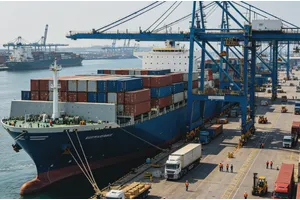
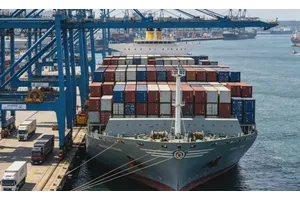
At DTFU International Logistics, our team of seasoned freight forwarders has managed thousands of TEUs (Twenty-Foot Equivalent Units) from Chinese export hubs to Venezuelan ports over the past decade. Importing goods across the globe is a logistical challenge, especially when navigating complex customs regulations enforced by SENIAT and managing long transshipment transit times.
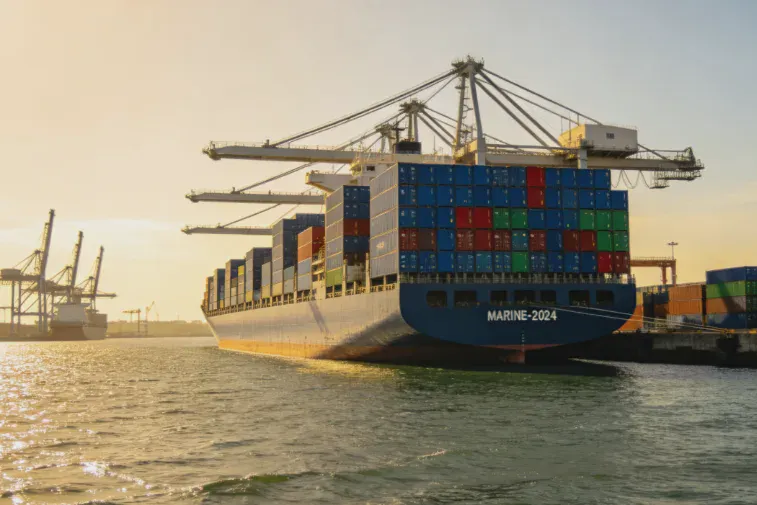
If you are looking to optimize your supply chain, understanding the strict intricacies of Shipping From China to Venezuela by sea is essential for maintaining profitability and avoiding costly delays. In this comprehensive guide, we will break down the entire process—sharing our first-hand operational experience on selecting the right ports, understanding real-world costs, and mastering Venezuelan customs compliance.
Key Takeaways:
- Primary Ports: Shipments typically depart from Shenzhen, Shanghai, or Ningbo and arrive at La Guaira or Puerto Cabello.
- Transit Times: Expect average ocean transit times of 30 to 45 days, heavily dependent on Caribbean transshipment hubs.
- Freight Options: Choose FCL for bulk shipments (over 15 CBM) and LCL for smaller, consolidated cargo.
- Customs Compliance: Strict adherence to documentation (Commercial Invoice, Bill of Lading, Packing List) is critical to clear Venezuelan customs (SENIAT) without severe penalties.
Main Shipping Routes and Major Ports
What are the primary shipping routes and ports for cargo moving from China to Venezuela? The main sea shipping routes connect major Chinese export hubs to Venezuela's northern coast. Because there are no direct, non-stop sailings between China and Venezuela, 100% of ocean freight on this lane relies on transshipment networks.
Popular Sea Shipping Routes between China and Venezuela
Vessels typically cross the Pacific Ocean, navigate the Panama Canal, and then transfer cargo at major Caribbean hubs like Manzanillo International Terminal (MIT) in Panama or Kingston Freeport Terminal in Jamaica onto smaller feeder vessels.
Our Experience: In our daily operations, we've seen that congestion at the Panama Canal—sometimes exacerbated by seasonal draft restrictions or global supply chain bottlenecks—can add 7 to 14 days to a journey. This makes selecting an experienced forwarder who can secure priority routing and reliable feeder vessels absolutely crucial.
Major Chinese and Venezuelan Ports Involved
Choosing the right port of loading (POL) and port of discharge (POD) can significantly impact your local trucking costs and transit times.
| Country | Major Ports | Best Used For |
|---|---|---|
| China | Shenzhen (Yantian/Shekou) | Electronics, consumer goods, southern China manufacturing. |
| China | Shanghai / Ningbo | Heavy machinery, textiles, eastern China suppliers. |
| China | Qingdao / Tianjin | Heavy industry, raw materials, northern China suppliers. |
| Venezuela | La Guaira | General cargo, closest major port to the capital city, Caracas. |
| Venezuela | Puerto Cabello | The largest and busiest port, ideal for heavy machinery and bulk imports. |
| Venezuela | Maracaibo | Best for the oil industry and western Venezuelan regions. |
Step-by-Step Guide to the Sea Shipping Process
How does the sea shipping process work from origin to destination? The Sea Freight process from China to Venezuela requires tight coordination between the Chinese factory, the ocean carrier, and Venezuelan customs brokers.
How Does Sea Shipping from China to Venezuela Work?
- Cargo Preparation & Booking: Your supplier manufactures and packs the goods. We book container space with a reliable shipping line (like CMA CGM or Maersk) weeks in advance.
- Export Customs (China): The cargo is transported to the Chinese port, where export declarations and Customs Clearance are completed.
- Ocean Freight: The container is loaded onto the mainline vessel and begins its 30-45 day journey to Venezuela via a transshipment hub.
- Import Customs (Venezuela): Upon arrival at La Guaira or Puerto Cabello, licensed customs brokers submit the required documents to SENIAT to pay duties and clear the goods.
- Final Delivery: Once cleared, the cargo is loaded onto a truck and delivered to your specified address. We highly recommend utilizing Door to Door Shipping services for a seamless final mile, transferring the risk and coordination entirely to us.
Important Shipping Documents and Customs Procedures
Venezuelan customs operates with strict, zero-tolerance policies for documentation errors. To ensure a smooth transition, you must prepare the following documents with 100% accuracy:
- Bill of Lading (B/L): The most critical document. It must accurately reflect the shipper, consignee, and notify party.
- Commercial Invoice: Must clearly state the true commercial value and the exact 6-to-10 digit HS (Harmonized System) codes. Warning: Under-declaring value is a common pitfall we see new importers make, which often leads to severe SENIAT fines and cargo confiscation.
- Packing List: Details the exact weight, dimensions, and quantity. Even a 1kg or 1-carton discrepancy between the B/L and Packing List can trigger a physical customs inspection.
- Certificate of Origin (CO): Proves the goods were manufactured in China.
Types of Sea Freight Services Available
What are the main sea freight options for shipping to Venezuela? The two primary sea freight services are Full Container Load (FCL), where you rent an entire container, and Less than Container Load (LCL), where your cargo shares container space with other importers.
Full Container Load (FCL) vs. Less than Container Load (LCL)
Choosing between FCL and LCL depends entirely on your cargo volume and budget constraints.
| Feature | Full Container Load (FCL) | Less than Container Load (LCL) |
|---|---|---|
| Volume Requirement | Best for 15 CBM or more. | Best for 1 CBM to 15 CBM. |
| Cost Structure | Flat rate per container. | Priced per CBM (Cubic Meter) or weight. |
| Transit Speed | Faster (direct loading and unloading). | Slower (requires consolidation/deconsolidation at the CFS). |
| Security | High (container is sealed at the factory). | Moderate (handled more frequently during consolidation). |
Choosing the Right Container Type for Your Cargo
If you opt for FCL, selecting the appropriate container size prevents you from paying for empty space:
- 20-Foot Standard (20' GP): Holds up to 28-30 CBM. Ideal for dense, heavy goods like ceramic tiles, metal coils, or heavy machinery.
- 40-Foot Standard (40' GP): Holds up to 58-60 CBM. Best for lighter, voluminous cargo.
- 40-Foot High Cube (40' HC): Holds up to 68 CBM. Offers an extra foot of height, perfect for bulky items like furniture, garments, or large boxed goods.
Shipping Costs and Transit Times Explained
How much does it cost and how long does it take to ship from China to Venezuela? Ocean freight rates are highly volatile, while average transit times from China to Venezuela generally range from 30 to 45 days port-to-port.
Factors Affecting Sea Freight Rates from China to Venezuela
Sea freight costs are not static. They are influenced by the Shanghai Containerized Freight Index (SCFI) and several variables:
- Seasonality: Rates traditionally spike during peak seasons (August to October) and right before the Chinese New Year (January/February) as factories rush to ship goods.
- Bunker Adjustment Factor (BAF): Surcharges that fluctuate with global oil prices.
- Terminal Handling Charges (THC): Fees levied by both the Chinese and Venezuelan port authorities.
- Incoterms® 2020: Whether you buy FOB (Free On Board - supplier pays local China costs) or EXW (Ex Works - you pay everything from the factory door) drastically changes your freight bill. We generally recommend FOB for newer importers to reduce origin-side complexities.
Cost Reality Check: While it is impossible to give a permanent flat rate due to market fluctuations, historically we see 40' HC container rates to Venezuela fluctuate between $4,500 and $8,500+ depending on the season and global carrier capacity.
Average Transit Times and How to Reduce Delays
Note: These are estimated port-to-port transit times and do not include customs clearance or inland trucking.
| Origin Port (China) | Destination Port (Venezuela) | Estimated Transit Time |
|---|---|---|
| Shenzhen / Guangzhou | Puerto Cabello | 32 - 38 Days |
| Shanghai / Ningbo | La Guaira | 35 - 42 Days |
| Qingdao | Maracaibo | 40 - 48 Days |
Pro Tip to Reduce Delays: At DTFU, we conduct a rigorous pre-shipment document audit for our clients. Catching a paperwork error before the vessel leaves China is the single most effective way to prevent a multi-week hold at the Venezuelan port.
Customs Clearance and Import Regulations in Venezuela
What are the key customs requirements for importing into Venezuela? Importing into Venezuela requires strict compliance with the Servicio Nacional Integrado de Administración Aduanera y Tributaria (SENIAT), accurate HS code classification, and the payment of applicable Value Added Tax (VAT) and import duties.
Essential Customs Requirements and Compliance Tips
Based on our experience clearing cargo in Puerto Cabello and La Guaira, here is what you need to know:
- Work with a Licensed Local Broker: Venezuelan law mandates the use of a licensed customs broker for import declarations.
- SENCAMER and Import Licenses: Certain commodities, such as pharmaceuticals, foodstuff, or telecommunications equipment (CONATEL), require specific permits from Venezuelan ministries prior to export from China. Shipping without these will result in immediate customs holds.
- Accurate Valuation: Never manipulate the commercial invoice. SENIAT utilizes advanced valuation databases and frequently audits shipments.
Common Challenges and How to Avoid Shipping Delays
The most common challenge importers face is attempting to navigate the Venezuelan bureaucratic landscape without local expertise. Missing a single stamp on a Certificate of Origin can halt your supply chain. Partnering with a logistics provider that handles both the ocean freight and the destination customs clearance bridges this gap, ensuring accountability remains under one roof.
Tips for Choosing a Reliable Freight Forwarder
When shipping halfway across the world, your freight forwarder is your most valuable partner. Look for a forwarder that offers:
- Transparent Pricing: No hidden fees. You should know the exact costs for ocean freight, local origin charges, and documentation upfront.
- Latin American Expertise: The route to Venezuela involves complex transshipments. Your forwarder must have established contracts with carriers operating Caribbean feeder vessels.
- End-to-End Visibility: The ability to track your cargo and receive proactive updates from a dedicated account manager.
Why Choose DTFU International Logistics? With over 10 years of specialized experience, DTFU International Logistics excels in sea shipping from China to South America. We provide tailored FCL and LCL solutions, leverage our volume for aggressive rate negotiations, and offer expert guidance on SENIAT customs compliance. Whether you are shipping to Puerto Cabello, La Guaira, or Maracaibo, we ensure your cargo arrives safely and on time.
FAQs
1. Is it better to use FCL or LCL when shipping to Venezuela?
If your cargo is over 15 CBM, FCL is generally more cost-effective and secure. For smaller shipments between 1 and 15 CBM, LCL is the better choice to save on freight costs, though it may take slightly longer due to consolidation.
2. Can I ship door-to-door from China to Venezuela?
Yes. Our Door-to-Door (DDP/DDU) services include picking up the goods from the Chinese factory, handling ocean freight, clearing Venezuelan customs, and dispatching local trucks for final delivery to your warehouse.
3. How much does it cost to ship a 20ft or 40ft container from China to Venezuela?
Ocean freight rates fluctuate based on seasonality and global carrier capacity. Historically, shipping a 20ft container (20' GP) from major Chinese ports to Venezuela ranges from $3,000 to $6,000. A 40ft container (40' HC) generally costs between $5,000 and $10,000. For an exact, up-to-date calculation, you can Contact DTFU Logistics for a transparent quote.
4. How can I avoid my cargo getting stuck at SENIAT (Venezuelan Customs)?
The vast majority of customs holds in Venezuela are caused by documentation discrepancies or under-declared commercial values. To avoid penalties, ensure your Packing List matches the Bill of Lading exactly (down to the last carton) and never under-declare the cargo's value. Always check if your goods require special SENCAMER permits before exporting from China.
5. Is "Puerta a Puerta" (Door-to-Door) shipping safe for commercial imports?
Yes, "Puerta a Puerta" is highly recommended and safe when managed by an experienced forwarder. Because local logistics and customs in Venezuela can be complex, utilizing Door to Door Shipping transfers the risk to us. We handle the ocean freight, SENIAT clearance, and secure inland trucking directly to your final warehouse in cities like Caracas or Valencia.