Are hidden fees, unpredictable freight rates, and confusing customs taxes eating into your import margins? For businesses importing goods into the Middle East, accurately calculating the Sea Shipping cost from China to Israel is the biggest hurdle to maintaining profitability. Whether you are shipping full containers or smaller consolidated loads, understanding every surcharge, port fee, and local tax is crucial. In this guide, we break down the exact costs, transit times, and money-saving strategies you need to know, drawing on our 10+ years of hands-on experience navigating the specific nuances of Israeli logistics.
Overview of Sea Shipping from China to Israel
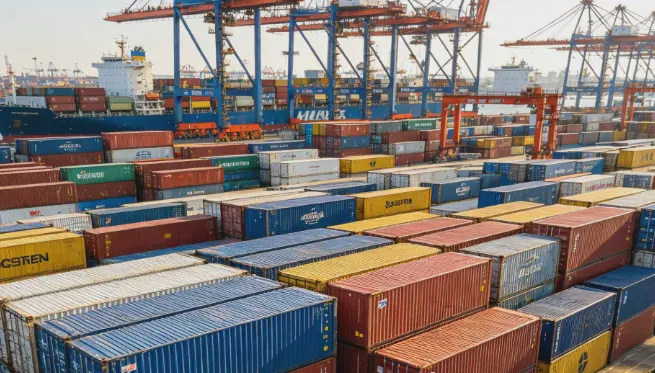
Sea freight remains the most cost-effective method for moving large volumes of cargo between China and Israel. While it takes longer than air freight, the savings on heavy or bulky shipments make it the backbone of international trade for Israeli importers. However, succeeding on this route requires more than just booking a container; it requires anticipating Israel's unique regulatory and security landscape.
Key Ports in China and Israel for Ocean Shipping
Choosing the right departure and arrival ports significantly impacts your final invoice and delivery speed.
-
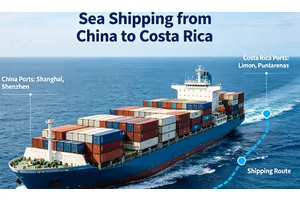
Major Origin Ports in China: Port of Shanghai, Port of Shenzhen, Port of Ningbo, and Port of Qingdao.
-
Major Destination Ports in Israel:
- Port of Ashdod: Handles the majority of commercial cargo and is closer to the central economic zone (Gush Dan/Tel Aviv). However, in our experience, Ashdod is more prone to labor strikes and congestion, which can spike your storage fees.
- Port of Haifa: Crucial for northern Israel distribution. It often operates more efficiently with fewer delays, making it a strategic alternative during peak seasons at Ashdod.
Sea Shipping Cost Structure: Understanding the Main Components
How much does shipping cost? The final price is never just the basic freight rate. It is a combination of ocean transport, local charges, and government taxes.
Freight Rates: FCL vs. LCL Shipping Costs from China to Israel
FCL (Full Container Load) and LCL (Less than Container Load) are priced differently. FCL charges a flat rate per container (20ft, 40ft, or 40HQ), which is ideal for large volumes. LCL charges by volume (CBM - Cubic Meter) or weight, making it perfect for smaller shipments that don't fill a whole container.
| Shipping Method | Typical Cargo Size | Pricing Basis | Estimated Cost Range (USD) |
|---|---|---|---|
| LCL | 1 - 15 CBM | Per CBM / Ton | $80 - $150 per CBM |
| FCL (20ft) | Up to 28 CBM | Per Container | $1,500 - $2,500 |
| FCL (40HQ) | Up to 68 CBM | Per Container | $2,200 - $3,800 |
(Note: Rates are estimates and subject to market fluctuations. Contact DTFU International Logistics for real-time quotes.)
Surcharges, Port Charges, and Additional Fees
Beware of the hidden costs that inflate your final bill. Common surcharges include BAF (Bunker Adjustment Factor) for fuel, THC (Terminal Handling Charges) at both origin and destination, and documentation fees like the Bill of Lading issuance fee.
The Shabbat and Holiday Trap: In Israel, ports and customs halt operations from Friday afternoon until Saturday evening (Shabbat), as well as during major Jewish holidays (like Sukkot and Passover). If your cargo arrives right before these closures and sits at the port, you will face heavy demurrage and detention charges because the free-time clock keeps ticking even when the port is closed.
Customs Clearance and Import Taxes in Israel
Israel has strict, heavily enforced import regulations overseen by the Israeli Tax Authority (Mekhes). You must account for VAT (Value Added Tax, currently 17%) and specific customs duties based on your product's HS Code.
Furthermore, many products—especially electronics, toys, and appliances—require mandatory approvals from the Standards Institution of Israel (SII) before they can be cleared. Misclassifying goods or failing to secure SII approval beforehand will result in your cargo being held, leading to severe penalties and daily storage fees at Ashdod or Haifa. Working with a licensed Israeli customs broker is mandatory and non-negotiable.
Factors Influencing Sea Shipping Cost from China to Israel
Several variables determine your final shipping quote. Understanding these factors helps you forecast expenses accurately.
Cargo Volume, Weight, and Shipping Container Types
Ocean freight is generally billed by volume, but extremely heavy cargo may incur overweight surcharges. Choosing the right container type—standard dry vans, refrigerated reefers, or open-top containers—also dictates the base price.
Shipping Routes, Security, and Transit Times
Direct routes from Shenzhen to Ashdod are faster but more expensive. Transshipment routes (where cargo is moved to another vessel at a hub port) are cheaper but add days or weeks to the journey.
Security Inspections: Israel employs some of the strictest maritime security protocols in the world. If your container is flagged for a physical security check or X-ray scanning, expect an additional 3 to 5 days of delay, along with extra fees for unpacking and repacking the container. Factoring this buffer into your supply chain timeline is a hallmark of an experienced importer.
| Route | Estimated Transit Time | Speed vs. Cost |
|---|---|---|
| Direct Vessel | 22 - 28 Days | Faster, Premium Cost |
| Transshipment | 30 - 45 Days | Slower, Budget-Friendly |
Seasonal and Market Fluctuations Impacting Rates
Shipping rates are highly volatile. Peak seasons—such as the weeks leading up to Chinese New Year and the Q4 holiday rush—cause severe capacity shortages and rate spikes (GRI - General Rate Increase). Always book 3 to 4 weeks in advance during these periods.
How to Calculate Your Sea Freight Cost from China to Israel
To calculate your total landed cost, you must add up:
- Origin charges (trucking, export customs in China).
- Ocean freight rate (FCL or LCL).
- Destination charges (THC, unloading at Haifa or Ashdod).
- Customs duties, Israeli VAT (17%), and potential security inspection fees.
- Inland delivery to your final warehouse.
Using a clear Incoterm, such as FOB (Free on Board) or EXW (Ex Works), defines exactly which of these costs you are responsible for paying.
Tips for Reducing Ocean Freight Costs to Israel
Shipping is expensive, but strategic planning can protect your profit margins.
Negotiating with Freight Forwarders and Selecting Reliable Partners
Partnering with an experienced agent like DTFU International Logistics gives you access to negotiated contract rates with major ocean carriers. We provide transparent pricing and navigate local Israeli compliance requirements, ensuring you never face unexpected fees upon arrival.
Consolidation, Packaging, and Planning Strategies to Save Money
- Optimize Packaging: Reduce empty space in your cartons to lower your overall CBM for LCL shipments.
- Consolidate Shipments: Combine multiple small orders from different Chinese suppliers into one FCL container.
- Plan Around Israeli Holidays: We strongly advise against scheduling arrivals right before Passover (April) or Sukkot (September/October) to avoid catastrophic port congestion and demurrage traps.
Comparing Sea Shipping to Other Shipping Methods
Is ocean freight always the best choice? It depends on your timeline and budget.
Cost, Speed, and Suitability for Different Types of Shipments
- Sea Freight: Best for heavy, bulky, non-urgent goods (furniture, machinery, bulk electronics). Highly cost-effective but takes 3-6 weeks.
- Air Freight: Ideal for high-value, lightweight, or time-sensitive cargo. Delivery takes 3-7 days via Ben Gurion Airport (TLV), but costs can be 5x to 10x higher than sea freight.
FAQs
How much does it cost to ship a 20ft container from China to Israel?
The estimated cost to ship a 20ft container (FCL) from China to Israel typically ranges between $1,500 and $2,500. This base freight rate fluctuates depending on your specific origin port in China, current bunker (fuel) surcharges, and seasonal demand.
What is the shipping cost for a 40ft container from China to Israel?
Shipping a standard 40ft container from China to Israel generally costs between $2,100 and $3,500. Because a 40ft container offers double the volume of a 20ft container but does not cost double the price, it is a highly cost-effective option for large, bulky orders.
How much is the freight rate for a 40HQ container to Israel?
A 40HQ (High Cube) container provides extra vertical space compared to a standard 40ft and typically costs between $2,200 and $3,800 to ship from China to Israel. It is the preferred choice for importers bringing in lightweight but voluminous goods like furniture, toys, or apparel.
How long does it take to ship by sea from China to Israel?
Typically, port-to-port transit takes 22 to 35 days, depending on whether you use a direct route or transshipment, and which origin port in China you choose. Always add a 3-5 day buffer for potential Israeli customs security checks.
What is the cheapest way to ship to Israel from China?
For shipments over 2 CBM, sea freight (specifically LCL) is the cheapest option. For massive orders, booking a full 20ft or 40ft container (FCL) offers the best cost per unit.
Does DTFU provide Door-to-Door shipping to Israel?
Yes, DTFU International Logistics offers comprehensive Door-to-Door services. We handle pickup in China, ocean freight, customs clearance (including coordinating with Israeli brokers and SII approvals), and final delivery to your warehouse in Tel Aviv, Jerusalem, or anywhere in Israel.
Are there hidden fees when importing to Israel?
Hidden fees usually stem from port storage (demurrage) exacerbated by Shabbat/holiday closures, unexpected security X-ray inspections, or misclassified HS codes. Working with a transparent forwarder ensures all potential costs are detailed upfront.