Are you looking to optimize your Sea Shipping from China to Colombia but unsure where to begin? Navigating the world of ocean freight, understanding FCL vs LCL, and managing customs clearance can seem daunting. In this comprehensive guide, we’ll break down the entire China to Colombia sea shipping process, discuss key ports, shipping methods, cost factors, and provide expert tips to help you ship smarter and avoid costly mistakes. Dive in to make your next shipment efficient and stress-free!
Introduction to Sea Shipping from China to Colombia
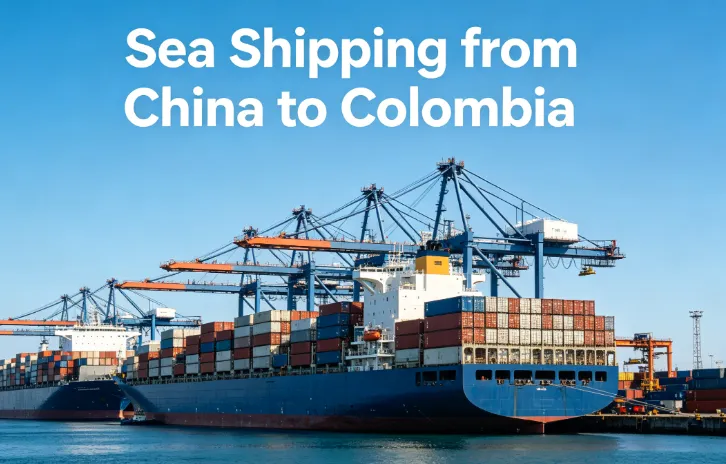
Shipping goods by sea from China to Colombia is one of the most reliable and cost-effective methods for international trade, especially given the robust economic ties between these two countries. Over the past decade, bilateral trade has grown significantly, making sea freight a preferred choice for importers, exporters, and supply chain professionals. As a Senior Logistics Analyst with over 15 years of specialized experience in the Americas dedicated line, I’ve seen how sea shipping supports businesses of all sizes, from large-scale manufacturers to cross-border e-commerce sellers.
Sea shipping allows for the transportation of large volumes of goods at a lower cost per unit compared to air freight. In addition, advances in logistics technology, streamlined customs regulations, and expanding port infrastructure have made the sea route between China and Colombia more efficient than ever. Choosing the right shipping method and understanding the processes involved is crucial for successful international trade.
Why Choose Sea Freight for China-Colombia Trade?
There are several compelling reasons why sea freight stands out as the primary method for shipping goods from China to Colombia:
- Cost-Effectiveness: Sea shipping is generally less expensive than air freight, especially for heavy or bulky goods. For example, the average cost per CBM (Cubic Meter) for LCL shipments from Shanghai to Buenaventura is significantly lower than comparable air freight rates.
- Large Volume Capability: Sea freight can handle everything from a single pallet (LCL) to full container loads (FCL), making it ideal for both SMEs and large enterprises.
- Versatile Cargo Types: Sea freight accommodates a wide range of cargo, including general merchandise, machinery, electronics, textiles, and raw materials.
- Environmental Considerations: Compared to air freight, ocean shipping produces lower CO2 emissions per ton-kilometer, supporting sustainable supply chain strategies.
- Comprehensive Service Options: Reputable freight forwarders such as Dantful.US International Logistics Co., Ltd. offer end-to-end solutions, including door-to-door, customs clearance, cargo insurance, warehousing, and consolidated freight.
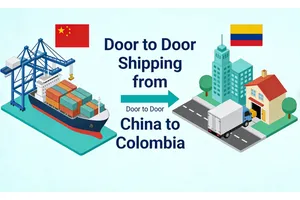
For businesses interested in comprehensive logistics support, you may also want to explore Door to Door Shipping from China to Colombia for direct delivery solutions tailored for the Colombia market.
Overview of the China to Colombia Shipping Route
The typical sea shipping route from China to Colombia covers major ocean lanes across the Pacific and through the Panama Canal before reaching key Colombian ports. Here’s an overview of how shipments move:
- Origin Loading: Goods are loaded at major Chinese ports such as Shanghai, Shenzhen, Ningbo, or Qingdao.
- Trans-Pacific Transit: Ships travel across the Pacific Ocean, often making stops at intermediary hubs.
- Panama Canal Transit: Most container ships pass through the Panama Canal, a critical gateway to the Caribbean and Pacific coasts of Colombia.
- Destination Arrival: The cargo is unloaded at Colombian ports, primarily Buenaventura (Pacific) or Cartagena (Caribbean), depending on the final destination.
Transit times vary based on the port pair and shipping conditions. As of 2026, typical shipping times are as follows:
| Route | Estimated Transit Time (Days) |
|---|---|
| Shanghai to Buenaventura | 28-35 |
| Shenzhen to Cartagena | 30-38 |
| Ningbo to Buenaventura | 29-36 |
| Qingdao to Cartagena | 32-40 |
Factors such as port congestion, shipping line schedules, and customs processing can influence transit times, so it is essential to work with an experienced freight forwarder for up-to-date information.
Main Sea Shipping Methods: FCL vs LCL
Choosing the right shipping method—Full Container Load (FCL) or Less than Container Load (LCL)—depends on your shipment size, budget, and delivery requirements.
Full Container Load (FCL) Shipping Explained
FCL means your cargo occupies an entire shipping container. This method is recommended when you have enough goods to fill a container, or when you want to minimize handling and potential damage.
Container Sizes and Capacities:
| Container Type | Typical Capacity (CBM) | Suitable For |
|---|---|---|
| 20FT | 28 | Up to ~25,000 kg; general cargo, machinery |
| 40FT | 56 | Larger loads, higher volume goods |
| 40HQ | 68 | High-cube for voluminous but lighter cargo |
| 45HQ | 78 | Oversized or high-volume shipments |
Advantages of FCL:
- Cost Efficiency: Lower cost per unit for high-volume shipments.
- Security: Cargo is sealed at origin and not handled until arrival, reducing damage and theft risks.
- Speed: FCL shipments are often processed faster at ports.
Use Case Example: If a manufacturer exports 30 tons of electronics from Shenzhen to Buenaventura, FCL is the optimal solution. It ensures all goods are packed and delivered together, with better control over schedules.
Less than Container Load (LCL) Shipping: Pros and Cons
LCL shipping is designed for shipments that do not fill a full container. Your cargo is consolidated with goods from other shippers, sharing space and cost.
Pros:
- Flexibility: Ship smaller quantities without waiting to fill a container.
- Lower Upfront Costs: Pay only for the space your cargo occupies.
- Accessibility for SMEs: Ideal for small businesses and e-commerce sellers.
Cons:
- Longer Transit Time: Consolidation and deconsolidation add handling steps, possibly extending delivery time.
- Greater Handling Risk: Multiple handling points may increase the chance of minor damage or misplacement.
- Variable Costs: Charges for consolidation, documentation, and handling can fluctuate.
Cost and Transit Time Comparison:
| Shipping Method | Minimum Volume | Typical Use Case | Cost Efficiency | Transit Time |
|---|---|---|---|---|
| FCL | 15-28 CBM+ | Bulk exports, full loads | High (for volume) | Direct, 28-40 days |
| LCL | 1-15 CBM | Small/medium shipments, multiple consignees | High (for small) | Additional 3-7 days |
Professional Advice: For time-sensitive, high-value, or fragile goods, consider whether the additional handling in LCL aligns with your risk tolerance. Partnering with a trusted freight forwarder, like Dantful.US International Logistics Co., Ltd., ensures your LCL shipments are managed professionally, with clear communication on schedules and costs.
If you're comparing cost structures with other key trade lanes in the region, you may find this resource helpful: Sea Shipping from China to Brazil.
Key Ports in China and Colombia for Ocean Freight
Major Chinese Ports Handling Colombia-bound Shipments
When it comes to sea shipping from China to Colombia, selecting the right port of origin is crucial for both cost-efficiency and transit times. Here are the major Chinese ports that regularly handle cargo bound for Colombia:
| Port Name | Location | Features & Advantages | Popular Goods Shipped to Colombia |
|---|---|---|---|
| Shanghai Port | East China (Yangtze River Delta) | World's largest container port, comprehensive services, frequent sailings to LatAm | Electronics, machinery, textiles |
| Shenzhen Port | South China (Pearl River Delta) | Leading port for exports, especially electronics, efficient connections to Latin America | Electronics, toys, home appliances |
| Ningbo-Zhoushan Port | East China | High container throughput, close to manufacturing hubs | Furniture, auto parts, chemicals |
| Qingdao Port | North China | Advanced logistics, ideal for bulk and containerized goods | Machinery, plastics, vehicles |
| Guangzhou (Nansha) Port | South China | Close proximity to manufacturers, competitive rates, robust consolidation services | Garments, footwear, consumer products |
| Xiamen Port | Southeast China | Efficient transshipment services, strong connections to Southeast Asia & South America | Stone products, seafood, garments |
Shanghai Port and Shenzhen Port are most popular for FCL (Full Container Load) and LCL (Less-than-Container Load) shipments to Colombia, thanks to their extensive carrier networks and high sailing frequency.
Important Colombian Ports for Imports from China
On the receiving end, cargo shipped from China to Colombia typically arrives at one of the following major Colombian seaports:
| Port Name | City/Region | Main Features | Primary Destinations Served |
|---|---|---|---|
| Port of Buenaventura | Valle del Cauca | Largest and busiest port in Colombia, main Pacific gateway, excellent connectivity | Bogota, Cali, Medellin, inland cities |
| Port of Cartagena | Cartagena, Caribbean Sea | Modern infrastructure, key Caribbean port, extensive logistics parks | North Colombia, Caribbean region |
| Port of Barranquilla | Barranquilla, Caribbean Sea | Strong handling for bulk and containerized cargo, ideal for north Colombia | Barranquilla, Santa Marta, coast |
| Port of Santa Marta | Santa Marta, Caribbean Sea | Deep-water port, fast customs clearance, preferred for perishables | Santa Marta, east Colombia |
Port of Buenaventura is the primary entry point for containerized cargo from China, offering direct access to Colombia’s main consumption and production centers. Cartagena and Barranquilla are increasingly used for diversified shipments due to modern facilities and efficient customs processes.
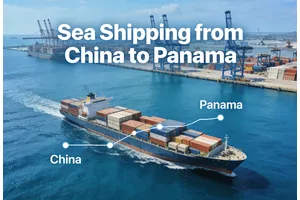
If you’re also interested in neighboring trade lanes, such as Sea Shipping from China to Panama, check how routes and port options compare for regional optimization.
Step-by-Step Sea Shipping Process from China to Colombia
Booking and Preparing Your Cargo for Sea Freight
-
Partner Selection:
Choose a professional and reliable freight forwarder, such as Dantful.US International Logistics. As a leading one-stop international logistics provider with over 10 years of specialized experience in the Americas dedicated line, we offer tailored sea freight solutions, including FCL, LCL, cargo consolidation, and door-to-door services. -
Cargo Classification and Preparation:
- Identify cargo type, HS Code, and packaging requirements.
- Ensure packaging is robust and compliant with both Chinese export and Colombian import regulations.
- Label cargo clearly for smooth customs clearance and tracking.
-
Space Booking:
- Confirm booking with your chosen carrier or forwarder.
- Reserve container type and size: 20FT (28CBM), 40FT (56CBM), 40HQ (68CBM), or 45HQ (78CBM) based on cargo volume.
-
Cargo Delivery to Port:
- Arrange for cargo delivery to the designated loading port.
- Ensure all documentation is complete and accurate before cargo acceptance.
Required Shipping Documents and Customs Procedures
To ensure a smooth shipping process and avoid delays, accurate documentation is essential. Common documents required for sea shipping from China to Colombia include:
| Document | Purpose | Prepared By |
|---|---|---|
| Bill of Lading (B/L) | Proof of shipment, needed for cargo release | Shipping line or forwarder |
| Commercial Invoice | Declaration of value for customs | Exporter |
| Packing List | Detailed list of items and packaging | Exporter |
| Certificate of Origin | May be required for preferential tariffs | Exporter/Chamber of Commerce |
| Import License (if required) | Needed for certain regulated products | Colombian importer |
| Insurance Certificate | Proof of cargo insurance (optional but recommended) | Insurance provider |
Customs Procedures:
- China: Cargo is inspected by Chinese customs to verify export compliance and ensure correct classification.
- Colombia: Upon arrival, documents are reviewed by Colombian customs (DIAN). Duties and taxes must be paid before cargo is released.
Pro Tip:
Working with an experienced freight forwarder like Dantful.US International Logistics can streamline the documentation process and reduce the risk of costly errors or delays.
Transit Times and Key Milestones in the Shipping Journey
Transit times for sea shipping from China to Colombia vary depending on ports of origin and destination, carrier schedule, and transshipment points. Below is a general guide:
| Route | Estimated Transit Time (Days) | Typical Route Notes |
|---|---|---|
| Shanghai to Buenaventura | 28 – 35 | Often includes transshipment at Panama or Mexico |
| Shenzhen to Cartagena | 32 – 38 | May transit via U.S. Gulf or Caribbean transshipment ports |
| Ningbo to Barranquilla | 30 – 36 | Usually involves one transshipment |
| Guangzhou to Santa Marta | 32 – 40 | Fewer direct sailings, longer due to additional stops |
Key Milestones:
- Cargo Pickup & Port Delivery: 1–3 days
- Customs Clearance (China): 1–2 days (if documents are in order)
- Vessel Loading & Departure: 1–2 days after gate-in
- Ocean Transit: 28–40 days depending on route
- Arrival at Colombian Port
- Colombian Customs Clearance: 2–5 days (subject to inspection)
- Inland Delivery (if door-to-door): 2–7 days depending on destination
Recent Developments:
In 2025–2026, both Colombian ports and Chinese ports have heavily invested in AI-driven digital customs systems and port automation, significantly reducing average dwell times and improving real-time cargo visibility, which benefits importers and exporters alike.
Sea Shipping Costs from China to Colombia
Factors Influencing Ocean Freight Rates
When planning sea shipping from China to Colombia, understanding the factors that impact freight rates is crucial for budget control and informed decision-making. The following are the primary variables affecting ocean freight costs:
| Factor | Description | Impact on Cost |
|---|---|---|
| Cargo Volume & Weight | Charges are primarily based on either actual weight (tons) or volume (CBM), whichever is higher. | Larger shipments may benefit from economies of scale, reducing unit cost. |
| Container Type | 20FT, 40FT, 40HQ, and 45HQ containers have different capacity and pricing. | Special containers (OOG, reefer) incur additional fees. |
| Shipping Method | Full Container Load (FCL) vs Less than Container Load (LCL). | LCL is cost-effective for small shipments, but per-unit cost is higher. |
| Origin & Destination Ports | Port combinations (e.g., Shanghai to Buenaventura vs Shenzhen to Cartagena). | Distance, port charges, and congestion vary by port. |
| Seasonality & Surcharges | Peak seasons (e.g., pre-Christmas, Chinese New Year) raise rates due to high demand. | Expect GRI (General Rate Increase), PSS (Peak Season Surcharge). |
| Fuel Costs (BAF) | Bunker Adjustment Factor reflects global oil price fluctuations. | Directly affects base freight rate. |
| Additional Services | Insurance, customs clearance, warehousing, door-to-door delivery. | Optional, but increase overall logistics cost. |
| Incoterms | Determines which party pays for freight, insurance, and local charges based on ICC International Commercial Terms. | EXW, FOB, CIF, DDP terms have different cost implications. |
| Cargo Nature & Handling | Hazardous, perishable, oversized, or fragile goods require special handling. | May incur surcharges and higher insurance. |
| Documentation | Courier fees, document legalization, and customs paperwork. | Errors or omissions can result in costly delays. |
If you're interested in comparing rate structures with other popular ocean freight lanes, see this practical analysis of Sea Shipping Cost from China to USA.
Typical Cost Breakdown and Money-Saving Tips
A standard ocean freight cost from China to Colombia consists of several components. Below is a breakdown using typical container sizes and services. Please note: prices may fluctuate due to fuel costs, global demand, and policy changes; always check with your freight forwarder for real-time rates.
Example Cost Breakdown (FCL Shipping)
| Service Component | 20FT Container | 40FT Container | 40HQ Container |
|---|---|---|---|
| Ocean Freight (base rate) | $1,600–$2,100 | $2,800–$3,500 | $2,900–$3,700 |
| Origin Port Charges (China) | $200–$300 | $250–$350 | $250–$350 |
| Destination Port Charges (Colombia) | $350–$450 | $450–$600 | $450–$600 |
| Documentation Fees | $50–$80 | $50–$80 | $50–$80 |
| Cargo Insurance (optional) | 0.1–0.2% of cargo value | 0.1–0.2% of cargo value | 0.1–0.2% of cargo value |
| Customs Clearance | $90–$150 | $90–$150 | $90–$150 |
| Local Delivery (if door-to-door) | Variable | Variable | Variable |
Data reference: Dantful.US International Logistics's 2026 quoted rates; actual charges may vary based on route, carrier, and services.
Money-Saving Tips
- Plan in Advance: Book shipments early, especially during peak seasons, to lock in better rates.
- Consolidate Shipments: Combine multiple LCL shipments into FCL if volume allows, to reduce per-unit freight.
- Flexible Dates & Ports: Be open to alternate Chinese or Colombian ports with lower congestion or fees.
- Optimize Packaging: Maximize container space (e.g., 20FT: 28CBM, 40HQ: 68CBM) and reduce wasted space.
- Negotiate with Freight Forwarders: Long-term relationships can yield better terms and priority service.
- Use a Reliable Partner: Choose a professional logistics provider like Dantful.US International Logistics for transparent pricing, customs expertise, and integrated services (sea freight, warehousing, insurance, customs clearance, door-to-door).
Customs Clearance and Import Regulations in Colombia
Essential Colombian Import Rules and Compliance
Colombia maintains strict import regulations to ensure legal compliance and facilitate smooth trade. Importers must be aware of the following essential rules:
| Aspect | Requirement/Detail |
|---|---|
| Importer Registration | Must be registered with the Colombian DIAN (Dirección de Impuestos y Aduanas Nacionales) for legal import activities. |
| HS Code Classification | Accurate harmonized system (HS) codes are mandatory for all imported goods. |
| Import Licenses | Some categories (e.g., agriculture, chemicals, electronics) require prior licenses or special permissions. |
| Commercial Invoice | Must include detailed goods description, value, and seller/buyer details. |
| Packing List | Details on packaging, quantity, and physical characteristics. |
| Bill of Lading (BL) | Essential shipping document, must match goods and consignee information. |
| Certificates of Origin | Required for certain goods to access preferential tariffs. |
| Sanitary/Phytosanitary Certificates | Needed for food, plants, animal products, and pharmaceuticals. |
| Tariffs and Duties | Import taxes, VAT, and Customs Duties depend on HS code and trade agreements. |
| Anti-dumping/Quota Policies | Some goods may face quotas or anti-dumping duties. |
| Labeling Requirements | Spanish language and local compliance for consumer goods. |
Tip: Ensuring document accuracy and regulatory compliance helps minimize customs delays and penalties.
Common Customs Issues and How to Avoid Delays
Navigating customs clearance in Colombia can be complex. Below are frequently encountered issues and expert tips to avoid them:
| Common Issue | Solution/Prevention |
|---|---|
| Documentation Errors | Double-check all shipping documents for consistency and accuracy before submission. |
| HS Code Misclassification | Consult with an experienced freight forwarder or customs broker to verify codes. |
| Incomplete or Incorrect Invoices | Provide clear, detailed, and complete information on the commercial invoice. |
| Missing Licenses/Certificates | Identify controlled goods in advance and secure all necessary permits. |
| Unpaid Duties or Taxes | Calculate and budget for all applicable duties, VAT, and port charges in advance. |
| Language Barriers | Engage bilingual (Chinese-Spanish/English) logistics professionals for translations. |
| Inspection Delays | Ensure goods meet Colombian standards, especially for food, health, or technology items. |
| Unreliable Shipping Partners | Work with reputable freight forwarders like Dantful.US International Logistics to ensure compliance and proactive problem-solving. |
How to Choose a Reliable Freight Forwarder for China to Colombia Shipping
Selecting the right freight forwarder is crucial for smooth, cost-effective sea shipping from China to Colombia. Here are the essential criteria and expert recommendations for making the best choice:
Key Qualities of a Reliable Freight Forwarder
| Criteria | What to Look for | Why It Matters |
|---|---|---|
| Experience & Expertise | At least 5–10 years operating in China-Latin America trade. Deep knowledge of customs, local regulations, and sea freight best practices. | Reduces risks, ensures compliance, and smooth handling. |
| Comprehensive Service Portfolio | Offers FCL, LCL, Door to Door, Customs Clearance, Warehousing, Insurance, OOG & Breakbulk Freight. | One-stop solutions avoid coordination issues. |
| Transparent Pricing & Rate Breakdown | Detailed quotations with clear breakdown (freight, surcharges, local fees). No hidden costs. | Budget control, avoids unexpected expenses. |
| Global Network & Local Presence | Strong partnerships with major Chinese ports (e.g., Shanghai, Shenzhen, Ningbo) and Colombian ports (e.g., Buenaventura, Cartagena). | Efficient routing, faster resolution of local challenges. |
| Customer Support & Communication | Dedicated English/Spanish-speaking team, timely updates, and proactive problem-solving. | Minimizes misunderstandings and delays. |
| Cargo Tracking Technology | Real-time shipment visibility and milestone notifications. | Enhances supply chain transparency. |
| Positive Customer Reviews & References | Proven track record with clients in similar industries or markets. | Indicates reliability and trustworthiness. |
Why Dantful.US is Your Top Choice for China-Colombia Shipping
Dantful.US International Logistics is not just a general forwarder; we are specialized experts in the Americas dedicated line with over 15 years of deep-rooted experience in the China to Colombia trade corridor. We go beyond basic booking by offering localized, compliance-first solutions that solve real supply chain pain points:
- Exclusive Carrier Contracts & Volume Rates: Thanks to our massive cargo volume on Latin American routes, we hold direct contracts with top-tier ocean carriers (such as COSCO, Hapag-Lloyd, and MSC). This ensures priority space allocation during peak seasons and highly competitive rates for both FCL and LCL shipments.
- Deep Localized Customs Expertise (DIAN Compliance): Navigating Colombian customs can be notoriously strict. Our bilingual (Chinese/Spanish) experts and localized customs brokerage teams in Buenaventura and Cartagena possess extensive, hands-on experience with DIAN regulations. We pre-audit your HS codes, commercial invoices, and import licenses to minimize inspection risks and avoid costly delays, striving for a high first-time clearance rate.
- True End-to-End Door to Door Solutions: We eliminate middlemen. From factory pick-up in China to final delivery in inland cities like Bogota, Medellin, or Cali, our robust trucking network ensures seamless DDP/DDU execution.
- Comprehensive Logistics Ecosystem: We offer a true one-stop shop, covering Sea Freight, Air Freight, Road Freight, Amazon FBA Logistics, Warehousing in major Colombian hubs, Cargo Insurance, and specialized handling for OOG (Out-of-Gauge) and Breakbulk Freight.
- Real-Time Visibility & Support: Our advanced tracking technology provides transparency at every milestone—from gate-in at Shenzhen Port to final delivery—backed by a dedicated customer support team that proactively manages any exceptions.
Tips for Successful Sea Shipping from China to Colombia
Professional planning and risk management are essential for an efficient and worry-free shipping experience. Below are practical tips to ensure success:
Packaging, Insurance, and Risk Management
1. Packaging
-
Use International-Standard Materials: Ensure cargo is packed in compliance with ISPM-15 regulations (for wooden packaging) and protected against humidity and rough handling during transit.
-
Container Optimization: Select the right container type based on cargo volume:
- 20FT: 28CBM
- 40FT: 56CBM
- 40HQ: 68CBM
- 45HQ: 78CBM
-
Labeling: Accurate, clear labels in both Chinese and Spanish to avoid customs issues.
2. Insurance
- Comprehensive Cargo Insurance: Protect against damage, loss, or theft. Dantful.US offers competitive insurance packages tailored to different shipment values and cargo categories.
- Understand Coverage Details: Clarify exclusions and claim procedures with your forwarder to avoid disputes in case of incidents.
3. Risk Management
- Plan for Delays: Stay updated on seasonal trends (e.g., Golden Week in China, peak seasons in Colombia) that may affect transit times.
- Backup Documents: Keep digital and physical copies of all shipping and customs documents.
- Regulatory Compliance: Work with a forwarder experienced in Colombian import rules to minimize the risk of fines or cargo holds.
Tracking and Managing Your Sea Freight Shipment
1. Utilize Real-Time Tracking
- Most reputable forwarders, including Dantful.US, provide online platforms for real-time cargo tracking.
- Receive automated alerts for key milestones: loading, departure, transshipment, arrival at destination port, customs clearance, delivery.
2. Communication & Proactive Management
- Maintain regular contact with your freight forwarder for status updates.
- If issues arise—such as port congestion or customs queries—act quickly with your forwarder’s support to avoid costly delays.
3. Manage Paperwork Digitally
- Use cloud-based document management tools for instant access to shipping instructions, bills of lading, invoices, and customs declarations.
- This improves efficiency and minimizes the risk of lost documents.
4. Evaluate and Optimize
- After each shipment, review the entire process with your forwarder: transit times, costs, service quality.
- Seek feedback from your consignee in Colombia for continuous improvement.
FAQs
Q1: How much does it cost to ship a container from China to Colombia?
A: As of 2026, the base ocean freight for a 20FT container typically ranges from $1,600 to $2,100, while a 40FT/40HQ container ranges from $2,800 to $3,700. However, final costs depend heavily on the Incoterms (e.g., FOB, EXW), port of origin/destination, fuel surcharges (BAF), and peak season demand. For an exact, up-to-date rate, it is best to request a customized quote.
Q2: What information do I need to provide to get an accurate sea freight quote?
A: To receive a precise and comprehensive quotation, please prepare the following details:
- Product Name & HS Code
- Total Volume (CBM) & Gross Weight (KG)
- Number of Cartons/Pallets & Packaging Type
- Origin (Factory address or Port in China) & Destination (Zip code or Port in Colombia)
- Trade Terms (e.g., FOB, EXW, DDP)
- Special Requirements (e.g., Battery included, Hazardous materials, Cargo Insurance needed)
Q3: How long does sea shipping take from China to Colombia?
A: Typical port-to-port transit times range from 28 to 40 days. For instance, Shanghai to Buenaventura averages 32–36 days. However, door-to-door delivery will require an additional 5–12 days for customs clearance and inland transportation. Factors such as port congestion, adverse weather, and peak season (e.g., before Chinese New Year) can also impact schedules.
Q4: What are the main ports used for China-Colombia sea shipments?
A: Major Chinese ports handling Latin American routes include Shanghai, Shenzhen, Ningbo, and Qingdao. In Colombia, the principal entry ports are Buenaventura (Pacific coast, ideal for Bogota/Cali/Medellin) and Cartagena / Barranquilla (Caribbean coast).
Q5: What documents are strictly required for customs clearance in Colombia?
A: The essential documents include the Bill of Lading (B/L), Commercial Invoice, Packing List, and Certificate of Origin. Certain regulated goods (like electronics, textiles, or food) may require an Import License or specific sanitary certificates. Accurate HS Code classification is mandatory to avoid DIAN penalties.
Q6: How can I save costs on my sea shipping to Colombia?
A: To optimize your logistics budget:
- Compare FCL vs LCL: If your cargo exceeds 15 CBM, FCL might be more cost-effective per unit than LCL.
- Optimize your packaging to maximize container space utilization.
- Plan shipments well ahead of peak seasons to avoid General Rate Increases (GRI).
- Partner with a transparent forwarder like Dantful.US International Logistics to bundle services (insurance, customs clearance) and avoid hidden fees.