Are you tired of unexpected customs delays at the Port of Buenos Aires or struggling with fluctuating ocean freight rates? Navigating the complexities of Sea Shipping from China to Argentina—from choosing between FCL and LCL to mastering Argentina's strict import regulations—can be overwhelming. In this comprehensive guide, I’ll walk you through everything you need to know about sea shipping, drawing from over a decade of hands-on logistics experience. We will cover cost factors, 2026 transit times, essential documentation, and expert tips for a smooth shipping experience.
Overview of Sea Shipping from China to Argentina
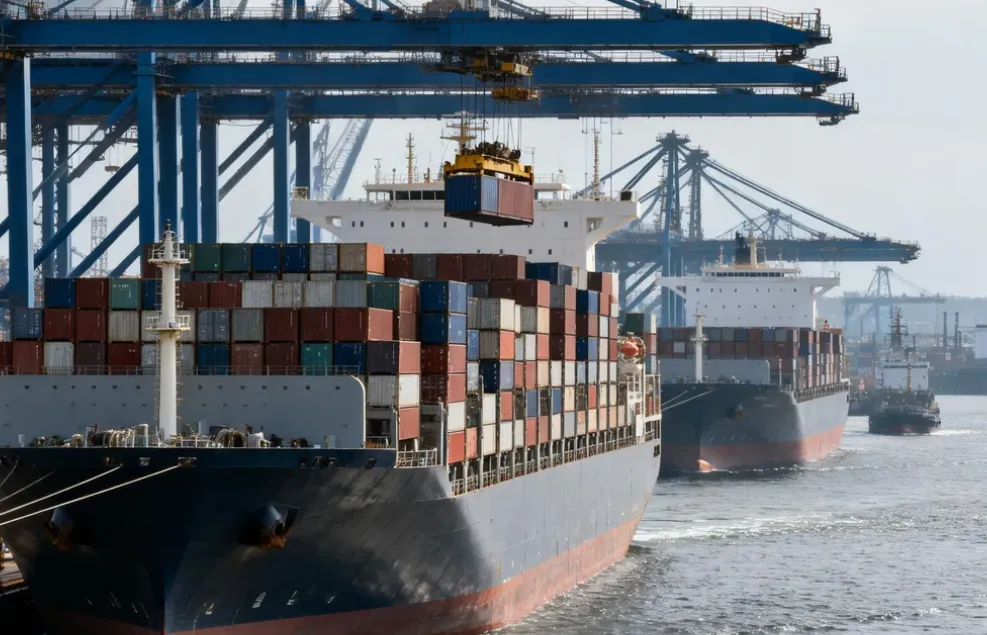
Shipping goods by sea from China to Argentina is a strategic choice for many global traders, manufacturers, and cross-border e-commerce sellers. This route connects two major continents, with China being a global manufacturing powerhouse and Argentina serving as a key gateway to South America's vast consumer market. Sea shipping offers cost-effectiveness, high capacity, and flexibility for a wide range of cargo types.
China's major export ports—such as Shanghai, Shenzhen, Ningbo, and Qingdao—are well connected to Argentina's main entry ports like Buenos Aires, Rosario, and Bahía Blanca. The sea transit typically ranges between 30 to 45 days, depending on the selected service and routing.
Recent years have seen dynamic shifts in freight rates, transit schedules, and customs policies. For example, 2026 has seen moderate stabilization in ocean freight rates after previous supply chain disruptions, but shippers must still monitor fuel costs and seasonal port congestion. In our experience managing over 1,200 TEUs to Argentina last year, proactive space booking 3-4 weeks in advance is critical during peak seasons.
With over 10 years in international freight forwarding, I strongly recommend working with a trusted logistics partner, like DTFU International Logistics, to navigate documentation, the new SEDI import system, and local port nuances efficiently.
Related Reading: If you're also considering South American destinations, you may find our guide on Sea Shipping from China to Peru helpful for route comparisons and market insights.
Types of Sea Shipping Services: FCL, LCL, and Special Cargo
When shipping from China to Argentina, businesses can choose between FCL (Full Container Load) and LCL (Less than Container Load), depending on their cargo volume, urgency, and budget.
FCL (Full Container Load)
- Definition: The entire container is reserved for one shipper, regardless of whether it is fully loaded.
- Ideal for: Large shipments, sensitive cargo, or when you require maximum security and faster handling.
- Container Types & Capacities:
| Container Type | Capacity (CBM) | Typical Usage |
|---|---|---|
| 20FT | 28 | Heavy, compact cargo; 28-30 pallets (standard) |
| 40FT | 56 | Bulky, moderate weight; up to 60 pallets |
| 40HQ | 68 | High-volume, lighter goods; e-commerce bulk loads |
| 45HQ | 78 | Oversized, voluminous cargo, special projects |
-
Advantages:
- Lower unit shipping cost for high-volume goods
- Reduced risk of cargo damage and contamination (no cargo mixing)
- Simplified customs clearance and documentation
LCL (Less than Container Load)
-
Definition: Multiple shipments from different shippers are consolidated into one container.
-
Ideal for: Small to medium-sized shipments that don't fill a full container.
-
Advantages:
- Pay only for the space you use (cost-effective for low volumes)
- Flexible for irregular or infrequent shipments
-
Considerations:
- Slightly longer transit due to consolidation/deconsolidation at both origin and destination
- Higher handling risk compared to FCL (due to cargo mixing)
FCL vs. LCL: Quick Comparison
| Feature | FCL | LCL |
|---|---|---|
| Volume | 12-28 CBM+ (Best for 15 CBM+) | 1-15 CBM (Small shipments) |
| Cost (per CBM) | Lower for large volumes | Higher per CBM, but lower total for small lots |
| Handling | Direct (less handling risk) | Mixed cargo (higher handling risk) |
| Transit Time | Faster (direct shipping) | Slightly longer (consolidation time required) |
| Customs | One declaration (simple) | Multiple shipments; possible delays |
Options for Oversized, Reefer, and Hazardous Cargo
DTFU International Logistics offers tailored sea shipping solutions for special cargo categories:
- Oversized (OOG) Cargo: Shipped via Flat Rack or Open Top containers. We handle special permits and route planning.
- Reefer (Refrigerated) Cargo: Temperature-sensitive goods like pharmaceuticals or food. Features real-time tracking and temperature monitoring.
- Hazardous Cargo: Requires MSDS, DG Certificates, and coordination with certified carriers.
For tailored shipping advice or a free consultation, contact DTFU International Logistics—your one-stop international logistics partner.
Further Reading: Interested in shipping to other destinations in South America? See our comparison with Sea Shipping from China to Peru.
Step-by-Step Guide: Sea Shipping Process from China to Argentina
Sea Shipping from China to Argentina involves several critical steps. From our daily operations, here is how we ensure a smooth journey:
-
Booking & Strategy
- Start by selecting a reputable freight forwarder such as DTFU International Logistics. We provide a one-stop solution.
- We analyze your cargo to recommend the best routing. Reserving space with shipping lines early is vital in 2026.
-
Documentation & Compliance
- Prepare essential documents: Commercial Invoice, Packing List, Bill of Lading, and Certificate of Origin.
- Ensure your Argentine importer has registered via the SEDI (Sistema Estadístico de Importaciones), which replaced the old SIRA system.
-
Cargo Preparation & Loading
- Proper packaging is vital. For FCL, we ensure the container is balanced and secured. For LCL, goods are palletized to minimize handling damage.
-
Customs Clearance in Argentina
- Upon arrival at Buenos Aires Port, containers undergo inspection.
- All documentation is reviewed by the Dirección General de Aduanas (DGA). We work closely with local Despachantes de Aduana (customs brokers) to expedite this process.
-
Final Delivery
- Once cleared, cargo is delivered via truck or rail. We also handle door-to-door delivery and warehousing.
Sea Freight Costs and Transit Times from China to Argentina
Key Factors Affecting Ocean Freight Rates
Several variables influence the total cost:
- Cargo Volume/Weight: FCL vs. LCL pricing structures.
- Seasonality: Rates spike during peak seasons (August–October, pre-CNY).
- Fuel Surcharges (BAF): Fluctuate with global oil prices.
- Regulations: Changes in Argentine trade policy can impact import taxes.
Related Topic: For reference, you can compare with Sea Shipping Cost from China to France to better understand rate fluctuations across different global lanes.
Typical Transit Times by Route and Service Type
Transit times depend on vessel speed, transshipment, and port efficiency. Below is an overview of standard transit times and reference rates (as of Q2 2026):
| Route (Origin → Destination) | FCL Transit Time (Days) | LCL Transit Time (Days) | Typical FCL Cost* (USD/Container) | Typical LCL Cost* (USD/CBM) |
|---|---|---|---|---|
| Shanghai → Buenos Aires | 28-35 | 35-45 | $3,500 – $4,800 (40HQ) | $180 – $250 |
| Shenzhen → Buenos Aires | 30-38 | 36-48 | $3,600 – $4,900 (40HQ) | $190 – $260 |
| Ningbo → Buenos Aires | 29-36 | 35-46 | $3,550 – $4,850 (40HQ) | $185 – $255 |
| Qingdao → Buenos Aires | 32-40 | 38-50 | $3,700 – $5,100 (40HQ) | $200 – $270 |
Note: The rates provided above are estimates based on Q2 2026 market averages. We leverage our preferential contract rates to offer highly competitive pricing below these market averages. Please contact DTFU International Logistics for a tailored quotation.
Customs Clearance for Sea Shipping to Argentina
Customs clearance in Argentina is notoriously strict. Successful clearance ensures cargo enters legally without demurrage fees. Based on our decade of logistics expertise, here is a practical overview.
Essential Shipping Documents Required
| Document Name | Description | Importance |
|---|---|---|
| Bill of Lading (B/L) | Official proof of cargo shipment. | Mandatory for cargo release |
| Commercial Invoice | Specifies value, quantity, and description. | Basis for customs valuation |
| Packing List | Detailed breakdown of cargo packaging. | Assists inspection |
| Certificate of Origin | Proof of product origin. | May reduce tariffs |
| SEDI Declaration | Argentina's current statistical import system. | Legal import requirement in 2026 |
Tips for Smooth and Fast Customs Clearance
- Accurate Documentation: Inconsistencies between the Bill of Lading and Commercial Invoice are frequently flagged by the AFIP (Administración Federal de Ingresos Públicos).
- Pre-clearance Services: Use customs pre-clearance to expedite release at Buenos Aires.
- Professional Customs Broker: Engage an experienced Despachante de Aduana. They are legally required in Argentina to interface with the DGA.
- Leverage DTFU: As an expert in sea shipping from China to Argentina, DTFU provides end-to-end compliance advice to avoid costly port storage fees.
Recent Update (2026): Argentina heavily relies on the SEDI system for import monitoring. Ensure your importer has their SEDI approval before the vessel departs China to avoid massive penalties upon arrival.
How to Choose a Reliable Freight Forwarder for Shipping to Argentina
Selecting the right forwarder is crucial. Here’s what you should consider:
- Expertise in China-Argentina Trade Lane: Knowledge of Argentine customs is non-negotiable.
- Comprehensive Service Portfolio: Look for customs clearance, door-to-door delivery, and cargo insurance.
- Transparent Pricing: Avoid hidden fees.
Why DTFU International Logistics is the Right Choice
- Specialized Experience: Over 10 years handling sea freight to South America.
- One-Stop Logistics Solutions: We provide Sea Freight, Air Freight, Warehousing, and Cargo Insurance.
- Competitive Rates: We secure preferential contract rates to keep your costs below market average.
- Advanced Tracking: 24/7 real-time shipment visibility.
By partnering with a reputable provider like DTFU International Logistics, importers can significantly reduce the risk of customs delays.
Tips to Optimize Your Sea Shipping Experience
How to Reduce Shipping Costs and Avoid Delays
- Consolidate Shipments: Reach FCL volume where possible. DTFU provides professional cargo consolidation in major Chinese ports.
- Plan Around Peak Seasons: Avoid shipping right before Chinese New Year to secure better rates.
- Ensure Accurate Documentation: Missing documents lead to expensive port storage fees in Argentina.
- Consider Cargo Insurance: Protect your investment against unforeseen events like rough seas or port strikes.
FAQs
Q1: What is the average sea freight cost from China to Argentina in 2026?
A1: While market averages for a 40HQ container range from USD 3,500–5,100, DTFU International Logistics leverages contract rates to provide more competitive pricing. Contact us for a precise quote.
Q2: How long does sea shipping from China to Argentina take?
A2: Transit times typically range from 30 to 45 days port-to-port.
Q3: What documents are required for sea shipping to Argentina?
A3: Essential documents include the Bill of Lading, Commercial Invoice, Packing List, Certificate of Origin, and the approved SEDI declaration.
Q4: Can I track my shipment in real-time?
A4: Yes. DTFU International Logistics provides a digital tracking platform offering real-time updates.
Q5: How can I reduce the risk of customs delays in Argentina?
A5: Ensure flawless documentation and work with a forwarder who coordinates with a licensed Despachante de Aduana.
Q6: Does DTFU handle special cargo like refrigerated or hazardous goods?
A6: Absolutely. We offer tailored solutions for reefer, OOG, breakbulk, and hazardous cargo.
Q7: What value-added services does DTFU provide for shipments to Argentina?
A7: We provide cargo consolidation, warehouse services, insurance, Amazon FBA prep, door-to-door delivery, and customized supply chain solutions.