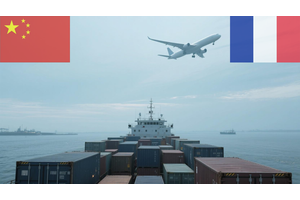
Are you wondering how much sea shipping cost from China to France and what factors influence these expenses? Understanding the key components of sea freight charges, from FCL vs LCL shipping rates to customs duties and additional surcharges, can help you make smarter shipping decisions. In this comprehensive guide, we’ll break down all aspects of sea shipping from China to France, reveal cost-saving tips, and answer your top questions, empowering you to optimize your international logistics.
Key Takeaways
- Average Transit Time: 25–40 days, depending on the route (e.g., Shanghai to Le Havre vs. Shenzhen to Marseille).
- FCL vs. LCL: FCL (Full Container Load) is more cost-effective for shipments over 15 CBM, while LCL (Less than Container Load) suits smaller volumes but requires careful monitoring of destination handling fees.
- Hidden Cost Traps: Many importers overlook local port fees, import duties (averaging 0-4.5%), and the French standard VAT (20% on CIF value).
- Cost Reduction: Consolidating shipments and booking 3-4 weeks in advance of peak seasons (like pre-Chinese New Year) can significantly reduce your landed costs.
Overview of Sea Shipping from China to France
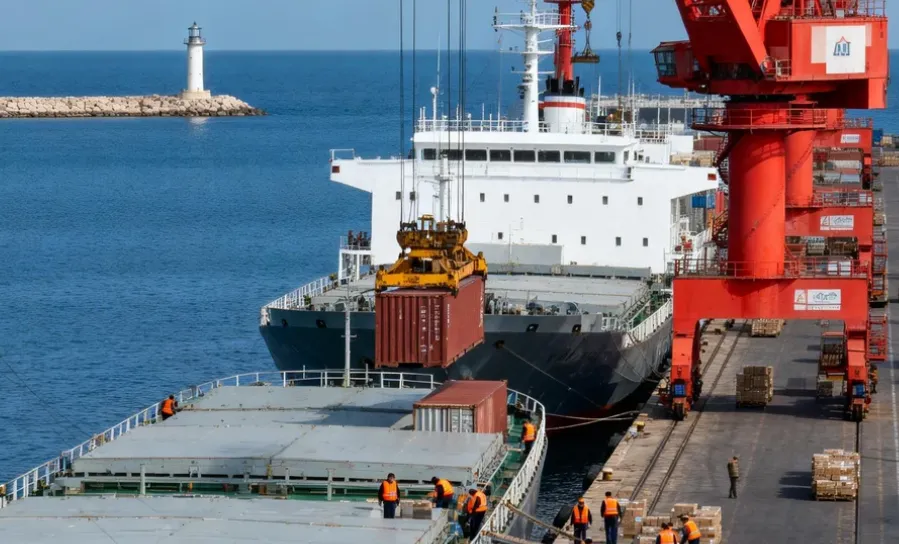
Sea shipping remains the backbone of international trade between China and France, two of the world’s largest trading partners. Each year, vast volumes of manufactured goods, raw materials, and consumer products are transported via major sea routes connecting China’s leading export ports—such as Shanghai, Shenzhen, and Ningbo—with France’s principal import hubs, including Le Havre, Marseille-Fos, and Dunkirk.
In today’s globalized marketplace, businesses of all sizes—from multinational importers to cross-border e-commerce sellers—rely on ocean freight for its cost-efficiency, scalability, and flexibility. The typical transit time for sea freight from China to France ranges from 25 to 40 days, depending on the service, route, and carrier schedules. Table 1 below summarizes transit times and typical main routes:
| Origin Port (China) | Destination Port (France) | Average Transit Time (Days) | Main Route |
|---|---|---|---|
| Shanghai | Le Havre | 30-35 | South China Sea - Suez Canal - Med - Le Havre |
| Shenzhen (Yantian) | Marseille-Fos | 25-32 | South China Sea - Suez Canal - Med - Marseille |
| Ningbo | Dunkirk | 32-40 | East China Sea - Suez Canal - Med - Dunkirk |
With recent global events such as the stabilization of shipping lanes in 2026 and fluctuating fuel surcharges, market conditions for sea freight can change rapidly. For a deeper dive into how shipping routes and costs are evolving, see Red Sea Shipping Returns Under Tight Security.
Working with a reliable partner like DTFU International Logistics Co.,Ltd ensures seamless cargo management and real-time updates on market trends, regulatory changes, and cost optimization strategies.
Main Components of Sea Shipping Costs
Understanding the breakdown of sea shipping costs from China to France is essential for effective budgeting, cost control, and contract negotiation. Below are the main components you should consider:
Freight Charges: FCL vs LCL Shipping Rates
The core of ocean shipping costs hinges on whether you opt for Full Container Load (FCL) or Less than Container Load (LCL) services:
-
FCL (Full Container Load): You book an entire container (e.g., 20FT, 40FT, 40HQ, 45HQ) for your goods. FCL is generally more cost-effective for shipments approaching full container volume, offering better security, faster transit, and lower per-unit costs. Typical container capacities:
- 20FT: 28 CBM
- 40FT: 56 CBM
- 40HQ: 68 CBM
- 45HQ: 78 CBM
-
LCL (Less than Container Load): Your cargo shares container space with other shipments. LCL is ideal for small volumes (usually below 15 CBM), though the per-cubic-meter rate is higher due to extra handling and consolidation costs.
Comparison Table: FCL vs LCL Costs (Estimated as of 2026)
| Container Type | Typical Route | FCL Rate (USD) | LCL Rate (USD/CBM) | Suitability |
|---|---|---|---|---|
| 20FT | Shanghai-Le Havre | $1,200-$1,800 | $60-$90 | 18-28 CBM |
| 40HQ | Ningbo-Marseille | $2,100-$2,800 | $55-$85 | 55-68 CBM |
| LCL | Shenzhen-Dunkirk | N/A | $70-$100 | < 15 CBM |
Note: Rates fluctuate due to seasonality, carrier policies, and current events. For comparison, you may also want to explore 20ft & 40ft Container Cost from China to France for updated 2026 pricing benchmarks.
Port Charges, Terminal Fees, and Local Charges in China & France
Port fees and local charges are a significant part of total shipping costs, and can vary by port and cargo type. These typically include:
- Terminal Handling Charges (THC): Fees for loading/unloading containers at both origin (China) and destination (France) ports.
- Port Security Fees: Charges imposed by port authorities for security screening and infrastructure.
- Documentation Fees: For processing shipping instructions, bills of lading, and port paperwork.
- Delivery Order Fees (DO): Required for cargo release at the destination.
- Demurrage and Detention: Penalties for exceeding free storage or container use period at ports.
Table 2: Typical Port and Local Charges (per container)
| Charge Type | China (USD) | France (USD) |
|---|---|---|
| THC (20FT/40FT) | $50/$90 | $100/$150 |
| Documentation Fees | $25-$40 | $35-$50 |
| Port Security | $8-$12 | $15-$25 |
| DO Fee | N/A | $50-$75 |
Exact fees depend on port, carrier, and service provider.
Customs Clearance Fees and Import Duties
Every shipment entering France must clear customs. The major costs here are:
- Customs Declaration/Entry Filing: Charged by your customs broker or freight forwarder, usually $80-$150 per shipment.
- Import Duties: Rates depend on product classification (HS Code). For most goods from China to France (EU), duties range from 0% (for many industrial goods) to around 4.5% (average for textiles, electronics, etc.).
- Value Added Tax (VAT): France applies a standard VAT of 20% on the CIF (Cost, Insurance, and Freight) value, plus duty.
- Compliance Fees: If products require special certification or inspection (e.g., CE marking, sanitary inspection), extra charges apply.
Example: A shipment of electronics valued at $10,000 CIF, taxed at 3% duty, totals:
- Duty: $10,000 x 3% = $300
- VAT: ($10,000 + $300) x 20% = $2,060
For the latest regulatory updates, including the recent French tariff adjustments on Chinese imports, refer to France Floats 30% Tariff on Chinese Imports: What It Means for China–EU Trade and Global Logistics.
Additional Charges: Insurance, Documentation, and Surcharges
- Cargo Insurance: Highly recommended (and sometimes required by buyers). Typical rates are 0.12%–0.25% of cargo value, depending on coverage and commodity. To learn how much insurance may add to your shipment, see Shipping container insurance cost for shipments from China.
- Bill of Lading Fee: Issued by the shipping line; usually $40–$60 per document.
- Surcharges: Can include Bunker Adjustment Factor (BAF), Peak Season Surcharge (PSS), War Risk Surcharge, and Emergency Risk Surcharge. These fluctuate based on global events. For instance, disruptions in the Red Sea have recently increased war risk and re-routing surcharges.
Summary Table: Miscellaneous Charges
| Charge Type | Expected Cost (USD) |
|---|---|
| Cargo Insurance | $12–$25 per $10,000 cargo value |
| BL Fee | $40–$60 |
| BAF/PSS/War Surcharge | $50–$300 per container (variable) |
Expert Tip: Partnering with an experienced freight forwarder such as DTFU International Logistics Co.,Ltd ensures all cost components are transparent, optimized, and fully compliant with the latest regulations in both China and France. Our end-to-end solutions cover sea freight, customs clearance, cargo insurance, warehousing, and door-to-door delivery, minimizing surprises and maximizing efficiency for your international trade operations.
How to Calculate Your Shipping Cost from China to France
Accurately calculating your sea shipping cost from China to France is essential for supply chain planning and cost control. The process involves understanding all components of the shipping price and evaluating them based on your cargo’s specifics.
Step-by-Step Cost Calculation Example
Let’s walk through a real-world example to illustrate how to calculate sea freight costs. Assume you want to ship 1x 40HQ container (68 CBM, typical for larger loads) from Shanghai Port (China) to Le Havre Port (France).
Example Calculation Breakdown
| Cost Component | Typical Charges (USD) | Notes |
|---|---|---|
| Basic Ocean Freight (40HQ) | $1,200 – $1,800 | Varies by shipping line and market trend |
| Origin Charges (Shanghai) | $250 – $450 | THC, documentation, export customs, local charges |
| Destination Charges (Le Havre) | $300 – $500 | THC, import handling, delivery order |
| Insurance (optional) | $40 – $80 | 0.1% – 0.3% of cargo value, for full risk coverage |
| Customs Clearance Fees | $80 – $150 | Paid at destination; depends on shipment complexity |
| Import Duties & VAT | Varies | Based on HS code and declared value |
| Delivery to Door (France) | $250 – $600 | Optional, based on distance from port |
| Surcharges (e.g. BAF, CAF) | $80 – $200 | Bunker Adjustment, Currency Adjustment, etc. |
| Total Estimated Cost | $2,200 – $3,780+ | Excluding duties, VAT, and optional services |
Note: Rates fluctuate due to market conditions, fuel costs, and seasonality. Always request an updated quote from your freight forwarder.
Cost Calculation Steps
- Define Your Cargo Details: Volume, weight, commodity type, and value.
- Choose Shipping Mode: FCL (Full Container Load) or LCL (Less than Container Load).
- Select Ports: For example, Shanghai (China) to Le Havre (France).
- Request Quotes: Obtain itemized quotes from reputable freight forwarders like DTFU International Logistics Co.,Ltd.
- Add Customs, Insurance, and Delivery Fees: Don’t overlook local delivery, customs brokerage, and insurance.
- Estimate Import Duties & Taxes: Use your product’s HS code to check French import duty rates.
- Sum All Costs: Combine all components for a realistic total shipping estimate.
Common Mistakes to Avoid When Estimating Sea Freight Costs
- Ignoring Local Charges: Many shippers focus only on ocean freight and forget mandatory port and terminal fees at both origin and destination.
- Not Factoring in Seasonal Surcharges: Peak season (August-October, before Christmas) often brings higher rates and longer transit times.
- Misdeclaring Cargo: Incorrect volume or weight can result in costly re-measurement or penalties.
- Overlooking Import Taxes and VAT: Duties and taxes in France can significantly impact landed cost.
- Not Including Insurance: Cargo insurance is critical for mitigating risk during long sea voyages.
- Underestimating Delivery Costs: Last-mile delivery in France may be expensive depending on location.
- Choosing the Wrong Shipping Mode: For small shipments, LCL might be more cost-effective than FCL, but only if the cargo is well consolidated.
- Not Reviewing Terms: Ensure clarity on Incoterms (EXW, FOB, CIF, DDP, etc.) so you know what is and isn't included.
Factors Affecting Sea Freight Rates Between China and France
Sea freight rates fluctuate due to multiple dynamic factors. Understanding these will help you make informed decisions and optimize your shipping budget.
Impact of Container Type and Shipping Volume
- Full Container Load (FCL) vs. Less than Container Load (LCL): FCL is best for larger shipments (close to full container capacity: 20FT = 28 CBM, 40FT = 56 CBM, 40HQ = 68 CBM, 45HQ = 78 CBM). LCL is suitable for small, consolidated shipments, but charges are based on volume (CBM) and may include minimum fees.
- Container Type: Special cargo, such as OOG (Out of Gauge) and Reefer containers, incur higher costs due to handling complexity.
- Cargo Volume: Higher volume allows for negotiated rates. Small, irregular loads may face higher per-unit charges.
Seasonal and Market Demand Fluctuations
- Peak Season Surcharges (PSS): Rates spike before major holidays (e.g., Christmas, Chinese New Year), when demand surges.
- Blank Sailings: During off-peak or overcapacity periods, carriers may cancel sailings, impacting available space and rates.
- Global Events: Disruptions, port strikes, or shifts such as the stabilization of shipping lanes in 2026 can drastically alter capacity, transit times, and costs. For those interested in alternative Europe routes, see Sea Shipping Cost from China to UK.
- Market Indexes: Tracking the Shanghai Containerized Freight Index (SCFI) and Drewry World Container Index can provide real-time market insights.
Route Selection: Major Ports and Transit Times
Choosing the right ports and routes can affect rates and lead times.
Major Ports in China:
- Shanghai Port: Largest throughput; broad carrier choice, competitive rates.
- Shenzhen Port: Key for South China, tech and manufacturing exports.
- Ningbo Port, Qingdao Port, Guangzhou Port: Alternative options with different schedules and rates.
Major Ports in France:
- Le Havre Port: Major gateway for container traffic to/from Northern France and Paris.
- Marseille-Fos Port: Access point for Southern France and Mediterranean trade.
- Dunkirk Port: Suitable for Northern/EU-bound cargo.
| Example Port Pairs | Typical Transit Time | Notes |
|---|---|---|
| Shanghai – Le Havre | 28 – 35 days | Direct, high frequency |
| Shenzhen – Marseille-Fos | 30 – 38 days | Occasional transshipment |
| Ningbo – Dunkirk | 33 – 40 days | May require feeder service |
- Direct vs. Transshipment: Direct services are faster but sometimes costlier. Transshipment may save cost but adds risk of delay.
- Proximity to Consignee: Door-to-door delivery cost depends on distance from port to final address.
Effects of Fuel Surcharges and Global Shipping Trends
- Bunker Adjustment Factor (BAF): Fuel price volatility directly impacts freight rates.
- Environmental Regulations: IMO 2020 sulfur cap and EU Emissions Trading System (ETS) add compliance fees; expect surcharges as green regulations tighten.
- Equipment Imbalance: Container shortages, repositioning demands, or surpluses can result in unexpected rate changes.
- Digitalization: Carriers and freight forwarders are using data-driven tools for real-time pricing and route optimization, creating both pricing efficiency and transparency.
Comparing Different Sea Shipping Options
Full Container Load (FCL) vs Less than Container Load (LCL)
When shipping goods by sea from China to France, selecting between Full Container Load (FCL) and Less than Container Load (LCL) is a critical decision that impacts both your cost and delivery timeline.
FCL (Full Container Load):
-
Definition: An entire container is booked for your cargo. Common container sizes include 20FT (28CBM), 40FT (56CBM), 40HQ (68CBM), and 45HQ (78CBM).
-
Best For: Large shipments that can fill (or nearly fill) a container.
-
Advantages:
- More cost-effective per CBM for bulk cargo.
- Reduced handling and lower risk of damage or loss.
- Faster transit and simplified customs clearance.
-
Disadvantages:
- Higher upfront cost if not fully utilized.
- Not suitable for small or irregular shipments.
LCL (Less than Container Load):
-
Definition: Your cargo is consolidated with shipments from other companies in one container.
-
Best For: Smaller shipments, typically less than 15 CBM.
-
Advantages:
- Flexible for small volumes.
- Pay only for the space you use.
- Ideal for startups or SMEs with variable shipment sizes.
-
Disadvantages:
- More handling (higher risk of damage or delays).
- Longer transit times due to consolidation/deconsolidation.
| Feature | FCL | LCL |
|---|---|---|
| Suitability | >15-20 CBM, large shipments | <15 CBM, small shipments |
| Cost Structure | Per container | Per CBM/weight |
| Transit Time | Faster | Slightly longer (consolidation time) |
| Risk of Damage | Lower | Slightly higher |
| Flexibility | Lower | High |
| Customs Process | Simpler | More complex |
Tip: If your shipment is close to a full container, FCL is generally more economical. For volumes far below a container, LCL is better.
At DTFU International Logistics Co.,Ltd, we provide both FCL and LCL services, leveraging our extensive network in both China and France to ensure your cargo is handled efficiently and cost-effectively.
Door-to-Door, Port-to-Port, and Other Shipping Services
Selecting the right shipping service type is as important as choosing between FCL and LCL. Here’s an overview of the most common options:
Port-to-Port
- Definition: Transportation from the departure port in China (e.g., Shanghai, Shenzhen, Ningbo) to the arrival port in France (e.g., Le Havre, Marseille, Fos-sur-Mer).
- Responsibility: Shipper and consignee manage local transportation, customs, and delivery at origin/destination.
- Best For: Experienced importers/exporters with established logistics partners.
Door-to-Door
- Definition: Complete logistics solution from your supplier’s address in China to your address in France.
- Responsibility: The freight forwarder handles all transportation, customs clearance, and final delivery.
- Best For: SMEs, cross-border e-commerce sellers, or anyone who needs a hassle-free, all-in-one solution.
Other Services
- Port-to-Door / Door-to-Port: Hybrid services, where only one leg (origin or destination) is handled by the freight forwarder.
- Specialized Services: Amazon FBA, OOG Freight (Out of Gauge), Consolidated Freight, Breakbulk Freight, and Warehouse services.
| Service Type | Included Scope | Ideal For | DTFU Services |
|---|---|---|---|
| Port-to-Port | Shipping between ports only | Experienced logistics teams | ✔️ |
| Door-to-Door | Pickup, shipping, customs, final delivery | SMEs, e-commerce, first-time shippers | ✔️ |
| Door-to-Port/Port-to-Door | One leg handled by forwarder | Flexible logistics requirements | ✔️ |
| Amazon FBA | To Amazon warehouses in France | Amazon sellers | ✔️ |
| OOG/Breakbulk | Oversized, non-containerized cargo | Machinery, industrial shipments | ✔️ |
Working with a reputable provider like DTFU International Logistics Co.,Ltd ensures transparent communication, cost control, and a seamless experience regardless of service type.
How to Save on Sea Shipping From China to France
Practical Tips for Reducing Shipping Expenses
1. Optimize Packaging & Container Utilization
- Maximize your cargo’s volume to use the full container space—avoid shipping “half-empty” containers.
- Consolidate shipments to reach FCL rates if possible.
2. Choose the Right Shipping Mode
- Compare FCL and LCL based on shipment size—select the most cost-effective.
- Use slower but more economical ocean freight if delivery time is flexible.
3. Plan Around Peak Seasons
- Avoid peak shipping months (e.g., before Chinese New Year, Golden Week) when rates are higher and space is limited.
- Book early to lock in lower rates.
4. Bundle Shipments
- Combine orders from multiple suppliers to save on consolidation and handling fees.
5. Evaluate Port Options
- Shipping to major ports like Le Havre is usually cheaper due to high volume.
- Consider all-in costs, including inland transportation, when choosing the destination port.
Negotiating with Freight Forwarders for Best Rates
-
Request Detailed Quotations
- Ask for transparent breakdowns of all charges: freight, handling, documentation, customs, and surcharges.
-
Leverage Volume Discounts
- If you have regular shipments, negotiate contract rates or loyalty discounts.
-
Discuss Surcharges
- Clarify fuel surcharges, currency adjustment factors, and any market rate fluctuations.
-
Choose a Trusted Partner
- Select a forwarder with proven track record, global network, and responsive customer service.
DTFU International Logistics Co.,Ltd offers tailored solutions for both FCL and LCL, featuring preferential contract rates that often sit below the market average. With value-added services like cargo insurance, customs clearance, and door-to-door delivery, our expertise ensures your supply chain remains resilient and your profit margins are protected.
FAQs
1. What is the average sea shipping cost from China to France?
Costs vary by volume, container type, and service level. As of 2026, FCL rates (20FT container) range from $900–$1,500 from major Chinese ports to Le Havre, excluding local charges and surcharges. LCL rates typically start from $30–$50/CBM. For more information on shipping options to other key destinations in Europe, see Sea Shipping Cost from China to Germany.
2. How long does it take for sea freight from China to France?
Average transit times are 25–35 days, depending on the route, port selection, and consolidation needs.
3. Which are the main ports in China and France for sea freight?
China: Shanghai, Shenzhen, Ningbo, Qingdao France: Le Havre (main container port), Marseille, Fos-sur-Mer
4. What documents are needed for sea shipping?
Commercial invoice, packing list, bill of lading, export/import licenses, and (optionally) insurance certificate.
5. Can DTFU International Logistics Co.,Ltd handle door-to-door deliveries?
Yes. We offer comprehensive door-to-door solutions from any address in China to any location in France, including customs clearance, warehousing, insurance, and end delivery. To learn more, visit our Door to door shipping from China France service page.
6. Are there any hidden charges in sea freight?
In general sea freight, the most common "hidden" costs occur at the destination port (such as unexpected terminal handling fees, demurrage, or customs inspection fees), particularly for LCL shipments. To avoid these surprises, request a comprehensive door-to-door quote. By partnering with DTFU International Logistics Co.,Ltd, you benefit from a transparent pricing model and preferential contract rates, ensuring a clear cost structure that protects your profit margins without any hidden surcharges.