Are you considering shipping from Shanghai to France but unsure which route, method, or documentation is right for your business? Navigating the complexities of international freight, including sea, air, and rail freight, can be overwhelming. In this comprehensive guide, we’ll explore key trade routes, popular French ports, detailed shipping processes, cost breakdowns, and how to comply with French import regulations—ensuring your cargo arrives safely and efficiently.
Overview of Shipping from Shanghai to France
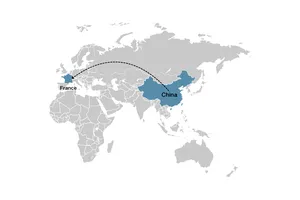
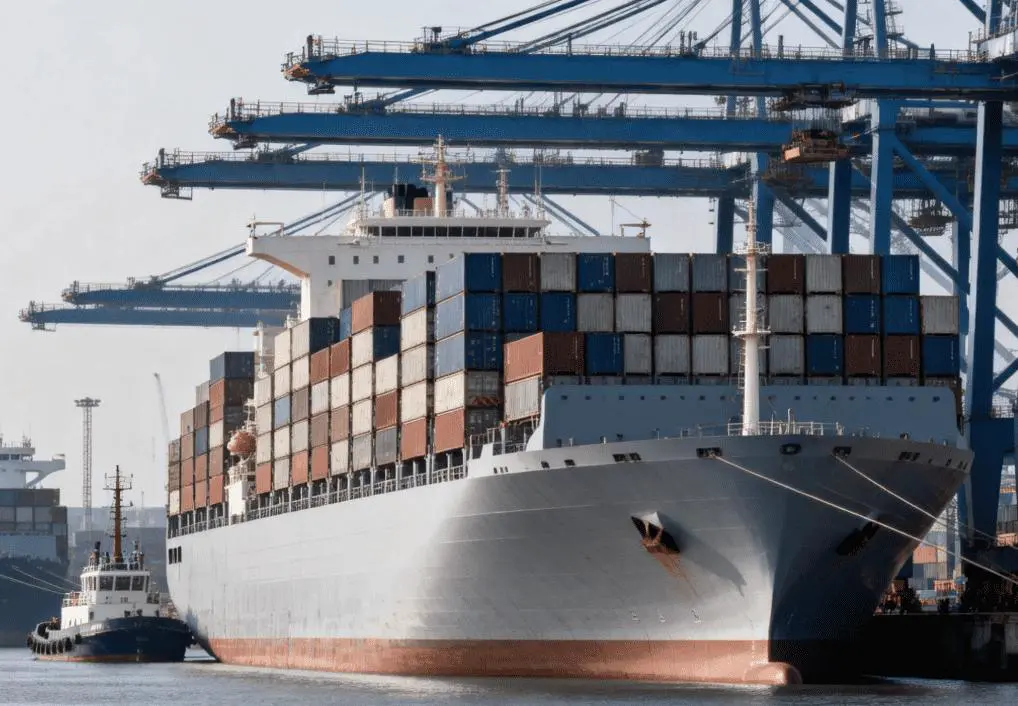
Shipping from Shanghai to France is a key component in the global supply chain between China and France, two major economic powers. Shanghai, as one of the world's largest export hubs, plays a vital role in the movement of goods to the European market, especially France, which ranks among China's top trading partners in the European Union. Businesses shipping from Shanghai to France benefit from well-established logistics infrastructure, diverse transportation options, and frequent sailings and flights.
The movement of goods is facilitated by a network of freight forwarding professionals, including DTFU International Logistics Co.,Ltd, which offers comprehensive services such as Sea Freight, Air Freight, Rail Freight, Amazon FBA, Warehouse Solutions, and Door to Door Delivery. This ensures that cargo owners—from large-scale importers to SMEs and individuals—can select the most suitable shipping mode based on their budget, transit time requirements, and cargo characteristics.
Key Trade Routes Between Shanghai and France
The major trade routes connecting Shanghai and France are heavily trafficked and highly optimized for efficiency. The primary routes include:
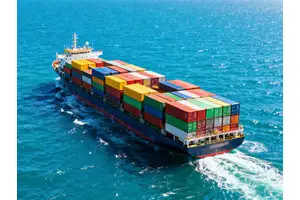
- Sea Freight Routes: Vessels depart from Shanghai Port and typically travel through the South China Sea, passing through the Suez Canal, before entering the Mediterranean Sea en route to major French ports such as Le Havre and Marseille-Fos. This route is chosen for its cost-effectiveness and capacity to handle large volumes of containerized cargo.
- Air Freight Routes: Direct and indirect flights operate from Shanghai Pudong International Airport to main French airports like Charles de Gaulle (CDG) in Paris and Lyon-Saint Exupéry Airport. Air freight is the preferred option for high-value, time-sensitive, or perishable goods.
- Rail Freight Routes: In recent years, China-Europe Railway Express services have connected Shanghai to France via Central Asia, Russia, and Eastern Europe. This multimodal route offers a balance between cost and transit time, especially for certain types of cargo.
Trade between China and France is robust, with top exports including electronics, textiles, machinery, automotive parts, and consumer goods. Efficient logistics routes ensure that supply chains remain resilient, even amid global disruptions or regulatory changes.
For a deeper dive into shipping times to other major European destinations, see this resource on shipping time from China to Italy.
Popular French Ports for Imports from Shanghai
When importing goods from Shanghai to France, the choice of destination port is critical for optimizing delivery speed and distribution. The most prominent ports include:
-
Port of Le Havre (Le Havre, France)
As France’s largest container port and a gateway to Paris and Northern France, Le Havre handles a significant volume of Chinese imports. The port offers excellent connectivity to inland transportation networks and is well-equipped for containerized and bulk cargo. -
Port of Marseille-Fos (Marseille, France)
Located in Southern France, Marseille-Fos serves as a strategic entry point for goods destined for the Mediterranean region and beyond. It is a preferred destination for shipments requiring fast access to Southern and Central Europe. -
Port of Dunkirk (Dunkerque, France)
While smaller than Le Havre and Marseille, Dunkirk is a growing hub for container and bulk cargo, offering competitive rates and efficient handling services. -
Port of Lyon (Lyon, France)
For rail and multimodal shipments, Lyon is an important inland port, providing seamless distribution to the French heartland and neighboring countries.
The selection of port depends on factors such as cargo type, final destination within France, transit time priorities, and cost considerations.
Shipping Methods: Sea Freight, Air Freight, and Rail Freight
Shipping from Shanghai to France can be accomplished through several methods, each offering distinct advantages:
- Sea Freight: The most economical choice for bulk and containerized goods. Suitable for cargo with flexible lead times.
- Air Freight: Fastest mode for urgent, high-value, or perishable goods, albeit at a higher cost.
- Rail Freight: Offers a compromise between speed and cost, with growing importance due to the expansion of the China-Europe Railway Express.
Selecting the optimal shipping method depends on your shipment’s urgency, size, value, and handling requirements.
Comparing Ocean Freight vs Air Freight vs Rail Freight
Below is a comparative overview of the three primary shipping modes from Shanghai to France:
| Shipping Method | Estimated Transit Time | Typical Cargo Types | Cost (USD/CBM)* | Advantages | Limitations |
|---|---|---|---|---|---|
| Sea Freight | 25-35 days | Bulk, FCL/LCL, machinery | $100–$200 | Cost-effective, large capacity | Slow transit, susceptible to delays |
| Air Freight | 3-7 days | Electronics, perishables | $800–$1,500 | Fastest, most reliable | High cost, limited cargo size |
| Rail Freight | 18-22 days | Electronics, automotive | $300–$500 | Faster than sea, less costly than air | Limited routes, capacity constraints |
*As of Q1 2024. Actual costs vary according to market rates, cargo specifics, and surcharges.
FCL (Full Container Load) and LCL (Less than Container Load) are available for sea freight, with standard container sizes: 20FT (28CBM), 40FT (56CBM), 40HQ (68CBM), and 45HQ (78CBM).
Cost and Transit Time for Each Shipping Mode
Below is a practical reference table summarizing cost and transit time for shipping a standard 20FT container or equivalent volume from Shanghai to key French destinations:
| Destination Port | Sea Freight Transit Time* | Sea Freight Cost Range* | Air Freight Transit Time* | Air Freight Cost Range* | Rail Freight Transit Time* | Rail Freight Cost Range* |
|---|---|---|---|---|---|---|
| Le Havre | 25-30 days | $1,500–$2,300 | 3-5 days | $8,000–$12,000 | 18-20 days | $4,000–$6,000 |
| Marseille-Fos | 27-35 days | $1,700–$2,500 | 3-6 days | $8,500–$12,500 | 20-22 days | $4,500–$6,500 |
| Dunkirk | 28-32 days | $1,600–$2,400 | 4-7 days | $8,000–$13,000 | 19-21 days | $4,200–$6,200 |
| Lyon (inland/rail) | N/A | N/A | 4-7 days | $8,500–$13,000 | 20-22 days | $4,800–$6,800 |
*Estimates as of Q1 2025. Costs and times subject to volatility in global shipping markets, fuel rates, and regulatory changes.
In summary:
When planning your shipping from Shanghai to France, it is crucial to weigh transit time, cost, and cargo type to select the optimal route and shipping method. Partnering with a reliable and experienced freight forwarder—such as DTFU International Logistics Co.,Ltd—ensures that you benefit from tailored solutions, up-to-date market intelligence, and seamless end-to-end logistics support.
For personalized shipping quotes, transit time analysis, or advice on compliance and documentation, contact DTFU International Logistics Co.,Ltd—your trusted partner in global freight forwarding.
If you're interested in how container shipping costs compare within Europe, you may also want to check out current 20ft & 40ft container cost from China to France.
Step-by-Step Guide to the Shipping Process
Shipping from Shanghai to France involves a series of essential steps to ensure your cargo arrives safely, efficiently, and in compliance with international regulations. Below, I detail each phase of the shipping process, providing actionable insights and best practices based on a decade of logistics experience.
Preparing Your Cargo for International Shipping
Proper cargo preparation is the foundation of a smooth shipping experience. Here are the key considerations:
-
Cargo Packing & Labeling:
- Use high-quality, export-grade packaging materials to protect goods during transit.
- Clearly label each package with the consignee’s address, handling instructions, and the nature of the goods (hazardous, fragile, etc.).
- For container shipments, select the right container size:
Container Type Capacity (CBM) Typical Usage 20FT 28 Small to medium-sized cargo loads 40FT 56 Standard for bulkier shipments 40HQ 68 High-volume, light-weight cargo 45HQ 78 Oversized or large quantity loads
-
Cargo Inspection:
- Ensure your goods comply with both Chinese export regulations and French import requirements.
- Conduct pre-shipment inspections for quality and quantity, especially for high-value or sensitive items.
-
Compliance with Export Controls:
- Some items may require export licenses or special permits from Chinese authorities.
- Verify that your cargo is not on France’s restricted or prohibited list.
Pro Tip: At DTFU International Logistics Co.,Ltd, our team assists clients with professional cargo packing, labeling, and compliance checks, minimizing risks and ensuring efficient customs clearance.
Essential Shipping Documents from Shanghai to France
Accurate documentation is vital for international shipping. Missing or incorrect documents can cause costly delays or penalties. Standard documents include:
| Document | Purpose | Issued By |
|---|---|---|
| Bill of Lading (B/L) | A contract and receipt for the cargo; required for cargo pick-up and customs clearance | Shipping Line or Forwarder |
| Commercial Invoice | Provides cargo value and trade terms for customs valuation | Exporter |
| Packing List | Details on packing, weight, dimensions, and itemized contents | Exporter |
| Certificate of Origin | States the country of origin to determine applicable tariffs or trade agreements | Chamber of Commerce |
| Export/Import Licenses | Permits required for restricted or regulated goods | Government Authorities |
| Insurance Certificate | Proof of cargo insurance coverage (strongly recommended) | Insurance Provider |
| Customs Declaration | Official declaration of goods to Chinese and French customs | Exporter/Importer |
Note: Special cargo (e.g., chemicals, electronics) may require additional documents, such as MSDS or CE certificates.
Customs Clearance Procedures at French Ports
The customs clearance process in France ensures that all imports comply with European Union (EU) and national regulations. Here’s what to expect:
-
Arrival of Cargo:
- Ship arrives at a major French port (e.g., Le Havre, Marseille-Fos, Dunkirk).
- Documents are submitted to French Customs (Douane Française).
-
Document Validation:
- Customs officers verify the Bill of Lading, Commercial Invoice, and other documents.
- The Single Administrative Document (SAD) is used for declaration.
-
Duties and Taxes Assessment:
- Customs calculates applicable import duties, VAT, and other charges based on the declared value and tariff codes.
- Payment must be made before cargo release.
-
Physical Inspection (if required):
- French authorities may inspect shipments for compliance, security, or health/safety concerns.
- Non-compliant or misdeclared goods risk penalties, confiscation, or return.
-
Release of Goods:
- Once cleared, cargo is released to the consignee or their appointed freight forwarder.
- Efficient clearance can be achieved by working with experienced logistics partners such as DTFU International Logistics Co.,Ltd, who handle all documentation and liaison with customs on your behalf.
Freight Shipping Costs from Shanghai to France
Understanding the cost structure for shipping from Shanghai to France is critical for budgeting and supply chain planning. International freight costs can vary widely depending on several factors.
Related: For additional guidance on total costs and factors at play, see this analysis of shipping cost from China to France.
Factors Influencing Freight Rates
The following elements significantly impact the total shipping cost:
| Factor | Impact on Cost |
|---|---|
| Shipping Method | Sea freight is typically cheaper but slower than air freight |
| Cargo Volume & Weight | Higher volume/weight often means lower unit cost (economies of scale) |
| Container Size/Type | Larger or special containers (e.g., OOG) incur higher charges |
| Route and Port Charges | Fees can differ based on origin/destination ports and routing |
| Seasonality | Rates increase during peak seasons (e.g., Q4, Chinese New Year) |
| Fuel Surcharges | Fluctuate with global oil prices |
| Customs Duties & Taxes | Vary based on product classification and trade agreements |
| Value-added Services | Insurance, warehousing, door-to-door delivery add to total cost |
Hidden Fees and How to Avoid Them
Many shippers are surprised by charges not included in the initial freight quote. Common hidden fees include:
- Port Handling Charges at both origin and destination
- Documentation Fees for processing shipping paperwork
- Demurrage and Detention for delays in container pick-up or return
- Customs Inspection Fees if cargo is selected for additional checks
- Delivery Order Fees for final cargo release
How to Avoid Hidden Fees:
- Request a detailed, all-inclusive quote from your freight forwarder
- Clarify which charges are not included upfront
- Work with transparent and reputable partners like DTFU International Logistics Co.,Ltd, who provide comprehensive breakdowns and guidance
Tips to Save on International Shipping Costs
Here are proven strategies to minimize your logistics expenses without compromising service quality:
-
Optimize Cargo Load:
- Consolidate shipments to fill containers (FCL) or use groupage (LCL) for small loads.
- Choose the right container size to avoid paying for unused space.
-
Plan Ahead:
- Book early to secure lower rates, especially during peak periods.
- Avoid last-minute air shipments unless absolutely necessary.
-
Negotiate Rates:
- Leverage volume commitments or long-term contracts for better pricing.
-
Bundle Services:
- Use a one-stop logistics provider like DTFU International Logistics Co.,Ltd for end-to-end solutions, reducing coordination costs and improving efficiency.
-
Stay Updated on Regulations:
- Changes in customs policies or trade agreements can affect duty rates or shipping methods.
-
Utilize Technology:
- Track shipments in real-time and use digital documentation to reduce administrative delays and errors.
Sample Cost Comparison Table:
| Mode | Avg. Transit Time | Cost (USD/20ft) | Cost (USD/40ft) | Suitable For |
|---|---|---|---|---|
| Sea Freight | 25-35 days | $2,000 - $2,800 | $3,200 - $4,500 | Bulk goods, non-urgent shipments |
| Rail Freight | 18-22 days | $3,200 - $4,000 | $5,200 - $6,000 | Faster than sea, for high-value goods, limited by schedule/frequency |
| Air Freight | 3-7 days | $6,000+ per ton | N/A | Urgent, small, high-value shipments |
Note: Actual rates can fluctuate due to market changes, fuel costs, and capacity constraints. Always check for up-to-date quotes.
How to Choose the Right Freight Forwarder
Checklist for Selecting a Reliable Freight Forwarding Partner
Selecting the right freight forwarder is crucial for smooth and cost-effective shipping from Shanghai to France. A reliable logistics partner can help you navigate complex regulations, reduce risks, and ensure timely delivery. Below is a professional checklist to help you evaluate potential partners:
-
Experience & Track Record
- Does the forwarder have extensive experience with shipments from China to France?
- Can they provide verified case studies or references in your industry?
-
Professional Certifications
- Are they members of recognized industry organizations (e.g., FIATA, WCA, IATA)?
- Do they hold necessary licenses for international freight forwarding?
-
Global Network & Local Expertise
- Do they have a strong agent network in both Shanghai and key French ports (like Le Havre, Marseille Fos, Dunkirk)?
- Can they offer local customs support and last-mile delivery in France?
-
Range of Services
- Do they provide comprehensive solutions such as Sea Freight, Air Freight, Rail Freight, Warehousing, Amazon FBA, and Cargo Insurance?
- Can they handle specialized cargo types (e.g., OOG Freight, Breakbulk Freight, Consolidated Freight)?
-
Transparency in Pricing
- Is their quotation system clear, with all fees (including hidden charges) outlined in advance?
- Are they able to offer cost-effective solutions tailored to your cargo and timelines?
-
Customer Support & Communication
- Do they provide dedicated account managers and responsive customer support?
- Is tracking available for your shipments throughout the entire transit process?
-
Technology & Documentation
- Can they offer digital solutions for tracking, documentation, and order management?
- Is there a streamlined process for handling shipping documents and real-time updates?
-
Risk Management & Insurance
- Can they provide comprehensive cargo insurance and advise on risk mitigation strategies?
- Are they proactive in handling unexpected disruptions, such as port congestion or customs delays?
DTFU International Logistics Co., Ltd meets all the criteria listed above. As a highly professional, cost-effective, and high-quality one-stop international logistics service provider, DTFU specializes in shipments from Shanghai to France and offers tailored solutions for global traders.
Compliance, Regulations, and Import Restrictions
French Customs Regulations for Goods Imported from China
Complying with French customs regulations is essential for hassle-free clearance of goods imported from China. As a member of the European Union (EU), France follows common EU customs policies with some country-specific variations. Here’s a summary of key requirements:
| Regulation Area | Key Points |
|---|---|
| Customs Declarations | All imports require an Entry Summary Declaration (ENS) and a complete Single Administrative Document (SAD). |
| Tariffs & Duties | Import duties follow the EU Common External Tariff. Rates vary by product HS code; check the latest TARIC database. |
| VAT (Value Added Tax) | Standard French VAT rate is 20% (as of 2024). VAT is applied based on CIF value at entry. |
| EORI Number | Importers must have a valid Economic Operator Registration and Identification (EORI) number. |
| Documentation | Typical documents: Commercial Invoice, Packing List, Bill of Lading/Air Waybill, Certificate of Origin, and any required certificates (e.g., CE marking, sanitary/phytosanitary certificates). |
| Import Licensing | Certain items require specific import licenses or permits. |
| Customs Value | Duties are calculated on the CIF value (Cost + Insurance + Freight). |
| Security & Safety | Goods may be subject to EU safety, health, and environmental standards. |
For seamless customs clearance, partnering with an experienced provider like DTFU International Logistics Co., Ltd can ensure your shipment meets all regulatory standards, minimizing delays and compliance risks.
Related reading: If you are considering alternative delivery solutions, see this overview on door to door shipping from China France.
Commonly Restricted or Prohibited Items
When shipping from Shanghai to France, certain goods are restricted or prohibited by French and EU regulations. Importers must be aware of these categories to avoid penalties or confiscation:
Prohibited Items:
- Counterfeit goods
- Drugs and ********s
- Weapons and ammunition
- Certain cultural artifacts and antiques
- Endangered species and products made from them (per CITES regulations)
- Hazardous wastes
Restricted Items (Require Special Permits or Compliance):
- Pharmaceuticals and medical equipment (require compliance with EU safety standards)
- Food products and beverages (require health certificates, may be subject to quotas)
- Chemicals and industrial raw materials (subject to REACH regulations)
- Electronics and telecommunications equipment (must comply with CE marking and other EU directives)
- Textiles and apparel (may be subject to quotas and labeling requirements)
- Batteries and lithium cells (classified as dangerous goods for air/rail freight)
Tip: Always verify the latest list of restricted/prohibited items with French Customs (Douane française) or consult with your freight forwarder before shipping.
DTFU International Logistics Co., Ltd provides expert compliance consultation and can facilitate obtaining necessary permits or handling special cargo.
Selecting the right freight forwarder, such as DTFU International Logistics Co., Ltd, and following all French customs regulations will ensure a successful and compliant shipping experience from Shanghai to France. For the latest updates or personalized consultation, feel free to contact our team.