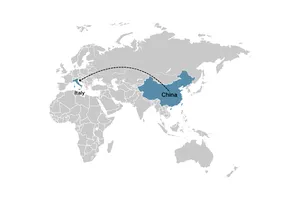
Are you wondering how long it takes for your goods to travel from China to Italy? Understanding the shipping time from China to Italy is crucial for planning your supply chain and meeting customer expectations. In this comprehensive guide, we’ll explore various shipping methods, key routes, and essential factors that affect delivery speed, helping you make informed decisions for smoother international shipments.
Shipping methods from China to Italy
When importing goods from China to Italy, it is crucial to select the optimal shipping method based on your cargo type, budget, and required delivery time. The main shipping methods include sea freight, air freight, rail freight, and door-to-door delivery. Each method has its distinct benefits, timelines, and cost structures. As a Senior Logistics Analyst at DTFU International Logistics Co.,Ltd, I have helped numerous businesses optimize their international shipments by selecting the most suitable transport mode.
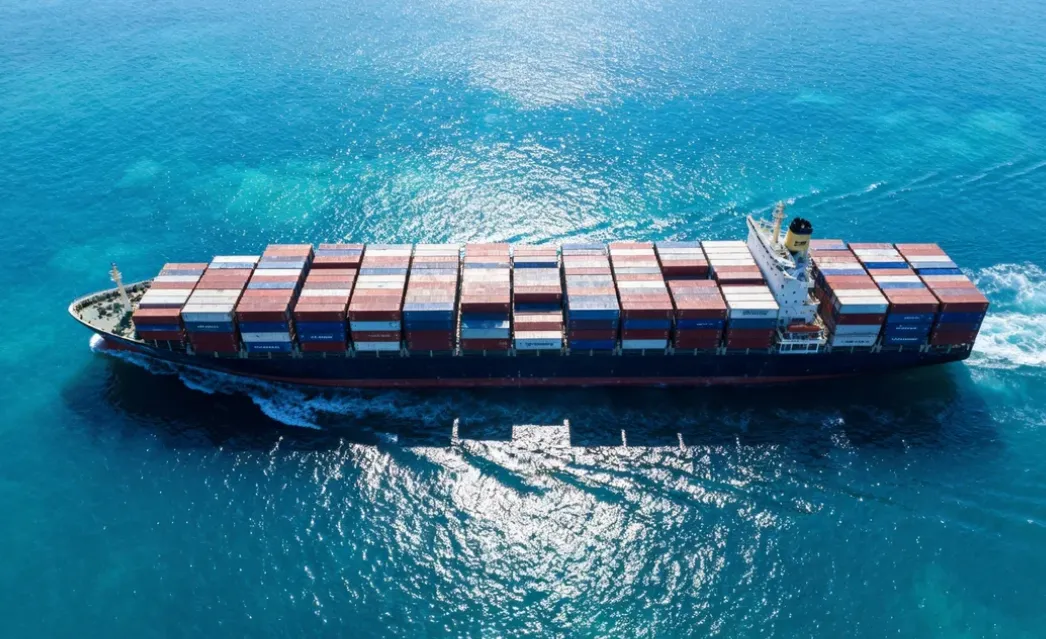
Sea freight from China to Italy
Sea freight is the most popular and cost-effective method for transporting large volumes of goods between China and Italy. It is ideal for both FCL (Full Container Load) and LCL (Less than Container Load) shipments. The most common container sizes are 20FT (28CBM), 40FT (56CBM), 40HQ (68CBM), and 45HQ (78CBM), making it suitable for a wide range of cargo.
Main advantages of sea freight:
- Cost-effectiveness: Lower shipping cost per unit, suitable for bulk shipments.
- Flexibility: Able to handle oversized or heavy cargo, project logistics, or consolidated shipments.
- Stable schedules: Regular vessel departures from major Chinese ports.
However, it has longer transit times compared to air or rail freight. On average, sea freight shipments from China to Italy take around 25–40 days, depending on the route and port congestion.
For more insight on regional shipping, see Sea shipping From China to Italy.
Air freight from China to Italy
Air freight is the fastest shipping method. It is preferred for high-value, urgent, or time-sensitive goods such as electronics, fashion items, or medical equipment.
Main advantages of air freight:
- Speed: Transit time is typically 2–7 days door-to-door.
- Reliability: Frequent flight departures ensure consistent and predictable delivery.
- Security: Lower risk of damage or theft due to minimal handling.
However, air freight costs are significantly higher than sea or rail, especially for heavy or bulky items. Leading airports in China (such as Shanghai Pudong, Beijing Capital, and Guangzhou Baiyun) operate regular cargo flights to major Italian airports like Milan Malpensa and Rome Fiumicino.
You can also explore detailed options in Air shipping From China to Italy.
Rail freight from China to Italy
Rail freight is an emerging and increasingly popular option due to the development of the China-Europe Railway Express. This service connects major Chinese cities to European destinations, including Italy, offering a middle ground between sea and air freight in terms of speed and cost.
Main advantages of rail freight:
- Balanced transit time: Typically 15–22 days, faster than sea, more economical than air.
- Eco-friendly: Lower carbon emissions compared to air and sea.
- Regular schedules: Weekly departures from key Chinese hubs.
Rail freight is suitable for electronics, automotive parts, machinery, and general merchandise. The main route terminates at Milan, Italy’s logistics hub.
Door-to-door delivery from China to Italy
Door-to-door delivery combines various modes—sea, air, or rail—with local trucking and customs clearance. This is a fully managed service, ideal for businesses and individuals wanting a seamless logistics experience.
Main features of door-to-door service:
- One-stop solution: The freight forwarder handles pickup, transport, customs, and final delivery.
- Simplified process: Less paperwork and coordination for shippers.
- Transparent costs: All-inclusive pricing eliminates hidden fees.
At DTFU International Logistics Co.,Ltd, we offer tailored door-to-door solutions using our extensive local agent network in both China and Italy, ensuring your cargo is delivered safely and efficiently. If you’re interested in this service, read more about Door to door shipping from China Italy.
Main shipping routes from China to Italy
The choice of shipping route impacts total transit time, cost, and efficiency. Below is an overview of the main shipping routes for each transport method.
Sea freight routes
Most sea shipments depart from major Chinese ports, such as Shanghai, Shenzhen, Ningbo, and Qingdao. The principal Italian ports of arrival are Genoa, La Spezia, and Venice. The primary maritime route traverses the South China Sea, passes through the Strait of Malacca, crosses the Suez Canal, and enters the Mediterranean Sea.
| Main Chinese Port | Main Italian Port | Estimated Transit Time (Days) | Typical Vessel Routing |
|---|---|---|---|
| Shanghai | Genoa | 28–33 | Suez Canal |
| Shenzhen | La Spezia | 30–35 | Suez Canal |
| Ningbo | Venice | 32–38 | Suez Canal |
| Qingdao | Genoa | 30–36 | Suez Canal |
Note: Transit times may vary due to port congestion, weather, and current global events such as the Red Sea crisis or labor strikes.
Air freight routes
Air cargo typically departs from major international airports in China and arrives at key Italian airports. Transit time is 2–7 days, including customs clearance.
| Main Chinese Airport | Main Italian Airport | Estimated Transit Time (Days) |
|---|---|---|
| Shanghai Pudong (PVG) | Milan Malpensa (MXP) | 2–5 |
| Beijing Capital (PEK) | Rome Fiumicino (FCO) | 3–7 |
| Guangzhou Baiyun (CAN) | Milan Malpensa (MXP) | 3–6 |
Rail freight routes
The China-Europe Railway Express operates block trains from multiple Chinese cities to Italy (mainly Milan). Cargo travels through Kazakhstan, Russia, Belarus, Poland, Germany, and Switzerland before entering Italy.
| Main Chinese City | Rail Destination in Italy | Estimated Transit Time (Days) | Route Highlights |
|---|---|---|---|
| Xi’an | Milan | 18–22 | Eurasian Land Bridge |
| Chongqing | Milan | 15–20 | Trans-Siberian Corridor |
| Chengdu | Milan | 17–21 | Northern Eurasia Route |
Rail freight is subject to changes in geopolitical policies and customs procedures at border crossings.
Professional Insight
Selecting the most suitable shipping method and route from China to Italy depends on your cargo’s nature, urgency, and budget requirements. At DTFU International Logistics Co.,Ltd, our team provides up-to-date advice and comprehensive one-stop logistics services, including customs clearance, warehousing, cargo insurance, and tailored door-to-door solutions. For further guidance and a customized quote, please contact our team.
Key Factors Affecting Shipping Time from China to Italy
When planning shipments from China to Italy, understanding the key variables that influence delivery times is essential. As a logistics analyst with over a decade of experience, I’ve seen these factors shape every shipment, impacting both schedule and cost.
1. Shipping Method
The most significant determinant of shipping time is the chosen transportation mode: sea freight, air freight, or rail freight. Each has unique timelines, cost structures, and suitability for different cargo types.
2. Origin and Destination Ports
Transit time varies depending on the selected ports in China (e.g., Shanghai, Shenzhen, Ningbo, Qingdao) and arrival ports in Italy (such as Genoa, Venice, Livorno). Larger, busier ports tend to have more frequent departures and faster customs procedures.
3. Customs Clearance
Delays in customs—either due to incomplete documents or increased inspections—can extend delivery times. Both Chinese export and Italian import regulations have their own compliance requirements.
4. Transshipment & Routing
Direct shipping routes are generally faster. However, if cargo is routed via intermediate hubs (e.g., via Singapore or Mediterranean hubs), additional handling and waiting times may be incurred.
5. Seasonal Demand and Holidays
Peak seasons, such as Chinese New Year, Golden Week, and Christmas period in Europe, see heightened congestion in ports and longer lead times due to high cargo volume.
6. Container Availability
Shortages of containers or equipment at origin ports, especially for specialized containers (like OOG or Reefer), can delay departures.
7. Weather Conditions
Extreme weather events—typhoons, heavy fog, or port strikes—can disrupt schedules and cause unexpected delays, particularly for sea freight.
8. Pandemic or Geopolitical Events
Recent years have highlighted the impact of global events, such as the COVID-19 pandemic, Suez Canal blockage, or conflict-induced rerouting, which can significantly extend shipping times.
9. Type of Goods
Hazardous or oversized cargo may require special handling, more permits, or different routing, all of which can affect total transit time.
10. Freight Forwarder’s Expertise
A professional international logistics partner, such as DTFU International Logistics Co.,Ltd, can help optimize shipping schedules and reduce delays by navigating regulatory hurdles, managing documentation, and selecting the most efficient routes.
If you're interested in how these transit factors compare with other European countries, consider reviewing How long does shipping from China to Germany take.
How long does it take to ship from China to Italy
Shipping time from China to Italy can vary widely based on the chosen transportation mode and specific circumstances. Here’s an in-depth look at the expected transit times for each method, based on the latest industry data and my professional analysis.
Sea Freight Shipping Time from China to Italy
Sea freight is the most commonly used mode for bulk and non-urgent shipments due to its cost-effectiveness. Transit time depends on the route, vessel schedule, and port congestion.
| Origin Port (China) | Destination Port (Italy) | Estimated Transit Time (Days) | Notes |
|---|---|---|---|
| Shanghai | Genoa | 28–35 | Direct or via Mediterranean hubs |
| Shenzhen | Venice | 30–38 | May involve transshipment |
| Ningbo | Livorno | 29–36 | |
| Qingdao | Trieste | 32–40 | Less frequent direct services |
- LCL (Less than Container Load) shipments may take slightly longer due to consolidation and deconsolidation processes.
- Delays may occur during peak seasons or due to customs inspection.
Container reference:
- A standard 20FT container has a capacity of 28CBM.
- A standard 40FT container: 56CBM.
- 40HQ: 68CBM; 45HQ: 78CBM.
Air Freight Shipping Time from China to Italy
Air freight is the fastest shipping mode, suitable for urgent, high-value, or perishable goods.
| Origin Airport (China) | Destination Airport (Italy) | Estimated Transit Time (Days) | Notes |
|---|---|---|---|
| Shanghai (PVG) | Milan (MXP) | 2–5 | Direct and indirect |
| Guangzhou (CAN) | Rome (FCO) | 2–6 | May include stopovers |
| Beijing (PEK) | Bologna (BLQ) | 3–7 | Less frequent direct |
- Additional time may be required for customs clearance, handling, and local delivery.
- Air freight is subject to cargo space availability and airline schedules, which can fluctuate during global events or peak seasons.
Rail Freight Shipping Time from China to Italy
Rail freight has grown in popularity as a middle-ground option, balancing speed and cost, especially since the launch of the Belt and Road Initiative.
| Origin Terminal (China) | Destination Terminal (Italy) | Estimated Transit Time (Days) | Notes |
|---|---|---|---|
| Chongqing | Milan | 18–22 | Via Central Asia & Eastern Europe |
| Wuhan | Verona | 20–24 | Block trains, fixed schedule |
| Xi’an | Padua | 18–23 |
- Rail freight can be affected by customs at multiple borders, especially for block trains crossing several countries.
- Generally faster than sea freight but more expensive, less costly than air.
Summary Table: Typical Shipping Times from China to Italy
| Shipping Method | Estimated Transit Time | Ideal For | Key Considerations |
|---|---|---|---|
| Sea Freight | 28–40 days | Bulk, non-urgent, cost-sensitive cargo | Possible port delays |
| Air Freight | 2–7 days | Urgent, high-value, perishable goods | Higher costs, customs time |
| Rail Freight | 18–24 days | Balanced speed/cost, heavy cargo | Multinational border checks |
Note: The above times do not include local pickup, last-mile delivery, or potential customs inspection delays.
Whether you are a manufacturer, e-commerce seller, or supply chain manager, understanding these timelines—and the factors that affect them—will help you plan your shipments from China to Italy efficiently and cost-effectively.
Step-by-step process of shipping from China
Shipping goods from China to Italy involves multiple stages. Understanding each step is crucial for importers, e-commerce sellers, and supply chain managers to ensure a smooth and predictable delivery. As a Senior Logistics Analyst at DTFU International Logistics Co.,Ltd, I will guide you through the standard process with professional insights, based on the latest logistics best practices and up-to-date international shipping policies.
1. Prepare Shipping Documentation and Cargo
- Commercial Invoice: Lists items, quantity, and value for customs clearance.
- Packing List: Details weights, dimensions, and packaging for all cargo.
- Bill of Lading (B/L) or Air Waybill (AWB): Essential transport contract between shipper and carrier.
- Export License/Permits (if applicable): Certain goods may require specific export approval.
- Certificate of Origin: Required for customs in some product categories.
2. Choose the Shipping Method
You can select from Sea Freight, Air Freight, Rail Freight, or Door to Door solutions, depending on your budget, transit time requirements, and cargo characteristics. DTFU International Logistics Co.,Ltd offers all these shipping methods with tailored solutions. For additional reading on sea freight and related costs in the region, see Shipping Cost from China to Italy.
3. Cargo Pick-up and Inland Transportation
Your goods are collected from the supplier’s factory or warehouse in China. DTFU provides pick-up and domestic trucking services from major cities like Shenzhen, Shanghai, Guangzhou, and Ningbo to departure ports or airports.
4. Export Customs Clearance in China
Your freight forwarder ensures all paperwork is in order and submits the necessary documents to Chinese Customs for export clearance. DTFU’s customs experts help prevent delays by proactively managing compliance.
5. International Shipping
- Sea Freight: Cargo is loaded onto a container vessel bound for major Italian ports like Genoa or La Spezia.
- Air Freight: Goods are shipped from key airports (e.g., Shanghai Pudong International Airport) to major Italian airports (e.g., Milan Malpensa).
- Rail Freight: For certain routes, rail may connect through Europe to northern Italy.
6. Import Customs Clearance in Italy
Upon arrival, your cargo undergoes customs inspection by Italian Customs. Accurate documentation ensures swift clearance. DTFU provides local brokerage support and can handle all required import duties and VAT payments on your behalf.
7. Final Delivery to Consignee
Goods are transported from the port or airport to the recipient’s warehouse or address in Italy. With door-to-door or last-mile delivery services, DTFU ensures efficient and secure handover.
Shipping Process Summary Table
| Step | Responsible Party | Key Document/Action | Typical Duration* |
|---|---|---|---|
| Cargo & Document Preparation | Shipper/Exporter | Invoice, Packing List, Permits | 1-3 days |
| Inland Transportation (China) | Freight Forwarder | Delivery Order, Trucking | 1-2 days |
| Export Customs Clearance (China) | Customs Broker | Export Declaration | 1-2 days |
| International Transit | Carrier | B/L or AWB | See transit table |
| Import Customs Clearance (Italy) | Customs Broker | Entry Summary Declaration | 1-3 days |
| Final Delivery (Italy) | Freight Forwarder/Courier | Delivery Note | 1-3 days |
*Duration depends on cargo details, shipping method, and customs control.
Note: DTFU International Logistics Co.,Ltd provides one-stop service for each stage, including cargo insurance and real-time tracking.
How to get faster shipping from China?
Fast shipping from China to Italy is crucial for e-commerce businesses, urgent industrial supplies, and time-sensitive products. Here’s how you can reduce transit times and improve reliability:
1. Select the Fastest Shipping Method
| Shipping Method | Typical Transit Time* | Best Used For | Example Route |
|---|---|---|---|
| Air Freight | 2-5 days | High-value, urgent, perishable goods | Shanghai – Milan |
| Express Courier | 2-4 days | Small parcels, samples, e-commerce | Shenzhen – Rome |
| Rail Freight | 15-20 days | General cargo, cost-effective for speed | Xi’an – Milan |
| Sea Freight (FCL) | 20-28 days | Large shipments, less time-sensitive | Ningbo – Genoa |
| Sea Freight (LCL) | 25-35 days | Small shipments, cost-priority | Shenzhen – Venice |
*Times are estimates and may vary due to customs or seasonal demand.
2. Optimize Documentation and Compliance
- Prepare all documents in advance to avoid customs delays.
- Use professional freight forwarders like DTFU International Logistics Co.,Ltd, who are experienced in both Chinese and Italian customs processes.
3. Consolidate Shipments
For multiple suppliers, cargo consolidation can streamline customs and cut transfer times, especially with LCL shipments.
4. Choose Direct Shipping Routes
Direct services (non-transshipment) between major Chinese ports/airports and Italy reduce risks of delay due to transfer hub congestion.
5. Leverage Digital Tracking and Proactive Communication
Real-time tracking systems and a responsive logistics partner are essential. DTFU’s digital platform provides status updates and proactive exception management.
6. Schedule Shipments to Avoid Peak Seasons
Avoid shipping close to Chinese New Year, Golden Week, or European holidays, as congestion may cause backlogs.
7. Work with a Reliable Freight Forwarder
A professional partner like DTFU International Logistics Co.,Ltd offers:
- Priority booking on major carriers and airlines.
- One-stop service: customs clearance, cargo insurance, door-to-door delivery.
- Customized logistics plans based on your deadlines and product nature.
Fast Shipping: Decision-making Table
| Priority | Your Need | Recommended Action |
|---|---|---|
| Fastest possible | Urgent, small parcels | Air Express, Air Freight with DTFU Priority |
| Reliable & fast | Medium/large shipments, save cost | Rail Freight or Sea FCL with direct routing |
| Balanced | Moderate transit, cost-saving | LCL Consolidation, scheduled Sea Freight |
Should you need a customized logistics plan tailored to your business needs, please contact us at DTFU International Logistics Co.,Ltd. Our team of experts, with over 10 years of experience, is ready to assist with seamless, efficient, and cost-effective shipping solutions.
How to get a customized shipping solution
When shipping from China to Italy, each business or individual has unique logistics needs. A customized shipping solution ensures that your cargo moves efficiently, cost-effectively, and reliably. Here’s how you can obtain a tailored logistics plan:
1. Evaluate Your Shipping Requirements
First, identify key details of your shipment:
- Cargo type: Is it general cargo, fragile goods, perishable items, or oversized equipment?
- Volume & Weight: Calculate your cargo volume (CBM) and total weight. Common container sizes include:
Container Type Capacity (CBM) 20FT 28 40FT 56 40HQ 68 45HQ 78 - Shipping Frequency: Is this a one-time shipment or a regular schedule?
- Delivery Deadlines: Are there strict lead times or seasonal peaks to consider?
- Incoterms: Decide on the trade terms (e.g., FOB, CIF, DAP) to clarify responsibilities.
2. Consult a Professional Freight Forwarder
Partnering with an experienced freight forwarder in China is essential. A reputable company, such as DTFU International Logistics Co.,Ltd, will:
- Analyze your requirements.
- Suggest the optimal route and mode (sea, air, rail, or door-to-door).
- Provide real-time transit time and cost comparisons.
- Advise on documentation, customs clearance, and destination requirements.
3. Compare Shipping Modes & Transit Times
Here’s a sample comparison for shipping from major Chinese ports to Italy:
| Mode | Typical Transit Time | Best For | Cost |
|---|---|---|---|
| Sea Freight | 25–35 days | Bulk, cost-sensitive cargo | Low |
| Rail Freight | 18–22 days | Faster than sea, mid-cost | Medium |
| Air Freight | 3–7 days | Urgent, high-value goods | High |
| Door-to-Door | 5–40 days (varies) | Convenience, all-in-one | Varies |
4. Request a Tailored Quote
Provide your freight forwarder with:
- Cargo details (dimensions, weight, type)
- Origin and destination (factory/warehouse address in China, delivery point in Italy)
- Preferred shipping schedule
- Required value-added services (such as cargo insurance, customs clearance, warehousing)
A professional forwarder will craft a detailed solution, including pricing, schedules, and compliance advice.
5. Optimize with Value-added Services
A truly customized solution should include:
- Cargo consolidation: Combine multiple suppliers’ shipments to reduce costs.
- Warehousing: Temporary storage for flexible delivery.
- Insurance: Protect against transit risks.
- One-stop customs clearance: Ensure smooth entry into Italy.
- Tracking & Reporting: Stay informed with real-time updates.
6. Continuous Support and Optimization
After shipment, your logistics partner should provide:
- Proactive status updates
- Assistance with documentation and regulatory changes (e.g., latest EU import regulations)
- Post-shipment analysis for future improvement
DTFU International Logistics Co.,Ltd specializes in creating these tailored solutions for global customers, covering all shipping modes and value-added services.
Freight forwarder in China
Selecting the right freight forwarder in China is crucial for smooth, stress-free shipments from China to Italy. Here’s what you should look for and why DTFU International Logistics Co.,Ltd is a trusted partner:
What Makes a Good Freight Forwarder?
-
Experience & Professionalism
- Years of handling international shipments, especially on the China–Italy trade lane.
- Deep understanding of customs procedures, documentation, and regulatory updates.
-
Comprehensive Service Portfolio
- Services should cover Sea Freight, Air Freight, Rail Freight, Road Freight, Amazon FBA, Warehousing, Cargo Insurance, Door-to-Door, OOG Freight, Consolidated Freight, and Breakbulk Freight.
-
Global Network
- Partnerships with major shipping lines, airlines, and European logistics providers.
- Local expertise in both China and Italy for last-mile delivery and customs clearance.
-
Transparent Pricing
- Clear, itemized quotes with no hidden fees.
- Competitive rates for both small and bulk shipments.
-
Strong Customer Support
- Dedicated specialists for route planning, real-time tracking, and quick issue resolution.
Why Choose DTFU International Logistics Co.,Ltd?
DTFU International Logistics Co.,Ltd is a highly professional, cost-effective, and high-quality one-stop international logistics service provider:
- Expertise: Over a decade of experience shipping from China to Italy and other major destinations.
- EEAT Compliance: We focus on experience, expertise, authority, and trustworthiness, ensuring reliable delivery and compliance with all regulations.
- Custom Solutions: Tailored offerings for importers, exporters, e-commerce sellers, manufacturers, and individuals.
- Advanced Technology: Digital tracking, automated status notifications, and detailed analytics.
- Value-added Services: From cargo insurance to customs clearance and warehousing, we cover every step.
Major Chinese Ports for Italy-bound Freight
| Port in China | Main Italian Destination | Typical Routes | Remarks |
|---|---|---|---|
| Shanghai | Genoa, Trieste | Sea/Air/Rail | Largest volume, flexible schedules |
| Shenzhen | Genoa | Sea/Air | Fast connections, South China base |
| Ningbo | Venice, Genoa | Sea | Major container hub |
| Guangzhou | Genoa | Sea/Air | Competitive rates |
| Chengdu/Chongqing | Milan, Verona | Rail | Fast and stable for rail freight |
Tip: Choose your port based on proximity to your supplier and the most efficient shipping route.
For those exploring options to other major European countries, you may also be interested in reading How long does shipping take from China to Belgium.
A reliable freight forwarder in China is your strategic partner for successful shipping from China to Italy. Whether you require cost-effective sea freight, urgent air delivery, or a full-service door-to-door solution, DTFU International Logistics Co.,Ltd provides expertise, transparency, and customer-focused support every step of the way.