Navigating Colombian customs (DIAN) and securing reliable transit times from Asia can be a complex challenge. In my 10+ years of managing Latin American trade routes at DTFU International Logistics, I've seen firsthand how a properly structured Door to Door Shipping from China to Colombia strategy can cut logistics costs by up to 15% and eliminate border delays. In this comprehensive guide, we'll explore essential shipping methods, key cost factors, timelines, required documentation, and expert tips for selecting the right freight forwarder for your business. Ready to simplify your supply chain? Read on to master door to door shipping between China and Colombia!
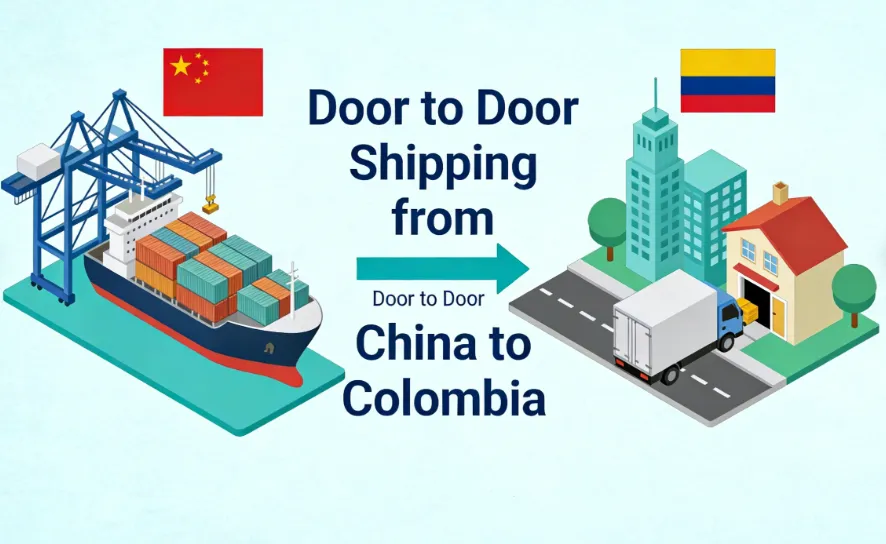
Key Takeaways: Quick Summary
- Fastest Option: Air freight (5–9 days) is ideal for urgent or high-value goods (e.g., electronics to Bogotá).
- Most Cost-Effective: Sea freight FCL (30–38 days) to major ports like Buenaventura or Cartagena.
- Customs Trap: 30% of delays are caused by HS code mismatches. Always align Chinese export and Colombian import declarations before departure.
- The DDP Advantage: Utilizing a true DDP (Delivered Duty Paid) service means your forwarder handles all DIAN customs, VAT (19%), and the challenging last-mile delivery across the Andes.
What is Door to Door Shipping from China to Colombia?
Door to door shipping is a comprehensive logistics solution that covers the entire transportation process from the supplier’s premises in China to the consignee’s designated address in Colombia. Unlike traditional shipping methods where responsibility changes hands at ports or airports, door to door services are managed by a single freight forwarder, such as DTFU International Logistics Co.,Ltd, throughout the entire journey.
For businesses and individuals, this method simplifies international shipping by integrating:
- Cargo pick-up from any location in China (factory, warehouse, or supplier)
- Export customs clearance in China
- International transport via air or sea
- Import customs clearance in Colombia
- Last-mile delivery to the final address (business, Amazon FBA warehouse, or private residence)
This service minimizes communication barriers, reduces hidden costs, ensures compliance, and provides real-time updates for each shipment milestone. With DTFU International Logistics Co.,Ltd, clients benefit from a one-stop solution supported by over a decade of experience, a strong network across major Chinese cities (e.g., Shanghai, Shenzhen, Ningbo, Guangzhou), and local delivery partners in Colombia (e.g., Bogotá, Medellín, Barranquilla).
Understanding DDP vs. DAP in Colombia
For true "door-to-door" convenience, most of our Colombian importers prefer DDP (Delivered Duty Paid). Under DDP, DTFU handles all Colombian import taxes (typically a 19% VAT plus applicable product duties) and customs clearances upfront. Your cargo arrives at your warehouse with zero hidden fees or sudden tax bills. Conversely, under DAP (Delivered at Place), the buyer is responsible for settling local taxes with DIAN before final delivery.
Related reading: If you are considering other South American destinations, you may find our guide on Door to Door shipping From China to Chile useful as well.
Main Shipping Methods for Door to Door Delivery: Air Freight vs Sea Freight
The two primary methods for door to door shipping from China to Colombia are air freight and sea freight. Each offers unique advantages, timelines, and cost structures, making it essential to select the right mode based on your shipment’s size, urgency, and budget.
Comparing Air Freight and Sea Freight for China to Colombia Logistics
Below is a comprehensive comparison of these two main shipping methods:
| Feature | Air Freight | Sea Freight |
|---|---|---|
| Transit Time | 5–10 days (including customs & delivery) | 30–45 days (door to door, LCL/FCL) |
| Best for | Urgent, high-value, or lightweight cargo | Large-volume, heavy, or non-urgent cargo |
| Common Routes | Shanghai/Guangzhou → Bogotá/Medellín | Shanghai/Ningbo/Shenzhen → Buenaventura/Barranquilla/Cartagena |
| Typical Container Types | Loose cargo, pallets | 20FT, 40FT, 40HQ containers, OOG, FCL, LCL |
| Capacity | Limited by aircraft weight/volume | 20FT (28CBM), 40FT (56CBM), 40HQ (68CBM), 45HQ (78CBM) |
| Cost Structure | Charged per kg (volumetric weight) | Charged per CBM/ton/TEU (containerized, LCL available) |
| Customs Handling | Faster, but strict on documentation | More complex, but manageable with expert forwarder |
| Environmental Impact | Higher carbon footprint | Lower per ton, greener for bulk shipments |
| Insurance | Recommended for valuable/fragile goods | Essential for high-value/bulk shipments |
| Restrictions | Prohibited items, battery restrictions | Bulk, hazardous, oversized cargo accepted |
Pros and Cons of Each Shipping Method
When selecting between air freight and sea freight for door to door shipping from China to Colombia, consider the following pros and cons:
Air Freight
Pros:
- Speed: Fastest transit times (5-10 days total, including customs and delivery).
- Reliability: Frequent flight schedules minimize delays.
- Security: Lower risk of damage or loss due to less handling.
- Suitable for urgent/valuable goods: Ideal for electronics, fashion, pharmaceuticals.
Cons:
- Higher cost: Typically 3–5 times more expensive than sea freight.
- Weight and size limits: Not suitable for oversized or very heavy shipments.
- Stricter restrictions: Dangerous goods and batteries are tightly regulated.
Sea Freight
Pros:
- Cost-effective: Lowest cost per cubic meter for large or heavy shipments.
- Flexible cargo options: Suitable for FCL (full container load), LCL (less-than-container load), OOG (out-of-gauge), and breakbulk cargo.
- Broad acceptance: Fewer restrictions on hazardous/bulk goods.
- Eco-friendly for bulk: Lower emissions per ton compared to air.
Cons:
- Longer transit time: 30–45 days (door to door), subject to port congestion and weather.
- Complex customs: Requires expert documentation and handling to avoid delays.
- Potential for damage: Increased handling at ports can raise risk unless professionally packed.
DTFU International Logistics Co.,Ltd recommends selecting the method that aligns with your shipment’s urgency, size, and budget. Our team provides transparent quotes, performance tracking, and end-to-end handling to ensure seamless door to door delivery between China and Colombia.
Step-by-Step Process: How Door to Door Shipping Works from China to Colombia
Pickup in China: Collection and Packaging Requirements
The door to door shipping process begins with the collection of goods from your supplier or warehouse in China. This step is crucial for ensuring the safety and compliance of your cargo throughout the entire journey to Colombia.
Key Steps:
-
Scheduling Pickup: Once your order is ready, your chosen freight forwarder—such as DTFU International Logistics Co.,Ltd—coordinates the pickup at the specified location, whether it is a factory, warehouse, or other site.
-
Packaging Requirements:
- International Standards: Goods must be packed according to international standards (ISPM 15 for wood packaging) to prevent damage and comply with customs regulations.
- Labeling: Each package should display clear shipping marks, including the consignee/consignor name, destination, and handling instructions in both Chinese and Spanish/English as per Colombian import guidelines.
- Special Cargo: For sensitive items such as electronics, chemicals, or perishables, specialized packaging and documentation may be required.
-
Consolidation: For smaller shipments, consolidation services are available. Multiple consignments can be grouped into a single container (LCL - Less Than Container Load), reducing costs and streamlining customs procedures.
Professional guidance from a logistics provider like DTFU International Logistics Co.,Ltd ensures goods are collected safely and packaged adequately for the long journey ahead.
Further reading: Explore Door to Door Shipping From China Mexico for insights on cross-border logistics to other Latin American markets.
Customs Clearance in China and Colombia: Procedures and Documentation
Customs clearance is one of the most critical stages in door to door shipping from China to Colombia. Both export and import countries have strict procedures and documentation requirements.
Customs Clearance in China
- Export Declaration: Required documents usually include the commercial invoice, packing list, export license (if applicable), and the bill of lading or air waybill.
- Inspection: Chinese customs may perform random or targeted inspections. Proper packaging, correct HS codes, and documentation help minimize delays.
- Freight Forwarder Support: Agents like DTFU International Logistics Co.,Ltd can handle pre-declaration and coordinate with customs authorities, reducing risks of hold-ups.
Customs Clearance in Colombia
- Import Declaration: The consignee or their appointed customs broker must submit documents such as the commercial invoice, packing list, bill of lading/air waybill, certificate of origin, and any permits (for restricted goods).
- Duties and Taxes: All cargo entering Colombia is subject to import duties and value-added tax (VAT). Rates depend on the commodity classification under Colombia’s customs tariff.
- Compliance Checks: Colombian customs authorities (DIAN) inspect cargo for compliance with local regulations, including labeling and sanitary requirements.
Essential Shipping Documents Table:
| Document | Required for China | Required for Colombia | Notes |
|---|---|---|---|
| Commercial Invoice | Yes | Yes | Must be accurate, itemized, and signed |
| Packing List | Yes | Yes | Specifies details of all packages |
| Bill of Lading / AWB | Yes | Yes | Proof of transport contract |
| Export License | Sometimes | No | For restricted/export-controlled items |
| Certificate of Origin | Sometimes | Yes | Required for tariff preferences |
| Import Permits | No | Sometimes | For regulated/restricted goods |
| Insurance Certificate | Optional | Optional | Recommended for high-value goods |
Expert Tip: Partnering with an experienced forwarder like DTFU International Logistics Co.,Ltd, who offers one-stop customs clearance, greatly reduces the risk of documentation errors and compliance issues.
Delivery to Final Destination in Colombia
After successful customs clearance, the final leg involves delivery from the port or airport in Colombia directly to the consignee’s door.
Key Steps:
- Local Transport Coordination: Arrangements are made for inland transportation—by truck or rail if necessary—to the designated address, whether it is an office, warehouse, or residence.
- Last-Mile Delivery: This phase is critical, particularly in large cities such as Bogotá, Medellín, or Cartagena. Reliable forwarders such as DTFU International Logistics Co.,Ltd use local partners and digital tracking to ensure timely and safe delivery.
- Proof of Delivery (POD): The consignee receives and signs for the cargo. Any damages or shortages are reported immediately for claims processing.
Important Ports/Airports in Colombia:
- Port of Cartagena (Sea Freight): Major hub for containerized cargo from Asia.
- El Dorado International Airport in Bogotá (Air Freight): Main gateway for air cargo.
Factors Influencing Door to Door Shipping Costs from China to Colombia
Shipping costs can fluctuate significantly based on multiple variables. Understanding these factors helps importers and exporters optimize their logistics budgets and select the best freight solutions.
Key Cost Components: Freight, Customs, Duties, Last-Mile Delivery
| Cost Component | Description | Typical Range (2026) |
|---|---|---|
| Freight Charges | Cost of transporting goods via Sea Freight or Air Freight. Depends on mode, weight, and volume. | Sea: $2,500–$6,500/40HQ Air: $5.8–$8.5/kg |
| Customs Fees | Charges for customs clearance services in China and Colombia. Includes broker (SIA) fees. | $150–$450 per shipment |
| Import Duties & VAT | Taxes levied by Colombian authorities. Based on product HS code and CIF value. | Duties: 5%–20% VAT: 19% |
| Last-Mile Delivery | Local transport from port/airport to final destination in Colombia (e.g., crossing the Andes to Bogotá). | $200–$900 |
| Documentation Fees | Charges for preparing and processing shipping documents. | $50–$150 |
| Insurance | Optional but highly recommended. Covers loss or damage during transit. | 0.2%–0.5% of cargo value |
| Warehousing | Temporary storage fees if immediate delivery is not possible. | $25–$55 per CBM/month |
Prices above are for reference and can vary with market fluctuations, fuel prices, and seasonal demand (latest available data as of Q1 2026).
How to Get an Accurate Shipping Quote
To obtain a transparent and competitive quote for door to door shipping from China to Colombia, it is essential to provide:
- Cargo Details: Weight, dimensions (CBM), number of packages, and type of goods.
- Origin and Destination Addresses: Precise pickup and delivery locations.
- Preferred Shipping Mode: Air Freight for speed, Sea Freight for cost-effectiveness.
- Special Requirements: Whether insurance, warehousing, or consolidation is needed.
- Incoterms: Indicate the agreed terms (e.g., DAP, DDP) to clarify responsibility and charges.
Tips for Accurate Quotes:
- Provide detailed cargo information and documentation.
- Ask for a breakdown of all charges (freight, customs, last-mile, etc.).
- Choose a reputable freight forwarder, like DTFU International Logistics Co.,Ltd, who delivers transparent pricing, tailored solutions, and one-stop international logistics services.
Estimated Transit Times for Door to Door Shipping from China to Colombia
Accurate information about shipping times is vital for supply chain planning and customer satisfaction. The actual transit time for Door to Door Shipping from China to Colombia varies based on shipping mode, route, and customs processing. Let's break down the average delivery times and factors affecting shipment speed.
Average Delivery Times by Shipping Mode
Below is a comparative table showing the typical transit times for Air Freight and Sea Freight from major Chinese cities (like Shenzhen, Shanghai, and Guangzhou) to key Colombian destinations (Bogotá, Medellín, Buenaventura):
| Shipping Mode | Origin Port/City (China) | Destination (Colombia) | Transit Time (Door to Door) | Description/Notes |
|---|---|---|---|---|
| Air Freight | Shenzhen/Shanghai/Guangzhou | Bogotá/Medellín | 5-9 days | Fastest option, suitable for urgent cargo |
| Sea Freight (FCL: Full Container Load) | Shenzhen/Shanghai/Ningbo | Buenaventura/Cartagena | 30-38 days | Most cost-effective for large shipments |
| Sea Freight (LCL: Less than Container Load) | Shenzhen/Shanghai/Ningbo | Buenaventura/Cartagena | 35-45 days | Slightly longer due to consolidation process |
| Express Courier (e.g., DHL, FedEx) | Major Cities | Major Cities | 3-7 days | Fast but expensive, for small parcels |
Notes:
- Door to Door services include pickup, main transport, customs clearance, and final delivery.
- Times may vary during peak shipping seasons, customs inspections, or due to global disruptions (e.g., Panama Canal congestion frequently impacts transit to Caribbean ports like Cartagena).
- Buenaventura is Colombia’s largest Pacific port, while Cartagena serves the Caribbean coast.
Related resource: See more about Shipping from China to Colombia if you need port-to-port solutions or additional destination details.
Tips for Faster and More Reliable Delivery
To ensure your Door to Door Shipping from China to Colombia is both timely and dependable, I often advise clients to follow these expert recommendations:
-
Choose the Right Shipping Mode:
- For time-sensitive goods, prioritize Air Freight or Express Courier.
- For large, non-urgent shipments, Sea Freight is more economical.
-
Plan for Peak Seasons:
- Peak periods (such as Chinese New Year, Christmas, and Black Friday) can cause congestion at both origin and destination ports. Book space in advance.
-
Work with a Reliable Freight Forwarder:
- Partner with an experienced provider like DTFU International Logistics Co.,Ltd. We offer comprehensive Door to Door, Air Freight, Sea Freight, Customs Clearance, and Cargo Insurance services, ensuring every step is handled professionally.
-
Ensure Complete and Accurate Documentation:
- Incomplete or incorrect paperwork is the most common cause of delays. Always double-check shipping documents.
-
Opt for Cargo Tracking and Insurance:
- Utilize tracking systems for real-time updates, and secure insurance to mitigate risks.
-
Understand Customs Procedures:
- Proactive preparation for both China and Colombia customs can avoid unexpected issues.
-
Leverage Warehousing Solutions & Zonas Francas:
- Strategic Tip for Importers: If you are managing cash flow or handling high-value goods, consider utilizing Colombia's Zonas Francas (Free Trade Zones) in Bogotá or Cartagena. Goods can be stored here duty-free until they are officially sold and enter the national territory. DTFU International Logistics Co.,Ltd can route your door-to-door shipments directly into these zones, or provide our standard Warehousing and Consolidated Freight options to streamline your logistics.
Essential Documents and Compliance for Shipping from China to Colombia
Proper documentation and compliance are crucial for smooth customs clearance and minimizing costly delays. Regulations in both China and Colombia must be strictly followed.
Required Shipping Documents and Import Regulations
Typical documents required for Door to Door Shipping from China to Colombia include:
| Document Type | Purpose | Issued By |
|---|---|---|
| Commercial Invoice | Details goods, value, seller/buyer | Shipper |
| Packing List | Itemizes contents, weights, dimensions | Shipper |
| Bill of Lading (B/L) or Airway Bill (AWB) | Contract of carriage, proof of shipment | Carrier/Freight Forwarder |
| Certificate of Origin | Confirms country of manufacture | Chamber of Commerce |
| Import License | Required for restricted/prohibited items | Colombian Importer |
| Insurance Certificate | Proof of cargo insurance (recommended) | Insurance Provider |
| Duties and Tax Payment Proof | For customs clearance | Importer |
Key Import Regulations in Colombia:
- Colombia applies the Harmonized System (HS) code for tariff classification.
- Some products (electronics, chemicals, food, textiles) may require special permits or sanitary certificates.
- Register with Colombian DIAN (Dirección de Impuestos y Aduanas Nacionales) for import declarations.
Avoiding Customs Delays and Compliance Issues
To ensure a smooth customs clearance process and avoid unnecessary costs or shipment holds:
-
Accurate HS Code Declaration:
- Misclassification can lead to fines or confiscation. Verify HS codes before shipping.
-
Stay Updated on Regulatory Changes:
- Colombian customs rules and tariffs can change. Check DIAN and China Customs websites regularly.
-
Pre-Arrange Permits for Controlled Goods:
- Obtain all necessary import licenses or certificates (e.g., INVIMA for cosmetics/food, or SIC for electronics) in advance for regulated cargo.
-
Ensure Full Consistency Across Documents:
- All shipment documents should reflect the exact same quantities, values, and descriptions to pass the rigorous MUISCA electronic customs system checks.
-
Partner with a Compliance-Oriented Freight Forwarder:
- At DTFU International Logistics Co.,Ltd, our customs experts are fully integrated with Colombia's local SIA (Sociedades de Intermediación Aduanera) network. We handle compliance, documentation, and end-to-end Door to Door Shipping. We also offer One Stop Customs Clearance and advisory services for complex shipments.
Ivan's Expert Tip: In my experience, roughly 30% of delays at Buenaventura port stem from mismatched HS codes between the Chinese export declaration and the Colombian import filing. Always ensure your supplier and Colombian customs broker are aligned before the cargo leaves the origin port.
-
Use Cargo Insurance:
- Although not mandatory, insurance is highly recommended to protect your goods in transit and during customs checks.
-
Track and Communicate:
- Maintain close communication with your freight partner for proactive updates.
In summary: Whether you are a first-time exporter or a seasoned supply chain manager, understanding these critical aspects of Door to Door Shipping from China to Colombia is essential for operational success. For tailored logistics solutions that combine reliability, compliance, and cost-effectiveness, consider partnering with DTFU International Logistics Co.,Ltd—your trusted freight forwarding expert.
Tips for Choosing the Best Freight Forwarder for Door to Door Shipping
Selecting the right freight forwarder is crucial for smooth, cost-effective, and reliable door to door shipping from China to Colombia. With numerous service providers in the market, focus on the following criteria to ensure the best partnership for your business:
1. Experience and Expertise in China-Colombia Trade Lane
Look for a forwarder with a proven track record in handling shipments specifically between China and Colombia. This expertise ensures they understand the unique regulatory, customs, and logistical challenges of this route. DTFU International Logistics Co.,Ltd is an established player in this trade lane, offering tailored solutions for diverse cargo types.
You may also be interested in similar international logistics topics, such as Freight forwarder from China to Algeria, which shares best practices for another key emerging market.
2. Comprehensive Service Portfolio
Choose a provider offering one-stop, end-to-end solutions. Key services to consider include:
- Sea Freight, Air Freight, and Road Freight
- Amazon FBA, Warehouse Solutions
- Door to Door Delivery, Cargo Insurance, Customs Clearance, OOG Freight, Consolidated Freight, and Breakbulk Freight A full-service forwarder like DTFU ensures seamless coordination at every stage.
3. Transparent Pricing and Detailed Quotes
A reliable freight forwarder provides clear, itemized pricing, covering all cost components: freight charges, customs duties, port fees, last-mile delivery, insurance, and surcharges. Tip: Always request a formal quotation that details all inclusions and exclusions. Be wary of hidden fees.
4. Strong Global Network and Local Partnerships
The best forwarders have established partnerships with reputable carriers, warehouses, and customs brokers in both China and Colombia. This network minimizes transit delays and helps resolve unforeseen issues swiftly.
5. Digital Tools and Real-Time Tracking
Modern logistics demands digital management. Opt for a forwarder that offers online booking, digital document management, and real-time shipment tracking, granting you visibility and control over your cargo.
6. Customer Service and Communication
Effective communication is vital. Assess the responsiveness and professionalism of the support team. A dedicated account manager or expert (like Ivan Chan at DTFU) can provide personalized guidance and quick resolution of queries.
7. Positive Reputation and Verified Reviews
Research the forwarder’s reputation via independent reviews, client testimonials, and industry forums. Verify their licenses, certifications (such as FIATA membership), and compliance with international shipping standards.
8. Value-Added Services
Look for additional offerings that can benefit your business, such as inventory management, repacking, cargo consolidation, and specialized handling for sensitive goods.
Example Table: Key Comparison Checklist
| Criteria | DTFU International Logistics Co.,Ltd | Typical Forwarder A | Typical Forwarder B |
|---|---|---|---|
| China-Colombia Route Expertise | ✔ | ✔ | ✖ |
| Full Door-to-Door Service | ✔ | ✔ | ✔ |
| Customs Clearance Support | ✔ | ✔ | ✖ |
| Digital Tracking System | ✔ | ✖ | ✔ |
| Transparent Pricing | ✔ | ✖ | ✔ |
| Dedicated Account Manager | ✔ | ✔ | ✖ |
| Cargo Insurance Options | ✔ | ✔ | ✔ |
| Value-Added Services | ✔ | ✖ | ✔ |
| Positive Client Reviews | ✔ | ✔ | ✖ |
Table data based on industry research and DTFU’s published service portfolio.
Choosing DTFU International Logistics Co.,Ltd ensures you benefit from a highly professional, cost-effective, and reliable service, backed by over a decade of experience in global freight forwarding.
FAQs
Q1: What is included in Door to Door Shipping from China to Colombia? A: Door to door shipping covers the entire logistics process—from picking up your goods at the supplier’s location in China, through international transport (via air freight or sea freight), customs clearance at both origin and destination, and final delivery to your site in Colombia.
Q2: How long does Door to Door Shipping from China to Colombia usually take? A: Transit times vary based on the shipping mode and route:
| Shipping Mode | Typical Transit Time | Notes |
|---|---|---|
| Air Freight | 5–8 days | Fastest, suitable for urgent cargo |
| Sea Freight (FCL) | 30–38 days | Best for large volumes, cost-effective |
| Sea Freight (LCL) | 35–42 days | Slightly longer due to consolidation |
Times may vary with customs processes, weather, and seasonal congestion.
Q3: What are the main shipping ports involved? A:
- China: Major ports include Shanghai, Shenzhen, Ningbo, and Guangzhou.
- Colombia: Key entry ports are Buenaventura (Pacific coast) and Cartagena (Caribbean coast). Both ports have regular containerized and bulk cargo traffic with Asia.
For those also shipping to Brazil or Argentina, explore our guides on Shipping From China to Brazil and Shipping From China to Argentina for neighboring market details.
Q4: What documents do I need for Door to Door Shipping? A: Common documents include:
- Commercial Invoice
- Packing List
- Bill of Lading or Airway Bill
- Certificate of Origin
- Import/Export Licenses (if required) A professional forwarder like DTFU will advise and manage documentation for smooth compliance.
Q5: How are shipping costs calculated? A: Costs are based on cargo volume/weight, shipping mode, pickup/delivery addresses, customs duties/taxes, and extra services (like insurance). DTFU provides transparent, detailed quotations on request.
Q6: Can I ship personal effects or household goods? A: Yes, both commercial and personal shipments are possible. Requirements vary. DTFU can guide you on packaging, documentation, and customs rules for personal cargo.
Q7: How do customs clearance and duties work? A: Customs authorities in China and Colombia require accurate documentation and may inspect shipments. Duties and taxes depend on the HS code, cargo value, and trade agreements. DTFU provides end-to-end customs brokerage assistance, minimizing delays.
Q8: What if my cargo is time-sensitive or high-value? A: For urgent or high-value shipments, air freight is recommended. DTFU offers cargo insurance and priority handling to safeguard your investment.