Are you struggling to decode the Sea Shipping Cost from China to USA and wondering which factors influence your overall freight charges? In this comprehensive guide, we’ll break down the essential elements that make up sea shipping costs, including container types, surcharges, and customs fees. Discover how to calculate your expenses accurately and learn expert tips to minimize your shipping budget for international logistics success.
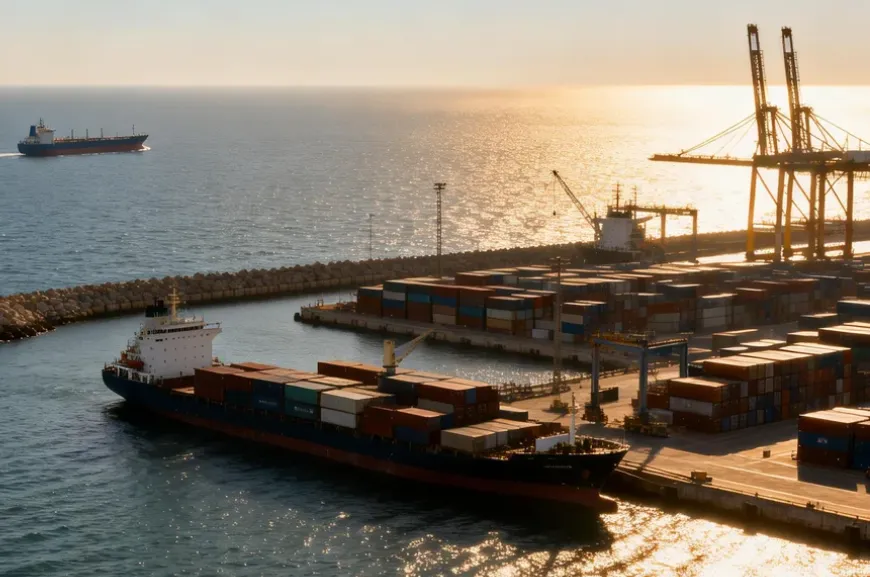
Quick Answer
For a quick estimate, the sea shipping cost from China to USA in 2026 generally ranges from $800 to $1,500 for a 20FT container and $1,200 to $2,500 for a 40HQ container, depending on the port of origin and destination. Transit times typically span 13 to 22 days for West Coast ports (like Los Angeles) and 25 to 35 days for East Coast ports (like New York). To get the most accurate, below-market rates tailored to your specific cargo, working with a reliable freight forwarder is essential.
Overview of Sea Shipping from China to USA
Sea shipping is the backbone of global trade between China and the USA, accounting for the majority of transpacific cargo movement. The route connects the world’s largest exporter (China) with the world’s largest consumer market (USA), moving millions of TEUs (Twenty-foot Equivalent Units) annually. Whether you’re an importer, exporter, manufacturer, or e-commerce seller, understanding the dynamics of sea shipping cost from China to USA is crucial for optimizing your supply chain and maintaining competitive pricing.
At its core, sea freight offers several advantages:
- Cost-effectiveness for large or heavy shipments compared to air freight.
- Diverse service options, such as Full Container Load (FCL) and Less than Container Load (LCL).
- Flexibility in routing and scheduling, with multiple major Chinese ports (such as Shanghai, Shenzhen, Ningbo, and Qingdao) connecting to key U.S. ports (Los Angeles, Long Beach, New York, Houston).
- Support for a variety of cargo types, from general merchandise to oversized and project cargo.
However, sea shipping costs can be influenced by a complex set of factors. Navigating these variables is where the value of a professional freight forwarder like DTFU International Logistics Co.,Ltd becomes evident. Our deep expertise, transparent pricing, and end-to-end logistics solutions help businesses minimize costs and avoid unexpected delays or surcharges.
If you're interested in comparing costs for other popular sea freight routes, you may also want to review our detailed guide on Sea Shipping Cost from China to UK.
Key Factors Affecting Sea Shipping Cost from China to USA
Understanding the drivers behind sea shipping costs enables better budgeting, planning, and negotiation. Below are the main factors impacting your bottom line:
Cargo Volume and Weight Impact on Freight Rates
Freight charges are primarily determined by the volume (measured in cubic meters, CBM) and the gross weight (kilograms or tons) of your shipment. For FCL shipments, the cost is typically calculated based on the type of container used (e.g., 20FT, 40FT, 40HQ, 45HQ). For LCL shipments, charges are based on the greater of cargo volume or weight, following the "chargeable weight" principle.
Container Capacity Reference Table:
| Container Type | Capacity (CBM) | Typical Use Case |
|---|---|---|
| 20FT | 28 | Small bulk shipments, heavy cargo |
| 40FT | 56 | General goods, moderate volumes |
| 40HQ | 68 | High-volume, lighter cargo |
| 45HQ | 78 | Large, lightweight, or voluminous cargo |
Type of Shipping Container: FCL vs LCL
- FCL (Full Container Load): You rent an entire container, regardless of whether you fill it. This is ideal for large shipments, offering better rates per CBM, lower risk of cargo mixing, and faster processing at ports.
- LCL (Less than Container Load): Your cargo shares a container with other shippers’ goods. This is suitable for small-volume shipments but may incur higher per-unit costs and longer transit times due to consolidation and deconsolidation procedures.
Comparison Table: FCL vs LCL
| Aspect | FCL | LCL |
|---|---|---|
| Cost per CBM | Lower for high volumes | Higher per CBM |
| Risk of Damage | Lower (no mixing with other cargo) | Higher (mixed cargo) |
| Transit Time | Shorter (direct loading/unloading) | Longer (consolidation required) |
| Flexibility | Less (fixed container sizes) | More (ship any volume) |
If you want to know more about container shipping rates to different destinations, take a look at this comprehensive comparison: How much to ship a Container from China to USA.
Port of Origin and Destination Differences
Shipping costs vary significantly based on the selected departure and arrival ports. Major Chinese ports like Shanghai, Shenzhen, and Ningbo are highly efficient and offer frequent sailings, potentially lowering costs. In contrast, less popular ports may incur higher charges due to limited service options.
On the USA side, West Coast ports (e.g., Los Angeles, Long Beach) generally offer lower shipping costs and shorter transit times compared to East Coast or Gulf Coast ports, due to proximity and higher container throughput.
Sample Sea Freight Rates (2026 Q2):
| Origin Port | Destination Port | FCL 40HQ (USD) | Transit Time (Days) |
|---|---|---|---|
| Shanghai | Los Angeles | $1,200 - $1,500 | 13-16 |
| Shenzhen | New York | $1,800 - $2,200 | 25-30 |
| Ningbo | Houston | $1,600 - $2,000 | 22-26 |
| Qingdao | Long Beach | $1,150 - $1,450 | 15-18 |
Note: Rates are indicative and subject to change based on market conditions.
Seasonal Fluctuations and Market Demand
The sea shipping cost from China to USA is highly sensitive to seasonal and cyclical market dynamics:
- Peak Season Surcharge (PSS): Rates increase during high-demand periods, notably before the Chinese New Year, Golden Week, and the U.S. holiday season (August-October), as shippers rush to meet inventory needs.
- Market Demand: Global events or capacity adjustments can cause sudden rate fluctuations.
- Economic Policies: Changes in tariffs, trade agreements, or environmental regulations (e.g., green shipping initiatives) may also affect costs.
2026 Outlook: In Q2 2026, stabilized supply chains and expanded vessel capacities are contributing to more competitive sea freight rates, offering significant savings for shippers, especially to U.S. West Coast ports.
At DTFU International Logistics Co.,Ltd, our expertise helps you navigate these shifting factors. We offer transparent quotes, guidance on optimal routes, and flexible service packages to ensure your shipments arrive on time and on budget.
For a tailored quote or to discuss your shipping needs, contact our team of experts today. Whether you require sea freight, air freight, road freight, Amazon FBA, or door-to-door logistics, we deliver professional, reliable, and cost-effective solutions for your business.
Detailed Breakdown of Sea Freight Charges and Fees
Understanding the full structure of Sea Shipping Cost from China to USA is crucial for effective planning and budgeting. Below is a comprehensive analysis of the main charges and fees involved in international sea freight.
If you're exploring overall shipping expenses, you might also find our breakdown on Freight Cost from China to USA useful for a broader cost perspective.
Ocean Freight Base Rate
The Ocean Freight Base Rate is the fundamental charge for transporting goods via sea routes from China to the USA. This rate is determined primarily by the container type (such as 20FT, 40FT, 40HQ, or 45HQ containers) and the distance between the port of origin (e.g., Shanghai Port in China) and the destination port (e.g., Los Angeles Port in USA).
| Container Type | Capacity (CBM) | Typical Base Rate (USD, as of Q2 2026) |
|---|---|---|
| 20FT | 28 | $800 – $1,200 |
| 40FT | 56 | $1,100 – $1,800 |
| 40HQ | 68 | $1,200 – $2,200 |
| 45HQ | 78 | $1,800 – $2,800 |
Rates vary by season, market demand, and the selected shipping line. It is advisable to consult with professional freight forwarders such as DTFU International Logistics Co.,Ltd for real-time quoting.
Surcharges: BAF, CAF, Peak Season Surcharge, and Others
In addition to the base rate, several surcharges can significantly impact your total shipping cost:
- BAF (Bunker Adjustment Factor): Adjusts for fluctuations in fuel costs.
- CAF (Currency Adjustment Factor): Accounts for currency exchange variability.
- Peak Season Surcharge (PSS): Applied during high-demand shipping periods (e.g., pre-holiday months).
- GRI (General Rate Increase): Imposed periodically by carriers due to market changes.
- Security and Documentation Fees: Enforced for compliance and paperwork handling.
| Surcharge Type | Typical Range (USD) | Applicability |
|---|---|---|
| BAF | $80 – $250/TEU | All shipments, variable monthly |
| CAF | 3% – 8% of base | All shipments, as per currency |
| PSS | $200 – $500/TEU | High-demand periods |
| GRI | $100 – $400/TEU | As announced by carriers |
TEU = Twenty-foot Equivalent Unit
Port Handling, Documentation, and Customs Fees
Port Handling Charges are levied at both the loading and unloading ports to cover services such as cargo handling, storage (if applicable), and terminal usage.
Documentation Fees include the cost for bills of lading, manifests, and other regulatory paperwork.
Customs Fees comprise import/export duties, inspection fees, and customs broker charges, which can vary depending on cargo classification and destination port procedures.
| Fee Type | China Side (USD) | USA Side (USD) |
|---|---|---|
| Port Handling | $60 – $120/TEU | $150 – $300/TEU |
| Documentation | $50 – $80 | $70 – $120 |
| Customs Clearance | $90 – $200 | $100 – $250 |
Delays in customs or missing documentation can result in additional storage/demurrage charges.
Additional Costs: Insurance, Warehousing, and Delivery
- Cargo Insurance: Strongly recommended to protect against loss or damage during transit. Typically costs 0.2% – 0.5% of cargo value.
- Warehousing Fees: For temporary storage at origin/destination, can range from $10 – $25 per CBM per week.
- Last-Mile Delivery: Charges for trucking or rail delivery from port to consignee’s warehouse, highly variable based on distance.
DTFU International Logistics Co.,Ltd offers comprehensive insurance, warehousing, and door-to-door delivery services to ensure your cargo is protected and managed efficiently.
How to Calculate Sea Shipping Cost from China to USA
Calculating the Sea Shipping Cost from China to USA involves several steps. Accurate estimation helps businesses avoid unexpected expenses and optimize their logistics strategies.
For those interested in similar FCL pricing structures and comparisons for other regions, check out the cost analysis for 20ft & 40ft Container Cost from China to USA.
Step-by-Step Guide to Sea Freight Rate Calculation
-
Determine Cargo Details:
- Measure weight, volume (CBM), and total number of units.
- Select suitable container size (20FT, 40FT, 40HQ, 45HQ) or consider LCL (Less than Container Load) if shipment is small.
-
Choose Ports:
- Identify the port of origin in China (e.g., Shanghai, Shenzhen, Ningbo) and the destination port in the USA (Los Angeles, New York, Houston).
-
Request Freight Quote:
- Contact reputable freight forwarders such as DTFU International Logistics Co.,Ltd for a detailed quote including all standard and additional charges.
-
Calculate Base Rate and Surcharges:
- Add ocean freight base rate and applicable surcharges (BAF, CAF, PSS, etc.).
-
Include Port Handling and Documentation:
- Sum up costs for loading/unloading, paperwork, and customs clearance.
-
Factor in Additional Charges:
- Add insurance, warehousing (if required), and inland delivery costs.
-
Review Total Estimated Cost:
- Assess the overall logistics cost structure for transparency and accuracy.
Sample Price Comparison: Major Chinese Ports to US Ports
Below is a sample table illustrating typical FCL (Full Container Load) shipping costs as of Q2 2026 for key port pairs. These are for reference only; actual rates fluctuate due to market conditions.
| Origin Port (China) | Destination Port (USA) | 20FT (USD) | 40FT (USD) | Transit Time (Days) |
|---|---|---|---|---|
| Shanghai | Los Angeles | $850 | $1,150 | 13 – 16 |
| Shenzhen | New York | $1,100 | $1,600 | 25 – 30 |
| Ningbo | Houston | $1,050 | $1,450 | 22 – 28 |
| Qingdao | Seattle | $900 | $1,250 | 15 – 18 |
Transit times are port-to-port and do not include customs clearance, inland delivery, or possible delays.
For tailored advice or a precise shipping quote, do not hesitate to reach out to DTFU International Logistics Co.,Ltd—your one-stop partner for global sea freight, air freight, and comprehensive international logistics services.
Tips to Reduce Your Sea Shipping Costs
Choosing the Best Shipping Method and Route
Selecting the optimal shipping method and route is essential for cost control and timely delivery. For sea freight from China to the USA, there are two primary options: Full Container Load (FCL) and Less than Container Load (LCL).
- FCL is cost-effective for large shipments, as you pay for the entire container regardless of whether it’s fully utilized.
- LCL is ideal for small shipments, allowing you to share container space and costs with others, but may involve longer transit times and higher per-unit costs.
When evaluating routes, consider both direct and transshipment options. Major Chinese ports such as Shanghai, Shenzhen, and Ningbo offer frequent sailings to key US ports like Los Angeles, Long Beach, and New York. Direct routes are generally faster but may be costlier than routes with transshipments.
Route Comparison Table:
| Chinese Port | US Port | Average Transit Time (Days) | Typical Base Rate (USD/40HQ) | Notes |
|---|---|---|---|---|
| Shanghai | Los Angeles | 13-16 | $1,200–$1,500 | Fastest, highest capacity |
| Ningbo | New York | 25-30 | $1,800–$2,200 | Longer distance, East Coast access |
| Shenzhen | Seattle | 15-18 | $1,300–$1,700 | Popular for electronics, moderate cost |
If you are shipping to other North American destinations, you might be interested in our article on Sea Shipping Cost from China to Canada.
Key Takeaway: Choose ports and routes based on your cargo type, urgency, and budget. DTFU International Logistics Co.,Ltd can help you identify the best combination for your needs.
Optimizing Cargo Packing and Container Utilization
Maximizing the use of your container minimizes wasted space and reduces costs per unit. Here’s how:
- Accurate Measurement: Calculate your cargo dimensions and weight precisely. Remember, a 20FT container holds up to 28CBM, 40FT up to 56CBM, 40HQ up to 68CBM, and 45HQ up to 78CBM.
- Professional Packing: Use pallets, stackable boxes, and shrink wrap to compact cargo securely.
- Consolidation: For small shipments, consider cargo consolidation services to combine your goods with others, optimizing space and sharing costs.
Example Utilization Comparison:
| Container Type | Max CBM | Ideal for | Cost Efficiency |
|---|---|---|---|
| 20FT | 28 | Small-medium shipments | Good for <20CBM |
| 40FT | 56 | Medium-large shipments | Best for 25–50CBM |
| 40HQ | 68 | Bulky/voluminous cargo | Best for >55CBM |
| 45HQ | 78 | Oversized cargo | Limited availability |
Tip: Reach out to DTFU International Logistics for customized packing and consolidation solutions.
Negotiating with Freight Forwarders for Better Rates
Partnering with a reliable and experienced freight forwarder is vital. Here’s how to negotiate effectively:
- Volume Commitments: Promise regular shipments or higher volumes to secure lower rates.
- Bundled Services: Combine services such as warehousing, insurance, or door-to-door delivery for package discounts.
- Long-term Contracts: Lock in rates during low-demand seasons for cost stability.
- Ask for Transparent Quotes: Insist on itemized quotes to avoid hidden fees.
For further reading on full-service logistics solutions, see our guide on Door to Door Shipping From China USA.
DTFU International Logistics Co.,Ltd is known for transparent pricing and flexible service packages, covering sea freight, road freight, air freight, Amazon FBA, customs clearance, consolidated freight, and more.
Planning Shipments During Off-Peak Seasons
Shipping costs fluctuate due to seasonality and market demand. Peak seasons, such as the weeks before Chinese New Year (Jan-Feb) and the US holiday season (Aug-Oct), typically see higher rates and space shortages.
Cost Comparison by Season:
| Season | Rate Fluctuation | Space Availability |
|---|---|---|
| Pre-Chinese New Year | +20–40% | Tight |
| Post-Chinese New Year | -10–20% | Ample |
| Summer Peak | +15–30% | Limited |
| Off-Peak (Mar–May) | Lowest | Best |
Tip: Schedule shipments during off-peak periods to secure better rates and faster bookings. Advance planning with DTFU can help you avoid seasonal surcharges.
Common Mistakes to Avoid When Shipping by Sea
Underestimating Hidden Charges
Many shippers focus solely on the base ocean freight rate, overlooking additional costs. Common hidden charges include:
- BAF (Bunker Adjustment Factor), CAF (Currency Adjustment Factor), Peak Season Surcharge, Port Handling Fees, and Documentation Charges.
- Demurrage and Detention Fees for late pickup or return of containers.
- Customs Clearance Fees and import duties at destination ports.
Recommendation: Always request a full breakdown of all applicable charges from your freight forwarder. DTFU International Logistics provides transparent, comprehensive quotations.
If you're interested in other cost-saving strategies, you can also read Cheapest shipping agent from China to USA.
Not Accounting for Customs Clearance Delays
Customs regulations differ between China and the USA, and failing to prepare can lead to:
- Delayed cargo release
- Unexpected costs (e.g., storage, fines)
- Potential shipment seizure for incomplete documentation or prohibited goods
Best Practices:
- Prepare all required paperwork: bill of lading, commercial invoice, packing list, certificates of origin, and import permits.
- Stay updated on the latest US customs policies, such as the Section 301 Tariffs and anti-dumping/countervailing duties.
DTFU International Logistics offers one-stop customs clearance services to streamline the process and minimize delays.
Selecting the Wrong Container Size or Type
Choosing an inappropriate container type leads to:
- Wasted space and higher costs (if underloaded)
- Cargo damage (if overloaded or poorly packed)
- Denied shipment due to misfit cargo
Guidelines:
- Match your cargo volume and weight to the ideal container (see the table above).
- For special cargo (e.g., out-of-gauge, temperature-sensitive), consider OOG Freight or Reefer Containers.
Consult with DTFU International Logistics to select the right container and avoid costly errors.
FAQs
Q1: How much does sea shipping cost from China to the USA?
A: Costs vary by container size, route, season, and additional services. As of 2026, FCL rates for a 40HQ container from Shanghai to Los Angeles typically range from $1,200 to $1,500, excluding surcharges and local fees. For exact, up-to-date quotes, contact DTFU International Logistics.
Q2: How long does sea shipping take from China to the USA?
A: Transit times range from 13–16 days (Shanghai to Los Angeles) up to 27–32 days (Ningbo to New York), depending on port pairs and vessel schedules.
Q3: Which is better: FCL or LCL?
A: FCL is more cost-effective for large shipments and reduces the risk of cargo damage. LCL is suitable for small loads but may involve longer handling times.
Q4: What documents are required for sea shipping?
A: Core documents include the bill of lading, commercial invoice, packing list, certificate of origin, and, if needed, import/export licenses.
Q5: Do I need cargo insurance?
A: While not mandatory, cargo insurance is highly recommended to protect against loss, damage, or unforeseen events during transit. DTFU offers comprehensive insurance solutions.
Q6: Can DTFU International Logistics handle door-to-door shipments?
A: Yes, DTFU provides door-to-door, customs clearance, warehousing, consolidation, and full logistics support, tailored for global traders and e-commerce businesses.
Q7: Are there any recent policy changes affecting China-US sea freight?
A: The introduction of new US tariffs and ongoing changes in customs enforcement can impact shipping costs and clearance times. Stay informed through updates from your freight forwarder.