Are you struggling to calculate the true Sea Shipping cost from China to Afghanistan? Because Afghanistan is a landlocked country, standard sea freight quotes never tell the whole story. Importers often face unexpected inland trucking fees, border crossing delays, and hidden transit customs charges. In our 10+ years of managing Central Asian logistics at DTFU, we've seen countless importers lose their profit margins to demurrage traps at transit ports.
In this guide, we break down exactly how multimodal shipping works under the Afghanistan-Pakistan Transit Trade Agreement (APTTA), what you should expect to pay, and how to protect your profit margins when moving cargo to Kabul, Kandahar, or Herat.
Overview of Sea Shipping from China to Afghanistan
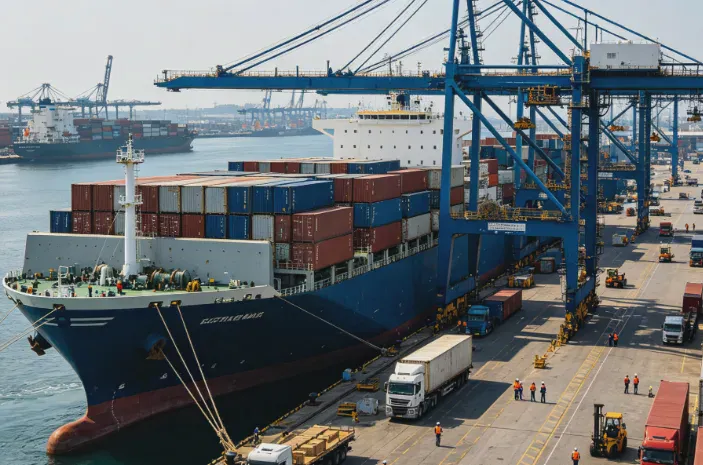
How do you ship by sea to a country without an ocean border? The answer is multimodal transport. Your cargo arrives at a neighboring transit port and is then cross-loaded onto trucks for the inland journey across the border.
Key Shipping Ports for China-Afghanistan Trade Routes
Since direct sea access is impossible, DTFU International Logistics routes cargo through key strategic gateways:
- Karachi Port (Pakistan): The primary and most cost-effective transit hub under the APTTA framework. Cargo moves from Karachi via bonded carrier trucks through the Torkham (for Kabul/Jalalabad) or Chaman (for Kandahar) border crossings.
- Bandar Abbas (Iran): A critical alternative route (similar to sea shipping from China to Iran), especially for cargo heading to western Afghanistan (like Herat) via the Islam Qala border. This route is often preferred when the Torkham border faces geopolitical closures.
Your shipment will typically originate from major Chinese coastal hubs:
- Shenzhen / Guangzhou: Ideal for electronics, solar panels, and light manufacturing.
- Shanghai / Ningbo: The go-to ports for heavy machinery, construction equipment, and bulk textiles.
- Qingdao / Tianjin: Best for raw materials and northern China suppliers.
Main sea shipping routes from China to Afghanistan
The route you choose dictates your costs, transit time, and risk profile. While Karachi generally offers cheaper ocean freight from China, unpredictable border congestion at Torkham can inflate inland trucking costs overnight. Conversely, Bandar Abbas might have slightly longer ocean transit times but frequently provides smoother inland passage to western provinces.
Main Factors Influencing Sea Shipping Cost from China to Afghanistan
What actually drives your shipping rates up or down? It goes far beyond the basic ocean freight rate quoted by a standard forwarder.
Distance, Routes, and Port Accessibility
The primary driver of your total landed cost is the inland leg from the transit port to your final destination in Afghanistan. Mountainous terrain and seasonal weather—such as heavy winter snows closing the Salang Pass—can severely restrict accessibility, causing trucking rates to double in peak winter months.
Container Type: FCL vs LCL Shipping Cost
- FCL (Full Container Load): You pay a flat rate for a 20ft or 40ft container. This is the most cost-effective method if you have enough cargo (typically over 15 CBM). FCL is highly recommended for Afghan transit to minimize handling and theft risks.
- LCL (Less than Container Load): You pay per cubic meter (CBM). While cheaper for small shipments, LCL requires consolidation in China and deconsolidation at the transit port (like Karachi), adding significant handling fees, transit time, and customs complexity.
Cargo Volume, Weight, and Trucking Limits
Ocean carriers charge based on either actual weight or volumetric weight. More importantly, inland trucking is strictly regulated by axle weight limits. For example, Pakistani transport authorities enforce strict weight restrictions on trucks heading to Torkham. If your 40ft container exceeds these limits (often capped around 24-26 tons of cargo weight depending on the truck type), you will be forced to offload and split the cargo into two trucks, instantly doubling your inland freight cost.
Seasonal Fluctuations and Market Trends
Rates spike during peak seasons. Expect higher ocean freight and inland trucking costs in the weeks leading up to the Chinese New Year (January/February) and the Q3 holiday shipping rush. Furthermore, the holy month of Ramadan significantly impacts working hours at both Pakistani and Afghan customs, slowing down border crossings and increasing the risk of port storage fees.
Detailed Breakdown of Sea Freight Charges
To avoid hidden traps, you must understand every line item on your freight quote. Our logistics experts always advise clients to demand a breakdown of destination terminal charges before booking.
Basic Ocean Freight Rate Components
This is the base cost to move your container from the Chinese loading port to the discharge transit port.
| Route (China to Transit Port) | 20ft Container (Estimated) | 40ft Container (Estimated) | Transit Time (Ocean) |
|---|---|---|---|
| Shenzhen to Karachi | $1,200 - $1,800 | $1,800 - $2,600 | 18 - 25 Days |
| Shanghai to Bandar Abbas | $1,500 - $2,200 | $2,400 - $3,200 | 22 - 30 Days |
| Note: Market rates fluctuate based on global shipping alliances. Contact DTFU Logistics for real-time pricing. |
Surcharges: BAF, CAF, and Other Common Fees
- BAF (Bunker Adjustment Factor): Protects carriers against fuel price volatility.
- CAF (Currency Adjustment Factor): Accounts for currency exchange rate risks.
- THC (Terminal Handling Charges): Fees paid to the port authorities in China and the transit port for loading/unloading the container. In Karachi, THC can be unexpectedly high.
Port Handling, Customs, and Documentation Costs
You will need a Bill of Lading (specifically showing "In Transit to Afghanistan"), Commercial Invoice, and Packing List. Because the cargo is transiting through a third country, you must file an Ilm-o-Khabar (transit customs document) and secure a bank guarantee or transit bond to ensure the goods are not illegally sold in Pakistan or Iran.
Inland Transportation from Port to Final Destination in Afghanistan
This is the most volatile cost. Trucking a container from Karachi to Kabul can easily cost between $1,500 and $3,500 depending on border security, road conditions, and local fuel prices. Demurrage (port storage) and Detention (container rental) fees are the biggest silent killers of profit if your container gets stuck awaiting customs clearance at the border.
Step-by-Step Sea Shipping Process from China to Afghanistan
How does the multimodal process actually work? Here is the standard workflow we execute daily.
Booking and Preparing Your Shipment
Partner with a forwarder experienced in Afghan transit. DTFU International Logistics helps you choose the right transit port based on your final destination (e.g., Karachi for Kabul, Bandar Abbas for Herat) and secures vessel space with carriers that offer extended free time at destination.
Required Shipping Documents and Customs Procedures
- Export Clearance: Handled in China by your supplier or DTFU.
- Ocean Transit: Cargo sails to Karachi or Bandar Abbas.
- In-Transit Clearance: The local customs broker files a transit bond at the discharge port under the APTTA (if via Pakistan), proving the cargo is destined for Afghanistan and legally exempt from local import duties.
- Afghan Customs Clearance: Import duties are paid to the Afghan Customs Department (ACD) for customs clearance once the cargo crosses the border and reaches the inland customs depot (e.g., Jalalabad Customs).
Tracking and Delivery to Afghanistan
Because the cargo switches from ship to truck, cargo tracking requires a logistics partner with strong local networks. We utilize localized tracking systems to monitor your shipment from the Chinese factory floor, through the transit port, across the border, and right to your warehouse.
How to Find the Best Sea Shipping Rates from China to Afghanistan
Don't just look for the lowest ocean freight rate; look for the lowest total landed cost.
Comparing Freight Forwarders and Shipping Services
A forwarder quoting a remarkably cheap rate to Karachi is likely hiding the exorbitant inland trucking and transit bond fees. Always ask for a comprehensive Door-to-Door shipping or DAP quote up to the final destination in Afghanistan.
Tips for Negotiating Lower Shipping Costs
- Demand Extended Free Time: Before booking, negotiate 14 to 21 days of combined Demurrage and Detention free time at the transit port. This is crucial for surviving border delays.
- Optimize Incoterms: Buying FOB (Free on Board) gives you total control over the sea freight and transit costs, unlike CIF where the supplier controls the routing and often leaves you blind to destination fees.
Online Tools and Cost Calculators for Accurate Quotes
While generic online calculators provide rough estimates for the ocean leg, they completely fail at calculating complex inland transit via Pakistan or Iran. Always consult a specialist for multimodal routes to get an accurate landed cost.
Tips to Optimize Your Sea Shipping Cost
Protect your margins by eliminating inefficiencies before the cargo leaves China.
Packing Strategies to Reduce Volume and Weight
Palletize your goods efficiently. Wasted space inside a carton means you are paying to ship air. More importantly, ensure your cargo weight is evenly distributed to comply with Pakistani or Iranian weighbridge regulations during inland transit.
How to Consolidate Shipments for Savings
If you are buying from multiple suppliers in China, use DTFU International Logistics's consolidation warehouses in Shenzhen or Yiwu. We combine your smaller orders into one FCL container, drastically reducing your per-unit shipping and customs costs while avoiding the nightmare of LCL transit clearance.
Avoiding Common Mistakes That Increase Freight Charges
The biggest mistake importers make is failing to prepare transit documentation in advance. If your Commercial Invoice and Packing List do not explicitly state the cargo is in transit to Afghanistan, Pakistani or Iranian customs will flag the shipment for inspection, leading to weeks of delays and thousands of dollars in storage fees.
FAQs
1. How much does it cost to ship a 20ft container from China to Afghanistan?
On average, the ocean freight to a transit port like Karachi costs $1,200 - $1,800 for a 20ft container. However, the total landed cost, including inland trucking to Kabul, typically ranges from $3,000 to $4,500 depending on border fees and current road conditions.
2. What is the price difference between a 40ft and a 40ft High Cube (HQ) container to Afghanistan?
The ocean freight for a 40ft and a 40ft HQ is usually very similar (ranging from $1,800 to $2,600 to the transit port). However, you must verify the inland trucking weight and height restrictions. If a fully loaded 40ft HQ exceeds the local axle weight limits at the Torkham border, you will face severe penalties or be forced to split the cargo into two trucks.
3. Can I use DDP shipping from China to Afghanistan?
Standard DDP (Delivered Duty Paid) is generally not feasible for Afghanistan due to complex local tax regulations, lack of formalized international banking integration for tax payments, and border security nuances. Most shipments are handled as DAP (Delivered at Place) or Door-to-Door (excluding destination customs duties), where the consignee or their local broker handles the final Afghan customs clearance.
4. How long does it take to ship from China to Kabul?
Expect a total transit time of 40 to 60 days. This includes 20-30 days of ocean transit to Karachi or Bandar Abbas, 5-10 days for port clearance and transit preparation, and 10-20 days for inland trucking and border crossing. In our experience, winter weather at Salang Pass can add another 7-10 days.
5. Which transit port is better: Karachi or Bandar Abbas?
It depends on your final destination. Karachi is generally better for Kabul and Jalalabad due to established trucking lanes. Bandar Abbas is heavily preferred for western cities like Herat and Farah. Your forwarder will advise the best route based on current border conditions and political stability.
6. Why is my inland trucking cost higher than the ocean freight?
Ocean freight benefits from massive economies of scale (ships carrying 20,000 containers). Inland trucking involves a single truck per container navigating difficult mountainous terrain, multiple border checkpoints, toll taxes, and complex security environments. Additionally, trucks returning empty from Afghanistan often build their return trip costs into your initial outbound quote.