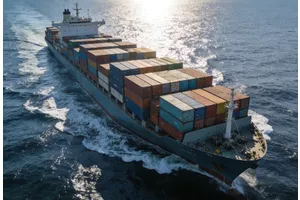
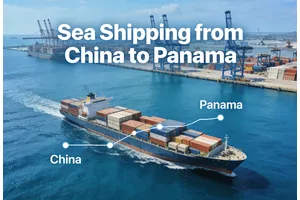
Are you considering sea shipping from China to Uruguay but unsure where to start? Navigating the complexities of ocean freight, understanding shipping routes, and managing freight rates can be overwhelming. In this comprehensive guide, we break down everything you need to know about the sea shipping process, from choosing between FCL vs. LCL containers to managing customs and finding a reliable freight forwarder. Get ready to streamline your China-Uruguay shipping journey with expert tips and essential insights.
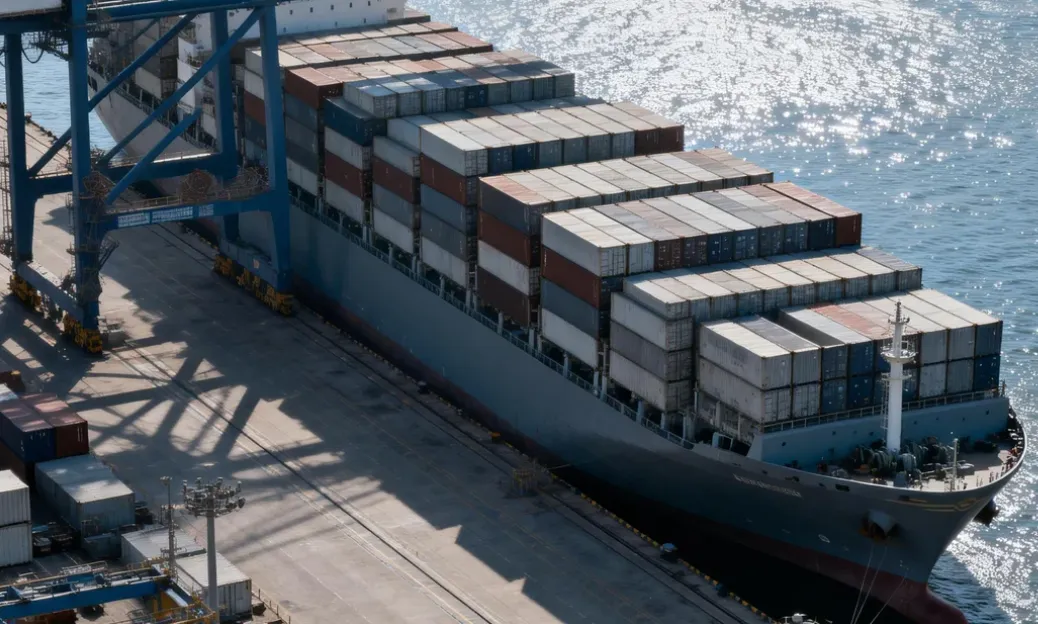
Overview of Sea Shipping from China to Uruguay
Sea shipping is a cost-effective and reliable mode of transporting goods between China and Uruguay. With increasing trade links between Asia and South America, ocean freight remains the primary choice for businesses seeking to move large volumes of goods efficiently across long distances.
What Is Sea Shipping and Why Choose It for China-Uruguay Trade?
Sea shipping (also known as ocean freight) refers to the transportation of cargo by large vessels over international waters. When trading between China and Uruguay, sea shipping is highly preferred due to several key advantages:
- Cost-Effectiveness: For large and heavy shipments, especially those exceeding 1 CBM or 100 kg, ocean freight offers much more competitive rates compared to air freight.
- Capacity: Sea shipping can handle all types of cargo, from bulk commodities to vehicles, machinery, and consumer goods. Standard container sizes like 20FT (28 CBM), 40FT (56 CBM), 40HQ (68 CBM), and 45HQ (78 CBM) provide flexibility for diverse shipment volumes.
- Environmental Impact: Compared to air transport, sea shipping generates much lower emissions per unit of cargo.
- Versatility: Sea freight supports various logistics needs, including FCL (Full Container Load), LCL (Less than Container Load), OOG (Out of Gauge), and Breakbulk shipments.
- Door-to-Door Solutions: Modern logistics providers, such as DTFU International Logistics Co., Ltd, offer comprehensive services from pick-up in China to delivery in Uruguay, including customs clearance and insurance.
Given the geographical distance and the volume of trade, sea shipping is the most practical and scalable solution for importers and exporters connecting these two countries.
Related reading: If you're interested in other South American trade lanes, see our guide on Sea Shipping from China to Peru.
Key Ports in China and Uruguay Used for Ocean Freight
Selecting the right port of origin and destination can significantly impact shipping time and cost. Below is an overview of the main ports involved in China-Uruguay sea trade:
| Country | Major Port Name | Location | Highlights & Trade Role |
|---|---|---|---|
| China | Shanghai Port | East China | Largest container port in the world; frequent sailings to South America. |
| Shenzhen Port | South China | Key gateway for electronics and high-value goods. | |
| Ningbo-Zhoushan Port | East China | High cargo capacity and advanced infrastructure. | |
| Qingdao Port | North China | Major port for machinery, chemicals, and agricultural exports. | |
| Guangzhou Port | South China | Suitable for LCL and FCL shipments to Latin America. | |
| Uruguay | Montevideo Port | Capital, South Coast | Deep-water hub, free port status; vital transshipment point for Mercosur (Paraguay, Bolivia). |
| Nueva Palmira Port | West Uruguay | Key gateway for bulk agricultural and mineral exports. |
Montevideo Port is not just the primary entry point for Uruguay; under its unique "Free Port" regime (Ley de Puertos), goods can transit, be stored, or be re-packaged without being subject to customs duties or import taxes, making it a highly strategic distribution hub for the entire Southern Cone.
Main Sea Freight Routes from China to Uruguay
Understanding the available shipping routes helps businesses plan effective supply chains and anticipate delivery times.
Popular Shipping Lanes and Transit Times
The typical sea route from China to Uruguay involves crossing the Pacific Ocean, passing through the Panama Canal, and reaching the South Atlantic. Direct sailings are rare; most shipments are routed via transshipment hubs in Panama, Brazil, or Argentina.
For those exploring other South American shipping options, you might also be interested in Sea Shipping from China to Panama to learn about routes via this crucial hub.
Estimated Transit Times (Port-to-Port):
| Origin Port (China) | Destination Port (Uruguay) | Typical Transit Time (Days) |
|---|---|---|
| Shanghai | Montevideo | 32–38 |
| Shenzhen | Montevideo | 35–42 |
| Ningbo-Zhoushan | Montevideo | 34–40 |
| Qingdao | Montevideo | 36–43 |
Note: Actual transit times depend on the carrier, route, weather, and market conditions. Based on our recent 2026 shipping data, transshipment congestion at hubs like Santos or Balboa can occasionally add 3-5 days to these estimates. During peak seasons or due to port congestion, further delays may occur.
Direct vs. Transshipment Options
Direct Shipping:
A direct service would sail from a Chinese port to Uruguay without changing vessels. However, there are currently no regular direct services between China and Uruguay due to demand and trade volume constraints.
Transshipment Shipping:
Most ocean freight shipments take a transshipment route, where cargo is offloaded at an intermediate port (such as Panama, Santos in Brazil, or Buenos Aires in Argentina) and then loaded onto a different vessel for the final leg to Uruguay.
| Option | Pros | Cons |
|---|---|---|
| Direct | Faster, less handling risk | Rare, more expensive, limited schedule |
| Transshipment | Flexible, more frequent sailings, competitive rates | Longer transit time, higher risk of delay |
Recommendation:
For most shippers, transshipment routes are the standard and most economical choice. Partnering with an experienced freight forwarder like DTFU International Logistics Co., Ltd ensures optimal routing, competitive rates, and proactive management of your cargo through multiple legs of the journey.
Understanding Shipping Costs and Freight Rates
When considering Sea Shipping from China to Uruguay, understanding the composition of shipping costs and the factors that influence freight rates is crucial for any business or individual. As a Senior International Freight Forwarding Expert with over a decade of hands-on experience in global supply chain management, I have helped numerous clients navigate the complexities of global shipping costs. Here, I provide a comprehensive analysis to help you optimize your budget and improve supply chain efficiency in today's dynamic 2026 market.
Factors Influencing Sea Freight Rates China to Uruguay
Several key factors impact ocean freight rates between China and Uruguay. Understanding these helps you forecast costs, negotiate better deals, and choose the most cost-effective solutions.
-
Origin and Destination Ports
Major departure ports in China like Shanghai, Shenzhen, and Ningbo offer frequent sailings to South America, while Montevideo serves as the primary gateway in Uruguay. Port choice affects both the base price and transit time. -
Container Type and Size
- Full Container Load (FCL): Standard sizes include 20FT (28 CBM), 40FT (56 CBM), 40HQ (68 CBM), and 45HQ (78 CBM).
- Less than Container Load (LCL): Suitable for smaller shipments but priced per cubic meter, often including handling and consolidation fees.
-
Cargo Volume and Weight
Higher cargo volume can unlock bulk rates. Charges are usually calculated based on the greater of weight or volume. -
Seasonal Demand and Market Fluctuations
Shipping rates typically rise before Chinese New Year, peak sales seasons, and when space is limited due to global demand, fuel price changes, or disruptions (e.g., pandemic or port congestion). -
Type of Goods
Special cargo—such as hazardous, perishable, or oversized items—may require specific containers or handling, thus affecting rates. -
Value-Added Services
Services like insurance, packaging, customs clearance, and door-to-door delivery provided by freight forwarders such as DTFU International Logistics Co.,Ltd may influence the overall cost. -
Surcharges and Local Charges
These may include:- Bunker Adjustment Factor (BAF)
- Currency Adjustment Factor (CAF)
- Port Handling Fees
- Documentation Charges
- Security Fees
Example Rate Table (Reference Only, Actual Rates Subject to Market Fluctuation)
| Route | 20FT FCL (USD) | 40FT FCL (USD) | LCL (USD/CBM) | Transit Time (Days) |
|---|---|---|---|---|
| Shanghai – Montevideo | 2,400 | 4,100 | 195 | 38-45 |
| Shenzhen – Montevideo | 2,450 | 4,200 | 200 | 39-47 |
| Ningbo – Montevideo | 2,460 | 4,250 | 205 | 39-48 |
Data updated as of April 2026. These numbers reflect current market averages; please contact DTFU International Logistics to secure preferential contract rates.
See also: Looking to compare costs with other major South American routes? Explore Sea Shipping cost from China to Brazil.
Tips for Reducing Ocean Shipping Costs
-
Plan Ahead
Early booking secures better rates, especially during peak seasons or when space is limited. -
Optimize Container Usage
- Use FCL when your cargo volume is close to a full container to avoid higher per-unit costs of LCL.
- Consolidate shipments when possible to maximize container space.
-
Negotiate with Reliable Freight Forwarders
Experienced companies like DTFU International Logistics Co.,Ltd leverage established carrier relationships to secure preferential contract rates that are often below the market average. -
Flexible Shipping Schedules
Allowing flexibility in departure dates enables you to take advantage of off-peak or promotional rates. -
Choose the Right Incoterms
Understand your responsibilities and liabilities with Incoterms like FOB or CIF to avoid unexpected charges. -
Accurate Documentation
Incomplete or incorrect paperwork can lead to delays and penalties, increasing costs. Ensure all shipping documents are prepared precisely. -
Compare Surcharges
Ask for a detailed quote that breaks down all fees, including terminal handling, documentation, and security surcharges.
Sea Shipping Transit Time from China to Uruguay
Transit time is a critical factor for supply chain planning. It directly impacts inventory management and delivery commitments. Sea Shipping from China to Uruguay generally involves long-haul routes, often including transshipment at major hub ports.
Typical Transit Times
| Origin Port in China | Destination Port in Uruguay | Direct/Transshipment | Estimated Transit Time (Days) |
|---|---|---|---|
| Shanghai | Montevideo | Transshipment | 38 – 45 |
| Shenzhen | Montevideo | Transshipment | 39 – 47 |
| Ningbo | Montevideo | Transshipment | 39 – 48 |
Note:
- There are currently no regular direct sailings from China to Uruguay. Most shipments are routed via transshipment hubs—such as Panama or Brazil (Santos)—which may extend total transit time.
- Transit time does not include local haulage, customs clearance, or potential port delays.
Factors Affecting Transit Time
- Route Selection
Transshipment routes may add days due to transfer and waiting times at hub ports. - Carrier and Service Level
Some carriers offer faster service with higher reliability but may charge premium rates. - Port Congestion and Weather
Seasonal congestion at Chinese or South American ports, as well as adverse weather, can cause delays. - Customs and Documentation Delays
Accurate paperwork and efficient customs clearance are essential to avoid unnecessary hold-ups.
How to Ensure Timely Delivery
- Work with Experienced Freight Forwarders:
DTFU International Logistics Co.,Ltd provides real-time tracking, proactive communication, and alternative routing solutions to minimize delays. - Book Early During Peak Seasons:
Anticipate longer lead times during major holidays or when market demand is high. - Prepare Documentation Thoroughly:
Complete and accurate documentation speeds up customs clearance at both origin and destination.
As the global trade environment becomes more dynamic, understanding the cost structure and transit timelines of Sea Shipping from China to Uruguay is vital. Selecting the right shipping strategy and logistics partner—such as DTFU International Logistics Co.,Ltd—ensures cost efficiency, reliability, and peace of mind throughout your international shipping process.
For tailored solutions, the latest rates, or detailed route planning, feel free to contact our professional team at DTFU International Logistics Co.,Ltd.
Choosing the Right Shipping Container: FCL vs. LCL
Full Container Load (FCL) vs. Less than Container Load (LCL) Explained
When arranging Sea Shipping from China to Uruguay, selecting the right container type is essential. The two main options are Full Container Load (FCL) and Less than Container Load (LCL). Each method suits different cargo volumes, timelines, and budgets.
FCL (Full Container Load):
-
Definition: You rent an entire container exclusively for your goods. Suitable for large shipments.
-
Common Sizes:
- 20FT Container: Capacity ~28 CBM (Cubic Meters)
- 40FT Container: Capacity ~56 CBM
- 40HQ (High Cube): Capacity ~68 CBM
- 45HQ: Capacity ~78 CBM
-
Advantages:
- Lower cost per unit when fully loaded
- Reduced risk of cargo damage or contamination
- Faster transit times, as there's no need to consolidate or deconsolidate with other shippers’ cargo
- Improved security
LCL (Less than Container Load):
-
Definition: Your cargo shares container space with shipments from other exporters/importers.
-
Suitable For: Smaller shipments that do not fill a full container (usually less than 15-20 CBM).
-
Advantages:
- Flexible and cost-effective for small volumes
- Pay only for the space used
- Frequent departures, especially on major trade lanes
Comparison Table: FCL vs. LCL
| Feature | FCL (Full Container Load) | LCL (Less than Container Load) |
|---|---|---|
| Container Use | Exclusive | Shared |
| Typical Cargo Volume | >15-20 CBM | <15-20 CBM |
| Security | High | Moderate (mixed with other goods) |
| Transit Time | Shorter | Longer (due to handling/consol.) |
| Cost (per unit) | Lower for full loads | Higher per unit for small cargos |
| Flexibility | Less (minimum required) | More (suited for smaller shipments) |
| Suitable Cargo | Large, valuable, delicate, urgent | Small, non-urgent, less fragile |
Which Container Option Is Best for Your Cargo?
-
Choose FCL if:
- Your shipment is large enough to fill most of a container.
- You have delicate or high-value goods requiring minimal handling.
- Transit time is a priority.
- You want to reduce the risk of cargo damage and contamination.
-
Choose LCL if:
- Your cargo volume is small and does not justify a full container.
- Budget is limited, and cost per shipment is critical.
- You're flexible with slightly longer transit times due to consolidation and deconsolidation processes.
Expert Tip:
For businesses shipping regularly between China and Uruguay, analyzing your shipping frequency and average cargo volume helps optimize costs. As a leading freight forwarder, DTFU International Logistics Co.,Ltd provides both FCL and LCL solutions. We offer transparent pricing and expert consultation to help you select the most cost-effective and secure option for your needs.
Related: For a comparison of ocean and air freight to nearby countries, check out Air Shipping from China to Peru.
Step-by-Step Sea Shipping Process from China to Uruguay
Booking and Documentation Requirements
The Sea Shipping from China to Uruguay process involves several critical steps to ensure smooth cargo movement and compliance with international regulations.
1. Booking Your Shipment:
- Contact your freight forwarder (e.g., DTFU International Logistics Co.,Ltd) early to reserve space.
- Provide shipment details: cargo description, volume, weight, pick-up and delivery addresses, preferred departure and arrival ports.
2. Documentation Requirements:
Accurate and timely documentation is vital to avoid delays or penalties. Key documents include:
| Document Name | Description | Issued By |
|---|---|---|
| Bill of Lading (B/L) | Contract of carriage and receipt of goods | Carrier/Freight Forwarder |
| Commercial Invoice | Details of transaction between buyer and seller | Supplier/Exporter |
| Packing List | Detailed breakdown of shipment contents | Supplier/Exporter |
| Certificate of Origin | Proves the country of manufacture | Chamber of Commerce |
| Export/Import Licenses | Required for restricted or regulated goods | Exporter/Importer |
| Insurance Policy | Proof of cargo insurance coverage (if applicable) | Insurance Provider |
| Customs Declaration Forms | Required for export clearance in China and import clearance in Uruguay | Exporter/Importer |
Expert Insight:
DTFU International Logistics assists clients in preparing all required documentation, ensuring strict compliance with Uruguay's VUCE requirements to prevent customs holds or penalties. For example, a single mismatch in the HS code between the commercial invoice and the DUA can lead to an automatic "Red Channel" inspection, causing severe delays and storage fees.
Customs Clearance Procedures in China and Uruguay
China (Export Customs):
- Export Declaration: Submit necessary documents (invoice, packing list, export license, etc.) to the Chinese Customs Authority.
- Inspection: Customs officials may inspect goods, especially controlled or high-value items.
- Export Duty: Most standard goods have no export duty, but exceptions may apply.
Uruguay (Import Customs):
- VUCE (Ventanilla Única de Comercio Exterior): All import documentation is processed electronically through the VUCE platform. Your local 'Despachante de Aduanas' (customs broker) will manage this submission.
- DUA (Documento Único Aduanero): The single customs document must be filed accurately to initiate the clearance process.
- Duties and Taxes: Duties are calculated on the CIF (Cost, Insurance, and Freight) value. Goods are strictly classified according to the MERCOSUR Common Nomenclature (NCM). Importers must also account for Tasa Consular (Consular Fee) and IVA (Value Added Tax).
- Inspection Channels: Similar to other Mercosur nations, Uruguay uses a risk management system (Green, Orange, Red channels) determining if documentary or physical inspection is required.
- Release: Upon payment of duties and completion of checks, goods are released for delivery.
Typical Customs Timeline:
- Export Clearance (China): 1-3 working days
- Import Clearance (Uruguay): 2-5 working days, assuming all VUCE submissions and NCM classifications are perfect.
2026 Update:
Uruguay's continued modernization and digitalization of its customs system (Dirección Nacional de Aduanas) have streamlined import procedures. However, strict adherence to the MERCOSUR Common Nomenclature (NCM) and timely document submission remain mandatory to avoid penalties.
DTFU International Logistics Co.,Ltd offers one-stop customs clearance services at both origin and destination, ensuring your cargo complies with all regulations and clearing customs quickly.
Cargo Handling and Delivery at Destination (Uruguay Free Zones)
1. Cargo Handling at Port:
- Upon arrival at Montevideo Port, containers are discharged. Due to Uruguay's Free Port law, cargo can remain in port premises for extended periods tax-free, offering strategic buffer stock capabilities for South American distribution.
- LCL shipments are sent to a designated CFS (Container Freight Station) within the port or a nearby Free Trade Zone (Zona Franca) for deconsolidation.
2. Utilizing Zonas Francas (Free Trade Zones):
- Importers frequently route cargo to Zona Franca de Montevideo or Zona Franca Colonia. Here, you can re-label, assemble, or store goods without paying Uruguayan import duties until the goods officially enter the domestic market.
- This is a critical competitive advantage for brands using Uruguay as a distribution hub for Brazil and Argentina.
3. Inland Delivery & Mercosur Transit:
- After the DUA is cleared, cargo can be delivered to your local warehouse.
- DTFU International Logistics offers door-to-door service, including seamless transit (Transito Aduanero) to neighboring countries like Paraguay and Bolivia using multimodal transport.
4. Documentation Handover:
- Receive original documents (as required), including the Bill of Lading and delivery receipts, confirming successful cargo handover.
Best Practices for Safe Cargo Handling:
- Use high-quality packaging and clear labeling to prevent mishandling.
- Choose trusted partners with a proven track record in Sea Shipping from China to Uruguay.
- Consider cargo insurance to protect your investment against unforeseen risks.
For expert support with Sea Shipping from China to Uruguay, contact us today for a customized logistics solution tailored to your needs.
Special Considerations for Sea Freight
Shipping Regulations and Import Restrictions
When arranging Sea Shipping from China to Uruguay, understanding the latest shipping regulations and import restrictions is critical for a smooth logistics process. Both China and Uruguay have unique sets of rules impacting international ocean freight.
China’s Export Regulations
- Export Documentation: Exporters must provide accurate commercial invoices, packing lists, and the Bill of Lading.
- Customs Compliance: The Chinese Customs authority is strict about product declarations, HS codes, and origin certification.
- Prohibited & Restricted Items: Export of items such as counterfeit goods, hazardous chemicals, or endangered species is banned or strictly regulated.
Uruguay’s Import Requirements
- Import Licenses: Certain goods (e.g., agricultural products, pharmaceuticals, electronics) require pre-shipment permits or licenses from Uruguayan Customs (Dirección Nacional de Aduanas).
- Product Standards: Uruguay enforces safety and quality standards, including labeling requirements in Spanish.
- Tariffs & Taxes: Import duties are levied based on declared value and HS codes, often ranging between 5% to 35%. Value-added tax (IVA) applies to most imports.
Staying updated on bilateral trade agreements and periodic policy changes—such as MERCOSUR regulations or China-Uruguay Free Trade dialogues—helps prevent shipment delays and unexpected costs. Always consult with a professional freight forwarder like DTFU International Logistics Co.,Ltd for the latest regulatory information.
You may also like: For more on door-to-door solutions in other South American countries, see Door to Door Shipping from China to Colombia.
Cargo Insurance and Risk Management
International ocean freight is exposed to various risks—ranging from natural disasters and piracy to loss, theft, or damage during transit. Securing adequate Cargo Insurance is essential when shipping goods from China to Uruguay.
Types of Cargo Insurance
| Insurance Type | Coverage Scope | Recommended For |
|---|---|---|
| All-Risk Insurance | Comprehensive protection against all physical loss/damage (except exclusions) | High-value or fragile cargo |
| Total Loss Insurance | Covers only in the event of total loss of shipment | Bulk or low-value shipments |
| Named Perils Insurance | Covers specific risks named in the policy (e.g., fire, collision) | Standard containerized goods |
Risk Mitigation Tips
- Accurate Documentation: Ensure proper declaration of goods and value for insurance claims.
- Proper Packaging: Reduces loss/damage risks.
- Partner Selection: Work with reputable shipping lines and logistics providers with proven risk management systems.
- Insurance Provider: Choose global insurers with experience in China-Latin America trade.
DTFU International Logistics Co.,Ltd offers tailored insurance solutions, giving you peace of mind during every stage of your ocean freight journey.
Packaging and Labeling Guidelines
Correct packaging and labeling are crucial in Sea Shipping from China to Uruguay, impacting cargo safety, customs clearance, and delivery efficiency.
Packaging Best Practices
- Durable Materials: Use water-resistant and impact-proof materials to withstand long sea transit.
- Standardized Pallets: Adhere to ISPM 15 standards for wood packaging to comply with Uruguayan phytosanitary regulations.
- Container Optimization: Maximize container space (e.g., 20FT: 28CBM, 40FT: 56CBM, 40HQ: 68CBM, 45HQ: 78CBM) for cost efficiency.
Labeling Requirements
- Clear Markings: Each carton must display consignee details, HS code, gross/net weight, and handling instructions in English and Spanish.
- Compliance Labels: Dangerous goods must bear IMO labels and comply with IMDG Code.
- Country-Specific Labels: Uruguay mandates Spanish-language instructions and product information.
Failure to comply can result in customs seizures or delivery delays. Consult your freight forwarder for up-to-date packaging and labeling standards.
How to Select a Reliable Freight Forwarder from China to Uruguay
Choosing the right freight forwarder is a key factor for successful sea shipping from China to Uruguay. Here are critical criteria to consider:
| Criteria | Importance | What to Look For |
|---|---|---|
| Experience | Deep knowledge of China-Uruguay shipping routes | Proven track record, industry certifications |
| Service Scope | End-to-end logistics support | Sea, air, road, warehousing, customs, insurance, FBA |
| Network Strength | Access to key ports in both countries | Partnerships with major carriers and local agents |
| Customs Expertise | Smooth import/export clearance | In-house customs brokers, up-to-date compliance knowledge |
| Cost Transparency | Avoid hidden charges | Detailed quotations and breakdowns |
| Customer Support | Responsive communication | Multilingual team, 24/7 assistance |
DTFU International Logistics Co.,Ltd is a highly professional, cost-effective, and high-quality one-stop international logistics service provider. We offer:
- Sea Freight, Air Freight, Road Freight
- Amazon FBA, Warehousing, Cargo Insurance
- One-stop Customs Clearance
- Door to Door Services, OOG & Breakbulk Freight
- Consolidated Freight solutions
Our expertise, reliable network, and transparent pricing make us the ideal partner for your China-Uruguay shipping needs.
FAQs
1. What is the typical transit time for sea shipping from China to Uruguay?
Transit times vary by shipping lane and port pair, but generally range from 30 to 45 days for port-to-port service. Factors such as weather, route congestion, and customs inspections may affect actual duration.
2. Which ports are most commonly used for ocean freight from China to Uruguay?
Major Chinese ports include Shanghai, Shenzhen, and Ningbo. The primary port of entry in Uruguay is Montevideo.
3. What container size should I use for my shipment?
Container selection depends on your cargo volume:
- 20FT (28CBM): Small loads or heavy cargo
- 40FT (56CBM): Larger shipments
- 40HQ (68CBM): Voluminous but lighter goods
- 45HQ (78CBM): Maximum volume needs
4. Are there goods that cannot be shipped from China to Uruguay?
Yes. Both countries prohibit or restrict certain items such as hazardous materials, counterfeit goods, and controlled substances. Always verify with your forwarder.
5. What are Incoterms and which one should I choose?
Incoterms are international commercial terms defining buyer and seller responsibilities. Common choices include FOB (Free On Board) and CIF (Cost, Insurance & Freight). Your choice depends on your trade agreement and risk preference.
For specific inquiries about your logistics needs, please contact DTFU International Logistics Co.,Ltd—your trusted partner for Sea Shipping from China to Uruguay.