Are you grappling with multiple challenges when it comes to shipping goods from China to Iran? Concerns such as uncertain sea freight costs, fluctuating transit times, unfamiliarity with major ports in both regions, ambiguity around import taxes and duties, and the difficulty of selecting a trustworthy freight forwarder can be overwhelming. Fear not, as this comprehensive article will dissect these issues in detail, empowering you to manage China - Iran sea shipping with confidence.
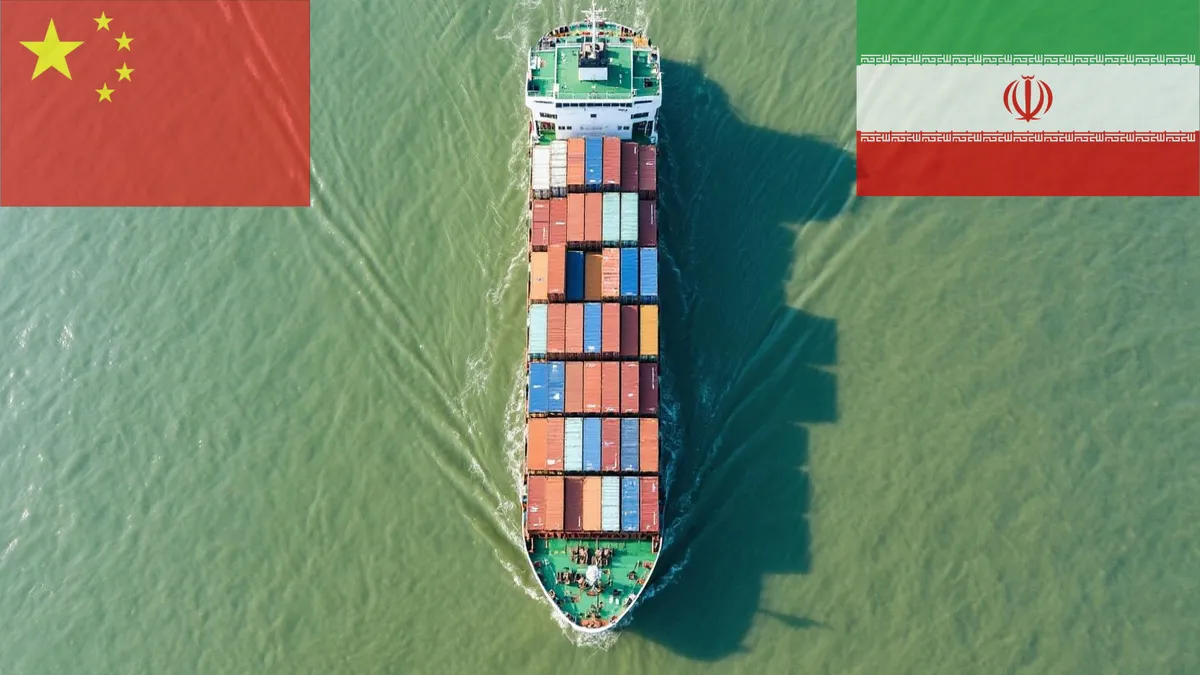
How Much Does Sea Shipping Cost from China to Iran?
In 2025, sea shipping costs from China to Iran are subject to a variety of factors, including the type of shipment (LCL/FCL), origin and destination ports, container size, and dynamic surcharges. Current market conditions, such as global fuel price instability and occasional port congestion in the Persian Gulf, also have a significant impact on rates. The following is an in - depth breakdown of costs and important considerations.
LCL (Less than Container Load) Costs
LCL sea freight is an excellent choice for smaller shipments that share container space. Rates are usually calculated per cubic meter (CBM) or ton, whichever is greater.
| Origin Port in China | Destination Port in Iran | Approximate Cost per CBM (USD) |
|---|---|---|
| Shanghai Port | Bandar Abbas Port | 150 - 350 |
| Shenzhen Port | Bandar Abbas Port | 130 - 320 |
| Ningbo - Zhoushan Port | Bandar Imam Khomeini Port | 140 - 330 |
| Guangzhou Port | Bandar Anzali Port | 160 - 360 |
Key Points:
- Costs typically include basic handling fees but exclude customs clearance fees (which are approximately $50 - 100 in Iran) and local delivery charges.
- LCL rates from southern Chinese ports (e.g., Shenzhen Port) to Iranian ports are around 8 - 12% lower than those from northern routes due to shorter distances.
- Some providers offer "all - in" LCL rates (e.g., $100/CBM from Guangzhou to Bandar Abbas), which cover THC and documentation fees.
FCL (Full Container Load) Costs for Sea Freight
FCL sea freight is recommended for larger shipments that require dedicated containers. The following are typical rates for 20 - foot (20GP) and 40 - foot (40GP/40HQ) containers:
| Origin Port in China | Destination Port in Iran | 20GP Cost (USD) | 40GP/40HQ Cost (USD) |
|---|---|---|---|
| Tianjin Port | Bandar Abbas Port | 1200 - 2000 | 1800 - 2800 |
| Shanghai Port | Bandar Imam Khomeini Port | 1100 - 1800 | 1600 - 2500 |
| Shenzhen Port | Bandar Abbas Port | 1000 - 1600 | 1500 - 2300 |
| Guangzhou Port | Bandar Anzali Port | 1300 - 2100 | 1900 - 3000 |
Key Points:
- Rates from northern ports (e.g., Tianjin Port) are 12 - 18% higher because of longer routes through the Indian Ocean and Persian Gulf.
- Peak season surcharges (PSS) of $200/20GP and $300/40HQ are applicable from April - June and September - November, coinciding with Iran's import peaks for consumer goods and construction materials.
- Premium carriers like Maersk offer faster direct routes (e.g., Shenzhen to Bandar Abbas in 20 days) at a 8 - 12% premium over standard lines.
Additional Charges in Sea Freight
Mandatory Fees
Terminal Handling Charges (THC):
- 20GP: $80 - 110 (Shanghai Port to Bandar Abbas Port)
- 40GP/40HQ: $120 - 160 (Shenzhen Port to Bandar Imam Khomeini Port)
Seal Fee: $5 - 15 per container, for securing the cargo.
Documentation Fee (ODF): $50 - 70 per container (standard for Iranian - bound shipments).
Variable Surcharges
- Fuel Surcharge (EBS): Adjusted monthly, averaging 15% of the base rate in 2025 due to Persian Gulf fuel price fluctuations.
- Port Congestion Surcharge (PCS): Imposed during peak periods—Bandar Abbas Port occasionally adds $150 - 250/TEU during import surges (common in Q2 and Q4).
- War Risk Surcharge (WRS): A charge specific to Iran routes, averaging $30 - 80/container, due to regional geopolitical factors.
Factors Affecting Sea Freight Costs
Port Congestion:
- Bandar Abbas Port (Iran's main container port) often experiences 5 - 8 - day berthing delays during peak import seasons (e.g., pre - Nowruz shopping), increasing handling costs.
- Bandar Imam Khomeini Port may face bottlenecks due to petrochemical - related cargo traffic, adding $100 - 200 in detention fees for delayed pickups.
Customs and Duties:
- Iran levies customs duties ranging from 0 - 30% based on product type (e.g., 3% for basic machinery, 20% for luxury consumer goods).
- A 3% value - added tax (VAT) applies to most imports, calculated on CIF value + customs duty.
- Incomplete documentation can trigger inspections, adding $150 - 400 in fees.
Route Optimization:
- Southern Chinese ports (Shenzhen, Guangzhou) to Iranian ports save 2 - 4 days and 8 - 12% in costs compared to northern routes, making them ideal for cost - sensitive shipments.
Practical Recommendations for Sea Freight
Peak Season Planning: Avoid shipping 1 - 2 weeks before Nowruz, when Iranian ports and customs face significant backlogs.
Carrier Selection:
- Cost - Effective: COSCO, Hapag - Lloyd (rates 8 - 12% lower than premium lines).
- Reliability: Maersk, MSC (better on - time performance for critical cargo like medical supplies).
Documentation: Ensure complete paperwork (commercial invoice, packing list, certificate of origin with Farsi translation) to avoid customs delays—essential for Iranian clearance.
For a customized quote, consult DTFU Logistics. Our experts monitor real - time port conditions and surcharges to ensure cost - effectiveness for your China - Iran sea shipping.
How Long Does Sea Shipping Take from China to Iran?
In 2025, sea shipping transit times from China to Iran vary depending on origin/destination ports, shipment type (LCL/FCL), and external factors such as weather and port congestion. The following is a detailed breakdown of timelines and key considerations.
LCL (Less than Container Load) Transit Time
LCL shipments (shared containers) take longer due to consolidation/deconsolidation at origin and destination ports.
| Origin Port in China | Destination Port in Iran | Approximate Transit Time (Days) |
|---|---|---|
| Shanghai Port | Bandar Abbas Port | 28 - 36 |
| Shenzhen Port | Bandar Abbas Port | 24 - 32 |
| Ningbo - Zhoushan Port | Bandar Imam Khomeini Port | 26 - 34 |
| Guangzhou Port | Bandar Anzali Port | 30 - 38 |
Key Points:
- LCL timelines include 4 - 6 days for cargo consolidation at Chinese ports and 3 - 5 days for deconsolidation in Iran.
- Customs clearance in Iran typically takes 2 - 6 days but can be extended to 8 + days if documents are incomplete—underscoring the importance of accurate paperwork.
FCL (Full Container Load) Transit Time
FCL shipments (dedicated containers) offer more predictable timelines due to reduced handling.
| Origin Port in China | Destination Port in Iran | Transit Time (Days) |
|---|---|---|
| Shanghai Port | Bandar Abbas Port | 18 - 24 |
| Shenzhen Port | Bandar Abbas Port | 16 - 22 |
| Ningbo - Zhoushan Port | Bandar Imam Khomeini Port | 17 - 23 |
| Tianjin Port | Bandar Anzali Port | 26 - 33 |
Key Points:
- Direct routes from southern Chinese ports (e.g., Shenzhen) to Bandar Abbas are the fastest, taking advantage of shorter access to the Persian Gulf.
- Northern ports (Tianjin) often require transshipment via Dubai or Oman, adding 6 - 9 days.
- Premium services (e.g., MSC’s "Iran Express") reduce transit times by 2 - 4 days for time - sensitive cargo like high - tech products.
Factors Affecting Sea Shipping Transit Time
Route and Distance: Southern Chinese ports are 1200 - 1800 nautical miles closer to Iran than northern ports, reducing transit times by 2 - 4 days.
Weather Conditions: Persian Gulf storms (July - September) can cause 1 - 3 - day delays as vessels slow down for safety.
Port Congestion:
- Bandar Abbas Port averages 4 - 7 days of berthing delays during peak consumer goods imports (Q2 and Q4 2025).
- Bandar Imam Khomeini Port faces occasional delays due to oil tanker traffic, adding 2 - 4 days to unloading.
Shipping Line Schedules: Premium carriers (Maersk, MSC) offer weekly direct sailings, while budget lines (COSCO) have bi - weekly schedules with longer transit.
Customs and Documentation: Iranian customs require strict document verification—errors can add 6 - 10 days to delivery. Ensure Farsi translations for all paperwork.
Practical Recommendations for Sea Shipping
- Route Prioritization: Use southern Chinese ports (Shenzhen, Guangzhou) for faster access to Iran.
- Booking Lead Time: Reserve FCL space 3 - 5 weeks in advance during peak seasons to secure on - time sailings.
- Real - Time Tracking: Partner with logistics providers offering GPS container tracking to monitor delays proactively.
For a precise timeline tailored to your shipment, contact DTFU Logistics. Our team provides real - time updates on port conditions and route optimizations to ensure on - schedule delivery.
Main Ports in China and Iran
Main Ports in China
China's world - class ports are crucial for sea shipping to Iran, offering advanced infrastructure and global connectivity.
| Port Name | Location | Annual Cargo Volume (TEUs - 2024) | Key Features |
|---|---|---|---|
| Shanghai Port | Shanghai | ~49 million | The world’s busiest container port, with direct routes to Iran. Handles a wide range of cargo types, including high - tech products for the Iranian market. |
| Shenzhen Port | Shenzhen | ~30 million | A hub for electronics and light manufacturing goods—ideal for Iranian consumer goods imports. Offers frequent sailings to Bandar Abbas. |
| Ningbo - Zhoushan Port | Ningbo | ~35 million | Deep - water port specializing in bulk cargo (e.g., construction materials, grains) essential for Iran's infrastructure projects. |
| Guangzhou Port | Guangzhou | ~27 million | Strategically located for shipments to southern Iran, with efficient connections to Pearl River Delta manufacturers. |
| Tianjin Port | Tianjin | ~21 million | Northern China’s gateway, serving industries in Hebei and Shandong. Offers transshipment routes to Iran via Gulf hubs. |
Main Ports in Iran
Iran's ports, mainly along the Persian Gulf, are vital for sea trade, with continuous expansions to meet growing demands.
| Port Name | Location | Annual Cargo Volume (TEUs - 2024) | Key Features |
|---|---|---|---|
| Bandar Abbas Port | Hormozgan Province | ~3.5 million | Iran's largest and busiest port, handling over 60% of containerized imports. Equipped with modern terminals for general cargo and containers. Undergoing expansion to increase capacity by 30% by 2027. |
| Bandar Imam Khomeini Port | Bushehr Province | ~2 million | Focuses on petrochemical products and general cargo. Critical for Iran's oil - related exports and industrial imports. |
| Bandar Anzali Port | Gilan Province | ~1.2 million | Iran's main port in the Caspian Sea region, specializing in trade with Central Asia and Russia. Also handles some imports from China destined for northern Iran. |
| Chabahar Port | Sistan - Baluchestan Province | ~0.8 million (growing) | A strategic deep - water port, aiming to boost Iran's trade with South Asia and beyond. Connects China's Belt and Road Initiative with the Iranian market. |
These ports form the backbone of China - Iran sea trade, linking China's manufacturing powerhouses to Iran's diverse market and development needs.
Import Tax and Duty Instructions for Exports from China to Iran
Understanding import taxes and duties is of utmost importance for sea shipping from China to Iran, as unexpected costs can disrupt budgets and cause delays. The following is a clear breakdown.
Basic Composition of Taxes and Duties
- Customs Duty: Determined by the HS code of goods, ranging from 0% (essential goods like medical supplies) to 30% (luxury items).
- Value - Added Tax (VAT): 3% on most imports, calculated as (CIF value + customs duty).
- Excise Tax: Applies to specific goods (alcohol, tobacco, luxury vehicles) at rates up to 150%.
Tax and Duty Table for Common Commodities
| Commodity Category | HS Code Range | Customs Duty Rate | VAT Calculation | Example (CIF Value: $1000) |
|---|---|---|---|---|
| Machinery & Equipment | Starting with 84 | 3% | (1000 + 30) × 3% = $30.9 | Total: 30 + 30.9 = $60.9 |
| Electronics (phones, laptops) | Starting with 85 | 12% | (1000 + 120) × 3% = $33.6 | Total: 120 + 33.6 = $153.6 |
| Textiles & Clothing | 61 - 63 | 15% | (1000 + 150) × 3% = $34.5 | Total: 150 + 34.5 = $184.5 |
| Construction Materials | 68 - 70 | 5% | (1000 + 50) × 3% = $31.5 | Total: 50 + 31.5 = $81.5 |
| Medical Supplies | Starting with 90 | 0% | (1000 + 0) × 3% = $30 | Total: 0 + 30 = $30 |
Special Notes
- Duty Exemptions: Humanitarian aid, some medical equipment, and government - approved development materials may qualify for 0% customs duty (still subject to the 3% VAT).
- Certificate of Origin: A validated Chinese certificate of origin can reduce duty rates for certain goods (e.g., machinery) by 2 - 4%.
- Calculation Order: Always calculate "customs duty first, then VAT" to avoid errors.
- Documentation: Iranian customs require Farsi translations of all commercial documents to process duties efficiently.
For precise calculations and updates on Iran's latest tax policies (e.g., 2025 adjustments to VAT rates), consult DTFU Logistics. Our team verifies HS codes and duty rates to ensure compliance.
Why Choose DTFU Logistics for Your China - Iran Sea Shipping?
When engaging in sea shipping from China to Iran, it is crucial to collaborate with a logistics expert familiar with regional characteristics. DTFU Logistics provides highly professional, cost - effective, and customized one - stop services for global traders, with the following core advantages:
- End - to - end management for seamless sea shipping: We cover the entire process from cargo pickup at factories in China (such as Shanghai, Shenzhen, and Guangzhou) to final delivery in Iran (such as Tehran, Basra, and Erbil). We are responsible for customs clearance in both China and Iran, ensuring compliance with all Iranian requirements (such as Farsi documents and HS code verification). For example, a recent client shipped 500 tons of construction materials from Shenzhen to Bandar Abbas Port, and successfully avoided delivery delays through our pre - customs clearance review.
- Transparent pricing with no hidden fees: We clearly break down all costs, including basic freight, Terminal Handling Charges (THC), War Risk Surcharge (WRS), and estimates of reconstruction taxes, helping you accurately plan your budget for China - Iran sea shipping.
- Flexible solutions to meet the needs of the Iranian market: Whether you need to ship small batches of textiles via LCL or bulk machinery via FCL, we can provide customized solutions. For urgent humanitarian aid supplies, we also offer sea - air combined transportation services (for example, from Guangzhou to Basra in 10 days), with a cost 40% lower than pure air freight.
- Local resources in Iran to address logistics challenges: We have a local team in Basra that monitors the congestion situation at Bandar Abbas Port in real - time, coordinates with local agents to speed up cargo distribution, and can handle Iranian logistics difficulties (such as inland transportation from ports to northern cities). At the same time, we can also assist in handling logistics in free zones (such as Basra Free Zone) and provide duty - free warehousing services.
Contact DTFU Logistics immediately to get a quote within 24 hours. With our professional knowledge of regional trade, we will make your China - Iran sea shipping efficient, worry - free, and cost - effective.