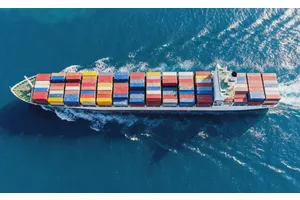
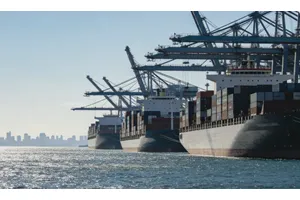
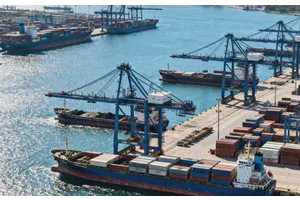
Did you know that optimizing your sea shipping from China to Ecuador strategy could reduce your overall logistics costs by up to 25%? How fluctuating ocean freight rates from China affect your procurement planning and inventory margins?
Navigating the complex customs clearance processes of SENAE, balancing shipping costs with transit times, and finding a reliable freight forwarder can be overwhelming for many importers. In this comprehensive guide, our 10+ years experienced logistics experts at DTFU Logistics (FIATA & IATA certified) will walk you through the most cost-effective methods, FCL vs. LCL comparisons, exact transit times, and insider tips for smooth customs clearance in Guayaquil. If you are also sourcing goods for the North American market, you might want to review our Shipping from China to USA guide.
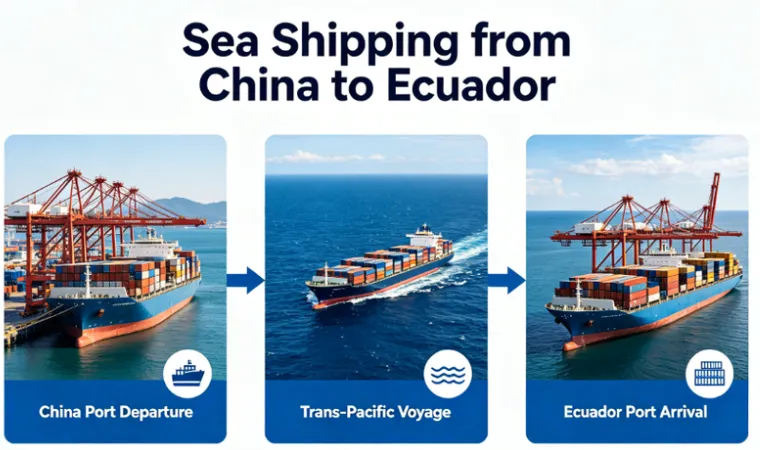
Sea Freight Cost from China to Ecuador (2026 Estimates)
When calculating the sea freight cost from China to Ecuador, it's essential to understand that prices fluctuate based on seasonality, fuel surcharges, and port congestion. However, ocean freight remains the most budget-friendly option for large volumes of machinery, furniture, and electronics.
Here are the estimated breakdowns for 2026:
| Shipping Method | Estimated Cost (USD) | Best Suited For |
|---|---|---|
| FCL (20ft Container) | $2,500 - $4,000 | Dense, heavy cargo like construction materials |
| FCL (40ft High Cube) | $3,000 - $5,500 | Voluminous goods like furniture and textiles |
| LCL (Less than Container Load) | $80 - $150 per CBM | Small to medium businesses (SMEs) under 15 CBM |
Note: The above rates are port-to-port estimates and do not include destination charges.
Hidden Fees to Watch Out For
To get the cheapest sea shipping from China to Ecuador, you must account for hidden fees. Based on our daily operations handling shipments from Shenzhen to Guayaquil, always ask your forwarder to clarify: - Terminal Handling Charges (THC) at both origin and destination. - Documentation fees (B/L issuance, export licenses). - Port maintenance fees and SENAE inspection costs.
Expert Strategy: Optimize your packing to maximize container space. For instance, a client importing furniture recently saved 15% on total costs by switching from LCL to a consolidated FCL 40HQ. Work with a transparent freight forwarder like DTFU Logistics to avoid unexpected surcharges.
FCL vs. LCL Shipping from China to Ecuador: Which is Best?
Choosing between FCL and LCL shipping from China to Ecuador depends entirely on your cargo volume, budget, and timeline.
FCL (Full Container Load)
FCL is ideal for shipments over 15 CBM. You rent the entire container exclusively for your goods. - 20ft container (TEU): Holds about 33 CBM. - 40ft container (FEU): Holds about 67 CBM. - 40ft High Cube (HC): Holds about 76 CBM, perfect for bulky but lighter items. - Benefits: Faster transit times since the container doesn't need to be unpacked and sorted at destination, lower risk of damage, and more cost-effective per unit for large orders. For importers expanding their South American operations, we also offer dedicated Shipping from China to Brazil and Shipping from China to Colombia with similar FCL advantages.
LCL (Less than Container Load)
LCL is perfect for SMEs with shipments under 15 CBM. Your cargo shares a container with goods from other importers. - How it works: You only pay for the volume (CBM) your cargo occupies. - Benefits: The most budget-friendly option for smaller loads without tying up cash flow in excessive inventory.
Major Ports for the China-Ecuador Route
Efficient sea shipping relies on selecting the optimal departure and arrival ports.
Origin Ports in China
Depending on where your supplier is located, shipping from the nearest port can save significant inland transportation costs. Key origin ports include: - Shenzhen and Guangzhou: Best for electronics and consumer goods. - Shanghai and Ningbo: Ideal for heavy machinery and textiles. - Qingdao and Xiamen.
Destination Ports in Ecuador
- Port of Guayaquil: The primary maritime hub, handling over 70% of Ecuador's imports. It boasts advanced infrastructure for both containerized and bulk cargo.
- Port of Esmeraldas: Located in the north, often used for regional distribution.
- Port of Manta: A deep-water port suitable for specialized projects and oversized shipments.
- Puerto Bolivar.
How Long Does Sea Shipping Take from China to Ecuador?
If you are wondering how long does sea shipping take from China to Ecuador, the average port-to-port transit time is between 25 to 40 days, depending on the route, carrier, and transshipments (often via Panama or Peru).
| Origin Port (China) | Destination Port (Ecuador) | Estimated Transit Time |
|---|---|---|
| Shanghai | Guayaquil | 28 - 35 days |
| Shenzhen | Guayaquil | 28 - 35 days |
| Ningbo | Guayaquil | 25 - 33 days |
| Qingdao | Guayaquil | 30 - 37 days |
Factors Affecting Delays: Port congestion, severe weather conditions, and peak seasons (such as the weeks leading up to Chinese New Year) can add 5 to 10 days to your schedule. During peak season capacity crunches, our direct contracts with major carriers ensure secured space and competitive rates, even when market capacity tightens.
DTFU Logistics Advantage: In today's supply chain environment, real-time visibility isn't a luxury — it's an expectation. Our 24/7 online tracking platform keeps you informed at every milestone.
Door to Door Sea Shipping & DDP to Ecuador
For importers looking for a hands-off approach, door to door sea shipping from China to Ecuador is the ultimate solution.
What is Door-to-Door Service?
This all-inclusive service covers the entire logistics chain: supplier pickup in China, export customs, ocean freight, import clearance in Ecuador, and final delivery to your warehouse.
DDP (Delivered Duty Paid) vs. FOB/CIF
Under Incoterms 2020, choosing the right trade term is vital: - DDP: The freight forwarder handles all transportation costs, risks, import duties, and taxes. While DDP offers a hassle-free experience for many importers, it is highly recommended if you don't have a dedicated customs broker in Ecuador. - FOB (Free on Board) / CIF (Cost, Insurance, and Freight): Better suited for experienced importers who have established relationships with local Ecuadorian brokers and want tighter control over destination costs.
Real-Life Scenario: We recently helped an Ecuadorian SME streamline their supply chain by switching from CIF to a DDP door-to-door solution. By handling the documentation accuracy upfront, our dedicated account managers eliminated unexpected SENAE fines and reduced the overall delivery time by 4 days. If your business is also looking at neighboring markets, checking the Sea Shipping from China to Venezuela guide can provide additional regional insights.
Navigating Ecuador Customs Clearance (SENAE)
Customs clearance through Ecuador's National Customs Service (SENAE) is notoriously strict. In our experience, a single paperwork error can lead to hefty fines and weeks of delays at the Port of Guayaquil.
Comprehensive Shipping Documentation Checklist
To ensure legal and smooth entry, our dedicated account managers handle documentation accuracy upfront. You must prepare: - Bill of Lading (B/L): The master transport document. - Commercial Invoice & Packing List: Must accurately reflect the cargo value and weight. Discrepancies here are the #1 cause of SENAE audits. - Certificate of Origin: Essential for leveraging potential tariff reductions under trade agreements. - INEN Certificates: Required for specific restricted products (like textiles, shoes, and electronics) to prove they meet Ecuadorian quality standards.
Duties, Taxes, and Insurance
Importing into Ecuador involves navigating Duties and Taxes. You will need the correct HS Codes to determine your specific tariff rate, plus the standard VAT (IVA).
Furthermore, without comprehensive cargo insurance, a single damaged container can erase months of profit margins. We always advise clients to evaluate coverage options based on cargo value and route risk for these long Pacific voyages. According to the International Federation of Freight Forwarders Associations (FIATA), securing proper insurance is a critical step in international trade risk management.
FAQ: Shipping to Ecuador
Can I ship Amazon FBA products directly to Ecuador? Yes, DTFU Logistics offers comprehensive Amazon FBA forwarding services, though Amazon does not have fulfillment centers inside Ecuador. Importers usually ship to Miami first or use specialized cross-border e-commerce fulfillment strategies.
What are the restrictions on importing electronics or textiles to Ecuador? Electronics and textiles require specific INEN technical certificates before they can clear customs. Failure to obtain these prior to shipping will result in cargo confiscation.
Do I need a local customs broker if I use a freight forwarder? If you choose standard port-to-port shipping, you will need a registered Ecuadorian customs broker. However, if you opt for our DDP door-to-door service, our local agents handle the brokerage for you.
How can I track my ocean freight shipment? When shipping with DTFU Logistics, you are provided with a tracking number and access to our 24/7 portal to monitor your vessel's real-time location.
Conclusion
Sea shipping from China to Ecuador remains the backbone of bilateral trade, offering the best balance of cost-efficiency and large capacity. Whether you are shipping heavy machinery via FCL or testing the market with an LCL shipment, understanding costs, transit times, and SENAE regulations is key to protecting your profit margins.
Ready to optimize your supply chain? Trust DTFU Logistics, your FIATA & IATA certified partner. We provide transparent and flexible logistics solutions without hidden fees.
Contact us today for a customized sea freight quote from China to Ecuador!
Visit DTFU Logistics to get started.